Best Paris Food Tours for First-Time Visitors Who Want More Than Croissants

Updated
The best Paris food tour for first-time visitors is a privately paced Saint-Germain and Left Bank tasting route, with the Right Bank-to-Left Bank crossing logic handled deliberately rather than improvised. It works because cheese, wine, pastry, market context, and bistro habits can sit close together without turning the day into a sequence of transfers: a guide can start near Saint-Germain-des-Prés, read the route through Odéon or the Luxembourg edge, and use Pont Neuf or Pont des Arts only when the river crossing adds meaning rather than fatigue. The clearest exception is a traveler who wants a more contemporary, fashion-forward first impression; that person may prefer Le Marais, especially if the hotel is already on the Right Bank.
In Paris, the food tour that teaches the city fastest is not the sweetest one; it is the one that reduces crossings while showing how residents buy, pause, order, and pair. Croissants belong in the story, but they should not control the day. A strong first Paris food tour should explain why a fromagerie visit changes how you read a wine bar, why a pastry stop feels different before lunch than after a museum, and why a single neighborhood with a good guide beats a glamorous list of disconnected tastings. For travelers comparing private options, start with Paris food and wine private tours and use this guide to decide which neighborhood, format, and timing actually fit your first stay.
The verdict: the best Paris food tour starts on the Left Bank unless your trip is already Right Bank-heavy
The strongest default base is Saint-Germain, broadly the 6th arrondissement and its nearby Left Bank edges, because it lets a first-time visitor understand Paris through food without making the walk feel like a commute. You can fold cheese, bread, pastry, wine, and bistro culture into a compact arc that still feels like Paris rather than a tasting room tour. The route can begin near Saint-Germain-des-Prés, drift toward Odéon, brush the Luxembourg Garden edge, and finish somewhere that does not punish the evening with a long return.
The Right Bank-to-Left Bank crossing logic matters because a river crossing is not just scenery. If a route starts by the Louvre, crosses at Pont des Arts, and settles into Saint-Germain, the bridge becomes a useful hinge: it explains why the city feels different across the Seine and why food rituals vary by quarter. If a route jumps from the 8th to the Marais, then to the Latin Quarter, then back to a palace-area hotel, the same river becomes a transfer tax. The traveler feels it as extra walking, more traffic pauses, and less appetite when the best part of the day arrives.
Le Marais is the best alternative when your group wants a Right Bank day with boutiques, Jewish-quarter context, contemporary bakeries, and a more animated street rhythm. It suits travelers staying near the 1st, 3rd, 4th, or eastern 8th who want to avoid a long start. It is less ideal for visitors who want a calmer wine-and-cheese education or an elegant pre-dinner day that does not spill into busy lanes.
Best Paris food tours beyond croissants: the priority ladder
For a first Paris food tour, choose the format in this order: Saint-Germain for the best all-around education, Le Marais for Right Bank energy, a focused market morning for serious food shoppers, a pastry atelier when the group wants hands-on learning, and Champagne only when the trip has enough days to leave the city without sacrificing the first Paris read. This ladder is not about prestige; it is about how much understanding the experience gives you per hour of walking, waiting, and transferring.
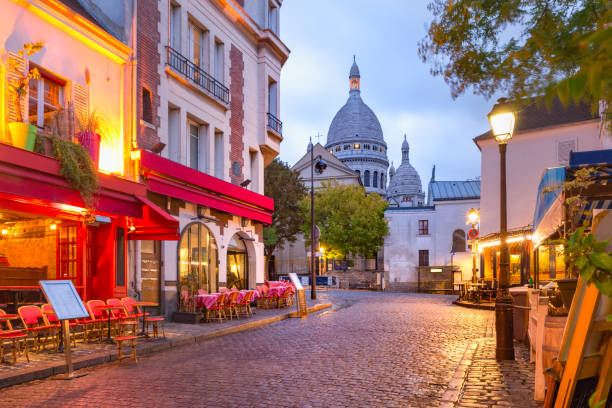
The overvalued default most readers should reconsider is a Montmartre-first food tour. Montmartre can be charming, but as a first food decision it often asks too much from the body before it gives enough back: slopes, stairs, crowded photo lanes, and a later return that can leave dinner feeling like an obligation. Stop forcing Montmartre as the first paid food experience unless the village atmosphere is the point of the day, not just a pretty backdrop.
- Choose Saint-Germain if you want the most balanced first read: cheese, wine, pastry, bistro etiquette, bookish Left Bank streets, and a route that can stay compact.
- Choose Le Marais if your hotel, shopping, or first-day plan is already on the Right Bank and the group likes a livelier street scene.
- Choose a market-led route if you care about ingredients, buying habits, and producer context more than dessert stops or postcard lanes.
- Choose a pastry class or sweets tour if the group includes children, teenagers, or culinary travelers who prefer making and tasting to long narrative walking.
- Choose Champagne if you have a longer stay and want cellars, regional identity, and a full out-of-city food-and-wine day rather than a Paris neighborhood primer.
The traveler-fit clusters are therefore not equal alternatives. They are different answers to different frictions. Saint-Germain solves orientation, Le Marais solves Right Bank convenience, a market solves ingredient curiosity, an atelier solves hands-on attention, and Champagne solves the desire to leave Paris for a regional wine day. The wrong choice usually happens when a traveler buys the mood they imagined instead of the route their actual day can carry.
The cut-first rule is simple: cut the cross-city tasting crawl before you cut the guide. A private guide can turn a modest number of stops into a coherent Paris education; no amount of extra tasting makes a scattered route feel calmer. Premium spend does not help when it is spent on a larger tasting count across too many neighborhoods; it only makes the day look richer on paper while adding walking load and transfer resets.
Saint-Germain is the best default for cheese, wine, pastry, and bistro culture in one guided experience
Saint-Germain works best because it gives first-time visitors the most complete Paris food vocabulary without demanding a heroic walk. The streets around Boulevard Saint-Germain, Rue de Buci, Odéon, and the Luxembourg side can carry a route from bread and cheese to wine, pastry, and bistro habits with enough architectural and social context to make the tastings feel connected. The point is not to collect the most famous addresses. The point is to understand why a neighborhood can hold a bakery, a cheese shop, a wine conversation, and a café pause in a rhythm that locals actually recognize.
A good Saint-Germain route also helps first-time travelers avoid the croissant trap. Croissants are a useful opening note, especially for texture, butter, and morning ritual, but they do not explain Paris on their own. A guide who can put a pastry stop next to a fromagerie visit, then explain why a wine pairing changes the cheese, gives the traveler a better framework for the rest of the trip. That matters when you later choose a casual lunch, understand a bistro menu, or decide whether a long tasting menu is worth one of your limited evenings.
This is also where a private format earns its cost. The guide can adjust the stops when a child is fading, when a couple wants a slower wine conversation, or when a celebration group needs a route that ends gracefully near dinner. For a deeper, more polished version of the same question, Orange Donut Tours also frames the broader decision in a curated Paris food-and-wine day, but the first-visit answer remains narrower: keep the route compact, teach the fundamentals, and make the neighborhood do the work.
Le Marais is the Right Bank answer when energy matters more than calm
Le Marais is the better fit when the group wants Paris to feel lively, layered, and a little less formal. It can bring together Jewish-quarter context, contemporary sweets, boutiques, small galleries, and narrow streets that make a half-day feel full without adding a museum. For travelers staying near the 3rd or 4th arrondissement, or near the Louvre side of the 1st, Le Marais also reduces the start-up drag that comes from crossing the city just to begin eating.
The tradeoff is atmosphere management. Le Marais can feel animated in the best way, but it can also feel noisy, compressed, and stop-start when the route drifts into the busiest shopping lanes. A private guide should not turn the day into a shuffle between storefronts. The stronger version uses quieter seams, explains why the district’s identities overlap, and lets the tastings support the story rather than compete with the street traffic.
Families with teenagers often do well here because the mood is immediate: fashion, snacks, street texture, and fewer long lectures. Older travelers, celebration couples in dress shoes, or anyone who wants a calmer wine-and-cheese education may prefer Saint-Germain. Le Marais gives first-timers a vivid Right Bank read; it is not the best choice when the group needs quiet pacing, predictable seating, or a route that ends softly before a formal dinner.
Montmartre is memorable, but atmosphere is not always worth the hassle
Montmartre is worth choosing when the group specifically wants village atmosphere, hilltop views, artists’ lore, and a looser food walk that feels separate from central Paris. It is not the best first food tour for travelers who want the most efficient lesson in Paris food culture. The neighborhood’s beauty comes with consequences: slopes, stairs, crowds around the Sacré-Cœur side, and routes that can make a simple tasting plan feel more physical than expected.
For comfort-first visitors, the main issue is not whether Montmartre is worth seeing. It is whether the food tour slot is the right way to see it. A Montmartre walk can ask the body to climb, descend, stand in busy lanes, and then travel back across town before dinner. That walking load changes how the evening feels. Instead of arriving at dinner curious and alert, the group may arrive with sore feet, uneven appetite, and less patience for another seated experience.
The smarter sequence is to save Montmartre for a separate village-style half-day or pair it with a lighter afternoon rather than making it the first culinary purchase. If the route is private, ask for careful pickup and ending logic: begin where the climb is least punishing, avoid doubling back near the busiest stairs, and do not pretend that a late finish near Abbesses is the same as an easy return to a Left Bank or 8th arrondissement hotel. The mood can be lovely; the logistics must be honest.
A market-led Paris food tour is best when you care about ingredients, not just tastings
A market-led route is the best choice for travelers who want to understand how Parisians buy food, not only how visitors taste it. The strongest version starts early enough to catch the market’s real rhythm, uses a manageable number of stalls, and gives the group a vocabulary for produce, cheese, charcuterie, bread, and prepared foods. It is especially useful for food-and-wine travelers who want context they can reuse all week.
The risk is turning a market into a crowded shopping errand. Some markets are lively enough to be interesting and busy enough to become tiring, especially when the group is stopping for explanations in narrow aisles. Noise, bags, uneven pavement, and standing time can wear down older parents or children faster than a seated tasting. If the guide cannot create pauses, the day becomes a lesson in endurance rather than food culture.
For a first visit, a market route works best as a morning with a clean exit: taste, learn, buy sparingly, and finish before the group loses appetite. Do not add a heavy museum immediately afterward unless the museum is short, close, and already reserved. Paris does not reward overstacking here. The market gives energy early; too many follow-on commitments turn that energy into a weight the group carries through the afternoon.
Pastry tours and ateliers are the right upgrade when the group wants craft, not another walk
A pastry-focused food tour is best when the travelers are genuinely interested in technique, craft, and sweets beyond the morning croissant. It suits families, couples celebrating something gentle rather than formal, and culinary travelers who want to understand texture, lamination, ganache, seasonal fruit, and the difference between admiring a window and tasting with context. The best pastry day is edited, not exhaustive; too many sweet stops flatten the palate and make each address less memorable.
There are two different choices here. A sweets tasting route gives you neighborhood movement, comparison, and a guide’s interpretation of style. A class or atelier gives you a slower, more embodied understanding of technique. Travelers considering La Cuisine Paris pastry classes (https://lacuisineparis.com/paris-baking-pastry-classes) or Le Cordon Bleu Paris pastry workshops (https://www.cordonbleu.edu/paris/pastry-cuisine-wine-workshops-in-paris/en) should treat the workshop as a different kind of food experience: less neighborhood coverage, more concentration, and a calmer tempo if the group prefers making to walking.
The best use of a pastry atelier is not to add it on top of a full tasting crawl. Place it on a lighter day, or pair it with a short walk and a simple dinner. If pastry is a major reason for the trip, the more focused planning question is covered in a Paris pastry day without sugar fatigue. The first-time food-tour decision remains: one pastry emphasis is wonderful; an all-day sugar itinerary is usually less elegant than it sounds.
Late morning is usually the best timing for a first Paris food tour
Late morning is the safest timing because it lets the group arrive awake, taste before fatigue accumulates, and still leave the afternoon flexible. A very early start can work for a market-led route, but it can punish travelers after an overnight flight or a late dinner. A first evening tour sounds efficient, yet it often becomes the moment when jet lag, traffic, hotel check-in delays, and family hunger all collide.
The first-night food crawl is especially risky for visitors who want more than snacks. It compresses education into the hour when the body wants dinner and the mind wants simplicity. The guide may still be excellent, but the group hears less, stands less comfortably, and starts comparing every stop to the question of when they can sit down. For celebration travelers, the first evening is often better reserved for a smoother aperitif or a simple dinner near the hotel.
Late morning also gives the guide more room to manage appetite. A pastry note can start the arc, cheese and wine can sit in the middle rather than at the end of a tired day, and the route can finish with enough time for a pause before museums, shopping, or a Seine hour. The day feels more Parisian because it is not trying to make dinner, sightseeing, and orientation all happen in the same slot.
Wine, cheese, and bistro culture are what make the tour more than a snack crawl
The best Paris food tours do not merely feed you; they teach you how to behave more confidently in Paris for the rest of the trip. That means understanding how cheese is discussed, why a wine pairing is not just a luxury flourish, what a bistro menu is trying to do, and when a café pause is a cultural habit rather than empty time. First-time visitors often arrive knowing famous foods but not the rhythm that connects them.
This is where a private guide changes the value equation. A guide can translate shop etiquette without making the traveler self-conscious, explain why some places are better for buying and others for tasting, and help the group avoid the anxious habit of over-ordering because everything sounds important. For couples and small groups, that guidance makes later meals feel easier. For families, it reduces the number of negotiations: the children get concrete tastes, the adults get context, and nobody has to pretend a three-hour lecture is a vacation.
The city affects the body here in specific ways. Paris food days can involve more standing than travelers expect: waiting at a counter, pausing outside a shop, crossing a bridge in wind, carrying a purchase, then climbing metro stairs or walking back along uneven pavement near the river. None of those moments is dramatic alone. Together they decide whether the last hour feels appetizing or merely tiring. A better food tour keeps the explanation close to the tasting and does not make the group earn every bite through another transfer.
When Champagne belongs in the plan instead of another Paris neighborhood
A Champagne day is the right choice when the traveler already has enough Paris time and wants regional depth rather than a second neighborhood tasting. It should not replace the first Paris food tour on a short stay. Champagne changes the scale of the day: you are no longer asking, “Which Paris neighborhood teaches me the most?” You are asking whether cellars, vineyards, Reims routing, and a longer return are worth using one of the trip’s full days.
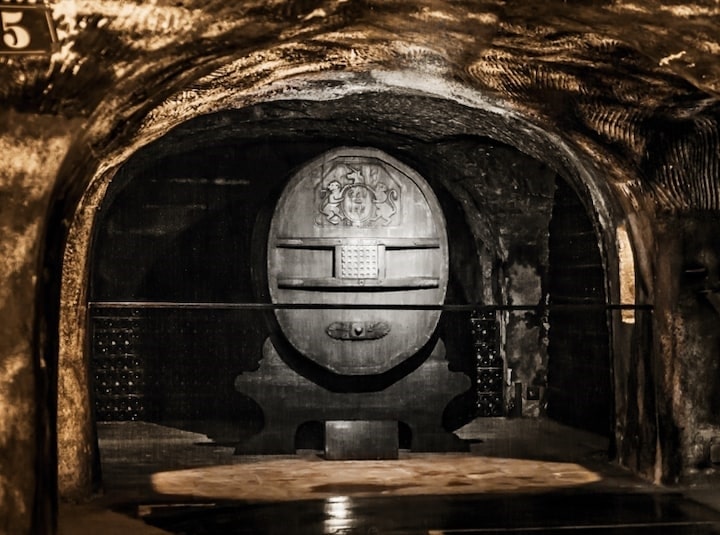
For travelers comparing cellar options, named houses matter because they shape the rhythm and tone of the day. Champagne Taittinger visits in Reims (https://www.taittinger.com/en/visits-reims), Veuve Clicquot cellar visits, and Ruinart 4 Rue des Crayères are not interchangeable with a quick tasting bar in Paris. They belong to an out-of-city plan where transfer comfort, cellar timing, lunch pacing, and the return to Paris decide whether the day feels expansive or overextended.
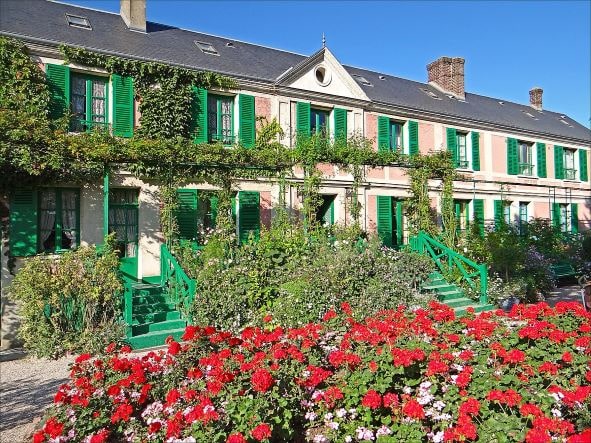
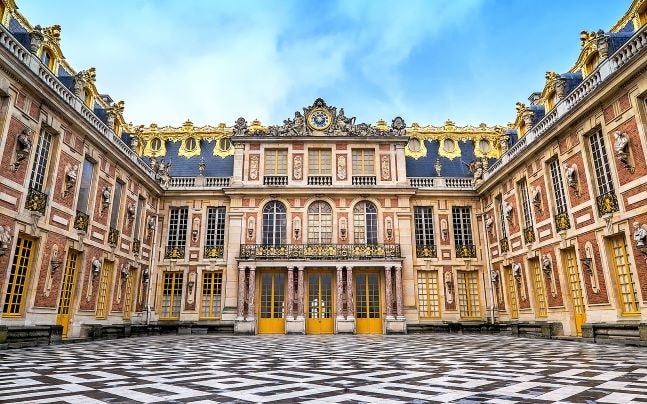
The practical rule is to place Champagne after your first Paris food experience, not before it. A Saint-Germain or Le Marais food walk gives you the city’s daily vocabulary; Champagne gives you regional ceremony, cellar context, and a different kind of wine memory. If Champagne is on your shortlist, compare it with Versailles, Giverny, and other out-of-city options in when a Champagne day earns its place in a luxury Paris stay before letting it consume a day that your first visit may need for the city itself.
Your hotel base changes the best food tour more than the menu does
The better base can materially improve pacing and late returns because the food tour is rarely the only thing on the day. If you are staying on the Left Bank or close to Saint-Germain, a Left Bank food tour can begin smoothly, end near a café pause, and leave enough margin for dinner. If you are staying near the Marais, Louvre, or central Right Bank, a Marais route may save a transfer and keep the group from beginning the experience already slightly late or mildly annoyed.
The 8th arrondissement is the tricky case. It can be excellent for palace hotels, celebrations, and certain high-end dining evenings, but it is often overvalued as a first food-tour base. A palace-area start can look polished on paper while pushing the real food education into another district. That is fine if a chauffeur and a carefully sequenced day are already part of the plan. It is less persuasive if the group simply wants to walk out the door and understand Paris through food.
For a broader stay decision, use where to stay in Paris for a luxury first visit to compare the Left Bank, Le Marais, and the 8th. For this food-tour decision, the answer is narrower: the best base is the one that reduces the number of resets before and after the tasting. When the day is tailor-made, Orange Donut Tours can align the food route with pickup ease, dinner geography, family stamina, and celebration pacing; Inquire now when the route needs to fit the whole day rather than exist as a standalone booking.
Late returns are where the base question becomes visible. A food tour that ends near your dinner, hotel, or planned river hour feels graceful even when the day has been full. A route that ends across town can turn the final tasting into the moment when everyone begins checking maps. That is why pickup ease and finish location should be part of the food-tour decision, not a small detail handled after booking.
Pickup ease, transport, noise, and terrain should decide close calls
When two food tours look equally appealing, choose the one with the easier start and finish. A private pickup or guided meet-up can remove uncertainty, but it cannot erase the geography of the day. A route that begins near the hotel and ends near dinner often feels more generous than a more famous route that asks for a taxi, a traffic pause, a crowded sidewalk, and a second transfer after the final tasting.
Noise matters more than many planners admit. In a busy lane, the guide has to compete with traffic, delivery bikes, shop entrances, and other groups. That changes the experience from conversation to fragments. Travelers who want expert guidance should prefer routes where the guide can actually speak at a humane pace, stop without blocking a doorway, and choose tasting moments that do not feel rushed by the street.
Terrain also changes the recommendation. The Left Bank can be walkable and elegant, but river edges, metro stairs, cobblestones, and shop thresholds still add effort. Montmartre adds slopes. Le Marais adds crowd compression. Market routes add standing and carrying. The 8th adds transfer logic if the food story happens elsewhere. The most comfortable food tour is not always the shortest one; it is the one with the fewest avoidable resets.
How to pair the food tour with museums, shopping, or the Seine without flattening the day
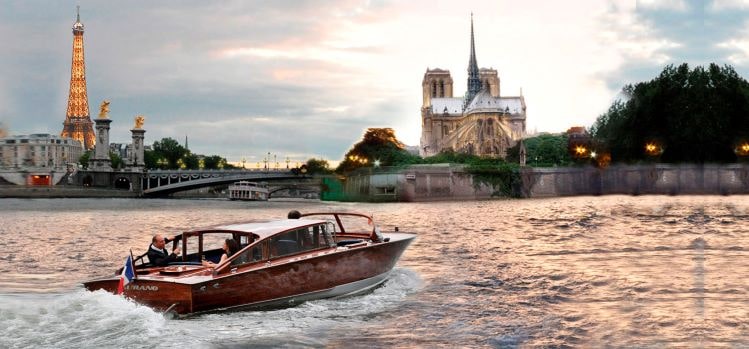
The best companion to a Paris food tour is one contained experience, not a second demanding half-day. A Saint-Germain food route can pair well with a short Luxembourg Garden pause, a restrained Left Bank shopping hour, or a Seine crossing that returns the group toward the Louvre side. It pairs less well with a major museum that requires timed entry, deep concentration, and another long stand after the tastings.
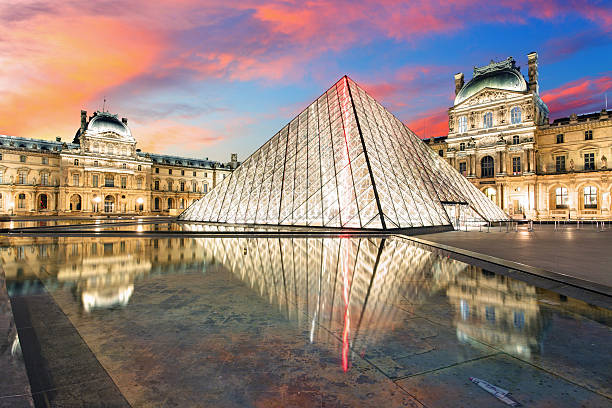
Museum reservation pressure changes the food decision because timed entries can make the group rush through the one experience that was supposed to feel pleasurable. If the Louvre is already fixed in the morning, do not make the food tour chase the museum across the city. Either keep the food route near the natural exit path or move the culinary experience to a different day. The same logic applies to Musée d’Orsay: the museum and the Left Bank can share a day, but only if the route is edited rather than inflated.
Shopping can work after food if it is close and specific. A few Left Bank boutiques after Saint-Germain, or a Marais shopping thread after a Right Bank tasting route, can feel natural. A jump to Avenue Montaigne after a market morning is usually a different day in disguise. The Seine can be a better bridge than another transfer: a short river-side pause lets the group breathe, while another taxi or metro reset can make the day feel longer than the calendar suggests.
How private touring improves the food day without making it feel overdesigned
A private Paris food tour earns its place when it adapts the day to the travelers rather than forcing everyone through the same tasting script. Couples may want longer wine conversation and a graceful finish before dinner. Families may need one hands-on moment, one seated pause, and fewer long explanations in front of shops. Celebration travelers may care less about maximizing stops and more about the route feeling polished, intimate, and unhurried.
The best private guide also knows when to cut. If the group is losing focus, an additional pastry or cheese stop can weaken the day rather than improve it. If the weather is hot, wet, or windy by the river, a route should use shelter and seating intelligently. If the itinerary includes a Louvre morning or an evening Seine plan, the food tour should not pretend it exists in isolation. It should absorb the rest of the day’s demands and leave the travelers ready for what comes next.
This is the mood consequence that separates a good food tour from a merely abundant one. A well-sequenced route makes the day feel shorter in the best sense: fewer decisions, fewer awkward pauses, less worry about where to stand or what to order, and a cleaner transition into the evening. A scattered route makes Paris feel bigger, louder, and more tiring than it needs to feel. The food may still be good, but the trip mood becomes flatter.
What to book early, what to cut first, and what to leave unscheduled
Book the guided food experience early in the trip, ideally after arrival recovery but before the major dining decisions of the stay. The reason is practical: once you understand cheese, pastry, wine, market habits, and bistro rhythm, the rest of the trip becomes easier to navigate. You can read menus with more confidence, recognize when a stop is worth your appetite, and stop treating every famous food mention as a separate obligation.
Cut the second food tour before you cut the first. Most first-time Paris trips do not need a pastry crawl, a market morning, a wine-and-cheese tasting, and a Champagne day unless the trip is explicitly culinary and long enough to breathe. Choose the first food tour as the foundation, then add one specialist experience only if it fills a different role. A pastry atelier is different from a neighborhood walk; Champagne is different from a Paris tasting; a market morning is different from a celebration dinner.
Leave at least one evening unscheduled after a food-heavy day. Paris rewards appetite, curiosity, and a little margin. If the group tastes through the afternoon and then has a major dinner too soon, the meal may become a performance rather than a pleasure. The best plan lets the food tour educate the day and leaves enough looseness for a simple dinner, a short walk, or a quiet drink without turning the evening into another assignment.
Leave unscheduled time for the foods that appear because the guide has taught you how to notice them. That might be a simple cheese purchase, a second visit to a pastry window you now understand, or a café pause that would have looked ordinary before the tour. The value of the first food experience is not only the tastings inside it; it is the way it improves the small choices afterward.
FAQ
What is the best Paris food tour for first-time visitors?
The best first Paris food tour is usually a private Saint-Germain or Left Bank route that combines cheese, wine, pastry, bread, and bistro context in a compact walk. It teaches more of the city with fewer transfers than a scattered cross-neighborhood tasting crawl.
Is Le Marais or Saint-Germain better for a Paris food tour?
Saint-Germain is better for a calmer first food education built around wine, cheese, pastry, and bistro culture. Le Marais is better when the group wants Right Bank energy, boutiques, Jewish-quarter context, and a livelier street rhythm.
Should a Paris food tour include croissants?
It can include croissants, but croissants should not dominate the tour. A better first food tour uses a pastry stop as one part of a broader explanation of how Parisians buy, eat, pair, and pause across the day.
Is Montmartre a good neighborhood for a first Paris food tour?
Montmartre is a good choice when the hilltop village atmosphere is the main goal. It is not the strongest default for comfort-first visitors because slopes, stairs, busy photo areas, and return logistics can make the food experience feel more tiring than necessary.
Are Paris pastry classes better than pastry tasting tours?
Pastry classes are better when the group wants technique, hands-on learning, and a slower indoor rhythm. Pastry tasting tours are better when the goal is to compare styles across a neighborhood and understand sweets as part of a broader Paris food day.
Should I do a food tour early or late in my Paris trip?
Do it early, once the group is rested. A good food tour gives you vocabulary for the rest of the stay, making later bistro meals, wine choices, market visits, and pastry stops easier to enjoy.
Is a private Paris food tour worth it for families?
A private Paris food tour is often worth it for families because the guide can adjust the pace, reduce standing time, choose better pauses, and prevent the day from becoming a long adult conversation with snacks attached.
When should Champagne replace a Paris food tour?
Champagne should replace a Paris neighborhood food tour only on a longer stay or a trip built strongly around wine. For most first visits, do the Paris food tour first, then add Champagne if you have enough time for a full regional day.
If you’re interested in any private tours of Paris, please reach out to us.



 So if you are looking for the absolute best in Paris & surroundings with authentic local fully-licensed native guides whose English you can actually understand and with an exclusive and amazingly fun itinerary













