Near the Louvre or in Saint-Germain? Where Paris Art Lovers Should Stay

Updated
Stay near the Louvre if your Paris trip is built around one serious museum morning, a midday hotel return, and the cleanest first-visit logistics. It wins because the Right Bank-to-Left Bank crossing logic is not romantic in real time: Pont du Carrousel, Pont des Arts, and the Solférino edge can make a beautiful plan feel simple or quietly tiring depending on where your room sits. Choose Saint-Germain instead when you want your art days to spill naturally into galleries, cafés, bookshops, dinner streets, and a slower Left Bank evening. The clearest exception is a traveler who wants Paris to feel lived-in every night, not merely efficient every morning.
The thesis is simple but not generic: for art lovers, the best Paris hotel base is not the one closest to the most famous museum; it is the one that makes your second and third decisions easier after the first museum is over. That is where many “stay by the Louvre” recommendations overreach. The Louvre-side base is brilliant for a tightly planned morning, but it is not automatically the most satisfying Paris base for travelers whose taste runs toward Orsay, Rodin, Luxembourg, Carré Rive Gauche, and long Left Bank dinners.
For a fully tailored museum stay, Orange Donut Tours can design the day around your chosen bank rather than making your hotel fit a standard route. Start with Private Tours in Paris when you want the base choice, guide meeting point, lunch geography, museum timing, and evening return to work as one plan.
The art-lover verdict, before you book the room
The Louvre side is the default winner for first-time art lovers who want the fewest moving parts. It favors a precise Louvre start, an easy Tuileries decompression, a practical hotel return, and a simple move toward the Orangerie, Arts Décoratifs, Palais Royal, or the Seine. It is especially strong for couples, families, and multigenerational travelers who know one museum morning may be enough and who do not want to spend the middle of the day negotiating taxis, bridges, or tired feet.
Saint-Germain is the better base when atmosphere is part of the art trip. It favors Musée d’Orsay, Musée Rodin, the Luxembourg side, Carré Rive Gauche design and antiques streets, Left Bank lunches, and evenings that feel more like Paris after the itinerary stops. It also suits travelers who dislike the feeling of sleeping beside a major attraction zone and prefer a hotel base that gives the day a gentler close.
The wrong fit is the traveler who chooses Saint-Germain only because it sounds more elegant, then books every morning on the Right Bank. That is the common mistake. If the Louvre, Sainte-Chapelle, the Tuileries, Palais Royal, and Right Bank shopping dominate your first two days, Saint-Germain can become a pretty base with repeated river crossings attached. The crossing itself is not the problem; the repeated return to it is.
Decision matrix for art lovers choosing a Paris base
- Best default: near the Louvre, if your first major art day begins at the Louvre and you want the most reliable midday hotel return.
- Best atmosphere: Saint-Germain, if your trip favors Orsay, Rodin, smaller galleries, Left Bank lunches, and evenings on foot.
- Best for families: near the Louvre, if children or older relatives will need a room break after a dense museum morning.
- Best for couples: Saint-Germain, if dinner geography and neighborhood feeling matter as much as museum proximity.
- Best for serious Louvre focus: a Louvre-side hotel plus a guided route that cuts decisively through the collection, not an all-day museum marathon. See how to plan a curated Louvre day for that pacing problem.
- Best if you plan two Left Bank art days: Saint-Germain, because Orsay, Rodin, Luxembourg, and design streets align better from the south side of the Seine.
- Choice to avoid: choosing the most expensive hotel on either bank and assuming it will fix poor sequencing. It will not.
What “near the Louvre” really means for a museum stay
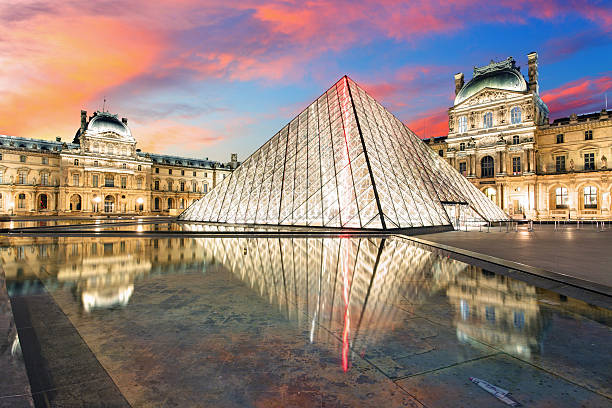
Near the Louvre is strongest when your hotel sits close enough to make the museum morning feel almost door-to-door. The useful zone is not a vague “central Paris” circle. It is the practical band around the Louvre, Palais Royal, Rue de Rivoli, the Tuileries edge, and the river-facing streets that let you start early, meet a guide cleanly, and return without turning the day into a transfer puzzle.
The Louvre is not just one attraction; it is a whole day-shaping gravity field. A good Louvre-side base makes it easier to meet at a precise entrance area, reduce pre-museum walking, and avoid the slow psychological drain of arriving already tired. That matters more than travelers expect. A first-time visitor may imagine the museum as the tiring part, but the prelude is often what drains the day: finding the right side of the building, managing timed entry, navigating security, and keeping the group calm before the art has even started.
For private touring, this base allows a clean start. Your guide can build a route through the Louvre around the works that matter to you instead of performing a forced sprint across every famous room. The commercial value of a private guide is not just commentary; it is triage. A well-shaped Louvre Private Tour can decide what not to see, when to pause, and where the day should release back into Paris before the museum begins to flatten the afternoon.
The Louvre side also improves the midday reset. If your room is near Palais Royal or the Tuileries, returning after a museum morning can be a short, low-drama move. That matters for families who need a quiet hour, travelers planning a serious dinner, and couples who would rather change clothes before an evening than carry museum fatigue into the night. It is not indulgence; it is schedule protection.
The Right Bank base also pairs well with the Orangerie and Arts Décoratifs. These are not “lesser” fillers; they are useful because they sit close enough to be added or substituted without changing the whole day. If the Louvre is too much, Orangerie can become a focused Impressionist interval. If design and decorative arts are more relevant than another grand gallery, Arts Décoratifs can sit naturally along Rue de Rivoli. The point is not to add more. The point is to have better nearby alternatives when the day needs editing.
The downside is mood. Around the Louvre, the day can feel administratively efficient but less residential. Some travelers love waking near the palace wings and Tuileries. Others feel that the neighborhood empties into monument scale too quickly, especially at night. If your pleasure in Paris comes from stepping out after dinner into smaller streets, bookstores, galleries, and cafés that still feel local to your stay, Saint-Germain may satisfy you more even when it costs a few extra minutes in the morning.
What Saint-Germain gives art lovers that the Louvre side cannot
Saint-Germain wins when the hotel is part of the cultural mood, not just a launch pad. It places you closer to the Left Bank’s art rhythm: Musée d’Orsay across the river edge, Musée Rodin to the west, Luxembourg toward the south, Carré Rive Gauche for design and antiques, and the café-and-gallery streets that make the evening feel continuous with the day.
The practical advantage is not only atmosphere. Saint-Germain changes the way the afternoon behaves. After Orsay, you can cross back into the neighborhood without feeling that the day needs a second formal monument. After Rodin, the garden air can lead into a late lunch, a short shop or gallery stop, and a hotel return that does not require re-entering the Louvre corridor. For travelers who are sensitive to museum density, that softer release is a serious advantage.
Saint-Germain also makes the Left Bank art day easier to sequence. Orsay and Rodin do not need to compete with the Louvre for the same morning. They can become their own elegant arc, especially if the day includes Luxembourg, Rue de Seine, Rue Bonaparte, or the Carré Rive Gauche area. For a deeper version of that route, the neighboring guide on the Left Bank art day covers how to let Orsay and Rodin stand without Louvre gravity pulling the plan off balance.
For couples, Saint-Germain often improves the evening because it reduces the need to “go somewhere else” after the formal touring ends. You can return to the room, step back out, and let dinner sit close to the hotel instead of becoming another cross-city decision. That preserves the trip mood. Paris feels shorter, calmer, and more personal when the evening does not require a new transfer calculation.
The main caution is that Saint-Germain can be overvalued when the itinerary is actually Right Bank-heavy. A traveler may book it for romance, then spend two mornings crossing north for the Louvre, Palais Royal, the Tuileries, Le Marais, or the 8th. Once is pleasant. Twice is manageable. Every day starts to become a pattern. The river is beautiful, but a beautiful crossing still uses time, attention, and steps.
There is also a hotel-reset question. If your Saint-Germain room is deep enough into the 6th to feel atmospheric, it may be less convenient for a quick post-Louvre return than it looked on a map. The walk back over Pont des Arts or Pont du Carrousel can be lovely in the morning and oddly long after three dense hours inside the Louvre. That is the kind of small Paris friction that separates a polished plan from a theoretically elegant one.
Which museums each base favors
The Louvre side favors Right Bank museum density; Saint-Germain favors Left Bank continuity. This is the cleanest way to decide. Do not ask which neighborhood is “better.” Ask which museum cluster you will actually use first, second, and after lunch.
Louvre-side base favors
- Louvre: strongest for a serious first morning, guide meeting, and post-visit hotel return.
- Musée de l’Orangerie: strongest as a focused second stop or a substitute when the Louvre is too much.
- Musée des Arts Décoratifs: useful for design, fashion, decorative arts, and a Right Bank day that does not need another grand museum.
- Palais Royal and Tuileries context: not museum interiors, but excellent decompression spaces after dense collection time.
- Île de la Cité add-ons: useful if Sainte-Chapelle or Notre-Dame context belongs near the same day, though two timed interiors can become too much if poorly paced.
Saint-Germain base favors
- Musée d’Orsay: strongest for travelers who want Impressionism, 19th-century Paris, and a museum that can stand as the main event.
- Musée Rodin: excellent as a garden-and-sculpture counterweight to a dense interior morning.
- Luxembourg area: useful for a gentler art-and-garden rhythm, especially after a formal museum.
- Carré Rive Gauche: strongest for design collectors and travelers who enjoy galleries, antiques, and decorative arts as part of the stay.
- Rue de Seine and Rue Bonaparte: useful for a slow cultural evening rather than another scheduled sight.
The most important consequence is not attraction quality; it is energy shape. The Louvre side compresses the museum start. Saint-Germain softens the museum finish. If your travel style values a perfect first two hours, stay near the Louvre. If your travel style values how the day feels after 4 p.m., Saint-Germain may be the more satisfying choice.
This is also why the same couple can choose different bases on different Paris trips. A first visit with a Louvre guide, Orangerie, Sainte-Chapelle, and one classic Seine evening usually benefits from the Louvre side. A second visit shaped around Orsay, Rodin, design shops, pastry, and dinner walks belongs more naturally in Saint-Germain.
The body cost: walking load, queue drag, and transfer resets
Paris makes art days tiring through accumulation, not one dramatic obstacle. A single bridge crossing is easy. A single museum security line is manageable. A single taxi delay is forgettable. The problem is stacking all three before lunch, then expecting the group to enjoy another gallery, a boutique stop, and a late dinner.
Near the Louvre, the body cost drops at the beginning of the day. You can leave the hotel with less margin, meet the guide without a cross-town move, and keep the first museum push focused. That saves steps before the museum, which is where many travelers underestimate fatigue. Inside the Louvre, the scale itself becomes the work: long corridors, stairs, standing time, and visual density. Arriving fresh is a real advantage.
Saint-Germain shifts the body cost later. The morning may require a crossing if the Louvre is first, but the afternoon can be kinder if you are returning to a Left Bank room after Orsay, Rodin, or a lunch near Saint-Sulpice. The neighborhood can reduce the post-museum decision load. Instead of asking, “Where do we go now?” you can let the day narrow: hotel, café, short walk, dinner.
Queue drag is not only about the length of a line. It is about what the line does to mood. A group that has already transferred, searched for an entrance, and stood outside in weather arrives at the art with less patience. That is why a private guide’s meeting-point strategy matters. The best plan is not simply “skip the line” as a slogan; it is a route that reduces uncertainty before, during, and after the reserved entry. For broader timing questions around closed days and alternate collections, keep Monday and Tuesday museum routing in mind before you lock hotel and guide dates.
A chauffeured day can help with cross-city museum combinations, but it does not solve every Louvre-side or Saint-Germain problem. Premium spend does not help when the route is already best done on foot across short museum edges, such as Louvre to Tuileries or Orsay to Saint-Germain. Paying for a car to avoid a beautiful, direct, short walk can add waiting time and make the day feel more managed than improved.
Where spend does help is with airport arrivals, older travelers, multi-stop days, rain-sensitive routing, and combinations that jump from the Louvre corridor to the 7th, the 8th, or farther west. A chauffeur can reduce transfer stress when distances and weather make walking punitive. But if your day is a compact art arc, the better upgrade is often a sharper guide plan, not a larger vehicle. The related guide on when a chauffeur changes a Paris museum day is useful for deciding where the car earns its cost.
Midday hotel resets: the hidden reason the Louvre side often wins
If a midday room break matters, the Louvre side usually beats Saint-Germain for first-time art travelers. This is not because Saint-Germain lacks comfort. It is because the most demanding first-visit museum is usually the Louvre, and the cleanest recovery is the one closest to the museum exit.
A midday hotel reset is not merely a nap. It is the moment when a family avoids the late-afternoon argument, a couple changes before dinner, or an older traveler sits down before the day asks for one more thing. The best reset is short enough to use. If returning to the hotel requires a bridge crossing, a taxi search, or a “should we just keep going?” debate, many travelers skip it and pay for that choice later.
Near the Louvre, a reset can sit after the museum and before a lighter second act. That second act might be Orangerie, a Tuileries walk, a Seine hour, Palais Royal, or simply a quiet lunch. The point is that the reset is not a failure of ambition. It is what lets the evening still feel like part of the trip rather than a recovery exercise.
Saint-Germain can still work beautifully if the main morning is Orsay or Rodin. In that case, the hotel return may be even easier than the Louvre-side equivalent. But if your first serious day is Louvre-centered and you are traveling with children, older parents, or a group with mixed museum appetite, a Saint-Germain room can make the reset just inconvenient enough to disappear.
The editorial no is this: stop forcing a second major museum after a Louvre morning just because both are “nearby” on a map. Nearby does not mean mentally light. If the Louvre has done its job, the second half of the day should be smaller, softer, or more atmospheric. Cut another large interior first; keep the dinner, the walk, or the quiet hour.
Lunch and evening geography: where the trip mood changes
Lunch and dinner often decide the better base more honestly than the museums do. A hotel near the Louvre makes the day efficient, but Saint-Germain often makes the evening feel more Parisian in the way travelers mean when they imagine the trip.
After a Louvre morning, the Right Bank gives you Tuileries, Palais Royal, Rue Saint-Honoré, and quick access toward the 1st and 2nd. This is useful when lunch is meant to be easy and controlled. It is also useful when the group has a fine-dining dinner later and should not spend the afternoon wandering too far. The mood is polished, central, and logistically neat.
Saint-Germain gives a different mood. After Orsay or Rodin, the neighborhood lets lunch become part of the cultural day rather than a refueling stop. Rue de Seine, Rue Jacob, Rue Bonaparte, Saint-Sulpice, and the Luxembourg edge all allow a slow fade from museum concentration into conversation. For couples and celebration travelers, that can be worth more than shaving minutes off the first transfer.
The trip mood consequence is clear: the Louvre side protects the beginning of the day; Saint-Germain protects the evening. A Louvre-side stay can make Paris feel smooth and important. A Saint-Germain stay can make it feel intimate and continuous. Neither is universally better, but they create different memories. The wrong base is the one that protects a part of the day you do not actually care about.
This is where food-and-wine travelers should be careful. Do not choose Saint-Germain only because it sounds like the better dinner neighborhood, then book meals and tastings scattered across the 8th, Le Marais, and the Right Bank. If the evenings are moving north anyway, Louvre-side convenience becomes more persuasive. If your dinners and late walks are genuinely Left Bank, Saint-Germain earns the extra morning effort.
Pastry-focused travelers face the same geography question. La Cuisine Paris pastry classes (https://lacuisineparis.com/paris-baking-pastry-classes) can make sense in a broader food day, while Le Cordon Bleu Paris pastry workshops (https://www.cordonbleu.edu/paris/pastry-cuisine-wine-workshops-in-paris/en) belong in a more formal workshop-led plan. Those choices should not be pasted onto an art day automatically. If a pastry workshop is a priority, let it shape the bank, lunch, and museum load rather than treating it as a sweet add-on after three hours of galleries.
Who should choose Saint-Germain over Louvre proximity?
Choose Saint-Germain over the Louvre side when your Paris pleasure depends on the evening as much as the museum start. It is the better base for travelers who want a hotel neighborhood with texture, not just proximity; for couples who walk after dinner; for art lovers who place Orsay and Rodin near the top; and for second-time visitors who do not need every day to orbit the Louvre.
Saint-Germain is also the better choice for design-minded travelers. Carré Rive Gauche gives the neighborhood a collector’s logic that the Louvre side does not replicate. If your art interest includes interiors, objects, antiques, galleries, and the way Paris lives with design outside museum walls, Saint-Germain keeps that interest close to the room. It makes the city feel curated without making every hour scheduled.
It can be the better base for celebration travelers, too. A birthday, anniversary, or family milestone often benefits from a neighborhood that does not require an “after-plan” every night. When the hotel, dinner, late walk, and next morning café are all in emotional alignment, the stay feels less like a checklist and more like a private Paris chapter.
Saint-Germain is less ideal for a first visit with a Louvre-heavy schedule, a family that needs predictable room breaks, or travelers who plan to use the Right Bank repeatedly. It is also not the best choice if someone in the group is mobility-sensitive and the itinerary still expects multiple crossings. The area itself can be gentle, but the pattern of repeated river movement adds up.
For a comfort-first first visit, one compromise often works: stay near the Louvre for the first Paris stay, then let a future visit belong to Saint-Germain. But if your current trip is already Left Bank-led, do not obey the default. Orsay, Rodin, Luxembourg, galleries, and Left Bank dinners are enough reason to choose atmosphere over proximity.
When the Louvre side is not just convenient but strategically better
The Louvre side is strategically better when the trip has one high-stakes museum morning and several fragile logistics around it. This includes timed entries, private guide coordination, family pacing, a serious dinner that should not be sacrificed, and a first-time desire to see the Seine and Tuileries without cross-city drift.
This base is particularly strong for three-day Paris stays. On a short trip, you do not have many chances to recover from a poorly placed first day. If the Louvre is central, a nearby room can prevent the opening museum day from swallowing too much energy. You can keep the first morning focused, use the Tuileries as a decompression valve, and avoid the temptation to force Orsay immediately afterward.
It is also strong for travelers arriving from a long-haul flight the day before. The next morning’s museum plan should not begin with avoidable uncertainty. A Louvre-side hotel makes the first guided day feel contained. That containment matters when jet lag is still present, even if everyone insists they are fine.
For small private groups, the Louvre side reduces coordination drag. It is easier to gather, easier to split briefly if someone needs to return to the room, and easier to keep the day from becoming a series of meeting-point corrections. Group travel rarely fails because people dislike the art; it fails because the transitions ask too much of different bodies at the same time.
The Louvre side is not perfect. The area can feel more formal, more visitor-facing, and less intimate at night. Some hotels trade on location more than atmosphere. But if your main fear is wasting a Paris morning, the Louvre side solves a real problem. If your main fear is that Paris will feel too staged, Saint-Germain solves a different one.
How a private guide should adapt to the bank you choose
A good private art day should be designed from your hotel base outward. It should not ask a Saint-Germain guest to behave like a Louvre-side guest, or a Louvre-side guest to spend the day crossing back and forth for atmosphere.
From a Louvre-side base, the guide should usually start with the Louvre or a nearby Right Bank art focus, then cut the day before attention collapses. The strongest plan is often Louvre, pause, Tuileries or Orangerie, and then a deliberate release toward the hotel or dinner. The guide’s value is in selection: fewer rooms, better context, cleaner movement, and a finish that does not punish the evening.
From Saint-Germain, the guide should think in arcs rather than icons. Orsay can lead into Rodin, but not always on the same day. Luxembourg can soften a museum morning. Carré Rive Gauche can add collector-level texture without becoming a shopping expedition. A Left Bank guide plan should make the neighborhood’s cultural fabric visible, not merely use Saint-Germain as a pretty address.
Private touring also helps when museum openings, closures, or timed reservations force a less obvious sequence. If the Louvre is closed or difficult on a given day, the plan should not collapse into filler. Paris has enough smaller collections and river-adjacent resets to keep the day intelligent. The key is to decide what the day is for: Old Masters, Impressionism, sculpture, decorative arts, family-friendly art, or atmosphere after a single museum.
This is the natural planning handoff. Once you know whether the stay should protect the museum start or the evening mood, Orange Donut Tours can shape guide timing, meeting points, lunch geography, chauffeured transfers, and museum choices around that base. Inquire now to build the art days around the bank you actually choose, rather than forcing the same Paris route onto every hotel.
What to do if Champagne, pastry, or a day trip is also in the plan
Keep Champagne, pastry, and day trips from distorting the hotel decision unless they are central to the stay. This article is about the Louvre-versus-Saint-Germain base choice for art lovers, but many high-end Paris trips include one food, wine, or workshop day. The mistake is letting an add-on pull the whole hotel strategy out of shape.
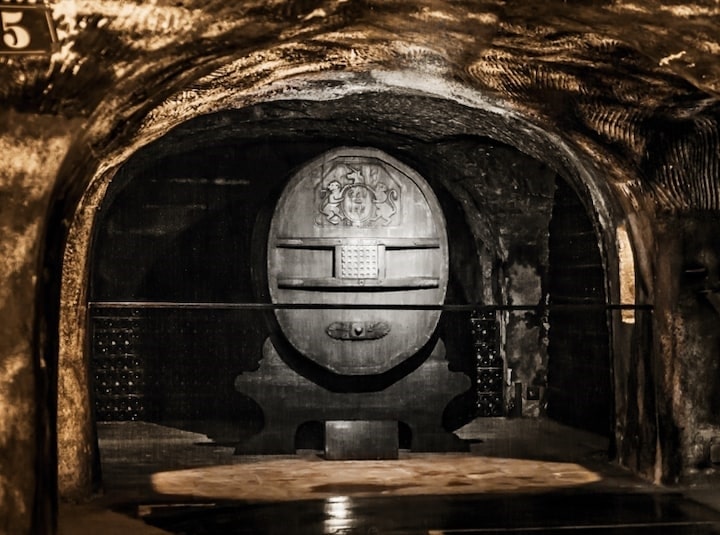
For Champagne, the base question is less about Louvre versus Saint-Germain and more about departure and return smoothness. Champagne Taittinger visits in Reims (https://www.taittinger.com/en/visits-reims), Veuve Clicquot cellar visits (https://www.veuveclicquot.com/en-int/visitus.html), and Ruinart 4 Rue des Crayères (https://www.ruinart.com/en-us/maison---4-rue-des-cray%C3%A8res-4ruedescrayeres.html) are the sort of direct-source planning anchors that matter when a cellar day is real, not hypothetical. But they should not make you choose a hotel that weakens two Paris art days. If Champagne is a major part of the itinerary, look at when a Champagne day earns its place before using it to justify a base.
For pastry, the workshop location and timing matter more than the neighborhood label. La Cuisine Paris pastry classes and Le Cordon Bleu Paris pastry workshops can each be worthwhile in the right trip, but neither should be squeezed after a Louvre morning as if concentration were unlimited. A pastry workshop asks for attention, appetite, and clean timing. If it matters, give it its own half-day or pair it with a lighter museum interval.
For day trips, do not overcorrect. Travelers sometimes choose a base for one train or driver day and then inconvenience every city day that follows. If most of your Paris time is art-focused, choose the base that supports the art rhythm. Then solve the day trip with pickup planning, luggage strategy, or a guide-and-driver design. The hotel should serve the dominant pattern, not the exception.
Two clean sample patterns
The best way to choose is to picture the first two art days, not the hotel lobby. These sample patterns show how the same city behaves differently from each bank.
Louvre-side pattern for a first-time art stay
Day one begins with a private Louvre morning from a nearby hotel. The route is selective, not exhaustive: a few essential works, enough palace context to understand scale, and a finish before the museum turns into endurance. Afterward, the group exits toward the Tuileries, returns to the hotel, or chooses a short Orangerie interval if energy is still good. Dinner stays geographically simple.
Day two can cross to the Left Bank for Orsay or Rodin without asking the first day to do everything. Because the Louvre has already been handled cleanly, the second day can breathe. This is the better rhythm for first-time visitors who want the Louvre but do not want the Louvre to dominate the entire stay.
Saint-Germain pattern for an atmosphere-led art stay
Day one begins with Orsay, Rodin, or a Left Bank art-and-design route. The morning feels culturally anchored without the pressure of the Louvre. Lunch stays nearby. The afternoon may include Luxembourg, Carré Rive Gauche, a gallery street, or a room break. Dinner feels like a continuation of the neighborhood rather than a separate transfer.
Day two can include the Louvre with a guide, but the plan should respect the crossing and the museum’s scale. Start cleanly, keep the route selective, and do not force another major interior afterward. This is the better rhythm for travelers who want Paris to feel atmospheric every day and are willing to spend a little more planning attention on the Louvre morning.
The final base call
Choose near the Louvre if the Louvre is the anchor, the group needs a real midday reset, or the first two days are Right Bank-heavy. It is the more practical base for first-time art lovers who want a polished start, fewer transfers, and easier recovery after the city’s most demanding museum.
Choose Saint-Germain if Orsay, Rodin, Left Bank galleries, café streets, and dinner mood matter as much as the first museum entrance. It is the more atmospheric base for couples, second-time visitors, design-minded travelers, and anyone who wants the hotel neighborhood to carry the evening.
The premium answer is not “always stay closest to the Louvre.” It is “stay where the day becomes easier after the first decision.” For many first-time art travelers, that is the Louvre side. For travelers whose Paris imagination lives in the Left Bank’s after-museum hours, Saint-Germain is worth choosing on purpose.
FAQ
Is it better to stay near the Louvre or in Saint-Germain for a first Paris art trip?
For most first-time art lovers, staying near the Louvre is better if the Louvre is a priority and you want a practical midday hotel return. Saint-Germain is better if Orsay, Rodin, Left Bank dinners, and neighborhood atmosphere matter more than the cleanest Louvre start.
Which base is better for visiting the Louvre?
Near the Louvre is better for visiting the Louvre because it reduces pre-museum walking, simplifies guide meeting points, and makes a post-visit hotel reset easier. Saint-Germain can still work, but it adds a river crossing before or after the museum.
Which base is better for Musée d’Orsay and Rodin?
Saint-Germain is usually better for Musée d’Orsay and Rodin because those museums sit more naturally in a Left Bank day. The neighborhood also gives you easier lunch, garden, gallery, and dinner continuity after the museum visit.
Should families stay near the Louvre or in Saint-Germain?
Families should usually stay near the Louvre if the Louvre is on the itinerary, because the room break after a museum morning is easier to use. Saint-Germain works better for families who want lighter art days, more neighborhood atmosphere, and fewer large-museum hours.
Is Saint-Germain worth the extra walking for art lovers?
Saint-Germain is worth the extra walking when the trip is built around Left Bank culture, Orsay, Rodin, design galleries, cafés, and evening atmosphere. It is not worth it if most mornings and dinners are already planned on the Right Bank.
Does a more expensive hotel solve the Louvre versus Saint-Germain decision?
No. A more expensive hotel can improve room comfort, service, and arrival experience, but it does not fix a route that crosses the river too often or stacks too many museums in one day. Better sequencing matters more than prestige pricing.
Can a private guide make either base work?
Yes. A private guide can make either base work by adjusting the museum order, meeting point, lunch geography, and walking load around your hotel. The key is to design from the chosen bank outward instead of forcing a standard Paris route.
Should art lovers split a Paris stay between the Louvre side and Saint-Germain?
Usually not for a short stay. Splitting hotels can cost more time than it saves unless you have a longer Paris visit or a very specific two-part itinerary. For most art-focused trips, choose the bank that supports the dominant rhythm and plan the other bank as a guided day.
If you’re interested in any private tours of Paris, please reach out to us.



 So if you are looking for the absolute best in Paris & surroundings with authentic local fully-licensed native guides whose English you can actually understand and with an exclusive and amazingly fun itinerary













