When a Champagne Day Earns Its Place in a Luxury Paris Stay: Cellars, Reims and a Smoother Return Without Losing a City Day

Updated
Is a Champagne day trip from Paris worth it for a luxury stay?
A Champagne day earns its place in a luxury Paris stay when you have already protected your essential Paris hours and can give Reims a full, coherent day rather than squeezing cellar visits between hotel transfers. The practical reason is simple: the day begins with a Paris hotel pickup or a Gare de l’Est departure to Reims, continues through cathedral context, lunch and cellars, then has to return early enough that dinner in Paris still feels like dinner, not recovery. The exception is equally clear: skip Champagne on a short first stay if the Louvre, a Seine arc, or a Left Bank priority is still unsecured.
The thesis for this decision is deliberately narrow: in Paris, Champagne is not a tasting add-on; it is a city-day exchange, and it becomes worthwhile only when the route protects both the Reims experience and the Paris evening that follows. That is why a private Champagne day from Paris should be judged less by the number of houses named and more by the way the day moves from station or hotel, to heritage, to lunch, to cellar, to return. The non-obvious cue is Gare de l’Est itself. It sits in the 10th arrondissement, not beside the palace-hotel corridor of the 8th or the quieter Left Bank addresses many luxury travelers choose, so the first decision is not “which cellar?” but “how much Paris do we spend before we have even left Paris?”
That is also where Orange Donut Tours’ private Champagne day from Paris becomes relevant for the right traveler. The value is not a promise that Champagne belongs in every Paris itinerary. It is the ability to make the day behave like one polished chapter: Reims, a measured cellar visit, a real lunch, and a return that does not flatten the evening.
The priority ladder: Paris first, Champagne only when the stay can spare a full day
The best Champagne day is the one added after Paris has already been given its non-negotiable time. For a first visit, that usually means protecting one museum priority, one Seine or Right Bank-to-Left Bank route, and at least one unhurried neighborhood or food-and-wine day before sending a full day outside the city. If those pieces are still competing for space, Champagne is not a luxury upgrade; it is a beautiful reason to under-see Paris.
Think of the decision as a ladder rather than a wishlist. At the bottom are travelers with two or three full Paris days, especially after an overnight flight. They should usually keep the day in the city unless Champagne is the reason for the trip. In the middle are travelers with four full days who have already reserved their major museum or monument priorities and want one day that changes texture. At the top are travelers with five or more full days, repeat visitors, couples celebrating around wine, or small groups who will remember the cellar conversation more than another crowded landmark.
- Best fit: couples or food-and-wine travelers with at least four settled Paris days, a protected dinner plan, and an appetite for heritage as much as tasting.
- Good fit with planning: families or small groups who want Reims, one cellar focus, and a lunch that can absorb different energy levels without making the day feel adult-only.
- Wrong fit: first-timers who have not yet secured the Louvre, a Seine route, a Left Bank afternoon, or the Paris dinner they care most about.
The firm rule is this: if the trip is getting crowded, cut the second cellar before you cut the Paris evening. A Champagne day should not steal the hour when Paris becomes itself again, when the city moves from museum appointments to dinner light, river walks, and the slower pace that makes a luxury stay feel lived rather than consumed.
How many Paris days are enough before Champagne?
Champagne usually belongs in a Paris stay of four full days or more, and it becomes easier to justify at five days. Four days can work when the first three are not overburdened: one Louvre or major art commitment, one Seine-connected orientation, one neighborhood or food day, and then Reims. Five days gives the Champagne day room to breathe because the return does not have to compete with the only relaxed dinner or the only late-start morning.
Three full days is the danger zone. A couple might be tempted to trade a city day for Champagne because the route sounds refined, but Paris charges a hidden tax for every cross-city reset. A Left Bank hotel to Gare de l’Est, a rail platform, a Reims transfer, cellar stairs, lunch, a return into the 10th, and then a taxi back toward Saint-Germain, the 8th, or Le Marais creates a sequence of small interruptions. None is dramatic by itself. Together they can make a short stay feel as if it was spent changing modes.
For travelers still deciding the length of the whole trip, the better companion question is not “Can we fit Champagne?” but “What kind of Paris are we willing to give up?” The guide to how many days in Paris for a bespoke first trip is useful here because Champagne should be placed after the city’s core rhythm is protected, not before it.
Celebration travelers are the main exception. If Champagne is attached to an anniversary, milestone birthday, proposal trip, or a food-and-wine itinerary planned around one exceptional day outside the city, it can outrank a secondary museum or a loose shopping afternoon. Even then, the answer is not to add more. It is to make the Champagne day cleaner: Reims first, one strong cellar focus, a proper lunch, and a return that keeps the Paris evening available.
A useful placement rule is to give Champagne a day after a slower Paris evening, not after the heaviest walking day. If the prior day has included the Louvre, Tuileries, Pont Neuf, and a Left Bank dinner, the next morning’s departure can feel like a second early start rather than a treat. If the prior day ends near the hotel, with no cross-city dash from the 7th to Le Marais or from the 8th back to Saint-Germain, the Reims departure feels cleaner. The day before Champagne matters almost as much as the day itself.
Reims-first usually beats cellar-first when the day needs context
Reims-first is usually the stronger sequence for travelers who want the day to feel like more than a tasting transfer. Starting with Reims Cathedral gives the morning a civic and historical spine before the first cellar visit, and it helps the wine make cultural sense: royal ceremony, urban scale, chalk subsoil, and the long relationship between the city and the houses around it. The cathedral is not filler before Champagne; it is the reason the cellar conversation does not arrive cold.
The practical advantage is just as important. A cathedral-first morning lets the group walk, orient, and adjust after the Paris departure before going underground. Many Champagne cellars involve cool interiors, steps, uneven surfaces, or a change from bright street to chalky galleries. Moving straight from a transfer into a cellar can be efficient, but it can also make the first visit feel like a scheduled slot rather than the beginning of a day. The Reims Cathedral-to-cellar handoff before the return to Paris is the small hinge that often separates a graceful itinerary from a day that feels assembled from appointments.
There is a counterintuitive correction here: cellar-first is not automatically more luxurious simply because it sounds more exclusive. For some private groups, the first house name becomes a fixation, and the day loses its sense of place. If the plan begins with a rushed cellar, adds a second house, and then tries to squeeze Reims Cathedral into a leftover gap, the city becomes a backdrop. That is the wrong way around for a refined Champagne day.
Use cellar-first only when the visit time truly requires it or when the cellar is the day’s central purpose. Serious Champagne collectors, returning travelers, or guests with a specific house relationship may accept a more appointment-led morning. For many luxury Paris visitors, though, Reims-first gives the day a beginning, not just an arrival.
Reims-first versus cellar-first: the decision criteria that actually matter
The right sequence depends on lunch, cellar access, and the desired Paris return, not on which order sounds more glamorous. When lunch is meant to be unhurried, Reims-first creates a natural progression: arrive, see the cathedral area, settle into the city, then move toward a cellar and lunch without starting the day with a glass before everyone has found their rhythm. When a cellar visit is the rare or fixed appointment, the route should bend around it, but the rest of the day should be simplified.
For couples, the mood-preserving choice is usually to avoid the “one more appointment” instinct. Two well-chosen experiences can feel abundant; three can make the day feel supervised. The mood-killing mistake is to treat Champagne like a checklist: cathedral photo, cellar one, cellar two, Épernay, quick lunch, train back, dinner reservation. That plan has impressive nouns and poor oxygen. It gives the couple no room to talk, taste, walk, or arrive at dinner with any appetite for the city.
- Choose Reims-first when this is your first Champagne day, when heritage matters, when the group includes different energy levels, or when you want the lunch to feel earned rather than inserted.
- Choose cellar-first when a specific house appointment is the non-negotiable anchor, when the group is highly wine-focused, or when lunch is designed around a producer visit rather than the city.
- Cut the extra town first when the day starts to sprawl. Reims and one cellar can feel complete; Reims, Épernay, multiple cellars, and a firm dinner in Paris can feel like a transfer exercise.
The clearest upgrade is curation. A private guide or planner can decide whether the cathedral belongs before the cellar, whether lunch should sit closer to the city center or the house district, and whether the return should be shaped around a dinner in the 7th, the 8th, Le Marais, or Saint-Germain. That kind of sequencing is not decorative. It decides whether the last two hours of the day feel calm or clipped.
Where Épernay belongs, and when Avenue de Champagne costs more than it gives
Épernay belongs when the day has enough space to treat it as a second mood, not as a trophy stop. Avenue de Champagne is famous for good reason, and the town can be rewarding for travelers who care about the broader geography of the region. But from Paris, Épernay is not a harmless add-on to Reims. It changes the routing, the lunch logic, and the return pressure, especially if the group also wants Reims Cathedral and a serious cellar visit.
The overvalued move is to assume that Épernay automatically makes the day more premium. In practice, adding Épernay can turn a refined Reims day into a two-town transfer if lunch is relaxed and the Paris evening matters. The drive between Reims and Épernay, the time needed to arrive properly, and the temptation to add another tasting all push the return later. That can be acceptable for wine-country devotees. It is a poor trade for couples who want Champagne by day and a composed dinner in Paris by night.
Choose Épernay when the itinerary is built around Champagne geography: vineyards, the Marne Valley, a producer conversation, or a celebration where the day outside Paris is meant to dominate. Skip it when this is your first Paris stay and the Champagne day is meant to be a polished excursion rather than a regional survey. Reims alone can carry a sophisticated day if the route respects the cathedral, the cellar, lunch, and the return.
A helpful test is to ask what you will remember at breakfast the next morning. If the answer is “we saw more,” the plan may be too thin. If the answer is “we understood Reims, tasted with attention, ate well, and still had Paris that evening,” the day has earned its place.
Private driver, train-and-driver, or self-directed: the tradeoffs that matter
A private driver from Paris gives the most continuous day, while a train-and-driver plan can be elegant when the station transfer is easy and a local vehicle takes over in Reims. The private driver option is strongest for families, celebration travelers, guests staying far from Gare de l’Est, anyone carrying purchases or extra layers, and small groups who want the day to feel door-to-door. Its weakness is that road travel still has to deal with Paris departure and return conditions, so the plan must not pretend the city edge is invisible.
The train-and-driver option works best for travelers who are comfortable with station discipline and want to reduce long road time outside the city. Gare de l’Est can be a clean hinge when the group is punctual, lightly packed, and not trying to cross from a far Left Bank address at the last second. The drawback is psychological as much as logistical: a platform, tickets, and a local pickup can feel crisp to one traveler and fractured to another. Luxury is partly the absence of small uncertainties, and rail introduces a few that need managing.
Self-directed Champagne can work for confident travelers with modest expectations and a flexible evening. It is less convincing for travelers spending at a high level in Paris because the fragile parts of the day are not the famous ones. The fragile parts are the handoffs: hotel to station, station to Reims, Reims to cellar, lunch to second stop, return to Paris, and Paris arrival to dinner. A self-directed plan often saves on visible service while spending attention at every hinge.
This is the point at which a private Champagne day becomes a smoother, more coherent use of one Paris day than self-directed transfers: when the group wants Reims, a cellar, lunch, and a Paris dinner without making one person act as dispatcher. For a designed route that can hold those pieces together, Inquire now.
Spend on choreography, not on a frantic second town
Premium spend earns its cost when it changes the experience of movement, privacy, interpretation, or timing. A private guide can make Reims Cathedral relevant rather than perfunctory. A coordinated vehicle can remove the anxiety around station pickups and cellar transfers. A planned lunch gap can prevent the tasting day from becoming a sequence of glasses without appetite. Those are meaningful improvements because they change the way the group feels at 5:30 p.m., not just what appears on the itinerary.
Premium spend does not help when the plan is fundamentally overpacked. A private driver cannot make a rushed two-city cellar crawl feel luxurious if the party wants a relaxed lunch and an early Paris evening. Paying more may soften the seats and smooth the pickups, but it cannot create time that the itinerary has already spent. The more ambitious the route, the more the day needs subtraction rather than a higher service tier.
The best use of spend is also not always the most famous cellar name. Official visitor programs at houses such as Champagne Taittinger visits in Reims (https://www.taittinger.com/en/visits-reims), Veuve Clicquot cellar visits (https://www.veuveclicquot.com/en-int/visitus.html), and Ruinart 4 Rue des Crayères (https://www.ruinart.com/en-us/maison---4-rue-des-cray%C3%A8res-4ruedescrayeres.html) can be part of a polished day, but the right choice depends on the date, visit format, language, cellar conditions, and how the house fits the route. Confirm current visit options directly when booking; do not build a luxury day around assumptions from old tasting details.
The planning judgment is simple: spend on a calmer route before spending on another stop. If the day has Reims Cathedral, one strong cellar visit, an unhurried lunch, and a return that keeps dinner alive, the experience already has enough shape. If it lacks those elements, another brand name rarely repairs it.
A polished Champagne day is built by sequence, not by cellar count
The strongest Champagne day from Paris has a visible sequence that guests can feel without needing to manage it. It starts with a clean departure, uses Reims to establish place, chooses one cellar visit with intention, lets lunch do real work, and returns before the day becomes a test of stamina. The route does not need to feel sparse. It needs to feel edited.
A refined day might move like this: Paris hotel or Gare de l’Est departure; arrival in Reims; cathedral and city context; cellar visit in or near the Reims house district; lunch with enough time to settle; optional second light stop only if it does not threaten the return; then a late-afternoon move back toward Paris. The exact order changes with appointments, but the principle does not: each handoff should make the next part easier.
- Departure: decide whether the day begins at the hotel or Gare de l’Est, because that choice determines how much city movement happens before Reims.
- Reims context: place Reims Cathedral before the first tasting when the group wants heritage, orientation, and a more grounded conversation in the cellar.
- Cellar focus: choose one house or producer experience that fits the group rather than stacking visits for prestige.
- Lunch: protect a proper pause; without lunch, Champagne becomes a consumption day, not a travel day.
- Return: treat the Paris re-entry as part of the plan, especially when dinner, children, older parents, or the next morning matter.
This is also how Champagne differs from the broader day-trip question. A general comparison of Versailles, Champagne, Giverny, and Normandy can help choose a destination; the deeper Champagne decision is about whether one food-and-wine day can leave Paris without making Paris feel diminished. For that wider choice, the guide to which private day trip from Paris fits your style is a useful companion, but this Champagne decision needs a stricter time test.
What Paris does to the body on a Champagne day
Paris does not make a Champagne day tiring through one dramatic obstacle; it tires the body through repeated resets. A guest may begin in Saint-Germain, cross the river or cut across the Right Bank to reach Gare de l’Est, stand through departure formalities, arrive in Reims, walk around the cathedral area, descend into cool cellar spaces, sit for lunch, then repeat the transfer chain in reverse. Add coats, shopping bags, children, older parents, or formal dinner clothes, and the day can feel heavier than the itinerary looks.
This is why the private-versus-rail choice should be made around bodies, not only schedules. Travelers who walk comfortably, travel light, and like stations may find the rail rhythm refreshing. Travelers who dislike platform pressure, need more predictable seating pauses, or want a hotel-to-hotel feeling will usually prefer a chauffeured structure. Neither is morally superior. The correct choice is the one that leaves the group with enough appetite, conversation, and posture for the evening.
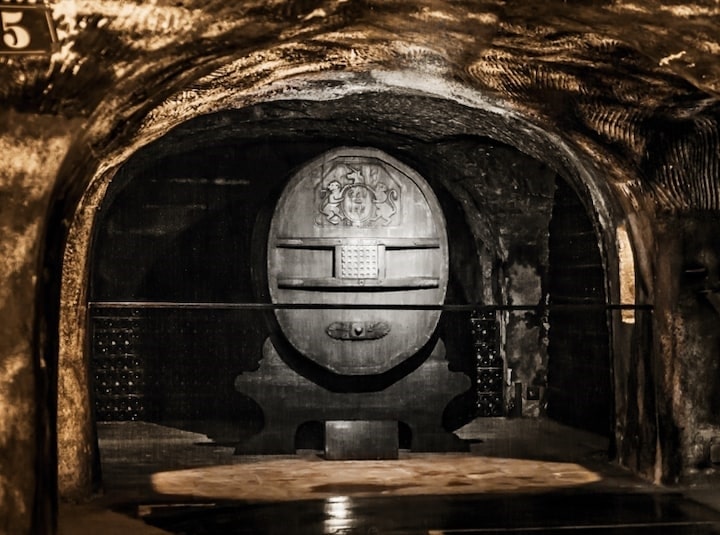
Cellar conditions are another body cue. The chalk cellars around Reims are part of the appeal, but underground spaces can mean temperature changes, stairs, and a different walking surface from Paris pavements. That does not make them difficult for everyone; it does mean the day should not be packed as if every transition were effortless. A group that wants a long lunch and an early dinner should not be asked to sprint between houses.
The cut-first move is practical: remove the weakest transfer, not the strongest experience. If the day is becoming too much, keep Reims and the chosen cellar, protect lunch, and drop the extra add-on. Bodies remember overreach more than they remember a missed second tasting.
The return to Paris is the day’s make-or-break
The Champagne day succeeds or fails on the return more than most travelers expect. A late-afternoon return before a Paris dinner keeps the day in proportion: you have been outside the city, but the evening still belongs to Paris. A return that lands too late turns dinner into damage control, especially if the restaurant is across town from the arrival point or the next morning includes the Louvre, Musée d’Orsay, Versailles, or a flight.
The mood consequence is immediate. When the return is calm, the couple or group arrives with the glow of a different landscape and enough energy to dress, pause, and re-enter Paris deliberately. When the return is too late, the day flattens. The city becomes traffic, the hotel becomes a triage stop, and dinner becomes a commitment rather than a pleasure. That is not a Champagne problem; it is a sequencing problem.
For Right Bank hotels in the 8th or near the Louvre, the return can often be planned as a relatively direct re-entry compared with a far Left Bank dinner. For Saint-Germain or deeper Left Bank plans, the final cross-city move matters more. A dinner near the hotel may be wiser than a celebratory reservation that demands another transfer after a full day in Reims. The best evening after Champagne is not necessarily the most ambitious; it is the one the group can enjoy without rushing upstairs, changing in haste, and leaving again.
Do not place the most important Paris dinner of the trip after an overextended Champagne day unless the return has been deliberately softened. If the meal is the anchor, either keep the Champagne route lean or place the dinner on a different night. This is the kind of restraint that makes a high-end stay feel generous rather than scheduled to the edge.
How to place Champagne beside Louvre, Seine and Left Bank priorities
Champagne should sit after the highest-pressure Paris commitments, not before them. The Louvre, a Seine-based first orientation, and a Left Bank afternoon each carry a different kind of Paris value: art concentration, city legibility, and lived texture. If those are not yet protected, Champagne is a tempting but risky escape. It may feel special in advance and still create regret when the final Paris morning arrives with too much left undone.
A good order for many first luxury stays is city first, excursion second. Use the earlier days for the Louvre or another museum priority, a Seine route that ties Right Bank and Left Bank together, and a food or neighborhood day that does not demand a long transfer. Then place Champagne once the trip has already become Paris, not before. The guide to planning a curated Paris food-and-wine day can help decide whether the wine focus should remain in the city instead.
For couples, this is a chemistry decision as much as a schedule decision. A Champagne day can create a wonderful shared memory when it follows a balanced city rhythm. It can also become the wrong kind of interruption if one person still wants the Louvre, the other wants a Seine evening, and both are trying to make a dinner reservation after Reims. The day should amplify the trip, not mediate unresolved priorities.
Families and small groups need the same honesty. Children may enjoy the train or the change of scenery but tire of adult tasting structures. Older parents may appreciate a chauffeured day but feel the cumulative effect of stations, steps, and dinner pressure. In both cases, Champagne can work beautifully when the plan is edited. It becomes fragile when everyone is expected to enjoy every adult ambition in one day.
When a private Champagne day becomes the better value
A private Champagne day becomes the better value when the itinerary has more than one fragile handoff. If all you want is an independent rail trip to Reims and one pre-booked cellar visit, a self-directed day may be enough. If you want hotel collection or a smooth Gare de l’Est handoff, Reims Cathedral context, a cellar visit, lunch, possible Épernay judgment, and a Paris return aligned with dinner, the value shifts from “guide” to “day architecture.”
This is especially true for travelers staying in different parts of Paris from their dinner plans. A morning departure from the 8th, a return to the 10th, and dinner in Saint-Germain is a different day from a hotel and dinner both near the Right Bank. A private planner can design backward from the evening, deciding whether the day should return earlier, whether the cellar choice should stay in Reims, and whether Épernay should be removed before it strains the night.
There is also interpretive value. Reims Cathedral before the cellar can connect Champagne to coronations, city identity, and the texture of the chalk landscapes without turning the day into a lecture. A good guide keeps the day from becoming only transportation plus tastings. For discerning travelers, that context often matters more than adding a second glass somewhere else.
For travelers comparing broader formats, Orange Donut Tours’ Paris private day trips page is the better starting point when the destination is still undecided, while Champagne-specific planning is better once the food-and-wine day has clearly won. The mistake is paying for customization before deciding the purpose of the day. The opportunity is using customization after the purpose is clear.
There is one more value cue that is easy to miss: who is making the decisions when the day changes. A delayed lunch, a cellar visit that runs long, or a group member who needs a pause can force a choice between Épernay, a second tasting, and the Paris dinner. In a self-directed plan, that choice often falls to the person who was hoping to enjoy the day. In a private plan, the adjustment can be made without turning the traveler into the operations manager.
The final test: will Champagne improve Paris, or interrupt it?
The final test is whether Champagne improves the Paris stay as a whole. A day in Reims earns its place when it gives the trip a different register: chalk cellars instead of museum galleries, cathedral stone instead of river bridges, a country-region lunch instead of another city meal, and then a return that leaves the Paris evening intact. It should make the stay feel larger without making the city feel shortchanged.
It interrupts Paris when the day is used to solve indecision. If the itinerary cannot choose between Louvre depth, Seine wandering, Left Bank texture, a major dinner, shopping, and Champagne, the answer is not to force everything. The answer is to protect the Paris core and let Champagne wait. A skipped Champagne day is not a failure in a short stay; it may be the reason the city itself feels complete.
For the traveler who has enough days, the winning version is restrained: Reims before cellar, one principal visit, lunch that is allowed to be lunch, Épernay only when it serves the theme, and a return planned around the evening rather than afterthought logistics. That version does not lose a city day. It converts one Paris day into a Champagne chapter and gives the city back before night.
For multi-day planning beyond this single decision, half-day, full-day and multi-day private tours in Paris can help place Champagne among the city days rather than beside them as a competing wish. The best luxury itinerary is not the one with the most prestige nouns. It is the one where each day knows what it is for.
FAQ
Is a Champagne day trip from Paris worth it on a first visit?
Yes, but only when the first visit has enough time. Champagne is usually worth it on a four- or five-day Paris stay after the Louvre, a Seine route, and a Left Bank or neighborhood priority have already been protected. On a short first stay, it often takes too much from Paris itself.
Should I visit Reims or Épernay from Paris?
Reims is usually the stronger first Champagne choice from Paris because it combines cathedral context, cellar access, lunch options, and a cleaner return. Épernay belongs when the day is built around broader Champagne geography, not when it is being added quickly after Reims.
Is Reims Cathedral worth including before a Champagne cellar?
Yes. Reims Cathedral before the cellar gives the day context and makes Champagne feel connected to place rather than only to tasting. It is especially useful for couples, families, and first-time Champagne visitors who want the day to feel cultural as well as indulgent.
Is a private driver better than taking the train to Reims?
A private driver is better when you want door-to-door ease, have a group with different energy levels, or need the return shaped around dinner. Train-and-driver can work well for punctual travelers who like rail and are comfortable using Gare de l’Est as the day’s hinge.
How many Champagne cellars should fit in one day from Paris?
One principal cellar visit is often enough for a refined day when Reims, lunch, and a calm return matter. A second visit can work if appointments and energy allow it, but adding more usually weakens the Paris evening and makes the day feel rushed.
Can I combine Reims and Épernay in one luxury day from Paris?
You can, but it should be treated as a fuller wine-region day with a later or softer Paris evening. If you want relaxed lunch, Reims Cathedral, at least one cellar, and dinner back in Paris, adding Épernay often costs more mood than it gives.
What should I cut first if the Champagne day feels too full?
Cut the extra town or extra cellar first. Keep the Paris departure clean, Reims context, one strong cellar visit, lunch, and a return that does not compromise dinner or the next morning.
Should Champagne be scheduled before or after a major Paris dinner?
Schedule Champagne before a major dinner only if the return is deliberately early and the dinner is near the hotel or easy to reach. If the dinner is one of the most important meals of the trip, it is often better placed on a different night.
If you’re interested in any private tours of Paris, please reach out to us.
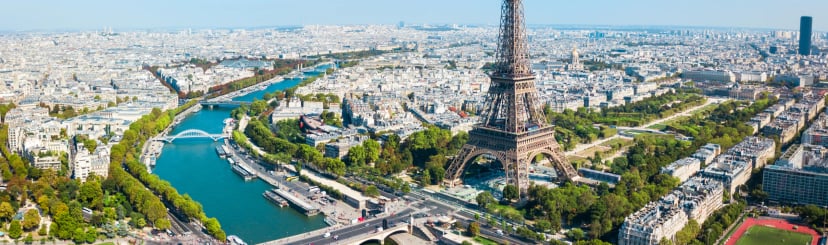


 So if you are looking for the absolute best in Paris & surroundings with authentic local fully-licensed native guides whose English you can actually understand and with an exclusive and amazingly fun itinerary