Designing a Curated Luxury Paris Pastry Day: Saint-Germain, Le Marais and One Atelier Without Sugar Fatigue

Updated
A curated luxury Paris pastry day works best with three sweet tastings, two contrasting neighborhoods and one real pause, not a race through every famous counter. It works in real city conditions because the Saint-Germain-to-Le Marais cross-river tasting hinge gives the palate a walking reset while moving from polished Left Bank calm to denser Right Bank texture. The exception is simple: if your priority is a formal lunch, Eiffel Tower access or a long tasting-menu dinner, make pastry the accent, not the day.
In Paris, pastry planning is a route-design problem before it is a dessert problem. A discerning private day should use Saint-Germain-des-Prés for technique and composed rhythm, Le Marais for contrast and street-level history, and one atelier or sweets-focused private experience only when it adds interpretation, touch or restraint. This is where a tailored format such as Paris sweets private tour earns its place: not by adding more sugar, but by deciding what to leave out.
The verdict: three sweet moments, two neighborhoods and one pause
The strongest luxury pastry day in Paris is a half-day to soft full-day sequence built around three sweet moments: one classic pastry, one chocolate or macaron contrast, and one lighter or more unusual finish. Anything beyond that usually stops feeling curated and starts feeling like a checklist. The point is not scarcity for its own sake; it is to keep each tasting legible. A lemon tart, a ganache, a cream-heavy choux and a macaron flight can all be excellent individually, yet together they flatten the palate before the neighborhood has had any chance to matter.
The route should begin in Saint-Germain-des-Prés, cross the Seine deliberately, and finish in or near Le Marais. That order gives the day a useful arc. Saint-Germain lets the morning start with calmer streets, sharper window decisions and fewer emotional jolts. Le Marais then changes the tempo: tighter lanes, older façades, Rue des Rosiers, Place des Vosges nearby, and a stronger sense that sweets are part of a living quarter rather than a boutique corridor. The change in mood is what prevents the day from becoming a sugar errand.
A luxury Paris pastry day should not chase every famous counter in one route. The first cut is any stop included only because it appeared in a ranking, social feed or hotel recommendation without serving the sequence. A celebrated pâtisserie can still be the wrong stop if it forces a taxi detour, a long queue, or a heavy tasting before a planned dinner. The better question is not “Which shop is best?” but “Which stop changes the texture of the day without exhausting the traveler?”
Why the Saint-Germain-to-Le Marais cross-river tasting hinge works
The Saint-Germain-to-Le Marais cross-river tasting hinge works because it turns the transfer itself into a palate reset. The non-obvious advantage is that the best move is often not a car at all. From the Saint-Germain-des-Prés side, the diagonal toward the river, Île de la Cité, Hôtel de Ville or the Saint-Paul edge can absorb the sweetness you have just tasted better than a seated taxi through central traffic. A walk across Pont Neuf, Pont Notre-Dame or another central crossing gives the body time to process butter, cream and sugar before the Right Bank begins.
This matters because Paris punishes overcompressed food touring in ways that are easy to underestimate from an itinerary screen. A pastry route that looks short on a map can still involve curb cuts, narrow pavements, métro stairs, standing in boutique lines, warm interiors, stone courtyards that hold heat, and the small fatigue of carrying purchases that should not be crushed. Sugar fatigue rarely arrives as one dramatic moment. It arrives as less conversation, less curiosity, and a sudden desire to skip the very neighborhood you came to understand.
The hinge also protects the trip mood. Couples and celebration travelers often imagine a pastry day as charming by default, but the mood-killing mistake is forcing constant decisions in front of glass cases while also managing transfers. Walking the river crossing after the second stop changes the emotional weather of the day. It lets the conversation return. It makes the next bite feel chosen rather than consumed. It also gives a private guide the chance to interpret the city between tastings instead of becoming a scheduler of sweets.
How many pastry stops are enough for a luxury Paris pastry day?
Three tasting stops are enough for most luxury travelers, and four is the upper limit only when one stop is very light. The useful ladder is not “more famous” but “more distinct.” The first stop should establish a baseline: a viennoiserie, tart, éclair, Saint-Honoré, Paris-Brest or other pastry that shows structure and technique. The second should shift register, usually to chocolate, praline, macaron or a texture that changes the mouthfeel. The third should either be lighter, more personal or tied to the atelier experience. If all three are cream-forward, the day will feel shorter and heavier than it needs to.
One practical way to design the route is to make each sweet moment answer a different question. What does Paris do with butter and lamination? What does it do with chocolate, nuts or ganache? What does it do with fragrance, fruit, spice or a regional idea brought into the capital? This keeps the day educational without making it academic. It also helps families and small groups, because each person can remember why the stop was there rather than blending six beautiful counters into one sugary memory.
The fourth stop belongs only when it solves a traveler-fit problem. A teenager who is more curious about chocolate than pastry may justify a bean-to-bar stop. A couple celebrating a milestone may prefer one seated tea or one particularly visual boutique, then fewer counters elsewhere. A food-and-wine traveler may want a technical atelier instead of another tasting. For broader culinary planning beyond sweets, the better companion is Paris food private tours, where cheese, market context, wine or savory pacing can carry more of the day.
Saint-Germain-des-Prés first: technique, restraint and calmer decisions
Saint-Germain-des-Prés is the better first act because it lets the day begin with choice rather than pressure. The neighborhood’s luxury advantage is not simply that it is elegant. It is that the streets around Boulevard Saint-Germain, Rue de Sèvres, Rue Bonaparte and the Luxembourg Gardens side can support a measured morning: one composed tasting, one short walk, one interpretive pause, and then the decision to continue or cross the river. Travelers staying on the Left Bank will also appreciate that the first bite does not require a cross-city transfer before breakfast has settled.
The Saint-Germain mood is useful for technique-led tastings. This is where a guide can explain why lamination matters, why French pastry tends to balance texture as much as sweetness, and why a single well-chosen tart can be more satisfying than a box of assorted miniatures. It is also a good place to avoid a common luxury-travel error: buying too many fragile items early. Cream, fruit glazes, chocolate decorations and glossy finishes do not improve while being carried through the city. If a purchase is meant for the hotel later, plan for a hotel return or a final pickup, not a handbag experiment.
Saint-Germain also gives you a softer exit if the group is already full. A short walk toward the river, a coffee pause, or a turn through quieter streets can become the day’s adjustment rather than a failure. This matters for couples because the mood-preserving decision is often to stop at the moment the day still feels graceful. The mood-killing mistake is to keep going because a list says there is one more “essential” boutique nearby.
Le Marais second: contrast, Rue des Rosiers and the end of pastry blur
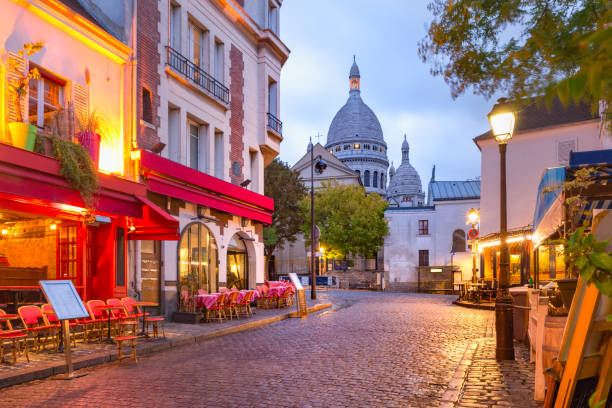
Le Marais belongs second because it changes the meaning of the day. After Saint-Germain-des-Prés, Le Marais feels denser, more layered and less polished in the useful sense. The area around Rue des Rosiers, Saint-Paul, the Hôtel de Ville edge and Place des Vosges gives pastry context beyond technique: Jewish heritage, aristocratic courtyards, contemporary boutiques, narrow medieval-feeling streets and a more mixed street rhythm. Sweetness here can sit beside history rather than replacing it.
This is why Le Marais should not be treated as only a dessert neighborhood. A guide-led route can use a sweet stop as a bridge into neighborhood interpretation: why Rue des Rosiers matters, how the old Jewish quarter still shapes the sensory life of the street, and why the Marais shifts from heritage corridor to design district in just a few turns. If that context is important to the day, the dedicated Le Marais Jewish Quarter Private Tour can carry more depth than a pastry-only route should attempt.
Le Marais also introduces the best restraint test of the day. If the group starts grabbing every pastry, falafel reference, chocolate window and concept shop, the route collapses. Choose one sweet idea here and let the neighborhood do the rest. Rue des Rosiers is a poor place to rush because its meaning depends on edges: a doorway, a plaque, a side street, a change in shopfronts, the way visitors and locals overlap. The tasting should sharpen attention, not pull everyone into another queue just because the day still has calories available.
Where the seated pause belongs after two sweet stops
The most useful pause comes after two sweet stops, before the final tasting or atelier. This is not a vague comfort note; it is the central design rule. After a first pastry and a second chocolate or macaron stop, the body needs water, sitting time and a change of sensory input. A seated pause after two sweet stops turns luxury restraint into an editorial principle. It also gives the guide a natural moment to ask whether the day should continue as planned, lighten the final stop, or shift toward neighborhood interpretation.
The pause does not need to be grand. In fact, the overbuilt pause can work against the route if it becomes a formal meal disguised as a reset. A calm café table, a short sit near the river, a hotel lounge if the property is nearby, or a bench moment around a garden edge can be enough. What matters is that the pause is planned before fatigue arrives. If it is improvised only after someone is already full, the group often chooses badly: a cab, a heavy drink, or a rushed decision to skip the part of the day that would have made the route feel different.
This pause is especially important for families and small groups. Children may not describe sugar fatigue as sugar fatigue; they may become restless, thirsty or suddenly uninterested in the next “special” place. Adults can be just as affected, especially before a significant dinner. A pause keeps the day from stealing appetite from the evening. It also protects the feeling that the itinerary is being hosted, not merely executed.
When one atelier earns its place
One atelier earns its place when it changes the traveler from a consumer into a participant. A hands-on pastry class, chocolate-focused session or sweets-led private experience can be the highlight of the day if it replaces two passive tastings rather than adding itself on top of them. The official pages for La Cuisine Paris pastry and baking classes (https://lacuisineparis.com/paris-baking-pastry-classes) and Le Cordon Bleu Paris workshops (https://www.cordonbleu.edu/paris/pastry-cuisine-wine-workshops-in-paris/en) are useful references because they show that atelier formats vary by technique, duration and level of hands-on involvement. Check the current format before booking, then build the day around it.
The atelier should usually sit at the beginning or the end, not in the overloaded middle. At the beginning, it makes the rest of the day more intelligible because travelers have just handled dough, cream, chocolate or technique. At the end, it can become the final anchor after a lighter tasting route. In the middle, it often creates a timing squeeze: too much time indoors, too little appetite afterward, and a risk that Le Marais becomes a rushed transit rather than a second mood.
An atelier is not automatically the premium choice. It is the right choice for travelers who want memory through touch: families with curious children, couples who prefer a shared activity to another boutique, or food-and-wine travelers who care about method. It is the wrong choice for visitors who mainly want to browse, photograph, taste lightly and keep the evening open. In that case, a guide-curated tasting walk will feel freer and less scheduled than a fixed workshop slot.
Chocolate, macarons and the useful non-pastry sweet stop
A chocolate or macaron stop is useful because it interrupts pastry heaviness, not because it is lighter by definition. The best second sweet moment often moves away from cream and butter toward cocoa, nut, ganache, shell texture or fragrance. A source such as Le Chocolat Alain Ducasse store information (https://www.lechocolat-alainducasse.com/en/stores) is helpful not as a ranking signal, but because it confirms that Paris has sweet experiences built around craft, manufacture and shop formats rather than pastry counters alone. That matters when you are trying to design contrast.
The chocolate stop can also solve a practical problem: portability. A carefully chosen chocolate box travels better than a cream pastry, can become a hotel-room pleasure later, and gives travelers a souvenir that does not need to be eaten immediately. The consequence is important. When every stop requires immediate consumption, the day controls the traveler. When one stop creates a later pleasure, the traveler controls the day. That is a small but meaningful difference on a premium trip.
Macarons require similar discipline. They are useful when treated as a small texture and fragrance comparison, not as a full tasting flight after multiple pastries. Choose two or three flavors at most if the day continues. The goal is to notice contrast, not to prove endurance. If the group wants a macaron focus, make that the theme and reduce the other pastry stops accordingly.
The traveler-fit clusters: couples, families, food-and-wine travelers and celebrations
Couples should prioritize mood continuity over coverage. The best couple’s pastry day has room for a shared walk, a seated pause and one taste that feels personal rather than merely famous. Saint-Germain-des-Prés to Le Marais works well because the day can move from composed Left Bank quiet to Right Bank texture without becoming a stage-managed romantic cliché. The wrong couple’s plan is a stop-by-stop scavenger hunt that leaves no room to talk between counters.
Families should use sweets as attention anchors rather than rewards for enduring adult sightseeing. Three stops are usually plenty, and one of them should be tactile, visual or easy to understand. An atelier can work beautifully when children or teenagers are genuinely curious; it can fail when it becomes a long indoor obligation after a morning of walking. Families should also avoid fragile takeaway purchases early in the route, because one crushed pastry can become the emotional symbol of a day that was too packed.
Food-and-wine travelers should decide whether pastry is the day’s theme or a supporting chapter in a larger culinary plan. If the evening includes a serious tasting menu, keep the daytime route clean and moderate. If the daytime pastry route is the main event, let it carry more interpretation: technique, ingredients, neighborhood history, and the difference between boutique tasting and hands-on learning. Celebration groups should be even more selective. A birthday, anniversary or proposal trip does not need six desserts; it needs the right one in the right emotional setting.
What to cut first when the day starts to sprawl
Cut the farthest famous stop first. Distance is the hidden enemy of a pastry day because it creates appetite loss without creating meaning. A detour toward the 7th, the 8th or a palace-area boutique may look tempting if the name is celebrated, but it can break the Saint-Germain-to-Le Marais cross-river tasting hinge and turn the day into a taxi chain. If that stop is truly essential, build a different day around it rather than forcing it into this one.
The second cut is any stop that duplicates texture. After a laminated pastry, do not add another butter-heavy item just because the boutique is nearby. After a ganache or praline tasting, do not add a chocolate dessert unless chocolate is the explicit theme. After a seated tea, do not pretend a final cream pastry will feel refreshing. This is where editorial discipline matters more than enthusiasm. Paris will always offer another beautiful thing; the route is good only if it knows when to refuse it.
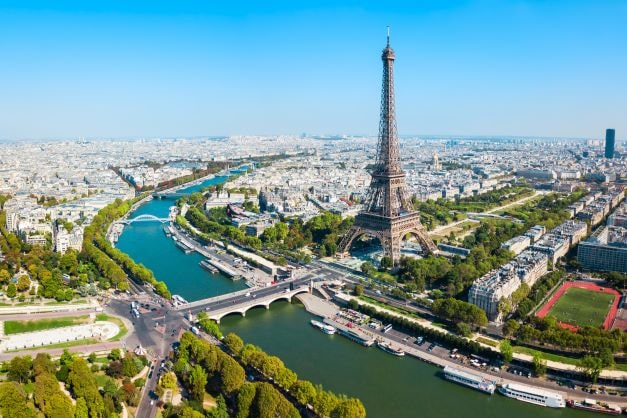
The third cut is an icon wedged into the wrong day. The Eiffel Tower can be a wonderful priority, but it is not a natural anchor for this pastry route. If it is central to your trip, plan it with the official Eiffel Tower site (https://www.toureiffel.paris/en) and give it its own timing logic. Do not ask a sweets day to carry tower access, Saint-Germain, Le Marais, an atelier and a major dinner. The result will not feel luxurious; it will feel negotiated.
What paying more can fix in a pastry day
Paying more can improve the day when it buys judgment, timing and privacy around the route. A private guide can decide which counter deserves the group’s energy, when a queue is not worth it, how to translate a pastry’s technique without lecturing, and when to turn a tasting into a walk. A chauffeur can help only when the route genuinely involves cross-city movement, hotel returns or mobility constraints. For Saint-Germain-des-Prés to Le Marais, walking and short, purposeful transfers often serve the day better than a car waiting at every corner.
Paying for a private experience does not improve the day if the route stacks too many sweets without walking, context or a real pause. That sentence is the clearest premium-spend rule for this itinerary. Money can make the day smoother, but it cannot make five heavy tastings feel elegant. It cannot turn a fragile pastry box into a good carry item. It cannot rescue a mood flattened by queues, heat, repeated decisions and no appetite left for dinner.
The spend that does earn its cost is often invisible. It is the guide who knows when to reverse two stops because the group is slower than expected. It is the pre-planned pause that prevents a celebration traveler from fading before the evening. It is the decision to skip a famous boutique because the line would consume the only calm part of the route. It is also the ability to connect sweets with neighborhood history rather than letting the day become a premium version of snacking.
How to place dinner, icons and hotel logistics around the sweet route
Dinner should be planned as the day’s appetite boundary. If the evening is a long tasting menu, daytime pastry should be concise: two tastings, one walk, perhaps a light chocolate stop, and no atelier unless the class replaces lunch. A reference such as Kei – Tastings & Menus (https://restaurant-kei.fr/en/pages/degustations-et-menus) is a useful reminder that serious dining has its own pacing. A pastry day that ignores the evening meal can make even an excellent dinner feel like an obligation.
Hotel location also changes the route. A Left Bank hotel makes Saint-Germain-des-Prés first especially natural. A Le Marais stay can reverse the emotional arc if necessary, but it should not reverse the logic: you still need one calm beginning, one cross-river or neighborhood reset, and one clear ending. A palace-area or 8th arrondissement stay can tempt travelers to add a grand hotel pastry or tea. That can be lovely, but it usually belongs on a different day unless the hotel is your final pause. For stay-planning context, use where to stay in Paris for a luxury first visit as a separate decision from this pastry route.
If you are trying to combine this with a broader culinary itinerary, separate the jobs. A pastry day solves sweetness, technique and neighborhood contrast. A food-and-wine day solves markets, savory bites, wine, cheese and lunch pacing. The overlap can be elegant, but not when both days try to become everything. The adjacent planning guide on a curated Paris food-and-wine day is useful when the main question is where a full culinary day should sit within a Michelin-level stay.
A private guide’s best use is restraint, not more sugar
The natural role of a private guide on this route is to balance tasting, neighborhood interpretation and restraint. That is different from simply booking a sweets tour or adding more stops. The guide should know when Saint-Germain-des-Prés has given enough technique, when the river crossing should become a story rather than a transfer, and when Le Marais needs room for Rue des Rosiers and side-street context before the next bite. This is especially valuable for couples, small groups and celebration travelers who want the day to feel hosted without being over-scripted.
For Orange Donut Tours, the strongest version of this day can be built as a private sweets route, a food-and-wine day with a pastry chapter, or a tailor-made Paris plan that protects dinner, hotel returns and energy. The key is the same in every version: the private layer should edit, not inflate. It should help the traveler taste better, walk better and stop at the right time. For a customized version across Private Tours in Paris, Inquire now.
One final logistics note belongs before any booking: decide whether the atelier is the anchor or the ornament. If it is the anchor, build the day around its fixed time and reduce tastings. If it is the ornament, choose a shorter or more flexible sweets-focused experience and keep the route open. The wrong move is to treat a workshop, two neighborhoods, an icon, lunch and dinner as equally non-negotiable. Paris will not reward that kind of ambition.
A sample sequence that keeps the day composed
A composed sequence begins with one Saint-Germain-des-Prés tasting, not a breakfast crawl. Give the first stop enough attention to understand texture and technique, then walk. The second sweet moment can be chocolate, macaron or another non-cream-heavy sweet format before the river crossing. At this point, the day has already delivered enough sweetness to justify a pause. The crossing toward Île de la Cité, Hôtel de Ville or the Saint-Paul side is not dead time; it is the hinge that makes the next neighborhood readable.
After the pause, let Le Marais carry the final act. This may be one tasting near Rue des Rosiers, one short sweets stop closer to the Saint-Paul edge, or a transition into a pre-booked atelier if the timing is right. Keep the ending clean. Either finish with the sweet route and leave the evening free, or end with the atelier and treat it as the day’s memory anchor. Do not add a “quick” final shop after the finale. Quick final shops are often where the day loses its polish.
- Morning start: one composed Saint-Germain-des-Prés pastry tasting and a short Left Bank walk.
- Contrast stop: chocolate, macaron or another non-cream-heavy sweet format before crossing the Seine.
- Required pause: water, sitting time and a decision about whether to lighten the final act.
- Le Marais finish: one sweet stop with Rue des Rosiers, Saint-Paul or Place des Vosges context, or one atelier that replaces extra tastings.
Souvenirs, hotel returns and the one-box rule
The best souvenir strategy is one box, not a shopping bag of fragile intentions. A single chocolate box, a carefully selected macaron assortment, or a durable biscuit travels through the rest of the day better than layered cream pastries. This sounds modest, but it changes the route. When travelers are not protecting delicate purchases, they walk more naturally, pay more attention to the guide, and do not need to interrupt Le Marais for an emergency hotel drop. Luxury here is not abundance; it is not having the day governed by what might melt, leak or collapse.
If the hotel is close to the route, a return can be elegant, but it should be designed rather than improvised. A Left Bank hotel after the Saint-Germain-des-Prés act can support a brief drop only if it does not break the cross-river sequence. A Le Marais hotel can make the final purchase easier, because the day can end near the room rather than carrying sweets into dinner. A palace-area hotel may be a poor return point for this specific route unless the day is intentionally ending there. The traveler consequence is simple: a badly timed hotel return can erase the benefit of the river hinge.
The one-box rule also helps groups with different appetites. One person can taste lightly, another can buy a later pleasure, and the guide does not have to keep solving storage problems. It is especially useful before a serious dinner, because the box becomes a next-morning or late-evening option rather than another immediate obligation. In a city that makes overindulgence easy, the most polished choice is often to leave something uneaten for later.
Weather, footwear and the quiet mechanics of comfort
Weather changes the route less than it changes the tolerance for indecision. On a warm day, shaded crossings, water and fewer indoor queues matter more than an extra boutique. On a wet day, the route should still keep the Saint-Germain-to-Le Marais logic, but the guide may need to choose more covered pauses, shorter exposed crossings and a final stop that does not require everyone to manage umbrellas, bags and takeaway boxes at once. The sweets do not become less interesting in difficult weather; the margin for sloppy sequencing becomes smaller.
Footwear is not a glamour detail, but it determines how much of the day remains enjoyable. Paris pastry touring is not mountain walking, yet it does involve repeated standing, uneven edges, crowded pavements and quick transitions between warm shops and cooler streets. The wrong shoes make people ask for a car exactly when walking would have restored the day. The right comfort choices let the route feel lighter than the amount tasted. For discerning travelers, that is the difference between a memorable culinary day and a pretty itinerary that drained the evening.
FAQ
How many pastry shops should a luxury Paris pastry day include?
Three sweet stops are usually enough: one classic pastry, one chocolate or macaron contrast, and one lighter or more personal finish. Four can work only when one stop is very light and the route includes a real seated pause.
Is Saint-Germain-des-Prés or Le Marais better for a pastry day?
Saint-Germain-des-Prés is better for the first act because it supports calmer technique-led tasting, while Le Marais is better for the second act because it adds Rue des Rosiers, Saint-Paul and neighborhood contrast. The best day uses both in sequence.
Should a pastry day include an atelier in Paris?
An atelier is worth including when it replaces passive tastings and gives the traveler hands-on memory, technical context or a shared activity. It is not worth adding on top of an already full sweet route.
Can you combine a Paris pastry day with the Eiffel Tower?
You can, but it is usually better to separate them. The Eiffel Tower has its own timing and access logic, while a Saint-Germain-to-Le Marais pastry route works best when the river crossing and neighborhood rhythm are not interrupted by a major icon.
What is the best way to avoid sugar fatigue in Paris?
Limit the route to distinct sweet formats, add one seated pause after two tastings, use the river crossing as a walking reset, and avoid duplicating cream-heavy or butter-heavy stops.
Is a private sweets tour better than visiting pastry shops independently?
A private sweets tour is better when you want editing, pacing, context and neighborhood interpretation. Independent browsing can work for travelers who only want one or two shops and do not need help balancing appetite, timing or route logic.
Should couples choose a pastry day for a Paris celebration?
Yes, if the day is edited around mood rather than coverage. Couples should choose fewer tastings, one meaningful pause and a route that leaves appetite and energy for the evening.
What should be cut first from an overpacked Paris pastry itinerary?
Cut the farthest famous shop first, then any stop that duplicates texture, then any major icon forced into the route. A pastry day gets better when it refuses stops that do not serve the sequence.
If you’re interested in any private tours of Paris, please reach out to us.


 So if you are looking for the absolute best in Paris & surroundings with authentic local fully-licensed native guides whose English you can actually understand and with an exclusive and amazingly fun itinerary