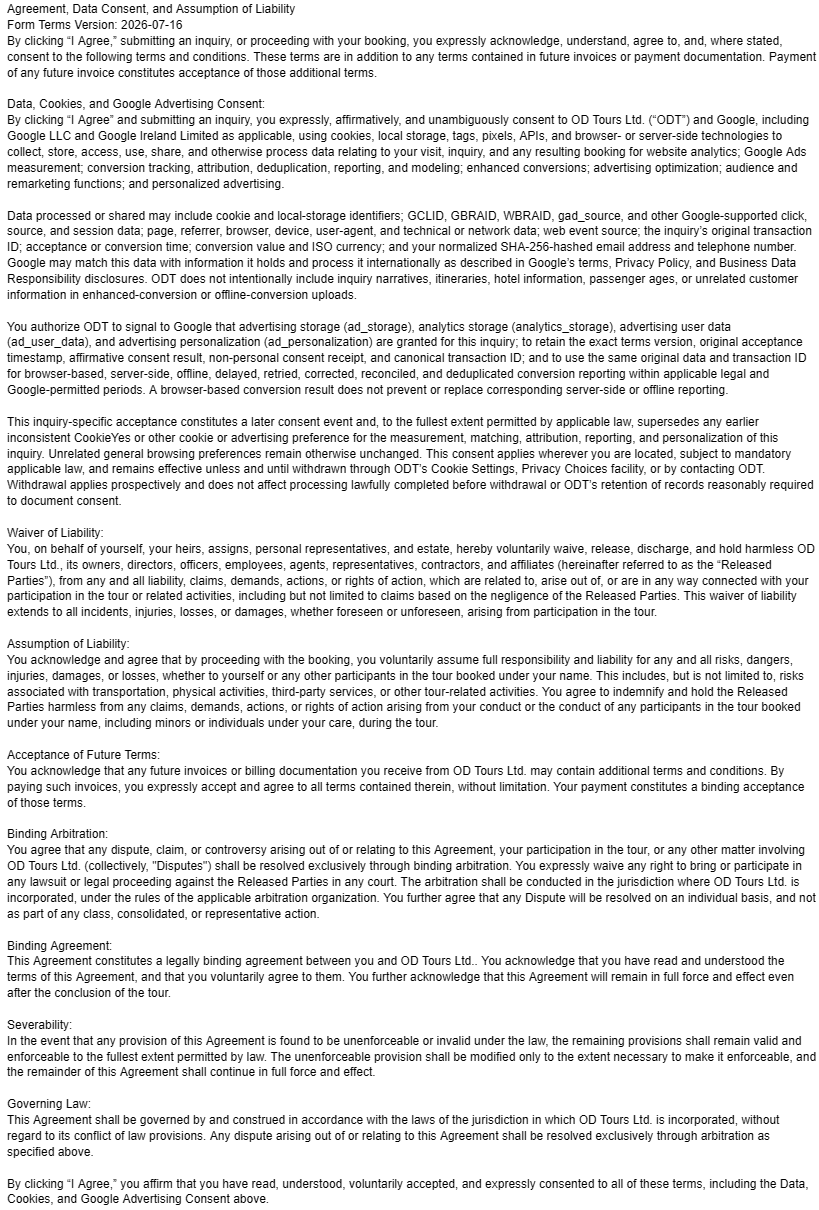
How to Plan a Curated Paris Food-and-Wine Day for a Michelin-Level Stay: Saint-Germain, Le Marais or the 8th?
Updated
The best all-day Paris food-and-wine shape for a Michelin-level stay is Saint-Germain-des-Prés. It wins not because it is the showiest address, but because the Rue du Bac to Saint-Germain lunch corridor lets one serious midday table flow into wine, browsing, and a still-desirable evening without turning the day into a sequence of taxis, resets, and forced appetite. In real Paris conditions, that matters more than raw prestige: a neighborhood that keeps you walking naturally between Sèvres-Babylone, Saint-Germain-des-Prés, Odéon, and the river usually produces a better day than one that looks grander on a map. The clearest exception is travelers whose real priority is fashion polish and a ceremonious dinner room; for them, the 8th Arrondissement can still own the night even though it is the least effective prestige Paris neighborhood for an all-day eat-and-wander plan.
That distinction matters because a food day and a hotel decision are not the same thing. You may absolutely sleep in the 8th or Le Marais and still want your best eating day on the Left Bank. If you are sorting out hotel geography separately, this is a different question from where to stay in Paris. My thesis is simple: in Paris, the right food-and-wine neighborhood is the one that keeps lunch, walking, wine, and after-dinner energy in one emotional register. Once the day needs too many transfers or too much formal recalibration, even expensive reservations start to feel like obligations.
Read the three day shapes through the second half of the day, not the first reservation.
- Saint-Germain-des-Prés is the smoothest full-day arc for couples and serious eaters who want one polished lunch, a beautiful afternoon, and an evening that still has desire left in it.
- Le Marais is the better choice when you want variety, browsing, and people-watching to matter as much as the headline meal.
- 8th Arrondissement is strongest when the whole day bends toward the dinner room, luxury retail, and a refined hotel-bar rhythm; it is weakest when you want noon-to-night wandering anchored by appetite.
Choose the day by its second half, not by the first table
The cleanest way to choose among Saint-Germain-des-Prés, Le Marais, and the 8th Arrondissement is to ask what you want from four o’clock onward. Paris lunch can run long, wine can soften the edges of ambition, and the city quietly taxes every extra move: one river crossing, one return to the hotel to change, one awkward dead zone between reservations. A day that still feels poised at six o’clock will usually end well. A day that already feels over-managed by then rarely recovers.
That is why Saint-Germain-des-Prés is the default winner. A lunch in the Rue du Bac to Saint-Germain lunch corridor can finish with enough of the city still immediately around you: galleries, bookshops, a cheese stop, a slow walk to the quays, or simply a glass somewhere you did not have to pre-commit to before breakfast. Le Marais comes second because it offers more variety and more browsing voltage, but it also introduces more drift, more crowd texture, and a slightly choppier mood. The 8th Arrondissement comes last for the all-day version of this plan because its strengths are concentrated, formal, and evening-weighted. It gives you a better stage set than a full arc.
The counterintuitive correction, especially for first-time luxury visitors, is that the most prestigious arrondissement is not the best all-day dining neighborhood. The 8th Arrondissement looks like the obvious choice if you equate couture addresses and grande-table reputations with a better food day. In practice, it often delivers the most expensive lunch-to-dinner gap and the least satisfying amount of actual wandering between those two poles. Paris rewards continuity more than symbolism.
Saint-Germain-des-Prés is the day that keeps improving as it goes
Saint-Germain-des-Prés is the best choice when you want the entire day to feel curated rather than segmented. This is the neighborhood that most reliably supports a Michelin-level stay because it can absorb a major lunch without making the rest of the afternoon feel either sleepy or performative.
What lunch-to-afternoon actually feels like here
The virtue of the Rue du Bac to Saint-Germain lunch corridor is not just restaurant quality; it is how a table choice a few blocks apart changes the rhythm of the rest of the day. Closer to Sèvres-Babylone, your afternoon can lean into refined provisions, beauty, and gift buying without feeling like a shopping errand. Closer to Saint-Germain-des-Prés and Odéon, it becomes more literary and gallery-led, with the river and the inner Left Bank always close enough to turn a full lunch into a walk rather than a nap. That is a subtle but important local proof cue: in this part of Paris, table placement changes post-lunch behavior within ten minutes.
For couples, this is the district that preserves atmosphere most naturally. You are rarely forced into the “what now?” problem. The streets are compact enough to carry a mood forward, yet varied enough that you do not feel trapped in one polished lane. A serious lunch can be followed by a digestif, a cheese or wine stop, a short browse, a turn onto the quays, or an unhurried pause in a salon-like café without ever feeling that you are killing time until dinner. That is a very Parisian advantage and an expensive-stay advantage too: the day continues to feel chosen, not merely booked.
If you want one real splurge meal, Saint-Germain-des-Prés is the easiest place to schedule it at lunch. Parisian daylight flatters a polished dining room, and lunch on the Left Bank leaves the evening flexible. You can make dinner lighter, later, or more spontaneous. That flexibility is worth more than many travelers realize. The wrong move is to interpret flexibility as a gap that needs filling. Often the best Saint-Germain version of the day is a major lunch, a slow wine-led afternoon, and either a smaller second meal or a dinner that is elegant but not punishingly long.
A useful Saint-Germain pattern is lunch somewhere between the Bac-Sèvres side and central Saint-Germain, then a gradual taper east or north depending on your energy. If you are still buoyant, the quays and the bridges near Pont des Arts or farther east toward the Institut de France turn a rich lunch into something scenic and breathable. If you want more indoor refinement, streets such as Rue Jacob and the lanes around the church of Saint-Germain-des-Prés keep the afternoon urbane without making it feel commercial. That matters because the neighborhood gives you multiple dignified versions of “less” after lunch. In Paris, that is a rare luxury.
Why it keeps the evening attractive
Saint-Germain-des-Prés usually produces the strongest after-dinner energy because the day does not peak too early. If dinner is nearby, you can stay within the same Left Bank register. If dinner is elsewhere, you start from a settled rather than frantic place. The neighborhood is forgiving about indecision in a good way: if the lunch runs long, you still have nearby options; if the weather turns, you have indoor browsing and short transfers; if you simply want to talk and walk, the area supports that without demanding another ticket or attraction.
This is also where premium spend often earns its keep. Paying more for the right lunch table, the right wine guidance, or a guide who knows how to stitch together the corridor between Rue du Bac, the church of Saint-Germain-des-Prés, and the quays can change the whole emotional quality of the day. What you are buying is not only culinary excellence. You are buying continuity, recovery-free transitions, and the ability to let the day breathe without losing its shape.
Where Saint-Germain is not ideal is for travelers who want the most fashion-forward visual energy or the broadest choice of small-format bites in one compact loop. If your ideal Paris afternoon means sharper style turnover, more people-watching, and more impulsive nibbling than seated dining, Le Marais may suit you better. But if your goal is to make a Michelin-level stay feel coherent rather than over-scheduled, Saint-Germain-des-Prés remains the strongest answer.
Le Marais wins when variety matters more than ceremony
Le Marais is the better choice when your perfect Paris food day is textured, browse-heavy, and a little less mannered. It is not the calmest option, and that is precisely why some travelers love it.
What lunch-to-afternoon feels like in Le Marais
Le Marais gives you more permutations per hour than Saint-Germain-des-Prés. After lunch, you can move quickly from a handsome square to fashion or design browsing, then to wine, then to something sweet or savory without much formal planning. The neighborhood invites pivoting. The best shorthand here is Place des Vosges pivot versus Avenue Montaigne polish. If the words “Place des Vosges pivot” sound right to you — lunch, then a square, then a drift through Rue des Francs-Bourgeois or Rue Vieille du Temple, with room for appetite to reappear gradually — Le Marais is probably your district.
This is also the neighborhood that best tolerates a more improvisational appetite. In Saint-Germain, the day usually benefits from one defined center of gravity. In Le Marais, you can build a food-and-wine day from a strong lunch plus smaller later gestures, or from a moderate lunch and more grazing later on. That makes it excellent for travelers who dislike the feeling of being pinned to a single grand performance. It can also be better for small groups with mixed appetites, because the neighborhood offers more ways to modulate without the whole party feeling that the day has been downgraded.
The tradeoff is that Le Marais is less inherently serene. The pavements are often busier, the visual tempo is quicker, and the shopping is more seductive in a way that can fragment the afternoon. You are more likely to stop, double back, linger in a boutique, or get tugged into side streets. Some travelers experience that as charm. Others experience it as a loss of narrative. If you want a day that unfolds like a beautifully edited sentence, Saint-Germain usually does it better. If you want a day with more clauses and more surprise, Le Marais is more alive.
Le Marais also changes character block by block in a way that affects stamina. Around Saint-Paul and Place des Vosges, the mood can feel composed enough for a proper post-lunch descent into evening. Farther into the retail lanes, the day becomes more distractible. That is not a flaw, but it means a Le Marais plan benefits from a deliberate pivot point. Without one, lunch can dissolve into shopping and shopping can dissolve into grazing, and by the time you think about dinner you are managing fragments rather than a day.
How the evening behaves
Le Marais tends to keep its energy after dark, but not always in the same register as a ceremonious fine-dining night. It is strong for a dinner that still feels urban and connected to the street, less strong if what you really want is the seamless progression from polished hotel bar to ultra-formal dining room and back. This matters for couples. A Le Marais evening often feels more social and kinetic; a Saint-Germain evening often feels more contained and intimate; an 8th evening can feel most staged.
The river is the hidden variable. If your hotel is on the Left Bank or in the 8th, a Marais day asks you to decide whether you are staying committed to the Right Bank through the evening or interrupting the day for a return crossing. That crossing is not dramatic on paper, but in real traveler terms it can be the exact moment when the day loses elegance. A short walk to Pont Marie or toward Hôtel de Ville is lovely when you still want to keep going. It is much less charming when you are already full, carrying purchases, and trying to rescue a dress-code dinner across town.
That is why Le Marais is a superb runner-up and not the default winner. It gives more sensory variation than Saint-Germain-des-Prés and a stronger feeling of contemporary Paris. It also asks more of your attention. If you want that shape, it can be brilliant, especially with private Le Marais touring that protects the district from turning into pure retail drift. But if the point of the day is one exquisitely paced food-and-wine arc, the Left Bank still edges it.
The 8th Arrondissement is a dinner district pretending to be an all-day route
The 8th Arrondissement produces the most polished dinner atmosphere of the three, but it is the least effective prestige Paris neighborhood for an all-day eat-and-wander plan. That is the clearest editorial judgment in this guide, and it is worth making plainly because many travelers assume the opposite.
Why the 8th works better as a late-day stage set
The 8th shines when your day is really about arrival, luxury retail, a beautifully groomed pause in a hotel bar, and then a serious dinner room. In that frame, it is excellent. Avenue Montaigne, the Triangle d’Or, and the streets around George V know how to make an evening feel ceremonious before you even sit down. If your trip already has a fashion appointment, a jewelry browse, or a hotel whose public rooms are part of the pleasure, the neighborhood can feel impeccably aligned.
What it does not do especially well is carry appetite from noon to night in a natural walking narrative. The avenues are wider, the transitions more vehicular, and the incidental in-between moments less charming than travelers often expect. The 8th can make you feel well looked after, but it is less good at making you feel happily absorbed between meals. That is a different thing.
The 8th also tempts travelers into over-valuing proximity to famous names over the quality of the hours between them. Faubourg Saint-Honoré, Avenue Montaigne, and the grand hotels are all real assets, but they do not automatically create a good midday-to-evening route. Unless your afternoon is genuinely about fittings, serious shopping, or lingering in hotel public rooms, the district can feel oddly sparse between peaks. That is why the 8th is often magnificent from seven o’clock onward and underwhelming from two to six.
The best use of the 8th, then, is as a dinner-led district rather than a full-day food district. It is where a lighter lunch elsewhere can set up a magnificent evening. It is where a refined hotel stay and formal restaurant ambitions reinforce each other. It is also where current fine-dining benchmarks help you calibrate what kind of night you are actually seeking. The Michelin Guide – Paris 3★ (https://guide.michelin.com/us/en/ile-de-france/paris/restaurants/3-stars-michelin) page is useful here not as a trophy list but as a measure of formality; the Michelin Guide entry for Le Cinq (https://guide.michelin.com/us/en/ile-de-france/paris/restaurant/le-cinq6102) is an especially clear reference point for the polished, jewel-box end of the 8th-style dinner spectrum. If you want more countryside-destination grandeur than urban ceremony, Le Pré Catelan – Le Restaurant (https://leprecatelan.paris/le-restaurant-du-precatelan) belongs to a different kind of evening altogether.
Where premium spend does not help
Upgrading to a formal tasting-menu lunch does not help when you also want a polished dinner, because the added spend buys duration and heaviness, not a better overall Paris day. This is the place where affluent travelers most often pay for symbolism rather than outcome.
The classic failure is a late Left Bank lunch versus polished 8th-arrondissement dinner window problem. Lunch runs long. Wine arrives. Dessert seems harmless. Suddenly the afternoon is too short for a real walk, too long to go straight to dinner, and too crowded with logistics to feel indulgent. You either drag yourselves through luxury shopping without appetite or retreat to the hotel and flatten the mood entirely. By the time dinner arrives, the day has become a set of disconnected scenes.
If you are set on the 8th, simplify. Make lunch lighter and shorter. Keep the afternoon anchored to one or two addresses only. Use top fine-dining restaurants in Paris as restaurant context if you want names, but do not treat that list as a route map. And if the evening includes a more remote destination or a particularly formal arrival sequence, chauffeured Paris touring can make sense here in a way it matters less in Saint-Germain. In other words: spend on the night, not on pretending the whole arrondissement is a perfect walking food district.
How to plan a curated Paris food-and-wine day without wasting appetite
A Paris food-and-wine day almost always improves when you choose one marquee meal, not two. The city offers enough pleasure between meals that you do not need to prove seriousness by booking lunch and dinner at maximum intensity.
The most successful pairings
- Saint-Germain-des-Prés lunch + lighter dinner nearby or later: the strongest overall shape for couples, anniversary travelers, and anyone who wants the day to feel steadily better rather than front-loaded.
- Moderate lunch in Le Marais + stronger dinner later: excellent when browsing and urban energy are part of the pleasure and you do not mind a more social, kinetic afternoon.
- Lighter lunch anywhere + 8th Arrondissement dinner: the right move when the night is the point and you want to arrive hungry, polished, and mentally fresh.
The pairings that usually disappoint
- Formal tasting-menu lunch + formal tasting-menu dinner: nearly always too much unless the day contains very little walking and the meals are the entire trip agenda.
- Le Marais browsing marathon + strict dress-code 8th dinner with a hotel return in between: the shopping bags, the river crossing, and the timing gap do real damage to the mood.
- Destination lunch and destination dinner on opposite sides of Paris: this looks exciting in a spreadsheet and feels exhausting by early evening.
If you need one cut-first rule, here it is: when the day starts looking too ambitious, cut the second marquee reservation before you cut the walk. The walk is not filler. In Paris, the walk is what lets appetite return, lets conversation continue, and lets the city become part of the meal rather than scenery between meals. Too many travelers protect the most expensive booking and sacrifice the breathing room that would have made it enjoyable.
The second important rule is to leave one element deliberately under-programmed. That could be the late afternoon glass of wine, the cheese stop, or the exact dinner venue if lunch is the day’s fixed centerpiece. The point is not to be casual. The point is to preserve responsiveness. Weather, appetite, and mood change fast in Paris. The day gets better when there is room for them to matter.
There is also a hotel logic here. Visitors on short luxury stays sometimes assume they should always eat nearest their hotel in order to conserve energy. For a museum morning or a jet-lagged arrival, that can be sensible. For a food-and-wine day, it is often the wrong instinct. Choosing the best route for appetite, then staying inside that route, usually works better than choosing the nearest prestige district and bouncing in and out of it.
For food-and-wine travelers who also care about romance, this is the mood-preserving decision: choose the meal that deserves certainty, then let the rest of the day support it. The mood-killing mistake is treating a couple’s Paris day like a tasting syllabus. Once the day feels like coursework, no table can rescue it.
Walking, shopping, and transfers: what Paris does to the body and to the evening
Paris imposes its cost in little resets, not in spectacular hardship. That is why sophisticated travelers sometimes underestimate it. The city does not look difficult in the abstract. Then it quietly eats an hour in crossings, detours, queues, traffic around major boulevards, or back-and-forth hotel changes that were supposed to take twenty minutes.
Saint-Germain-des-Prés is usually easiest on the body because its pleasures are compact and legible. You can go from lunch to browsing to river air with relatively few hard decisions. Le Marais asks for more start-stop walking and more micro-distractions; the pavements and shop density keep the feet busy even when the distances are not huge. The 8th Arrondissement can be physically easier in the sense of broader streets and cleaner lines, yet paradoxically more tiring because it encourages transport dependence and more formal transitions. The body notices not only distance but rhythm. Stop-start luxury is still stop-start.
The city also affects mood differently by neighborhood. Saint-Germain-des-Prés tends to preserve intimacy because the afternoon can remain continuous. Le Marais tends to raise stimulation because there is always another turn, another storefront, another reason to pause. The 8th tends to create anticipation for the evening, which sounds glamorous until anticipation becomes dead time. For couples, the strongest Paris days usually avoid three mood-killers at once: leaving lunch overfull, separating for a hotel reset, and reconvening under a time constraint for dinner. If two of those are happening, the day is already less romantic than it looks on paper.
Shopping changes the equation too. If shopping is a supporting pleasure, Saint-Germain-des-Prés integrates it best. If shopping is part of the point, Le Marais gives the most playful afternoon. If shopping is luxury-category serious, the 8th has obvious advantages — but that means you should admit the day is partly a fashion day with a major dinner, not a pure food-and-wine wander. Those are different itineraries and they deserve different expectations.
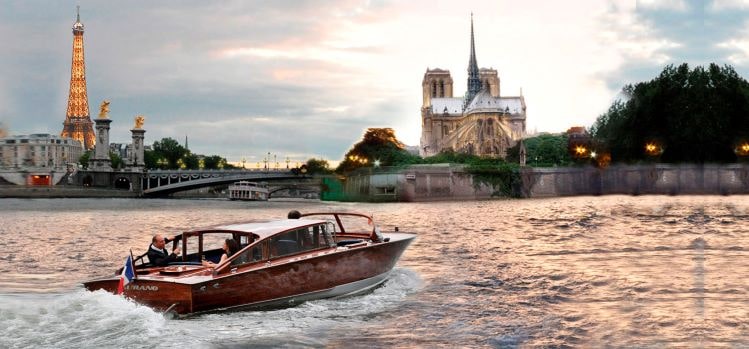
Some travelers are tempted to repair an overloaded food day with a scenic add-on, usually a river element. That can work only when it behaves as a soft bridge rather than another commitment. A Seine cruise fits best on a day with a lighter dinner or as a calm visual coda after an earlier main meal. It fits worst on a day already pinned between a big lunch and a formal dinner time. Paris views are wonderful; they do not replace appetite management.
When guided sequencing is worth paying for
Private planning earns its keep here not by naming famous restaurants, but by protecting the sequence. The real value is keeping the day from becoming a string of disconnected reservations that happen to sit in the same city.
A good host or planner can do four things that matter disproportionately in Paris. First, they match the neighborhood to the appetite arc you actually want, not the one that sounds prestigious when you are booking from abroad. Second, they sequence the day so that a lunch table in the Rue du Bac to Saint-Germain lunch corridor leads somewhere natural rather than into a blank stretch of time. Third, they build around your real constraints — celebration tone, shopping intentions, mobility, dress changes, children, older parents, or the fact that one traveler wants a major wine experience while the other simply does not want a six-hour food marathon. Fourth, they protect options if lunch runs long, weather shifts, or the best mood-preserving move is to downgrade the evening meal rather than force it.
That is why the most commercially sensible version of this article is also the most traveler-friendly one: a private host, pre-booked tables, and neighborhood sequencing are not decorative upgrades. In Paris, they are what keeps a beautiful day from collapsing into transit, indecision, and over-ordering. This is especially true when the hotel is in one district, lunch is in another, and the fantasy dinner room is somewhere else again.
If what you want is a coherent food-led day rather than a restaurant scavenger hunt, that is where Paris food and wine tours or a more customized tailor-made Paris day become valuable. They let the best neighborhood choice stay the best once reservations, transfers, and human appetite enter the picture. If that is the part you would rather not orchestrate yourself, Inquire now.
FAQ
Which neighborhood is best for one serious Michelin-level lunch and a lighter evening?
Saint-Germain-des-Prés is usually best. It lets a major lunch carry gracefully into the afternoon, and it still leaves room for wine, walking, and a smaller dinner without the day feeling unfinished.
Is Le Marais better than Saint-Germain-des-Prés for couples?
Le Marais is better only when the couple values variety, browsing, and a livelier street mood more than calm continuity. Saint-Germain-des-Prés is usually stronger when the goal is connection, conversation, and a smoother lunch-to-evening arc.
Is the 8th Arrondissement a good all-day food-and-wine neighborhood?
Not usually. It is excellent for a polished dinner-led plan, luxury shopping, and hotel-bar atmosphere, but it is the least effective of the three for a noon-to-night eat-and-wander day.
Can you do lunch in Saint-Germain-des-Prés and dinner in the 8th Arrondissement on the same day?
Yes, but only if lunch is your main event or dinner is. The combination works best when one meal is lighter. Two elaborate meals with a hotel reset in between usually flatten the day.
Should you book two marquee fine-dining meals in one Paris day?
Rarely. Paris rewards one major reservation supported by walking, wine, and flexible smaller pleasures. Two headline meals usually create too much fullness and too much dead time.
Which neighborhood is best if shopping matters almost as much as the food?
Saint-Germain-des-Prés is best for integrated, elegant browsing; Le Marais is best for variety and contemporary fashion energy; the 8th Arrondissement is best for top-end luxury retail, but that usually means the day is no longer primarily an eat-and-wander day.
Does a Seine element belong in the same day?
It can, but only as a light bridge or visual finish. It works best on a day with one major meal and enough time between commitments. It works poorly when you are already trying to fit both a heavy lunch and a formal dinner.
What is the simplest decision rule if you do not want to overthink it?
Pick Saint-Germain-des-Prés unless your evening is the point. Choose Le Marais if variety and browsing clearly outrank calmness. Choose the 8th Arrondissement only when the dinner room, luxury retail, and late-day polish are the actual reason for the plan.
If you’re interested in any private tours of Paris, please reach out to us.
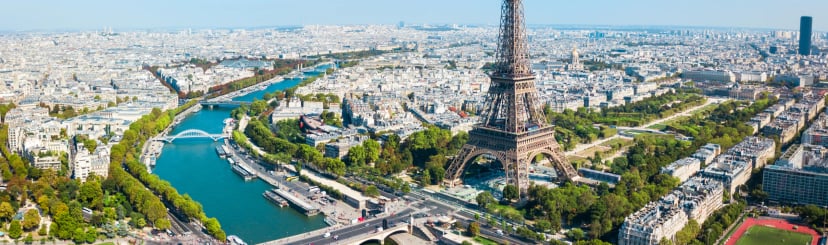

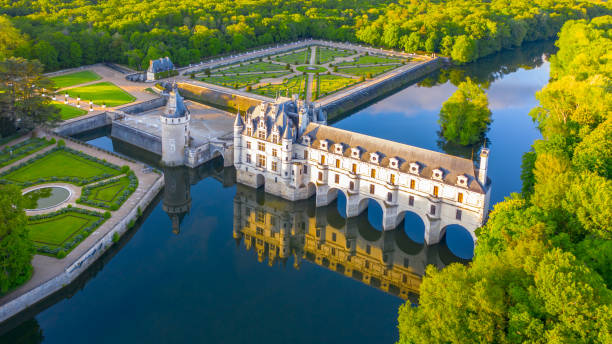


 So if you are looking for the absolute best in Paris & surroundings with authentic local fully-licensed native guides whose English you can actually understand and with an exclusive and amazingly fun itinerary