Between Paris Couture Fittings: Museum Time, Lunch and the Hotel Reset

Updated
Build the gap between couture fittings around one nearby museum or garden, a real lunch, and a hotel return, not around a second boutique sprint. In real Paris conditions, the Right Bank-to-Left Bank crossing logic matters more than the distance on a map: Avenue Montaigne to Palais Galliera or the Tuileries can stay composed, while forcing Saint-Germain after pins, shoes, and garment decisions can turn an elegant day into a transfer problem. The clearest exception is a day when the afternoon appointment is already on the Left Bank; then lunch and the reset should follow that side of the river instead of pulling everyone back to the 8th.
The thesis is simple: a Paris couture-fitting day succeeds when the city is treated as an appointment-led logistics system, not as a shopping-neighborhood list. The buyer needs time to think, companions need somewhere meaningful to be between decisions, and the hotel must become part of the route. That is where private Paris planning can add real value: not by adding more stops, but by protecting the order of the day.
The priority ladder for a couture-fitting day
The best between-fitting plan protects appointments first, body comfort second, culture third, and shopping impulses last. This is the opposite of how many polished Paris days are drafted. A generic plan starts with the prettiest sequence: Avenue Montaigne, lunch across the river, museum, more shopping, dinner. A couture day should start with the most fragile commitment: the fitting. Everything else is placed to keep that appointment from feeling rushed, sweaty, distracted, or late.
- 1. The fitting clock. Couture and serious made-to-measure work should be treated as fixed appointments, not browsing windows. Do not assume walk-in access, and do not place anything with its own hard ticket time immediately before a fitting unless the route is short and the exit is simple. A fitting can also run longer than the diary suggests because an adjustment, fabric question, or second look deserves time.
- 2. The buyer’s concentration. Commissioning decisions take more attention than ordinary shopping. The gap should let the buyer compare fabric, silhouette, schedule, and delivery without a guide or companion pushing the day toward another retail stop. The relevant luxury is mental room, not a higher count of addresses.
- 3. The walking load. Paris is not mountainous, but a couture day is physically different from a museum day. You stand through fittings, change shoes, manage bags, cross lobbies, step in and out of cars, and sometimes walk along uneven pavements around the Golden Triangle or the Tuileries edge. The day can feel longer than its step count.
- 4. The cultural bridge. The right museum hour should make the day feel like Paris, not like errands. It should be close, compact, and thematically useful enough to justify leaving the boutique rhythm. It should also be easy to shorten without turning the visit into a failure.
- 5. The hotel return. The hotel reset is not a decorative luxury pause; it is the logistics hinge where parcels stop following you, shoes are changed, notes are reviewed, and the second fitting starts with a calmer buyer.
This is why a dedicated Shopping Private Tours plan should not look like a retail marathon. The more serious the commission, the more restraint the day needs. The buyer may remember the fabric choice for years; they are unlikely to remember the fourth showroom added because it was nearby.
The traveler-fit clusters that change the answer
The right gap between couture fittings depends on who is traveling with the buyer and what kind of decision the buyer is making. The same museum hour can be ideal for a couple and wrong for a family group if it adds queue drag or leaves companions idle. The planning question is not simply, “What is nearby?” It is, “Who needs recovery, who needs stimulation, and who must still be able to focus at the next fitting?”
The commissioning buyer with two serious fittings
This traveler should choose the tightest cultural insert: Palais Galliera when it fits the exhibition and route, a Tuileries garden pass when it does not, or a short decorative-arts stop only if the next appointment is near rue Saint-Honoré. The goal is not to “see a museum.” The goal is to keep the buyer in a visual Paris mood without stealing concentration from fit, fabric, and production decisions.
The couple with one buyer and one culture-led companion
This pair needs a plan that gives the non-buying companion a Paris reward without punishing the buyer. A compact museum hour works better than a long lunch across town because it gives the companion substance while keeping the buyer close to the appointment zone. The companion should not become the reason the buyer arrives at the second fitting with tired feet or a half-finished lunch.
The family or small group around a celebration fitting
This group should keep the gap easier than the itinerary instinct suggests. Children, older parents, and style-curious relatives usually do better with one shared cultural stop and a hotel return than with a couture-plus-museum-plus-neighborhood-walk plan. The mood consequence matters: if everyone is slightly overheated, hungry, or bored by the time the second fitting starts, the appointment becomes a family-management exercise instead of a celebration.
The hotel reset is more important for this group because it creates a natural point at which people can separate. A grandparent can stay back. A child can rest. A companion who has had enough fashion can change plans without creating drama at the boutique door. Keeping the group together at all costs often looks generous on paper but makes the fitting less intimate and the afternoon less kind.
The food-and-wine traveler tempted to make lunch the star
Lunch can be excellent, but it should not become the day’s main logistical event. A serious reservation that sits on the wrong side of the Seine can consume the buffer the fitting needs. The best lunch on a couture day is the one that keeps everyone precise, comfortable, and close enough to return to the appointment without watching the clock.
The traveler whose hotel is not near the fittings
This is the cluster that most often needs a modified reset. If the hotel is deep in Saint-Germain while both fittings are around Avenue Montaigne, returning to the room may create two unnecessary crossings. The answer is not to abandon the reset; it is to relocate its functions. Arrange parcel handling, use a quiet lunch room, schedule a driver handoff, or choose a nearby palace-hotel lobby for a short pause where appropriate. Then save the full room return for the point when the day naturally changes bank or ends.
Conversely, if the hotel is in the 8th and the second appointment is on the Left Bank, the full reset may belong before the crossing. Drop the morning’s parcels, change shoes, confirm the new address, then cross once. The hotel should simplify geography, not become a sentimental stop that the route keeps revisiting.
The route hinge: when the Right Bank-to-Left Bank crossing logic flips the plan
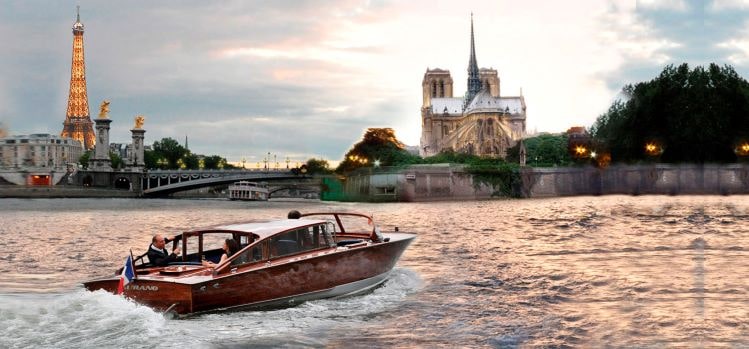
The Right Bank-to-Left Bank crossing logic flips the recommendation whenever the day would require two river crossings between fittings. This is the first Paris detail many stylish plans miss. Avenue Montaigne, the Champs-Élysées edge, rue François 1er, and the palace-hotel corridor of the 8th all feel close to Saint-Germain in the imagination. In a couture day, that crossing becomes a hinge: Pont de l’Alma, Pont Alexandre III, or Pont de la Concorde may look graceful, but each crossing adds traffic uncertainty, curb time, and mental friction.
The counterintuitive correction is this: Saint-Germain lunch is the overvalued default many readers should reconsider. It sounds like the elegant answer between couture appointments, especially for travelers who associate the Left Bank with taste, books, cafés, and discreet shopping. But if both fittings are on or near the Right Bank, pulling the day across the river for lunch often costs more than it gives. It adds a transfer before lunch, another transfer after lunch, and the chance that a museum window becomes a rushed corridor rather than a cultural pause.
The better move is to keep the route inside one bank unless the next appointment has already moved you. If the first fitting is near Avenue Montaigne and the second is also in the 8th or near rue Saint-Honoré, stay Right Bank. If the second fitting is near Saint-Germain or Sèvres-Babylone, then cross once and commit to the Left Bank for lunch and the reset. What fails is the decorative zigzag: Right Bank fitting, Left Bank lunch, Right Bank museum, Left Bank shopping, then hotel. It looks rich on paper and feels thin in the body.
Paris does this to the body in small increments. A few extra curb waits become hot coat sleeves. A beautiful bridge becomes wind, sun, or rain at the wrong moment. A boutique bag becomes awkward in a museum cloakroom discussion. A companion’s “quick walk” becomes a shoe problem before dinner. None of these details is dramatic alone, but together they flatten the day. That is why the route hinge should decide the cultural stop, not the other way around.
Four micro-location patterns that keep the day honest
“Near the fitting” is too vague for Paris. The useful unit is the micro-location: the few streets, bridge approaches, and pickup points that determine whether a stop is truly adjacent or merely in the same arrondissement. Four patterns cover most couture-led days without pretending that every house, hotel, or appointment follows the same route.
Avenue Montaigne and rue François 1er
This is the cleanest Palais Galliera pattern. The museum can act as the visual bridge, especially when the buyer wants fashion context rather than a broad art survey. The route can also absorb a short Seine-side look or a calm lunch in the western 8th without crossing the river. If the next fitting remains in the Golden Triangle, the hotel reset should usually be nearby or back in the 8th, not in Saint-Germain.
Place Vendôme, rue de la Paix and rue Saint-Honoré
This pattern favors the Tuileries or a tightly controlled visit to the Musée des Arts Décoratifs. The garden is especially useful when the buyer needs air rather than another interior. Lunch should remain close to the next appointment, and the hotel reset works naturally for travelers staying near the Louvre-Tuileries corridor or the palace hotels of the 1st and 8th.
A Right Bank morning with a Left Bank afternoon fitting
This is the legitimate one-crossing day. Finish the morning appointment, complete the Right Bank cultural stop or hotel reset, then cross once for lunch near Saint-Germain or Sèvres-Babylone and remain there. Do not cross early for a fashionable lunch and then return to the Right Bank for the museum before crossing again. The cultural stop belongs before the crossing unless a Left Bank museum is genuinely adjacent to the second appointment and can be exited easily.
The hotel location decides whether the reset happens before or after the bridge. A hotel in the 8th suggests resetting before crossing. A hotel in Saint-Germain suggests crossing once, lunching nearby, resetting at the hotel, and then walking or taking a short transfer to the second fitting. The same three ingredients remain; only their order changes.
A Left Bank hotel with two Right Bank fittings
This is where travelers most often overvalue the room return. Two fittings on the Right Bank already create a cross-river commute at the beginning and end of the appointment block. Returning to a Left Bank hotel between them can turn one necessary crossing into three. Use a functional reset on the Right Bank instead: parcel delivery, a calm private lunch space, a shoe change arranged through the car, and a short seated pause. Return to the hotel after the second fitting.
The principle is not “never go back to the hotel.” It is “do not make the hotel compete with the fitting geography.” The room is useful because it removes friction. When reaching it creates more friction than it removes, reproduce the reset’s functions closer to the appointments.
The museum or garden that genuinely fits
For a couture-led day near Avenue Montaigne, Palais Galliera is the most natural museum fit when the exhibition, opening pattern, and appointment geography line up. It is close enough to the Golden Triangle to feel related rather than pasted on, and it gives fashion context without dragging the group into the Louvre’s scale. The advantage is not merely thematic. It is practical: the museum sits in a part of western Paris where a buyer can step out of boutique mode, see fashion as history and design, and still return to the next appointment without losing the day.
This is not a blanket instruction to force Palais Galliera into every fitting day. Confirm the current exhibition, opening information, ticket conditions, and any closure before building the gap around it. If the museum visit creates its own booking stress, if the exhibition does not interest the buyer, or if the afternoon appointment is far away, the smarter cultural insert may be a garden rather than a museum.
The Tuileries can work as a pressure valve when the day is anchored near rue Saint-Honoré, Place Vendôme, or the Louvre-Rivoli edge. It gives air, sightlines, and a Paris pause without asking the group to process another interior. It is also easy to shorten. Ten quiet minutes near the western garden edge can still do its job; a museum visit that loses half its planned time can feel like something unfinished.
Musée des Arts Décoratifs can be useful when the next movement is already around the Tuileries and rue de Rivoli, but it is more vulnerable to “just one more room” drift. It suits a design-minded companion and a buyer who still has mental energy. It is less useful when the first fitting was complex, the group is carrying bags, or lunch is already late.
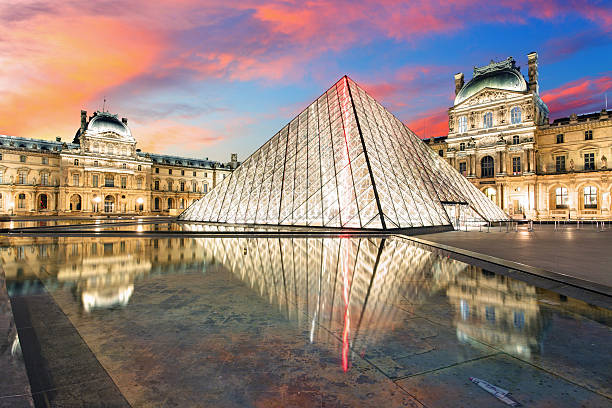
The Louvre is usually the wrong museum for this narrow day. It is too gravitational: security, scale, entrance logic, and the emotional pull of the collection can swallow the buffer you need for the fitting. A private Louvre plan belongs on a day built around art, not as a decorative insert between couture decisions. The same caution applies to any blockbuster exhibition that creates a second hard appointment.
If the buyer’s interest is fashion history rather than commissioning logistics, the fuller fashion-archive version of the day belongs in a different frame: Palais Galliera, Avenue Montaigne and one museum hour. For the couture-fitting day, the museum is subordinate to the appointment. That hierarchy is what keeps the day from becoming a tasteful blur.
Lunch should sit beside the next appointment, not beside the better story
The right lunch is the one that protects the afternoon fitting. That may sound unromantic, but it is the cleanest way to make the day feel polished rather than busy. On a couture day, lunch has three jobs: restore concentration, avoid a late arrival, and keep companions content. It does not need to prove that the traveler knows Paris.
When both appointments are Right Bank, lunch should stay within a controlled radius of the second fitting or the hotel. Around the 8th, that may mean choosing a calm dining room over the restaurant everyone wants to photograph. Near Place Vendôme or rue Saint-Honoré, it may mean lunching closer to the next door than to the most fashionable address. If the afternoon appointment is on the Left Bank, then lunch can move to Saint-Germain, but only after the crossing has already been made and the rest of the day accepts that geography.
The mistake is treating lunch as a standalone trophy. Premium spend does not help when it buys a distant lunch reservation that forces two river crossings between fittings; the table may look impressive on paper, but it does not materially improve the day. The extra transfer removes the buffer that couture work needs. Spend earns its cost when it buys privacy, calm pacing, a reliable transfer plan, or a guide who can shorten the museum without making it feel shallow. It does not earn its cost when it makes the route more fragile.
Food-and-wine travelers should also resist the tasting-menu instinct at midday. A long formal lunch can make the second fitting feel like an obligation rather than a pleasure, especially if the buyer must stand, compare, and make decisions afterward. A better couture-day lunch is precise and satisfying: enough to reset the group, not so much that it dulls the afternoon. Save the more ambitious dining arc for an evening or another day planned around food rather than fittings.
Restaurant style matters less than service predictability. The useful questions are whether the kitchen and dining room can support the time window, whether coats and bags can be handled smoothly, and whether the group can leave without turning the final twenty minutes into a negotiation. The answer should be confirmed, not assumed from price or reputation.
Lunch is also the moment to check the second appointment without making the table feel like an operations meeting. One person should quietly confirm the address, pickup, and any requested arrival instructions. Everyone else should be allowed to eat. When all companions are simultaneously checking maps and messages, the reset has failed before the plates arrive.
The hotel reset is part of the couture plan
The hotel return is the move that separates a serious couture day from a polished shopping day. It gives the buyer privacy, the group a reset, and the logistics a place to land. In Paris, where many luxury stays are anchored in the 8th, Saint-Germain, or near the Louvre-Tuileries corridor, the hotel can either save the day or become an unnecessary detour. The difference is whether it is placed with intention.
Use the hotel reset after lunch or after the museum hour, not after everyone is already late. This is when garment bags, shoes, receipts, fabric notes, and boutique parcels stop becoming the group’s burden. If the boutique permits delivery or the hotel concierge can receive parcels, confirm those details when booking rather than improvising at the door. If something must be returned for adjustment, the hotel is where the buyer can decide calmly what goes back, what stays, and what needs a follow-up message.
Hotel fitting and parcel returns are not glamorous details, but they are often the details that make the appointment feel premium. A buyer who has to carry packaging through a museum, explain a delicate garment to a cloakroom, or keep track of alteration notes during lunch is not truly free to enjoy the day. A buyer who returns to the hotel, changes shoes, reviews the morning decision, and sends a parcel back through the agreed channel arrives at the second fitting with a different posture.
The reset does not need to be long. Its power comes from completing specific tasks. Put down the bags. Drink water. Change footwear if needed. Review the morning notes. Confirm the next address. Decide whether all companions are continuing. Use the bathroom before the car is waiting. Those actions sound ordinary, but together they remove the little frictions that otherwise reappear at the salon door.
The hotel reset also protects the trip mood. Without it, a couture day can become oddly tense: everyone is doing beautiful things, yet nobody feels settled. With it, the day feels shorter, cleaner, and more deliberate. The companion who wanted culture has had a museum hour. The buyer has had privacy. The driver or guide has the next address confirmed. The evening is not spent recovering from a day that looked elegant but moved like a courier route.
For travelers staying outside the fitting cluster, use a two-level reset. The first is functional and nearby: parcels transferred, water, seating, shoe change, notes. The second is the full room return after the appointment block. This keeps the logic of the reset without sacrificing the day to hotel geography.
Appointment buffers: the rule that prevents a beautiful plan from collapsing
Appointment buffers should be treated as part of the itinerary, not as leftover space. A couture fitting is not the same as entering a museum at a timed slot. It can run long because the work matters. It can also end early, leaving a useful pocket that should not immediately be filled with another boutique. The best plan has flex built into the route: a nearby garden, a short museum wing, a calm café, or a hotel return that can expand or contract.
For a two-fitting day, protect a soft buffer before each appointment. The exact margin depends on the boutique, hotel location, traffic, weather, and how much the buyer needs to change or review. The principle is stable: never place a hard-to-exit activity directly before a couture appointment. A museum with security, multiple floors, and a tempting collection is riskier than a garden edge or a small exhibition. A lunch with formal pacing is riskier than a restaurant that understands you are not there for a three-hour afternoon.
The buffer should be measured to the salon door, not to the neighborhood. “We are already in the 8th” is not the same as being ready to enter the appointment. Add the time required to settle the bill, retrieve coats, regroup, reach the car, cross the lobby, and check in. In wet or very warm weather, add the time needed to arrive looking and feeling composed.
Buffers also protect the emotional quality of the fitting. The buyer should not arrive apologizing, overheated, or mid-conversation with a family member about whether to skip dessert. They should arrive ready to look carefully. This matters for couples and celebration travelers because the fitting is often one of the trip’s memory anchors. It should not feel squeezed between the museum cloakroom and a driver call.
A private guide can help here not by hovering inside the buying decision, but by managing the outside edges: confirming the next address, cutting a museum route gracefully, holding companions’ attention, and knowing when not to add a stop. For cross-city moves, the logic overlaps with when a chauffeur changes a Paris day: a car helps when the day has fixed appointments, parcels, weather exposure, or a hotel return; it helps less when the route is already a short, walkable cluster.
Weather, shoes and the body consequence of an overfilled gap
The body consequence of bad routing is not abstract fatigue. It is swollen feet during the second fitting, damp hems after a rushed garden crossing, a warm coat held awkwardly through lunch, hunger that shortens patience, or a headache that turns subtle design decisions into chores. Couture appointments ask the buyer to notice proportion and comfort while their own body may already be signaling discomfort. The itinerary should reduce that contradiction.
Shoes deserve explicit planning. The pair that works for arrival photographs or a formal salon may not be the pair that works for the Tuileries gravel, museum standing, and repeated car entries. A hotel reset allows a change without making the buyer carry an obvious backup all day. When no room return is logical, keep the alternative pair with the vehicle or arrange discreet handling.
Weather changes the cultural choice. In rain, a garden reset may lose its restorative value and a nearby interior becomes better. In heat, a transfer-heavy lunch or long exposed bridge walk can consume energy before the fitting. In cold wind, the Seine view that looked romantic in planning can leave everyone braced and impatient. The consequence should determine the substitution: keep the location cluster, change the activity.
Mood follows the body. Once the group becomes hungry, wet, overheated, or footsore, companions start negotiating every remaining stop. The buyer senses that the fitting is delaying everyone. The appointment then carries social pressure it did not need. Comfort-first routing is not softness; it is protection for the quality of the central experience.
Where a guide or chauffeur earns the day
A guide or chauffeur earns the day when they protect the appointments while keeping the gap culturally worthwhile. That is the natural private-tour value here. The point is not to make couture shopping feel escorted. The point is to keep the buyer from becoming the operations manager of their own day.
A guide can make a one-hour museum visit feel complete rather than abbreviated. At Palais Galliera, that may mean choosing the rooms that speak to silhouette, material, and Paris fashion history instead of trying to cover everything. In the Tuileries, it may mean turning a garden pause into a short visual bridge between courtly Paris, the Louvre edge, and the fashion geography of rue Saint-Honoré. For companions, it prevents the gap from feeling like waiting time. For the buyer, it keeps the cultural portion from becoming another decision burden.
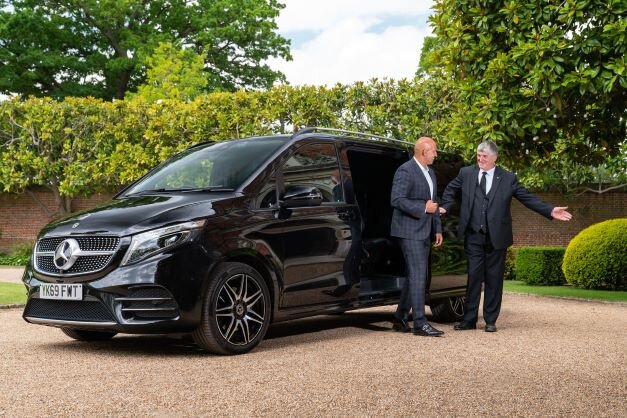
A chauffeur earns the cost when the route has parcels, uncertain weather, older travelers, children, or a required hotel return. It is especially useful when the day moves between the 8th, the Tuileries, and the Left Bank, or when a bridge crossing must be timed carefully. It does not solve everything. A car cannot make a distant lunch close, and it cannot remove the mental drag of overplanning. But it can turn scattered transitions into quieter handoffs.
The practical chauffeur value is not continuous door-side waiting everywhere; Paris curb and access conditions vary. The value is a coordinated pickup plan, known luggage or parcel capacity, a driver who has the next address, and less time spent reopening transport decisions. Precise meeting points matter more than the promise of a car “on call.”
For a bespoke fitting day, the cleanest division is often guide-led culture and chauffeur-protected logistics. The guide shapes the museum or garden hour; the driver protects the transfers and hotel reset. Orange Donut Tours can build that as a tailor-made Paris day when the fitting times, hotel, lunch preference, and companion mix are known. Inquire about a tailor-made Paris plan when the fittings are fixed and the rest of the day needs to be designed around them, not forced beside them.
What to cut first when the day starts swelling
Editorial no: skip the extra shopping district and stop forcing Saint-Germain, Le Marais, or the Opéra department-store zone into a day whose real purpose is the fittings. This is the explicit no for a couture-fitting day. If the fittings are the point, another shopping neighborhood usually dilutes the day rather than enriching it. A couture buyer does not need proof that Paris has more boutiques; they need space to make the right decision.
Cut the famous museum next if it creates a hard exit. The Louvre, a large temporary exhibition, or a ticketed blockbuster can be magnificent on another day, but between fittings it may create the wrong kind of pressure. If a cultural stop starts requiring a timed entrance, a long security line, a cloakroom discussion, and a taxi call, it is no longer a pause. It is a second appointment competing with the first.
Cut pastry classes and Champagne logistics from this day, even when they are excellent trip ideas. La Cuisine Paris pastry classes (https://lacuisineparis.com/paris-baking-pastry-classes) belong on a day when your hands, schedule, and appetite can belong to the kitchen; for a broader pastry route, use a separate curated Paris pastry day.
The same separation applies to Champagne. Champagne Taittinger visits in Reims (https://www.taittinger.com/en/visits-reims), Veuve Clicquot cellar visits (https://www.veuveclicquot.com/en-int/visitus.html), and Ruinart 4 Rue des Crayères (https://www.ruinart.com/en-us/maison---4-rue-des-cray%C3%A8res-4ruedescrayeres.html) are dedicated Reims experiences with their own reservation and transport logic. They belong to a separate Champagne day from Paris, not to a couture gap.
A tiny gourmet errand can work only when it sits directly on the route. If you want a gift stop, check the official Le Chocolat Alain Ducasse stores (https://www.lechocolat-alainducasse.com/en/stores) page and choose a location that does not create a new transfer. The phrase “just five minutes away” is often where Paris days become untidy. Five minutes to the door, five minutes to choose, five minutes to pay, five minutes back to the car, and suddenly the fitting buffer has been spent on chocolate.
Cut the group’s wish list rather than cutting the buyer’s composure. This is especially important when companions have each added one small request. One wants a pastry, one wants a photograph by the Seine, one wants a beauty stop, and one wants a quick gallery. None sounds unreasonable alone. Together they turn the gap into a relay. Choose one shared Paris reward and let the rest belong elsewhere in the stay.
A sample appointment-led sequence that works
The most reliable sequence is fitting, nearby culture, lunch, hotel reset, second fitting. This order keeps the buyer alert for the first appointment, gives the group a real Paris interval, and prevents the afternoon from starting with bags, tired feet, or a rushed bridge crossing.
- Morning fitting near Avenue Montaigne or rue François 1er. Begin with the most important fixed appointment. Do not place a museum before it unless the fitting is late and the museum is a very short, easy-exit visit. Arrive with the day’s first margin intact rather than spending it on an unnecessary breakfast detour.
- Palais Galliera or a Tuileries pause. Choose the museum if it is genuinely relevant and route-friendly. Choose the garden if the schedule needs air more than another interior. If the first fitting has run long, shorten this element rather than stealing from lunch and the second arrival.
- Lunch near the next appointment or hotel. Let the afternoon geography choose the lunch zone. If the next fitting is Right Bank, stay Right Bank. If the next fitting is Left Bank, cross once and remain there. Keep the meal satisfying but predictable.
- Hotel reset. Return parcels, change shoes, review alteration notes, and confirm the second address. This is where the day regains composure. If the hotel is off-route, reproduce these functions nearby and save the full room return for later.
- Afternoon fitting. Arrive with a clear head and an unhurried margin. The second appointment should feel like the continuation of a serious commission, not the final task in an overstuffed day.
This sequence is deliberately narrow. It does not try to turn the couture day into a first-time Paris itinerary, a fashion-history survey, a pastry route, or a Champagne preview. Those can all be excellent in the right place. Between couture fittings, the winning plan is the one that makes the buyer feel clear, the companions feel included, and the hotel feel like part of the day’s intelligence.
The decision in one sentence
Between Paris couture fittings, choose the one nearby cultural stop that improves the buyer’s attention, place lunch on the line toward the next appointment, use the hotel to remove physical and mental clutter, and reject any prestigious detour that requires the day to cross the Seine twice.
FAQ
What should I do between couture fittings in Paris?
Choose one compact cultural stop, lunch near the next appointment, and a hotel reset. For many Avenue Montaigne or 8th-arrondissement fitting days, Palais Galliera or the Tuileries makes more sense than crossing Paris for another shopping district.
Is Palais Galliera the best museum between Paris couture fittings?
Palais Galliera is often the best thematic fit when the appointments are near Avenue Montaigne or the western Right Bank, but only if the current exhibition, opening information, ticket conditions, and route make sense. If it creates booking pressure or transfer risk, choose a garden pause instead.
Should I cross to Saint-Germain for lunch between fittings?
Cross to Saint-Germain only if the afternoon fitting or hotel reset is already on the Left Bank. If both fittings are Right Bank, Saint-Germain lunch usually adds transfer drag without improving the couture day enough to justify it.
What is the Right Bank-to-Left Bank rule for a couture day?
Try to cross the Seine no more than once during the fitting block. If the second appointment moves the day to the Left Bank, cross and stay there. Avoid a Right Bank fitting, Left Bank lunch, Right Bank museum, and another Left Bank return.
How much buffer should I leave before a couture fitting?
Leave a meaningful soft buffer before each fitting, large enough for traffic, shoe changes, parcels, coat retrieval, and a calm arrival. Avoid any museum, lunch, or shopping stop that is hard to exit before the appointment.
Is a chauffeur worth it for a Paris couture-fitting day?
A chauffeur is worth it when the day includes fixed appointments, parcels, older travelers, children, weather exposure, or a hotel return. It is less useful when all stops sit in a compact, walkable cluster and no bags need managing. Confirm practical pickup points rather than assuming continuous curb-side waiting.
Can I add more boutiques between couture fittings?
You can, but it is usually the first thing to cut. Extra boutiques often reduce the buyer’s concentration and turn a serious commissioning day into ordinary shopping.
Should the hotel reset happen before or after lunch?
The hotel reset usually works best after lunch or after the cultural stop, before the second fitting. Place it where parcels, shoes, and fitting notes can be handled without forcing a new cross-city detour.
What if my hotel is on the opposite bank from both fittings?
Use a functional reset near the fittings: transfer parcels, sit, hydrate, change shoes through the vehicle if practical, and review notes. Save the full room return for after the second appointment rather than adding repeated river crossings.
Can a couture-fitting day include a pastry class or Champagne visit?
Not comfortably. A pastry class or Champagne visit deserves its own day because each has its own timing, appetite, reservation, and transport logic. Between fittings, keep the plan close, flexible, and appointment-led.
Where does premium spending actually improve this day?
It helps when it buys privacy, reliable transfers, parcel handling, a focused guide, or a calm room reset. It does not materially improve the day when it buys a prestigious but distant lunch, an unnecessary cross-city car loop, or an extra appointment that consumes the fitting buffer.
If you’re interested in any private tours of Paris, please reach out to us.

 So if you are looking for the absolute best in Paris & surroundings with authentic local fully-licensed native guides whose English you can actually understand and with an exclusive and amazingly fun itinerary