One Garden-First Paris Day: Tuileries, Luxembourg or Versailles When the Season Sets the Pace

Updated
Choose Tuileries as the default garden-first day when you want Paris to stay central, seasonal, and easy to pair with one interior; choose Luxembourg when Saint-Germain, Left Bank galleries, or a softer dinner mood matter more; choose Versailles only when the garden day can become a full-day estate commitment. This works in real Paris conditions because Tuileries sits on museum edges between the Louvre, Orangerie, Jeu de Paume, Rue de Rivoli and Concorde, while Luxembourg holds a quieter Left Bank pocket between Saint-Germain, Odéon and Rue de Vaugirard. The clearest exception is a traveler who mainly wants the palace-and-gardens scale of Versailles: then do not treat Versailles as a green add-on after a Paris morning.
The thesis for this day is simple: the choice is not Tuileries versus Luxembourg versus Versailles as scenery; it is Tuileries museum edges versus Luxembourg calm versus Versailles distance, and the season decides how much movement that contrast can carry.
That distinction matters because a garden-first Paris day is not a ranking of beautiful places. It is a routing decision. A spring morning beside the Louvre, an autumn hour near the Médici Fountain, and a summer estate day at Versailles place different demands on legs, lunch, museum focus, and dinner geography. The mistake is trying to collect all three in one day because they look close on a mental map of Paris. Tuileries and Luxembourg can share a city, but they do not share a mood; Versailles changes the scale of the entire day.
For a private, tailor-made stay, the gain is not simply having someone point out statues or plantings. The gain is restraint: fewer transitions, one interior chosen for the season, and a route that still leaves the evening intact. For broader seasonal planning beyond this one garden-led choice, seasonal Paris private touring can turn this single-day logic into a stay-wide rhythm.
Traveler-fit clusters: one garden, one interior, one evening
The cleanest way to choose is to decide what the garden must do for the rest of the day. Tuileries wins when the garden is a central hinge between museums, shopping edges, and dinner logistics. Luxembourg wins when the garden should lower the volume of the day and keep you close to Saint-Germain. Versailles wins when the garden is not an interlude at all, but the main reason to leave Paris for the day.
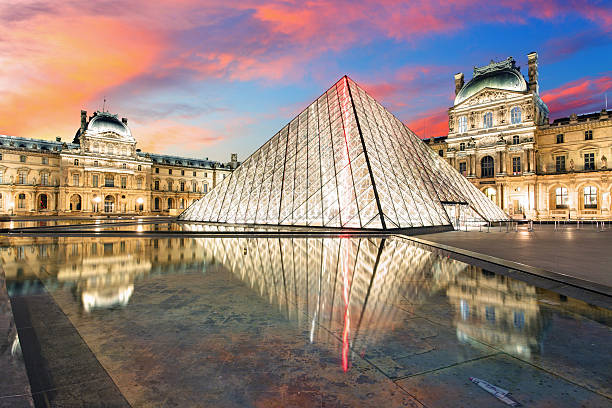
Tuileries: best when the day needs museum edges and short pivots. Choose it in winter, rain-sensitive shoulder days, high-summer mornings when you want a short outdoor arc, and any day when one interior needs to sit naturally beside the garden. The Orangerie, Louvre, Jeu de Paume, and the Arts Décoratifs edge all keep the day compact. The local proof is the axis itself: Carrousel, Tuileries, Concorde, and the Passerelle Léopold-Sédar-Senghor give you several exits without forcing a cross-city reset.
Luxembourg: best when the day should feel Left Bank, slower, and closer to dinner. Choose it for couples, literature-minded travelers, travelers staying near Saint-Germain or the 6th, and days when one small exhibition, gallery hour, or café stop should be enough. The garden’s Senate management and public information are worth checking through the Senate’s Luxembourg Garden page (https://jardin.senat.fr/en.html), especially when your day depends on a particular gate, activity, or seasonal feature.
Versailles: best when scale is the point and dinner can be simple afterward. Choose it for travelers who want a palace-and-estate day, not a Paris garden stroll. The gardens, Grand Canal, Trianon area, and palace interior change the body clock of the day. The official Versailles planning page (https://en.chateauversailles.fr/plan-your-visit) is the right direct source to confirm visit planning before committing a whole day.
The default winner is Tuileries for a first or mixed Paris stay because it gives the broadest seasonal insurance with the fewest transfers. The runner-up is Luxembourg when the trip is already leaning Left Bank, especially for couples who would rather end in Saint-Germain than cross back from the Right Bank. The wrong fit is Versailles when your real aim is a short garden mood before a serious dinner; Versailles is a full-day garden commitment, not a quick green-space add-on.
A counterintuitive correction helps here: the most famous or grandest garden is not automatically the most premium choice. A chauffeured transfer or preferred access can reduce discomfort, but it cannot make Versailles behave like Luxembourg, and it cannot turn a poorly placed Right Bank morning into an easy Left Bank dinner. Paying for access does not overcome poor seasonal or distance fit.
How to choose a Paris garden day by season without making it a weather report
Season should decide the size of the route, not just the color of the photographs. The useful question is not whether Paris is prettier in spring or autumn; it is whether the season makes outdoor time feel like the main event, a measured pause, or a liability that needs an interior beside it.
Early spring: favor Tuileries if the day needs flexibility, Luxembourg if the mood matters more than coverage
Early spring is when Tuileries is often the safer default because it has museum cover on several edges. The garden can be a morning axis before the Orangerie, a short pause after the Louvre, or a walk toward Concorde before the day turns indoors. The Louvre’s garden page (https://www.louvre.fr/en/explore/the-gardens) is useful because the Tuileries are not merely a decorative strip beside the museum; opening patterns and garden access can matter when the garden is the hinge of your route.
Luxembourg in early spring is more mood-sensitive. It can be lovely for travelers who are already near Saint-Germain, who enjoy the garden as a lived city space, and who do not need the day to prove itself with many sights. The consequence is that a small disappointment in conditions is harder to hide unless you have a nearby interior chosen in advance. That can be the Musée du Luxembourg if its current exhibition suits you, a gallery-focused Saint-Germain hour, or a short move toward Orsay or Rodin if art is the day’s second note.
Versailles in early spring should be chosen only if the palace-and-estate scale is already the desire. If the gardens are still a hope rather than the main point, keep Versailles for another day or turn the plan into a palace-first visit. A garden-first mood can feel thin when you spend a major share of the day reaching the estate, entering, orienting, and returning before the outdoor portion has earned the transfer.
Late spring and early summer: let the garden lead, but do not add a second garden
Late spring and early summer are the easiest months to justify a garden-led day, which is exactly why overplanning becomes more tempting. Tuileries plus Luxembourg plus a museum looks elegant on paper. In practice it asks you to keep leaving one atmosphere for another. The cut-first rule is simple: remove the second garden before you remove lunch, a rest, or the one interior that gives the day cultural shape.
During these weeks, Tuileries is strongest when the traveler wants a beautiful but efficient garden arc. It can sit before Orangerie, after a Louvre selection, or before a walk over the river toward Orsay. Luxembourg is stronger when the day’s reward is not scale but continuity: garden, Saint-Germain streets, one interior, and dinner nearby. Versailles is strongest when the whole day is allowed to breathe outside the city and the evening in Paris is not loaded with a second major commitment.
High summer: shrink the Paris gardens, or give Versailles the whole day
High summer does not automatically disqualify garden time, but it changes the amount of garden that still feels pleasurable. Tuileries works best as a short and deliberate piece of the day, often attached to an interior with air, seating, and a clear endpoint. Luxembourg works better early, late, or as a shaded Left Bank pause rather than a long central event. Versailles can work beautifully for travelers who want the estate scale, but it should not be paired with a demanding dinner, a second museum, or a late cross-city flourish.
This is where Paris does something very physical to the body. Gravel alleys, long museum floors, bridge crossings, station stairs, sun exposure, and the mental reset of changing neighborhoods add up faster than the map admits. The distance from a Tuileries bench to an Orangerie gallery is one kind of effort; the chain of hotel departure, rail or driver time, estate walking, palace interior, garden distances, return transfer, and dinner change is another. A premium day should not pretend those are the same kind of movement.
Autumn and winter: make one interior the partner, not the rescue
Autumn is when both Tuileries and Luxembourg can be persuasive, but for different travelers. Tuileries gives structure and exits; Luxembourg gives atmosphere and a less ceremonial Left Bank rhythm. Winter tilts the answer toward Tuileries when the day must be reliable, because the garden can become a measured interval around the Louvre, Orangerie, or nearby decorative-arts context rather than the whole plan.
A winter garden-first day is still possible, but only if the interior is planned as a partner, not as an emergency shelter. The best version might be a short Tuileries passage, Orangerie, a careful lunch, and a Seine edge before dinner. Luxembourg can be excellent in winter for travelers staying nearby, but it is rarely worth crossing Paris solely for a cold garden pause unless Saint-Germain itself is the point. Versailles in winter should be framed honestly as a palace-and-estate day with garden portions adjusted to conditions, not as a lush garden escape.
Tuileries is the Paris garden to choose when the route needs edges
Tuileries is the strongest default because it lets a garden-first day stay central without becoming vague. Its advantage is not just location; it is adjacency. The garden can touch the Louvre without being swallowed by it, touch the Orangerie without demanding a full art day, and touch Concorde, Rue de Rivoli, and the Seine without forcing a new neighborhood decision every hour.
That makes it especially useful for visitors who want a high-quality Paris day without turning the day into a museum march. A guide can give the garden enough context to make it more than a pretty shortcut: royal garden, public promenade, urban axis, sculpture, sightline, and the way Paris uses open space between power, art, and leisure. But the guide’s more valuable role is often editorial. The best Tuileries day limits the number of entrances, not the quality of the experience.
The most natural interior pairing is the Orangerie when the traveler wants a compact art encounter with a strong garden connection. It is close enough that the route does not lose its garden-first identity, and its scale can keep the day from becoming another Louvre-centered commitment. When Orangerie availability, interest, or exhibition fit does not suit the group, a short Louvre selection can work, but only if the Louvre is contained. For deeper Louvre planning, a curated Louvre day without museum fatigue belongs on a different day or in a very disciplined window.
The Tuileries mistake is to use the garden as leftover space after the Louvre has already consumed the group. By then the garden no longer leads the day; it becomes the place everyone crosses while tired. A better sequence is to let the garden establish the pace first, then enter one interior with a defined purpose. For travelers whose Louvre ticket is fixed or whose museum plan has already shifted, the Tuileries reset after Louvre pressure gives a related but narrower recovery plan.
Tuileries also works for celebration travelers who do not want a heavy daytime plan before a tasting menu or private dinner. The garden gives a sense of Paris without asking for a ceremonial day-trip return. It can be followed by a low-friction route toward the Seine, a hotel pause near the 1st or 8th, or a dinner move that does not require crossing from deep Left Bank to Right Bank at the wrong hour. The mood stays intact because the day feels shorter than it is.
What Tuileries does not do well is silence. It is central, visible, and often shared with people moving between major institutions. If the traveler’s dream is a private-feeling garden conversation, Tuileries must be timed and edited carefully. The benefit is control, not seclusion. Its premium value lies in how many good choices sit nearby, not in pretending it is hidden.
Luxembourg is the garden to choose when Saint-Germain should hold the day
Luxembourg is the better choice when the garden is meant to soften the day rather than anchor a chain of famous stops. It belongs to a Left Bank rhythm: Saint-Germain, Odéon, Rue de Vaugirard, literary streets, a café pause, a small exhibition if it fits, and an evening that does not feel as if it has crossed three versions of Paris before dinner.
This is the best garden-first answer for couples who care about atmosphere but do not want romantic cliché. Luxembourg preserves mood by reducing transitions. You are not performing a greatest-hits day; you are choosing a quieter district and letting the garden set the tempo. The mood-killing mistake is to start in the Tuileries, cross to Luxembourg because it is “also a garden,” add Orsay because it is nearby enough, and then expect a polished Saint-Germain dinner. That route flattens the day. By evening, the couple remembers movement more than conversation.
Luxembourg pairs best with one interior that respects its scale. The Musée du Luxembourg can be ideal when the exhibition is the right fit, but it should be checked rather than assumed. Rodin is a graceful partner if sculpture and garden language matter more than a major museum sweep. Orsay can work for travelers who want a larger art anchor, but then the day begins to tilt away from garden-first and toward a Left Bank art day; for that, the Left Bank art day around Orsay, Rodin and Luxembourg is the more exact frame.
Luxembourg is also the right answer when you are staying on the Left Bank and want a day that acknowledges hotel geography. A beautiful plan loses some of its charm when the first act is a needless ride across the river and the last act is a tired return. The 6th arrondissement rewards continuity. A morning garden, a Saint-Germain lunch, one interior, and a dinner within walking distance can feel more cultivated than a grander itinerary that keeps interrupting itself.
The tradeoff is that Luxembourg offers less operational cover than Tuileries. It is not ringed by the same density of major museum alternatives, and the route does not have the same obvious axis toward a broad first-time Paris experience. If the day must impress a multigenerational family with varied interests, Tuileries is often easier. If the day must keep two travelers in the same emotional register, Luxembourg often wins.
Luxembourg is not the best choice for travelers who need Paris to announce itself with monuments. Its value is quieter: chairs, paths, Senate garden formality, Left Bank proximity, and the ability to leave without a dramatic transition. That calm is why it can be the more expensive-feeling choice even when no special access is involved.
Versailles is the garden to choose only when scale is allowed to take over
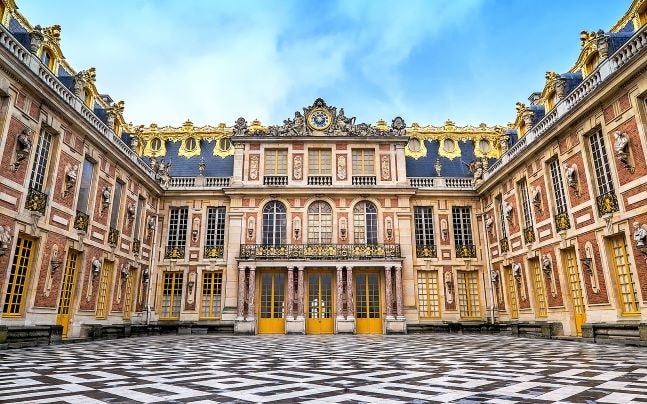
Versailles should be chosen when the garden-first day is allowed to become an estate day. That means the palace, gardens, Grand Canal perspective, and possibly the Trianon area are not extras around a Paris schedule; they are the schedule. Trying to make Versailles behave like a larger Luxembourg is the classic misread.
The practical reason is distance and scale. Even with a driver, the day includes leaving Paris, orienting at the estate, managing the relationship between palace interiors and garden time, and returning with enough energy for the evening. With rail, the RER C route toward Versailles Château Rive Gauche adds station movement and timing awareness. Neither version is inherently wrong. The point is that Versailles changes the type of day. It is not a garden you drop into between a museum and dinner; it is a commitment that asks the rest of the day to simplify.
Versailles is too large for a garden mood when travelers say they mainly want flowers, a walk, lunch, and a beautiful dinner back in Paris. It is also too large when the group has already planned a museum-heavy previous day or a serious dinner that should not be reached in a state of late-return fatigue. In those cases, a smaller Paris garden day will usually feel more refined. The premium move is not bigger; it is better fit.
Where Versailles earns its place is for travelers who want cultural scale and can accept that the garden is part of a royal landscape, not a city pause. A private guide can help decide whether to put palace interiors first, how much garden distance the group will actually enjoy, whether Trianon belongs, and where to stop before the estate begins to blur. That is a different kind of curation from a Tuileries or Luxembourg day. For a fully committed estate plan, a Versailles private guided tour from Paris is the more appropriate starting point than a city-garden itinerary.
The season can strengthen or weaken the case, but it should not be allowed to override fit. In lush or mild months, Versailles may seem obvious. Yet if your Paris stay is short, your dinner is ambitious, or your group includes travelers who tire from long open-air distances, Versailles may cost more energy than it returns. In winter or uncertain conditions, the palace interior may carry more of the day, which can still be excellent if the traveler wanted Versailles as history, power, and architecture. It is less satisfying if the traveler wanted a garden day in the emotional sense.
After Versailles, the return matters. Do not ask the evening to become another showcase unless the group has unusual stamina. A calm dinner geography, a hotel pause, or a soft Seine-side return is usually wiser than a second ceremonial plan. For that specific decision, where to return after Versailles before dinner is the better next question.
How to pair one interior with Tuileries, Luxembourg or Versailles
The best garden-first Paris day pairs exactly one interior, and that interior should explain why the garden was chosen. Two interiors usually push the garden into filler. No interior can make the day feel under-built unless the garden is strong enough to hold the traveler’s attention by itself.
With Tuileries, choose an interior that keeps the day on the same axis. Orangerie is the cleanest pairing for many travelers because the connection between garden, light, and painting feels legible without requiring a full museum appetite. The Louvre can work when the visit is sharply curated: one department, one theme, or one set of rooms rather than a broad sweep. The Arts Décoratifs can suit design-minded travelers who want the Rue de Rivoli edge to become part of the story. The Orangerie’s own visitor information is best checked through the Musée de l’Orangerie official site (https://www.musee-orangerie.fr/en) when timing or admission planning matters.
With Luxembourg, choose an interior that respects the Left Bank’s lower volume. Musée du Luxembourg is the obvious neighbor when the exhibition fits, but it is exhibition-dependent. Rodin works when the traveler wants sculpture, garden-to-gallery continuity, and a route that does not drag the day into the Louvre’s orbit. Orsay works only if the traveler genuinely wants a larger art commitment; otherwise it risks turning a garden-first day into a museum day with Luxembourg attached at the end.
With Versailles, the interior is usually the palace. That sounds obvious, but it prevents a common mistake: adding a Paris museum before or after the estate because the day still “has room.” It rarely has room in the way a discerning traveler means. If the palace is not the interior you want, reconsider Versailles for that day. Trianon can become the softer interior counterpoint for some travelers, but it still belongs within the estate’s scale, not as a light add-on.
A museum-first day is better than a garden-first day when the interior has the fixed ticket, the traveler’s deepest interest, or the strongest weather protection. If the Louvre, Orsay, or a special exhibition is the non-negotiable reason for the day, admit that early and let the garden become a deliberate pause. A garden-first day only works when the outdoor rhythm has permission to decide the route.
Premium spend changes the day when it buys judgment, comfort, fewer transitions, or a better sequence. It helps with a guide who can edit the museum, a driver who can reduce cross-city fatigue when the route truly requires it, and a private plan that prevents a family or couple from debating every turn. It does not help when the chosen garden is wrong for the season, wrong for the hotel location, or wrong for the evening. The most expensive version of an overstuffed day is still overstuffed.
The route should protect the body before it protects the checklist
A garden-led Paris day should feel lighter than a monument day, but it is still a walking day. The body pays for surfaces, distance, crossings, and repeated orientation. This is why the best plan cuts one transition before it cuts the garden pause.
Tuileries asks for less orientation because the axes are clear. You can see the Louvre, sense Concorde, and use the Seine as a parallel reference. The challenge is exposure and central intensity. Luxembourg asks for less public spectacle but more neighborhood discipline. It is easy to let Saint-Germain tempt the day into wandering, which can be delightful until the interior or dinner timing starts to slip. Versailles asks for the most endurance: estate distances, possible garden walks, palace rooms, and the return to Paris all happen before the evening begins.
That physical reality changes traveler fit. Families often do better with Tuileries when attention spans vary because the day can pivot quickly. Couples often do better with Luxembourg when the priority is conversation and a sense of place rather than coverage. Small groups with mixed mobility should be careful with Versailles unless everyone agrees that the estate is the main act. Celebration travelers should be especially honest: a garden day that leaves guests dusty, late, and over-walked is not a graceful prelude to a special dinner.
Paris also changes the trip mood through transitions. Crossing the river once can add shape; crossing it repeatedly can make a day feel chopped into pieces. A hotel pause near the 1st after Tuileries, a Saint-Germain dinner after Luxembourg, or a deliberately simple return after Versailles lets the day keep a single emotional line. The plan feels calmer not because it contains less, but because it stops asking the traveler to become a different kind of tourist every ninety minutes.
For private touring, this is where a guide earns trust by saying no. The route may cut a second garden, shorten a museum, move lunch earlier, or refuse a famous extra that would make the day less elegant. A guided garden-first day should feel curated because the number of garden and museum transitions has been limited, not because every possible highlight has been squeezed in. When you want that kind of edit built around your hotel, season, interests, and dinner geography, tailor-made Paris planning is the right conversation to start. Inquire now
Three garden-first route shapes that actually hold together
The strongest routes do not try to prove Paris by volume. They choose one garden, one interior, and one evening direction, then let the rest of the day support that choice.
The Tuileries museum-edge day
Start with the Tuileries before the heaviest museum traffic owns the mood. Let the garden establish the axis from the Louvre toward Concorde, then move into one interior: Orangerie for a compact painting encounter, Louvre for a focused selection, or Arts Décoratifs for a design-minded traveler. Lunch should stay close enough that the day does not lose its center. Afterward, choose either a Seine edge, a hotel pause, or a Right Bank continuation, not all three.
This route suits first visits, mixed-interest families, culture travelers with one museum priority, and travelers who want dinner geography to remain flexible. It also suits uncertain seasons because the garden can expand or contract without forcing a new plan. Its weakness is atmosphere for travelers who dislike central Paris movement. If quiet is the main wish, Luxembourg may be the better day.
The Luxembourg Saint-Germain day
Start with Luxembourg when the day’s value is continuity. Keep the route near Saint-Germain, Odéon, or the Rue de Vaugirard side instead of turning it into a Left Bank scavenger hunt. Pair one interior only if it reinforces the mood: Musée du Luxembourg when the exhibition fits, Rodin for sculpture and garden continuity, or a carefully chosen Orsay window when art matters more than leisure.
This route suits couples, repeat visitors, literary or design-minded travelers, and anyone whose dinner belongs on the Left Bank. It is also an excellent arrival-adjacent day when the traveler wants Paris without heavy museum commitment. Its weakness is that it can feel underpowered for travelers who want obvious monuments or broad first-time coverage.
The Versailles estate day
Start with the assumption that Versailles owns the day. Build around the palace, gardens, lunch timing, estate distances, and a simplified return. Decide before you leave Paris whether Trianon belongs, whether the group wants a stronger palace emphasis, and whether the evening should be near the hotel rather than across town.
This route suits travelers who want French royal scale, landscape perspective, and a sense of leaving Paris without leaving the cultural story. It is not the route for a light garden mood, a short city stay already crowded with museums, or a celebration evening that needs unhurried preparation. When Versailles is right, it is memorable because it has space. When it is wrong, it feels like distance disguised as grandeur.
FAQ
Which Paris garden is best for one garden-first day?
Tuileries is the best default for one garden-first Paris day because it pairs easily with one nearby interior and keeps the route central. Luxembourg is better for a quieter Saint-Germain day, while Versailles is best only when you want a full-day palace and estate plan.
Should I choose Tuileries or Luxembourg in Paris?
Choose Tuileries when you want museum adjacency, flexible routing, and a Right Bank or Seine-side day. Choose Luxembourg when the day should stay Left Bank, calmer, and closer to Saint-Germain lunch or dinner.
When is Versailles too much for a garden-first Paris day?
Versailles is too much when you want only a short garden mood before dinner, when your Paris stay is already museum-heavy, or when the group does not want a full day shaped by estate distances and the return from outside the city.
Can I see Tuileries and Luxembourg on the same day?
You can, but it is usually not the best garden-first plan. Seeing both often turns the day into transfers and comparison rather than atmosphere, so it is better to choose one garden and pair it with one interior.
What is the best museum to pair with Tuileries?
The Orangerie is usually the cleanest Tuileries pairing because it is close, compact, and connected to the garden’s setting. A focused Louvre visit can work, but only if it is deliberately limited.
What is the best interior to pair with Luxembourg Garden?
Musée du Luxembourg works when its exhibition suits your interests, Rodin works for a softer sculpture-and-garden pairing, and Orsay works only if you want the day to become more art-led than garden-led.
Is a private guide worth it for a Paris garden day?
A private guide is worth it when the day needs editing, context, and fewer transitions. The value is strongest when a guide helps choose one garden, one interior, and the right dinner geography instead of overloading the day.
When is a museum-first day better than a garden-first day?
A museum-first day is better when a fixed ticket, special exhibition, deep art interest, or weather protection is the main reason for the day. In that case, use the garden as a planned pause rather than the route’s anchor.
If you’re interested in any private tours of Paris, please reach out to us.



 So if you are looking for the absolute best in Paris & surroundings with authentic local fully-licensed native guides whose English you can actually understand and with an exclusive and amazingly fun itinerary













