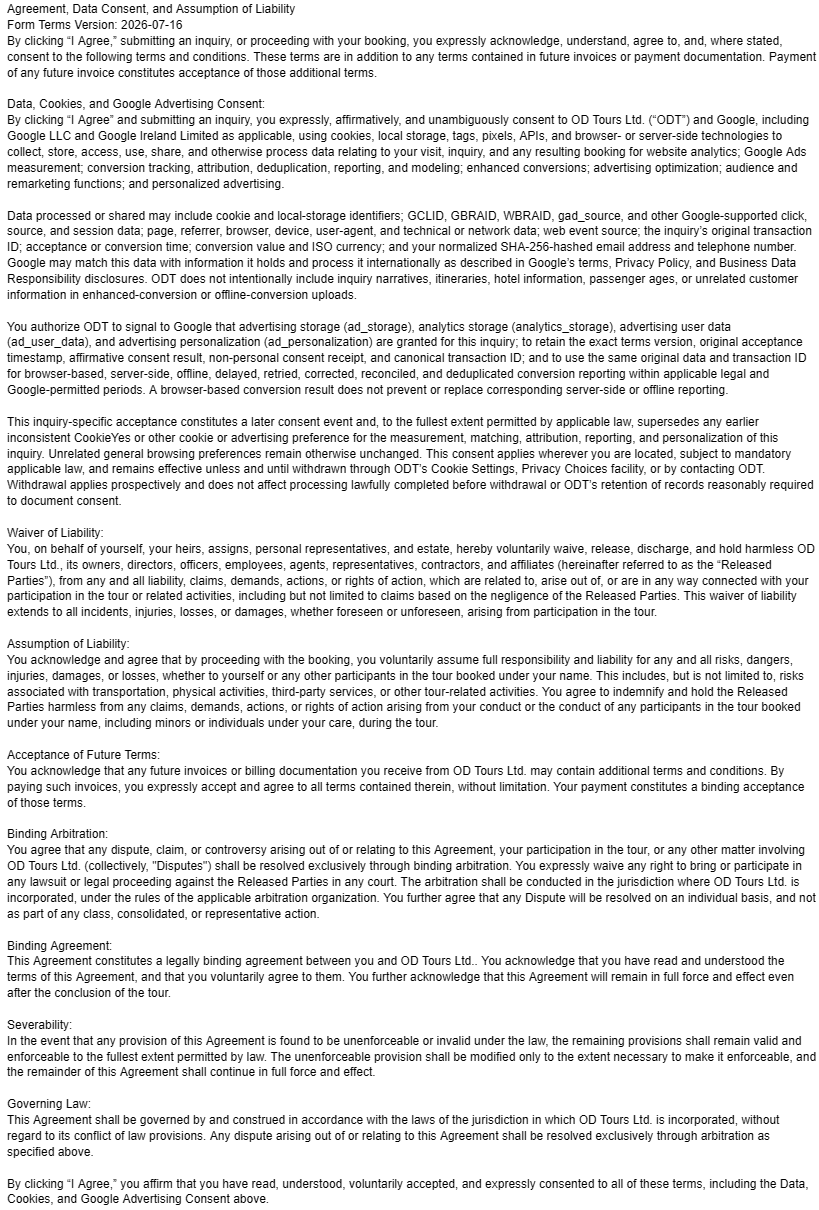
Paris Market Morning Before a Serious Dinner: Left Bank, Le Marais or Marché d’Aligre?

Updated
At the Marché d’Aligre morning edge, the loudest answer is not always the right one: choose the Left Bank as the default market morning before a serious dinner. It works in real Paris conditions because Saint-Germain, boulevard Raspail and the river-facing Left Bank keep the tasting, walking and return-to-hotel loop compact, while still giving you texture before the evening meal. The clearest exception is a Right Bank stay where Le Marais lets the market become a measured neighborhood walk, or a Bastille/Gare de Lyon base where Marché d’Aligre is close enough to enjoy without turning the morning into a transfer project. In Paris, the best pre-dinner market is not the most abundant one; it is the one that lets you taste, walk and retreat before your appetite and patience are spent.
The market morning to dinner reset is the discipline: one purposeful morning, a restrained lunch, and enough quiet time back at the hotel that the dinner reservation still feels like the day’s main event. That sounds simple until the city starts adding river crossings, metro stairs, pastry windows, wine-shop detours and the seductive idea that you should try just one more cheese. A serious dinner does not require a joyless day. It requires a morning that knows when to stop.
The counterintuitive correction is this: Marché d’Aligre is often the most vivid of the three, but vivid is not the same as best before a tasting-menu evening. Its open-air stalls around rue d’Aligre and place d’Aligre, the covered Beauvau market and the Bastille-side energy reward travelers who want a true market morning. They also make it easier to overbuy, overgraze and stay too long. If dinner is the prize, abundance can become the enemy.
This guide compares three market-morning styles only: Left Bank, Le Marais and Marché d’Aligre. It is not a ranking of Paris food markets, and it is not a restaurant list. The deciding criteria are appetite control, hotel geography, walking load, neighborhood payoff and how cleanly you can return to your room before dressing for dinner.
The decision ladder: appetite first, geography second, market romance third
The right Paris market morning before a serious dinner is chosen by appetite first, not by fame. If the morning makes everyone full by 12:30, the evening loses its edge. If the route forces a cross-city transfer both ways, the meal may still be excellent, but the day will feel heavier than it needed to feel. If the market is charming but your hotel is on the opposite side of the Seine, you should ask whether you are planning a food day or collecting a place name.
Use this ladder before you choose: preserve appetite, choose the nearest high-quality neighborhood, then decide how much market intensity you actually want. For a fuller Paris food day that is not tied to a major dinner reservation, the broader structure belongs in a curated Paris food-and-wine day. This article is narrower: one morning, one market style, and a dinner that should still feel anticipated.
The calmest default: Left Bank. Best for Saint-Germain, 6th arrondissement, 7th arrondissement, Musée d’Orsay-side hotels, couples who want a polished walk, and travelers who prefer a morning that ends before it becomes lunch theater.
The elegant runner-up: Le Marais. Best for Right Bank bases, design-aware travelers, small groups with different appetites, and anyone who wants the market to become a neighborhood walk through rue de Bretagne, Square du Temple and the quieter edges of the 3rd.
The high-energy exception: Marché d’Aligre. Best for Bastille, Gare de Lyon and eastern Right Bank bases, serious market lovers, repeat visitors, and travelers who are willing to keep the rest of the day unusually light.
The wrong fit: Any market morning that adds a long transfer, a full lunch and a second pastry route before a tasting-menu dinner. Premium dining spend will not rescue an overfed, over-transferred day.
Choose the Left Bank when dinner is the anchor
The Left Bank is the best default before a serious dinner because it gives you food texture without forcing a market performance. A Saint-Germain or boulevard Raspail morning can be precise: coffee, a controlled market browse, one or two tastings, a short architectural walk, and a restrained lunch that does not try to compete with the evening. The Left Bank also makes the return feel psychologically clean. You do not feel as though you have crossed Paris twice before the day has properly begun.
For many private-stay travelers, the best Left Bank market choice is less about one market name and more about the loop. Marché Raspail works well for hotels near Saint-Germain, Rennes, Sèvres-Babylone and the Luxembourg side of the 6th; travelers can verify the exact market listing on the official Paris.fr page for Marché Raspail (https://www.paris.fr/lieux/marche-raspail-5467) before building around a specific day. A smaller Maubert-style or Saint-Germain-side morning can also make sense when the hotel base is closer to the 5th or 6th and the goal is a short, intelligent food walk rather than a full market expedition.
The practical consequence is appetite control. On the Left Bank, it is easier to taste selectively because the surrounding pleasures are not only edible. You can move from a market stall to a cheese shop window, pause on rue du Cherche-Midi, take the slower route toward Saint-Sulpice, or let the morning become a conversation about Parisian food habits rather than a sequence of bites. That matters for couples and celebration travelers because the morning still feels cultured, but it does not exhaust the senses before dinner.
The Left Bank also wins when the dinner reservation sits on the opposite side of town. If you will dress, cross the Seine and arrive at a formal table later, the morning should not already contain a major Right Bank push. A Left Bank market morning can finish with a quiet hotel interval: change shoes, put away purchases, answer messages, and let hunger return. That interval is not dead time. It is the hinge that keeps the evening from feeling like the last obligation on an overbuilt itinerary.
Do not over-upgrade the Left Bank morning. A private guide can add value by choosing the right tasting order, explaining seasonality and keeping the route from expanding, but a car is often unnecessary for a compact Saint-Germain loop. The indulgence worth paying for is judgment, not distance. The point is to finish with room for dinner, not to prove you saw the largest possible slice of the city.
Choose Le Marais when the market should become a neighborhood walk
Le Marais is the better choice when the market is a starting point, not the whole performance. The neighborhood’s advantage is that it can absorb a mixed group. One person wants produce and cheese, another wants design windows, another wants a synagogue or hôtel particulier story, and someone else simply wants a stylish morning that does not feel food-obsessed. In that situation, Marché couvert des Enfants Rouges and the streets around rue de Bretagne can become a graceful half-day rather than a heavy food crawl.
This is why Le Marais often suits Right Bank hotels more naturally than the Left Bank does. From the 1st, 2nd, 3rd, 4th or parts of the 8th, you can reach the neighborhood without making the morning feel like a mission. The official city listing places Marché couvert des Enfants Rouges at 39 rue de Bretagne (https://www.paris.fr/lieux/marche-couvert-des-enfants-rouges-5461), which is useful for orientation because the market sits inside a wider Marais fabric: rue Charlot, rue de Poitou, Square du Temple and the Haut Marais design corridor.
The dinner-protection logic in Le Marais is different from the Left Bank. Here, the restraint comes from movement. Instead of sitting down to a large market lunch, you let the market supply a few tastes, then walk. The route can pass from rue de Bretagne toward the quieter 3rd arrondissement streets, then bend toward the Archives or the edge of Place des Vosges if the group still has energy. The market morning becomes a neighborhood walk when browsing, context and spacing matter more than eating.
Le Marais is also the best option for travelers who dislike the idea of “saving themselves” all day. A market-only plan can feel like deprivation if everyone is counting bites. A Marais plan solves that by giving the morning another purpose: texture, architecture, Jewish-quarter context, boutiques, courtyards and the sense of Paris as a lived city. For travelers with teenagers or mixed-age families, that variety often prevents resistance better than another food stop.
The honest caution is that Le Marais can quietly become too big. It tempts planners to add Centre Pompidou edges, Île Saint-Louis, Notre-Dame views, Place des Vosges, shopping and lunch in one sweep. That is the mood-killing mistake for couples: turning a beautiful morning into a checklist before a dinner that was supposed to be the emotional center of the day. Keep the market-and-walk idea disciplined, and Le Marais becomes the most flexible runner-up.
Choose Marché d’Aligre when market energy matters more than restraint
Marché d’Aligre is the choice for travelers who want the market to be the event. It has the strongest morning pulse of the three options, especially around the Marché d’Aligre morning edge where rue d’Aligre, place d’Aligre and the covered Beauvau market meet. This is a gift if you love market theater: produce, cheese, fish, flowers, bargain energy, neighborhood regulars and a more eastern Paris feel than Saint-Germain or Le Marais.
The city’s own market overview lists Marché d’Aligre around rue d’Aligre and place d’Aligre (https://www.paris.fr/pages/les-marches-parisiens-2428), and that geography explains both the charm and the planning risk. It sits close to Ledru-Rollin, not far from Bastille and within reasonable reach of Gare de Lyon, but it is not naturally convenient for every luxury hotel base. From the Left Bank or palace-hotel 8th, it can create exactly the kind of cross-city movement that makes a short Paris stay feel busier than it is.
If you are staying near Bastille, Gare de Lyon, the eastern 11th or the 12th, Marché d’Aligre can be the best answer. The route is close, the market feels genuinely local, and the return can be simple enough that dinner remains intact. In that case, the right morning is not a long tasting tour. It is a focused market visit, a small purchase, perhaps a light counter-style bite, and a planned exit before the market’s energy turns into a full appetite event.
Marché d’Aligre breaks down when travelers treat it as an add-on to a Left Bank morning or a Marais walk. That is when the day starts to sprawl: taxi or metro to Ledru-Rollin, market browsing, a spontaneous lunch, another transfer, a hotel return that arrives too late, and then a serious dinner approached with dulled enthusiasm. The problem is not the market. The problem is asking it to behave like a small prelude when it naturally wants to be the main morning.
The cut-first rule is simple: if dinner is the non-negotiable anchor, cut the extra market distance before you cut the hotel reset. Marché d’Aligre deserves attention when it fits your base or your appetite for market intensity. It does not deserve to be forced into a day already carrying museum tickets, shopping plans or a formal dinner reservation.
Which market style fits which Paris hotel base?
Your hotel base should decide more than your abstract market preference. Paris is compact on a map and surprisingly elastic underfoot. A route that looks like a short diagonal can include a river crossing, crowded boulevards, metro stairs, security checks at a museum you added “just nearby,” and a return that lands at the hotel later than planned. Before a serious dinner, the best market is often the one that lets you leave fastest.
For Saint-Germain, the 6th, much of the 7th and the Musée d’Orsay side of the river, choose the Left Bank. You can shape the morning around boulevard Raspail, rue du Bac, Saint-Sulpice or Luxembourg edges without making the market feel remote. This is the smoothest choice for travelers who value a composed pace and want the morning to feel Parisian without turning lunch into a second major meal.
For the 1st, 2nd, 3rd and 4th arrondissements, Le Marais usually makes more sense. It is close enough to avoid transfer fatigue, and it gives a Right Bank stay a morning with food, architecture and walking variety. If your hotel is near the Louvre, Palais Royal or the Seine-facing 1st, Le Marais can also be paired with a gentle river-edge return, but only if you resist adding another major site.
For Bastille, Gare de Lyon, the eastern 11th, the 12th or a repeat visitor who has deliberately chosen the east, Marché d’Aligre is the most rewarding. It places the traveler in a market where morning life still feels like the reason to go. It is less suitable for a family staying near the Eiffel Tower, a couple in the 8th with a formal dinner across town, or anyone who becomes irritable after multiple transfers before lunch.
- Left Bank base: choose Left Bank; keep the loop local and save the evening appetite.
- Central Right Bank base: choose Le Marais; make the market a neighborhood walk, not a meal marathon.
- Bastille or Gare de Lyon base: choose Marché d’Aligre; enjoy the market energy because the logistics finally support it.
- 8th arrondissement palace-hotel base: do not chase the farthest market unless the market is the whole morning; a cross-city detour can flatten the day before dinner.
This is also where a tailor-made approach changes the outcome. A private food guide can calibrate the market to the hotel instead of making the hotel chase the market. That may mean Left Bank texture for a Saint-Germain stay, a Marais market-and-design walk for a Right Bank stay, or Marché d’Aligre only when the eastern location truly helps. For fully customized pacing, tailor-made Paris touring is more useful than a fixed market route.
How do you keep lunch restrained before a serious Paris dinner?
You keep lunch restrained by deciding what lunch is before the market begins. The mistake is not eating; the mistake is letting every good-looking stall vote on your appetite. Before a tasting-menu dinner, lunch should be a bridge, not a second destination. Think one savory anchor, one shared taste, water, coffee if needed, and then a clean stop.
On the Left Bank, the restrained lunch is easiest because the surrounding walk gives the morning non-food structure. A small plate, a simple sandwich, or a shared market purchase can be enough if the route then moves toward Saint-Sulpice, Luxembourg or the hotel. The aim is not to leave hungry in a punishing way. The aim is to let hunger reappear naturally by evening.
In Le Marais, lunch restraint requires more discipline because the neighborhood offers many ways to graze. The safest move is to let the market provide either the taste or the meal, not both. If you sit for a market lunch, skip the extra pastry detour. If you taste at the market, make the next hour a walk through rue Charlot, Square du Temple or the Archives side instead of another food stop.
At Marché d’Aligre, restraint has to be planned earlier because the market energy encourages buying. Choose one category before you arrive: cheese, fruit, charcuterie, bread, flowers, or a single casual bite. Do not turn the market into a procurement project unless you have a kitchen, a picnic plan or a later day to use what you buy. Carrying food around Paris before a formal dinner is a surprisingly efficient way to make the day feel clumsy.
- One taste rule: choose one market taste you will remember, not six small bites you will blur together.
- One seated pause: sit briefly if the group needs it, but do not let lunch expand into the day’s second centerpiece.
- One sweet limit: if pastry matters, borrow structure from a Paris pastry day without sugar fatigue rather than improvising desserts after a market.
- One return deadline: name the time you want to be back at the hotel before you start eating.
Wine at lunch is the other quiet risk. A glass can be lovely; a full wine-led lunch changes the chemistry of the day. If dinner is serious, save the deeper pairing experience for the evening. The most satisfying food days in Paris often feel edited, not deprived.
When a market day should become a neighborhood walk
A market morning should become a neighborhood walk when the group’s interest is broader than eating. This is especially true for couples, families and small groups where one person loves markets and another becomes bored after twenty minutes of produce, cheese and queueing. The walk is not a compromise; it is the technique that lets the market enrich the day without taking it over.
Le Marais is the cleanest version of this move. After Marché couvert des Enfants Rouges, you can shift the emphasis to streets, courtyards, shopfronts and context. The market supplies the sensory opening; the neighborhood supplies the pacing. A guide can explain why the Haut Marais feels different from the postcard Marais, how rue de Bretagne functions as a local spine, and why a short walk toward Square du Temple may do more for the morning than another tasting.
The Left Bank can also become a neighborhood walk, but in a more composed register. A Saint-Germain market morning can become rue du Bac, Saint-Sulpice, Luxembourg edges or the quieter residential blocks between Sèvres-Babylone and Rennes. This works well for travelers who want the morning to feel polished and calm before dinner. It is less useful if the group is looking for boisterous market energy.
Marché d’Aligre should become a neighborhood walk only if the eastern base makes that walk easy. The nearby Bastille and Ledru-Rollin edges can be rewarding, but they do not have the same compact elegance for every visitor as Saint-Germain or Le Marais. If you are staying far away, extending Aligre into a walk can make the return feel late and awkward. If you are staying nearby, it can be the most authentic-feeling morning of the three.
For couples, the mood-preserving decision is to make the walk shorter than you think you need. Leave one quiet street unvisited. Leave one shop for another trip. A little incompletion can make the morning feel generous; a completed checklist can make the evening feel like recovery.
Shorten the market morning when dinner is the real anchor
A market morning should be shortened when dinner is the real anchor: stop after the market has given you one strong impression, one useful taste and one sense of the neighborhood. You do not need to wring a full day out of a morning whose job is to set up the evening. This is the key difference between a food-lover’s Paris day and a pre-dinner market morning.
The first thing to cut is the second neighborhood. Do not do Left Bank plus Le Marais just because both sound elegant. Do not do Marché d’Aligre plus Saint-Germain because one feels local and the other feels polished. That double-neighborhood plan often looks sophisticated on paper and feels oddly draining by 4:00. Paris rewards sequence more than accumulation.
The second thing to cut is the famous add-on that does not serve appetite or energy. A museum reservation, a long pastry workshop, a shopping appointment, or a Champagne detour can be wonderful on the right day. They are not automatically right before a formal dinner. A trip built around Champagne Taittinger visits in Reims (https://www.taittinger.com/en/visits-reims) belongs on a separate Champagne day, not as a clever extension of a market morning.
The third thing to cut is the large lunch that tries to compete with the dinner. Travelers sometimes fear they will “waste” a Paris day if lunch is small. In practice, the wasted day is often the one where every meal is treated as a headline. If dinner is a tasting menu, lunch should create anticipation. It should not require endurance.
Shortening the morning is not a downgrade. It is the luxury of restraint. The best private plans often look lighter than a self-planned itinerary because they remove the pieces that would have made the day feel impressive to read and tiring to live.
What Paris does to the body between breakfast and dinner
Paris looks walkable because it is walkable, but walkable is not the same as effortless. Between breakfast and dinner, the body absorbs stone pavements, narrow sidewalks, market standing, metro stairs, warm interiors, river crossings and the small delays of a city everyone else also wants to occupy. A market morning before a serious dinner should respect that physical accumulation.
The Left Bank minimizes body cost when you are already based there. A Saint-Germain loop can avoid unnecessary metro use, keep restroom and hotel access realistic, and let travelers swap shoes before dinner. That matters for older parents, pregnant travelers, anyone recovering from a long-haul flight, and couples who want the evening to feel elegant rather than earned through fatigue.
Le Marais creates a different physical pattern. The streets are engaging, but they invite wandering. The danger is not a single hill or dramatic distance; it is the slow creep of extra blocks. Rue de Bretagne to Square du Temple, then toward the Archives, then Place des Vosges, then the river, then a hotel return: each piece is small, and the whole becomes substantial. A private guide’s value is often knowing where to stop before the group notices it should have stopped twenty minutes earlier.
Marché d’Aligre adds body cost through density and transfer logic. Standing in the market, navigating bags, moving through the Bastille-Ledru-Rollin edge and returning across town can make the morning feel more physical than its map distance suggests. This is worthwhile if the market is the point. It is expensive in energy if the evening meal is supposed to feel fresh.
The body consequence is simple: fatigue dulls appetite before it announces itself. You may not feel tired at 1:00, but the bill arrives at 7:30 when the first courses start and the group is quieter than expected. The best pre-dinner market morning spends energy where it returns pleasure and saves the rest for the table.
What Paris does to the mood of a food day
Paris can make a food day feel shorter and calmer when the route has a natural emotional shape. Market, walk, light lunch, hotel pause, dinner: that shape gives the day a beginning, middle and evening. When the route zigzags, the mood changes. The city starts to feel like a series of appointments, and even beautiful stops lose their ability to land.
The Left Bank preserves mood through coherence. Saint-Germain, Raspail and the nearby streets feel related to one another, so the morning does not require constant reorientation. That is why it works particularly well for couples. The conversation can continue through the route instead of being interrupted by logistics. A calm return before dinner keeps the evening from feeling like a second shift.
Le Marais preserves mood through variety. It gives the group permission to move from food to design to history without announcing a new chapter every fifteen minutes. This is useful for small groups because it prevents one person’s food enthusiasm from dominating the morning. The market is still important, but the neighborhood does some of the social work.
Marché d’Aligre changes the mood by raising the volume. That can be exhilarating. It can also make a celebration day feel more casual than intended if the rest of the day is formal. The market’s energy is not inferior; it is simply less controlled. Choose it when you want that morning charge, not when you need a polished prelude.
The mood-killing mistake is forcing contrast for its own sake: gritty market in the east, polished shopping in the west, museum in the center and tasting menu at night. The itinerary may sound rich, but the mood becomes fragmented. For a serious dinner, the day should arrive at the table with a single rhythm, not a résumé.
Pay for calibration, not for a bigger appetite
Premium spend changes the market morning when it buys better calibration: the right neighborhood, the right number of tastings, a guide who can read when the group is done, a smoother return, and a plan that leaves the evening intact. It does not change the size of the human appetite. It cannot make a full market lunch, a pastry crawl and a formal dinner feel light just because the reservations are excellent.
Where spend helps is in judgment and privacy. A private food guide can adapt in real time: skip a busy stall, change the tasting order, shorten the walk for older parents, add context for curious travelers, or steer a couple away from a crowded lunch room when the mood is better served by a quieter street. The value is not hidden access to endless food. It is knowing which pleasures to leave unused.
Where spend sometimes helps is with transport, but only under the right conditions. A chauffeur can matter if the hotel is far from the chosen market, if mobility is limited, if the group includes older travelers, or if the morning must end with a reliable return. A car is less useful inside dense market neighborhoods where walking is the experience and drop-offs can add their own waiting. Paying for a car to sit while you wander a compact Left Bank or Marais loop often does not earn its cost.
Where spend does not help is appetite recovery. A more expensive dinner, a better table or a more ambitious wine pairing cannot undo a day that has already been overfilled. The body still experienced the transfers, the standing, the grazing and the late return. The clearest premium choice is often to spend on the person who keeps the morning edited.
This is the natural role for Paris food private tours: not to make you eat more, but to make the morning taste more intelligently. A good guide can choose Left Bank, Le Marais or Marché d’Aligre based on your hotel, dinner time, mobility, appetite and the kind of Paris morning that will leave the evening alive.
If your dinner is a celebration, an anniversary, a family milestone or the culinary peak of the trip, let the morning carry less weight. Orange Donut Tours can build the market, neighborhood context and return-to-hotel timing into one private plan, then leave the dinner to do what you booked it to do. Inquire now
Three clean morning sequences before a serious dinner
The cleanest sequence is the one that stops before the day starts bargaining with itself. Each of the three choices can work beautifully when it is not asked to perform the others’ job. The Left Bank should be composed, Le Marais should be flexible, and Marché d’Aligre should be vivid and contained.
Use these as planning shapes, not scripts. Exact market days, hotel locations, dinner time and traveler stamina should decide the final version. Confirm operational details on official market pages before you build a trip around a specific morning, and keep the return-to-hotel interval visible on the calendar rather than treating it as leftover time.
Left Bank sequence
Begin near Saint-Germain or boulevard Raspail, depending on the hotel. Keep the market browse selective: produce, cheese, bread or a single seasonal focus. Add a short context walk toward Saint-Sulpice, rue du Cherche-Midi, Luxembourg edges or rue du Bac, then finish with a restrained lunch or shared bite. The route should feel like a Paris morning, not a meal rehearsal.
Return to the hotel early enough that the afternoon can go quiet. This is the best sequence for couples, first-class food travelers and visitors whose dinner is formal, wine-led or emotionally important. It is also the easiest option to combine with a light cultural stop later, though that stop should be chosen carefully.
Le Marais sequence
Start around rue de Bretagne and Marché couvert des Enfants Rouges, then shift from food to streets before appetite gets crowded. Let the market open the morning, but use rue Charlot, rue de Poitou, Square du Temple or the Archives side to give the walk shape. The best Marais morning is not the one with the most bites; it is the one where different travelers stay engaged.
Finish before the route slides toward every famous Marais add-on. If Place des Vosges is the emotional payoff, go there and stop. If the Haut Marais is the point, do not also force the river. Le Marais rewards editing because its pleasures sit close together and make overextension feel harmless until it is not.
Marché d’Aligre sequence
Arrive with a decision already made: market-first, light lunch, early exit. Focus on rue d’Aligre, place d’Aligre and the covered Beauvau market, then let the morning end near the eastern base or with a direct return. This is the strongest market experience when the hotel geography supports it.
Do not add a second food district afterward. If you want Marché d’Aligre, give it the morning and protect the rest of the day from improvisation. If you also want a serious dinner, the discipline is to leave while the market still feels alive rather than staying until it has made the evening smaller.
What to pair with the market morning, and what to leave for another day
Pair the market morning with one soft non-food element if the group still wants structure. On the Left Bank, that might be a church square, a garden edge or a short design-and-bookshop thread. In Le Marais, it might be a courtyard, a design street or a compact Jewish-quarter context walk. Near Marché d’Aligre, it might be a Bastille-side neighborhood moment if your hotel is close enough to keep the return simple.
Leave major museums, long shopping appointments and pastry classes for another day unless the dinner is casual. A pastry workshop can be excellent in Paris, but it is a different appetite commitment from a market browse. If that is the day you want, use official operators such as La Cuisine Paris pastry classes (https://lacuisineparis.com/paris-baking-pastry-classes) as the anchor and avoid pretending the same day is also a restrained pre-dinner market morning.
Leave Champagne for another day as well. Reims, cellars and return timing deserve their own structure, especially if the plan includes major houses, tastings and a dressed dinner back in Paris. For travelers deciding whether a Champagne excursion belongs in the trip, the better planning question sits in a Champagne day from Paris rather than in a market-morning plan.
Leave the “best markets” impulse behind. The best market before a serious dinner is not necessarily the market you would choose on a free food day. It is the market that fits the base, gives enough local flavor, and releases the day before appetite, feet and mood are overdrawn.
FAQ
Should I choose the Left Bank, Le Marais or Marché d’Aligre before a serious dinner?
Choose the Left Bank by default if dinner is the anchor, Le Marais if you are based on the Right Bank and want the market to become a neighborhood walk, and Marché d’Aligre if you are based near Bastille or Gare de Lyon or want the market itself to be the main morning event.
Is Marché d’Aligre too much before a tasting-menu dinner?
Marché d’Aligre can be too much before a tasting-menu dinner if it requires a cross-city transfer, a long browse and a full lunch. It works best when your hotel base is nearby and you are disciplined about keeping the visit focused.
What is the best Paris market morning for a Saint-Germain hotel?
For a Saint-Germain hotel, a Left Bank market morning is usually the best fit because it keeps the route compact, allows a restrained lunch and makes the return to the hotel easy before dinner.
What is the best Paris market morning for a Right Bank hotel?
For a central Right Bank hotel, Le Marais is usually the best fit because it combines market texture with a neighborhood walk and avoids unnecessary movement across the Seine before a serious evening meal.
How much should I eat at a Paris market before a formal dinner?
Eat enough to enjoy the morning, but keep lunch to one savory anchor, one shared taste or one light seated pause. The goal is to let hunger return before dinner, not to turn lunch into a competing event.
Should I book a private guide for a Paris market morning?
A private guide is worthwhile when you want the market chosen around your hotel, appetite, dinner timing and group dynamics. The value is pacing and judgment, not simply eating more.
Can a market morning and pastry tour fit before a serious dinner?
A market morning and pastry tour can fit only if the dinner is casual or late and the pastry portion is tightly edited. Before a serious tasting-menu dinner, it is usually better to choose either the market or the pastry focus, not both.
When should I skip the market entirely before dinner?
Skip the market entirely if the day already includes a major museum, a long transfer, a celebration appointment or a dinner that requires real appetite and emotional energy. A quiet neighborhood walk can be the stronger pre-dinner choice.
The final editorial call
For the narrow question in the title, the answer is deliberately restrained: Left Bank first, Le Marais second, Marché d’Aligre only when the geography or the traveler’s market appetite justifies it. That is not because Marché d’Aligre is weaker. It is because the serious dinner changes the definition of success. The winning morning is the one that leaves the evening sharper.
Choose the market that shortens the day in the right way. A compact Left Bank loop can make a dinner feel anticipated. A Marais walk can keep a Right Bank stay elegant and social. Marché d’Aligre can deliver the richest market charge when it sits close to the hotel. The only real failure is treating a Paris food morning as a contest of abundance when the best meal of the day is still ahead.
If you’re interested in any private tours of Paris, please reach out to us.



 So if you are looking for the absolute best in Paris & surroundings with authentic local fully-licensed native guides whose English you can actually understand and with an exclusive and amazingly fun itinerary