Paris Between the Louvre and Dinner: Rodin, the Seine or a Palace-Lobby Reset?

Updated
The best post-Louvre choice before dinner is usually the Seine, not another museum; choose Rodin only when your group still has real attention, and choose a palace-lobby or hotel reset when dinner is the main event. At the Louvre exit to Seine or Right Bank handoff, the decision is practical before it is aesthetic: you are choosing between open air, more interpretation, or recovery within reach of your evening. The clearest exception is the art-focused traveler with a later dinner and a calm route to Rue de Varenne.
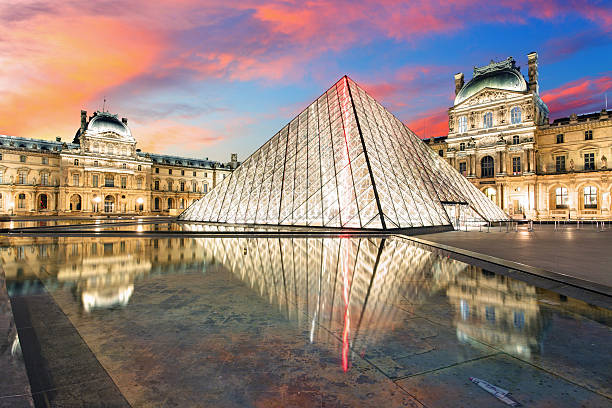
The Louvre is the day’s cognitive peak; the slot after it should lower the intensity, not compete with it. That is the Paris-specific thesis here. A guest leaving through the Carrousel du Louvre can be near the river faster than a guest hunting for a car on rue de Rivoli, and crossing by Pont du Carrousel or Pont Royal changes the entire feeling of the next hour. A private morning such as Louvre Private Tour can make the museum itself more focused, but it does not make a second dense cultural stop automatically wise.
Here is the firm editorial judgment: the Seine is the runner with the broadest fit after the Louvre, Rodin is the more selective upgrade, and the palace-lobby reset is the choice mature travelers should not be embarrassed to make. The overvalued move is forcing a famous second attraction because the afternoon looks empty on paper. Palace-hotel polish or a private cruise does not fix an overfilled museum day; it only makes the fatigue more expensive.
Is Rodin or the Seine better after the Louvre before dinner?
Rodin is better after the Louvre only when the group still wants art, the dinner is not too early, and the hotel or restaurant path does not require a tiring cross-city rebound. The Seine is better when the Louvre has already done its job and you need Paris to feel spacious again. The palace-lobby reset is better when your evening matters enough that arriving composed is more valuable than adding another credential.
The post-Louvre traveler-fit clusters
- Choose the Seine if you want air, movement, conversation, and a smoother transition from museum mode to dinner mood.
- Choose Rodin if sculpture, gardens, and a quieter Left Bank cultural stop will deepen the day rather than extend it mechanically.
- Choose the palace-lobby or hotel reset if you have a celebration dinner, older parents, children, a tasting menu, formal dress, or anyone whose patience is already thinning.
- Choose no second attraction if the Louvre ran long, the weather is draining, or your route requires a taxi just to create the illusion of doing more.
The comparison criteria are not “which place is more important.” The Louvre has already supplied importance. The criteria are route, recovery, dinner readiness, and whether the next hour changes the trip mood for the better. For couples, that mood test matters: the wrong pre-dinner choice turns a promising evening into a logistical negotiation. For families or multigenerational groups, it can turn the last good hour of patience into the first hour of resentment.
A counterintuitive correction belongs early: the 8th arrondissement is not automatically the right premium reset just because many palace hotels and grand dinner settings sit there. If you are leaving the Louvre and dining on the Left Bank, sending everyone to the 8th for polish can add a needless Right Bank loop. If you are staying there, it can be brilliant. If you are not, it can be a beautiful detour that steals the calm it was supposed to create.
The priority ladder: dinner first, then route, then culture
The right choice comes from protecting the evening first, then choosing the lightest credible route. Start with dinner time, not with the attraction list. A post-Louvre slot before a serious dinner is not an open afternoon; it is a controlled buffer. The higher the stakes of the evening, the less tolerance the plan has for extra security lines, hard seats, long transfers, or a final forced explanation in front of one more masterpiece.
First, decide whether dinner is meant to be the day’s climax. If it is, stop treating the late afternoon as unused inventory. A couple celebrating an anniversary, a family with a special reservation, or a small group dressing for a formal evening should preserve enough time for a shower, shoes, quiet, and a short mental gap after the museum. Sometimes the right answer is no second attraction before dinner.
Second, look at the actual exit. The Louvre is not a single door in lived travel terms. A group emerging near the Pyramid into Cour Napoléon, a group leaving through the Carrousel, and a group spilling toward the Seine face different friction. The river option can begin almost immediately along quai François-Mitterrand. A Rodin plan asks you to cross to the Left Bank and continue toward the 7th arrondissement. A palace-lobby reset often asks you to move north or west toward the 8th, which is logical only if that is already your hotel or dinner geography.
Third, judge the group’s attention, not its ambition. The Louvre often leaves travelers visually full before they admit they are tired. The body has been on hard floors, in guarded rooms, through thresholds, stairs, escalators, security rhythms, and dense gallery transitions. Paris then adds its own load: gravel in the Tuileries, river crossings, sun on the courtyards, taxi uncertainty around rue de Rivoli, and the small but real fatigue of deciding where to stand while everyone else also exits.
Fourth, choose the slot that makes dinner feel nearer and easier. The Seine does this by creating a softer line between museum and evening. Rodin does this only if the group is still curious and the garden will feel restorative rather than like another assignment. The hotel reset does this by removing decisions. It is the least photogenic option on an itinerary document and often the one that makes the night feel most generous.
The cut-first rule is simple: if the Louvre ran longer than expected, cut Rodin before you cut the dinner buffer. If the weather is unpleasant, cut the open-air river plan before you cut the chance to arrive unhurried. If the group is quiet in the wrong way, cut the second attraction altogether. A high-end Paris day is not measured by the number of famous nouns it contains; it is measured by whether the next part of the day still has life in it.
For the Louvre itself, confirm current operating details on the official Louvre hours and admission page (https://www.louvre.fr/en/visit/hours-admission), especially when late openings, closures, final-entry rules, or ticket conditions could affect your day. If the museum schedule shifts your Louvre later, the post-museum choice should become lighter, not more compressed.
When Rodin adds value after the Louvre
Rodin adds value after the Louvre when it narrows the day rather than enlarging it. The Musée Rodin is not a second encyclopedia; it is a change in scale, material, and tempo. The Hôtel Biron setting, sculpture garden, gravel paths, and Rue de Varenne location give the afternoon a more intimate register than the Louvre. That is exactly why it can work beautifully after the Louvre for art-focused travelers who still want one more cultural idea, not one more giant institution.
The best Rodin-after-Louvre traveler is not simply “someone who likes museums.” It is the traveler who wants the day to move from paintings, royal architecture, and imperial collecting into bodies, surfaces, hands, bronze, stone, and garden air. Rodin can feel like a decanting of the Louvre rather than an escalation. The Thinker and The Gates of Hell are famous, but the practical value is the museum’s human scale: you can understand where you are, step outside, pause, and re-enter without the same mental pressure.
Rodin is especially good when your dinner is later and your route naturally favors the Left Bank or 7th arrondissement. From the Louvre, you can cross the Seine and move toward Invalides or Varenne without pretending that Paris is frictionless. The route still asks for care. A walk may be pleasant for energetic couples but too much for older parents after several Louvre hours. A taxi may be appropriate, but the handoff should be planned before everyone is standing outside with museum bags and no appetite for another decision.
Rodin is also strong for travelers who dislike the feeling of ending a major museum day with only commerce or hotel time. It gives the day a second artistic sentence without changing the subject completely. If the Louvre morning focused on antiquity, Renaissance painting, or French grand manner, Rodin can move the conversation toward modern sculpture and the artist’s hand. That works for couples who like talking through what they have seen, and for small groups who do not want the conversation to evaporate into logistics.
The wrong Rodin case is common: a group leaves the Louvre already saturated, sees that Rodin is “near enough,” and adds it because it seems too good to waste. That is how a promising evening gets flattened. Rodin’s calm is not magic. If the group has lost curiosity, the garden becomes another surface to cross, the galleries become another indoor obligation, and dinner begins with everyone comparing foot pain instead of memory.
Use Rodin as a selective upgrade, not as proof of seriousness. Before committing, ask three questions. Does anyone still want to look closely? Is dinner late enough that the group can still reset afterward? Does the route lead naturally toward the hotel or evening area? If one answer is no, Rodin may still work. If two are no, the Seine or a hotel reset is better.
Confirm current visit details directly with the official Musée Rodin plan-your-visit page (https://www.musee-rodin.fr/en/plan-your-visit/plan-your-visit-musee-rodin) before building it into a late-afternoon plan. This matters less because Rodin is difficult and more because a post-Louvre slot has little margin for a surprise closure, last-entry issue, or garden limitation.
If the Louvre is the real reason for the day, give it enough discipline earlier. A focused route through the museum, as outlined in curated Louvre day without museum fatigue, makes Rodin more plausible afterward because the group has not spent all its attention before leaving the palace.
When the Seine is the smarter reset between the Louvre and dinner
The Seine is the smarter reset when you need Paris to become legible again after the Louvre. It changes the sensory channel: less wall text, more horizon; fewer thresholds, more air; less “where is the next room,” more “where are we in the city.” From the Louvre edge, the river is not a destination so much as a way to release the museum from the body.
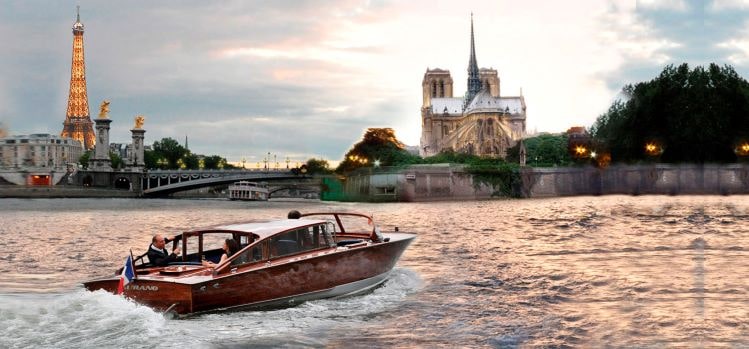
The Seine works because it respects what the Louvre has already demanded. It does not ask travelers to prove more cultural stamina. A walk along the quai, a short guided river hour, or a carefully timed private cruise can let the group absorb the day without abandoning the city. This is why a Seine plan often suits couples, small groups, and food-and-wine travelers before dinner: it keeps the conversation alive without turning the afternoon into another interpretive performance.
The route can be very simple. From the Louvre, move toward the river rather than deeper into the Right Bank. Pont des Arts, Pont du Carrousel, Pont Royal, and the axis toward the Tuileries each create different handoffs. A Left Bank dinner may favor crossing earlier. A Right Bank hotel may favor a river walk that loops back without overcommitting. A private guide can turn those choices into a calm hour rather than a debate conducted on a bridge.
The Seine is also the most forgiving option when the group’s energy is uneven. One person can listen, one can look, one can be quiet, and no one has to keep pace with a second museum narrative. For families, it reduces tour resistance. For couples, it preserves atmosphere without forcing romance into cliché. For older travelers, it can lower the amount of standing still, which is often more tiring after a museum than gentle movement.
A Seine cruise is not always better than a Seine walk. Paying for privacy can improve comfort, timing, seating, and the feeling of occasion, especially for a celebration. It cannot undo an overlong Louvre visit. If everyone is already depleted, a boat becomes a place to sit tiredly in nicer surroundings. That may still be useful, but it should be named honestly as recovery, not as a full second experience.
A guided river hour such as Seine River Private Tour earns its place when it ties the Louvre to the city around it: the Académie Française across the water, the long line toward the Île de la Cité, the Right Bank and Left Bank relationship, and the way bridges create the old city’s rhythm. The value is not simply seeing monuments from the river. It is making the day feel coherent after the Louvre has filled it with fragments.
The Seine is the wrong choice when weather, wind, heat, or timing would make it feel exposed. It is also wrong when the group needs privacy more than scenery. If a celebration dinner requires changing, calling home, resting feet, or stepping out of public space, the river is not the answer. Do not use the Seine as a decorative delay when the real need is a return to the hotel.
For a broader version of this decision, the Paris Seine reset guide covers river time between museums, shopping, and dinner. This article is narrower: the Louvre has already happened, and the question is whether the next hour protects or compromises the evening.
When to protect dinner by stopping
The palace-lobby or hotel reset is the right choice when the evening needs the best version of the travelers, not another entry on the itinerary. This is the least glamorous recommendation until you have lived the alternative: a rushed arrival, tired eyes, slightly damp clothes, a late taxi, and a dinner that begins with everyone managing themselves instead of enjoying the room.
Stopping is not a failure of Paris planning. It is often the mark of a better plan. After the Louvre, a palace-lobby pause near your base, a return to the hotel, or a quiet Right Bank handoff can give back more value than a minor attraction squeezed into the late afternoon. This is especially true for tasting menus, formal dinners, anniversary evenings, proposal trips, multigenerational travel, and groups where one person’s fatigue can quietly set the tone for everyone.
The reset works best when it is designed, not improvised. A vague “we will go back for a bit” can disappear into a taxi search, a delayed elevator, and a room that is not ready for the transition. A designed reset has a clear endpoint: shoes changed, jacket collected, phone charged, children decompressed, older travelers seated, or the couple given enough quiet to shift from cultural concentration to evening presence.
Paris does something specific to the body after a major museum. It creates small layers of fatigue rather than one obvious collapse: hard floors, bright courtyards, the distance between galleries, the effort of staying together, the stop-start rhythm of crowds, the gravel or stone underfoot outside, the temperature difference between interior rooms and the river edge, and the mental work of wayfinding. By the time dinner approaches, the problem is rarely one dramatic obstacle. It is the accumulation.
Paris also does something to the mood. A day that looks rich on paper can start to feel thin if every beautiful thing is used as a task. The mood-preserving decision is to leave a little appetite for the evening: appetite for food, conversation, getting dressed, and noticing the room you chose for dinner. The mood-killing mistake is adding one more cultural stop when the group has already shifted from curiosity to compliance.
The palace-lobby reset belongs especially when your hotel is part of the stay’s value. If you chose a palace or grand hotel for service, atmosphere, and ease, use it at the moment it can actually improve the trip. A lobby pause, tea, a quiet corner, or a room return can be more consequential than an extra landmark seen with half attention. This is not about hiding from Paris. It is about letting Paris land.
There is one caveat: a palace-lobby reset only earns its cost when it reduces movement. If you are not staying near the 8th arrondissement or your dinner is not nearby, detouring there for polish can become performative. In that case, a simpler hotel-area pause, a direct Left Bank café stop, or a shorter river edge may do the job better.
How your hotel base changes the choice
Your hotel base can flip the post-Louvre answer because Paris rewards nearby handoffs and punishes ornamental transfers. The same Louvre afternoon feels different if you are staying in Saint-Germain, Le Marais, the 8th arrondissement, near the Tuileries, or farther west. A good plan does not ask every traveler to make the same post-museum move.
If you are based on the Left Bank, Rodin becomes easier to justify. A Louvre-to-Rodin-to-dinner sequence can make sense when the evening is also Left Bank or when the hotel lies within a calm return. Saint-Germain travelers, for example, may find the Seine crossing and Rodin route more natural than a Right Bank palace reset. But even then, Rodin should not crowd the dinner buffer. Left Bank proximity reduces route friction; it does not restore spent attention.
If you are based in the 8th arrondissement, the palace-lobby reset becomes stronger. The Louvre-to-Right-Bank handoff can lead back toward the hotel, especially if dinner is also in that orbit. This is where the 8th earns its keep: not because it is grand, but because it can shorten the vulnerable hour between museum and evening. The reset is most valuable when it prevents a late cross-city scramble.
If you are based in Le Marais, the Seine often beats both Rodin and the 8th. It lets you leave the Louvre, breathe, and arc back without forcing a westward or Left Bank commitment. A group staying in Le Marais that adds Rodin after the Louvre should have a specific art reason, not just a map-based argument. The journey back across the city can quietly eat the calm that Rodin created.
If you are near the Tuileries or Louvre area, resist the temptation to treat proximity as permission to add more. A nearby hotel makes a reset easier and therefore more valuable. It can also make a short Seine edge or garden walk enough. The danger is thinking that because everything is close, everything fits. After the Louvre, “close” still has to pass the energy test.
If your Paris stay is still being planned, base choice is one of the hidden levers in this whole decision. The guide to where to stay in Paris for a luxury first visit is useful because it shows how Left Bank, Le Marais, and the 8th change museum days, dinner returns, and the cost of crossing the city at the wrong hour.
Where premium spend changes the hour, and where it cannot
Premium spend changes the post-Louvre slot when it removes decisions, improves timing, or gives the group a calmer handoff. It does not change the basic biology of attention. After a major museum, the expensive version of the wrong plan is still the wrong plan.
A private guide can materially improve the hour by reading the group before the itinerary breaks. That may mean shortening the Louvre route, choosing the river instead of Rodin, delaying the car until everyone is actually ready, or turning a vague “maybe we will see one more thing” into a clean decision. The best private design is often subtractive. It prevents the day from becoming a contest between ambition and appetite.
A chauffeur can help when the route involves a genuine cross-city hop, older travelers, formal clothing, or a hotel return that needs to be predictable. It helps less when the problem is not transport but overfilling. A car from the Louvre to Rodin may be comfortable, but it does not make Rodin a good idea for a group that has stopped absorbing art. A car to the 8th can be elegant, but it does not justify going there if the evening is elsewhere.
A private cruise can turn the Seine into a celebration rather than a public transit feeling. It can help with seating, privacy, timing, and the sense that the river hour belongs to your group. It does not help if the Louvre visit was too long, the dinner time is too soon, or the group needs a bathroom, a change of clothes, and silence more than views.
A palace-hotel pause changes the hour when the hotel is close enough to remove stress. It gives travelers a controlled environment, service, seating, and a psychological break from public space. It does not earn its cost when it adds a detour. This is the part luxury planning sometimes gets wrong: elegance is not the same as ease. In Paris, the elegant move can still be the inefficient one.
For small groups, the most valuable spend may be coordination rather than spectacle. A guide who knows when to stop, where to cross, when to call the car, and when to let the group be quiet can save the dinner. The recovery slot is not filler. It is the hinge between the day’s major cultural investment and the evening’s social one.
A private post-Louvre plan should design recovery, not add another monument
The best private post-Louvre plan is not a longer checklist; it is a controlled transition. This is where Orange Donut Tours planning becomes most useful: the guide can build the Louvre route, exit strategy, Seine hour, Rodin exception, hotel return, and dinner handoff as one sequence rather than separate bookings that happen to sit on the same day.
For a couple, that might mean a Louvre route that ends near the river, a quiet bridge crossing, a short Seine interpretation, and enough time to return before dinner without watching the clock. For a family, it might mean leaving the Louvre before the children are fully done, using the Seine as decompression, and refusing the second museum even if the adults could technically manage it. For a celebration group, it might mean protecting the hotel return as seriously as the museum entry.
The most important design question is not “what else can we see?” It is “what should the next hour do?” If it should restore conversation, choose the Seine. If it should deepen the art day for travelers who still have attention, choose Rodin. If it should protect a dinner, stop. Once that job is clear, the itinerary becomes easier and the evening becomes less fragile.
If you want a private Paris day that treats the post-Louvre slot as a pacing decision rather than a place to stuff another monument, Inquire now.
Premium spend does not help much here: palace-hotel polish or a private cruise does not fix an overfilled museum day.
FAQ
What should I do after the Louvre before dinner in Paris?
Most travelers should choose the Seine after the Louvre because it gives open air, orientation, and a softer transition before dinner. Choose Rodin only if your group still wants art and has enough time to reset afterward.
Is Rodin worth visiting after the Louvre?
Rodin is worth visiting after the Louvre for art-focused travelers with a later dinner, a calm Left Bank route, and enough attention for sculpture and gardens. It is not worth forcing when the Louvre has already used the group’s museum energy.
Is a Seine cruise better than walking by the river after the Louvre?
A Seine cruise is better when seating, privacy, timing, or a celebration feeling matters. A river walk is better when you want flexibility and a lighter commitment before dinner.
When is no second attraction the right choice before dinner?
No second attraction is the right choice when the Louvre ran long, the group is quiet or irritable, the weather is draining, dinner is early, or a hotel return would clearly improve the evening.
Does staying in the 8th arrondissement change the post-Louvre plan?
Yes. Staying in the 8th arrondissement makes a palace-lobby or hotel reset more practical because the return can shorten the evening handoff. It is less useful if dinner or your hotel is on the Left Bank or in Le Marais.
How much time should I leave between the Louvre and dinner?
Leave enough time for the museum exit, the chosen recovery slot, transfer or walking time, and a real pause before dinner. If the dinner is important, protect the buffer before adding Rodin or a cruise.
Should families choose Rodin, the Seine, or a hotel reset after the Louvre?
Families usually do best with the Seine or a hotel reset after the Louvre. Rodin can work for art-interested teenagers or calm children, but it should not be used to stretch a museum day past the point of cooperation.
Where should I check current Louvre and Rodin visit details?
Check the official Louvre hours and admission page for Louvre timing and admission details, and the official Musée Rodin visitor page for current Rodin visit information before building either into a pre-dinner plan.
If you’re interested in any private tours of Paris, please reach out to us.



 So if you are looking for the absolute best in Paris & surroundings with authentic local fully-licensed native guides whose English you can actually understand and with an exclusive and amazingly fun itinerary













