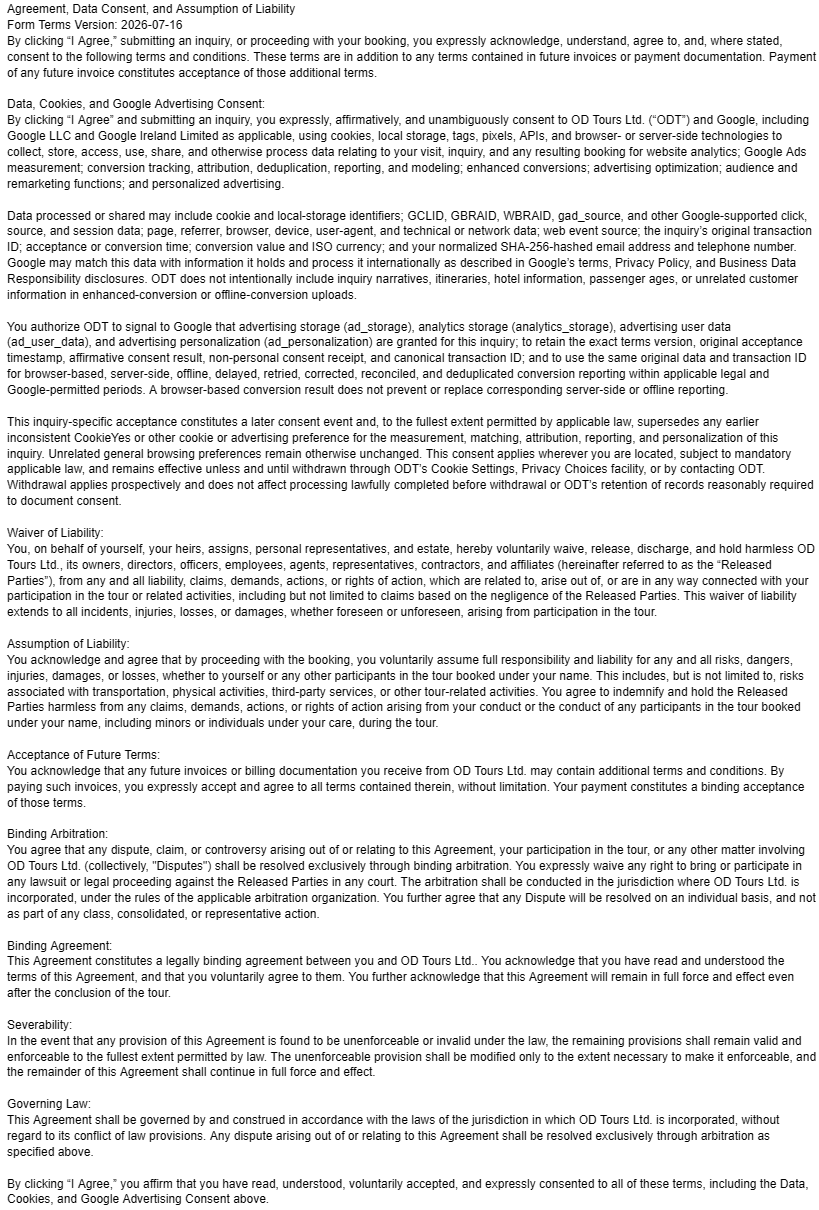
How to Plan a Curated Louvre Day in Paris Without Museum Fatigue
Updated
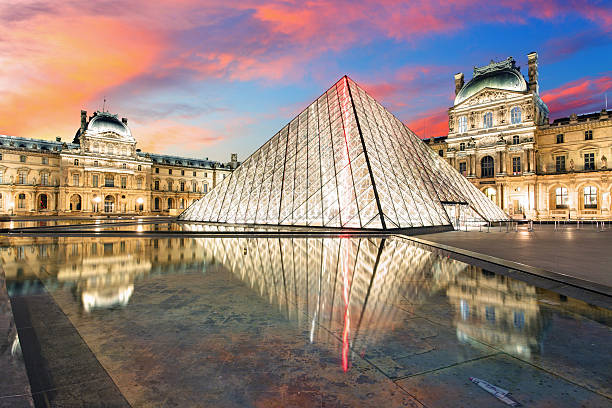
The best Louvre day for an art-loving first visit is rarely an all-day conquest. It is usually a curated 2- to 3-hour route with one clear priority, one deliberate crowd escape, and a clean landing into the rest of Paris. That wins because crowd pressure is not evenly distributed: ten minutes after the Mona Lisa crush, the Richelieu wing near the Napoleon III Apartments can feel like a different museum entirely.
The exception is the traveler who already knows the collection and genuinely wants a deeper wing-led session. Everyone else should stop organizing the whole day around the Mona Lisa. At the Louvre, the winning plan is not “see more.” It is “see the right things in the right order before your attention and your feet flatten.”
That is why a focused route so often beats improvisation, and why a private Louvre visit can be a better answer than a brave but blurry self-guided marathon.
How long should you spend at the Louvre if you want to avoid museum fatigue?
For a first Louvre day in Paris, 2 to 3 hours is the strongest ceiling.
The museum itself quietly points in that direction. Its official visitor trails (https://www.louvre.fr/en/explore/visitor-trails) are organized by interest and time commitment, including shorter routes such as a 90-minute masterpieces circuit and a one-hour Richelieu route. That matters because it confirms an important reality: even the Louvre does not expect every visitor to “do the Louvre” in one heroic sweep. Confirm the current opening pattern and entry rules on the Louvre hours and admission page (https://www.louvre.fr/en/visit/hours-admission), but keep the planning principle evergreen: a finite route delivers far more than an overstuffed one.
The reason is physical as much as intellectual. A Louvre visit often begins with standing still before you have seen anything at all, whether in the Cour Napoléon, in security lines, or in the underground circulation around the Carrousel. Then come the hard floors, the staircase breaks, the long gallery runs, the stop-start movement around famous works, and the natural temptation to keep adding “just one more room.” By the time you leave, the walk that looked modest on a map can feel twice as long. Paris amplifies this. A bridge crossing to the Left Bank, a detour back to the hotel, or a taxi hunt after hours inside the museum lands differently once your legs are already spent.
The city also changes the mood of the day. A Louvre session that ends at the right moment leaves room for appetite, conversation, and the rest of Paris. A Louvre session that runs too long turns even desirable plans into chores. Celebration travelers feel this at dinner. Families feel it before the second hour is over. Food-and-wine travelers feel it when they arrive at lunch too tired to care. Couples feel it when a museum day swallows the evening they were actually looking forward to.
Unless your trip is centered on the collection itself, stop at the point of recognition, not at the point of exhaustion. The best Louvre memory is usually vivid and selective, not encyclopedic.
Should you do a Louvre highlights route, a wing-led route, or a short focused visit?
Choose your Louvre day by regret risk, not by ambition. Ask one question first: what would disappoint you more—missing a famous work, or spending half the day feeling crowded and overextended?
Highlights route: the best fit for a first Louvre day
Choose the highlights route when you want confidence that you saw the right things, not the greatest possible quantity. This is the route that wins most often for first-time visitors, mixed-interest couples, parents with older children, and anyone trying to keep the rest of Paris intact. A good highlights route usually runs 2 to 3 hours and uses the Denon Wing for signature works before pivoting into either the Sully Wing or the Richelieu Wing.
- Best for: first-time visitors, short stays, mixed-interest groups, travelers who want a memorable Louvre without turning the museum into the whole day.
- Avoid it if: you already know you care much more about one department than about the blockbuster circuit.
- Time: about 2 to 3 hours.
- What it changes: you still have the appetite for lunch, the Tuileries Garden, shopping around Rue Saint-Honoré, or a composed dinner later.
Wing-led route: the right answer when depth matters more than famous works
Choose a wing-led route when the real pleasure is focus. This works for repeat visitors, serious art lovers, travelers with one strong preference, and people who would rather understand one part of the Louvre properly than ricochet across the palace collecting names. A wing-led visit accepts that missing some marquee works is the price of actually seeing something with attention.
- Best for: return visits, specialized interests, travelers who already know the collection’s basic landmarks, couples who prefer depth to box-ticking.
- Avoid it if: this is your only Louvre visit and you will feel cheated if you miss the best-known works.
- Time: about 3 to 4 hours, often with an intentional slow patch built in rather than a constant push.
- What it changes: the visit feels more coherent and less frantic, but it works only if everyone in the group agrees on the focus.
Short focused visit: the smartest move when the Louvre is not the whole point of the day
Choose the short focused visit when the museum matters, but the trip has other priorities: a celebration dinner, an arrival day, older relatives, younger children, a packed Paris stay, or simply a preference for precision over endurance. This route borrows the logic of the museum’s own shorter visitor trails and turns the Louvre into one sharp experience rather than an all-consuming task.
- Best for: families, arrival-day travelers, celebration couples, older visitors, food-focused travelers, and anyone who gets museum saturation quickly.
- Avoid it if: you will resent leaving while energy remains.
- Time: 90 minutes to 2 hours.
- What it changes: you keep the emotional charge of the Louvre without paying for it with the rest of the day.
One editorial call matters more than the rest: for a first Paris stay, the highlights route is the default winner. The wing-led route becomes better only when the trip already has enough Paris in it that the Louvre does not need to carry the whole symbolic load.
Denon Wing, Sully Wing, and Richelieu Wing: what each choice does to your day
Pick your anchor wing by the kind of effort you can tolerate. The Louvre is not one uniform experience; the Denon Wing, Sully Wing, and Richelieu Wing ask different things of the body, the attention span, and the group dynamic.
Denon Wing: choose it for the essential works, but do not let it consume the whole visit
The Denon Wing is the obvious anchor for first-timers because it concentrates the works many people traveled to see. That is exactly why it can also derail the day. Denon is where visual ambition and crowd density collide. If your only plan is “Mona Lisa first,” you spend your freshest mental energy in the most compressed part of the museum, usually around the Salle des États.
That does not make the Denon Wing a mistake. It makes it a zone to handle deliberately. Use it for the pieces you would regret missing, then leave before it starts dictating your mood. The classic error is to remain in Denon too long because it feels like the most important wing. It is important. It is also the wing most likely to make a visitor confuse crowd management with art appreciation.
Denon is strongest for first-time travelers who want the symbolic Louvre experience and are either arriving early, joining a guided route, or entering with a very tight plan. It is weaker for families with short patience, visitors who dislike compressed rooms, and anyone who needs a calmer start to enjoy museums at all. For those travelers, Denon works best as a chapter, not as the whole book.
Sully Wing: choose it when you want breathing room and historical texture
The Sully Wing often produces better attention than visitors expect because it changes the texture of the visit. Instead of pressing onward through a chain of blockbuster rooms, you get a stronger sense of the museum as a palace layered over time. That matters for travelers who tire when every room asks for the same kind of looking.
Sully is especially good for history-minded visitors, mixed groups, and families who need variety rather than relentless pictorial intensity. It is where the visit becomes spatial as well as visual. The medieval remains and the older spine of the palace can be far easier for some groups to absorb than one more famous canvas in a crowded room. If Denon is the Louvre at its most demanding, Sully is often the Louvre at its most grounding.
For a first visit, Sully works well as a transition wing. It helps the museum feel less like a checklist and more like a place. It is also one of the best answers for travelers who want the prestige of the Louvre without spending the entire visit in crowd-compressed painting rooms.
Richelieu Wing: choose it when you want beauty, scale, and a more graceful pace
The Richelieu Wing is where many visitors recover their pleasure. The Richelieu wing near the Napoleon III Apartments is a particularly revealing pivot point because the atmosphere changes so quickly once you leave the blockbuster crush behind. Noise drops. Sight lines lengthen. The museum starts to feel legible again.
That is why the Richelieu Wing is such a strong companion to Denon on a first-time highlights route. You still get the symbolic landmarks, but you do not end the visit in the least forgiving part of the palace. Travelers who begin to wilt in dense painting rooms often find a second wind here, especially around the grand apartments and the more open courtyards. This wing is also excellent for repeat visitors, couples, multi-generational groups, and anyone who responds better to decorative richness and spatial drama than to crowd-heavy masterpiece chasing.
If you are crowd-averse, there is a good chance the Richelieu Wing will become the part of the Louvre you actually remember enjoying. That is the practical consequence of choosing it well. The day feels shorter even when the clock says otherwise.
The strongest hybrid for many first-time visitors is simple: take your essential Denon moments, then pivot to the Richelieu Wing before attention collapses. The best hybrid for history-led travelers is often Sully first, then one carefully chosen Denon detour. What rarely works is trying to give all three wings equal weight on a single first visit. That tends to produce movement without memory.
Morning, late afternoon, or night entry?
The late-afternoon versus night-entry logic matters because the Louvre does not merely occupy hours; it consumes the shape of the day around it. Morning, late-day, and evening visits create different Paris experiences afterward.
Morning works best when the Louvre is a priority, not a side note
Choose morning when the Louvre is one of the day’s main events, when first-time must-sees matter, or when you are traveling with children or adults whose attention is strongest earlier. Morning is also the cleanest answer if the Denon Wing is unavoidable for your group. You are meeting the hardest wing with fresher energy.
The best pairing after a morning route is something nearby and open-air rather than another heavy cultural commitment. The Tuileries Garden is the obvious decompression zone because it gives you sky, benches, and a visual break without asking for another major decision. After that, a Right Bank lunch, a walk toward Palais Royal, or time around Rue Saint-Honoré usually lands more cleanly than a cross-river transfer and another reservation. If your hotel is around Opéra, Place Vendôme, or the upper Right Bank, the museum also sits conveniently close to Pyramides and Palais-Royal / Musée du Louvre, which makes the logistics feel controlled rather than scattered.
Late afternoon is strongest for travelers who dislike letting the museum dominate the day
Choose late afternoon when you want a slower morning elsewhere in Paris, when you prefer a long lunch before art, or when the emotional center of the day is actually the evening rather than the museum itself. This timing can work beautifully for couples, celebration travelers, and visitors who like museums but do not want to begin the day in a queue.
Late afternoon is not magically empty, and it is not the right answer for travelers trying to conquer every Denon landmark. Its advantage is subtler. You stop feeling as though the Louvre has swallowed the entire day. A shorter, later visit also makes it easier to finish in the Tuileries Garden, drift toward Place Vendôme, or move into dinner without the awkward dead zone that often follows an overlong morning museum session.
There is one corrective worth making here: the Left Bank can be an overvalued pairing after the Louvre if you are already tired. A romantic lunch or dinner in Saint-Germain sounds effortless until you factor in the bridge crossing, the change in pace, and the simple fact that tired feet dislike extra geography. Unless you have a very specific reservation in mind, the Right Bank side of the museum usually lets the day resolve more gracefully.
Night entry, when available, is best for a shorter curated route rather than a heroic final push
Night entry can be excellent, but only if you use it for the right kind of Louvre. It suits repeat visitors, couples, celebration travelers, and anyone who wants the museum to feel like part of an evening rather than the entire plot of the day. It is especially strong for a short focused route or a refined highlights edit. What it does not suit is a visitor who has already walked Paris all day and then tries to force a full Louvre on top of that fatigue.
When evening openings are on the schedule, confirm the exact pattern on the official hours page before you lock dinner or transport around them. If the idea appeals, a night Louvre visit is often a cleaner format than improvising it yourself. It also pairs naturally with a later meal; if that is the direction of travel, the city’s best fine-dining restaurants in Paris give the evening somewhere worthy to land.
The essential rule is simple. Morning is for first-priority viewing. Late afternoon is for travelers who want the museum contained. Night entry is for travelers who want atmosphere and selectivity, not for those trying to make up for indecision with extra hours.
When a guided visit is smarter than trying to conquer the Louvre alone
A guided Louvre visit is worth the investment when selection, sequencing, and group fit matter more than sheer information.
That is why the Louvre is one of the clearest places in Paris where expert guidance changes the day materially. The advantage is not only that someone explains the art well. The real gain is editorial control. A good guide knows what to prioritize, what to skip without regret, when to leave the Denon Wing, when to pivot into Sully or Richelieu, how to absorb room closures or circulation changes without losing momentum, and how to calibrate the visit for very different travelers in the same party. That might mean compressing the Mona Lisa stop for a family. It might mean stretching the Richelieu Wing for a couple who care more about atmosphere than canon. It might mean preserving dinner by ending twenty minutes earlier than a self-guided traveler would dare.
Guidance is especially valuable for first-time visitors with limited time, mixed-interest couples, small groups with uneven museum stamina, celebration travelers who want the day to feel elegant rather than effortful, and families who need the route shortened before morale drops. It is less necessary for the repeat visitor who wants one department, enjoys reading wall text, and is comfortable accepting that a few rooms may be closed or more crowded than hoped.
Premium spend does not help when your real need is simply a clean entry, five or six key works, and a nearby lunch; a focused 2- to 3-hour guided visit is the smarter spend than a full private day.
A full private day earns its cost only when the collection itself is the day’s main event, or when your group wants a genuinely specialized deep dive across several departments with pauses built in. It is not worth paying for a full private day just to say that you “did the Louvre properly.” More hours do not automatically improve the museum. Quite often, they only magnify fatigue.
For travelers who mainly need booking help and reputable ticket handling, the official admission guidance is also a useful reminder not to rely on supposed queue-jump sellers outside the museum. If you want that practical side handled neatly, start with skip-the-line planning. If what you really want is a Louvre day that feels composed from first entry to final exit, Inquire now.
What to cut first, and what not to pair with the Louvre
When the Louvre day starts to sprawl, cut distance and duplication before you cut comfort.
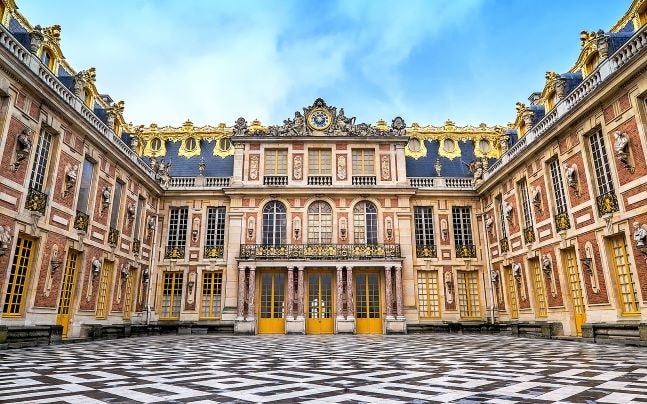
The first thing to cut is the idea of pairing the Louvre and Versailles on the same day. They are both emotionally and logistically absorbing, and each deserves a different kind of attention. The official Versailles planning page (https://en.chateauversailles.fr/plan-your-visit) is useful precisely because it makes clear how much organization Versailles asks on its own. If your stay is short, place those two days separately and use how many days in Paris to decide where Versailles belongs.
The second thing to cut is the instinct to stack another major museum afterward just because you are “already in art mode.” If you are overpacking the day, cut the second museum before you cut lunch, air, or rest. The best contrast after the Louvre is usually outdoors or at table, not another round of labels and hard floors. That is why the Tuileries Garden works so well, and why even a short walk toward Palais Royal can outperform a more ambitious cultural sequel.
The third thing to cut is the fantasy that you can pop out mid-visit and return later with refreshed energy. The Louvre’s own admission guidance treats exit as final, so design one interior route and then leave for good. Do not build a plan that depends on stepping out for coffee between wings. If you need a break, take it in the form of benches, shorter routes, and a more disciplined finish point.
The last thing to cut is unnecessary geography. If the museum is followed by a hotel reset on the far side of town, a dinner across the river, and one more viewpoint afterward, the day will feel longer than it looks on paper. A well-curated Louvre day usually lands best when the after-plan is nearby, simple, and tonally different from the museum itself.
If the Louvre is one piece of a bigger custom stay, browse Private Tours in Paris rather than forcing every Paris priority into one oversized museum day.
FAQ
How long should a first Louvre visit be?
For most first-time visitors, 2 to 3 hours is the best target. That is long enough to see the museum’s symbolic anchors, understand the scale of the collection, and still leave with energy for the rest of Paris. Once a first visit pushes far beyond that without a very specific focus, attention usually drops faster than people expect.
Is the Mona Lisa worth planning the entire Louvre day around?
No. It is worth seeing if it matters to you, but it is not worth letting one crowded stop dictate the whole route. The better strategy is to treat it as one essential moment inside a broader sequence, then move on before the room’s compression and noise start to define your memory of the museum.
Which wing is best for first-time visitors?
The Denon Wing is the necessary starting point for many first-time visitors because of the best-known works, but it is rarely the best place to spend the whole visit. The strongest first-time combination is often Denon plus Richelieu, or Denon plus Sully, because the second wing changes the pace and makes the museum feel more balanced.
Is the Sully Wing or the Richelieu Wing better if I dislike crowds?
Both can be better than staying too long in Denon, but they solve different problems. The Sully Wing is strong for historical texture and variety. The Richelieu Wing is often better when you want spaciousness, decorative drama, and a calmer emotional temperature after the blockbuster circuit. Many crowd-averse visitors prefer Richelieu once they reach it.
Should I visit the Louvre in the morning or later in the day?
Morning is usually better for a first visit with strong must-see priorities, children, or a Denon-heavy route. Later in the day works better when you want the museum contained rather than dominant. Night entry, when available, is best for a shorter curated route, a repeat visit, or a museum-to-dinner sequence rather than a full-day cultural push.
Is a private guide really worth it at the Louvre?
Yes, when the challenge is choosing well rather than simply getting in. A guide changes the day most for first-timers, mixed-interest parties, families, or travelers who want a polished museum experience without wasting energy on routing mistakes. It matters less for repeat visitors with one department in mind and plenty of time to wander.
Can I do the Louvre and Versailles on the same day?
You can, but it is usually a poor trade. Both sites are large, both reward concentration, and the transfer between them steals the flexibility that makes either visit enjoyable. In practice, most travelers are happier when they give Versailles its own day and keep the Louvre paired with something closer and lighter afterward.
What should I do after the Louvre?
The best post-Louvre move is usually something nearby and restorative: the Tuileries Garden, a Right Bank lunch, a gentle walk toward Palais Royal, or dinner that does not require too much more movement. What works less well is another major museum, a complicated cross-city transfer, or a plan that assumes you will feel as energetic at 4 p.m. as you did at 10 a.m.
If you’re interested in any private tours of Paris, please reach out to us.


 So if you are looking for the absolute best in Paris & surroundings with authentic local fully-licensed native guides whose English you can actually understand and with an exclusive and amazingly fun itinerary