The Paris Seine Reset: When a River Hour Belongs Between Museums, Shopping and Dinner

Updated
A Seine hour belongs between museums, shopping and dinner when it replaces a low-yield extra stop, not when it is stacked on top of an already full Paris day. In real city conditions, that usually means using the river after a dense interior such as the Louvre, or after decision-heavy shopping, because the Louvre-to-Seine transition can lower the temperature of the afternoon without forcing another cross-city transfer. The clearest exception is simple: skip it when the river is only being added because there is a gap. A private cruise does not rescue a day that is already overloaded. In Paris, the Seine earns its place when it works as a hinge between Right Bank compression, Left Bank appointments and dinner energy, not as decoration.
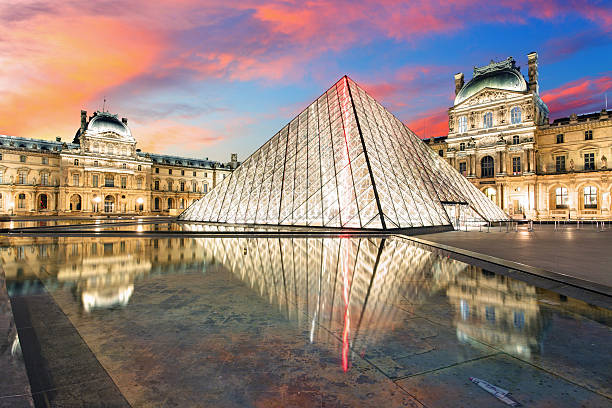
The non-obvious proof is geographic. From the Louvre, the river is not a separate outing; it is the museum’s nearest emotional edge. Leaving the Cour Carrée or the Pyramid side and moving toward quai François-Mitterrand, Pont des Arts or Pont du Carrousel changes the body’s pace faster than retreating into the underground corridors below the Carrousel or hunting for one more interior nearby. That small route hinge is why a well-placed river hour can feel larger than its duration.
This is not a generic Seine cruise review and it is not a ranking of boats. The useful question is narrower: when does one hour by or on the Seine make the rest of a private Paris day feel better? The answer depends on what came immediately before it, what must happen after it and whether the evening deserves a calmer start than the afternoon produced. For a dedicated river-led plan, Orange Donut Tours can shape a Seine River Private Tour around the same logic; here, the focus is the hour that belongs between culture, shopping and dinner.
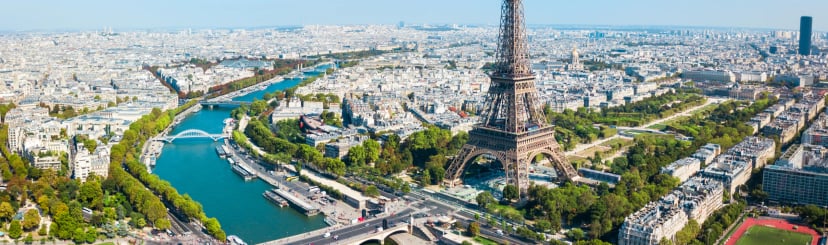
The river also has an authority signal that matters without becoming the point of the day. The UNESCO World Heritage Centre (https://whc.unesco.org/en/list/600/) lists Paris, Banks of the Seine as a property shaped by architectural and urban landmarks from Notre-Dame and Sainte-Chapelle to the Louvre, Invalides and the Eiffel Tower. That does not mean every traveler should add a cruise. It means the river is not scenic filler when it is used to connect the actual Paris you are already seeing.
Use the Seine as a hinge, not as a sightseeing add-on
The best use of a Seine hour is to change the rhythm of a day without changing the ambition of the trip. A comfort-first traveler does not need fewer serious experiences; they need fewer badly placed experiences. Paris punishes the difference. A morning Louvre session, a polished lunch, a few boutique stops and a dinner reservation can all be excellent in isolation, yet still produce a flat evening if the spaces between them are handled like errands.
The Seine helps because it asks for almost no interpretation from the traveler. After the Louvre, everyone has already been looking hard: at scale, detail, crowds, directions, labels, security points and room-to-room movement. After shopping, everyone has already been choosing hard: sizes, fabrics, gifts, tax forms, fittings, transfers and the delicate group politics of who is done before whom. The river hour is valuable because it removes decisions. It lets the day keep moving while the traveler stops managing it.
The mistake is treating the river as a reward that comes after every other ambition has been satisfied. By then, it can feel like a polite obligation. A couple sits down tired, a family negotiates bags and patience, a small group starts thinking about how far dinner is from the pier. The same view that could have refreshed the afternoon becomes another scheduled unit to complete. The placement changes the outcome more than the view does.
That is why the river should often replace the “just one more” stop. If the choice is between a fourth indoor visit and a well-placed Seine hour before dinner, the river usually wins for couples, food-and-wine travelers and comfort-first visitors who are not in Paris for an academic art sprint. If the choice is between a necessary specialist museum and a generic cruise slotted at the wrong time, the museum wins. The point is not that the river is always better; it is that the river is the rare Paris move that can carry the day forward while reducing friction.
The one-hour Seine decision ladder
Choose the Seine hour only after deciding what job it must perform. The ladder below is the cleanest way to decide whether it belongs, where it belongs and what it should replace.
- Replace the extra museum hour. Use the Seine when the next interior would add fatigue faster than meaning, especially after a focused Louvre visit or another dense collection.
- Recover after shopping. Place the river after Avenue Montaigne, rue Saint-Honoré, Le Marais or Left Bank boutique time when the group needs motion without more decisions.
- Bridge Right Bank and Left Bank energy. Let the Seine connect a Right Bank cultural block with a Left Bank dinner or vice versa, instead of sending everyone through a transfer corridor.
- Anchor the route when crossings dominate. Make the river the spine when the day already includes the Louvre, Île de la Cité, Musée d’Orsay, Saint-Germain or the Eiffel Tower corridor.
- Skip it when it bloats the plan. Leave the river out if the day is already compact, calm and close to dinner, or if the hour would create a new pickup, drop-off or late return problem.
This ladder is deliberately practical. It does not ask whether the Seine is beautiful, famous or romantic. Those answers are already known and not enough. The better question is whether the river hour prevents the most common premium Paris mistake: using money and access to make the day bigger when what the traveler actually needs is a more intelligent pause.
The first rung is the most important. Paris has enough museums to seduce a good planner into over-design. Louvre, Musée d’Orsay, Rodin, Orangerie and smaller specialist stops can all be worthy, but the body does not process cultural worth in a straight line. After a certain point, the marginal hour inside becomes slower, quieter and less memorable. A short river interval can make the earlier museum visit more successful because it gives the brain space to keep it, rather than smothering it under another set of rooms.
The fifth rung is equally important. A Seine segment is unnecessary when your day is already naturally river-adjacent and not tiring: for example, a compact Saint-Germain morning, a gentle Pont Neuf crossing, dinner nearby and no shopping bags or museum exit pressure. In that case, do not add a formal river experience just because Paris itineraries often include one. The city will give you the Seine in smaller doses if the route is already built well.
When a river hour beats another museum in Paris
A river hour beats another museum when the first museum has already done the intellectual work of the day. This is especially true after the Louvre. The Louvre is not only a museum; it is a palace-scale navigation exercise. Even a beautifully guided visit asks guests to walk, orient, stand, look upward, move through thresholds and absorb rooms whose proportions were never designed for modern stamina. Adding another collection immediately after it often creates cultural blur rather than cultural depth.
That does not mean the Louvre should be softened or rushed. It means the visit should be decisive. A private Louvre plan can concentrate the route, control the interpretive arc and leave the museum before the group’s attention begins to fray. If the museum itself is the main concern, start with Orange Donut Tours’ guide to a curated Louvre day and then decide whether the river is the next best move. For many travelers, the best sequence is not Louvre plus more museum. It is Louvre, river, dinner.
The river earns that placement because it changes the kind of attention required. In a gallery, the traveler’s attention is vertical and precise: paintings, sculpture, ceilings, labels, guide commentary, other visitors, the next room. Along the Seine, attention becomes horizontal. The eye follows bridges, banks, façades and sky. That difference matters. It lets the same cultural day keep its sophistication without demanding the same mental posture for another hour.
The counterintuitive correction is that the most polished choice is not always the most cultural one. A second museum can be overvalued when it is chosen to prove seriousness rather than to serve the traveler. If you are an art historian, collector or repeat visitor with a narrow focus, the second museum may be the right call. If you are a couple with dinner ahead, a family managing mixed stamina or a small group trying to keep the evening convivial, the Seine often preserves more of the day than another timed entrance.
There is also a dinner consequence. A demanding restaurant reservation does not begin when you sit down; it begins in the hour before, when the group either regains composure or arrives carrying the fatigue of the afternoon. A river interval before dinner gives travelers a way to stay together without producing more opinions. That is why it can be stronger than a café stop in the wrong place. A café can help if it is close, calm and unforced. A crowded café chosen under pressure near rue de Rivoli can become another negotiation.
For couples, the mood-preserving decision is to stop turning the late afternoon into a performance of achievement. The mood-killing mistake is to leave the Louvre, force a boutique stop, add a museum room “because it is nearby,” then expect dinner to carry the charm back. Dinner cannot always repair a day that has spent the previous two hours teaching everyone to hurry. The river is not magic. It simply prevents that particular damage when placed before the evening starts to harden.
The Louvre-to-Seine transition is the small move that changes the afternoon
The Louvre-to-Seine transition works because the route gives the day a visible exhale almost immediately. From the museum edge, the traveler can move toward Pont du Carrousel, Pont des Arts or the quays without committing to a long detour. This is a very Paris-specific advantage: the city’s most demanding museum sits close enough to the river that the shift from interior concentration to open-air movement can happen before the group has time to scatter.
Use Louvre’s official visitor map and entrance information (https://www.louvre.fr/en/visit/map-entrances-directions) when exact access points matter, especially for travelers coordinating tickets, mobility needs or a meeting point. The planning principle is evergreen, but the operational detail should always be checked for the day of travel. A good private plan does not vaguely say “after the Louvre, go to the Seine.” It decides which museum exit, which side of the river, which bridge and what the next hour is supposed to do.
That specificity has consequences. Pont des Arts is attractive when the plan wants a gentle crossing toward the Left Bank, the Institut de France or Saint-Germain. Pont du Carrousel makes sense when the next stage faces Musée d’Orsay, quai Voltaire or a Left Bank dinner. Staying on the Right Bank near quai François-Mitterrand can work when the group is moving toward Tuileries, Place de la Concorde, rue Saint-Honoré or a chauffeured pickup. None of these choices is inherently superior. Each saves or spends energy differently.
Paris acts on the body through surfaces and transitions rather than through obvious exertion. Museum stone, gallery standing, security pacing, bridge crossings, quay stairs, warm pavement, boutique fitting rooms and long transfer corridors accumulate quietly. By late afternoon, the traveler may not feel “tired” in a dramatic way; they may simply become less curious, less patient and less willing to be surprised. That is the moment when another interior can flatten the day, even if the attraction itself is excellent.
The Seine can interrupt that decline because it changes both surface and obligation. You are no longer reading a room. You are moving through a city line. You are no longer deciding which wing, which case, which purchase, which taxi or which Metro entrance. You are letting the guide or route hold the next hour. For comfort-first travelers, that is not indulgence; it is itinerary design.
This is also where a private guide earns the choice. The guide can read whether the group should cross toward the Left Bank, hold the Right Bank, step onto a boat, walk a shorter quay segment or convert the river hour into a seated transfer toward dinner. The wrong plan treats the Seine as a fixed product. The stronger plan treats it as a flexible hinge: sometimes on the water, sometimes beside it, sometimes only a carefully chosen bridge and bank sequence.
After shopping, the river belongs before decisions resume
The Seine belongs after shopping when the group has spent attention on choices and needs a calm interval before dinner decisions begin. Shopping fatigue in Paris is different from museum fatigue. It is not usually caused by walking alone. It comes from micro-decisions: whether to enter another boutique, whether a purchase is worth handling, whether a companion is still engaged, whether bags should go back to the hotel, whether there is time for one more address before the evening.
Avenue Montaigne, rue Saint-Honoré, Le Marais and the Left Bank all create different exit problems. Avenue Montaigne can leave travelers far west of the cultural center, often with the sense that a driver is the only civil next move. Rue Saint-Honoré can blur into Place Vendôme, Tuileries and the Louvre edge if the group keeps saying yes. Le Marais rewards wandering but can turn into old-street fatigue if boutique time spills too late. Left Bank shopping around Saint-Germain can feel gentle until the group realizes dinner is across the river and everyone is still carrying the afternoon.
The river hour solves only some of those problems. It is strongest when the shopping route already sits near a sensible bank or bridge. After rue Saint-Honoré, the Tuileries and Concorde edge can lead naturally toward the Seine instead of sending the group into another retail street. After Saint-Germain, a Pont Neuf or Pont des Arts connection can move the group back toward the Right Bank with less psychological drag than a hurried car call. After Le Marais, the river should be used carefully; if the best route requires too much backtracking, a shorter Île de la Cité or Pont Marie moment may be cleaner than a formal cruise.
The same logic applies to shopping-first private planning. A polished retail day is not better because it includes more addresses; it is better because the last address does not spoil the dinner. If shopping is a major part of the trip, the broader sequence in Orange Donut Tours’ white-glove Paris shopping day matters more than the number of boutiques. The Seine hour is one of the cleanest ways to keep that sequence from becoming an endurance exercise.
The city also acts on the mood here. A group that has just shopped can become slightly divided: one person satisfied, another still scanning, another ready for the hotel, another worried about being late. The river gives everyone the same task again. Look outward, move together, stop choosing. For couples, this is often more valuable than another romantic gesture. The trip mood recovers because no one has to be the person who says “enough” in the middle of a beautiful street.
That is also why the river should usually come before dinner, not after, when shopping has been heavy. After dinner, a cruise or long river walk can be elegant only if the group still wants movement and the return is simple. If dinner is the evening’s main event, the pre-dinner river hour is safer. It lowers the residue of commerce and lets the meal begin as an experience rather than a recovery operation.
When the river should be the anchor instead of filler
The river should anchor the plan when the day already needs to connect several Seine-facing pieces. It should be filler only when the day is otherwise light, close and not dependent on the river for flow. This distinction is the difference between an elegant Paris plan and a decorative one.
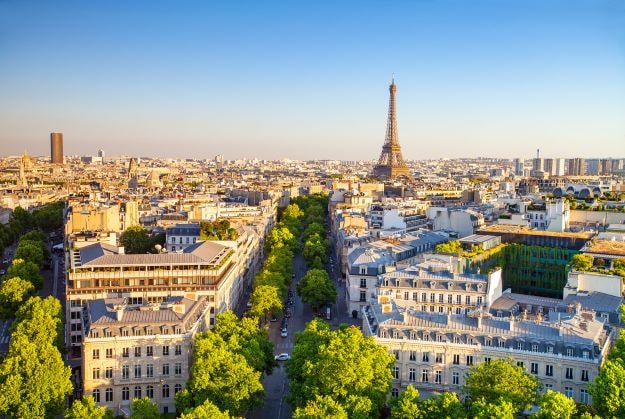
Make the Seine the anchor when the day involves the Louvre, Île de la Cité, the Left Bank, Musée d’Orsay or the Eiffel Tower corridor in any serious combination. Those places do not need to be visited as a checklist. They need to be sequenced so the traveler does not experience Paris as a set of disconnected transfers. The river gives the route a visible spine. It explains why the Right Bank and Left Bank are speaking to each other in the same day.
When the river is the anchor, the plan starts by choosing the direction of travel. A Louvre-to-Left-Bank sequence feels different from a Left-Bank-to-Right-Bank sequence. An Île de la Cité midpoint can soften the crossing if Notre-Dame, Sainte-Chapelle context or the Pont Neuf area belongs in the day. A westward river moment toward the Eiffel Tower corridor is a bigger commitment and should not be treated as a casual add-on before a dinner far away. Direction is not logistics trivia; it determines whether the hour calms the day or steals from it.
The river-as-anchor approach is close to, but narrower than, a full Seine-led first visit. If you want the river to shape the whole Paris day rather than simply hold one transition, use the broader planning logic in Paris by the Seine for a Luxury First Visit. This article is about the smaller intervention: the one hour that stops a dense day from tipping into fatigue.
The river is filler when it has no route job. A filler river segment often appears after the planner has chosen a museum, lunch, shopping, dinner and perhaps a hotel return, then notices that a Seine cruise sounds missing. That is the wrong order. If the river does not replace something, connect something or calm something, it may not deserve the hour. Paris is too strong a city to pad.
There are days when a short riverside walk is better than a boat. There are days when a boat is better than a walk because sitting down matters. There are days when neither is necessary because the view from a bridge and a well-placed dinner transfer give the traveler enough river presence. The editorial call is firm: do not add the Seine merely to make the itinerary look complete. Add it when the route becomes more humane because it is there.
Traveler-fit clusters for the Seine hour
The Seine hour suits travelers who need a change of tempo more than another attraction. The fit is strongest for couples, comfort-first visitors, culture travelers with one serious museum already planned and food-and-wine travelers who care how they arrive at dinner.
Cultural couples who want dinner to start well
Cultural couples usually benefit from a Seine hour after one dense visit, especially if dinner is a highlight. The river gives the pair a shared interval that does not require one person to keep interpreting, navigating or deciding. It also prevents the common couple mistake of confusing intensity with quality. A day can be beautifully ambitious and still leave two people too overstimulated to enjoy the meal they planned the trip around.
For this traveler, the best river hour is not necessarily the longest or most ornate. It is the one placed before conversation starts to thin. After the Louvre, a short bank sequence or private boat segment can let the morning’s art remain the intellectual center while the evening gets its own air. After shopping, the river can return the couple to the same pace before dinner. The point is chemistry, not cliché.
Comfort-first families and multigenerational groups
Families and multigenerational groups use the Seine hour best when it reduces negotiation. Children, parents and grandparents often tire at different times, which makes the late afternoon the most fragile part of a Paris day. A seated river segment can work because it gives everyone a legitimate pause without announcing that the plan has been downgraded.
The detail to watch is boarding and return friction. A boat that requires awkward timing, a long walk with bags or a dinner transfer in the wrong direction may create the very problem it was meant to solve. For these groups, a private guide should decide whether the Seine should be a boat, a short riverside stretch, a bridge sequence or simply the scenic logic behind a smoother transfer. The river’s value is not the label; it is the reduction of family friction.
Food-and-wine travelers with a serious evening ahead
Food-and-wine travelers should treat the Seine hour as pre-dinner conditioning. A tasting menu, celebratory dinner or carefully chosen wine evening is less enjoyable when the group arrives from a rushed chain of transfers. The river allows the day to keep moving while lowering the emotional speed before the table.
The best placement is usually after culture or shopping and before the hotel return, if the return is necessary, or before the restaurant transfer if dinner is nearby. The worst placement is after a late, heavy shopping block when bags, timing and distance are already unresolved. In that case, the more elegant move may be a direct hotel stop, then dinner. The Seine should not compete with the evening’s main event.
Art maximalists and repeat visitors with a narrow focus
Art maximalists may not need the Seine hour on a museum day. If the trip’s purpose is to compare collections, study a period or build a specialist sequence from the Louvre to Orsay or a smaller museum, the river can become a distraction. These travelers may prefer a shorter bridge crossing, a private car repositioning or a quiet lunch break over a formal river segment.
This is the honest wrong-fit case. The Seine is not automatically the refined choice. If the traveler’s attention deepens rather than degrades across multiple interiors, another museum may be more rewarding. But that is a narrower traveler profile than many Paris itineraries assume. Most comfort-first visitors do not need proof that they saw more; they need the day to remain available to them until dinner.
Premium choices that actually change the Seine hour
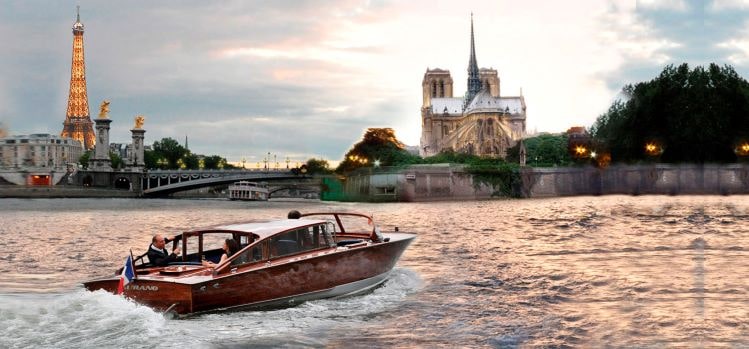
Premium spend helps when it buys timing control, privacy, a better route decision or a smoother handoff into dinner. It does not help when it is used to disguise overplanning. A private cruise can be a refined answer when the group needs a seated, controlled interval between dense stops, and Orange Donut Tours’ Boat Cruise on the Seine Private Tour can be shaped around that purpose. But paying more for the river does not make a bloated day coherent.
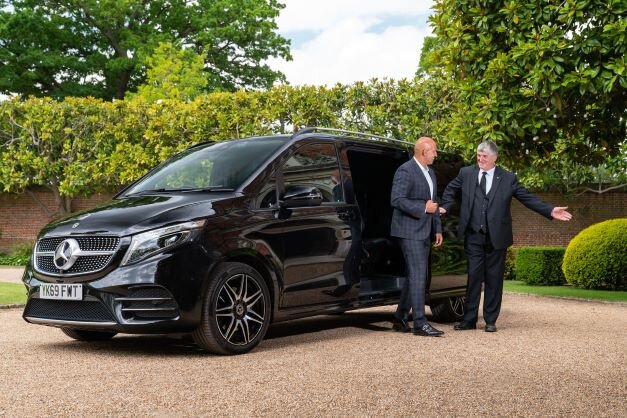
The most valuable upgrade is not always the boat itself. It may be the private guide who knows when to shorten the museum, when to move toward the quay, when to avoid a long backtrack, when to hold the Right Bank and when to cross. It may be the chauffeured handoff after the river so dinner does not inherit the group’s fatigue. It may be a meeting point that keeps older parents, children or shopping bags from turning the transition into a test.
Where premium spend does not help is equally clear. It does not compensate for a plan that includes too much Louvre, too much shopping, too little buffer and an ambitious dinner in the wrong district. It does not make a late return feel early. It does not make a westward river commitment sensible if the restaurant and hotel are both far east. The river is not a luxury bandage. It is a pacing instrument, and instruments only help when the score is playable.
The best paid version of the Seine hour is specific. It has a reason to start where it starts, a reason to end where it ends and a next step that does not feel like a scramble. The weaker paid version is symbolic: private because private sounds better, longer because longer sounds richer, more elaborate because the day feels important. For discerning travelers, restraint is often the stronger luxury.
A private itinerary can use the Seine to connect dense stops without cross-city fatigue
The most natural private-tour value is not that someone can “add a cruise.” It is that the whole day can be designed so the river hour does real work. A private itinerary can pair a focused Louvre visit with a Seine interval, decide whether the Left Bank or Right Bank should hold the next stage, manage shopping bags, account for the dinner district and prevent the group from spending the late afternoon inside transfer logistics.
That is the logistics rescue that matters in Paris. The city’s compactness is deceptive. The distance from a museum to a boutique, from a boutique to a quay, from a quay to a restaurant and from a restaurant back to the hotel can look small on a map and still feel draining when the group is dressed for dinner, carrying purchases or trying to keep a celebration mood intact. Better pacing is not slower sightseeing. It is fewer mood-breaking seams.
Orange Donut Tours can shape this kind of day as a Tailor-Made Paris Private Tour, whether the river is a walk, a private boat segment, a guide-led crossing or a seated pause before dinner. The point is to stop treating the Seine as a postcard and start using it as a planning tool. When your museum, shopping and dinner pieces are already chosen, Inquire now and ask how the river can connect them without turning the day into a transfer puzzle.
How to sequence museums, shopping, the Seine and dinner
The cleanest sequence is culture first, shopping second only if it is genuinely important, Seine third and dinner last. This order works because the most demanding attention comes early, the most decision-heavy retail block has a defined limit and the river cleans the edge before evening. It is not the only valid order, but it is the most reliable for couples and comfort-first travelers with one serious dinner ahead.
A Louvre-led version might begin with a guided museum visit, leave through the exit that best supports the next bank, use a short Seine interval to change tempo, then either pause at the hotel or move toward dinner depending on distance and dress. A shopping-led version might start with a lighter cultural stop, move into rue Saint-Honoré or Saint-Germain, send purchases back if needed, then use the river before the evening. A river-anchored version might place Île de la Cité or a bridge sequence at the center so Right Bank and Left Bank stops feel intentionally connected.
The cut-first rule is firm: if the day starts to swell, cut the least specific interior or the last boutique, not the dinner buffer. Travelers often protect attractions and sacrifice the hour that would let those attractions land. That is backwards. If dinner matters, the late-afternoon seam matters. A shorter Louvre route plus a river hour can be more successful than a longer Louvre route that leaves everyone arriving at the restaurant with museum legs and no appetite for conversation.
There are also hotel consequences. Staying in the 8th, Saint-Germain, Le Marais or near the Louvre changes the river’s usefulness. An 8th-arrondissement hotel may make a westward river plan easier but can complicate a Left Bank dinner. A Saint-Germain base can make the river feel natural after the Louvre but less necessary after a compact Left Bank afternoon. A Le Marais base may need a cleaner east-central river moment rather than a large westward commitment. The river hour should serve the stay you actually booked, not an abstract Paris map.
Finally, be honest about weather and season without overbuilding the point. Heat, rain and early darkness can all change whether the river should be a walk, a boat or a short bridge transition. Do not cling to the original format. The river is useful precisely because it has more than one form. The best private plans preserve the function even when the format changes.
FAQ
Is one hour on the Seine enough between the Louvre and dinner?
Yes, one well-placed hour is usually enough if its purpose is to change tempo after the Louvre and arrive at dinner with more composure. It should replace a low-yield extra stop, not extend an already tiring day.
Should a Seine cruise come before or after shopping in Paris?
It usually works better after shopping and before dinner, especially when boutique time has involved decisions, fittings, bags or group negotiation. The river gives everyone the same pace again before the evening begins.
When is the Seine better than another museum?
The Seine is better when the first museum has already delivered the day’s cultural depth and another interior would create fatigue or blur. A specialist art traveler may prefer the second museum; many comfort-first travelers will remember the day better with the river interval.
When should you skip a Seine segment?
Skip the Seine when the day is already compact, calm and close to dinner, or when adding the river creates a new transfer problem. A brief bridge crossing or riverside view may be enough.
Should the Seine be the anchor of the day or just a filler?
Make the Seine the anchor when the day already involves Right Bank and Left Bank movement, such as the Louvre, Île de la Cité, Saint-Germain or Musée d’Orsay. Treat it as filler only when it has no route job, and in that case consider leaving it out.
Is a private Seine cruise worth it for couples?
It can be worth it when privacy, timing and a smoother dinner handoff matter. It is not worth it if the day is overloaded and the cruise is being used as a symbolic upgrade rather than a useful pacing decision.
How does a private guide improve a Seine hour?
A private guide improves the hour by choosing the right exit, bridge, bank, boat format or transfer based on the day’s actual route. The gain is not only commentary; it is preventing the river from becoming another logistical task.
Can the Seine work without taking a boat?
Yes. A Seine reset can be a short riverside walk, a bridge sequence, a quiet crossing near Pont des Arts or Pont Neuf, or a seated boat segment. The right format depends on stamina, weather, dinner location and how much motion the group still wants.
If you’re interested in any private tours of Paris, please reach out to us.


 So if you are looking for the absolute best in Paris & surroundings with authentic local fully-licensed native guides whose English you can actually understand and with an exclusive and amazingly fun itinerary













