Older Parents in Paris: A White-Glove First Day with the Eiffel Tower, a Seine Cruise and the Right Museum

Updated
Yes: for older parents in Paris, the smoothest first day is not a proud pile of names such as Trocadéro, Eiffel Tower, Seine cruise, Louvre. It is a brief Trocadéro view or none at all, a realistic Eiffel Tower visit, a Seine cruise that boards near the tower, and the Rodin Museum as the default museum. That sequence works because Paris hides its fatigue in crossings and thresholds: the Trocadéro-to-Eiffel decision point, the slow drag of Pont d’Iéna, standing at security on the esplanade, and the difference between boarding the Seine near the tower and having to reposition to a central Right Bank embarkation can spend the group before the museum begins. The clearest exception is an art-driven family that cares more about a major collection than going up the tower; in that case, keep the Eiffel Tower exterior and move the serious museum to a different day.
In Paris, older-parent comfort is decided less by how many landmarks you book than by which side of the river you make them walk before lunch. That is the thesis of this day. The right museum is not the grandest museum. It is the museum that asks the least from tired legs after the tower and the river, while still making everyone feel that the first day truly counted.
What surprises first-time visitors is how two plans with the same three headlines can feel completely different in the body. A car can drop you at Trocadéro or by the foot of the tower, but once you commit to crossing toward the Eiffel Tower, queueing, and then boarding farther east on the Right Bank, you have quietly turned one sightseeing block into three separate walking acts. That is why this standard-looking Paris day is actually a routing problem, not a checklist problem.
Traveler-fit clusters for this exact first day:
- Best for most groups: Eiffel Tower by lift with honest expectations, near-tower Seine boarding, then the Rodin Museum.
- Best for art-forward parents: lighter Eiffel Tower ambitions, a seated river middle act, then Musée d’Orsay.
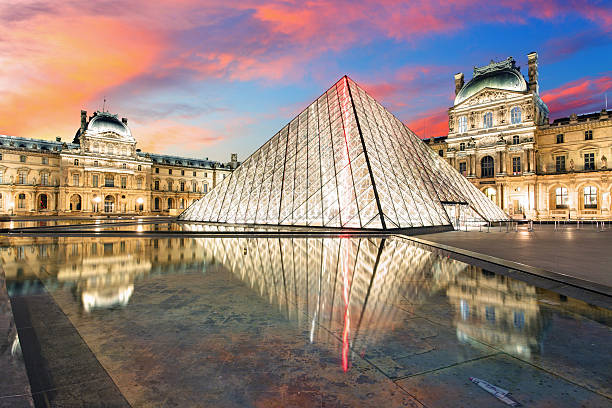
- Only for unusually resilient groups: tower, cruise, and a tightly edited Louvre visit.
The Trocadéro-to-Eiffel decision point decides the whole first day
Treat Trocadéro as a view decision, not as an automatic walk you owe yourselves.
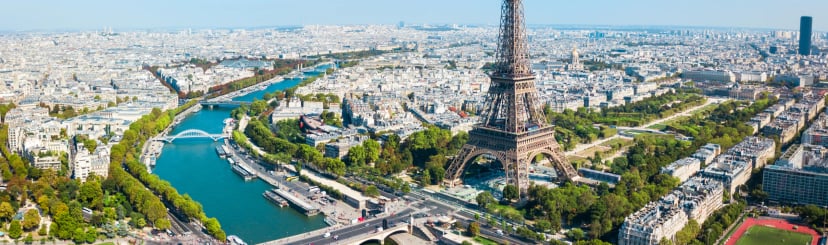
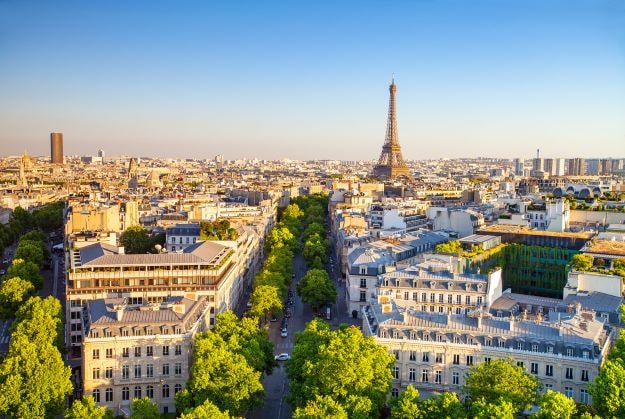
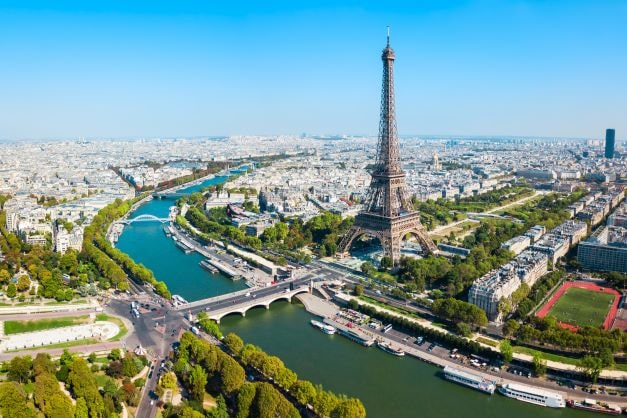
The most important judgment on this day happens before anyone enters the Eiffel Tower. From Trocadéro, the full view is superb, and first-time families naturally feel they should “do both”: admire the panorama, walk down, cross over, then go up the tower itself. With older parents, that instinct is often what breaks the day. The Trocadéro-to-Eiffel decision point is where glamour stops matching energy. If the view from Trocadéro already gives your parents the emotional payoff they wanted, you do not win anything by forcing the full descent and crossing merely because the map makes it look adjacent.
This is the counterintuitive correction many families need. Trocadéro is valuable as a viewpoint. It is overvalued as the mandatory beginning of a tower day. The moment you turn that photo stop into a full approach on foot, you add the bridge, the standing, the crowd compression, and the psychological sense that the tower has already taken effort before the actual visit starts. For a multigenerational group, that changes the tone. The adults with more stamina may barely notice. The older parent who is trying not to be the slowest person in the group notices immediately.
If the tower itself matters more than the postcard view, go straight to the tower side and keep Trocadéro short or skip it. If the postcard view matters more than height, let Trocadéro be the tower moment and spare the ascent. If both matter deeply, the right compromise is usually a photo stop at Trocadéro followed by a car transfer to the tower entrance rather than the full cross-bridge walk. That may sound indulgent, but it is actually disciplined planning. The day is about preserving the group’s useful energy for the experiences that still lie ahead.
The second key judgment is not whether to visit the Eiffel Tower but how much Eiffel Tower you truly need. For most older-parent first days, the second floor by lift is the practical sweet spot. It gives height, orientation, and the real feeling of having done the monument, without turning the visit into a longer summit commitment shaped by additional waiting and lift dependence. The summit is not wrong; it is simply the add-on most likely to steal time from the rest of the day. If one parent is nervous with heights, dislikes enclosed lift waits, or tires more from standing than from walking, the summit is usually the first thing to cut.
Put plainly: the Eiffel Tower summit, a full Seine cruise, and the Louvre are too much for most older parents on a first day in Paris. That is the icon combination people try to force because it sounds triumphant in a message home. It rarely feels triumphant by late afternoon. It feels like logistics, recovery, and quiet compromise about dinner.
The official Eiffel Tower site (https://www.toureiffel.paris/en) is the right place to confirm current timed-entry, lift, and accessibility conditions before you go. It is also where you should keep expectations honest rather than relying on old memory or hotel-concierge shorthand. Paris accessibility information is not interchangeable from one landmark to another, and the tower is a good example: the way you arrive, the way you queue, and the way you move once inside are all specific to this monument. A smooth museum later in the day does not mean the tower will feel equally easy.
This is also where a tailored guide can change the day from the start. The real value is not a polished speech about Gustave Eiffel. It is the judgment to say: we are taking the photo from Trocadéro and not crossing; or we are crossing but skipping the summit; or we are going directly to the tower because one parent will enjoy the monument more than the lead-up. That kind of decision is what makes a route feel thoughtful rather than generic. If the tower is the non-negotiable anchor, the Eiffel Tower Private Tour is the most relevant next step.
Paris rarely beats older travelers with one dramatic hill. It does it with accumulations: a long bridge crossing where there is no natural pause exactly when you want one, security lanes that move in stop-start bursts, the shift from curb to esplanade, and then the mental effort of choosing whether the day still has room for more. Around the Eiffel Tower, none of that looks enormous on a map. All of it lands in calves, lower backs, and balance. That is why this guide keeps returning to small route choices. In Paris, small route choices are what the body remembers.
There is one more honest counterpoint to make early. If your parents do not enjoy controlled queues, metal detectors, or feeling shepherded through a major monument, a full tower ascent may not be the white-glove choice at all. In that situation, a Trocadéro view, a near-tower river cruise, and a museum that lets them sit, stroll, and stop on their own terms is often the more generous first day. The point is not to maximize bragging rights. It is to give everyone a day they would happily repeat.
Near-tower boarding versus central Right Bank embarkation changes whether the day feels graceful or exhausting
If the Eiffel Tower is a real visit, board the Seine near the tower; central Right Bank embarkation usually wins only when your hotel is near the 8th and the tower is being treated lightly.
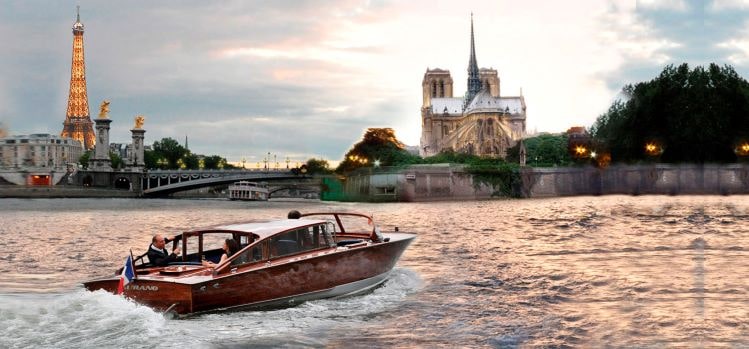
This is the boarding threshold that changes everything. A near-tower embarkation such as Port de la Bourdonnais keeps the day in one piece. A central Right Bank embarkation such as Port de la Conférence by Pont de l’Alma can be elegant in the right circumstances, but it becomes a hidden burden if you have already spent energy on the tower side. The boats are not the issue. The transitions are.
Port de la Bourdonnais works because it respects the natural rhythm of an older-parent first day. You do the hardest standing and security work first at the tower, you sit on the river second, and you decide about the museum after the group has had a genuine seated interval. One major operator’s Port de la Bourdonnais practical info (https://www.bateauxparisiens.com/en/practical-info.html) is useful not because you need that exact cruise, but because it makes the geography plain: this pier sits right where a tower day wants the river to begin.
That seated middle act matters more than families assume. After the Eiffel Tower, the Seine is not just another sight. It is recovery that still feels like sightseeing. It cools the pace, gets everyone off their feet, and restores the sense that Paris is unfolding rather than being pursued. When the boat boards nearby, the cruise feels like a reward. When the boat requires another transfer first, it starts to feel like another piece of admin.
Central Right Bank embarkation has its place. If you are staying in the 8th, especially around George V, Avenue Montaigne, or the Alma side of the district, boarding near Pont de l’Alma can make sense. It can also make sense if your “Eiffel Tower” is really a Trocadéro view plus an exterior stop rather than a full ascent. In that version of the day, you are not spending tower energy and then paying for another repositioning. You are using the right-bank pier because it fits the hotel and preserves the option of returning west without an extra backtrack.
What does not work well is the proud hybrid: Trocadéro panorama, full walk to the Eiffel Tower, full tower visit, then transfer east to a central Right Bank pier because it sounds more polished or because another operator looks more elegant on paper. That is the moment the day begins to split into disconnected chapters. A seated cruise cannot fully repair the feeling of having already used too much of the legs before boarding.
Drop-offs matter here too, but not in the way people often imagine. The right drop-off can shorten the ugly part of a day: the unnecessary curb-to-bridge-to-quay sequences, the “we are almost there” walk that is never almost over, the awkward need to keep up with fitter relatives. What a drop-off cannot do is turn the wrong pier into the right pier. If your tower time ends on the tower side, the best drop-off in Paris still does not make a later right-bank embarkation feel native to the route.
Rest windows are equally powerful. The groups that enjoy this day are not the ones that keep moving because the map is compact. They are the ones that place one deliberate seated pause between chapters. That pause might be a quiet lunch, a coffee indoors, or even twenty calm minutes in a hotel lounge if your base is close enough. The mistake is treating the cruise itself as the only rest. Older travelers often need one pause before the boat and another decision point after it. A route that allows that is a better route, even if it checks fewer boxes.
The mood consequence is real. Paris changes mood faster than families expect. When the river cruise comes after a rushed cross-city transfer, it feels like more logistics. When it comes after the tower from a nearby quay, it feels like the day has finally exhaled. That difference decides whether the museum afterward feels possible or punitive, and whether the evening begins with appetite or with negotiations about whether anyone wants to go back out.
For that reason, a good default sequence is tower first, river second, museum third. The tower has the least forgiving energy curve, the river is your seated reset, and the museum should receive only the energy that genuinely remains. If the river is the emotional priority and the tower is secondary, you can invert that logic from a hotel in the 8th. But that is the exception case, not the main rule.
The practical value of a tailored river plan is that someone is thinking about pier geography rather than simply booking the prettiest brochure. If the cruise is central to your day, the Seine cruise tour page is the logical companion to the tower decision, because the exact embarkation point is what turns the middle of the day from smooth to tiring.
Which museum is best for older parents in Paris after the Eiffel Tower and a Seine cruise?
The Rodin Museum is the museum that keeps the day intact.
That answer is not based on which museum is “best” in the abstract. It is based on what happens to real people after the Eiffel Tower and the Seine. By that stage, older parents do not need the grandest collection in Paris. They need a museum whose scale, seating logic, exits, and emotional rhythm do not punish a late-running day. That is why the right museum after the tower and the river is usually not the Louvre. It is usually the Rodin Museum, with Musée d’Orsay as the thoughtful second choice and the Louvre reserved for a narrower type of group.
The museum fit, in one glance:
- Rodin Museum: best default after the tower and the Seine, especially when one parent needs benches, garden breaks, or a shorter attention span.
- Musée d’Orsay: best when the group cares deeply about art but still needs a museum that can be edited without feeling incomplete.
- Louvre: right only when the tower has been reduced and the museum visit is planned as a selective strike, not a heroic sweep.
Rodin Museum: the museum that feels generous after a tiring morning
The Rodin Museum wins because it asks for less and gives back quickly. The setting at Hôtel Biron on Rue de Varenne has something the other big museum choices do not: relief built into the experience. The garden is not just pretty. It changes the pace of the body. You can see major works, sit outside, return indoors, and still feel that you had a serious museum experience rather than a compromise museum.
That matters enormously after the tower and the Seine. Families often underestimate how much easier it is to enjoy sculpture when there is sky, air, and a place to pause between rooms. One parent can sit without feeling exiled from the visit. Another can take a slightly longer loop and rejoin. Nobody feels trapped inside a giant cultural obligation after their energy has already been taxed.
The practical side is equally strong. The Rodin Museum accessibility page (https://www.musee-rodin.fr/en/plan-your-visit/plan-your-visit/accessibility) notes ramps, accessible garden and café areas, and wheelchairs available from the cloakroom. Those details matter here because they match the museum’s real advantage: it is a serious cultural stop that still lets the day breathe. The Rodin Museum is especially strong if you are based on the Left Bank or near Invalides, because the transfer after the cruise stays short and psychologically simple.
Rodin is also the most forgiving museum if the river has run long, the tower took more than expected, or one parent needs to sit before deciding whether to continue. You can do forty-five minutes here and leave satisfied. You can do ninety minutes and still arrive at dinner in good humor. That is rare in Paris museums, and it is exactly why the Rodin Museum is the default answer for this title.
Who should avoid Rodin? Not people with older parents. People whose day-one priority is specifically Impressionism or the sense of having “done a big Paris museum.” If that is the emotional goal, Rodin can feel too edited. But if the goal is a first day that still has grace by late afternoon, Rodin is the sharpest call in the city.
Musée d’Orsay: the art-forward compromise when the group still has appetite for one more structured interior visit
Musée d’Orsay is the right second choice when art matters enough that Rodin feels too light, but the Louvre would tip the group into depletion. Orsay is still a major museum, but it is easier to understand and easier to cap. Families can decide in advance that they are going for one floor, one band of time, one set of artists, and one clean exit. That simple promise is what makes Orsay workable after the river.
Its location on the Left Bank also helps, particularly for travelers staying around Saint-Germain, Rue du Bac, or the Invalides side of the 7th. If the cruise ends and the group still feels curious, Orsay is the museum that can absorb that curiosity without demanding a whole second wind. It is the best choice for parents who truly care about art history but do not want the museum to become the day’s dominant physical task.
There is, however, a trap. Orsay often encourages families to keep going once they are done. The river is nearby, the Tuileries seem close, and the Solférino footbridge starts looking like a casual extension. For older parents, that is exactly where a well-judged museum choice can become a fourth act nobody needed. The right Orsay visit after the tower and the Seine is not followed by “while we’re here” wandering. It ends cleanly.
If you choose Orsay, keep the Eiffel Tower lighter than you would for Rodin. That can mean second floor rather than summit, or even a Trocadéro-and-exterior version of the tower. Orsay is not the wrong answer. It is the answer that requires more discipline about everything that came before it. Families who want the museum to be memorable rather than merely survivable should think about that trade carefully.
Louvre: only when the museum is the true priority and the tower has been demoted
The Louvre is not the best museum after the Eiffel Tower and a Seine cruise for older parents. It is the most famous museum, which is different. Its challenge is not just scale. It is decision fatigue. By the time you arrive, you are not simply looking at art. You are navigating thresholds, acoustics, security, escalators, choices about where to start, and the quiet pressure of being in a place everyone thinks they should maximize.
Even smart arrival tactics do not change the basic fact that the Louvre is big in a way that reaches inside the body. A drop near the Carrousel side or Rue de Rivoli is useful, but once you are inside, the museum still asks for more transitions than a tired first day usually wants to give. That is why families who insist on “tower, cruise, Louvre” so often end up experiencing the Louvre as a place they endured rather than absorbed.
The Louvre can still be the right answer in one narrower situation: your parents care deeply about the Louvre, your group tolerates long cultural days well, and the tower has already been reduced to a view, an exterior stop, or a very concise visit. In that version, the museum is no longer the third heavy act. It is the day’s real center. That is a coherent plan. What is not coherent is treating the Louvre as the decorative finish on top of a full tower-and-river day.
If you know that one parent will leave Paris disappointed without the Louvre, separate the emotional truth from the first-day fantasy. Either move the Louvre to a dedicated museum day, or make the Eiffel Tower symbolic rather than exhaustive. For a deeper museum-only comparison, the deeper Louvre-Orsay-Rodin comparison is the right companion read.
Left Bank, Right Bank or near the 8th: your hotel base changes the route more than the headline sights do
For this exact day, the Left Bank is easiest, the 8th is viable with the right pier, and an eastern Right Bank base is the one most likely to add hidden fatigue.
Travelers often talk about Paris hotel districts as if they were just style choices. For an older-parent first day built around the Eiffel Tower, the Seine, and one museum, they are routing choices. The same three attractions produce different days depending on whether your room is on the Left Bank, on the Right Bank, or near the 8th. This is one of the reasons the article cannot be solved by generic senior-travel advice. Paris does not distribute its famous places neutrally across the map.
Left Bank: the easiest version of this day
If you are staying around Saint-Germain, Rue du Bac, the Invalides side of the 7th, or another Left Bank base west of the Musée d’Orsay, this day is at its cleanest. The tower is reasonably placed, near-tower embarkation feels native to the route, and the two best post-cruise museums for this exact title, Rodin and Orsay, both sit on the side of the river where your day already wants to end.
The Left Bank advantage is not that it is prettier or calmer in the abstract. It is that you do not spend the afternoon correcting your own map. After the tower and river, a short transfer to Rue de Varenne or Orsay feels plausible. A return to the hotel for a brief pause may even be plausible if needed. That keeps the day in two districts instead of three. Older parents feel that immediately, even if they never describe it in those terms.
This is especially true if one parent benefits from a room pause before dinner. On the Left Bank, a short break can be restorative without becoming a whole second transport operation. On a short Paris stay, that is a major advantage. If you are still choosing between districts, the where to stay in Paris guide is the best related planning piece, because where you sleep quietly determines whether this day feels composed or stitched together.
Near the 8th: better than people think, if you stop forcing the full Trocadéro script
The 8th is the district many travelers underrate for an older-parent first day because they assume a tower day should automatically start on the tower side of the river and unfold on foot. In fact, the 8th can work well if you treat the day as a sequence of controlled transfers rather than a romantic march. A hotel near Alma, George V, or Avenue Montaigne can pair sensibly with a lighter tower visit, a right-bank embarkation near Pont de l’Alma, and either a short museum or no museum at all if the group wants to preserve the evening.
What does not work from the 8th is paying for an elegant hotel and then immediately forcing the most labor-intensive river crossing logic in the city because the postcard angle at Trocadéro seems mandatory. That is the 8th’s common planning mistake. The district itself is not the problem. The problem is using an 8th-arrondissement base while pretending you are staying in a tower-adjacent Left Bank pocket. When you plan the 8th according to its actual geography, it can deliver a polished day. When you ignore that geography, it becomes an expensive way to create unnecessary transfers.
For an older-parent first day, the 8th is often best used for one of two versions: a tower exterior or concise tower visit paired with a right-bank cruise embarkation, or a fuller tower day paired with a deliberate decision to skip the museum. Trying to wring all three headline experiences from an 8th base is possible, but it is rarely the best use of the district’s strengths.
Right Bank: beautiful, but not neutral
The Right Bank is not one thing, but for this guide the practical issue is simple: once you move east of the western riverfront, the Eiffel Tower day becomes more of a haul. A base around Opéra, the Louvre side, or especially Le Marais can still be wonderful for the overall trip, but it is not the cleanest launch point for a first day built around the tower. You are spending the start of the day pushing west, then deciding whether to push back east tired, or to stop short and return without the museum you thought you wanted.
That does not make the Right Bank wrong. It just means the sequence needs to change. From an eastern Right Bank base, the most forgiving version of this day is often tower plus cruise with the museum dropped, or tower kept light with the museum treated as a separate priority elsewhere in the stay. The families who suffer from a Right Bank base are the ones who insist that every day in Paris should be able to absorb one western monument, one river experience, and one major museum without consequence. Paris is not built that way.
Do not assume that all Paris accessibility or mobility decisions scale across the city. A hotel with perfect car access on the Right Bank does not make the tower campus feel smaller. A quick morning drive west does not make the afternoon return any less tired. These are different kinds of movement. One is vehicular convenience. The other is monument fatigue. Mixing them up is how families overpromise day one.
This is also why many first-time groups with older parents do better by dedicating the western side of Paris to one coherent day. Tower, river, and the right museum is already a full western-Paris idea. Once you start bolting on extra eastern errands because the hotel happens to be there, the day stops feeling like Paris and starts feeling like administration.
What to cut first, and where paying more really helps
Pay for judgment and route control, not for the fantasy that Paris can be made frictionless.
The first thing to cut when this day starts getting heavy is usually the Eiffel Tower summit. The second thing to cut is the museum moving from Rodin to Orsay or from Orsay to nothing. The last thing to cut should be the seated river if the cruise pier fits the day well, because that middle act is what turns a demanding first day into a tolerable one. Families often cut the wrong thing. They preserve the proudest headline and lose the element that was actually making the route humane.
There is also one spend judgment that deserves to be blunt. Paying for a private car still does not remove the key on-site walking burden at the Eiffel Tower and around the Trocadéro-to-Eiffel decision point.
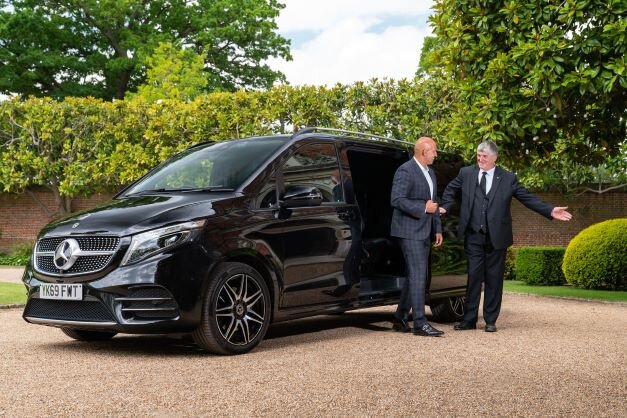
That sentence matters because Paris sells the illusion that the right vehicle solves everything. It does not. A car helps between districts, in bad weather, with older parents who should not be asked to change transport modes, and when hotel-to-pier or museum-to-hotel transfers would otherwise waste morale. A car also helps you make honest choices quickly: view only, tower entrance directly, Port de la Bourdonnais, Rue de Varenne, back to hotel. But once you are at the tower, the esplanade is still the esplanade. Once you are inside a museum, the museum is still the museum.
Where private spend does earn its keep is in the decisions that keep the day from becoming a string of avoidable small hardships. A strong guide or planner notices that one parent is fading before they announce it. They cut the summit before pride gets involved. They know that Pont d’Iéna and a later eastbound pier is not a minor addition but a second walking chapter. They know that Rodin is not a lesser choice here but the more intelligent choice. They know when to return to the hotel before dinner instead of pretending there is appetite for one more riverbank stroll.
This is also where a tailored private day becomes commercially rational rather than vaguely indulgent. When one parent wants the Eiffel Tower, another wants fewer crossings, the boat only works from the right pier, and the museum depends on what happened at the tower, you are no longer buying “more Paris.” You are buying a route that matches the actual people in your group. That is why this planning problem frequently triggers private guiding earlier than food or shopping planning does.
If you are weighing the vehicle piece specifically, the related guide on whether a chauffeured Paris day is worth it adds the broader citywide logic. For this narrower article, the simpler takeaway is enough: spend more where it reduces wasted transfers and protects dignity; do not spend more because you think it will erase the physical reality of the Eiffel Tower campus.
And if your group needs the tower, the right Seine boarding point, the right museum, and pacing that is built around one parent’s actual stamina rather than around a template day, this is the moment to turn the route into a custom plan: Inquire now.
FAQ
Is the Louvre too much after the Eiffel Tower and a Seine cruise?
For most older parents, yes. The Louvre is too much when it arrives as the third major act on a first day. It can still work if the Eiffel Tower has been reduced to a view or a concise visit and the museum is the real priority. But if your parents want the tower to feel complete and the river to feel restorative, the Louvre usually asks for more standing, more decision-making, and more end-of-day patience than the route should demand.
Is Trocadéro worth it with older parents?
Yes, but usually as a short view rather than as a full walking commitment. Trocadéro is worth it when the group wants the classic full-tower photograph, when the weather is cooperative, and when you are disciplined about leaving once you have the view. It stops being worth it when families assume the photo must automatically be followed by the full descent and Pont d’Iéna crossing, even though the day also includes the tower, the Seine, and a museum.
Should older parents do the Eiffel Tower summit or only the second floor on day one?
The second floor is the better default on day one. It gives a real sense of height and orientation without pushing the visit into its longest version. The summit is best saved for groups who are highly motivated by the experience itself and who are not also expecting a serious museum later. If one parent is uneasy with heights, hates waiting in controlled spaces, or tires from standing more than from walking, the summit is usually the cleanest cut.
Is a Seine cruise better before or after the Eiffel Tower for older parents?
After, in most cases. The Eiffel Tower is the least forgiving part of the day, so it is better done while the group is freshest. The cruise then functions as a real seated interval rather than as a decorative extra. The main exception is a hotel in or near the 8th, combined with a lighter tower plan and a pier that fits the hotel side of the river. Even then, the cruise should still serve the day’s rhythm, not just its photo order.
Which museum is the least stressful after the tower and the river?
The Rodin Museum is usually the least stressful. Its scale is humane, the garden lets the body recover while still feeling culturally engaged, and it is easier to leave at the right moment without the sense of missing the whole point. Musée d’Orsay is the better choice for art-focused parents who still want a major collection. The Louvre is the choice that requires the most sacrifice elsewhere in the day.
Does a private car solve the fatigue problem for older parents in Paris?
No. It solves the transfer problem, which is valuable, but not the on-site walking and standing problem at the Eiffel Tower or inside large museums. That distinction matters. Families are happiest when they use a car to shorten the unglamorous moves between districts and piers, not when they expect it to make the monuments themselves physically effortless.
What if our group includes children or younger adults as well as older parents?
Then the right answer is still not to add more. It is to design one route that the slowest walker can enjoy without making younger travelers feel trapped. That usually means keeping the tower ambitions honest, preserving the seated river section, and choosing a museum with a clean exit. If your trip is truly multigenerational rather than older-parent focused, family-friendly private touring in Paris is the most relevant next planning step.
Should we skip the museum entirely on the first day?
Sometimes, yes. If your parents are arriving already tired, if the weather is hot or damp enough to make the tower harder, or if the group is emotionally set on the summit, skipping the museum is not a failure. It is often the choice that keeps Paris enjoyable after dark. A first day that ends with appetite, curiosity, and energy for dinner is usually a stronger beginning to the trip than a heroic museum stop that flattens the evening.
If you’re interested in any private tours of Paris, please reach out to us.


 So if you are looking for the absolute best in Paris & surroundings with authentic local fully-licensed native guides whose English you can actually understand and with an exclusive and amazingly fun itinerary













