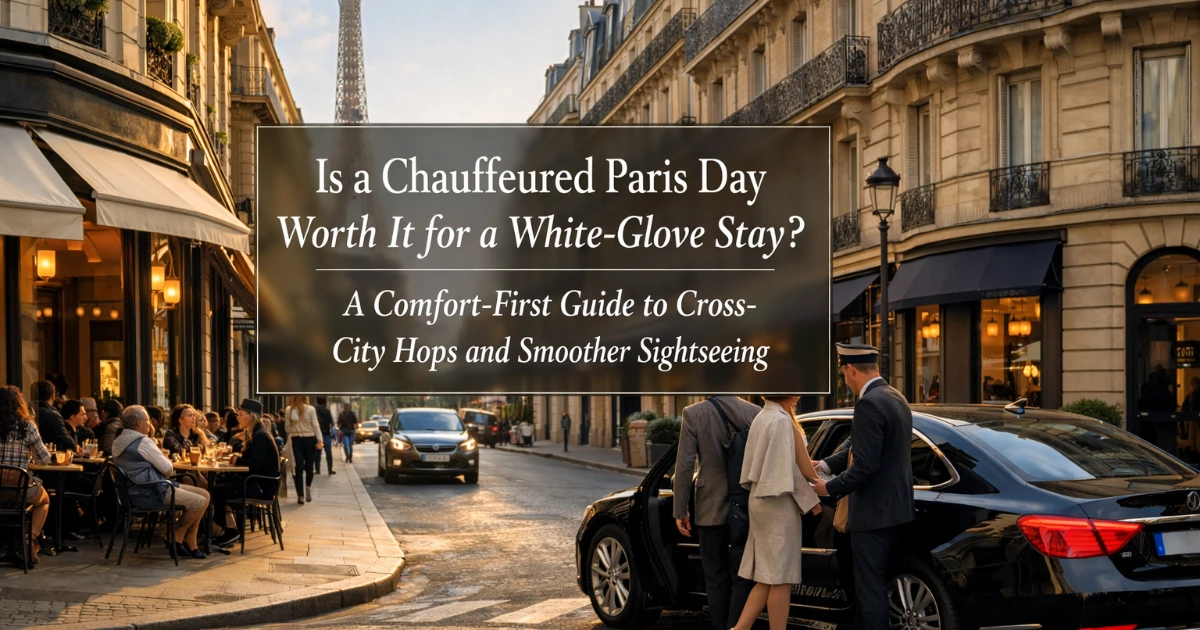
Is a Chauffeured Paris Day Worth It for a White-Glove Stay? A Comfort-First Guide to Cross-City Hops and Smoother Sightseeing
Updated
Yes—sometimes emphatically. A chauffeured Paris day is worth it when your sightseeing jumps across districts and begins with a purposeful arrival on the Trocadéro side of the Eiffel Tower, because Paris’s headline sights do not sit in one seamless stroll so much as in a series of walkable pockets separated by river crossings, timed entries, weather exposure, and repeated resets.
In Paris, the value of a car is rarely the mileage itself; it is the way a driver turns scattered, comfort-sensitive pieces into one day that still feels composed. That matters most when you care about how the trip feels between sights, not just the minutes spent at them.
A chauffeur is not the best spend for every Paris day. A simple Left Bank and Île de la Cité day in good weather usually gains more from a better guide than from a car.
In this walking core, premium transport usually does not earn its cost.
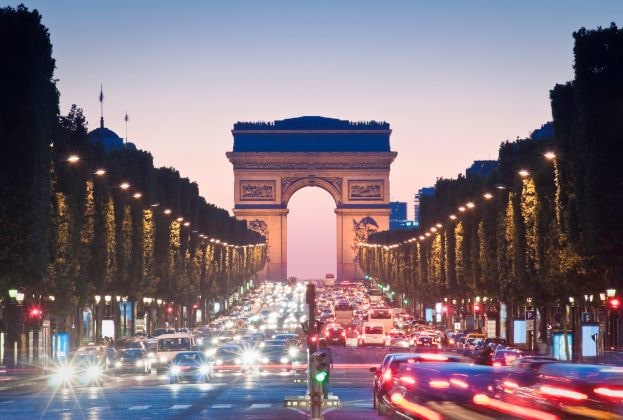
That is the correction many travelers only discover after arrival. Saint-Germain-des-Prés and the Arc de Triomphe can look close enough on a map to leave to chance, yet the central river crossings between them are exactly where a short Paris stay starts to fray: you leave one easy walking world, hit a transfer or curbside scramble, and lose the sense of one elegant day. Paris rewards a driver when the day is broad, timed, and comfort-led. It does not reward a driver for every neighborhood ramble just because the hotel is grand.
What makes a private driver in Paris worth it?
A private driver in Paris is worth it when the car is solving a real structural problem in the day, not simply making every movement more expensive. The easiest test is this: if your plan crosses distinct city zones, includes at least one timed interior visit, and would feel meaningfully calmer with hotel-to-door continuity, a chauffeur can earn the spend. If the day stays inside one continuous walking core, the car usually becomes an ornament.
- It earns its keep when the day is geographically wide. Eiffel Tower, Arc de Triomphe, a major museum, Montmartre, and a hotel-based dinner plan do not live in one comfortable walking circuit, even for fit travelers.
- It earns its keep when timing matters. A driver cannot shorten a museum visit, but a driver can make the handoff between timed entry, lunch, and a second major stop feel deliberate instead of improvised.
- It earns its keep when the hotel is part of the day. White-glove travelers often want the option to change for dinner, rest older parents, regroup children, or stow shopping rather than carry the whole trip on their shoulders.
- It does not earn its keep when Paris is already handing you a natural walking ribbon. That is especially true in the Île de la Cité and Left Bank walking core, or on a Saint-Germain-des-Prés day built around cafés, churches, river views, and one nearby cultural stop.
The important Paris-specific point is that walking and chauffeuring are not opposites. The best car day here still contains concentrated walking. What the car replaces is not the city itself, but the awkward glue between its best segments. That distinction matters because some travelers buy a chauffeur expecting permanent curbside access, then feel let down when the memorable parts of Paris still happen on foot: terraces, quays, museum galleries, narrow lanes, hilltop lookouts, and bridge views. A strong chauffeur day accepts that reality and uses the vehicle for the long joins rather than the poetic bits.
This is also why your hotel base changes the calculation. A stay in the 8th, near the Champs-Élysées axis, can make Right Bank icon-hopping feel simpler, while a Left Bank address near Saint-Germain-des-Prés or the Seine makes some walking days feel almost self-explanatory. If you are still deciding how your base affects transport logic, start with where you stay in Paris, because the wrong assumption is often not about the city at large but about how your own hotel location changes the day’s first and last link.
The clearest wrong assumption, especially among comfort-first visitors, is that a higher spend automatically produces a better Paris day. It does not. The most overvalued version of Paris comfort is paying for a car on an already walkable Left Bank day. If your itinerary is compact, pleasant to walk, and mostly about context rather than coverage, the better upgrade is usually a stronger guide, better timed entry, or a gentler day shape. The car wins only when it removes actual drag: wet-weather exposure, hard transfers, cross-city interruptions, late-day fatigue, or the nuisance of moving people and belongings through several distinct zones.
That is the article’s main thesis in one line: in Paris, a chauffeur is most valuable when the day behaves like three neighborhoods and one hotel, and least valuable when the day behaves like one neighborhood and a long walk.
The Paris day shapes that genuinely justify door-to-door transport
The strongest reason to book a chauffeured Paris day is not status. It is that some day shapes are inherently scattered, and Paris becomes better when those scattered pieces are stitched together with intention. Below, the best use cases are arranged from strongest to weakest, because not every comfort-first day deserves the same level of support.
Highest-value fit: a wide-icon day anchored by the Eiffel Tower
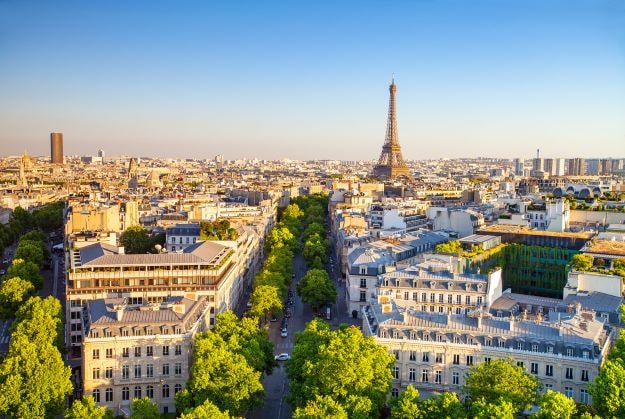
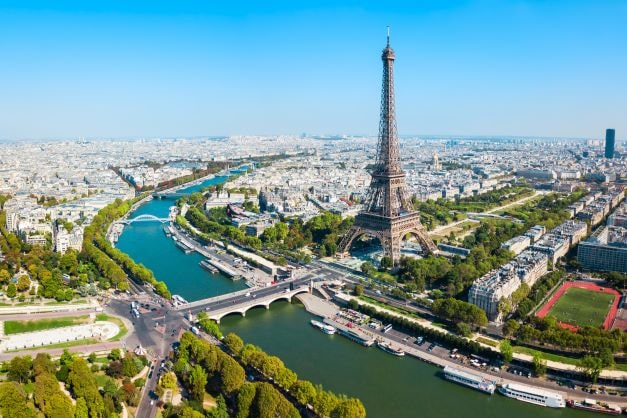
This is the clearest Paris city day that earns a car. If you want the Trocadéro side of the Eiffel Tower first, followed by another headline zone such as the Arc de Triomphe, the 8th, a cruise embarkation, or a museum on the opposite side of the center, door-to-door transport changes the tone of the day in ways that walking and ad hoc taxis rarely do.
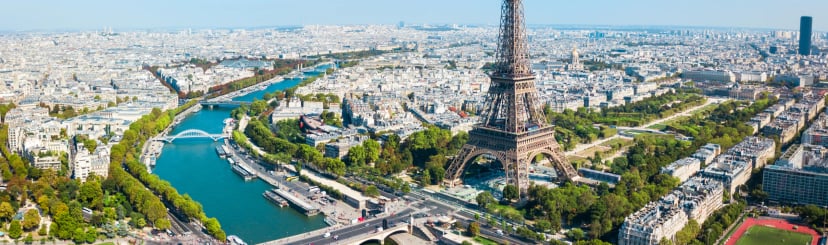
The Trocadéro side of the Eiffel Tower matters because arrival position changes the morning. Coming in on that side gives you the grand first view immediately, while energy, clothing, and hair still look the way you hoped they would in photos. It also lets you decide whether to linger on the terrace, descend toward the tower, or treat the stop as a clean scenic reveal before moving on. Approaching from a less intentional side can still be lovely, but it often turns the first encounter into a navigation exercise rather than a composed beginning. That is the sort of detail comfort-first travelers feel more than they always anticipate.
Once the Eiffel area is paired with another zone, the value becomes even clearer. A first-time couple staying on the Left Bank might want the Trocadéro perspective in the morning, a later pass through the Arc de Triomphe area, and dinner back near the hotel. A celebration traveler may want the same icon pairing but with time to return and change before evening. A small family might want a photo-forward Eiffel stop, one more sight, and no wrestling with strollers, snack bags, or wet coats in between. In each case, the driver is not just moving bodies; the driver is protecting the rhythm of the day.
The car does not, however, need to shadow every step. The right version of this day is to arrive well, walk the meaningful stretch, then be collected for the next substantial jump. If you are also planning inside access or need to confirm current operational details, check the official Eiffel Tower site (https://www.toureiffel.paris/en) before you go. If the tower itself is a major focus rather than one piece in a larger city sweep, an Eiffel Tower private tour is usually the stronger complement than trying to improvise the stop inside a generic chauffeur day.
The firm editorial call here is simple: for first-timers who want both the Trocadéro side of the Eiffel Tower and at least one other major Paris zone on the same day, a chauffeur is usually a better use of money than pretending the city will thread itself together gracefully.
Strong fit: one major museum plus one scattered headline sight
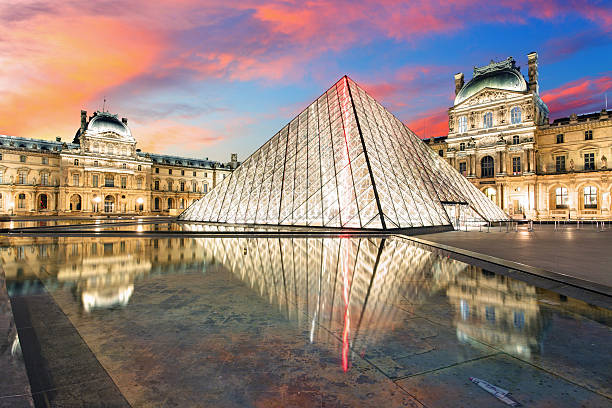
This is the second-best use case. A chauffeur becomes highly worthwhile when the day includes one demanding interior visit—most obviously the Louvre, sometimes the Musée d’Orsay—and then asks Paris for a second, geographically distinct highlight without flattening the traveler by midafternoon.
A museum-heavy morning creates a very specific kind of fatigue. It is not dramatic, but it is cumulative: standing, looking upward, filtering noise, navigating galleries, absorbing more information than you realized, then surfacing into daylight needing to decide what happens next. At that point, the city can either feel gracefully sequenced or abruptly logistical. The car is valuable because it catches the day at its wobblier moment. Instead of leaving a major museum and beginning another round of route calculations, you step into a controlled transition and arrive at the next place with some attention still left.
This is also where restraint matters. If the museum is the day, then the car is not the best upgrade. The Louvre especially can absorb a full visit shape on its own, and the smarter spend may be curation, pacing, and entry strategy rather than transport. But if the plan is “museum plus Paris view” or “museum plus a dinner district on the other side of town,” the calculus changes. The driver helps not because Paris is huge, but because the second act of the day becomes possible without the ragged feeling of starting over.
For many travelers, the sweet spot is one major museum, one open-air or scenic anchor, and one civilised meal. That can be Louvre then Trocadéro, Orsay then the Arc de Triomphe area, or a museum followed by a hotel break and evening appointment elsewhere. It stops being a good chauffeur day when you keep adding. Louvre plus Montmartre plus Eiffel plus late shopping is not a sophisticated plan; it is a list using a driver as a bandage.
If the museum is the real priority, it is worth shaping that part properly first. Start with a curated Louvre day rather than assuming transport will solve museum overload. The car is what makes the second zone humane. It is not what makes the museum itself easier.
Strong fit: family, multigenerational, or mobility-sensitive sightseeing with one built-in pause
This is the Paris chauffeur day that many travelers under-price until they do it badly once. Families, older parents, and mixed-energy groups benefit from a driver not because Paris is inaccessible in a sweeping sense, but because the city repeatedly asks the group to restart: new curb, new route, new restroom strategy, new coat decision, new decision about whether anyone can keep going.
One elegant hotel pause can make the difference between a day that feels considered and one that feels like negotiation. For a family, that might mean a late-morning Eiffel or cruise component, a return for rest or wardrobe changes, and a calmer afternoon. For older relatives, it may mean avoiding a long exposed transfer after several hours standing. For a small celebration group, it may mean carrying nothing more than what is needed for the next stop rather than living out of bags all day.
The key is to use the car for days that would otherwise force the weakest member of the party to set the limit. In those cases, a driver does not simply add polish; it changes who can enjoy the same day. That is a real travel consequence, not a luxury flourish. The wrong approach is to ask the driver to make an overpacked day painless. The right approach is to choose two, maybe three, significant beats and let the vehicle keep everyone aligned between them.
Where travelers go wrong is assuming the chauffeur should follow them into every charming corner. Paris still wants this kind of group to walk certain portions slowly. The win is not nonstop driving. The win is being able to arrive fresh, leave cleanly, and keep the conversation pleasant rather than spending energy on logistics that no one remembers fondly later.
Good fit: celebration, shopping, or dressier dining days that depend on mood
A chauffeured Paris day also earns its cost when the point of the day is not maximum sight count but a refined progression: a scenic stop, a careful lunch, perhaps some shopping or private browsing, a return to the hotel, then dinner. This is where many five-star stays either feel seamlessly indulgent or oddly clumsy. A driver can make the city feel edited rather than hectic.
This matters more than it sounds. Celebration days are fragile. They are often built around clothes, gifts, timing, photos, surprise elements, or the desire to arrive at dinner unrushed. The trip does not need one more heroic walk at 5 p.m.; it needs transitions that do not spill energy. Paris can feel shorter and more generous when those transitions are handled quietly.
At the same time, this is one of the most overvalued reasons to book a car if the geography does not support it. A champagne lunch in Saint-Germain-des-Prés followed by a long riverside stroll and dinner on the Left Bank does not suddenly become more elegant because a vehicle is waiting nearby. It becomes more elegant when the sequence is coherent. The car earns its role only if the day actually crosses enough ground, or asks enough of wardrobe and timing, to make hotel-to-door continuity matter.
Food-and-wine travelers often misjudge this calculation. Lunch in Saint-Germain-des-Prés and dinner in the 8th with a hotel change in between can justify the car beautifully; lunch and dinner that both belong to the same strolling neighborhood usually do not.
That is why I would choose a chauffeur for a celebration day that spans Trocadéro, the Arc de Triomphe area, hotel pause, and evening dinner in another district, but not for a contained Saint-Germain-des-Prés day that is already beautiful on foot.
Where cross-city car links save time versus add friction
This is the section that usually decides the purchase. In Paris, a car saves time on a few very specific links and wastes it on others. The difference is not whether the map shows distance; it is whether the transfer breaks the day’s logic.
Saint-Germain-des-Prés to Arc de Triomphe via central river crossings
This is the proof case for real chauffeur value. Saint-Germain-des-Prés can lull visitors into thinking the rest of central Paris will feel equally stitched together. It will not. Once you leave the easy Left Bank grid and aim for the Arc de Triomphe area, you are asking the day to cross the Seine and reassemble itself on a very different urban stage. Whether the route leans toward Pont de la Concorde, Invalides, or the Alma side, that middle section is where the day can become fussy.
With a driver, that hop becomes continuous: lunch finishes, bags stay where they belong, the guide keeps talking if relevant, and you step out at the next zone ready for the next scene. Without that support, the hop can feel like a reset: summon, wait, explain, cross, reorient, gather, start again. On a long trip, that may be trivial. On a short Paris stay, it is often the exact difference between feeling that you have had a full day and feeling that you spent the middle of it managing transitions.
The savings here are not only temporal. They are mental. Travel days degrade attention as much as minutes. By the time you have finished a pleasant Saint-Germain morning, the most valuable thing may be not “ten minutes faster” but “no second logistical project before the next important stop.” That is where a chauffeur becomes easy to defend.
Louvre or Tuileries to Trocadéro, Eiffel, or the western icon belt
This is another strong car link, especially after a major museum. Coming out of the Louvre or the Tuileries side of the center, heading west toward Trocadéro or the Arc de Triomphe can absolutely be done without a private driver. But it is exactly the kind of cross-city move that can feel longer in the body than it looks in the city grid, because it arrives after concentration, standing, and crowd exposure.
The advantage of a driver is that the next stop begins on arrival rather than after recovery. That matters if the Eiffel view is meant to be photogenic, if older parents are with you, if children are reaching the point where snack timing suddenly matters, or if the day has an evening endpoint that you do not want to reach already worn out. The wrong use of the car here is to load it with several extra stops just because you can. The right use is to let it carry you cleanly from the mentally demanding part of the day to the visually generous part.
Montmartre approach and exit
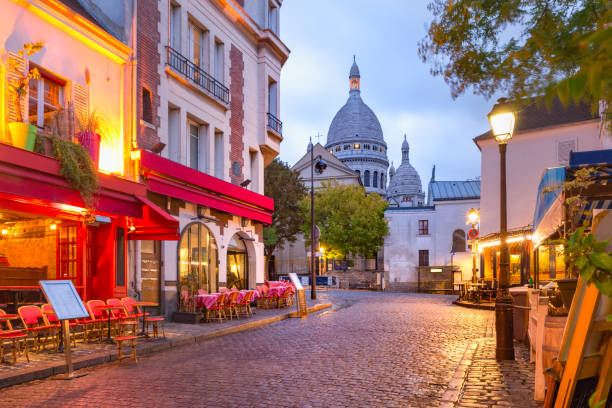
Montmartre is not a fully door-to-door chauffeur district, but it is often a very good chauffeur approach. This is another place where premium spend has to be used intelligently. The hill, the unevenness, the stop-start crowds, and the fact that the most interesting parts are still on foot mean the car cannot and should not promise magical curbside omnipotence. What it can do is spare you an unhelpful transfer before or after the hill itself.
That makes Montmartre a good add-on for travelers who want one elevated neighborhood experience without letting it consume the day. Arrive well, walk what deserves walking, then leave cleanly. The driver is especially useful as an exit strategy late in the day, when the romance of the hill is no longer more powerful than tired legs or wet weather. It is much less useful if the entire afternoon is just wandering Montmartre slowly. In that case, you are back in one-neighborhood logic, where the car is secondary.
Where the car quietly makes things worse
The most overvalued Paris chauffeur plan is the one built from too many short hops. A vehicle adds friction when the day keeps asking for tiny moves inside already walkable areas: Notre-Dame to Saint-Germain, Le Marais to the river, the river to one more café, one more church, one more shop. At that scale, rendezvous become interruptions. You stop experiencing Paris and start managing the car.
This is why chauffeur days work best as a series of big movements separated by meaningful walking segments. Think arrival, walk, collect, cross, walk, collect, finish. Do not think arrival, move 600 meters, arrive again, move 900 meters, arrive again. Paris is too textured, too pedestrian in its pleasures, and too prone to making small vehicle moves feel administratively silly.
Where not to pay more: the Île de la Cité and Left Bank walking core
If your day is built around the Île de la Cité and the Left Bank walking core, a chauffeur is usually not the best spend. That is the place in Paris where the city already gives you what a comfort-first traveler most wants: density, beauty, intelligible strolling, and a natural sequence of stops that feel related to each other.
A simple Left Bank and Île de la Cité day in good weather usually gains more from a better guide than from a car.
In this walking core, premium transport usually does not earn its cost.
This matters because many travelers assume the more prestigious the trip, the less they should walk. In Paris, that is exactly backwards in the wrong zones. Saint-Germain-des-Prés, the quays, island viewpoints, nearby churches, bookshop streets, and adjoining café territory are enjoyable precisely because they are linked by foot. The city is doing the connective work for you. Paying for a car there often means interrupting the very continuity you came to enjoy.
The same principle applies to a compact Notre-Dame, island, and Saint-Germain day. Unless there is heavy rain, significant mobility limitation, or a very deliberate dress-code reason to return to the hotel midday, the vehicle will mostly wait while you do the meaningful part on foot. That is not an elegant use of money. It is just expensive hesitation.
A chauffeur is not the best spend for every Paris day, and this is the clearest place to say so plainly. If your Paris plan lives inside one beautiful walking core, the better upgrade is usually context, access, or curation. For travelers who want that kind of classic first overview without forcing a car into it, Best of Paris is often the more rational fit.
This is also where many luxury travelers make a subtle planning error: they try to use a chauffeur to rescue a day that is actually suffering from overpacking. If you are forcing the Louvre, Île de la Cité, Saint-Germain-des-Prés, Montmartre, and a dressy dinner into one date, the car is not the cure. Cut the third major sight first. In Paris, the first thing to cut is usually the extra district that looks manageable on a map but changes the day’s entire geometry in real life.
What Paris does to the body—and to the mood of the trip
Paris wears people down less through dramatic obstacles than through accumulation. You stand longer than expected, museum galleries stretch farther than expected, bridges and river crossings reset your pace, weather can turn a transfer into a small endurance test, and even moderate slopes feel bigger after hours on your feet. By late afternoon, what looked like one more scenic jump can land like a chore.
This is why the chauffeur question is not only about minutes. It is about physical distribution. A well-used car removes the least glamorous exertion: waiting outside after a timed visit, reorienting when tired, managing coats or bags, figuring out the next hop while everyone’s attention drops. For older parents, children, or anyone carrying the residue of a long travel week, those saved fragments accumulate into something very real.
Paris also has a distinct effect on trip mood. The city can feel either cinematic or oddly administrative depending on how many transitions you have to self-manage. When the sequence is right, the day feels like one unfolding ribbon: arrive to the Trocadéro view, drift through the meaningful stretch, sit down to lunch, cross to the next act, return to the hotel calm enough to want the evening. When the sequence is wrong, Paris starts to feel like a stack of unrelated tasks connected by waiting.
That mood consequence is not sentimental fluff. It is often why couples remember one day as the day the city “clicked,” or why families remember another as the day everyone started snapping at each other. Good transport cannot create charm where none exists, but it can protect the conditions under which charm still registers. Bad transport choices, or too many transitions, can flatten even very good plans.
There is also an important negative version of this point. A badly designed chauffeur day can hurt the mood too. If the car is summoned for every small move, the day starts to feel chopped into appointments. Paris becomes a series of curbside exchanges rather than a city. That is why the right answer is not “more car.” It is “car only where the gaps are big enough to deserve it.”
How to make the car serve the day, not the other way around
The smartest chauffeured Paris days are designed around three acts at most: one purposeful opening, one substantial middle, and one clean finish. Once you ask the driver to prop up four or five unrelated ambitions, the vehicle stops feeling like a white-glove aid and starts feeling like evidence that the plan itself is unreasonable.
- Group Paris into walkable clusters, then drive between clusters. Let the car connect Saint-Germain-des-Prés to the Arc de Triomphe area, or the Louvre side of the center to Trocadéro. Do not use it for every short shuffle inside one district.
- Choose one timed interior anchor. One major museum or interior visit is enough for most city-only chauffeur days. More than that, and the day becomes entry management rather than travel.
- Use the hotel intentionally. A return to the hotel is worthwhile if it genuinely changes the afternoon or evening—rest, wardrobe, privacy, or a reset for older relatives. It is not worth it just because the hotel is lovely.
- Cut the extra district before you cut comfort. If the plan is starting to bulge, remove the furthest add-on, usually the third big zone, before you start sacrificing the calm parts that make the day enjoyable.
- Be honest about whether this is really a Paris city day or an out-of-city day. If the emotional center of the idea is Versailles or Giverny, you are no longer solving a cross-city Paris question at all.
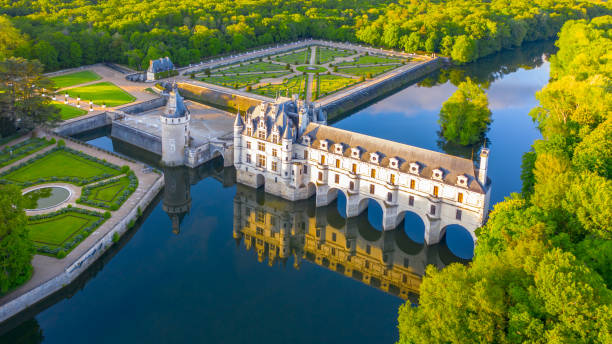
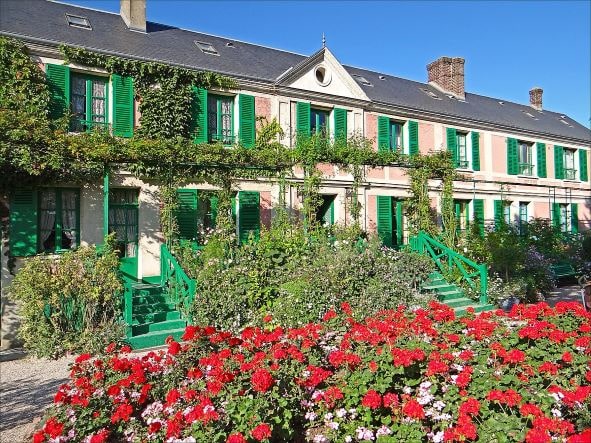
That last point is more important than it sounds. Travelers sometimes book a city chauffeur day because they want the reassurance of a private car, when what they actually want is a properly structured excursion beyond Paris. If the dream day is royal scale, gardens, or Monet’s world, treat it as such from the start. That is a separate choice, and a much clearer one. You can compare those out-of-city options in our guide to private day trips from Paris, and it is always worth confirming practical visit details on the official Versailles planning page (https://en.chateauversailles.fr/plan-your-visit) or the official Monet Foundation page (https://fondation-monet.com/en/giverny-2/) before you lock the day.
The same discipline applies inside the city. If your ideal day is wide-icon, museum-plus-scenic, family-sensitive, or celebration-led across districts, that is where tailored chauffeur planning earns its place. If your ideal day is an immersive walk through one compact Paris core, it probably does not. The difference is not taste level. It is route logic.
That is also why the best next step is not always the same page for everyone. If you already know the car-supported day shape is the right one, the cleanest match is Luxury Chauffeured Paris Private Tour. If you are still designing the bones of the day itself, sometimes the better place to begin is not transport but the itinerary logic behind it.
Once the plan in your head sounds like Trocadéro first, one other major zone, a hotel-aware rhythm, and no forced extra district, you are in the sweet spot. That is the point where private, tailor-made chauffeur support stops feeling theoretical and starts feeling genuinely useful. Inquire now
FAQ
Is a chauffeured Paris day worth it for first-time visitors?
Yes, but only for the right kind of first day. First-timers get the most value from a chauffeur when they want a broad Paris sweep that combines the Eiffel area, another major zone such as the Arc de Triomphe or a big museum, and a smoother return to the hotel or dinner. First-timers who are spending the day entirely in Saint-Germain-des-Prés, the Île de la Cité, or another compact walking core usually do not need a car to have a polished experience.
Does a private driver in Paris really save time, or mostly save energy?
Usually both, but the bigger gain is often energy. Paris loses time in the spaces between its best areas: river crossings, wait time, reorientation, and the drag that appears after a timed visit or long morning on foot. A driver can absolutely save real time on wider hops, but the more meaningful benefit for many travelers is arriving at the second act of the day with attention and patience still intact.
Is the Eiffel Tower plus Louvre a good chauffeur day?
It can be, especially if one is a timed highlight and the other is the scenic counterweight later in the day. The combination works best when the museum visit is deliberately curated rather than exhaustive, and when the car is used for the big transition rather than every small move around the center. If the Louvre is intended as a deep, almost full-day visit, the stronger spend is usually on museum pacing and guiding first, then on transport only if you truly need a second, distant zone afterward.
When is a chauffeur not worth it in Paris?
A chauffeur is usually not worth it when the day lives inside the Île de la Cité and Left Bank walking core, or any similarly compact district plan. It is also not worth it when travelers keep trying to use the car for short hops within already enjoyable walking neighborhoods. Paris is too good on foot for that. The car should be reserved for the joins between major parts of the city, not for interrupting the parts that already work beautifully without it.
Who benefits most from chauffeur support in Paris?
The travelers who benefit most are those with broad city plans and high sensitivity to friction: couples protecting a celebration day, families with children, small groups trying to keep everyone aligned, older parents, and travelers for whom the hotel is part of the day rather than just the place they sleep. In those cases, the chauffeur is not an indulgence for its own sake; it is the mechanism that keeps the day coherent across different needs and energy levels.
Can a car make Montmartre easy?
It can make Montmartre easier, but not effortless in a total sense. The vehicle helps most with the approach and the exit, especially when the hill would otherwise come at a bad time in the day. What it does not do is remove the fact that Montmartre’s appeal still lives in walking the hill, the terraces, the viewpoints, and the narrower lanes. Book it as a driver-assisted neighborhood, not as a fully curbside one.
Should I book a chauffeured Paris city day or just do Versailles or Giverny instead?
That depends on what you actually want from the date. If the emotional payoff is Paris itself—its viewpoints, river crossings, contrasting districts, and the feel of moving elegantly between them—choose the city day. If the payoff is one major out-of-city destination, then choose that destination clearly and build around it rather than treating it as an add-on. Those are different planning problems, and they deserve different pacing, expectations, and transport logic.
If you’re interested in any private tours of Paris, please reach out to us.



 So if you are looking for the absolute best in Paris & surroundings with authentic local fully-licensed native guides whose English you can actually understand and with an exclusive and amazingly fun itinerary













