Choosing a Luxury Paris Season: Garden Weeks, Museum-First Days and Versailles Timing for a Private Stay

Updated
Choose spring or early autumn for a luxury Paris stay when gardens and Versailles matter; choose winter or cool, rainy periods when the Louvre, Musée d’Orsay and controlled indoor pacing matter more. The reason is visible at the Tuileries-to-Louvre rain hinge: a garden-first day can turn from elegant to damp and heavy in one unsheltered crossing, while a museum-first day can use that same edge as a graceful pivot indoors. The exception is a trip built around deep art rather than outdoor rhythm, where a museum-led season can feel richer than a garden week if Versailles is placed on a separate, unhurried day.
There is no single best Paris season for every luxury traveler. Paris is not a month-by-month weather problem; it is a routing problem shaped by how often your plan crosses from garden gravel to museum marble, from Saint-Germain calm to Right Bank scale, and from palace-hotel comfort to Versailles distance. A private stay works best when the season decides the order of the day, not merely the jacket you pack.
That is why Orange Donut Tours treats seasonal Paris planning as a design choice rather than a weather forecast. A couple celebrating an anniversary, a family with older parents, and an art-focused first-timer may all choose Paris for the same week and still need three different private routes. For seasonal private planning, the strongest next step is often a flexible framework such as seasonal private Paris planning, because the right answer changes materially between a garden-first week, a museum-first day and a Versailles-led stay.
What is the best season for a luxury Paris private stay?
The best Paris season is the one that protects your highest-value day from the city’s most predictable friction. If gardens are the reason you are coming, spring and early autumn should sit at the top of the ladder. If museum depth is the point, winter, rainy spells and cooler shoulder periods can be excellent rather than second-best. If Versailles is central, the season should decide whether the day is palace-led, garden-led or deliberately shortened.
The practical mistake is choosing a season by postcard mood and then forcing every major sight into the same rhythm. Paris punishes that gently but persistently. The Louvre can absorb hours; the Tuileries adds exposed gravel and weather; the Seine adds river crossings and wind; Versailles adds distance, security rhythm, palace interiors, gardens and a late return. None of those elements is a problem in isolation. Together, in the wrong season and in the wrong order, they make a premium trip feel strangely mechanical.
Use this priority ladder before you choose dates, hotel base or private guide structure:
- Garden-first travelers: choose spring or early autumn when Tuileries, Luxembourg Garden, Palais-Royal, Rodin’s garden and Versailles grounds can carry real weight in the day instead of becoming decorative pauses.
- Museum-first travelers: choose cooler or wetter periods when the Louvre, Musée d’Orsay and smaller art stops can be sequenced without apologizing for being indoors.
- Versailles-led travelers: choose a season and day structure that gives Versailles its own energy budget; the palace and gardens do not reward being squeezed between a Louvre morning and a late Seine plan.
- Peak-summer travelers: accept fewer daytime crossings, earlier interiors and later riverside or terrace moments. Summer can be beautiful, but it is the least forgiving season for overstuffed daytime prestige.
The counterintuitive correction is that the most expensive hotel neighborhood is not automatically the best seasonal base. A palace-hotel address in the 8th can be superb for a Tuileries, Louvre, Avenue Montaigne or Seine-centered stay, but it can complicate repeated rainy-day starts toward Saint-Germain, Musée d’Orsay or Rodin if every morning begins with a transfer. Conversely, Saint-Germain can feel less showy and more efficient when a trip is built around Left Bank evenings, the Musée d’Orsay and compact museum-first days. The base is not only where you sleep; in Paris by season, it becomes the first routing decision of the day.
Traveler-fit cluster 1: garden-first weeks
Garden-first weeks suit travelers who want Paris to feel open-air without becoming a park itinerary. The best candidates are couples, first-time visitors with a taste for architecture and landscape, families who need outdoor resets, and celebration travelers who want the city to feel light before dinner. The season earns its cost when gardens are woven between serious cultural stops rather than treated as scenery after fatigue has already set in.
Traveler-fit cluster 2: museum-first days
Museum-first days suit art-focused visitors, comfort-first guests in rain or cold, and travelers who prefer depth over constant movement. The season works when your guide narrows the galleries, places the heaviest museum first and uses Saint-Germain, the Seine or a hotel return to keep the day from becoming a wall of interiors.
Traveler-fit cluster 3: Versailles-led stays
Versailles-led stays suit travelers who want the palace to feel like a destination, not an add-on. The season matters because the value of Versailles changes with the body’s tolerance for corridors, gardens, transfer time and the return into Paris. When Versailles is emotionally important, give it a dedicated day or cut another ambition from the plan.
Traveler-fit cluster 4: peak-summer city stays
Peak-summer city stays suit travelers who can accept stricter curation. The winning summer plan is not “do everything with a better car”; it is fewer outdoor hours at midday, a more disciplined museum route, and a Seine or neighborhood evening placed where it improves the mood rather than extends exhaustion.
Garden weeks change the whole day, not just the scenery
Spring and early autumn are the strongest seasons when your Paris stay needs gardens to carry the day’s emotional value. This does not mean spending the trip wandering between parks. It means that the outdoor sections between major cultural stops become usable, memorable and restorative instead of being the parts everyone endures before the next interior.
In Paris, gardens are often route hinges. The Tuileries can connect a palace-hotel edge near Place Vendôme or Rue de Rivoli to the Louvre; the Palais-Royal can soften a shopping or gallery day; the Luxembourg Garden can make a Saint-Germain morning feel calm before lunch; the Rodin garden can give an art day breathing room after the density of the Musée d’Orsay. In a garden-first season, those spaces do not merely photograph well. They change how long a traveler can stay curious.
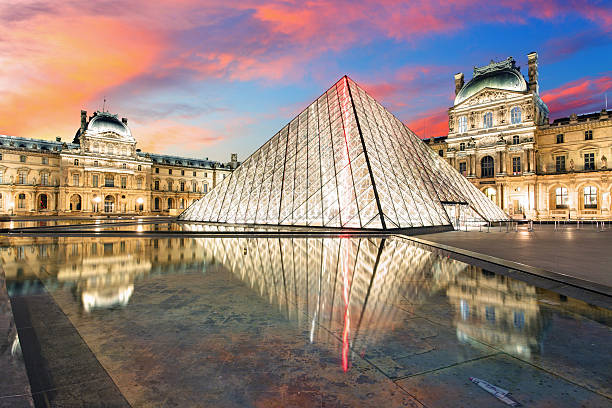
The Tuileries-to-Louvre rain hinge is the clearest example. On a dry, mild morning, walking through the Tuileries toward the Louvre can feel like an elegant reveal: gravel, clipped trees, the long axis, then the museum’s courtyards. In steady rain, the same crossing becomes heavier underfoot and more exposed, especially for families, older travelers, or guests dressed for a formal lunch later in the day. A private guide can adjust the route, but the season decides whether that adjustment feels like a graceful pivot or a rescue.
This is where a garden week differs from a generic sightseeing week. If you want the Louvre, the Seine and a garden-led Right Bank morning, spring or early autumn lets the outdoor transitions do real work. A guide can begin with context along the Tuileries, tighten the Louvre route to the galleries that matter, then use the river or Palais-Royal as a calmer exit. In the wrong weather, the same plan asks too much of the body before the art has even begun.
For celebration travelers, gardens also shape the day’s mood. A mild garden-first day keeps the pre-dinner hours from feeling like recovery time. The city feels more spacious, the evening feels earned rather than salvaged, and the group is less likely to arrive at a restaurant with the flat silence that follows too many transfers. That is a quiet but important luxury: not simply seeing more, but preserving enough appetite, conversation and ease for the part of the day you meant to enjoy most.
The cut-first rule for a garden week is simple: do not add a major museum just because it is nearby. A Tuileries, Louvre and Seine plan can be excellent, but adding Musée d’Orsay or Versailles on the same day usually turns the garden from a pleasure into a corridor. If the trip is short and the weather is favorable, use gardens to connect fewer, better-chosen stops. If the weather is unstable, keep one museum as the anchor and let the garden be optional rather than obligatory.
Private guidance adds value here because a garden week still needs discipline. Without it, travelers often drift from the Tuileries into the Louvre already tired, or spend so long outdoors that the museum becomes an afterthought. A private route can use the garden as orientation, compress the museum to the strongest rooms for your interests, and decide whether the Seine belongs that day or later in the stay. For a river-led first visit, the adjacent planning in private Seine routing can also help keep the day coherent rather than stretched across both banks.
Museum-first days work best when Saint-Germain, the Louvre and Musée d’Orsay are not competing
A museum-first Paris season is strongest when the day is designed around one primary museum and one lighter counterweight, not a race between the Louvre and Musée d’Orsay. Cooler months, rainy days and art-led trips can be deeply rewarding because they remove the guilt of going indoors; the danger is mistaking indoor comfort for unlimited stamina.
The Louvre is not just another museum stop. Its scale changes the entire day. Even with careful planning, the building asks for orientation, selective movement and mental energy. Before fixing a Louvre-led day, confirm the operational basics directly through the Louvre hours and admission page (https://www.louvre.fr/en/visit/hours-admission), then treat the visit as a curated private block rather than a container for everything famous. The value of private Louvre planning is not only access support; it is knowing what to omit so the museum feels intelligent instead of exhausting.
A rainy-day route from Saint-Germain to Musée d’Orsay is one of the cleanest museum-first rhythms in Paris. The Left Bank base keeps the morning intimate, the museum is close enough to avoid a cross-city reset, and the Seine edge gives the day a sense of place without demanding a long exposed walk. If the weather improves, Pont Royal or the riverbank can become a short transition toward the Tuileries or the Right Bank. If it worsens, the plan can remain compact around Saint-Germain, lunch and one museum rather than collapsing into taxis between ambitions.
This is also where the Louvre and Musée d’Orsay should be treated differently. The Louvre is a world-scale navigation challenge. Musée d’Orsay is more compact but still dense, especially for travelers who want Impressionism, sculpture, architecture and context rather than a quick highlight pass. Pairing both as equal headline stops can look efficient on paper because they sit across the river from each other. In practice, the crossing is not the problem; the cumulative looking is. After several hours of interpreting art, even a short transfer across the Seine can feel like another obligation rather than a delight.
For travelers deciding whether the Louvre, Musée d’Orsay or Rodin should come first, the supporting comparison in how to choose the first museum is useful because the seasonal answer often depends on mood as much as hierarchy. A winter or rain-heavy trip can lead with the Louvre and use Orsay or Rodin as a later, smaller art day. A garden-friendly spring stay may let Rodin’s interiors and garden serve as a lighter companion rather than another full museum demand.
Paris does something specific to the body on museum-first days: it combines hard floors, slow visual attention, stair and corridor decisions, security rhythms, and short but frequent outdoor exposures. Travelers often underestimate this because distances on a map look modest. The fatigue does not come only from walking; it comes from repeatedly changing modes, from guide listening to crowd navigation to weather exposure to lunch decisions. A well-paced museum-first day reduces those mode changes.
The mood consequence is equally real. A museum-first day can feel expansive if it has a clean arc: one serious museum, one good meal, one short atmospheric transition, then an evening that does not feel like compensation. It feels flat when every stop is culturally impressive but no stop has enough air around it. Luxury planning is not a promise that you will never feel tired; it is the art of deciding which fatigue is worth earning.
When Versailles belongs in the Paris plan by season and energy level
Versailles belongs in the Paris plan when it can have its own place in the energy budget, especially in garden-friendly seasons or when the palace is a central reason for the trip. It becomes the wrong choice when it is treated as a prestige add-on after a heavy Louvre morning or before an ambitious Seine evening.
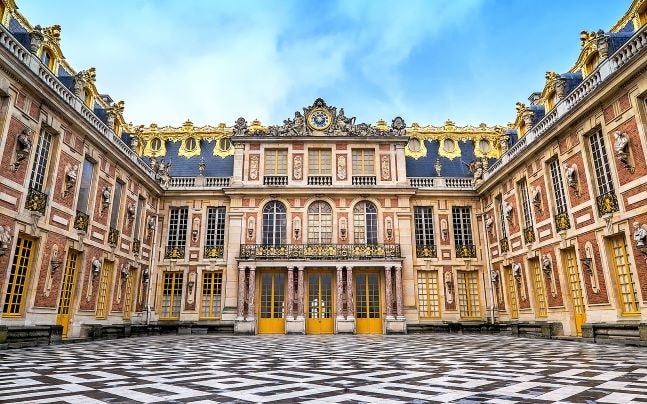
The first decision is whether Versailles is palace-led, garden-led or context-led. A palace-led visit focuses on the interiors, royal power, ceremonial rooms and the logic of court life. A garden-led visit gives more value to the grounds, scale, axes and outdoor movement. A context-led private day connects palace, gardens and selected Paris references without trying to see every possible corner. The official Versailles planning page (https://en.chateauversailles.fr/plan-your-visit) is the right place to verify practical visit information before confirming the day, but the editorial choice is larger than logistics: decide what kind of Versailles you want before you decide how much time to spend there.
Spring and early autumn usually support the richest Versailles day because the outdoor scale can feel like part of the experience rather than a test of endurance. In those seasons, Versailles can justify a dedicated private day with time for the palace, selected gardens and a return to Paris that still leaves the evening intact. The day is not effortless, but it can feel complete. It rewards travelers who want history, architecture and landscape in one controlled arc.
In winter or wet weather, Versailles can still be worthwhile, but the balance changes. The palace interiors become the stronger anchor, and the gardens should be treated more selectively. This can be a good fit for travelers who care more about royal history and ceremonial space than outdoor wandering. It is a poor fit for guests whose dream of Versailles is primarily expansive garden time, long outdoor photography and a leisurely estate mood.
Peak summer demands the clearest cuts. Premium spend does not make a peak-summer midday Louvre-and-Versailles combination feel relaxed if the route is overloaded. A private guide, reserved entry support and a chauffeur can improve coordination, context and comfort, but they cannot make the body ignore heat, palace density, garden exposure and the return journey. If Versailles matters in summer, give it the calmer portion of the day and remove another headline ambition from that same date.
The most common luxury-planning mistake is trying to make Versailles “efficient.” Efficiency is not the same as elegance. A compressed Versailles half-day can work when the palace is a selective cultural stop and the group has limited appetite for gardens. It is not the right shape for travelers who imagine Versailles as the emotional high point of the trip. For that, a private Versailles day should stand apart, with a sensible lunch plan, a realistic return and no guilt about leaving another Paris sight for a different day.
For a focused day outside the city, private Versailles day is the natural service fit. If the bigger question is whether Versailles belongs in a three-, four- or five-day stay, the planning frame in how many days to spend in Paris with Versailles helps separate trip length from seasonal timing. This article’s narrower answer is: the better the garden season, the more Versailles can expand; the harsher the weather or heat, the more Versailles should be sharpened.
Palace-hotel routing in rain and heat: the base can become the itinerary
Your hotel base changes the seasonal plan because rain and heat make every unnecessary crossing more expensive. In a mild season, a palace-hotel stay in the 8th can connect beautifully to the Tuileries, Louvre, Avenue Montaigne, Place de la Concorde and the Seine. In wet or hot conditions, the same base either needs tighter routing or a chauffeur-supported day that avoids repeatedly crossing the city for small gains.
The 8th arrondissement and palace-hotel corridor can be excellent when the plan is Right Bank-led. A morning near Faubourg Saint-Honoré, a Tuileries approach, a Louvre block, a late Seine element or a celebration evening can all sit naturally from that side of the city. The base also works well for travelers who want polish, shopping, formal dining and a sense of arrival. The problem appears when a stay is repeatedly Left Bank-led but the hotel remains chosen for prestige rather than route logic.
On a rainy museum-first day, Saint-Germain can be more useful than it looks. It puts the Musée d’Orsay, Left Bank lunches, bookshops, cafés and Rodin-style lighter art within a calmer radius. It also reduces the number of wet transfers before the day’s first meaningful experience. The traveler consequence is not only dry shoes. The day starts more gently, which matters for older parents, families with teenagers, and couples who do not want every morning to feel like a logistical briefing.
In heat, the calculus changes again. A Right Bank palace hotel can still be excellent if the day is designed with an early museum interior, a hotel return and a later river or neighborhood plan. It becomes weaker if the itinerary asks guests to cross to Saint-Germain, return to the Louvre area, continue to the Eiffel Tower side, then dress for dinner elsewhere. Chauffeuring can reduce strain between points, but it cannot make too many objectives feel serene.
The palace-hotel day described in when the 8th, the Louvre and the Seine belong together is useful when your seasonal plan is already Right Bank-heavy. It should not be used as a reason to force the 8th into every kind of Paris stay. A museum-first or Saint-Germain-led trip may be better served by a base that supports the day’s first step, not simply the trip’s most polished address.
This is where private planning earns its place. The question is not “Which hotel is best?” but “Which hotel makes the seasonal route feel natural?” A garden-first spring stay may use the 8th and Tuileries edge beautifully. A rainy museum-first stay may need Saint-Germain or a Louvre-adjacent base. A Versailles-led stay may care more about the morning departure and evening return than about proximity to any single Paris monument. The right base reduces the number of times the city asks your group to restart.
Private guidance is most valuable when the season forces a sequence change
Private guidance adds the most value in Paris when weather, crowds or energy require the day to change without making the traveler feel that the plan has failed. The benefit is not a fantasy of empty rooms or guaranteed crowd avoidance. The benefit is judgment: what to move, what to shorten, what to save for another day and what to protect because it is the reason the trip exists.
During garden-friendly weeks, a private guide keeps the outdoor beauty from swallowing the day. It is easy to linger too long in the Tuileries, Luxembourg Garden or along the Seine and then enter the Louvre with only leftover concentration. A good private plan lets the garden set the mood, then moves decisively into the cultural anchor while everyone still has energy. The pleasure of the season remains, but the day does not drift.
During museum-first periods, guidance prevents the opposite problem: overcorrecting into interiors. A rain plan should not become an endurance test of galleries. It should have a primary museum, a route that avoids dead corridors, a meal placed before attention collapses, and a short atmospheric element that reminds everyone they are in Paris rather than in a sequence of rooms. That might be a Saint-Germain walk after Musée d’Orsay, a compact Palais-Royal pause after the Louvre, or a short Seine edge if the weather opens.
During crowded or hot periods, guidance is most valuable because it creates honest limits. It can place the Louvre at the right point in the day, decide whether the Seine belongs before or after dinner, and prevent Versailles from being used as a trophy stop in an already overburdened itinerary. A private guide can also read group energy in real time: children who need movement, older parents who need fewer stairs and transfers, or celebration travelers who would rather preserve the evening than add one more famous view.
That is the logistics rescue at the heart of seasonal Paris. If your desired private stay includes a garden-first morning, a museum-first day and a Versailles-led excursion, the right plan is not one fixed itinerary with seasonal adjectives. It is a different route architecture. Orange Donut Tours can design that architecture around your season, hotel base, group profile and must-see list. Inquire now
Cut first when the season starts overloading the stay
The first thing to cut is the combination that makes the day feel impressive on paper and heavy in real time. Paris offers many elegant ways to spend more, but it also exposes the limits of buying your way out of overplanning. The smartest luxury choice is often not the most expansive version of the day; it is the version that leaves the group with attention still intact.
- Cut a same-day Louvre and Versailles pairing when relaxation matters. It can be done as a compressed highlights day, but it rarely feels like a private luxury rhythm, especially in heat or dense travel periods.
- Cut the second major museum before cutting the guide. A guided, well-curated Louvre or Musée d’Orsay visit usually beats two self-conscious museum stops connected by fatigue.
- Cut a midday outdoor river plan in peak summer. A Seine element often works better later, when the day’s mood needs a lift rather than another exposed transfer.
- Cut a garden-heavy route in steady rain unless the garden is the point of the trip. Keep the garden as a short hinge, not the backbone of the day.
- Cut hotel backtracking that adds no emotional value. A midday return can be excellent in heat, but repeated returns because the plan is scattered usually signal that the itinerary is not seasonally coherent.
This is especially important for families and multigenerational groups. Children and older parents often reveal the weakness of a seasonal plan first, not because they are difficult, but because they respond honestly to heat load, hard floors, wet crossings and late-return fatigue. A plan that works for them often works better for everyone: one anchor, one atmospheric support, one meal that is not squeezed, and one evening that does not feel like recovery from the day.
Couples and celebration travelers face a different risk. They can usually tolerate a demanding day, but the mood may suffer. Too many transfers can make Paris feel shorter, not fuller. The city becomes a checklist of arrivals rather than a sequence of experiences. The best seasonal plan protects the emotional temperature of the trip: enough beauty to feel special, enough structure to avoid drift, and enough restraint that dinner still has conversation in it.
Food-and-wine travelers should be particularly careful with Versailles and museum-heavy days. A serious lunch or dinner has more value when the day has not flattened everyone’s appetite. In spring and early autumn, a garden-led morning can support a long lunch beautifully. In winter, a museum-first morning can do the same if it is not overloaded. In peak summer, a heavy cultural day before a formal dinner often asks too much, even when every component is excellent.
The seasonal verdict by priority, not by month
Choose the season by the part of Paris you most want to feel effortless. If gardens are the prize, choose spring or early autumn and allow Tuileries, Luxembourg, Rodin and Versailles grounds to have real space. If art is the prize, choose a museum-first rhythm and stop apologizing for indoor time. If Versailles is the prize, separate it from the Louvre and give it a day shaped by weather, energy and the value you place on the gardens.
Spring is strongest when a private stay needs gardens, river edges and outdoor transitions to carry some of the emotional load. It is not automatically the easiest season; rain can still alter the day. But it gives the best upside for travelers who want the Tuileries-to-Louvre approach, Rodin’s indoor-outdoor balance, a Seine pause and a Versailles day that does not feel purely interior.
Early autumn is often the most balanced choice for discerning travelers who want culture, gardens and dining to coexist. It can support serious museums without making the whole stay feel indoor, and it can make Versailles feel less like a test of exposure. The practical advantage is flexibility: if one day becomes wet, a museum-first route can absorb it; if the weather opens, gardens and the Seine can return without rewriting the trip.
Winter and cool rainy periods are best for travelers who want museum depth, controlled pacing and fewer outdoor dependencies. The mood can be rich rather than compromised when the plan is honest about it. A Louvre morning, Saint-Germain lunch and Musée d’Orsay or smaller art block on another day can feel considered. A winter trip becomes weaker only when it keeps trying to behave like a garden week.
Peak summer is the season that most demands editorial discipline. It is not a bad time to visit Paris, but it is a bad time to pretend that every prestigious component can sit comfortably in the same daytime route. The best summer private stays place interiors earlier, outdoor beauty later, Versailles with sharper boundaries and hotel returns only when they genuinely improve the day.
The final judgment is this: spring and early autumn win for a culture-and-gardens luxury stay; winter and wet periods can win for museum depth; summer only wins when the itinerary is more selective than the ambition. The more private and premium the trip, the more important that restraint becomes, because high expectations make overloading more visible.
FAQ
What is the best season for a luxury Paris stay?
There is no single best Paris season for every luxury traveler. Spring and early autumn are strongest for gardens, Seine pacing and Versailles grounds; winter and rainy periods can be excellent for museum-first trips; peak summer works best with sharper cuts, earlier interiors and fewer midday crossings.
Is spring or autumn better for a garden-focused Paris trip?
Spring usually gives the strongest garden-first feeling, while early autumn often gives the best balance between gardens, museums, dining and private pacing. Choose spring if outdoor beauty is the emotional priority; choose early autumn if you want more flexibility between garden days and museum days.
Should Versailles be a full day on a private Paris stay?
Versailles usually deserves its own day when it is a major reason for the trip, especially in garden-friendly seasons. A shorter Versailles visit can work when the palace interiors matter more than the grounds, but it is not the best fit for travelers who want the estate to feel expansive.
Can you combine the Louvre and Versailles in one day?
You can combine them as a compressed highlights day, but it is rarely the relaxed luxury choice. The combination is especially weak in peak summer or when the group wants a thoughtful museum visit, garden time at Versailles and a pleasant evening afterward.
Where should you stay in Paris for rainy museum-first days?
Saint-Germain or a Louvre-adjacent base usually works best for rainy museum-first days because the first route is shorter and more coherent. An 8th-arrondissement palace hotel can still work well with chauffeur support or a Right Bank-led plan, but it is not automatically the smoothest base for repeated Left Bank museum days.
Does a private guide help with Paris crowds?
A private guide helps with routing, selection, pacing and real-time decisions; it should not be treated as a promise that crowds disappear. The value is knowing which rooms, crossings and combinations to avoid when the day is crowded, hot, wet or too ambitious.
Is summer a bad season for a luxury Paris trip?
Summer is not a bad season, but it is the least forgiving season for overloaded daytime plans. It works best when the route uses earlier interiors, shorter outdoor blocks, possible hotel pauses and later Seine or neighborhood moments rather than trying to force every major sight into the middle of the day.
Should a Seine cruise be planned in every Paris season?
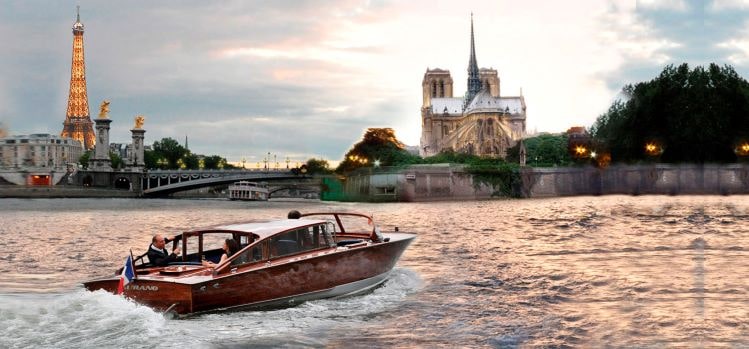
A Seine element can be excellent in many seasons, but it should be placed where it improves the day’s rhythm. In mild weather it can connect a garden or museum day beautifully; in heat, wind or rain it may work better as a shorter, later or more flexible element rather than a fixed centerpiece.
If you’re interested in any private tours of Paris, please reach out to us.



 So if you are looking for the absolute best in Paris & surroundings with authentic local fully-licensed native guides whose English you can actually understand and with an exclusive and amazingly fun itinerary













