A Luxury Paris Palace-Hotel Day: When the 8th, the Louvre and the Seine Belong in One Private Plan

Updated
Avenue Montaigne to the Louvre via the Tuileries hinge is one of the few luxury Paris day routes that can feel elegant rather than crammed: begin in the 8th Arrondissement, let the Louvre supply the day’s intellectual weight, and use the Seine as the decompression point rather than as a decorative extra. It works because the route moves with the grain of the Right Bank: west-to-east, hotel-to-garden, museum-to-river, without asking you to ricochet across Paris before lunch. The clearest exception is a traveler who wants a complete Louvre deep dive; then the Seine belongs on another day.
The thesis is simple but narrow: a palace-hotel base near Avenue Montaigne, the Champs-Élysées corridor, or the Rue du Faubourg Saint-Honoré can make a Louvre-and-Seine day feel beautifully sequenced, but only if the 8th is treated as a launch point, not as permission to add every famous Right Bank stop. The non-obvious hinge is the Tuileries edge: crossing from Place de la Concorde into the gardens changes the day from hotel-neighborhood wandering into museum-minded pacing before the Louvre’s scale begins to work on your legs and attention.
If you are still choosing between the 8th, the Left Bank, and Le Marais for a first luxury stay, use where the 8th fits in a luxury first visit as the broader base-choice guide. This article answers the narrower question: once you are already based in the palace-hotel corridor, should the Louvre and the Seine live in one private plan?
Can an 8th Arrondissement hotel, the Louvre and the Seine belong in one private Paris day?
Yes, but the day needs a priority ladder rather than a checklist. The winning order is hotel departure, Tuileries transition, Louvre focus, calm lunch or pause, then Pont Royal to a private Seine cruise pickup if the river is meant to soften the day. The losing order is hotel photos, Arc de Triomphe, Champs-Élysées, Louvre, Île de la Cité, Left Bank, Eiffel Tower, and cruise, all dressed up as a premium itinerary because a car is involved.
The palace-hotel corridor changes the morning in a practical way. From Avenue Montaigne or the western 8th, the first decision is not “what is the most famous thing nearby?” but “what keeps the day’s energy moving toward the Louvre without spending attention too early?” A short ceremonial sweep through the 8th can be worthwhile: the geometry of Avenue Montaigne, the view toward the river at Pont de l’Alma, the Grand Palais edge, or the formal west-to-east line toward the Tuileries can make the morning feel Parisian before the museum begins. But this should be a controlled prelude, not the main act.
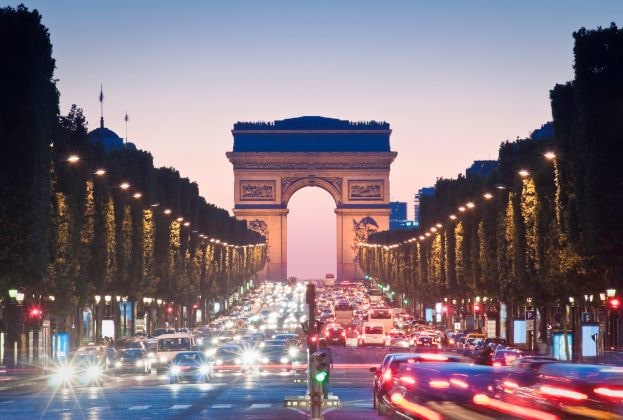
The counterintuitive correction is that the Champs-Élysées is often an overvalued first stop for this exact day. It is famous, central, and close to many luxury hotels, but it rarely improves a Louvre-and-Seine route for discerning travelers unless there is a specific reason to be there. It can lengthen the morning, increase pavement time, and shift the mood from composed to crowded before you have reached the art that actually justifies the day. A palace-hotel base does not justify overloading the day with every Right Bank icon.
The strongest version of the route has three priorities. First, leave the hotel with a clear museum target rather than a vague sightseeing appetite. Second, choose a Louvre path that matches your stamina, whether that means Denon Wing masterpieces, Richelieu Wing palace history and quieter galleries, or a mixed route that avoids the deadening “see everything” impulse. Third, let the Seine absorb the museum’s intensity by giving you a seated, open-air or cabin-reset experience after the Louvre rather than another standing monument queue.
- Best fit: couples, first-time luxury travelers, small adult groups, and celebration travelers who want a polished Paris day with one major cultural anchor.
- Possible fit: families with older children or multigenerational groups if the Louvre portion is selective and the river portion is planned as recovery, not another obligation.
- Wrong fit: art-focused travelers who want several hours of deep Louvre interpretation, or anyone trying to add Versailles, Montmartre, Saint-Germain, or the Eiffel Tower summit into the same day.
What the 8th changes before you even reach the Louvre
The 8th changes the day by giving you a graceful start, but it also tempts you to waste your freshest hour. Palace-hotel travelers often have beautiful mornings available to them: polished lobbies, quiet breakfast pacing, a short transfer, and a neighborhood that can feel ready-made for a first Paris impression. The planning mistake is to assume that because the hotel area is elegant, every nearby emblem deserves a place before the museum.
A strong morning from the 8th is not necessarily long. It might begin with a short guide-led orientation from Avenue Montaigne toward the river-facing edge of the district, then a controlled move east through Place de la Concorde or along the Tuileries side. The point is not to “tour the 8th”; it is to use the district’s formality to prepare the eye for the Louvre. That is where a private guide earns their keep early. Instead of letting the hotel corridor remain a surface of boutiques and grand façades, the guide can connect the Right Bank’s ceremonial urbanism to monarchy, empire, fashion, patronage, and the museum you are about to enter.
The Tuileries hinge matters because it reduces cognitive clutter. A guest who moves from a palace-hotel breakfast directly into the Louvre Pyramid can feel jolted from comfort into crowds and scale. A guest who crosses the garden axis first has time to shift pace: gravel underfoot, long sightlines, clipped trees, the Louvre gradually occupying the east. That transition sounds aesthetic, but its consequence is practical. You arrive less scattered, more ready to choose, and less likely to demand too much from the first gallery.
Private transport can help at the beginning if your hotel is farther west, if the weather is unpleasant, if someone in the group has limited walking tolerance, or if you need a neat drop near the museum area after a short scenic orientation. But a chauffeur does not remove the need to sequence intelligently. In central Paris, the most comfortable option is sometimes a car to the correct edge and then a deliberate walk; forcing door-to-door movement where pedestrians flow better can make the day feel more managed than elegant. For the broader question of when a car earns its place, see when a chauffeured Paris day is worth it.
The city also has physical consequences that luxury planning can hide but not erase. Paris makes the body tired through more than distance: Tuileries gravel, museum stone floors, security lines, staircase choices, heat reflected from pale paving, and small river crossings that seem minor on a map. A hotel suite softens the start and end of the day; it does not soften four hours of standing in the wrong sequence. This is why the morning should be economical, even when the setting feels generous.
The Louvre should be the day’s anchor, not its endurance test
The Louvre works best in this plan when it is treated as the day’s main intellectual commitment. It should not be squeezed between hotel glamour and a river cruise as though it were simply another sight. If the Louvre is included, it deserves a defined route, a chosen mood, and a finish point that leads naturally back to the Seine.
The most common luxury-planning error is to assume that private access, a fine hotel, and a polished transfer can make an unlimited museum visit feel refined. They cannot. A luxury hotel and private transport do not make an overlong Louvre visit feel fresh. Premium spend can improve the quality of guidance, reduce logistical fumbling, and protect the sequence around the visit, but it cannot turn an unfocused museum marathon into a better day.
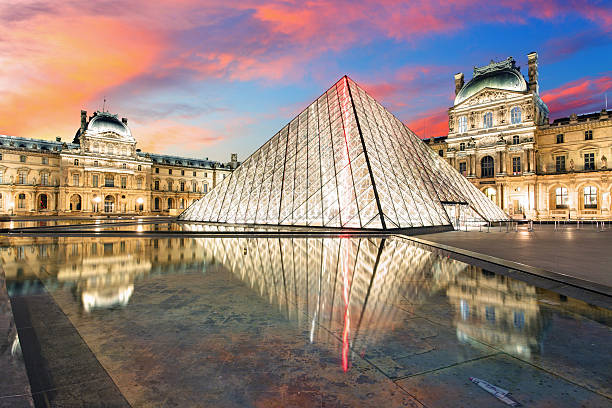
The Louvre decision often comes down to Denon Wing versus Richelieu Wing prioritization. Denon carries the obvious gravitational pull for many first-timers: Italian painting, grand French canvases, and the route pressure that builds around the museum’s most famous works. It can be thrilling, but it can also be the wing where the day becomes most crowded in feeling, even when you are moving efficiently. Richelieu, by contrast, can give palace-hotel travelers a more textured connection to royal and imperial Paris: courtyards, sculpture, decorative arts, and a less predictable sense of the Louvre as a palace as well as a museum. A private guide does not make one wing universally superior; the guide helps choose the wing that best suits the day’s purpose.
For a first-time couple, a Denon-led route can work if the guide keeps it crisp and refuses the false obligation to chase every famous object. For repeat visitors, Richelieu can feel more grown-up, more spatial, and better aligned with the hotel-to-palace thread of the morning. For families or groups with uneven art stamina, a mixed route often wins: one globally recognizable anchor, one architectural or palace-history passage, and one quieter gallery sequence before attention begins to fray. The cut-first rule is firm: cut extra Louvre galleries before cutting the Seine pause if the day’s goal is an elegant hotel-based Paris rhythm rather than a specialist art day.
If you want the museum itself to be the main reason for the day, build around a private Louvre guide and keep the river as optional. If you need a deeper museum-only planning frame, the dedicated guide to planning a curated Louvre day without museum fatigue is the better next read. For operational details, confirm the museum day on the Louvre’s official hours and admission page (https://www.louvre.fr/en/visit/hours-admission) and use the official Louvre ticketing service (https://ticket.louvre.fr/en) rather than relying on old notes, hotel hearsay, or third-party assumptions.
The best Louvre finish is not always the most famous final artwork. For this particular route, the best finish is the one that releases the group cleanly toward air, light, and the river. Ending near a sensible exit path, understanding how the Cour Napoléon or Carrousel area will feel at that point in the day, and avoiding a last-minute dash to a distant gallery can matter more than one additional masterpiece. That is not anti-art; it is respect for the whole day.
When the Louvre and Seine complement rather than compete
The Louvre and Seine complement each other when the river is used as recovery after concentration. They compete when the cruise is treated as another trophy to be squeezed into a day already made heavy by museum ambition. The distinction is not luxury versus non-luxury; it is whether the river changes the body and mood of the day.
After a selective Louvre visit, the Seine can do what another monument cannot. It seats the group, widens the sightlines, lowers the tempo, and lets Paris reassemble itself after the density of galleries. This matters especially for couples. The mood-preserving decision is to move from museum intensity to water before the day becomes a negotiation about who is tired, who is hungry, and whether there is still time for one more landmark. The mood-killing mistake is to leave the Louvre, cross into a crowded meal or shopping errand, then force the river late when everyone is already protecting their evening energy.
Pont Royal to a private Seine cruise pickup is the cleanest conceptual move in this plan, even when the exact boarding point depends on the operator and the final design. Pont Royal gives the route a legible museum-to-river transition: Louvre and Tuileries behind you, the Left Bank visible, the river acting as a reset rather than a detour. From there, a private guide or planner can coordinate the practical pickup details so the cruise feels like the next chapter, not a scavenger hunt.
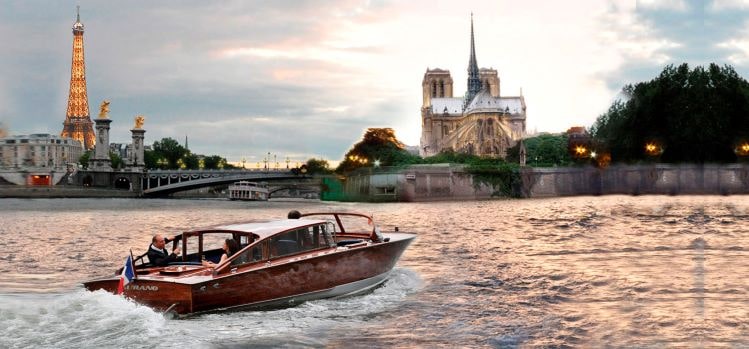
A private Seine plan is especially valuable when the group is celebrating, when conversation matters, or when you want the river to feel like a controlled change of atmosphere rather than a public sightseeing add-on. For guests who want the water portion designed into the day instead of bolted on at the end, a private Seine river plan lets the route, timing, and tone be shaped around the Louvre visit rather than treated as a generic cruise slot.
The Seine is not always the right second act. If the Louvre route is long, if the day is cold and wet in a way that makes the river feel like duty, or if the group has a formal dinner that requires a real hotel pause, the cruise should move to another day. The river’s value is rhythm. Once it becomes another appointment to rush toward, it stops doing the work that made it attractive.
The strongest Louvre-and-Seine day usually has a short unspectacular buffer between the two. That buffer might be a quiet lunch, a private transfer to the boarding area, a coffee pause, or a few minutes of guided context on the riverbanks. It should not become a wandering hour in which no one knows whether the day is still about art, the river, or filling time. A refined day often depends on what is not visible: the guide who knows when to stop talking, the driver who is not summoned for a pointless two-block move, and the plan that gives the river enough space to change the temperature of the afternoon.
The priority ladder: what to keep, what to shorten, what to cut
The right palace-hotel day is built by protecting the top priority and trimming downward. This is the planning ladder that prevents the 8th, the Louvre, and the Seine from turning into an overproduced tour.
- Keep first: the Louvre focus. The museum is the reason the day has substance. Choose a route before you add anything else.
- Keep second: the Tuileries transition. The garden edge helps the morning breathe and makes the movement from 8th Arrondissement hotel to museum feel intentional.
- Keep third: the Seine recovery. The river belongs if it restores the group after the museum and preserves the evening.
- Shorten first: the 8th prelude. Avenue Montaigne and the palace-hotel corridor can set the tone in minutes; they do not need to become a separate shopping or sightseeing chapter.
- Cut first: extra Right Bank icons. The Arc de Triomphe, a full Champs-Élysées stroll, Palais Garnier, Place Vendôme, and Le Marais do not all belong in this route just because they are reachable.
This ladder is deliberately strict. It is tempting to sell or self-plan a “complete” Right Bank day because the geography looks compact. In real city conditions, compact is not the same as calm. The Louvre consumes attention. The Tuileries consumes steps. The Seine consumes timing precision if you have a private pickup. The hotel consumes its own evening rituals if you are dressing for dinner, meeting friends, or simply trying not to return depleted.
For celebration travelers, the priority ladder becomes even more important. A birthday, anniversary, proposal-adjacent day, or family milestone does not benefit from more stops if the extra stops reduce ease. The best celebration version usually has one beautiful hotel departure, one guided Louvre arc, one river release, and a properly protected return. Trying to add a destination lunch across town or a boutique appointment in Le Marais can flatten the day’s emotional shape. The memory becomes logistics, not Paris.
For small groups, the ladder prevents the most vocal person from hijacking the route. One guest may want the Mona Lisa, another may want decorative arts, another may care only about the cruise, and another may be thinking about dinner. A private plan can absorb those preferences only if the hierarchy is clear. The guide can give each person a moment without letting the group behave as if five private days have to fit inside one.
Traveler-fit clusters for this exact private plan
This route is best for travelers who want Paris to feel curated without becoming fragile. It is not a universal first-day answer, and it is not a full museum day. It is a hotel-base routing solution for guests who want the 8th, the Louvre, and the Seine to belong to one coherent arc.
Couples who want atmosphere without cliché
Couples are often the cleanest fit because the day can move from polish to depth to ease. The 8th gives a composed start; the Louvre gives substance; the Seine gives time to talk without walking. The key is to avoid romantic over-design. Champagne, photos, river views, and a fine dinner can all be lovely, but not if the day becomes a chain of staged moments. For couples, the most romantic choice is often restraint: one serious cultural experience, one beautiful transition, and one unhurried river portion.
First-time luxury travelers who do not want a generic highlights day
First-time visitors can use this route to see Paris with more coherence than a highlights sprint. The day includes major Paris symbols, but it does not chase them in the usual order. The Louvre becomes the cultural anchor, the Tuileries becomes the hinge, and the Seine becomes the reset. If a traveler’s real goal is “as many landmarks as possible,” a broader Best of Paris private tour may be more honest. If the goal is a premium day that feels edited, this route wins.
Families and multigenerational groups with uneven stamina
Families can make the plan work if the Louvre route is designed around attention rather than coverage. The danger is not that children or older relatives cannot enjoy the museum; it is that adults overestimate how long the group can stand, listen, and navigate before the river stops feeling like a treat. Families should shorten the 8th prelude, choose a museum route with visible variety, and keep the Seine as a seated reward. If anyone needs a hotel pause before dinner, protect it ruthlessly.
Celebration travelers who want the day to feel elevated but not theatrical
Celebration travelers benefit from the route because it has a natural emotional progression. The hotel departure feels special, the Louvre gives the day dignity, and the Seine gives a graceful release. The mistake is to add too many symbolic extras: a separate photo shoot, multiple boutique stops, a destination lunch far from the route, and a late formal dinner can make the day feel like production management. One or two upgrades that improve timing, privacy, or interpretation are worth more than a stack of gestures.
Who should avoid this plan
Avoid this exact plan if your Louvre ambition is high, if you dislike museum time, if your primary Paris dream is the Eiffel Tower, or if your group needs a slow hotel morning and an early evening. Also avoid it on a day when the museum logistics do not align cleanly with your trip; no palace-hotel address is good enough to rescue a badly timed cultural day. In those cases, split the Louvre and Seine or choose a different anchor.
What a private guide changes between palace-hotel glamour and substance
A private guide changes this day by turning proximity into meaning. Without guidance, the route can look like a sequence of prestigious surfaces: Avenue Montaigne, Tuileries, Louvre, Seine. With the right guide, those same places become a readable story about power, display, collecting, urban planning, river geography, and the way Paris stages itself for visitors.
The guide’s first job is not to recite facts in the hotel lobby. It is to choose what the morning should not become. They keep the Avenue Montaigne prelude short if the Louvre needs freshness. They explain why Place de la Concorde can be a hinge rather than a full stop. They know when the Tuileries walk is adding anticipation and when it is simply adding steps. They can connect the Right Bank’s polished hotel world to the older palace logic of the Louvre without pretending that luxury shopping and museum history are the same thing.
Inside the Louvre, the guide’s value becomes even more concrete. They can decide whether the group should withstand the Denon pressure, pivot toward Richelieu, or build a hybrid route that lets the day breathe. They can read the room: who is leaning in, who is glazing over, who needs a change of scale, who would rather see fewer works with better context. This is where private touring stops being a luxury wrapper and becomes a practical tool. The guide protects attention, and attention is the scarcest resource in the Louvre.
Between the museum and the Seine, the guide’s restraint may matter more than their knowledge. After the Louvre, many guests need fewer facts and better movement. A skilled guide can transition from interpretation to logistics: where to pause, when to cross, whether to use Pont Royal, how to avoid turning the river pickup into another navigation task, and when to let the group sit in silence. That judgment is hard to buy as a standalone amenity, but it is often what makes the day feel private in the real sense.
If you want the entire day built as a single private arc rather than assembled from separate bookings, Orange Donut Tours can connect the hotel base, Louvre focus, river timing, and optional car support into one plan through private tours in Paris. The commercial value is not merely convenience; it is avoiding the small mismatches that make an expensive day feel oddly tiring.
Premium spend: buy precision, not length
Premium spend earns its cost when it improves precision, privacy, and recovery. It does not earn its cost when it simply adds more Paris to an already full day. This distinction is especially important for travelers in the 8th, because the surroundings can make every upgrade sound plausible.
A private guide is worth prioritizing when the Louvre is part of the day. The museum is too large, too layered, and too easy to flatten into famous-object tourism. The right guide can turn a two- or three-part route into a coherent experience and stop before the group’s attention collapses. That is a real upgrade because it changes the quality of the time, not just the status of the booking.
Private transport is worth considering when it solves a specific problem: weather, mobility, luggage, a hotel far west in the 8th, a carefully timed river pickup, or a formal evening that makes a clean return important. It is not worth using as a reflex for every short central movement. A car can become a waiting room on wheels if the route is better handled on foot through the Tuileries or across a nearby bridge. For travelers who do need vehicle support, a chauffeured Paris private day should be planned around transfer logic rather than status.
A private Seine element is worth it when privacy changes the mood: a proposal-sensitive trip, a family milestone, a small group that wants to talk, or a couple that wants the river to feel like a pause rather than a public ride. It is less compelling if the group is already tired, if the weather makes the river feel like endurance, or if the cruise forces you to cut the only real hotel break before dinner.
The clearest not-worth-it scenario is buying more time everywhere. Longer hotel prelude, longer Louvre route, longer lunch, longer cruise, longer chauffeured return: each may sound luxurious in isolation, but together they create drag. The better premium choice is often shorter and sharper. Pay for the person who edits, the route that flows, the pickup that removes uncertainty, and the pause that keeps the evening intact.
A polished sample rhythm from the 8th to the river
The best sample rhythm is controlled, not packed. Treat this as a planning model, not a fixed schedule, because museum slots, weather, hotel location, and cruise arrangements should be confirmed for the actual date.
- Hotel departure: begin in the 8th Arrondissement without rushing the breakfast mood, but do not let the hotel morning expand until the Louvre becomes an afternoon burden.
- Avenue Montaigne prelude: use the palace-hotel corridor for a short orientation, not a shopping chapter. The purpose is tone and context.
- Tuileries hinge: move through or along the garden edge so the group shifts from hotel-world to museum-world before entering the Louvre.
- Louvre focus: follow a selective route that has been chosen in advance: Denon-led, Richelieu-led, or hybrid, depending on traveler fit.
- Post-museum pause: create a short buffer for lunch, coffee, or quiet movement. Do not schedule the river so tightly that the Louvre exit becomes a race.
- Seine release: move from Pont Royal or the agreed riverbank area toward the private pickup, letting the river function as the day’s seated reset.
- Hotel return: end early enough that the evening still feels chosen. A palace-hotel day should not end with everyone collapsing before dinner.
This rhythm also clarifies what not to add. Do not add a full shopping appointment before the Louvre unless shopping is the true priority. Do not add Le Marais after the cruise unless the group has unusual stamina and a late dinner. Do not add the Eiffel Tower summit as a “while we are here” idea; you are not there, and the transfer plus queue logic changes the entire day. Do not add a restaurant detour that forces a cross-city move between the museum and river unless the meal is more important than the route.
For food-and-wine travelers, the lunch decision should serve the day rather than dominate it. A long formal lunch between the Louvre and Seine can be wonderful on a different itinerary, but here it often steals the river’s restorative role. A lighter, better-placed pause can keep the day balanced and leave room for the evening meal to matter. This is another place where a private planner’s restraint is more valuable than an impressive reservation list.
The trip mood changes when the day has a clean release. Guests return to the hotel feeling that the 8th, the Louvre, and the Seine belonged together, not that they survived an elegant obstacle course. The evening remains available for dinner, a quiet drink, or simply the pleasure of not needing to discuss logistics anymore. That is the difference between a premium day and a merely expensive one.
How Orange Donut Tours would make the route feel effortless
The smoothest version of this day is not built by stacking bookings; it is built by controlling handoffs. The hotel departure should understand the Louvre slot. The guide’s route should understand the river timing. The river pickup should understand how the museum visit will actually end. Any chauffeur support should be used where it reduces friction, not where it interrupts the natural pedestrian logic of central Paris.
That is where a private plan becomes commercially sensible for palace-hotel guests. The value is not only having someone knowledgeable beside you; it is having someone decide what not to force. The guide can compress the 8th prelude, deepen the Louvre without lengthening it, and move the group toward the Seine before the day’s mood turns brittle. For couples, that protects conversation. For families, it reduces negotiation. For small groups, it keeps preferences from multiplying into backtracking. For celebration travelers, it lets the day feel designed without feeling staged.
If you want the palace-hotel corridor, Louvre depth, and Seine recovery shaped into one private day rather than patched together from separate reservations, Inquire now. The best brief is specific: where you are staying in the 8th, how much Louvre depth you want, whether the river should be private and quiet or more celebratory, and whether anyone in the group needs walking, timing, or evening-energy protection.
FAQ
Can you do the 8th Arrondissement, the Louvre and the Seine in one day?
Yes, if the Louvre is selective and the Seine is planned as a recovery sequence. The day becomes too compressed when the 8th turns into a full sightseeing chapter or when extra Right Bank icons are added before the museum.
Is this a good plan for a first luxury trip to Paris?
It is a strong plan for first-time luxury travelers who want one polished cultural day rather than a generic highlights sprint. It works especially well when the hotel is in or near the 8th and the group values pacing, guidance, and a calm evening return.
Should the Louvre come before or after a Seine cruise?
For this route, the Louvre should usually come before the Seine. Museum concentration is easier earlier in the day, and the river works better afterward as a seated reset than as a prelude that delays the main cultural anchor.
How much time should you spend in the Louvre on this kind of day?
Spend enough time to follow a focused route, not enough to exhaust the group. The exact duration should depend on traveler stamina, wing choice, and whether the Seine remains part of the plan; an overlong Louvre visit weakens the whole day.
Is the Denon Wing or Richelieu Wing better for palace-hotel travelers?
Denon is better for first-timers who want the Louvre’s most famous visual anchors, while Richelieu can be better for travelers who want palace history, decorative arts, sculpture, and a quieter connection between the 8th’s grandeur and the Louvre’s older power.
Does a chauffeur make this Paris day better?
A chauffeur helps when it solves weather, mobility, timing, or return logistics. It does not automatically improve short central movements where walking through the Tuileries or crossing near Pont Royal is more natural than getting back into a car.
What should you cut first if the day feels too full?
Cut extra Right Bank icons first, then shorten the 8th prelude. Do not cut the Louvre focus if the museum is the day’s purpose, and do not keep the Seine if it has stopped functioning as recovery.
Is this route right for couples celebrating in Paris?
Yes, when the day is kept restrained. Couples usually get more from one guided Louvre arc and one private river release than from a long chain of staged romantic extras that make the day feel managed.
If you’re interested in any private tours of Paris, please reach out to us.
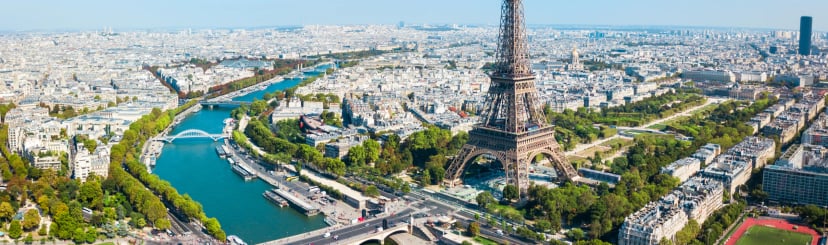

 So if you are looking for the absolute best in Paris & surroundings with authentic local fully-licensed native guides whose English you can actually understand and with an exclusive and amazingly fun itinerary