The Paris Late-Dinner Day: Museum Windows, Garden Time and a Seine Reset

Updated
The best Paris late-dinner day is not a heavier museum day; it is a narrow Louvre or Orsay window, a real pause in the Tuileries, and a Seine hour that ends close to your evening route. This works because the late-dinner energy curve in Paris punishes overreach: cobbles, gallery floors, bridge crossings, and one badly placed transfer can flatten appetite before the first glass is poured. The clearest exception is a trip built around a once-in-a-lifetime art appointment; then dinner should move later, become simpler, or sit on a different night.
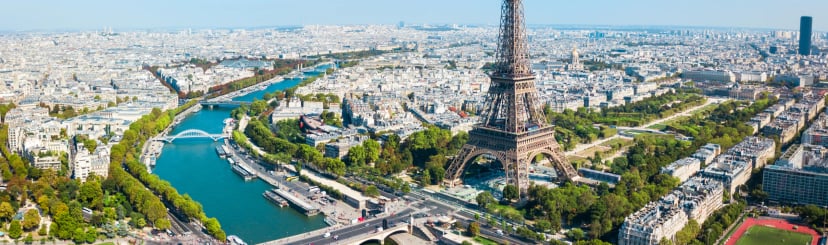
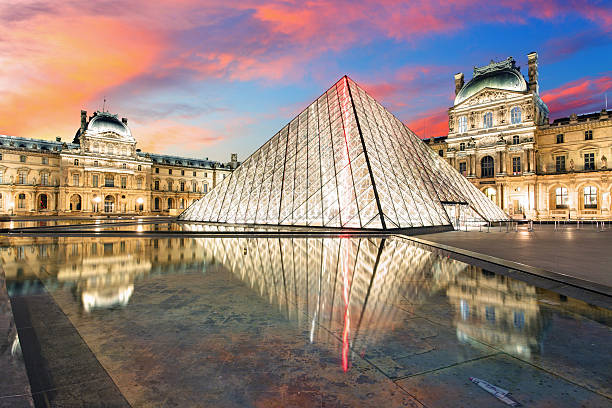
The thesis is simple and very Paris-specific: when dinner is the point of the evening, the day should move like a soft hinge from the Louvre’s Cour Napoléon to the Tuileries to the river, not like a scavenger hunt across both banks. The non-obvious route cue is the Tuileries to Seine transition at the south edge of the garden: from the Bassin Octogonal, you can angle toward Passerelle Léopold-Sédar-Senghor or Pont de la Concorde and change the body’s pace without adding another admission desk, security line, or taxi loop.
That correction matters because many polished Paris plans make the same mistake: they treat the late dinner as a reward after a maximal day. In practice, a serious dinner is not an afterthought. It needs appetite, attention, shoes that have not become an argument, and enough quiet before the reservation for conversation to recover. For travelers building a private art-and-food day, Orange Donut Tours would usually place the museum first, the garden in the middle, and the Seine as the glide path, then leave the restaurant decision separate rather than turning the article into a restaurant list.
The route verdict: one museum window, one garden pause, one river reset
The strongest sequence is a curated museum window before the late afternoon, then Tuileries garden time, then a Seine reset that does not force you into a cross-city scramble. The winning plan is not the most ambitious plan; it is the one that arrives at dinner with the day still feeling composed.
For most couples and food-and-wine travelers, the day should have three deliberate beats. First, choose a museum window that can be understood in a concentrated way: a Louvre wing, a Musée d’Orsay focus, or a smaller decorative-arts window near the same axis. Second, give the body a horizontal stretch in the Tuileries rather than substituting another indoor stop. Third, use the Seine as a transition, not as a box to tick. The river should make the day feel shorter, not extend it into a second sightseeing shift.
The Louvre is the most powerful but also the easiest to overuse. A private route around a few rooms, one wing, or a disciplined narrative can be exceptional before a late dinner; a self-directed attempt to cover the museum broadly often turns into gallery fatigue, orientation drag, and a late-afternoon sense that everything important is still unfinished. Travelers who want the museum portion shaped around attention rather than endurance should look at a focused Louvre private tour instead of treating the museum as a free-form wander.
Musée d’Orsay can work beautifully when the dinner is Left Bank or central Right Bank, especially for couples who want emotional immediacy rather than palace-scale navigation. Its railway-station volume gives the day lift, and its Impressionist and post-Impressionist focus is easier to hold in the mind after lunch than a sprawling palace collection. The tradeoff is that it sits across the river from the Tuileries-Louvre axis, so the route needs one elegant crossing rather than two uncertain transfers.
The garden pause is not filler. It is the piece that lets the museum stay vivid and the dinner stay desirable. In the Tuileries, benches, tree lines, wide gravel paths, and the long sightline between the Louvre and Place de la Concorde allow the group to slow down without making anyone feel the day has stalled. This is where a guide can release the interpretive pressure, let children move, let older travelers sit, or let couples stop performing the itinerary.
The Seine reset should then be short enough to preserve the evening. A private or carefully timed river hour can be excellent when it begins or ends near the museum-garden corridor, especially if the dinner is on the Right Bank, Left Bank, or near the central-western river. For a river-forward version of the day, a private Seine route can be shaped around the exact restaurant geography instead of forcing the group into a generic loop.
- Best fit: couples, celebration travelers, and food-and-wine visitors who want one cultural anchor before a late fine-dining reservation.
- Best cut: the extra museum or boutique district that requires a new taxi ride after 4 p.m.
- Best upgrade: a private guide or river arrangement that removes decision fatigue and keeps the group on one clean axis.
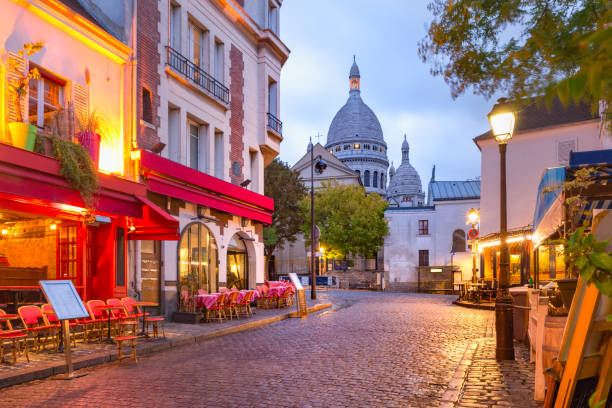
- Worst instinct: adding Montmartre, Le Marais shopping, or the Eiffel Tower late in the day just because there is technically time.
Which museum windows work before a late dinner in Paris?
The museum window that works before a late dinner is the one that can be finished without emotional or physical debt. In Paris, that usually means a single interpretive arc, not a museum marathon.
Louvre: best when the route is edited hard
The Louvre works before a late dinner when it is treated as a precision visit. A strong window might focus on one wing, one historical argument, or a concise sequence of masterpieces that does not require sprinting from Sully to Denon to Richelieu. The local consequence is very real: the Louvre’s scale creates fatigue through orientation as much as through art. Even travelers who are comfortable walking long distances can lose energy simply by repeatedly choosing corridors, staircases, entrances, and meeting points.
This is where premium planning changes the day. A guide who knows how to narrow the museum can make the Louvre feel like a coherent chapter before dinner rather than a palace-sized obligation. What premium spend does not fix is poor sequencing: a more expensive dinner, a better table, or a nicer car will not restore appetite if the afternoon has already been spent in a confused, overlong museum push.
The Louvre is the right window for first-time visitors, art-curious families with older children, and couples who want the emotional weight of Paris before a celebratory meal. It is the wrong window for travelers who cannot tolerate crowds, travelers already coming off Versailles, or anyone who has booked a tasting menu and still wants to shop, cruise, and cross town afterward. The cut-first rule is firm: if the Louvre is in the day, cut the second museum before you cut the Tuileries pause.
Musée d’Orsay: best when you want art without palace-scale drag
Musée d’Orsay is often the more dinner-friendly museum window because its story is easier to hold and its setting does not demand the same navigational patience. It suits travelers who want painting, sculpture, and a powerful interior volume without turning the afternoon into a test of endurance.
The route still has to be disciplined. If you place Orsay after a Right Bank lunch, then cross toward the museum, then return across the river for the Tuileries, then recross for a Left Bank dinner, the plan starts to leak energy. A single crossing can feel cinematic; repeated crossings become a planning tax. The better version is to place Orsay beside a restaurant geography that already belongs to the Left Bank, Saint-Germain, the 7th, or the central river, or to use the museum before crossing once into the Tuileries-Seine corridor.
For couples, Orsay has a mood advantage: it gives the day a legible emotional center without requiring the group to conquer a palace. The mood-killing mistake is to pair it with a long post-museum shopping detour. By the time you add sidewalks, bag management, and the uncertainty of finding a taxi at the wrong corner, the elegance of the day becomes errands in nicer clothes.
Musée de l’Orangerie: best as the compact window, not the backup
Musée de l’Orangerie can be the smartest museum window when the evening matters more than the day’s museum count. Its position at the western end of the Tuileries makes it unusually efficient for this particular plan: art, garden, Place de la Concorde, river, and onward movement can sit in one tight sequence.
The key is to stop treating it as a consolation prize. A compact museum is not a weaker museum when the goal is to arrive at dinner alert. For travelers who have already seen the Louvre, dislike large museums, or have a late tasting menu, Orangerie can give the day a strong art moment without asking the body to spend the whole afternoon on stone floors.
The local proof is in the exit. From the Orangerie side of the Tuileries, the Seine is close, the Concorde edge is obvious, and the route can continue without a new district decision. That matters more than one additional gallery when the dinner reservation is the event that will define the night.
Rodin: best only if the Left Bank geography is already doing the work
Rodin is a beautiful before-dinner choice when the plan lives on the Left Bank, but it is not the automatic answer for this article’s route. Its garden and sculpture balance can be excellent for travelers who are already near Invalides, Saint-Germain, or a Left Bank dinner. It becomes weaker when it forces the day away from the Tuileries to Seine transition and then demands another movement back across the city.
The counterintuitive correction is that Rodin can be overvalued as a universal “calm” answer. It is calm in mood, but not always calm in routing. If the restaurant, hotel, or river plan sits near the Louvre-Tuileries axis, detouring to Rodin may spend more energy than it saves. If the whole day is Left Bank, Rodin can be elegant; if not, the garden you already have in the Tuileries may be the cleaner reset.
When a garden reset beats another stop
A garden reset beats another stop when the next activity would add a queue, a transfer, or a second round of interpretive effort before dinner. In a late-dinner Paris day, the Tuileries often earns its place precisely because it asks less from the traveler.
Paris does something specific to the body on a museum day. The walking is not only distance; it is hard surfaces, uneven crossings, gallery standing, security pacing, stair decisions, and the small bracing motions of crowded spaces. Add heat, dress shoes, or family members moving at different speeds, and the final two hours before dinner can become more expensive in energy than they look on a map. A 25-minute garden pause can save more of the evening than a 25-minute taxi to another neighborhood.
The Tuileries works because it does not require a new story. After the Louvre, the garden gives the eye distance; after Orsay, it gives the body a flatter, more open rhythm; before the Seine, it lowers the stakes of the transition. The route from the Louvre pyramid through the Cour Carrée or Carrousel side, into the garden, then toward the Bassin Octogonal and the river allows the day to exhale without losing the feeling of being in central Paris.
Garden time also changes the trip mood. The day stops feeling like a schedule to be defended and starts feeling like a city being received. For couples, this is not about cliché romance; it is about conversation returning after a guide-heavy or museum-heavy stretch. For families, it is the difference between children being managed and children having space. For small groups, it prevents the slow social splitting that happens when one person wants “one more thing” and another is already thinking about shoes, hotel, and dinner clothes.
Another stop can still be right when it is truly adjacent. A short decorative-arts window, a single arcade, or a nearby palace-lobby pause may work if it does not fracture the route. But the moment a plan requires a car to Le Marais, Montmartre, the Eiffel Tower, or Avenue Montaigne after the museum, you should ask whether the add-on serves the dinner or competes with it. Most of the time, the garden wins.
There is one exception: bad weather can make a garden reset too exposed. In heavy rain, strong wind, or deep winter discomfort, the substitute should be close, seated, and low-effort, not a new museum chosen in a panic. A nearby covered pause is better than a heroic dash to an unrelated attraction.
The Tuileries to Seine transition: the hinge that makes the day feel intentional
The Tuileries to Seine transition is the route hinge that keeps this late-dinner day from becoming a collection of disconnected Paris moments. It turns the museum day into an evening approach.
From the Louvre side, the temptation is to exit into city noise and solve the next step by taxi. That can be appropriate for mobility constraints, but it often breaks the rhythm too soon. A better choice, when walking is comfortable, is to let the garden do the transition. Move west through the Tuileries, avoid making Place de la Concorde the main event unless the group specifically wants that scale, and angle toward the river when the light, shoes, and dinner geography suggest it is time.
Passerelle Léopold-Sédar-Senghor is a particularly useful crossing when the day needs softness rather than grandeur. It links the Tuileries side toward the Left Bank near Orsay and gives the group a river moment without the traffic feel of larger bridges. Pont de la Concorde, by contrast, is more monumental and direct for certain restaurant geographies, but it can feel exposed and busy. Pont Royal can work when the Louvre-Orsay-Saint-Germain triangle is the point. The bridge choice is not decorative; it determines whether the last hour feels like a glide, a commute, or a negotiation.
This is also where Left Bank versus Right Bank routing becomes decisive. A Right Bank dinner west of the Louvre can justify keeping the Seine moment on the north side or using the river as a visual pause rather than a crossing. A Left Bank dinner may make one crossing elegant. A restaurant deeper into the 8th, 16th, or eastern neighborhoods may require the river moment to happen earlier, before the final transfer, rather than as the literal last step.
For a first-time Paris stay, this route can pair well with a broader river-centered planning approach. The supporting logic is explored in Paris by the Seine for a luxury first visit, but the late-dinner version is narrower: do not use the river to see everything. Use it to protect the evening.
Traveler-fit clusters for the late-dinner day
The right version of this day depends on whether the traveler is protecting romance, family energy, wine-and-dinner appetite, or mobility. The route should be edited around the person most likely to fatigue first, not around the most enthusiastic planner in the group.
Couples with a serious dinner
Couples should prioritize one museum story, one unscheduled garden interval, and a river transition that leaves enough time to change, rest, or simply stop talking about logistics. The mood-preserving decision is to leave a clean buffer before dinner rather than arriving straight from the final sight. The mood-killing mistake is using the late afternoon for a “quick” extra neighborhood that introduces traffic, shopping choices, and a mild sense of being late.
If the dinner is the celebration, the day should not compete with it. A museum window gives cultural substance; the garden keeps the day from becoming performative; the Seine gives the evening a Parisian sense of arrival. The result is more memorable than a day that technically includes five famous places and leaves both travelers quiet for the wrong reason.
Families and multigenerational groups
Families should use the same structure but make the museum window shorter and the garden pause more deliberate. Children and older parents rarely object to beauty; they object to invisible friction: standing too long, unclear next steps, sudden transfers, hunger, bathrooms, and adults insisting that the plan is almost done when it is not.
The Tuileries is useful because it provides a reset without requiring the group to split. Grandparents can sit, children can move, and the guide can shift from teaching to pacing. For multigenerational private touring, the route should be built around the slowest transition, not the fastest walker. A late dinner with children may also require an earlier food pause, a hotel reset, or a separate meal plan; forcing everyone into the same adult rhythm can turn a sophisticated day into a brittle one.
Food-and-wine travelers
Food-and-wine travelers should protect palate and appetite as carefully as they protect ticket times. A late tasting menu or wine-led dinner does not benefit from a pastry crawl, a heavy lunch, and a full museum afternoon stacked ahead of it. The better choice is a lighter daytime food focus, a museum window that ends before saturation, and enough walking to feel awake without becoming depleted.
For travelers who want more culinary context earlier in the trip, a curated daytime food route belongs on a different day or in a lighter morning pattern. Orange Donut Tours’ Paris food and wine touring can be designed around neighborhoods, tastings, markets, and pacing, but on a late-dinner day the daytime food portion should be restrained. The point is not to arrive hungry in an unpleasant way; it is to arrive curious, comfortable, and ready to taste.
Comfort-first visitors with limited walking tolerance
Comfort-first visitors should make the route shorter rather than more chauffeured by default. A car can help at the edges of the day, but within the Louvre-Tuileries-Seine corridor, vehicles can introduce their own friction: pickup points, traffic, one-way streets, and the awkwardness of driving a distance that would have been calmer as a planned walk.
Premium spend helps when it buys a better guide, a better-timed transfer, a private river arrangement, or a restaurant-geography plan that avoids wasted movement. It does not help when it is used to justify a bloated day. Paying for a car does not make a scattered museum-garden-river-dinner plan coherent if the route itself is fighting the city.
The priority ladder: what to keep, what to shorten, what to move
The planning order should be dinner first, then museum window, then reset, then river, then optional extras. When the day gets crowded, cut from the bottom of that ladder.
Keep the dinner as the anchor. A late Paris dinner, especially a fine-dining or celebration reservation, should define the shape of the day. Confirm the restaurant geography, dress expectations, and whether you realistically want a hotel return before the meal. A dinner in the 1st, 6th, 7th, or 8th can work naturally with a museum-river axis. A dinner far from the central river may still be worth it, but then the Seine reset should happen earlier and the final transfer should be protected.
Keep one museum window. The museum gives the day substance and a reason to be more than a pre-dinner drift. But the word is window, not marathon. If the Louvre is the choice, edit hard. If Orsay is the choice, avoid unnecessary recrossing. If Orangerie is the choice, trust the compactness. Do not apologize for choosing the museum that lets the whole day succeed.
Keep the garden reset when the body needs it. Garden time is the easiest piece to cut on paper and often the most damaging piece to lose in reality. Without it, the day can become indoor concentration followed by transfer concentration followed by dinner concentration. That is too much focus for one travel day, particularly in dressier clothes or warm weather.
Keep the Seine only when it clarifies the evening. A river hour is strongest when it solves pacing, mood, or geography. It is weaker when squeezed into the day as an obligation. Travelers who want the Seine to be the emotional center of a celebration day may prefer a more explicit private river plan, as in a private Paris celebration day built around the Seine and dinner. This article’s version is more restrained: the river resets the day so dinner can land well.
Move Champagne to another day. Champagne is not a casual add-on before a late Paris dinner. Reims cellar visits, rail or chauffeured timing, tastings, lunch, and the return all deserve their own rhythm. The official visitor pages for Champagne Taittinger visits in Reims (https://www.taittinger.com/en/visits-reims) and Veuve Clicquot cellar visits (https://www.veuveclicquot.com/en-int/visitus.html) show why these are real visit structures, not a spare-hour flourish. If Champagne is important, give it a dedicated day and shape the Paris dinner lightly afterward.
That same logic applies to the broader Champagne decision. A Champagne day can absolutely earn its place in a luxury Paris stay, especially for couples and wine travelers, but it should not be jammed into the museum-window day. For a separate cellar-focused plan, use the Champagne day planning guide rather than weakening both the city day and the dinner.
How to sequence the day without turning it into a timetable
The best sequence is museum before saturation, garden before transfer, Seine before the final dress-and-dinner push. You do not need a minute-by-minute plan; you need a day that has enough air in it to absorb Paris.
Start with the museum while attention is still available. This does not always mean first thing in the morning, but it does mean before the day has accumulated too much standing, shopping, lunch weight, or decision fatigue. A late-morning or early-afternoon museum window can work well if the meal rhythm is light and the group is not already recovering from a long previous day.
Follow the museum with a planned decompression, not a debate. The Tuileries should not be treated as the moment when everyone decides what to do next. That is how a refined day becomes four people looking at maps beside a fountain. The route should already know whether it is heading toward the Orangerie edge, the river, the hotel, or a private cruise meeting point. A guide-led day earns its value here because the group does not spend its best remaining energy making micro-decisions.
Use the Seine as a reset only when there is enough margin. If the dinner requires a hotel return, the river hour should end with time for that return to feel civilized. If the restaurant is close enough to the river, the Seine can be the pre-dinner transition. If the restaurant is far, do not pretend the river is “on the way.” It may still be worth doing, but then it belongs earlier in the afternoon.
Leave the final hour boring on purpose. This is one of the most underrated luxury decisions in Paris. A calm final hour can include changing shoes, returning bags to the hotel, sitting with a drink, or simply not negotiating traffic while dressed for dinner. It may look empty in the itinerary, but it often determines whether the evening feels like a reward or a recovery operation.
Where private guidance changes the outcome
Private guidance matters most at the seams: museum editing, garden timing, river placement, and the decision to stop before the day turns from rich to excessive. It is less about seeing secret Paris and more about not wasting the expensive hours of a short stay.
Inside the museum, a guide can keep the visit from spreading. This is especially important at the Louvre, where the difference between a memorable two-hour arc and a draining half-day blur is rarely intelligence; it is route discipline. At Orsay, the guide’s value may be less about navigation and more about choosing the rooms that support the rest of the day’s rhythm. At Orangerie, the value is knowing when not to add more.
Between the museum and the garden, guidance prevents the classic Paris lag: the group exits, half-remembers a bridge, wonders whether to call a car, checks the restaurant address, and loses twenty minutes in uncertainty. Those minutes are not only logistical. They change the tone of the day. Private touring is most valuable when it keeps the group from slipping into management mode.
For river time, the guide or planner should ask a practical question before a romantic one: where does the boat, walk, or river segment leave you relative to dinner? A beautiful river moment that ends in the wrong place can create exactly the rushed transfer the day was designed to avoid. A less theatrical river segment in the right place may be the more elegant choice.
For travelers who want Orange Donut Tours to build the museum window, garden pause, Seine hour, and dinner geography into one private sequence, the best moment to ask is before tickets, cruise timing, and restaurants are locked against each other. When the main risk is wasted time from overplanning, a tailored route can rescue the day before it becomes complicated: Inquire now.
When this plan should be shortened, skipped or moved to another day
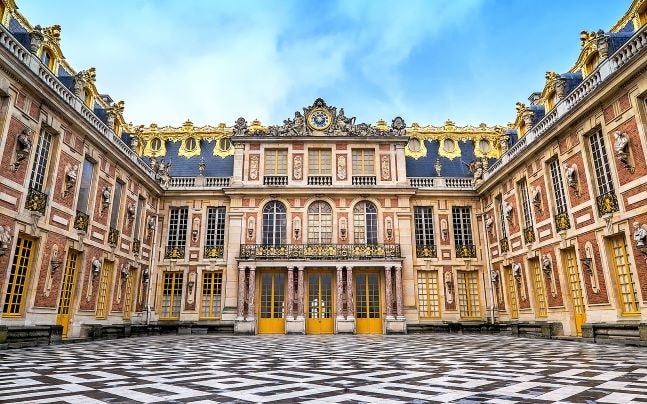
This plan should be shortened when the dinner is very late, very formal, or the traveler has already had a heavy museum or day-trip morning. It should be skipped when the group cannot comfortably walk the museum-to-garden-to-river axis, and moved to another day when Champagne, Versailles, or a major shopping appointment is already the real priority.
Shorten it by keeping the compact museum and cutting the river, not by deleting every pause. A Louvre or Orsay window followed by the Tuileries and a hotel return can be a complete late-dinner day. If you try to keep the river but remove the pause, the day may look more Parisian on paper and feel worse in the body.
Skip it when the group is divided about museums. A late-dinner day should not begin with persuasion fatigue. If one person wants art and another wants shopping, do not force a grand compromise in the afternoon before a special meal. Choose the activity that keeps the group socially intact, or split the day earlier and reunite before the river or dinner.
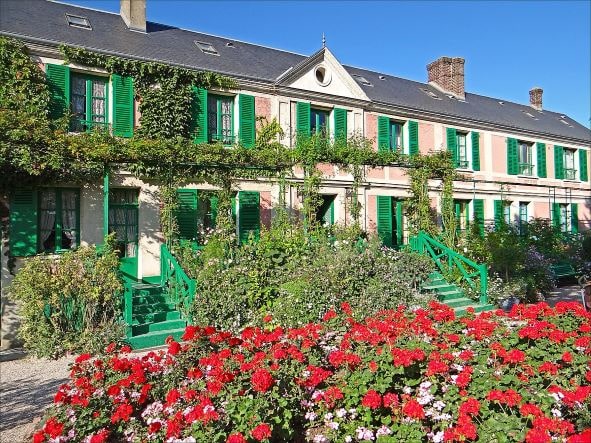
Move it when a day trip is already in play. Versailles, Giverny, Auvers-sur-Oise, and Champagne each create their own energy curve. Returning from a substantial out-of-city experience and then trying to add a museum-garden-Seine sequence before dinner is not sophisticated; it is itinerary stacking. A private stay becomes better when each day has a job.
Also move it if the restaurant is geographically awkward. A dinner deep in eastern Paris, far west in the 16th, or outside the central river corridor can still be excellent, but the museum-Tuileries-Seine sequence may no longer be the best prelude. In that case, build a lighter neighborhood approach near the restaurant and save the Louvre-garden-river rhythm for a night when it naturally belongs.
The fine-dining day should not behave like a sightseeing checklist
A Paris fine-dining day works best when the daytime plan supports the meal rather than trying to prove the trip’s value before the reservation. The city already supplies enough intensity; the planner’s job is to choose which intensity to keep.
This matters for appetite. Heavy lunches, repeated sweets, late Champagne, and long museum standing all affect how dinner lands. A serious meal asks for attention over time, not merely hunger. Food-and-wine travelers often understand this at the table but forget it in the itinerary. The best dinner days are usually not empty; they are edited.
It also matters for conversation. The day that preserves the evening is not necessarily the quietest day. It is the day with fewer unresolved decisions. Couples can talk about the museum instead of debating the next taxi. Families can arrive without someone feeling dragged. Small groups can avoid the subtle resentment that comes from one traveler’s extra stop becoming everyone’s late-afternoon burden.
For travelers comparing Paris dining neighborhoods, market mornings, and food-led private touring, a curated Paris food-and-wine day for a Michelin-level stay is the broader planning companion. This article’s answer is narrower: on the museum-window day, restraint is not a lack of ambition. It is the condition that lets dinner be fully enjoyed.
FAQ
What is the best Paris museum to visit before a late dinner?
The best museum before a late dinner is the one you can visit in a focused window without fatigue. The Louvre works when tightly edited, Musée d’Orsay works well for a softer art arc, and Musée de l’Orangerie is often the smartest compact choice near the Tuileries.
Should I visit the Louvre before a fine-dining dinner in Paris?
Yes, if the Louvre visit is curated and limited. Do not try to cover the whole museum before a serious dinner; choose one wing, one narrative, or a private route that leaves energy for the evening.
When does the Tuileries beat adding another Paris stop?
The Tuileries beats another stop when the extra activity would require a new transfer, a queue, or more interpretive effort. Before a late dinner, the garden often preserves more value than a second attraction.
Is a Seine cruise worth it before a late dinner?
A Seine cruise or river hour is worth it when it sits naturally between the museum, hotel, and restaurant. It is not worth forcing if it ends in the wrong place or removes the buffer you need before dinner.
Should I return to the hotel before dinner?
Return to the hotel if the dinner is formal, the day has included a major museum, or the restaurant is not close to the river route. A calm hotel reset can be more valuable than squeezing in one more sight.
Can I combine Champagne in Reims with a Paris late dinner day?
You can dine late after Champagne, but Champagne should be its own day, not an add-on to a Louvre, Tuileries, and Seine plan. Reims cellar visits and the return to Paris deserve a separate rhythm.
What should I cut first if the Paris late-dinner day is too full?
Cut the extra neighborhood, second museum, or late shopping detour first. Keep the main museum window, the pause, and enough pre-dinner margin for the evening to feel intentional.
Does a chauffeur make this Paris day better?
A chauffeur can help for hotel returns, mobility needs, or restaurant geography, but it does not fix a scattered route. Within the Louvre, Tuileries, and Seine corridor, careful walking and timing may be better than extra vehicle movement.
If you’re interested in any private tours of Paris, please reach out to us.


 So if you are looking for the absolute best in Paris & surroundings with authentic local fully-licensed native guides whose English you can actually understand and with an exclusive and amazingly fun itinerary