Paris with Teenagers on a Tailor-Made Private Stay: Le Marais, One Museum and Seine Time Without Tour Resistance

Updated
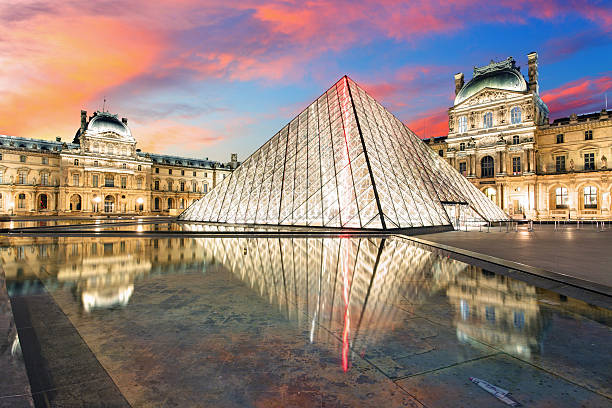
From the Louvre side of the Seine, the best Paris day with teenagers is not a sprint from icon to icon; it is one serious museum, the Le Marais reset after one serious museum, and river time that makes the city feel connected rather than assigned. This works in real Paris because the Right Bank gives you a rare sequence: Louvre area, Pont des Arts or Pont Neuf, the Île de la Cité edge, Hôtel de Ville, then the 3rd and 4th arrondissement streets without a cross-city transfer. The exception is a teen with one fixed obsession, such as the Eiffel Tower ascent, fashion, street photography, or another single anchor; then the day should be rebuilt around that anchor, not padded with adult prestige. For families, the winning Paris teen day is a buy-in sequence: one credible cultural choice, one independent-feeling neighborhood, and one Seine transition that shortens the city psychologically.
Teenagers should not be given a compressed adult highlights day with no choice or reset time. That is the fastest way to turn Paris into a performance of compliance. A private, tailor-made day works best when the guide can make the city feel less like a lecture and more like a chain of choices: what to look at closely, what to pass with context, when to pause, and when to let Le Marais do its work as a change of pace. Families who want a broader service starting point can begin with Paris family private tours, but the article below solves one narrower problem: how to make Le Marais, one museum and the Seine carry a Paris day with teenagers without tour resistance.
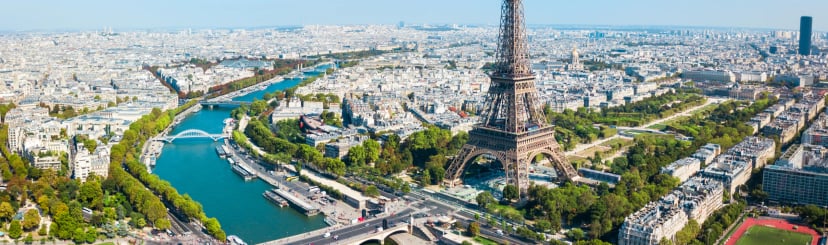
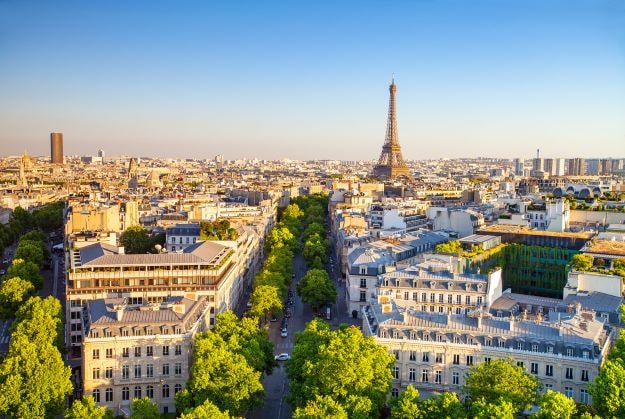
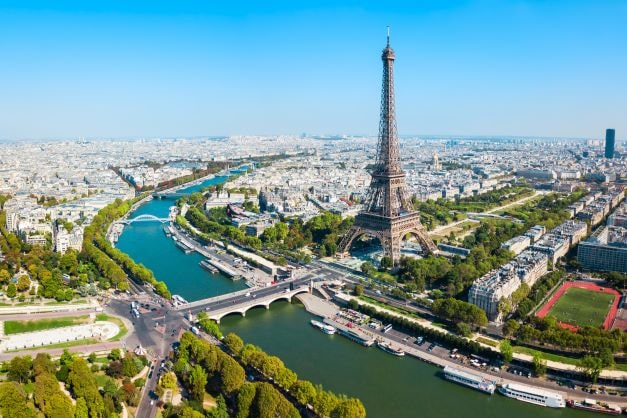
The counterintuitive correction is this: the Eiffel Tower is not always the right daytime centerpiece for teenagers. It can be wonderful when the teen actively wants the ascent, and the official Eiffel Tower site (https://www.toureiffel.paris/en) is the safest place to check practical information before planning around it. But as the automatic spine of a teen day, it often creates a long logistical detour from the Louvre and Le Marais, turns the family conversation toward tickets and waiting, and uses the freshest part of the day before anyone has built cultural momentum. In many Paris teen itineraries, the Eiffel Tower earns a view moment, an evening sightline, or a separate focused slot; it should not automatically displace the museum-neighborhood-river rhythm that keeps the day negotiable.
The teen-proof Paris priority ladder: what to keep, downgrade and cut
The strongest plan keeps three things and refuses the rest: one serious cultural anchor, one flexible neighborhood reset, and one Seine-based transition. This priority ladder matters because teenagers read overplanning faster than adults do. They may not object to a museum; they object to having no exit from a museum mood. They may not dislike history; they dislike being moved through history with no agency. The point is not to make Paris childish. The point is to let teenagers feel that the day has a shape they can understand and some choices they can influence.
- Keep the museum, but cap the depth. The museum gives the day credibility and gives parents the reassurance that Paris is not being reduced to cafés and photos. The cap is what prevents the visit from becoming a school trip.
- Keep Le Marais, but do not flatten it into shopping. Le Marais works because it mixes old streets, Jewish history, private mansions, small squares, boutiques, snack stops and people-watching. That mix creates independence without abandoning substance.
- Keep the Seine, but use it as route logic. River time should connect the Louvre area to the rest of the day, not sit at the end as filler after everyone is tired.
- Downgrade the Eiffel Tower unless the teenager has chosen it. A view, a pass-by, or a separate ascent can be right. Making it the default after a Louvre morning often asks too much of the family’s legs and patience.
- Cut the second museum first. If the day is getting full, remove the second indoor cultural stop before you remove the reset. The reset is not leisure fluff; it is what allows the first museum to land well.
Private touring does not fix a day overloaded with too many museums or monuments. Premium spend does not earn its cost when it is used to rescue a plan that should have been edited before the family left the hotel. The better upgrade is restraint: a guide with enough judgment to slow down at the Winged Victory, skip three rooms that would blur together, cross toward the river while energy is still intact, and change the depth of commentary once the teenagers start answering with one-word replies.
Do not stack the Louvre, an Eiffel Tower ascent, Arc de Triomphe, Notre-Dame exterior, Sainte-Chapelle, and a Seine cruise into one family day and call it efficient. That is a compressed adult highlights day with a teen audience. The physical consequence is obvious by late afternoon: sore feet, overheated layers in museum rooms or wind exposure by the river, and a return leg nobody wants to discuss. The mood consequence is just as important: the day becomes something to get through rather than something the family can remember with texture.
Traveler-fit clusters: which Paris teenager are you actually planning for?
The right route depends less on age alone than on the kind of resistance your teenager shows. A 13-year-old who wants to be taken seriously may handle the Louvre better than a 17-year-old who hates being managed. A 16-year-old who loves clothes, food or photography may respond to Le Marais with more curiosity than to another formal monument. The planning question is not “What do teenagers like in Paris?” but “Where will this teenager accept guidance, and where do they need independence?”
The culture-curious teen who wants scale
Choose the Louvre first, but make the visit thematic rather than encyclopedic. The Louvre works for this teen when it feels like power, theft, myth, kingship, bodies, beauty, propaganda and status, not like a survey course. Move from a few high-impact works to the palace context and then leave before the room count becomes the story. A private Louvre visit can help because the guide can translate the museum’s scale into a sequence a teenager can follow; Louvre private touring is most useful when it narrows the experience rather than simply adding explanations.
The style, food and independence teen
Keep the museum shorter and let Le Marais carry more of the afternoon. This teen is often not anti-culture; they are anti-containment. They may engage with architecture once they can walk Rue des Rosiers, pause near Place des Vosges, notice a courtyard off Rue Vieille-du-Temple, or compare the scale of old aristocratic Paris with the storefront life around Rue des Francs-Bourgeois. The guide’s job is to make those transitions legible without hovering over every choice.
The easily overwhelmed teen
Use the Seine earlier and keep the museum visit cleaner. This teen can be derailed by crowds, hard floors, too many voices, or the feeling of being trapped inside a plan. A river crossing near Pont Neuf or a short pause by Square du Vert-Galant can change the nervous system of the day more than another masterpiece can. For this traveler, the best route may be Louvre highlights, river air, Le Marais, and then a hotel return before dinner, not a late add-on because “we are already nearby.”
The skeptical teen who thinks tours are for children
Do not sell the day as fun. Sell it as choice, context and not wasting time. Teenagers who resist guided touring often become more cooperative when the guide treats them like adults and uses sharper questions: why a painting was political, why a square looks symmetrical, how a royal palace became a public museum, or why Le Marais can feel both old and current. The private format matters because nobody has to perform interest for strangers, and the guide can stop explaining when observation would work better.
Age bands still matter. For 13- to 14-year-olds, independence should be small and visible: a choice between two themes in the museum, a snack pause, a few minutes to photograph a square, or a say in whether the route turns toward Saint-Paul or Hôtel de Ville. For 15- to 16-year-olds, the route can carry more context, especially around identity, power, design, revolution, food and city life, but it still needs reset windows where nobody is narrating. For 17- to 18-year-olds, the tone should be closer to a private adult tour with strategic pauses; the mistake is treating them like older children just because the booking is a family tour.
Stroller logic is usually irrelevant on a teenager-led Paris day unless younger siblings are joining. When a stroller-age child is part of the group, the route is no longer a pure teen plan: cobbles in Le Marais, stairs near the quais, museum security and bathroom breaks change the pacing. In that case, the older teenager needs a defined role or privilege, such as helping choose the museum theme or getting a short independent shopping window with an adult nearby. Otherwise the teen experiences the day as built around the youngest child, which is exactly the dynamic this plan is trying to avoid.
How to choose one Paris museum with teenagers without making it a school trip
Choose the museum by the resistance pattern, not by adult prestige. The Louvre is the best default for first-time teenagers when the family wants Paris to feel historically serious and visually large; Musée d’Orsay is often better for teens who connect to modern life, recognizable subjects, design, trains, light and artists with more immediate emotional range; Rodin is the lower-pressure choice when the family needs sculpture, gardens and a shorter cultural dose. The one museum depth limit is not a concession. It is the condition that lets teenagers leave with one strong impression instead of six blurred rooms.
The Louvre deserves special care because it can either win the day or consume it. Use the Louvre official site (https://www.louvre.fr/en) to confirm current visit information and ticketing before you build the morning around it, then decide what the visit is for. With teenagers, “seeing the Louvre” is too vague. “Power and beauty in a former palace,” “mythology and bodies,” “the museum as status machine,” or “three works everyone knows and five they do not expect” is much stronger. The family gets a serious museum without pretending the teenager wants an art-history semester.
For many first-time families, the Louvre wins because it sits in the route. Its Right Bank position lets you move from the museum toward the river, then toward Le Marais, without asking the family to reset across Paris. That is a real advantage over a museum that forces a Left Bank detour when the rest of the day is built around the 3rd and 4th arrondissements. The point is not that the Louvre is always the most teen-friendly museum. The point is that, on this specific Le Marais and Seine day, it can be the most efficient serious anchor if it is edited tightly.
Musée d’Orsay can be the better choice when the teenager is more likely to respond to 19th-century Paris, artists’ lives, social change, portraits, landscapes and the drama of a former railway station. The tradeoff is routing. Orsay puts you on the Left Bank. That can work beautifully if the day becomes Orsay, a Seine crossing, Île de la Cité edge, and Le Marais, but it should not also include a full Louvre pass, the Eiffel Tower and another monument. Cross-city transfers quietly eat a short Paris stay, especially when the family is trying to preserve energy for dinner.
Rodin is the right museum when the family needs culture without institutional heaviness. It is not the strongest match for the Louvre-to-Le Marais route, but it can be excellent for a teen who likes bodies, gardens, expressive sculpture or shorter visits. The cost is that the day becomes more Left Bank and 7th arrondissement oriented, which may make the Eiffel Tower easier and Le Marais less natural. That is not wrong; it is a different day. For a broader art-first comparison, use Louvre, Orsay or Rodin first in Paris as a separate planning lens rather than trying to force all three into one family route.
The museum should end while the teen still has a little appetite left. That may sound obvious, but it is the most ignored rule in family culture planning. If the visit ends with a teenager still asking one question, Le Marais can become a continuation of curiosity. If the visit ends with everyone negotiating one more room, Le Marais becomes compensation. More culture is not automatically better with teenagers if it converts curiosity into containment.
Why the Le Marais reset after one serious museum works
Le Marais works after the museum because it changes the family’s posture. In the Louvre, teenagers are usually being guided through a controlled space: entrances, rooms, guards, labels, crowds, and a route set by someone else. In Le Marais, the same teenager can walk, look, choose, pause, compare, snack, photograph, and still absorb real Paris. That is why the Le Marais reset after one serious museum is not a soft add-on. It is the part of the day that prevents the museum from defining the whole emotional temperature.
The strongest Le Marais route is selective. Start from the river or Hôtel de Ville side rather than dropping into the neighborhood without orientation. From there, the family can move toward Rue Saint-Antoine, Saint-Paul, Place des Vosges, Rue des Rosiers, or Rue Vieille-du-Temple depending on energy and interests. This is where a guide earns trust by reading the room. If the teen wants history, the route can hold Jewish quarter context, aristocratic hôtels particuliers, and the neighborhood’s layered identity. If the teen is fading, the route can become shorter, more observational, and less verbal without becoming empty.
Le Marais is not merely a shopping quarter, and treating it that way undersells why it works. The neighborhood gives teenagers the feeling of contemporary Paris while still carrying old street lines, courtyard glimpses, religious and Jewish history, and a social texture that does not require standing still for long. Place des Vosges is especially useful because it provides symmetry, shade or shelter at the arcades, and a natural place to sit without turning the pause into a formal break. A guided neighborhood layer through Le Marais private touring is most valuable when it knows when to speak and when to let the street do the reset.
The on-the-ground consequence is that Le Marais reduces the number of hard transitions. A family leaving the Louvre can move toward the river, cross or follow it, and enter a neighborhood that can expand or contract. They are not trapped in a timed attraction. They are not committed to a long indoor second act. If one teen wants a boutique stop and another wants a historical thread, the guide can braid both without splitting the family into separate days. That flexibility is why Le Marais is better here than a monument-heavy add-on.
The wrong Le Marais plan is a vague wander after a heavy museum. Teenagers notice when “free time” is really parental indecision. Give the neighborhood a light mission instead: find one older layer, one contemporary layer, one food or pastry pause, and one place where the family can stop talking about the itinerary. That mission is enough structure to keep the day from drifting and enough freedom to reduce resistance.
Where Seine time belongs: the transition between the Louvre and Le Marais
Seine time belongs between the cultural anchor and the neighborhood reset, not automatically at the exhausted end of the day. The river is Paris’s best psychological shortcut: it makes the city feel coherent, gives the body air after museum rooms, and lets the family see major forms of the city without entering every one of them. For teenagers, this matters because the Seine can make a private route feel less like sightseeing and more like movement through a real city.
The Louvre-to-Le Marais hinge is the key. After the museum, the family can come out toward the Cour Carrée or the river side, then use Pont des Arts, Pont Neuf, or the Right Bank quais as the decompression line. Pont Neuf and Square du Vert-Galant are especially useful because they give a sense of Paris’s older river geography without forcing a long stop. From there, the route can read Notre-Dame from the outside if appropriate, pass the Hôtel de Ville edge, and continue toward Saint-Paul or the Marais streets. This is not a generic scenic stroll; it is the Seine-side transition between the Louvre area and Le Marais that keeps the day from becoming a checklist.
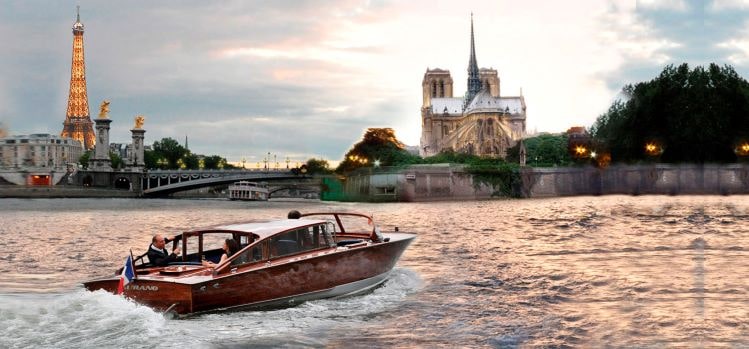
A boat element can work, but it should be chosen for timing, weather and teen temperament. Some teenagers love the pause because no one is asking them to perform attention. Others find a scheduled cruise too passive if it interrupts a day that was finally gaining rhythm. A private Seine plan through private Seine routing is strongest when it serves the family’s energy: a short river-focused sequence, a transfer of mood, or a separate celebration-style cruise rather than a mandatory add-on.
Do not use the Seine to justify extra monuments. Seeing Notre-Dame from the river or the Île de la Cité edge does not mean the family also needs Sainte-Chapelle, the Conciergerie and a full Left Bank loop on the same day. Teenagers often respond better to fewer sites with clearer context. A guide can explain why the river mattered, how the islands shaped the city, and why the Right Bank route makes sense, then keep moving. That is more useful than adding another ticketed interior because the map says it is nearby.
The Eiffel Tower question belongs here too. If the family wants the tower in the same day, decide whether it is a view, an ascent, or a symbol. A view can be handled separately and lightly. An ascent needs its own planning and can pull the day westward. A symbol can be acknowledged from a distance, especially on a first trip where the evening or another day may handle it better. The mistake is treating all three as the same request.
How a private guide reduces tour resistance without over-managing the teenager
A private guide helps most when the day needs live editing, not when the family wants more facts. Teen resistance usually appears as pace resistance, not content resistance: walking too long without purpose, standing too long in one room, hearing too much explanation after the point has landed, being offered no choice, or sensing that adults are trying to force wonder. A good guide notices those signals early and changes the day before the mood hardens.
In practice, that might mean cutting a Louvre wing, changing a painting discussion into a question, leaving by a different exit, moving toward Pont Neuf for air, pausing at Place des Vosges before the family has to ask for a break, or making Rue des Rosiers a cultural stop rather than a snack bribe. It might also mean telling parents gently that one more monument will not improve the day. This is where private touring earns its place: the route can change depth, pace and order in real time without negotiating with a group schedule.
Premium spend helps when it buys better judgment, smoother sequencing, private pacing, and fewer wasted transitions. It also helps when one family member is highly culture-focused and another is skeptical, because the guide can keep both included without averaging the day down. Premium spend does not help when the family insists on too many museums, too many monuments, and no reset window; the costliest version of an overpacked day is still overpacked.
For Orange Donut Tours, the best teen day is not a softened children’s tour and not an adult highlights march. It is a tailored family route with cultural credibility and enough teen agency to keep the day from becoming oppositional. When you want the museum choice, Le Marais pacing, Seine transition and possible Eiffel Tower handling designed around your own family rather than a fixed script, Inquire now.
Weather, walking load and the return leg families forget
The practical plan should include a weather pivot and a return-leg decision before the day begins. Paris can feel deceptively compact on a map, but the body experiences it as hard floors, stone stairs, security lines, river-level steps, cobbles, bridges, and repeated standing. After a serious museum, even athletic teenagers can become quiet from foot fatigue before adults recognize the problem. The Louvre-to-Seine-to-Le Marais plan works because it keeps the walking meaningful and lets the route shrink if the body signals arrive early.
In warm weather, put the serious indoor anchor early, avoid making the Eiffel Tower lawn or a long exposed westward transfer the midday prize, and let narrow Marais streets and seated pauses absorb the middle of the day. In rain, do not pretend the same open-air route will feel charming for everyone. Keep the museum, shorten the river exposure, use Le Marais for a tighter route with covered pauses where possible, and avoid adding a second ticketed interior unless the family truly wants it. In cold or windy weather, a boat element may feel calmer for some families and unpleasant for others; decide based on temperament, not romance.
The return leg is where many good Paris teen days are lost. If the family ends in Le Marais, do not automatically drag everyone back toward the Louvre because that is where the day began. Plan the pickup, taxi, metro, or walk from where the family will actually be when energy is lowest: near Place des Vosges, Saint-Paul, Rue Saint-Antoine, Hôtel de Ville, or another specific endpoint. The best ending is not the most scenic ending. It is the ending that gets the family back to the hotel or dinner without turning the last 35 minutes into a negotiation.
The mood consequence is simple: a day with one serious museum, a living neighborhood and a river transition feels shorter than a day with the same number of hours spent chasing icons. Teenagers remember whether Paris gave them space to become interested. Parents remember whether dinner became a recap of discoveries or a postmortem about why everyone was annoyed. The itinerary’s job is to make the first outcome more likely.
How to do Paris with teenagers without tour resistance: a workable day shape
The most reliable day shape is museum first, river transition second, Le Marais third, and a clean return fourth. This is not the only possible order, but it is the order that best balances seriousness, autonomy and energy for a first-time private stay. It gives parents the cultural anchor early, gives teenagers a visible change of scene before fatigue becomes defiance, and uses the Right Bank route instead of scattering the family across the city.
- Start with the museum while attention is freshest. Use a tight theme and a clear exit point. The guide should not ask the family to decide room by room once inside.
- Step toward the Seine before asking for more attention. The river moment is a body reset and a city-reading tool, not just scenery.
- Let Le Marais become the flexible middle or late-day act. The route can lengthen if curiosity is high or contract if the museum used more energy than expected.
- End from the actual endpoint. Choose a hotel return, dinner transfer or independent family time from Saint-Paul, Place des Vosges or Hôtel de Ville rather than backtracking to the original start.
If the day must include the Eiffel Tower, place it honestly. A separate evening view, a different half-day, or a tower-focused route may be better than squeezing an ascent between the museum and Le Marais. If the teenager has selected the tower as the main event, honor that choice and reduce the museum accordingly. If the tower is only there because adults feel a first Paris trip is incomplete without it, consider whether a view, photograph, or later sightline is enough.
If younger children are traveling with the teenagers, use the sibling version of the plan rather than pretending one route will satisfy every age equally. The younger-child day has different reset needs, more bathroom and snack timing, and a more protective pace. The adjacent first-trip guide, Paris with kids for a tailor-made first trip, is a better fit when the youngest child’s rhythm will control the day. This teen plan should lead when the family’s main risk is not meltdown, but resistance.
FAQ
Is Le Marais good for teenagers in Paris?
Yes, Le Marais is one of the best Paris neighborhoods for teenagers when it follows one serious museum. It gives them movement, choice, food and style without losing cultural substance, especially around Place des Vosges, Rue des Rosiers, Rue Saint-Antoine and the streets between Saint-Paul and Hôtel de Ville.
Should we choose the Louvre or Musée d’Orsay with teenagers?
Choose the Louvre for first-time scale, palace context and a serious Paris anchor that routes naturally toward the Seine and Le Marais. Choose Musée d’Orsay if your teenager is more likely to connect with 19th-century art, modern life, a former railway-station setting and a slightly more contained museum experience.
Can we include the Eiffel Tower on the same day?
Yes, but only if you define its role. A view or evening sightline can fit lightly, while an ascent usually deserves its own planning space. Do not add an Eiffel Tower ascent to a Louvre, Seine and Le Marais day unless the teenager actively wants it and the rest of the route has been reduced.
How long should a private Paris day with teenagers last?
Most teenagers do better with a focused half-day to moderate full-day shape than with a dawn-to-dinner highlights march. The more serious the museum, the more important it is to include a visible reset window and a clean return leg before evening plans.
Is a Seine cruise worth it with teenagers?
A Seine cruise is worth it when it gives the family a calmer way to read Paris or creates a true pause between heavier activities. It is not worth forcing when it becomes another scheduled obligation after a museum and a long walk; in that case, a shorter river-side transition may work better.
What should we cut first if the day is too full?
Cut the second museum or the extra monument first. Keep the one serious anchor, the Le Marais reset and the return-leg plan. Removing the reset often makes the remaining cultural stops less successful because teenagers lose the sense that the day has any choice in it.
Is this plan different from a Paris with kids itinerary?
Yes. A Paris with kids itinerary usually protects against meltdowns, snack timing and younger-child fatigue. A Paris with teenagers itinerary protects against resistance, over-management and loss of autonomy while still giving the family a culturally credible day.
Do teenagers really need a private guide in Paris?
They do not need a private guide for every hour, but a private guide can change the outcome when the family wants one museum, Le Marais and Seine time to feel coherent rather than forced. The value is live judgment: when to explain, when to move, when to offer choice and when to cut a stop.
If you’re interested in any private tours of Paris, please reach out to us.



 So if you are looking for the absolute best in Paris & surroundings with authentic local fully-licensed native guides whose English you can actually understand and with an exclusive and amazingly fun itinerary













