How to Spend Your First Day in Paris After an Overnight Flight: A White-Glove Arrival Plan for a Luxury Stay

Updated
The best first day in Paris after an overnight flight is a short arrival arc, not a sightseeing day: airport to hotel, luggage handled, shower or change, one gentle route on your own side of the Seine, one memorable Paris image, an early real dinner, and bed.
That works because Paris flatters overreach. Distances look stackable on a map, but the first river crossing, the queue you did not expect, and the late dinner you are suddenly too tired to enjoy can flatten night one; Place Dauphine just before sunset often gives more pleasure than a museum sprint.
The exception is when you land unusually early, have guaranteed room access, function well without sleep, and are in Paris for a short stay. Then a lightly guided first afternoon can be worth adding, but still with one icon maximum.
In Paris, the first day is won by keeping your body on one bank, your attention on one image, and your evening within easy reach of your bed. This is exactly where a private arrival transfer can save the part of the day that would otherwise vanish in airport friction, luggage drag, and indecision.
What should you do on your first day in Paris after an overnight flight?
Do less than your excitement wants and more than your body expects. Paris day one should hold only four things: a smooth hotel arrival, one beautiful outdoor or seated Paris moment, one unhurried dinner, and an early night that does not feel like surrender.
The phrase to keep in mind is simple: one-icon maximum. On arrival day, one heavyweight Paris image is enough. That image might be the Tuileries and the river, a short Seine glide, or the hush of Place Dauphine just before sunset. What it should not become is a chain of famous names. Once the plan includes the Louvre and the Eiffel Tower and Montmartre, Paris stops feeling elegant and starts behaving like an airport terminal with better façades.
The arrival-day ladder looks like this:
- Keep first: early room access or efficient luggage handling, then a wash-and-change.
- Keep second: one forgiving first-afternoon route that can end early without disappointment.
- Keep third: a dinner close enough to the hotel that nobody has to negotiate one more transfer.
- Cut first: the second destination, the second neighborhood, or any ticketed interior that turns a soft landing into a timed appointment.
For most overnight-flight arrivals, the famous Paris move of cramming in the Louvre or trying to “do Versailles first” is a mistake. The problem is not that these places are unworthy. The problem is that arrival day is when reservation friction, queue drag, river crossings, and decision fatigue cost the most. A tired traveler can enjoy a garden path, a bridge, a river view, or a well-timed glass of wine far more deeply than a major monument absorbed through travel haze.
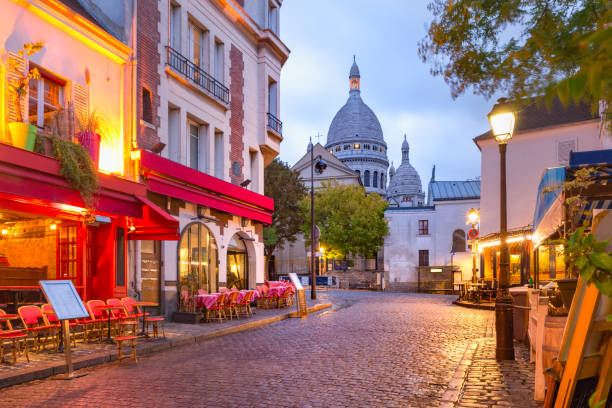
There is one more correction worth making early. Montmartre is not a romantic first-afternoon default unless you are already staying on its slope. What feels atmospheric at 10:00 a.m. on day three can feel like a tax on day one: uphill pulls, stair decisions, crowd bottlenecks, and a return trip when your energy drops all at once. Paris is generous to tired visitors when you choose horizontal beauty; it is unforgiving when you insist on uphill symbolism.
The reason this matters is not only physical. Arrival day sets the emotional temperature of the stay. A good first Paris evening makes the whole trip feel longer because you have entered the city gracefully. A bad one creates the false impression that Paris is harder, more crowded, and more draining than it really is. The goal is not to sleepwalk through the first day. It is to make the first day feel intentional enough that tomorrow begins with confidence instead of recovery.
The three arrival arcs, ranked by how well they preserve night one
For most first-time visitors, the right first afternoon is not universal; it depends on where you are sleeping, how your flight landed in your body, and whether you need walking, sitting, or guidance. These are the three arrival arcs that work best, in order.
1. Left Bank or west-central base: cross once for the Tuileries, then close with Place Dauphine
This is the best first-afternoon plan for many first-timers because it gives you immediate Paris without forcing you into Paris at full intensity. If you are staying in Saint-Germain, around Rue du Bac, near Invalides, in the western 6th, the 7th, or parts of the 1st, the cleanest move is a hotel reset followed by one deliberate crossing toward the Tuileries.
The logic is practical, not poetic. From these neighborhoods, the river crossing can be the day’s only meaningful transition. Use Pont Royal or Pont des Arts if they suit your address, step into the Tuileries, and let the garden do what arrival day needs most: give you room to walk without committing you to a fixed duration. You are not entering an exhibit. You are entering a flexible stretch of Paris where benches, sightlines, and exit points remain generous even when your patience is not.
From there, resist the urge to expand sideways. Do not suddenly decide the Louvre interior is close enough to “just pop in.” Do not pivot west because the Eiffel Tower feels essential on day one. Stay with the soft logic of the route. If the body still feels good, continue toward Pont Neuf and slip into Place Dauphine through the narrow entry that most first-time visitors miss until they are shown it. Place Dauphine just before sunset works so well on arrival day because the reward-to-effort ratio is absurdly favorable: traffic noise drops, the geometry calms, and Paris feels intimate rather than performative.
For couples, this is often the most elegant way to begin the trip. For adult friends traveling together, it has the same advantage: nobody has to process a complicated decision tree while tired. For celebration travelers, it gives you a first memorable scene without spending the best dinner energy on transit. And for food-and-wine travelers, it leaves room to enjoy supper with a functioning palate instead of arriving half-numb from a museum.
The main risk is adding too much length after the Tuileries because the afternoon went better than expected. Arrival day often fools travelers at 3:30 p.m. The danger hour is not when you are obviously exhausted; it is when you feel almost normal and start layering on “just one more thing.” If you choose this route, protect it by keeping dinner on the same general side of the city. A river walk, a brief aperitif, or a detour into Place Dauphine are graceful additions. A cross-city dash to Montmartre or the western 8th is not.
This route is less ideal if you are staying deep in the eastern Right Bank, traveling with overtired young children, or landing after a truly broken night. In those cases, the second-ranked plan often wins because sitting becomes more valuable than walking.
2. Le Marais or eastern Right Bank: keep the walking short and let the Seine do the sightseeing
This is the strongest plan for travelers staying in Le Marais, near Saint-Paul or Hôtel de Ville, and often for families, multigenerational groups, or anyone whose overnight flight produced more grit than glamour. The idea is not to “see less Paris.” It is to put more of Paris in front of you while asking less from your legs and attention.
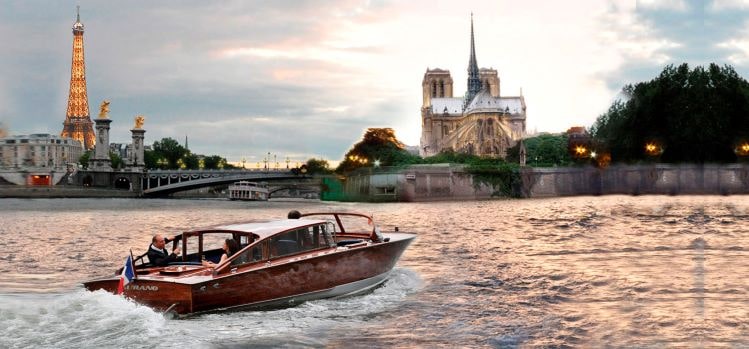
If your base is in Le Marais, the seductive mistake is to think west. The Tuileries looks close on a map, the Louvre looks close enough after that, and suddenly your first afternoon becomes a long push along Rue de Rivoli, followed by the problem of getting back in time for dinner before everybody goes flat. The better move is shorter and smarter: reset at the hotel, walk briefly if you want to loosen the body, then use a Seine cruise or similarly gentle river plan as the day’s single big Paris image.
The reason this works so well from the Marais is that your hotel and dinner options can stay close while the river gives you range. Instead of paying for Paris with steps, you pay with attention. Bridges slide by, façades unfold, and the city introduces itself while you sit. That matters on arrival day because sitting is not laziness; it is strategy. A seated view keeps the evening intact in a way a second neighborhood rarely does.
This plan also handles groups well. Families can avoid the late-afternoon collapse that comes from pushing children through one more museum-adjacent plaza. Small groups avoid the committee fatigue of deciding where to go next every twenty minutes. Celebration travelers still get a distinctly Parisian opening scene, only one that leaves enough energy for a toast and a proper meal afterward. If you want a little walking before or after, keep it compact: a quiet Marais lane, a short riverside stretch, or a contained square rather than a marching route.
The tradeoff is simple. If your ideal first Paris memory is trees, garden axes, and the subtle drama of Place Dauphine rather than a panoramic river sequence, the Left Bank/Tuileries arc can feel more emotionally satisfying. But if your real goal is to avoid wasting the first day to fatigue, this eastern Right Bank plan is exceptionally hard to beat.
It is not perfect for everyone. Travelers who dislike boats, dislike being seated when tired, or feel restored only by walking may prefer a very short Marais-and-river walk instead. Still, the principle remains the same: one short radius, one major image, and dinner back near the hotel before the city starts asking more from you than you have left.
3. Very early landing, guaranteed room access, and strong energy: add a lightly guided orientation, not a full sightseeing day
This plan is conditional, but when it fits, it is the only exception worth making to the soft-landing rule. If you land very early, know you function well without sleep, have your room ready when you arrive, and are in Paris for a short or celebratory stay, a lightly guided first afternoon can be excellent. The key word is lightly.
The value here is not raw sightseeing volume. It is decision removal. On arrival day, the most expensive drain is often not walking but the succession of tiny choices: whether to wait for the room, where to go first, how far is too far, whether to save the river for later, when to eat, and how not to lose the evening. A short guided block answers those questions before they become friction.
Think in terms of two or at most three hours after the hotel reset. One neighborhood. One Paris image. One clean handoff to aperitif or dinner. For some travelers, that becomes the smartest use of the arrival day because it turns the confusing middle of the day into orientation. It can also be an excellent fit for repeat visitors traveling with first-timers, because the guide can keep the plan tight while letting new arrivals feel they have properly begun.
What this is not: a full-day parade of landmarks in a vehicle, a citywide checklist, or a “since we have a driver, let’s keep going” situation. That version sounds luxurious and usually performs badly. Paris on day one is not conquered by seeing more of it through glass. It is improved by getting just enough context that the following days become easier, more confident, and more precise.
This third-ranked option is a bad fit for families with exhausted children, for anyone arriving after an especially poor night in the air, and for travelers whose hotel cannot actually receive them early. Without room access, a guided first afternoon becomes heavier because you are starting from a half-finished arrival rather than a true reset. If you cannot shower, change, or sit down for a few minutes first, revert to one of the first two plans.
Left Bank hotel to the Tuileries versus Le Marais hotel to a Seine cruise
This is the first-afternoon comparison that matters most, and it is controlled by route reality more than by romance. If you are still deciding neighborhoods, start with where to stay in Paris; if you already have your hotel, let the address make the choice for you instead of forcing the same arrival ritual from every base.
A Left Bank hotel to the Tuileries works because the movement feels coherent. You leave the room, cross the Seine once, step into a broad forgiving space, and can turn that outing longer or shorter without breaking the day. The Tuileries is especially kind to tired first-timers because it offers a sense of arrival before Paris becomes dense again. The walk is not about botanical detail. It is about how quickly the city starts to feel legible when you give yourself width, benches, straight lines, and obvious stopping points. Add Place Dauphine later only if the energy is still there.
A Le Marais hotel to a Seine cruise wins for different reasons. From a central Marais base, your best first-afternoon advantage is not a grand garden entry but proximity to the river and the ability to keep both the outing and the return short. The Marais-to-Tuileries push is not disastrous, but it spends energy westbound and then asks you to solve the evening afterward. A cruise, by contrast, lets the monuments come to you while preserving the easy return to supper, shower, and sleep.
The comparison also changes by traveler type. Couples frequently prefer the Left Bank-to-Tuileries arc because it feels like an immediate romance with Paris rather than an efficient survey of it. Families and multigenerational groups often do better with the Marais-to-Seine version because the seated time lowers the odds of a late-afternoon crash. Celebration travelers can go either way, but should decide based on where dinner matters most: if the reservation is near Saint-Germain or the 1st, start west; if the reservation is in the Marais or nearby, stay east.
There is also a subtle mood difference. The Left Bank-to-Tuileries arc makes Paris feel open first and intricate later. The Marais-to-Seine arc makes Paris feel close first and panoramic later. Neither is universally superior. What matters is whether your hotel location makes the transition into evening feel shorter or longer. On arrival day, “shorter” is almost always the right answer.
The 8th Arrondissement deserves a specific warning. Many travelers assume the 8th automatically produces the easiest high-end first afternoon because the hotels are polished and the avenues are broad. That can be true for certain itineraries later in the trip, but it is not automatically true on arrival day. Broad blocks can feel longer than expected, the best river or garden moments may still pull you away from where you want to dine, and the glamour of the address can tempt you into a larger loop than your body wants. If you are based in the 8th, keep the first outing contained and resist turning the afternoon into a showcase of west Paris.
One more rule helps. If your first-afternoon plan requires more than one meaningful river crossing before dinner, it is probably too much. Paris hides fatigue inside transitions. The bridge that felt cinematic at 2:00 p.m. can feel like one step too many at 6:15. That is why the clean arrival arcs work: they respect where the second crossing lands in the day.
Hotel check-in, luggage, nap, and dinner timing are what decide whether Paris feels easy
These are not side details in Paris; they are the central planning problem. The difference between a graceful arrival day and a wasted one is often decided before you ever reach your first viewpoint.
If your room is ready when you arrive, use that gift fully. Shower, change clothes, drink water slowly, and sit down for ten quiet minutes before heading out again. That tiny pause matters because it marks the transition from transit mode to city mode. Travelers who rush from curb to sightseeing often think they are saving time. In reality, they are carrying airport energy into Paris and then wondering why the first afternoon feels strangely blurry.
If your room is not ready, do not make the lobby your holding pen and do not make the city your punishment. Hand over luggage, ask the hotel to prioritize the room if possible, and choose the gentlest version of your planned route while you wait. The smartest arrival-day move is often the least dramatic one: a calm lunch nearby, a short walk, or a river-side sit that can be interrupted the moment the room becomes available. Waiting two hours in a plush lobby is not restful; wandering too far with half-finished arrival business is worse.
The nap question matters more in Paris than travelers expect because the city’s rewarding dinner hours arrive just when long-haul fatigue usually surges. A brief reset can help. A deep afternoon sleep can quietly destroy the evening. If you nap, keep it short and intentional. Once you disappear under hotel linens for ninety minutes or more, Paris stops being a first-afternoon city and becomes a city you are restarting at the exact hour when making one more decision feels hardest.
There is also a body consequence unique to this kind of city day. Paris rarely defeats tired travelers with one dramatic obstacle. It defeats them through accumulation: the airport transfer, the hotel pause, the first river crossing, the queue you did not budget for, the long museum floor you swore would be quick, the second crossing back, and the small hunger that suddenly becomes irritability. That is why arrival-day plans should be judged by transitions, not by beauty. The city is full of beauty. The hard part is getting to it without spending the body twice.
The mood consequence is just as real. When the first Paris evening ends with an easy table, warm light, and a short glide back to your room, the trip feels as if it opened on time. When the evening begins with arguments about where to go, a late reset after an overlong nap, or a last-minute transit scramble, the stay feels one day shorter even though the calendar has not changed. Paris is emotionally generous when the day closes cleanly. It becomes oddly cold when the day remains unresolved.
Dinner timing is therefore not an afterthought. On arrival day, dinner should be closer and simpler than your most ambitious meal of the trip. This is especially true for food-and-wine travelers. Save the longest tasting menu, the farthest restaurant, or the reservation that requires perfect punctuality for day two or three. Arrival day is the right night for a place you can reach easily, enjoy fully, and leave without feeling that the walk back to the hotel is one more task.
For couples, this often means choosing atmosphere over distance. For families, it means choosing predictability over prestige. For small groups, it means deciding the dinner neighborhood before anyone leaves the room, because late-afternoon group decision-making is one of the fastest ways to turn a lovely Paris plan into friction. If the hotel concierge can lock in a nearby table before you arrive, that small piece of forethought often does more for night one than an extra sight ever could.
There is one luxury judgment that matters here. If you land at dawn and care deeply about how the first day feels, paying for a room from the previous night can be a better use of money than upgrading to a more elaborate category you still cannot enter. A beautiful suite at 3:00 p.m. does not help the first Paris day as much as a good room at 9:30 a.m. The real premium is control over the reset.
What to cut first when Paris day one starts swelling
Cut the second major sight first, not the dinner and not the river. Arrival day goes wrong when travelers protect the wrong parts of the plan.
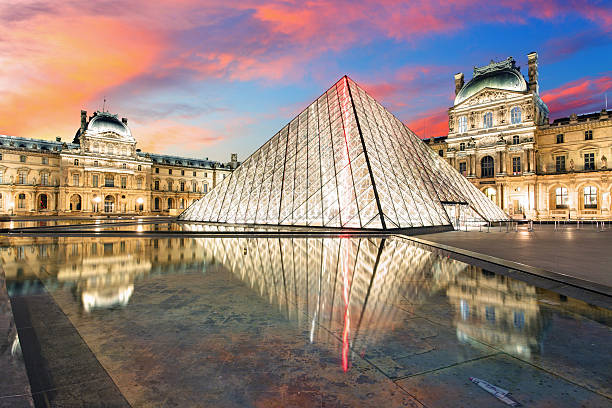
The clearest example is the Louvre. For most overnight-flight arrivals, the Louvre is not a first-day museum; it is a second- or third-day commitment. Even the Louvre hours and admission page (https://www.louvre.fr/en/visit/hours-admission) reminds you that this is a timed, deliberate visit rather than a casual half-hour insertion. If the museum matters to your trip, give it the attention it deserves later and use Louvre day planning when you are ready to build the right day around it.
Versailles is an even firmer no on arrival day. It is not a chic efficiency move; it is a category error. A palace-and-gardens day belongs in the middle of a stay, when you can leave the hotel clear-headed and return without having spent your first night’s energy before dinner. You do not need current pricing or opening detail to understand the scale of the commitment. The official Versailles planning page (https://en.chateauversailles.fr/plan-your-visit) makes the point on its own: this is a destination day that asks for preparation, not an arrival-day add-on.
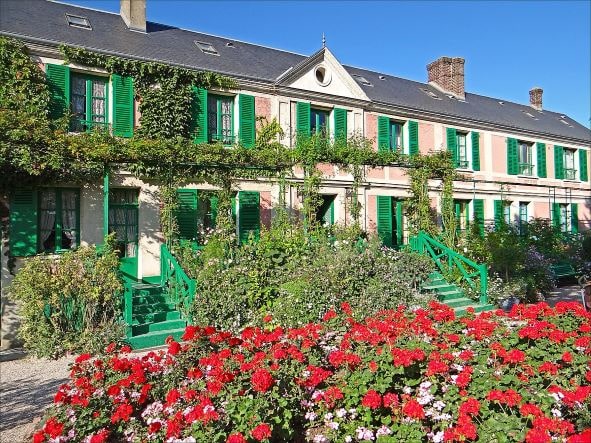
Giverny belongs in the same category. It is beautiful, but beauty is not the question on day one. Ease is the question. The official Monet Foundation page (https://fondation-monet.com/en/giverny-2/) is the page of a separate excursion, not the page of a gentle first afternoon. If Monet matters to the trip, save it for when a day outside Paris will feel like a pleasure rather than a drain.
Montmartre is usually the next thing to cut. Unless you are staying there or have extraordinary arrival energy, it is the wrong kind of memorable on day one. The hill, the stop-start circulation, and the temptation to keep climbing or detouring all work against tired bodies. What looks like atmosphere in a brochure becomes quite a lot of management when your sleep debt arrives.
Shopping is also overvalued on arrival day unless there is a specific purpose. Browsing in Paris sounds easy because it feels low stakes. In practice, shopping asks for visual attention, fit decisions, and one more round of carrying or arranging purchases when you should be moving toward dinner and bed. If the day starts expanding, cut the browsing before you cut the walk that made Paris feel real.
If you need a ruthless rule, use this one: keep one Paris image, keep one meal, keep the easy return to the hotel. Everything else is expendable. The first thing to remove is the second attraction. The second thing to remove is any fixed-time interior. The last thing to remove is the closing mood of the evening, because that mood is what determines whether tomorrow begins with appetite or repair.
Where extra spend earns its place and where it does not
Pay for control points, not for spectacle. Arrival day luxury works best when it reduces decisions, waiting, and awkward transitions rather than when it adds one more impressive component to an already fragile day.
The first worthwhile spend is control over the airport-to-hotel handoff. A pre-arranged arrival, especially one that deals cleanly with luggage and timing uncertainty, is valuable because it saves your best daytime energy for Paris itself instead of for curbside logistics. The second worthwhile spend is early room access, whether that comes from excellent hotel planning, a day-use strategy, or booking the previous night when the flight pattern makes that genuinely sensible. The third worthwhile spend, for the right traveler, is a short, purposeful guided block that absorbs decision-making without turning into a marathon.
That is also why short tailored support is more useful than broad, all-day coverage on arrival day. A guide who helps you sequence one neighborhood, one river moment, and dinner can improve the day dramatically. A full citywide program can do the opposite by making you feel obliged to keep consuming Paris when what you actually need is a controlled start. Tailor-made service earns its place when it edits. It loses value when it overpromises.
A full-day private car on arrival adds cost without improving the first Paris afternoon when your hotel is already central and your plan is one riverside walk, one view or cruise, and dinner nearby. The bottleneck on day one is rarely the absence of leather seats. It is the fact that tired travelers experience every stop as a reset. Riding between too many resets does not solve the problem; it multiplies it.
There are, of course, exceptions. Travelers with serious mobility limits, a celebratory need for maximum privacy, multiple generations with very different walking capacities, or a same-day business commitment may absolutely benefit from more driving support. But that is because the service is solving a real constraint. It is not because Paris is somehow improved by seeing it from a car on the day you have just landed.
This is where chauffeured Paris touring usually makes more sense on day two than on day one. Day two is when dispersed stops, shopping appointments, multiple reservations, or a panoramic cross-city survey can finally justify the spend. On arrival day, the better luxury is often narrower: clean transfer, room access, one guided sequence, and a dinner you can actually enjoy.
Turn arrival day into the part of Paris that makes the rest easier
The point of this first day is not to underuse Paris. It is to put Paris in the right order. When airport arrival, room access, one soft first-afternoon arc, and dinner all connect cleanly, the city feels easier on day two, museum choices become clearer, and nobody wastes the next morning recovering from the previous evening.
If that is the part you want handled well, a lightly guided first-afternoon route can be the difference between “we technically arrived” and “we began the trip properly.” If the real problem you want solved is how to move from plane to hotel to first Paris without burning the day on logistics, Inquire now.
FAQ
What if my room is not ready when I reach the hotel?
Store the luggage, ask the hotel to prioritize the room if that is possible, and switch immediately to the gentlest version of your first-afternoon plan. Do not hover in the lobby for hours, and do not launch into a huge route simply because you are temporarily between stages. A nearby lunch, a short riverside walk, or a compact garden route is enough while the room catches up to you.
Should I nap after checking in?
A short intentional reset can help; a long afternoon sleep usually hurts. In Paris, the cost of a long nap is not abstract jet lag. It is the way it pushes your first outing into the most decision-heavy part of the day and turns dinner into a late, weary obligation. If you can stay awake until after an early dinner, that often produces a smoother night and a sharper next morning.
Should I do the Louvre on arrival day?
For most travelers, no. The Louvre is too important and too absorbing to be used as an arrival-day filler. If the museum matters to your trip, give it its own plan later in the stay, when your concentration, feet, and patience are working properly. On day one, the exterior, the surrounding gardens, or a simple river view will usually leave a better memory than an underpowered museum visit.
Is Versailles ever worth doing on arrival day?
Almost never. Even travelers who normally handle overnight flights well tend to underestimate how much a Versailles day asks in timing, movement, and sustained attention. If Versailles is one of the reasons you came to Paris, that is precisely why it should not be compressed into the least resilient part of the trip. Put it later, when it can feel expansive instead of punishing.
Left Bank or Le Marais for the first afternoon?
If you are staying on or near the Left Bank in the western 6th or 7th, the Tuileries and a possible finish at Place Dauphine are often the cleanest first-day answer. If you are staying in Le Marais or the eastern Right Bank, a short river route or cruise is usually easier and wiser. The best first afternoon is usually the one that asks for the fewest complicated returns before dinner.
Is a Seine cruise a good first thing to do in Paris?
Yes, often especially if your hotel is in Le Marais, if you are traveling with children or grandparents, or if your overnight flight was rough. A Seine route works on day one because it converts sightseeing into sitting, which is a real strategic advantage. The only reason to skip it is personal: if boats never feel restorative to you, the same logic can be achieved with a very short walk and an early meal.
What changes for families or multigenerational groups?
The more mixed the energy levels in your group, the more valuable seated sightseeing and a short dinner radius become. Families usually do better with fewer transitions, not more famous names. Multigenerational groups benefit from agreeing the dinner neighborhood in advance and choosing an arrival arc that can end early without disappointment. Day one is not the moment to test everyone’s maximum tolerance.
When is a private guide or chauffeur worth paying for on day one?
A private guide is worth considering when you land early, have room access, and want a short orientation that removes decisions without becoming a full itinerary. Driving support is worth paying for when it solves a real constraint such as mobility limits, very young children, privacy needs, or a same-day commitment. It is usually not worth paying for simply to chase more sights across central Paris on the day you arrive.
If you’re interested in any private tours of Paris, please reach out to us.





 So if you are looking for the absolute best in Paris & surroundings with authentic local fully-licensed native guides whose English you can actually understand and with an exclusive and amazingly fun itinerary













