Luxury 3-Day Paris Itinerary: Private Guides, Skip-the-Line Sights & Fine Dining
Updated
Overview
In three focused days, this luxury Paris itinerary weaves private guides, smart skip-the-line strategies and Michelin-level dining into a calm, deeply personal first encounter.
Think of it as a 3-day Paris itinerary for travelers who value time as much as budget: fewer queues, more unhurried conversations, and space for jet-lag to catch up with you. We focus on the big icons—Eiffel Tower, Seine, Louvre, Montmartre—paired with fine-dining dinners and neighborhoods that feel genuinely Parisian rather than theme-park busy. It is equally suited to first-timers who want the classics and returning guests who want those classics done better.
When we say ‘fine dining’ here, we mean Michelin-starred and equivalent rooms where multi-course tasting menus often start around €150–€200 per person without wine; these ranges shift regularly, so always confirm current menus. Rather than ranking restaurants by stars alone, we look at the overall experience: kitchen, service, room, and how well each dinner fits into three compact days in the city.
This guide is written with fully private guiding in mind—no megaphones, no headsets—so you can move at your own pace, adjust for children or older knees, and change course when Parisian weather or moods shift. When you are ready to turn this outline into a tailor-made plan, pair it with bespoke Private Tours in Paris designed around your hotel, interests, mobility needs, and appetite for art versus food.
Itinerary
This 3-day Paris itinerary balances one or two major sights per half-day, leaving at least 2–3 unscheduled hours daily for cafés, naps, shopping, or simply watching the city go by.
Day 1 – Eiffel Tower, Seine and a riverside first night
Use day one to shake off the flight while still feeling unmistakably in Paris: an expertly sequenced Eiffel Tower visit, a gentle Seine cruise, and a simple, local dinner that respects your energy levels.
If you are working with a private guide, this is the ideal moment for a carefully timed Eiffel Tower private visit in late afternoon or early evening—after check-in, before your body truly crashes.
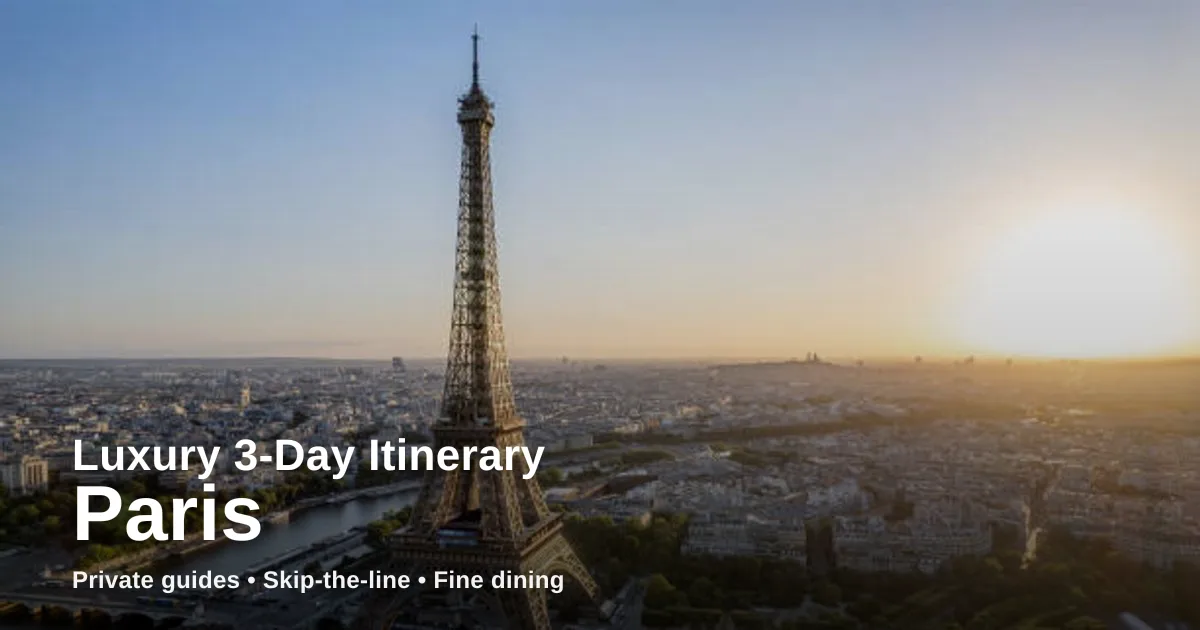
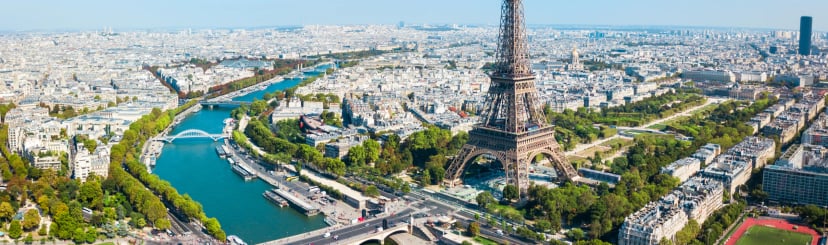
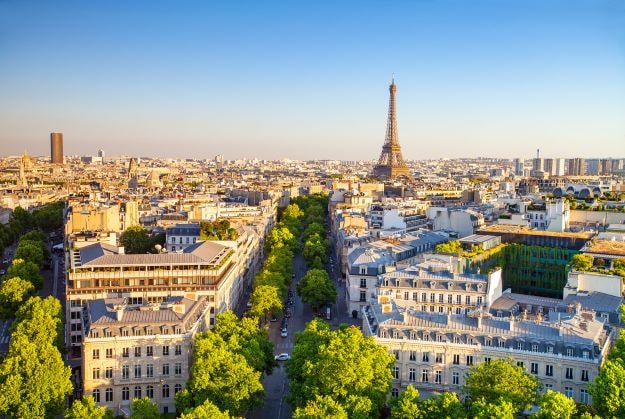
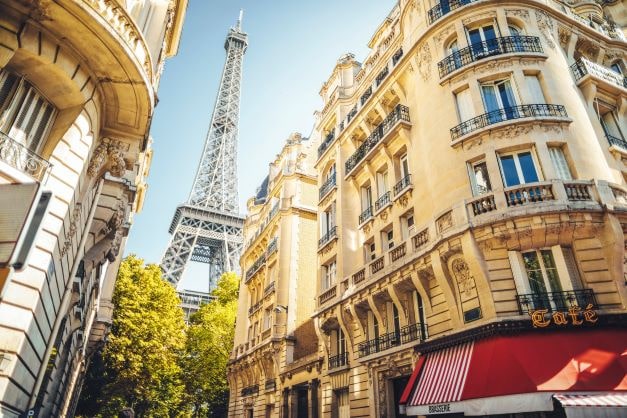
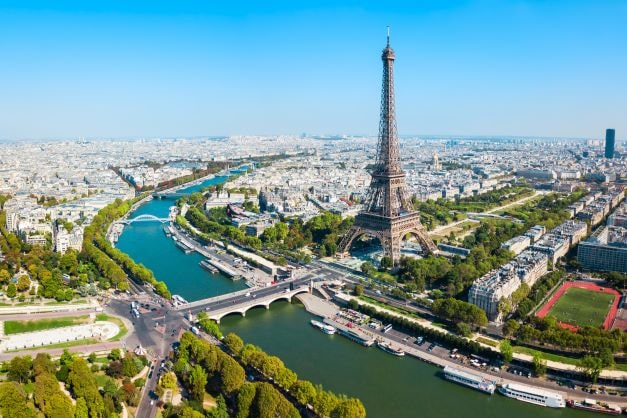
Eiffel Tower with private guide and timed entry Start your stay with a landmark you recognize from childhood, but experience it without the usual chaos: your guide helps you navigate security, elevators versus stairs, and the best terraces for photos so you can focus on the views rather than logistics.
Why we chose it: It gives an immediate sense of Paris’s layout, and a smart timed-entry slot can easily save 30–60 minutes of queuing on busy days.
- Location/Area: Champ de Mars in the 7th arrondissement, on the Left Bank beside the Seine.
- Time/Duration: Allow about 2–3 hours door-to-door, including security, elevator rides, time on the viewing platforms, and a brief pause for a drink.
- Best time/season: Early morning for softer light and calmer lifts, or an evening slot to watch the city light up and the tower sparkle at the top of the hour.
- Cost/Price range: Official adult tickets typically sit somewhere in the mid-teens to mid-thirties euros depending on height and whether you choose stairs or elevators; always check current options and categories on the official Eiffel Tower site.
- Lead time/booking window: Online elevator tickets on the official ticketing site are usually released around 60 days before the visit date, and the most desirable twilight slots can disappear quickly on peak-season evenings.
- Accessibility: Elevators serve the first and second floors with step-free access, but you should still expect security checks, sloped surfaces, and some crowd-related bottlenecks—share any mobility needs ahead of time so your guide can plan routes.
- Alternative if sold out: Consider an evening visit to the Montparnasse Tower observation deck or a night-focused river cruise to capture wide city views.
- Last verified: December 2025.
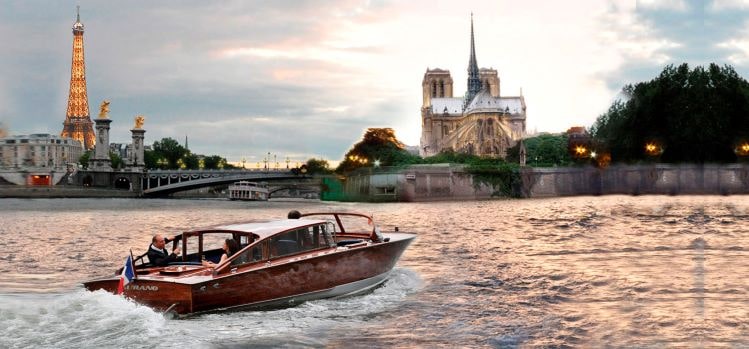
After a short hotel reset, finish the day on the water. You can join a shared sightseeing boat or fold the experience into a bespoke private Seine cruise that aligns precisely with sunset and your dinner plans.
Seine River evening cruise As jet lag creeps in, you sit and the city moves: bridges, facades, and illuminated monuments slide past while you sip something sparkling or simply hold a hot drink.
Why we chose it: It turns an evening when you might otherwise fight to stay awake into a quiet, one-hour moving postcard that orients you for the days ahead.
- Location/Area: Most classic cruises depart near the Eiffel Tower or Pont de l’Alma, with additional departures near Notre-Dame and the Île de la Cité.
- Time/Duration: Standard sightseeing cruises last about 1 hour, while dinner cruises typically stretch 1.5–2.25 hours depending on the operator and route.
- Cost/Price range: Recent operator rates place basic 1-hour sightseeing cruises for adults broadly in the mid-teens to mid-twenties euros, with multi-course dinner cruises significantly higher; treat these as ballpark ranges and always check current inclusions when booking.
- Best time/season: Aim for departure 15–30 minutes before sunset so you experience daylight, twilight, and the tower’s evening sparkle in one trip.
- Accessibility: Larger boats generally have gently sloped gangways and accessible restrooms, but ramp angles and lift availability vary—confirm details directly with your chosen operator if you use a wheelchair or stroller.
- Alternative if sold out: Swap in an after-dinner stroll along the riverbanks between Pont Alexandre III and the Louvre for many of the same views on foot.
- Last verified: December 2025.
For dinner on night one, stay close to your hotel and keep it simple—a smart neighborhood bistro or room-service platter. Your first true fine-dining blowout works better once your body clock has caught up, which is why we place it on night two.
Day 2 – Louvre, Right Bank wandering and a palace dinner
With some sleep behind you, day two leans into art and architecture: the Louvre in the morning, a slow promenade through gardens and arcades, and a long, celebratory fine-dining dinner in the Golden Triangle.
If you are traveling with a private guide, this is the perfect opportunity for a ‘Best of Paris’ day that strings together the Louvre, signature viewpoints and a Left Bank stroll without you constantly checking the time.
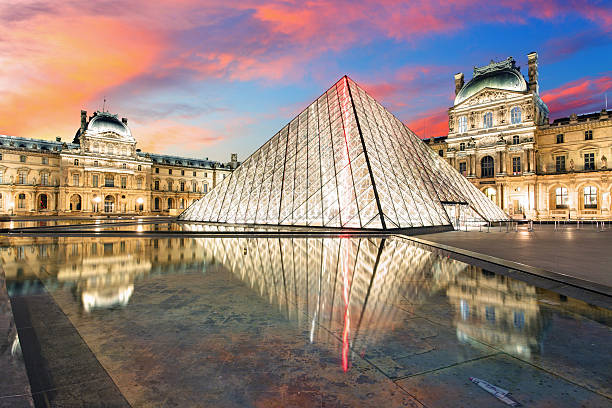
Louvre Museum highlights with a private guide Instead of sprinting from the Mona Lisa to Winged Victory and collapsing, a structured route keeps your focus on a handful of masterpieces and the palace itself, with room to notice small details most visitors rush past.
Why we chose it: With millions of visitors a year and thousands of works on display, a curated 2–3 hour highlights visit is the difference between overwhelm and genuine enjoyment.
- Location/Area: 1st arrondissement on the Right Bank, between the Seine and Rue de Rivoli, perfectly paired with the Tuileries Garden and Palais-Royal arcades.
- Time/Duration: Plan about 2.5–3 hours inside for a highlights-focused private tour, plus transfer time to and from your hotel.
- Best time/season: The first timed slot of the day or Wednesday and Friday evening openings, when crowds often feel thinner and the museum’s lighting is softer.
- Cost/Price range: General admission has recently been advertised around €22 for many adult visitors, with higher tiers announced for some non-EU visitors from 2026 onward; always confirm current prices on the Louvre hours and admission page.
- Lead time/booking window: Timed-entry tickets and select guided visits can sell out days or weeks ahead during peak periods—book as soon as your dates and preferred time are firm.
- Accessibility: Broad ramps, lifts and accessible routes serve the main galleries, but expect security queues and occasional congestion near headline works; allow extra time if you avoid escalators or need step-free paths.
- Alternative if sold out: Shift your major art block to Musée d’Orsay, then loop back to enjoy the Louvre’s courtyards, glass pyramid, and riverside views from outside.
- Last verified: December 2025.
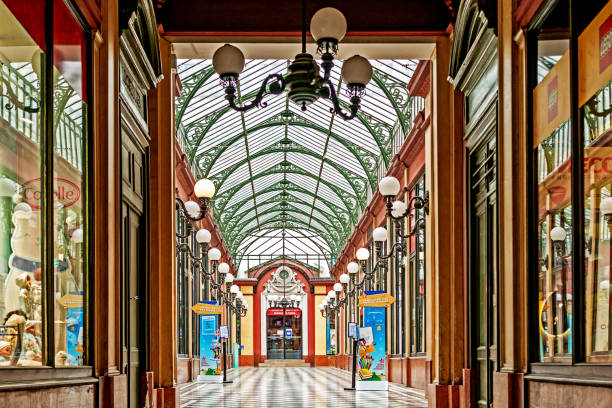
After the museum, walk (or take a short car ride) through the Tuileries and across to Place Vendôme, Rue Saint-Honoré, or the covered passages near the Grands Boulevards for some light shopping and café stops. Keep the afternoon mostly open—perhaps one reserved slot for tea or a massage—so you arrive at dinner genuinely hungry and unhurried.
Le Cinq – grand-palace fine dining in the Golden Triangle Inside the Four Seasons Hotel George V, Le Cinq is textbook Paris luxury: soaring arrangements of fresh flowers, plush fabrics, and meticulously choreographed service anchored by a kitchen that has earned three Michelin stars.
Why we chose it: For many guests, one three-star dinner is the culinary centerpiece of a Paris trip, and Le Cinq balances theatrical room, precise cooking, and a surprisingly warm, human service style.
- Location/Area: Avenue George V in the 8th arrondissement, within the so-called Golden Triangle, a short car ride from central Right Bank hotels and walkable from the Champs-Élysées.
- Cost/Price range: Recent guides and diner reports place full tasting menus broadly in the €350–€600+ per person zone before wine, with simpler lunch options sometimes available at lower figures; treat these as indicative only and confirm current menus directly or via the Michelin Guide entry for Le Cinq.
- Time/Duration: Expect dinner to last 3–4 hours once seated, particularly if you choose extended tasting formats and linger over cheese and petits fours.
- Dress code: Jackets are strongly preferred for men and elegant evening wear for everyone; families with children are welcome if they are comfortable with a long, quiet meal.
- Cancellation basics: Credit-card guarantees and firm cancellation windows are standard at this level—review booking terms carefully so you understand any fees for last-minute changes.
- Accessibility: The restaurant sits within a modernized luxury hotel with lifts and step-free routes; mention wheelchairs or mobility needs when reserving so staff can plan seating and restroom access.
- Alternative if sold out: Consider another three-star palace such as Le Gabriel or a more contemporary two- or one-star restaurant with a strong wine program and shorter lead times.
- Last verified: December 2025.
Day 3 – Montmartre mornings, medieval Paris afternoons, modern tasting menus
Day three is about contrasts: a steep hilltop village in the morning, medieval Paris around Notre-Dame in the afternoon, and a modern, ingredient-led tasting menu in the evening.
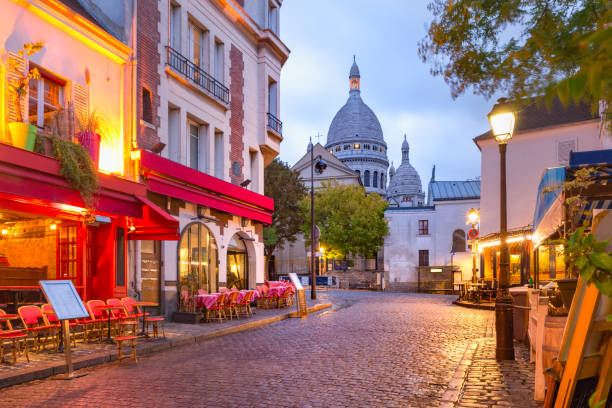
Montmartre and Sacré-Cœur with a private guide Take the funicular rather than the staircase and wind through Montmartre’s steep lanes, artists’ squares and the white basilica that hovers above the city’s northern skyline. The basilica itself is free to enter and typically opens from early morning into the late evening; always confirm current hours before you go.
Why we chose it: On a three-day trip, this is your most atmospheric neighborhood walk, with panoramic views and a completely different rhythm from central Right Bank streets.
- Location/Area: 18th arrondissement, on the hill above Pigalle and Abbesses metro stations.
- Time/Duration: Allow 2–3 hours for a gentle loop including Sacré-Cœur, the funicular, and a coffee stop in or near Place du Tertre.
- Best time/season: Mornings before late-arriving day-trippers; in summer, aim to finish by late morning before the hill feels busy and hot.
- Accessibility: The Montmartre funicular bypasses over 200 stairs and is widely reported as step-free at both stations, but streets at the top are steep and often cobbled—wheelchair users should plan routes in advance and may prefer to focus on the basilica plateau rather than side streets.
- Cancellation basics: If you book a private walking tour here, clarify how guides handle heavy rain, strikes, or unexpected mobility issues before you confirm.
- Alternative if sold out: For a flatter walk with character, consider an early-morning stroll through the covered passages near the Grands Boulevards and the neighboring Grands Magasins department stores.
- Last verified: December 2025.
Notre-Dame Cathedral and Sainte-Chapelle on Île de la Cité Your final afternoon takes you into medieval Paris: the restored nave of Notre-Dame, now welcoming visitors again, and the stained-glass walls of Sainte-Chapelle a few minutes’ walk away.
Why we chose it: It balances the grandeur of big museums with a more spiritual, architectural experience and lets you feel the city’s deep history before you depart.
- Location/Area: Île de la Cité in the historic center, between the Right and Left Banks, reached easily by taxi or Métro (Cité or Saint-Michel–Notre-Dame).
- Time/Duration: Plan about 1–1.5 hours split between Notre-Dame’s interior and exterior, plus 45–60 minutes for Sainte-Chapelle including security and time inside the upper chapel.
- Cost/Price range: Entry to Notre-Dame’s main cathedral space is currently free, while Sainte-Chapelle charges a standard adult ticket in the low-teens euros; combination tickets and updated prices are best checked on the official sites when you book.
- Best time/season: Mid-afternoon can be magical for Sainte-Chapelle’s stained glass when the sun is high; for Notre-Dame, morning or early evening light is often calmer outside.
- Lead time/booking window: Notre-Dame offers optional free time-slot reservations to smooth queues, while Sainte-Chapelle requires dated, timed tickets; reserve several days in advance for popular dates and midday slots.
- Accessibility: Notre-Dame has step-free access to the nave but some surrounding streets and security zones involve uneven paving; Sainte-Chapelle’s historic staircases and compact security space make it more challenging—check access notes carefully if you use a wheelchair or walker.
- Alternative if sold out: Swap Sainte-Chapelle for a quieter Gothic church such as Saint-Séverin or Saint-Germain-des-Prés and extend your time along the Seine quays instead.
- Last verified: December 2025.
Septime – modern, ingredient-led tasting menu In the 11th arrondissement, Septime offers an intimate, contemporary room, seasonal market cooking and a tasting menu that feels more like a relaxed dinner party than formal palace dining.
Why we chose it: It shows a different side of Paris fine dining—creative, vegetable-forward, and plugged into natural-wine culture—without sacrificing technical precision.
- Location/Area: Rue de Charonne in the 11th arrondissement, about 15–20 minutes by car from central Right Bank hotels, depending on traffic.
- Cost/Price range: Recent coverage suggests lunch menus broadly in the €60–€80 range and dinner tasting menus around €95–€150 per person before wine; treat these as indicative ranges and always confirm current pricing when reserving.
- Time/Duration: Expect 2.5–3 hours for dinner, especially if you opt for wine pairings and an unhurried pace between courses.
- Lead time/booking window: Reservations are released in small batches, and many seasoned diners recommend trying as soon as bookings open, typically around three weeks ahead.
- Dress code: Smart-casual works well here—think good denim, simple tailoring and low-key jewelry rather than formal evening wear.
- Accessibility: The compact dining room can feel tight, and detailed accessibility information is not heavily publicized; guests with wheelchairs or mobility needs should contact the restaurant directly before booking.
- Alternative if sold out: Look at similarly creative, Michelin-starred modern bistros such as Table Bruno Verjus or other contemporary spots in the 11th arrondissement.
- Last verified: December 2025.
If you are more interested in a broader view of the city’s restaurant scene, or prefer to build your own lineup of dinners, you can cross-reference these suggestions with our dedicated Paris fine-dining restaurant guide before you commit.
Neighborhoods
For a 3-day luxury stay, focus on two or three compact Paris neighborhoods so most journeys between your hotel, museums, and dinners stay under 20–25 minutes door-to-door.
Left Bank: Saint-Germain and the 7th
Saint-Germain-des-Prés and the 7th arrondissement around the Eiffel Tower and rue Cler suit guests who like galleries, cafés, and calmer evenings. You can walk to the Seine, cross to the Louvre or Musée d’Orsay, and return to quieter side streets at night.
Hotels here work well if you want gentle strolls instead of late-night noise, and if you picture yourself in cafés with worn tabletops and shelves of books rather than bright cocktail bars. From a logistics standpoint, the Left Bank also puts you close to the Eiffel Tower day and night and keeps taxi rides to Le Cinq or other palace restaurants short.
Right Bank: Louvre, Opéra and the Golden Triangle
Staying near the Louvre, Opéra or Place Vendôme places you at the center of this itinerary’s museum and shopping days. You can walk to the Louvre, cross the river to Saint-Germain, and reach the Golden Triangle or Champs-Élysées quickly by car for dinner.
This area feels busier in the daytime—department stores, grand boulevards, business districts—but at night can be surprisingly calm a block or two off main avenues. If you are planning a palace dinner at Le Cinq or another major hotel restaurant, basing yourself in the 1st, 2nd, or 8th arrondissements keeps travel times predictable and short, especially in the rain.
Bohemian edges: the 11th and Montmartre (for flavor, not a base)
The 11th arrondissement (home to Septime and many wine bars) and Montmartre are ideal to visit, but not always ideal bases for a short luxury stay. They involve more travel time to the Louvre and Eiffel Tower and can add complexity for early-morning or late-night transfers.
Our recommendation: stay central and let a private car or the Métro carry you to these neighborhoods for specific windows—a Montmartre morning, a Septime dinner—rather than building your hotel choice around them. This keeps the edgy, creative energy on the menu without asking you to fight through crowds or hills at the end of every day.
When to Visit
When you only have 3 days in Paris, timing matters: a June weekend feels very different from a November midweek stay, and crowd levels can easily double or halve.
Spring and early autumn: April–May and late September–October balance lighter crowds (outside school holidays and major events) with milder temperatures and longer daylight hours. Museum courtyards and café terraces are comfortable, and fine-dining menus often feel at their most seasonal.
Summer: Late June through August brings long days and, often, long lines. With private guides and carefully chosen timed-entry tickets, you can still navigate the city comfortably, but you should expect higher demand at the Eiffel Tower, Louvre, and big-name restaurants. Air conditioning is not universal, so prioritize modern hotels and restaurants with good ventilation.
Winter: November through March is quieter and can be magical for Christmas lights and early-evening walks, but days are short and some experiences—like late Seine cruises on open decks—are less appealing. This can be a great time for a museum- and dining-heavy itinerary, with the understanding that weather may keep you indoors more often.
Whenever you come, aim to avoid arriving on a Tuesday if the Louvre is central to your plans (it closes that day), and check for strikes or major events that could affect museum hours or transport on your chosen dates.
Essential Tips
These essential tips are the small 10–15 minute decisions—ticket timing, route planning, restaurant bookings—that, added together, make a 3-day luxury Paris itinerary feel effortless.
- Anchor one major reservation per day. Build each day around a single fixed point—a timed museum ticket or a fine-dining dinner—and let everything else flex. This protects you from over-scheduling while ensuring you don’t miss the experiences that require planning.
- Use official sites for tickets, especially for free-entry sites. For places like Notre-Dame, buy nothing from third-party sellers on the square or random websites; use only the cathedral’s official reservation system for free time slots and check that any ‘skip-the-line’ tour clearly states what it does—and does not—include.
- Think in walking clusters, not just “Left Bank versus Right Bank”. Group the Eiffel Tower and a Seine cruise; the Louvre, Tuileries, and Palais-Royal; Montmartre and a simple bistro lunch. This minimises time spent in taxis and keeps average walks to 10–20 minutes.
- Pad every transfer by 15 minutes. Central Paris is compact but busy. Build a 15-minute buffer into each move between hotel, museums, and dinners so a sudden shower or slow taxi doesn’t eat into your actual experience.
- Share mobility or sensory needs early. Many Paris landmarks have accessible routes, lifts, or quiet corners, but they are not always obvious; letting your hotel and private guide know your requirements before you arrive allows them to build routes with fewer stairs, smoother surfaces, and calmer entrances.
- Plan for jet lag on day one, not against it. Keep your first day light on commitments—Eiffel Tower plus a river cruise is plenty—and avoid a palace-level dinner on the first night when you’re likeliest to fade halfway through dessert.
- Book fine dining early and be flexible on time. Top tables may open their books weeks or months ahead and fill popular slots, but you often find availability earlier or later in the evening. Being open to a 19:00 or 21:30 seating expands your options considerably.
- Let someone else manage the micro-logistics if that’s not your joy. If you’d rather not spend evenings juggling ticketing sites and restaurant releases, a bespoke private plan that folds in carefully chosen experiences and smarter skip-the-line support for key sites can be a relief—Inquire now if you prefer that over travel-planning spreadsheets, and consider incorporating curated skip-the-line ticket strategies into a wider private-touring framework.
Insider Info
The biggest upgrade for a three-day luxury trip often comes from subtle moves—like using the Louvre’s two late evenings or shifting lunch to 14:00—that cost €0 but free up hours.
Use late museum hours strategically. On Louvre late nights, many group tours are gone by early evening, and locals drop by after work. Pair a relaxed late-afternoon coffee with a 17:30–18:00 entry to avoid the most intense midday crush around Mona Lisa and the Italian galleries.
Avoid unofficial ‘fast-track’ tickets. Recent reports have highlighted scams involving counterfeit ‘priority’ tickets for free-entry sites such as Notre-Dame and irregular resellers for major museums. The safest rule is simple: if the ticketing site is not clearly linked from the monument’s official website, skip it.
Think of driving as a scalpel, not a hammer. Central Paris traffic is unpredictable, but a private car can be invaluable at key moments—after a late dinner in the 11th, on a rainy morning, or when older relatives are tired. Use it for one or two key hops per day rather than every movement.
Keep a short, printed backup plan. Connectivity can dip in stone buildings and on Métro platforms. Having a one-page summary of your timed entries, key addresses, and restaurant confirmations means you are never reliant on a drained phone or lost signal.
Consider a private ‘orientation’ drive. A short, commentary-rich city drive on day one or two can help you visualize how everything fits together so the rest of your 3-day itinerary feels intuitive instead of confusing.
FAQ
These quick answers cover the questions we hear most from guests planning 3 days in Paris, from timing and costs to accessibility and booking windows.
Is 3 days enough for a first luxury trip to Paris?
Three days is enough for a well-curated introduction to Paris if you focus on a few major sights, smart timed entries, and one or two standout dinners. It is not enough to ‘do it all’, but it is ideal for a concentrated, high-quality first impression that you can build on later trips.
How much walking does this 3-day Paris itinerary involve?
Most guests cover the equivalent of several kilometers a day if they follow this plan, but private cars and taxis can trim distances significantly. If mobility is a concern, share details early so routes can be adapted and hills like Montmartre adjusted or shortened.
Do I really need skip-the-line tickets for every attraction?
You do not need skip-the-line tickets for every site, but timed-entry access is very helpful for places like the Eiffel Tower, Louvre, Sainte-Chapelle, and some Seine cruises. Focus on those key bottlenecks, buy only from official or clearly reputable sources, and be wary of anyone selling paid ‘priority’ access for normally free sites such as Notre-Dame.
How far in advance should I book fine-dining restaurants in Paris?
For three-star palaces, think in terms of weeks or even a couple of months, especially for weekend dinners and peak seasons. More intimate, modern spots like Septime often open bookings a few weeks ahead and sell out quickly, so note their release patterns and set reminders if you care about specific names.
What about museum closures with only 3 days in Paris?
Check weekly closure days before you lock dates—most importantly, the Louvre closes on Tuesdays and some other museums close one day a week as well. If your trip straddles a closure, simply rotate the order of days in this itinerary so your key museum lands on an open day or a late-opening evening.
Is this 3-day plan suitable for families or older travelers?
Yes, as long as you adjust pace, transport, and mealtimes to your group’s comfort levels. Private guiding makes it easy to add breaks, avoid long staircases, and shorten or skip sections when children or older relatives need rest.
How accessible are major Paris sights for wheelchair users?
Most major museums and the Eiffel Tower have step-free routes and lifts, though some older areas and hilltop neighborhoods like Montmartre remain challenging. Always check up-to-date accessibility notes on official sites and share your needs with guides and hotels so they can plan smoother, less stressful routes.
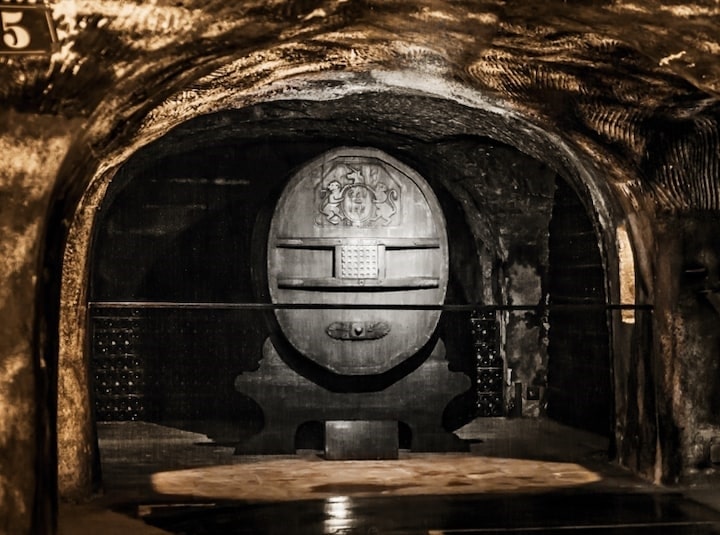
Can I swap one Paris day for a day trip, like Versailles or Champagne?
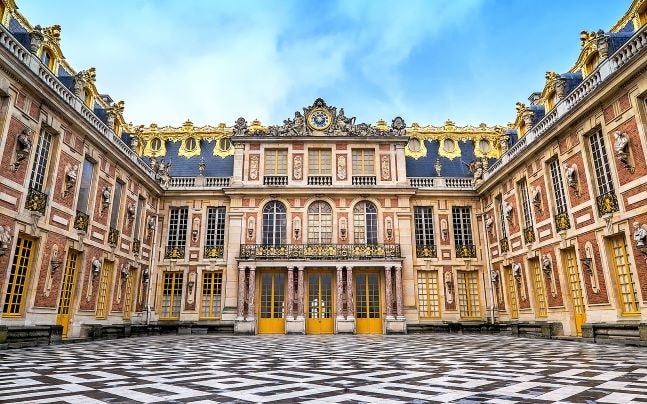
You can absolutely swap one of the three days for a focused day trip if Paris is not your only stop in France. If you do, place the excursion on day two—once you’ve slept but before farewell dinners—and consider dedicated private options such as a Versailles-focused day woven into a larger Louvre and city highlights plan across the rest of your stay.
If you’re interested in any private tours of Paris, please reach out to us.


 So if you are looking for the absolute best in Paris & surroundings with authentic local fully-licensed native guides whose English you can actually understand and with an exclusive and amazingly fun itinerary













