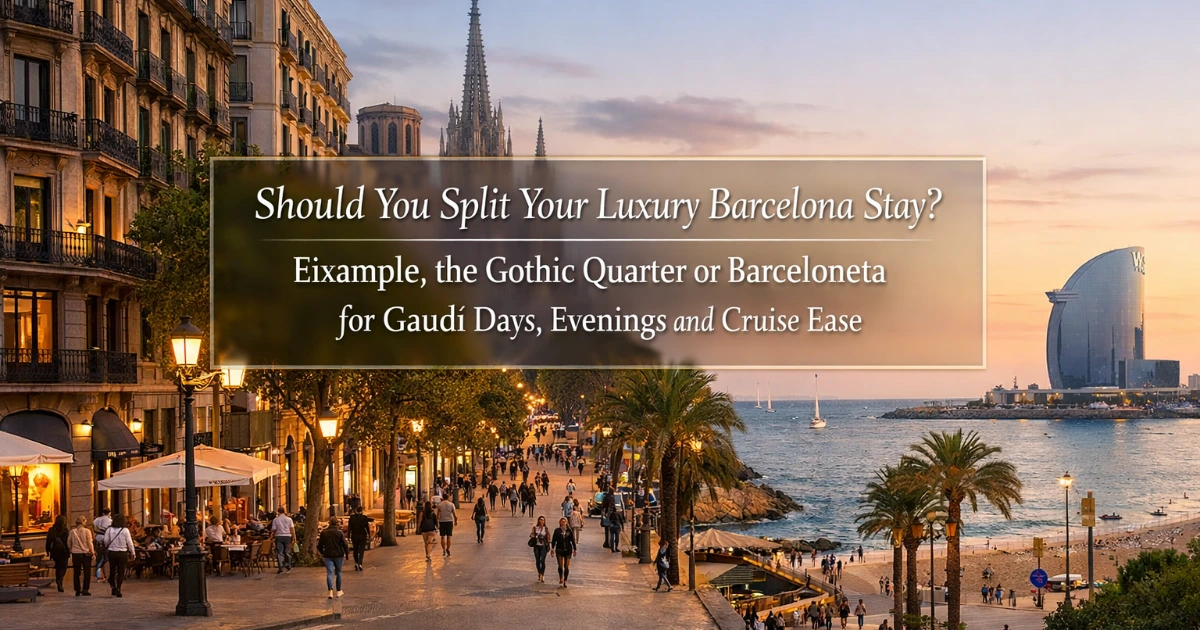
Should You Split Your Luxury Barcelona Stay? Eixample, the Gothic Quarter or Barceloneta for Gaudí Days, Evenings and Cruise Ease
Updated
Most luxury Barcelona stays should not be split. For a first visit, the cleanest answer is one polished base in Eixample, ideally close enough to Passeig de Gràcia around Casa Batlló that your Gaudí days begin in the city’s working hinge rather than across it. That advice holds because Barcelona’s real drain is not deciding whether you prefer medieval lanes or the sea; it is how often your day gets broken by crossing from Gaudí territory to the old city, then down to the waterfront, then back again with dinner clothes, shopping, tired children, or grandparents who have had enough paving stones for one day. The clearest exception is a longer stay wrapped around a cruise, or a trip that deliberately ends by the water. In that narrower case, a two-base plan can work—but only when the second hotel removes a hard transfer, improves your final 24 hours, or turns a cruise day into something calmer than a checkout-and-port scramble.
This is the Barcelona thesis worth planning around: your hotel should follow your hardest transfer, not your prettiest postcard. The city flatters split-stay fantasies because Eixample, the Gothic Quarter, and Barceloneta all look tempting for different reasons. But the glamorous waterfront is not the part of Barcelona that makes a first-time itinerary flow. A hotel around Casa Batlló can put you on the right side of the city before you ever hit Via Laietana, while a waterfront room often asks you to earn every Gaudí morning with an extra city crossing. That is the counterintuitive correction many travelers miss. Paying more to face the sea can make the last evening lovelier; it does not automatically make the core Barcelona visit better.
The comparison criteria are practical rather than romantic: where the hardest sightseeing day starts, what happens to your evening once you come back to dress or rest, whether one hotel switch burns the city’s easiest half-day, and whether cruise timing truly changes the final 24 hours.
How the decision usually lands
- Default winner: one base in Eixample, especially for first-time travelers, couples, families, small groups, and anyone whose must-do list includes Sagrada Família, Park Güell, Passeig de Gràcia, and at least one excellent dinner without a late-night room-access headache.
- Runner-up: Eixample first, Barceloneta last, but only on a longer stay or a pre- and post-cruise shape where the second hotel changes the final day’s rhythm rather than merely changing the view.
- Wrong fit for most comfort-led trips: splitting between the Gothic Quarter and Barceloneta, or splitting any three-night first visit at all. You inherit two sets of hotel logistics without gaining a second truly useful base.
If you want the broader one-base neighborhood question rather than the split-stay verdict, where to stay in Barcelona for a tailor-made first visit covers that decision. This guide answers the narrower and more valuable question: when one Barcelona hotel keeps the trip sharper, and when a deliberate second address genuinely earns its place.
Why one polished Eixample base wins more often than two hotels
Eixample wins because it keeps Barcelona in one piece. On paper, the city seems compact enough that you could sleep anywhere and simply move around. In practice, a first visit usually has three pressure points: Gaudí bookings that reward punctuality, old-town wandering that is more tiring than it looks, and evenings that improve or collapse depending on how easy it is to get back to a proper room before dinner or after it. Eixample handles all three better than the alternatives because it is the most forgiving place to start from and return to.
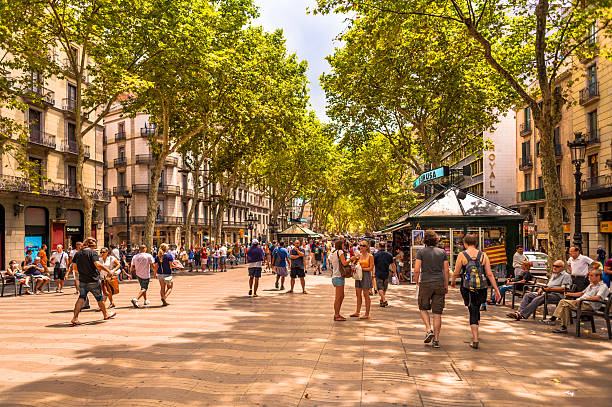
That matters most on Gaudí-heavy days. If your trip includes Casa Batlló, La Pedrera, Sagrada Família, and perhaps a properly timed run to Park Güell, the geometry of the stay matters more than the romance of the address. Starting near Passeig de Gràcia around Casa Batlló changes the feeling of the day. You can step into the architecture you came for almost immediately, and your taxi or private car pickup is usually cleaner than it would be inside the Gothic Quarter’s tighter lanes or along a busy waterfront promenade. A day that begins cleanly tends to stay clean. A day that starts with a sideways move often keeps leaking energy.
The old mistake is to think of Eixample as “businesslike” and the Gothic Quarter or Barceloneta as “real Barcelona.” For a tailored stay, that is too blunt to be useful. Eixample is not just a comfortable sleep zone; it is a working launch platform. The grid, the wider sidewalks, the more predictable vehicle access, and the closeness to the Passeig de Gràcia-Casa Milà-Casa Batlló axis make it easier to hold timed entries, return to the hotel without drama, or change clothes before a serious dinner. One well-built sightseeing day—whether independent or anchored by something like a Best of Barcelona private tour—is simply easier to execute from here.
It also helps that Eixample gives you choices at 4 p.m., which is when many Barcelona days either stay elegant or start to fray. From Eixample, you can continue into El Born, drop into the Gothic Quarter for an aperitif and cathedral-side wandering, or head south toward Port Vell and the sea for dinner. You are not trapped inside one evening script. Staying by the waterfront sounds liberating, but it can make every inland dinner feel like a commitment. Staying inside the Gothic Quarter sounds atmospheric, but it can make the pre-dinner pause—freshening up, resting, putting younger children down for a bit, resetting after museum standing or heat—more awkward than it should be.
This is where Barcelona acts on the body in ways travelers underestimate. The city is not brutally hilly in the center, but it has a way of stacking effort: standing queues at landmark entrances, sun exposure on long Eixample blocks, the uphill movement around Park Güell, worn paving in the old town, then one last transfer to dinner. None of those elements alone is a crisis. Combined, they turn a “compact city” into a day that asks more from ankles, patience, and attention than the map suggests. Eixample earns its place because it reduces the number of transitions you have to absorb while already tired.
The mood consequence is just as important. Barcelona can feel joyous and spacious when the evening is still intact at sunset. It can also feel oddly short when your day has been chewed up by mid-course repositioning. One good Eixample base keeps the trip from feeling chopped into mini-chapters: morning sightseeing, awkward hotel return, change of district, late dinner, complicated way home. Instead, the city reads as one continuous arc. You leave, you see what you came to see, you pause if you want, then you head out again. That continuity is one of the great hidden luxuries of the city.
For that reason, Eixample is not just the safest answer; it is the strongest editorial answer for most first-time stays of three to five nights. It suits couples who want proper dinners without nightly navigation puzzles, families who need smoother room access and easier stroller or car movement, and small groups whose energy scatters quickly when one person wants a rest and another wants one more church, market, or rooftop drink. It is also the better default for travelers who plan one or two larger day trips later in the stay. A hotel switch inside Barcelona is rarely the best use of that flexibility.
If your trip is getting crowded, this is the first thing to cut: cut the second hotel before you cut the good city day. Travelers often do the reverse. They cling to the idea of “experiencing different neighborhoods” and then compress the actual Barcelona visit around that choice. The better cut is the hotel change itself. You can eat in the Gothic Quarter, have drinks by Port Vell, take a long seafront walk through Barceloneta, and still sleep in the district that makes the next day work.
Should you split your Barcelona stay for a cruise or a seafront ending?
Yes, but only in a narrow Eixample-to-Barceloneta pattern. A split stay starts paying for itself when the second hotel changes the emotional and logistical shape of the final day, not when it merely adds novelty. The classic version is three or four nights in Eixample for the city proper, followed by one or two nights near the water because the trip is ending with a cruise, a sea-led celebration, or a deliberate decompression phase after the main sightseeing is done.
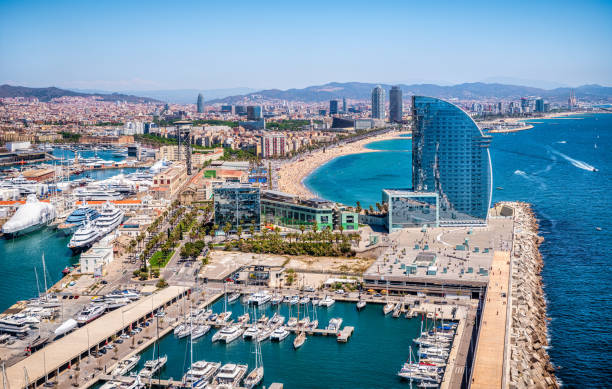
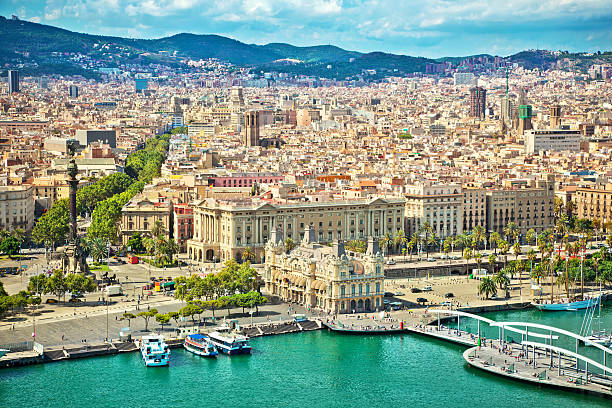
That works because Barceloneta solves a different problem from Eixample. It is not the best base for Gaudí days. It is a mood base: seafood lunch, waterfront promenades, a slower last afternoon, a celebratory final dinner, perhaps a family-friendly stretch of open air after several more structured city days. If your Barcelona plan ends with “one more proper meal, one more long walk, and a less fussy departure,” Barceloneta can make sense in a way that a second inland hotel does not. If the final chapter is really about Passeig de Colom, the Port Vell edge, and dinner by the sea, the move has a logic the Gothic Quarter usually lacks.
It is also the version of a split stay that travelers actually remember fondly. The second base should feel like a change of chapter, not a lateral move. Eixample to the Gothic Quarter often sounds like a shift but can feel like administrative duplication: you are still in the center, still doing city things, still organizing cars and bags, just now with more noise and trickier access. Eixample to Barceloneta, by contrast, can feel like a genuine turn from “city with sightseeing” to “city by the water.” That psychological distinction matters more than many hotel comparisons acknowledge.
Three types of trip can justify it:
- Pre-cruise or post-cruise Barcelona: the second hotel is there to take the sting out of embarkation or disembarkation, especially if you want your final evening to be simple and coastal rather than urban and agenda-driven.
- Longer first visits of five or more nights: the second hotel can work if the main city agenda is already complete and the last 24 to 48 hours are intentionally lighter.
- Celebration stays: couples, friends, or multigenerational groups sometimes want the last night to feel distinct from the sightseeing part of the trip. A waterfront ending can earn that distinction more clearly than a move to another central district.
The mistake is to give Barceloneta a job it does not do well. Paying waterfront rates does not materially improve a Gaudí-heavy stay. If Sagrada Família, Park Güell, the Passeig de Gràcia houses, and central dinner plans still define the trip, a waterfront room is buying atmosphere, not working advantage. You still have to come inland for the landmarks that structure a first visit. You still have to manage traffic, taxi time, or back-and-forth movement. In other words, you are spending more for a backdrop while keeping the same sightseeing burden.
That is the overvalued upgrade in this debate. Barceloneta is lovely when the sea is the point, when your last night is intentionally slow, or when the cruise is shaping your movement. It is not the smartest premium spend for a first-time city visit with a strong Gaudí spine. Travelers often assume that any five-star waterfront address must be the “higher” choice. In Barcelona, not necessarily. A better Eixample room with sharper access, quieter sleep, and stronger launch conditions can be the more luxurious decision because it protects time you would otherwise waste.
The Port of Barcelona’s own passenger information is useful here because it reminds you that cruise traffic is a systems question, not just a map question. The port serves passengers through multiple terminals rather than one single front door, which is why a stay by the water can make departure feel mentally easier without eliminating the need for planned transfer handling. See the Port of Barcelona passenger information (https://www.portdebarcelona.cat/en/passengers) when you are mapping a cruise-wrapped stay. citeturn236701search1turn188785view2
The best split-stay version, then, is not “let’s sample two cool districts.” It is “let’s do Barcelona properly from the neighborhood that supports the hardest sightseeing days, then move only when the trip itself changes shape.” If you cannot say exactly what the second hotel is solving—bags, port departure, final waterfront mood, children needing open-air time, older parents who would rather not face one more busy city dinner corridor—then the answer is usually not to split.
Why the Gothic Quarter works better as an evening district than as a second hotel
The Gothic Quarter is usually better visited than slept in on a first luxury stay. That is not because it lacks charm. It has some of the city’s most seductive late-day energy: cathedral approaches, candlelit lanes, old façades catching evening light, bars and restaurants that feel woven into the street rather than lined up for visitors. For dinner, aperitifs, or a deep stroll into El Born, it can be excellent. For a second hotel, it is often the least rewarding compromise of the three.
The reason is access. The Gothic Quarter asks you to trade arrival quality and room convenience for atmosphere at the door. Some travelers happily make that trade, especially couples who care more about stepping directly into old Barcelona at night than about smooth pickups, quiet mornings, or the fastest route back from Eixample. But many first-time comfort-oriented travelers discover too late that the final 100 to 300 meters matter more than the romantic headline. Stone lanes, traffic restrictions, short taxi drops, rolling luggage over uneven surfaces, and the difficulty of multiple rooms or a tired family group all show up here more sharply than they do in Eixample.
That is why the Gothic Quarter is not the natural second base many people imagine. The move from Eixample to the Gothic Quarter often looks refined on paper—city elegance first, historic immersion second. In practice, you may spend half a day reorganizing for a version of Barcelona you could have enjoyed just as well by coming in for dinner and leaving afterward. The district shines in slices: a guided walk, a market-and-church morning, a long dinner, an evening of lingering rather than marching. It is less convincing as an address change unless old-town atmosphere is the actual point of the trip.
There are narrow cases when it earns it. A couple already familiar with Barcelona may decide that the city’s major landmarks are no longer the priority and that the pleasure lies in waking into medieval streets, wandering early before day visitors build up, and living at a smaller, more intimate scale. Travelers focused on history, Jewish heritage, or old-city texture may also accept the trade. But that is a narrower brief than most first-time high-end trips actually follow.
It is also worth saying plainly that the Gothic Quarter is rarely the best choice for celebration groups, multi-room families, or travelers who want every hotel arrival to feel polished. The district offers mood, but mood is not the same thing as ease. If a celebration depends on dressing well, changing pace between day and night, or getting several people back to the same lobby without confusion, Eixample usually handles it better. If the celebration is specifically about staying inside old lanes until late, then the trade may be worth it—but at that point you are choosing mood over operational grace on purpose.
What the Gothic Quarter does especially well is save the evening without asking you to sleep there. You can base in Eixample, dip down for a private old-town walk or a long tapas dinner, wander toward Plaça Sant Jaume, Carrer del Bisbe, or the edge of El Born, and then return to a room that is easier to reach, easier to sleep in, and easier to leave from next morning. For many travelers, that is the better bargain: full atmospheric access, none of the address penalty.
So here is the firm judgment: for first-time travelers deciding whether to split, the Gothic Quarter is the most tempting but least useful second hotel. It is not a bad place to stay. It is simply the place most likely to be overchosen for the wrong reason—because it feels romantic in the abstract rather than because it improves the trip you are actually taking.
The hotel-switch day that decides whether two bases are smart or just expensive theater
A Barcelona hotel switch is justified only when you can describe the handoff hour by hour and still like the answer. This is the paragraph most split-stay guides skip, and it is the paragraph that should decide the whole matter. Imagine a five-night trip: three nights in Eixample, two in Barceloneta. You wake on switch day, pack, have breakfast, settle incidental charges, leave bags with the bell team or move them immediately, and check out around late morning. If the next room is not ready—and often it will not be—your “exciting neighborhood change” becomes a floating half-day with luggage management in the background.
That does not sound fatal, but Barcelona punishes floating half-days. The city’s most pleasant pause window is often that late-morning-to-mid-afternoon stretch when you might otherwise shower after an early site visit, rest children, let grandparents put their feet up, change clothes, or sort purchases before going back out. On switch day, that window disappears. You may leave bags at the next hotel, but you are now sightseeing without your home base at the exact moment when a comfortable home base is most useful.
A realistic switch day often looks like this: breakfast in Eixample, final packing, checkout, taxi or private transfer toward Barceloneta, luggage drop, then either a deliberately local waterfront day or an awkward return inland because the main itinerary is not actually finished. If the day still includes Sagrada Família, an old-town museum, serious shopping, or a structured lunch across town, the second hotel has not simplified the schedule. It has only inserted administrative choreography into it. That is the moment when two hotels stop looking elegant and start looking theatrical.
The switch can still work, but only if the destination district is also the destination day. In other words, Eixample to Barceloneta works when the transfer lands you inside the exact final chapter you want: seafood lunch, nap, promenade, beach time, port departure next morning, or a relaxed final dinner with no intention of racing back to central sights. Eixample to the Gothic Quarter can work if the day is built almost entirely around the old city and evening energy. But once the sightseeing geography and sleeping geography diverge, the switch becomes self-inflicted complexity.
This is especially true for families, older relatives, and small groups. Every extra room multiplies the problem. Every different energy level multiplies it again. One person wants to keep moving, one wants to sit down, one wants the new room immediately, another has purchases or formalwear to manage. Luxury is not only about the hotel itself. Luxury is also about how few of these negotiations you have to perform while traveling. A split stay can be excellent for a pair of confident repeat visitors with a loose final day. It is far less elegant for six people with reservations, timed entries, and different stamina thresholds.
Even on a longer Barcelona trip, splitting can still be a mistake. That surprises people. They assume extra nights automatically justify variety. But if six nights still revolve around the same city-center priorities—Gaudí, the old town, one museum, a food-and-wine day, and perhaps one day trip—the operative geography has not really changed. You are still running the trip through the same center of gravity. A second hotel inside Barcelona does not add a new world the way a countryside night or Costa Brava extension would. It just asks you to repack for a slightly different angle on the same city.
There is one more hidden cost: check-in timing alters mood as much as itinerary. A room that is ready early can rescue a split stay. A room that is not ready can flatten it. So if you are considering two hotels, do not ask only whether the second neighborhood is attractive. Ask whether the second property can make the handoff feel civilized. Early room access, handled luggage, and a front desk that can support a proper transition matter more than whether the view is somewhat prettier. If those supports are vague, the split is already weaker than it looks.
This is the planning threshold where bespoke help becomes rational rather than indulgent. Once you are juggling port arrival, timed Gaudí entries, perhaps a driver, perhaps a family or celebration dinner, the logistics between neighborhoods can either be invisible or can consume the most flexible part of the stay. If that handoff needs to work neatly, Inquire now.
Where extra spend changes the trip—and where it does not
In Barcelona, extra spend is best used to buy positioning, quiet, room-readiness, and transport ease. It is not best used to buy a more photogenic but less useful district. This is one of the clearer value judgments in the city. Money goes farther when it secures the conditions that keep the itinerary intact: a high-quality Eixample room on a calmer stretch, a property with dependable concierge support, cleaner pickup access, stronger room categories for multi-room families, or a waterfront final night that actually simplifies a cruise departure.
Money does not go especially far when it buys you a premium Barceloneta address for a city-led itinerary. Again: paying waterfront rates does not materially improve a Gaudí-heavy stay. The sea view may be beautiful. The hotel may be excellent. But the core mechanics of the visit remain inland, and your sightseeing burden is still structured by those inland priorities. Spend there only if the water is the point of the final chapter.
Likewise, premium spend in the Gothic Quarter should be judged differently from premium spend in Eixample. In the old city, the question is not simply how lovely the room is. It is whether the hotel can compensate for the district’s access and noise compromises well enough to justify them. Some can, especially if the experience is intimate, beautifully restored, and intentionally mood-led. But many travelers would feel the money more clearly in Eixample, where the upgraded room does daily work rather than just aesthetic work.
One place where direct planning matters is Gaudí ticketing. For first-time stays, book landmark entries before you let a second hotel dictate the rhythm. Use Sagrada Família official tickets (https://sagradafamilia.org/en/tickets-individuals) and Park Güell official tickets (https://parkguell.barcelona/en/buy-tickets) as your benchmark, and confirm current terms on those official sites when you book. The Sagrada site sells individual entries directly, and Park Güell’s official site states that tourist tickets should be purchased online in advance. citeturn188785view0turn188785view1
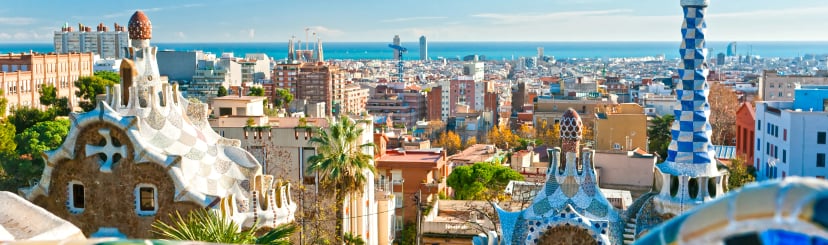
That practical detail matters because split stays often create false confidence. Travelers think, “We’ll be by the sea later, so we can see Gaudí earlier and everything will balance out.” Sometimes it does. More often, timed entries make the city less elastic than you hoped. The better rule is simple: if Sagrada Família and Park Güell are essential, let those bookings set the hotel logic, not the other way around. If you want a smarter sequence for that exact day, this Gaudí day-routing guide goes deeper.
The same principle applies to transport upgrades. A private transfer or chauffeured day can absolutely improve Barcelona when the trip includes heat, older parents, young children, multiple must-see sites, or one awkward port-to-city-to-hotel handoff. But even excellent transport does not magically turn the wrong base into the right one. Vehicles compress movement. They do not eliminate the mood cost of living in the wrong part of the city for the trip you are actually running.
How to place arrivals, Gaudí days, evenings, and cruise departures around the base choice
The order of the trip should usually be city first, water last. That sequence is the easiest way to make Barcelona feel generous rather than fragmented. Begin where the main cultural load is easiest to carry—Eixample—then move only if the last chapter truly changes purpose. That sequence is also friendlier after an overnight flight or an early cruise disembarkation, because it lets you absorb the headline sights while your energy and curiosity are highest, then taper toward the sea once the “must-see” pressure is gone.
For most first-time stays, the cleanest version looks like this: arrive, settle into Eixample, do the major Gaudí day early, give yourself one old-town and El Born evening, then evaluate whether the trip needs anything more ambitious than a waterfront dinner. Travelers often overestimate how much district-switching they need and underestimate how satisfying it is to visit neighborhoods deeply while returning to the same excellent bed.
If the trip begins or ends around a ship, the arrival plan matters even more than the second hotel fantasy. That is why this first-day Barcelona arrival guide is often the better next read before deciding on two hotels. If you are actually dealing with embarkation or disembarkation timing, port-day decisions can matter more than neighborhood aesthetics. For travelers who want that day handled very deliberately, Cruise Layover Private Tours is the more relevant operational path than an extra city hotel.
Evenings should be placed by appetite, not by address anxiety. If you want serious dining, elegant pacing, and the option to pivot between Passeig de Gràcia, El Born, the Gothic Quarter, or the waterfront, Eixample gives you the broadest range. If you want one distinct old-Barcelona night, go to the Gothic Quarter for that night rather than moving there. If you want a true final exhale, then Barceloneta or the port edge can earn a last stay. But keep the logic strict. Barcelona rewards clarity. It punishes “maybe we’ll do both” planning.
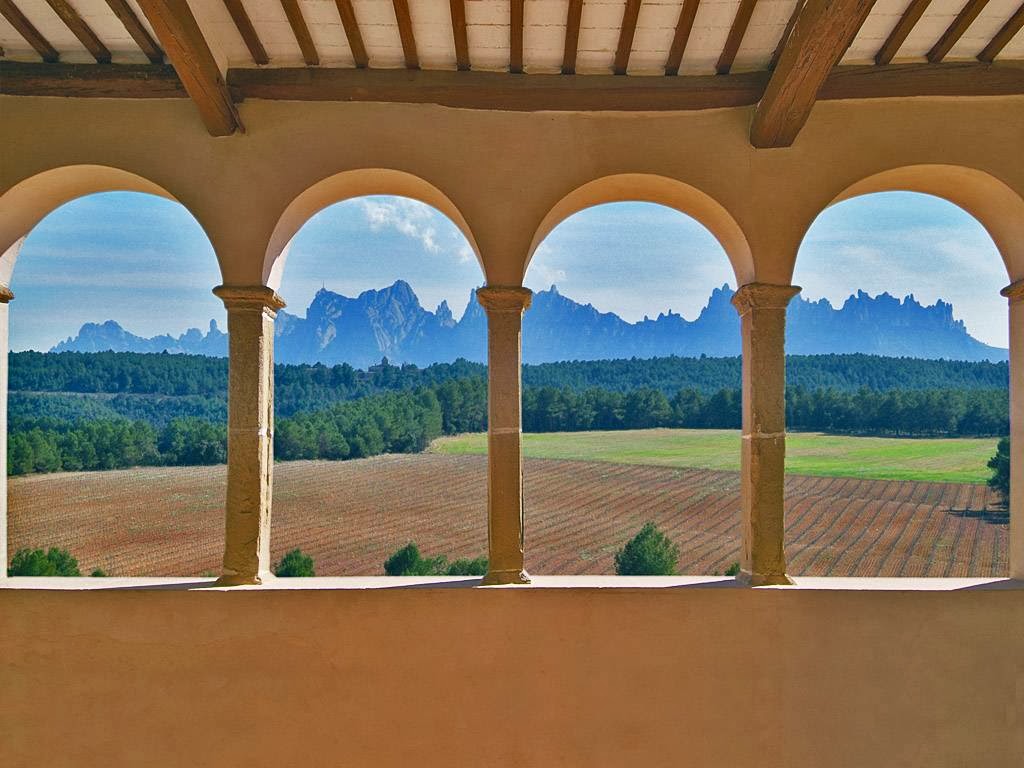
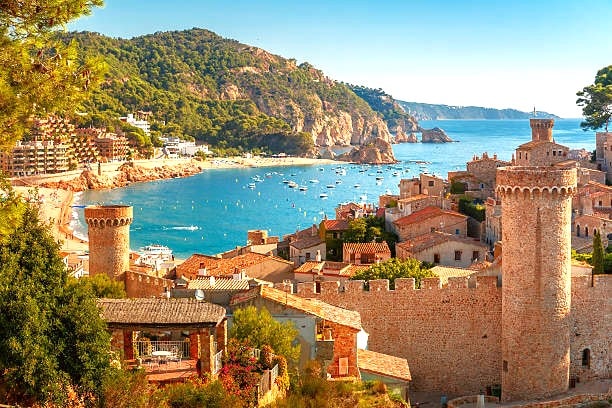
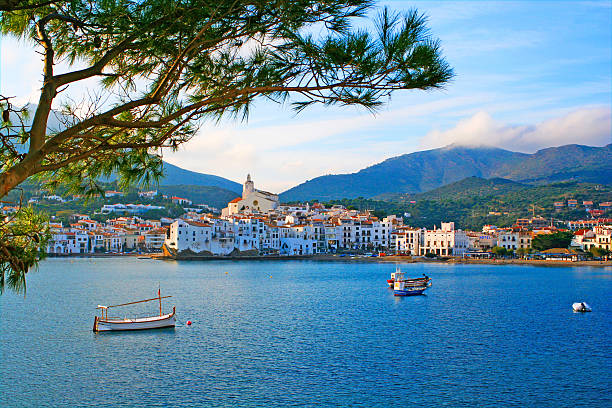
For longer stays, the strongest alternative to splitting within the city is often not a second Barcelona hotel at all. It is using the extra nights for a day trip or a different kind of day entirely. Montserrat, Penedès, Girona, or the Costa Brava change the trip more meaningfully than sleeping in a second central district. If your extra nights exist because you have time, that is usually the more interesting place to spend them than on a mid-stay unpack-repack exercise.
So the final verdict is crisp. Choose Eixample if the trip is about Barcelona’s essential first-time architecture, smoother evenings, dependable returns, and keeping the city legible. Choose a deliberate Eixample-then-Barceloneta split only if the trip is long enough and the second hotel clearly serves the cruise or the seafront ending. Treat the Gothic Quarter as a place to enjoy deeply, not as the default second address, unless old-city mood is the reason you are traveling. In Barcelona, one excellent base usually feels more sophisticated than two merely intriguing ones.
FAQ
Is it worth splitting a Barcelona stay between Eixample and Barceloneta?
Yes, but only when the second stay changes the final chapter of the trip. It is worth considering for five-plus nights, cruise-wrapped travel, or a deliberate seafront ending after the main city agenda is done. It is usually not worth it for a three- or four-night first visit focused on Gaudí, the old city, and dinners across the center.
Is Eixample or the Gothic Quarter better for a first-time luxury stay in Barcelona?
Eixample is usually better for a first-time luxury stay because it supports the actual mechanics of the trip more reliably. It offers easier returns, cleaner access, stronger alignment with Gaudí-heavy days, and more flexibility before and after dinner. The Gothic Quarter wins mainly when old-city atmosphere at the hotel door matters more to you than arrival ease, quiet, or the simplest daily routing.
Should cruise travelers stay in Barceloneta the night before embarkation?
Sometimes, yes. A waterfront or near-water final night can make the last evening feel calmer and can reduce the emotional drag of embarkation morning. But it is not automatically the best move. If the main city sightseeing is still unfinished, Eixample may still be the better place to sleep until the final night. The key question is whether the waterfront hotel serves the cruise day itself or simply looks appropriate for it.
Is the Gothic Quarter too inconvenient for families or older travelers?
Not always, but it asks more from everyone. The district can involve trickier final access, uneven paving, more street activity, and less graceful room arrival for groups, strollers, or travelers who want a straightforward pause during the day. Many families and older travelers enjoy spending substantial time there, but they often enjoy sleeping in Eixample more.
Does staying in Barceloneta make Gaudí sightseeing easier?
No. For a Gaudí-heavy stay, Barceloneta is usually the overvalued choice. You still need to come inland for the major landmarks, and the sea-facing room does not remove the need to cross the city. Barceloneta improves a waterfront mood or a cruise-adjacent ending. It does not become the most efficient base for Barcelona’s essential architecture.
When is splitting hotels in Barcelona a mistake even on a longer trip?
It is a mistake when the trip’s geography never really changes. If six nights still revolve around central Barcelona, Gaudí sites, the old town, and one or two dinners in different districts, the second hotel often adds work without adding a meaningfully different chapter. It is also a mistake when early room readiness is uncertain, when several rooms are involved, or when one traveler already dislikes packing and transition days.
What should I cut first if my Barcelona itinerary is starting to feel overpacked?
Cut the hotel switch first. It is usually the least essential “upgrade” and the one most likely to consume the easiest half-day of the trip. Keep the well-timed Gaudí entries, the strong dinner, and the neighborhood visit. Lose the repacking unless the second hotel is solving a real cruise, luggage, or final-night mood problem.
Can a private guide or driver make a split stay more worthwhile?
Yes, especially when the trip includes older parents, children, celebration logistics, port timing, or very specific timed entries. Expert handling can make the handoff day feel much more composed. But it does not change the core verdict. Good guiding and transport make an already sensible split better; they do not fully rescue a split that never had a strong reason to exist.
If you’re interested in any private tours of Barcelona, please reach out to us.














 So if you are looking for the absolute best in Barcelona & surroundings with authentic local fully-licensed native guides whose English you can actually understand and with an exclusive and amazingly fun itinerary













