Barcelona After Picasso: El Born Lunch, Maritime Quarter or a Late Gaudí Interior

Updated
After the Picasso Museum, the default winning move is lunch in El Born, then a short, context-rich afternoon nearby. That works because the Picasso Museum exit into El Born does not release you into neutral city space; it drops you from Carrer de Montcada into a medieval district where Santa Maria del Mar, Passeig del Born, Plaça Comercial and the old market structure can extend the museum without another hard reset. The clearest exception is a late Sagrada Família entry: if this is your only major Gaudí interior and the timing leaves a real lunch buffer, cross the city deliberately. The thesis is simple: after Picasso, Barcelona rewards continuity more than ambition.
The mistake is treating the museum as a morning box to tick before chasing the next famous address. A strong post-Picasso plan is not about adding more Barcelona; it is about deciding whether the day should stay with Picasso’s city, turn toward the sea that shaped it, or save enough attention for one major interior. The official Picasso Museum official tickets and opening hours (https://museupicassobcn.cat/en/plan-your-visit/buy-tickets-and-opening-hours) page is useful for confirming the museum side of the day, but the part many travelers under-plan is what happens the moment they step back into El Born.
For travelers using Orange Donut Tours, the strongest version usually begins with a focused museum visit such as a Picasso Museum private tour, then lets the guide connect the paintings to streets, trade, church patronage, guild life and port geography. That is where the day becomes smoother: not because it has more stops, but because the stops stop competing with one another.
The post-Picasso choice is really a route-hinge decision
The useful question is not “what else should we see?” but “should the afternoon continue the museum’s geography or break away from it?” El Born is unusually good after Picasso because the museum’s townhouse setting already primes travelers for street-level Barcelona. You are not leaving a white-cube museum and needing a fresh theme; you are leaving a group of medieval palaces on Carrer de Montcada, a street that still explains wealth, density and status through stone, courtyards and narrow frontage.
That makes lunch more than a meal break. It is the hinge that decides whether the day remains coherent. A long, comfortable lunch in El Born can soften the museum’s concentration without losing the thread. A maritime pivot toward Port Vell can widen the story from artist and neighborhood to trade, shipyards and the sea. A late Gaudí interior can work beautifully, but only when it is treated as a separate second act rather than something bolted onto the back of lunch.
Here is the compact decision frame to use before you reserve anything:
Default winner: El Born lunch plus a short neighborhood layer. Best when the group values art, food, slower pacing and a Barcelona day that feels connected rather than scattered. This is the best fit for couples, multigenerational families, and travelers who want the museum to lead into the city rather than compete with it.
Runner-up: Port Vell and the maritime quarter. Best when the group needs air after interiors, when children or teenagers are losing patience with gallery depth, or when Barcelona’s sea story matters more than one more church or museum room.
Conditional upgrade: a late Gaudí interior. Best when Sagrada Família is still missing from the trip, the entry is late enough to avoid a rushed transfer, and the group is happy to treat the afternoon as a second major visit.
Wrong fit: forcing a waterfront lunch and a timed interior too tightly together. It looks glamorous in the planner, but in real Barcelona it often creates the least elegant day: taxi reset, late seating anxiety, heat or crowd drag, then a timed-entry scramble.
The counterintuitive correction is that the waterfront is often overvalued immediately after Picasso. Port Vell can be excellent, but it should not steal lunch by default. The best first move is usually to eat where the museum has left you, then decide whether the sea still earns the afternoon.
Where lunch belongs after the Picasso Museum
Lunch belongs in El Born unless there is a specific reason to leave it. After a Picasso Museum morning, the group has already spent attention on looking, comparing, listening and standing. El Born gives you the rare Barcelona advantage of changing rhythm without changing geography. You can move from the museum into lunch around the Santa Maria del Mar edge, Passeig del Born, Plaça Comercial or the smaller streets that link back toward Santa Caterina without turning the meal into a transfer project.
This matters more than many first-time visitors expect. Barcelona’s old center is compact on a map but not always effortless in motion. Streets around Carrer de Montcada are atmospheric precisely because they are narrow and historic; they are not designed for seamless vehicle access. If you leave the museum hungry and then try to summon a car from the wrong edge of El Born, the day starts to feel managed by curbs, one-way streets and meeting points. Walking a few minutes to lunch feels more civilized than spending the same time negotiating a pickup.
El Born lunch also solves a mood problem. A museum morning can make people quiet, especially when the guide has done the visit properly and not reduced Picasso to a greatest-hits biography. A nearby lunch lets the conversation stay alive: the blue-period mood, the young Barcelona years, the role of patronage, the city’s density, the way the museum’s palaces are themselves part of the story. Move too far too soon, and the conversation often breaks into logistics: who is in which taxi, how long to the next entry, whether the table will be ready, whether someone needs a rest.
For food-and-wine travelers, the temptation is to make lunch the day’s major culinary event. That can be right on a food-led itinerary, but after Picasso it needs restraint. A serious tasting-style lunch can flatten the afternoon unless the plan ends there or becomes an evening-led day. The better lunch is confident, reserved, comfortable and close enough that no one feels the museum was merely a prelude to a restaurant. If the meal is the point, use a separate food strategy rather than trying to hide it inside an art day; Orange Donut’s broader guidance on a curated Barcelona food-and-wine day is a better frame for that version.
For families, lunch in El Born is often the difference between a second half that works and one that frays. Children and teenagers may enjoy the Picasso Museum when the guide makes the early work, family dynamics and Barcelona setting intelligible. They are less patient with an immediate cross-town move after gallery time. A nearby lunch gives everyone a visible pause before the adult planners ask for one more layer.
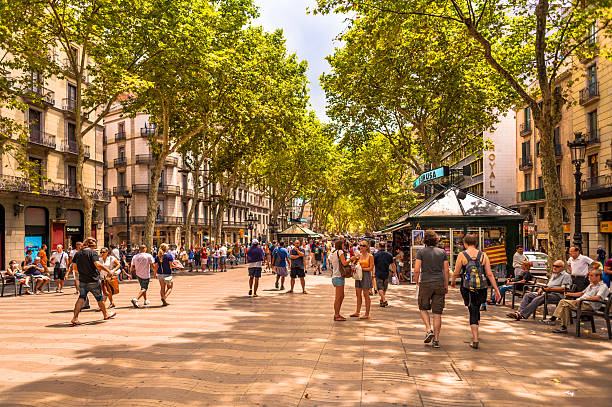
The cut-first rule is straightforward: do not add La Rambla or a Boqueria detour after Picasso just because it is famous and nearby-ish. From El Born, that move pulls the day toward a different crowd pattern and a different kind of sensory overload. Santa Caterina or an El Born table makes more sense if the purpose is lunch. The Gothic Quarter can make sense with a guide, especially if the story continues through medieval Barcelona, but it should be handled as a focused route, not a wandering add-on. If the old city is the afternoon, make it deliberate with a Gothic Quarter & Old Town private tour rather than letting the group blur alleys until everyone is tired.
When the afternoon should stay in El Born instead of crossing the city
The afternoon should stay in El Born when the museum has already given the day its emotional center. This is the right choice when the group is engaged with Picasso, interested in medieval Barcelona, carrying a good lunch reservation, or planning a meaningful dinner later. It is also the right choice when the morning has been intellectually dense and the day needs texture rather than another headline monument.
A strong El Born continuation does not need to become a generic neighborhood tour. The point is to use a few nearby anchors well. Santa Maria del Mar can connect patronage, maritime wealth and urban identity without requiring a long transfer. Plaça Comercial and the El Born market structure can shift the story toward the buried city, memory and the consequences of Barcelona’s early modern conflicts. Passeig del Born can be a short civic spine rather than a shopping stroll. Carrer de la Princesa can serve as the practical edge if the day needs to move toward Via Laietana, Jaume I or a hotel return.
This is where a private guide earns the day by editing. The guide does not need to add a dozen facts after Picasso. The value is in choosing the two or three city layers that make the museum feel less isolated. Without that edit, El Born can become charming but vague: stone lanes, boutiques, church façade, another square, another explanation of “medieval.” With the right pacing, it becomes the Barcelona that shaped the young artist’s city before modern Barcelona took over the visitor imagination.
Stay in El Born if you are traveling with older parents and want fewer surface changes. The district still has cobblestones, uneven curbs and patches of crowding, so it is not effortless, but it avoids the psychological fatigue of constant relocation. Stay in El Born if your hotel is in the Gothic Quarter or near Via Laietana and you want a clean return. Stay in El Born if the evening is already ambitious: a late dinner, a celebration meal, a performance, or a next-day excursion that will punish a dragged-out afternoon.
Barcelona does something specific to the body after a museum morning. It is not only the walking. It is the sequence of standing in galleries, navigating old stones, managing shade gaps, crossing busy edges like Via Laietana or Passeig de Colom, and then reorienting when a taxi drops you near a landmark rather than exactly where your timed entry begins. A traveler can be “not tired” at lunch and still feel depleted after two unnecessary resets. El Born reduces those resets.
The mood consequence is just as important. A day that stays near the Picasso Museum often feels shorter, calmer and more intelligent than a day with more famous names. People remember what they saw because the afternoon did not overwrite it. Couples get a more conversational day. Families avoid the sense that every adult cultural stop is a trapdoor into another adult cultural stop. Celebration travelers keep some appetite for the evening rather than arriving at dinner with museum voice, street feet and a faint resentment toward the planner.
The honest counterpoint: El Born is the wrong afternoon if this is your only day in Barcelona and you have not seen Sagrada Família. In that case, staying local may be elegant but incomplete. It is also the wrong choice if the group actively wants sea air after lunch and will not absorb another layer of old-town context. Good planning is not about defending El Born at all costs; it is about knowing when the museum has already done enough.
When Port Vell and the maritime quarter beat another interior
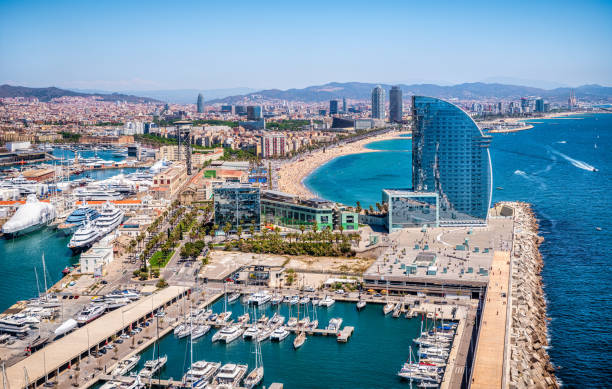
The maritime quarter beats another interior when the group needs air, scale and a different physical rhythm after the museum. This is not the same as saying “go to the beach.” The stronger move from El Born is usually toward Port Vell, Passeig de Colom, the Drassanes Reials and the harbor edge, not an automatic push into Barceloneta sand and beach traffic.
Port Vell works because it changes the city’s register without breaking the story. Picasso’s Barcelona was not only studios, cafés and old streets; it was a port city, a trading city, a city whose wealth and density were shaped by Mediterranean movement. Moving from El Born toward the water can make Barcelona feel larger after the enclosed experience of the museum. The route can pass the Santa Maria del Mar context, slide toward Passeig de Colom, and open at the harbor where the city’s maritime identity becomes legible.
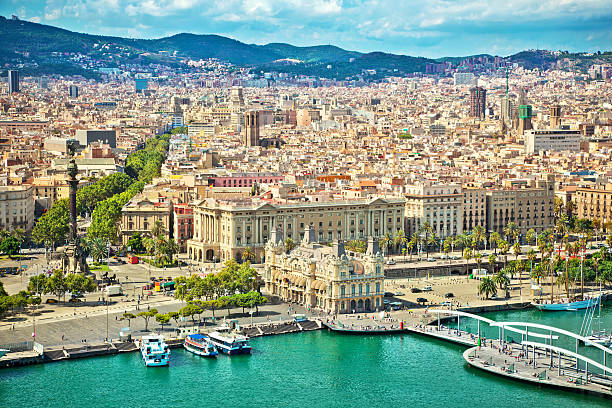
The best maritime version stays selective. The Drassanes Reials, home to the Maritime Museum of Barcelona (https://www.mmb.cat/en/), gives the sea story architectural weight without needing to turn the afternoon into a full museum block. Mirador de Colom can be used as an urban marker rather than a mandatory visit. Moll de la Fusta gives an easy harbor edge. Port Vell can provide the air the group needs without committing to Barceloneta’s longer walk, beach mood or restaurant sprawl.
This route is especially good for mixed groups. Art travelers get historical continuity. Children get movement and water. Comfort-first visitors get a wider pavement rhythm after El Born’s lanes. Couples get a shift in atmosphere without a hard cross-city transfer. It is also the best answer when the day has started to feel too interior: museum rooms, church nave, lunch room, another museum room. The sea changes the body’s posture. People look outward again.
The maritime pivot is not always lighter, though. In hot weather, exposed harbor edges can be more tiring than they appear on a map. In windy or damp conditions, the sea can feel like a scenic mistake. If the group has dressed for a museum-and-lunch day, the harbor may feel less polished than expected. If the afternoon is supposed to end near an Eixample hotel or Passeig de Gràcia dinner, Port Vell can also create a return puzzle unless the pickup is planned cleanly.
The practical rule is to use Port Vell as a story arc, not a filler walk. If the group wants a deeper maritime decision, including whether Drassanes, Port Vell or Barceloneta should carry the sea story, the neighboring guide to Barcelona’s Maritime Quarter Decision is the better companion. In this post-Picasso plan, the maritime quarter should earn its place by solving a specific problem: too much interior time, too little air, or a group that needs a broader Barcelona after the museum.
Do not make Barceloneta the automatic lunch answer. That is the common overcorrection: travelers leave the Picasso Museum, assume “Barcelona by the sea” means a seafood lunch by the beach, and spend the strongest part of the day transferring into a different crowd pattern. Barceloneta is wonderful when the sea is the point. After Picasso, it is often one step too far unless the afternoon is intentionally coastal or the group has already decided that art plus beach mood is the day’s contrast.
When a late Gaudí interior actually works after Picasso
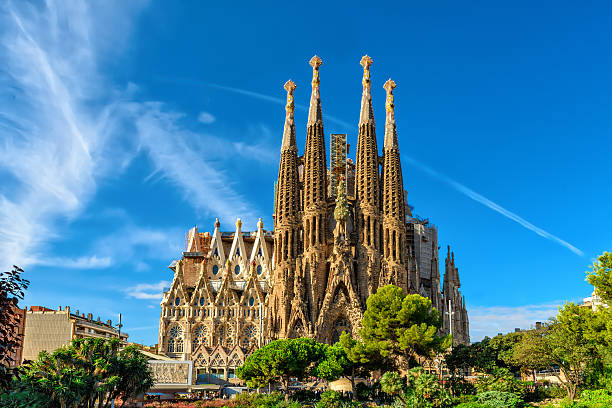
A late Gaudí interior works after Picasso only when it is treated as the day’s second major act, not a quick add-on. The best candidate is Sagrada Família, because it has enough emotional and architectural force to justify the cross-city reset. Casa Batlló or La Pedrera can also work in narrower circumstances, especially for travelers staying in the Eixample, but after the Picasso Museum the strongest first-time Barcelona logic usually points to Sagrada Família if it is still missing from the trip.
The timing threshold is the whole decision. A late Gaudí interior after lunch should feel like a composed second chapter: museum, nearby lunch, transfer buffer, entry, focused visit, then a clean evening. If the group cannot leave El Born with enough time to arrive calmly before the timed entry, the plan becomes queue and transfer fatigue. That is not a luxury problem; it is a route problem. More expensive access does not turn a rushed cross-town move into a good afternoon.
Use the official source when locking the timed visit. The Sagrada Família official tickets (https://sagradafamilia.org/en/tickets-individuals) page is the proper reference for entry options and current ticketing details, while a guided visit such as a Sagrada Família private tour changes the experience by making the interior intelligible rather than merely spectacular. The late slot has to be built around attention: if everyone arrives mentally full from Picasso, lunch and a taxi scramble, the basilica becomes a photo stop with stained glass instead of a visit.
The route from El Born to Sagrada Família is not long in a grand-city sense, but it is psychologically larger than it appears. You are moving from medieval density to the Eixample’s grid, from narrow street scale to monumental verticality, from Picasso’s early Barcelona to Gaudí’s theological architecture. That shift can be magnificent. It can also be too much if the day has not been edited.
Choose late Sagrada Família after Picasso when at least three conditions are true. First, this is a short Barcelona stay and Sagrada Família would otherwise be missed. Second, lunch can stay close to the museum rather than becoming a second destination. Third, the group has enough appetite for guided interior interpretation after a museum morning. If one of those conditions fails, El Born or Port Vell is usually the better afternoon.
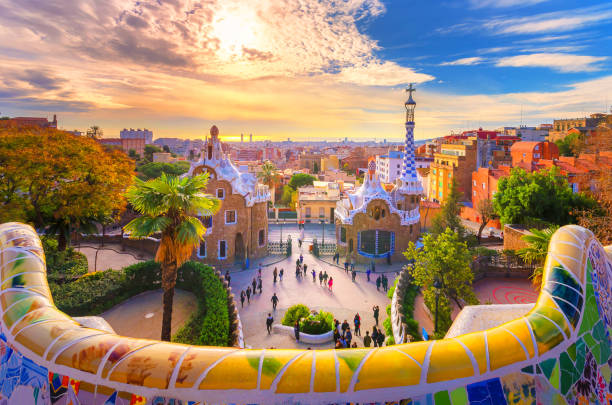
Do not replace this with Park Güell on impulse. Park Güell is a Gaudí essential in the right plan, but it is not an interior and it introduces hill logistics that do not pair naturally with a post-Picasso lunch. If Park Güell is already driving the day, that belongs in a Gaudí-first structure, not as an afterthought to the museum. The same goes for stacking Casa Batlló and La Pedrera after Picasso: it looks efficient on a sightseeing list but can reduce three distinct experiences into decorative overload.
A late Gaudí interior is strongest for first-time visitors who have one serious architecture gap left. It is weaker for travelers who have already done a Gaudí morning, for families who are close to their cultural limit, and for anyone with a major dinner that evening. In Barcelona, the most expensive mistake is often not a bad ticket; it is a good ticket placed in the wrong part of the day.
The route mistake that premium tickets cannot solve
Premium tickets do not fix a poor post-museum route. They can improve a specific entry experience, reduce some waiting, or add comfort when the official structure supports it, but they cannot undo a lunch placed too far away, a timed entry that ignores traffic and walking edges, or a group that has already spent its attention before reaching the next monument.
Where premium spend does help is coordination. A private guide can shape the museum visit so Picasso’s Barcelona does not disappear the moment you exit. A planned driver can help when the day genuinely needs to cross from El Born to Sagrada Família, especially for older travelers, families or small groups with a tight dinner return. A reserved lunch can prevent the museum from spilling into an unfocused search for a table. Official timed tickets can secure the major interior when the day depends on it.
Where premium spend does not earn its cost is in compensating for indecision. Paying more for access while keeping an overpacked route usually makes the day feel more pressured, not more refined. The group becomes aware that every delay has a price tag. The guide has less room to respond to energy. Lunch becomes something to manage rather than enjoy. The famous interior lands, but the day around it feels brittle.
The better value judgment is to spend on the link between experiences. The post-Picasso afternoon succeeds when the museum, lunch and final choice are stitched together. That might mean a highly guided El Born continuation. It might mean a calm Port Vell arc with a planned pickup. It might mean a late Sagrada Família entry with no extra stops competing for attention. The spend is worthwhile when it buys clarity, not when it buys more.
This is also why private touring should not be confused with maximizing stops. A private day is most valuable when someone with local judgment can say no: no to a beach lunch if the group still wants an interior, no to an extra old-town detour if everyone needs air, no to a Gaudí ticket that technically fits but will make the evening collapse. Orange Donut Tours’ private tours in Barcelona are strongest when that editing role is part of the design, not an afterthought.
How to choose for couples, families and celebration travelers
The right post-Picasso afternoon depends less on taste than on energy, evening plans and how much Barcelona is already in the trip. Couples often do best with El Born lunch and a short neighborhood continuation because it leaves room for conversation and dinner. Families often need either El Born with a lighter route or Port Vell for air. Celebration travelers should be careful with late interiors unless the timing is generous; a rushed Sagrada Família visit before a special dinner can make the evening feel like recovery.
For art-focused travelers, stay close unless Sagrada Família is the missing masterpiece. The Picasso Museum can open into Barcelona’s medieval and mercantile layers beautifully, especially around Santa Maria del Mar and the old market area. Adding another museum immediately after Picasso is usually the weaker move unless the traveler has a very specific collection interest. More art is not always more meaning.
For first-time visitors, the decision is sharper. If Sagrada Família is already scheduled elsewhere, do not let Gaudí gravity distort the post-Picasso afternoon. Use El Born or the maritime quarter. If Sagrada Família is not scheduled and this is a two- or three-day Barcelona stay, a late interior may be worth the transfer. The point is not to avoid ambition; it is to give ambition enough structure to succeed.
For comfort-first visitors, the body matters. El Born has uneven paving and narrow streets, but it avoids the stop-start pattern of repeated pickups. Port Vell offers wider horizons but more exposure. Sagrada Família offers a powerful seated-and-standing interior experience, but the arrival, security, entry timing and exit all require attention. None of these options is universally easy. The best one is the one whose friction matches the group’s remaining energy.
For food-and-wine travelers, lunch should lead the decision only if the meal is truly the day’s centerpiece. If the meal is secondary, choose a convenient El Born table and keep the afternoon coherent. If the meal is primary, accept that the post-Picasso plan should be shorter and more culinary, not a museum-plus-maritime-plus-Gaudí stack. Barcelona rewards a good lunch, but it punishes pretending lunch has no time cost.
A workable post-Picasso sequence for a short Barcelona stay
The cleanest short-stay sequence is Picasso first, El Born lunch second, then either local context, Port Vell or one late Sagrada Família visit. Resist the urge to decide the afternoon before you know the group’s morning energy. A private guide can plan the likely route, but the best version still leaves one sensible branch after lunch.
For the El Born version, begin with the Picasso Museum, keep the visit focused, then walk a short distance to lunch. After lunch, choose Santa Maria del Mar, Plaça Comercial, the El Born market context or a guided old-town edge. End with a clean hotel return or a light transition toward the evening. This is the most forgiving version and the one most likely to make the day feel polished.
For the maritime version, keep lunch in or near El Born, then move toward Passeig de Colom and Port Vell. Use the harbor as a widening lens, not as a shopping-mall drift. If Drassanes Reials or the Maritime Museum is part of the plan, treat it as the anchor and shorten the rest. End with a planned pickup rather than assuming the group will want to walk back through the old city.
For the late Gaudí version, keep everything before the transfer simpler. Museum, lunch, pause, transfer, Sagrada Família. Do not add Santa Maria del Mar in full, Port Vell, shopping and a coffee stop unless the Sagrada entry is much later and the group is unusually energetic. The late interior should arrive with attention available.
The stop-forcing move is this: cut the second famous thing before you cut lunch. A hungry group does not appreciate the museum more because you saved thirty minutes for another landmark. A rushed lunch does not make Sagrada Família better. The day will feel more premium with one less stop and one calmer hinge than with an impressive list that turns every transition into a negotiation.
Where Orange Donut Tours changes the day
The private-guide advantage after Picasso is not extra access to more places; it is interpretation across the gaps. The guide can make Carrer de Montcada, Santa Maria del Mar, the old market structure, Port Vell and Sagrada Família feel like parts of one Barcelona rather than isolated postcards. That is the natural conversion moment for this itinerary: the day needs someone who knows when to stay local, when to pivot to the sea, and when the late Gaudí interior is worth the cross-city reset.
This matters most on a short stay, when each afternoon has opportunity cost. A couple celebrating an anniversary may need a museum morning that leaves dinner energy intact. A family may need a route that avoids old-town blur. A small group may need a guide who can keep everyone moving without making the day feel procedural. A food-and-wine traveler may need lunch to be excellent without letting lunch quietly consume the cultural plan.
If your Barcelona time is short and the Picasso Museum is already the anchor, ask Orange Donut Tours to design the post-museum hinge rather than simply adding sights around it. Inquire now
FAQ
Should we have lunch in El Born after the Picasso Museum?
Yes, lunch in El Born is usually the best post-Picasso choice because it keeps the day coherent, avoids an immediate transfer, and lets the museum’s Barcelona context continue naturally into the neighborhood.
Is Port Vell better than another museum after Picasso?
Port Vell is better when the group needs air, movement and maritime context after a gallery morning. Another museum is usually weaker unless the traveler has a very specific art interest and enough attention for a second collection.
Can we visit Sagrada Família after the Picasso Museum?
Yes, Sagrada Família can work after Picasso if the entry is late enough for a real El Born lunch and a calm transfer. It should be planned as a second major visit, not squeezed in as a quick add-on.
When should the afternoon stay in El Born instead of crossing Barcelona?
Stay in El Born when the group is enjoying the Picasso context, has a strong lunch nearby, wants fewer transfers, or has an important evening plan. It is also the better choice when Sagrada Família is already scheduled for another day.
Is Barceloneta a good lunch choice after the Picasso Museum?
Barceloneta is a good choice only when the sea is the afternoon’s main purpose. If the plan still includes El Born context or a late Gaudí interior, a beach-area lunch often adds unnecessary distance and timing pressure.
What should we cut first after a Picasso Museum morning?
Cut the extra famous stop first, not lunch. A rushed meal and a stacked afternoon usually make the day feel less polished than a focused museum visit, nearby lunch and one well-chosen continuation.
Do premium or skip-the-line tickets make a late Gaudí interior easier?
They can improve the entry experience, but they do not solve a poor route. The key is still lunch placement, transfer buffer, official timed entry and enough attention left for the interior.
Is a private guide worth it for the post-Picasso afternoon?
Yes, when the guide connects the museum to El Born, the maritime quarter or Sagrada Família instead of simply adding stops. The value is in pacing, context and knowing when not to cross the city.
If you’re interested in any private tours of Barcelona, please reach out to us.








 So if you are looking for the absolute best in Barcelona & surroundings with authentic local fully-licensed native guides whose English you can actually understand and with an exclusive and amazingly fun itinerary













