After Barcelona’s Gaudí Icons: Palau Güell, Colònia Güell or Eixample Details?

Updated
Choose Palau Güell after Barcelona’s major Gaudí icons if you want one more interior with a clear payoff; choose Eixample details if the day already feels full; choose Colònia Güell only when you want a half-day architectural pilgrimage rather than another city stop. That verdict works because Barcelona’s Gaudí geography is not compact: Sagrada Família, Park Güell, Passeig de Gràcia and the old-city edge pull the body in different directions, and the transfer itself can decide whether the final layer feels illuminating or excessive. The clearest exception is Colònia Güell, which deserves the distance when you care about Gaudí’s structural experiments more than one more famous façade. Barcelona’s second-layer Gaudí should be a route hinge, not a completionist checklist: after the basilica, the hillside park and one Passeig de Gràcia house, the best next choice is the one that stops Modernisme from becoming visual noise.
The non-obvious cue is this: Palau Güell is not in the airy Eixample rhythm many travelers now associate with Gaudí. It sits off Carrer Nou de la Rambla, close to La Rambla and the Drassanes end of the old city, so it behaves like an urban pressure point rather than a smooth continuation from Casa Batlló or La Pedrera. That makes it brilliant when placed deliberately and surprisingly tiring when squeezed in because “it is nearby.” If you are still deciding among the headline interiors, start with the one-Gaudí-interior decision guide; this article is for the next layer, once the obvious icons have already taken their place.
The second-layer Gaudí choice is a pacing decision, not a ranking
The mistake is treating Palau Güell, Colònia Güell and Eixample details as three more points on a Gaudí scorecard. They do different jobs in a Barcelona stay. Palau Güell gives you a concentrated early Gaudí interior with theatrical darkness, wood, ironwork, rooftop chimneys and a merchant-palace social story. Colònia Güell gives you the clearest sense of Gaudí testing structure away from the city’s stage. Eixample details give you context without the emotional and booking weight of another entry.
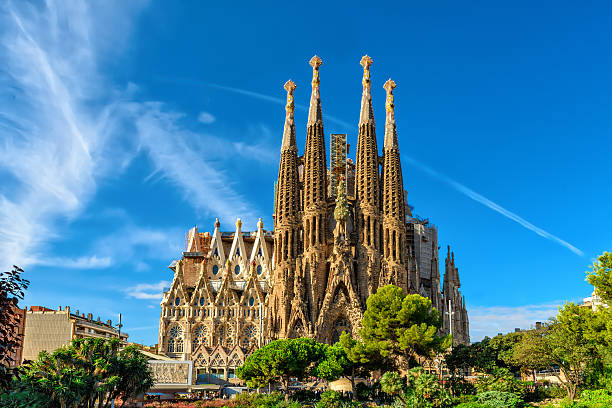
This is why the best answer changes after Sagrada Família and Park Güell. The basilica absorbs attention in a way very few buildings do; Park Güell adds hillside movement, open air and timed-entry pressure; Passeig de Gràcia adds pavement-level comparison between Gaudí, Domènech i Montaner, Puig i Cadafalch and the social ambition of the Eixample. By the time those layers have landed, the question is no longer “which Gaudí site is best?” It is “what kind of final architectural intelligence does the trip still need?”
Check fixed-ticket foundations before you add the second layer. Sagrada Família official tickets (https://sagradafamilia.org/en/tickets-individuals) and Park Güell official tickets (https://parkguell.barcelona/en/buy-tickets) should shape the day before Palau Güell, Colònia Güell or an Eixample detail walk does. If those headline times already create a morning-to-afternoon squeeze, the correct upgrade is often not another admission; it is a cleaner interpretation route, a pause, or a guide who knows when to stop.
The counterintuitive correction is that the more famous or more complete option is not automatically the more sophisticated choice. A lighter Eixample detail walk can be the more discerning second layer because it keeps the traveler’s eye sharp. You can compare balconies, ceramic skin, iron, stone, chamfered corners and social theater without asking the group to absorb another full interior. For architecture-minded visitors, that restraint can make the earlier icons feel stronger in memory, not weaker.
The quick chooser: Palau Güell, Colònia Güell or Eixample details
Use this chooser when the itinerary already includes Sagrada Família, Park Güell, Casa Batlló or La Pedrera and you are deciding what belongs after them. The default winner for a focused second-layer visit is Palau Güell; the runner-up is Eixample detail work when time or energy is tight; Colònia Güell is the specialist exception, not the default add-on.
Choose Palau Güell when:
- You want one more Gaudí interior, but not another large Eixample house experience.
- Your day already passes through La Rambla, the Raval edge, the maritime quarter or the Gothic Quarter.
- You value a guided explanation of patronage, materials, social hierarchy and early experimentation more than another panoramic photo stop.
- You have roughly one concentrated museum-style slot left and want it to feel dense rather than sprawling.
Choose Colònia Güell when:
- You are willing to give the decision a half-day shape rather than a quick urban stop.
- You are interested in Gaudí’s structural method, the unfinished church and the industrial-colony setting around Santa Coloma de Cervelló.
- You are comfortable making Plaça Espanya or a private driver the hinge of the plan, instead of staying inside the central Eixample–old city circuit.
- You would rather trade urban intensity for a quieter architectural field study.
Choose Eixample details when:
- You have already booked two or more Gaudí entries and want the architecture to keep breathing.
- Your hotel, lunch or dinner sits near Passeig de Gràcia, Rambla de Catalunya, Diagonal, Provença or the Illa de la Discòrdia.
- Your group includes travelers who like design but resist another ticketed interior.
- You want a private guide to connect details in the street rather than move everyone through another admission sequence.
Stop at the major icons and skip the second layer when:
- You have only two nights, a late dinner, children already fading, or a travel day before or after the Gaudí plan.
- Sagrada Família and Park Güell already occupy fixed time slots that split the day awkwardly.
- Your group is describing buildings by ticket names rather than by ideas; that is usually the first sign of architectural fatigue.
- You are adding Palau Güell, Colònia Güell or Eixample details mainly because a checklist says they exist.
Who should pick Palau Güell after the big Gaudí interiors
Pick Palau Güell when you want the most efficient second-layer Gaudí interior in the city center. It works especially well for travelers who have seen the great daylight spectacle of Sagrada Família and the public imagination of Park Güell but still want to understand Gaudí as a designer of private power, movement and atmosphere. Palau Güell is earlier, darker and more compressed than the famous Eixample houses, and that compression is the point.
The palace suits couples and small groups who like a guide to slow the eye. Without interpretation, the visit can become a sequence of handsome rooms, ironwork, chimneys and organ loft impressions. With the right guide, it becomes a study in how a Barcelona industrial family used architecture to stage status: carriage entrance, stables, reception rooms, service circulation, chapel-like verticality and rooftop release. The building rewards questions about who moved where, what guests were allowed to see, and how Gaudí was already using light and structure before the later public works made him unavoidable.
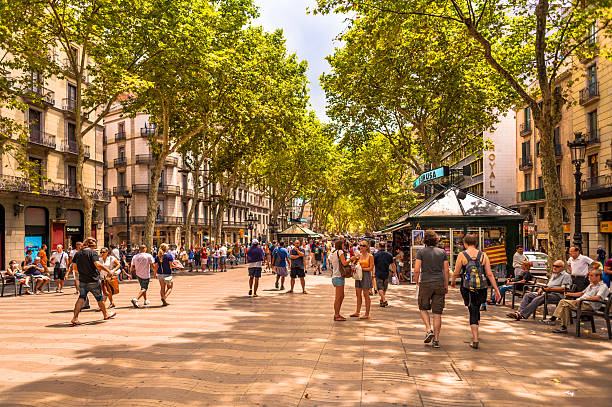
Palau Güell is also the right choice when your day’s geography already touches the old-city edge. If you are coming from the Gothic Quarter, El Raval, the Drassanes maritime area or a Boqueria-adjacent lunch, the palace can sit cleanly inside the route. The trap is imagining that “near La Rambla” means effortless. Carrer Nou de la Rambla can feel narrow and busy, and taxi movement around the lower Rambla, the port side and the Gothic Quarter is rarely the same as a straight Eixample glide. A private route should treat Palau Güell as a contained stop with a clear before-and-after, not as something to insert between unrelated errands.
The official Palau page is the place to confirm visit logistics before committing the slot: Palau Güell official visitor information (https://inici.palauguell.cat/en/). Do not build a day around remembered opening patterns, old blog prices or assumptions about same-day access. The point is not to chase fragile details; it is to avoid making the second-layer choice depend on a detail that may change.
Palau Güell is less ideal for travelers who have just finished a heavy old-city morning. If you have already spent hours in the Gothic Quarter, Santa Maria del Mar, El Born and crowded narrow streets, the palace may feel like another enclosed urban layer rather than a fresh architectural insight. In that scenario, Eixample details often serve the trip better because the grid opens the body and the conversation. The group can walk, look, pause, compare, sit for coffee and still feel that Gaudí has become clearer.
The spend judgment is simple. A specialist guide earns the investment at Palau Güell because the building’s meaning is not fully visible from the surface. A chauffeur does not always earn its cost for Palau alone, especially if the movement is only a short crawl around La Rambla or the Raval edge. Spend on interpretation, timing and sequence; do not spend just to make a central stop feel more luxurious than it is.
When Colònia Güell is worth the distance
Colònia Güell is worth the distance when the trip needs depth, not one more central Barcelona impression. It is the best choice for architecture travelers who want to see Gaudí thinking structurally, experimentally and socially outside the city’s most familiar tourism corridor. It is not the best choice for travelers who simply want to say they saw another Gaudí site.
The distance changes the visit before you arrive. Colònia Güell sits in Santa Coloma de Cervelló, beyond the central city rhythm, and the public-transport hinge is usually Plaça Espanya and the FGC network. The station cue matters because it tells you what the day is becoming: a departure from Barcelona’s dense museum-and-hotel map, not a quick extension of Passeig de Gràcia. The FGC station page for Colònia Güell is useful for understanding the access point and network context before you plan the movement: official FGC Colònia Güell station information (https://www.fgc.cat/en/fgc-network/l-llobregat-anoia/colonia-guell/).
This is the required decision threshold: Colònia Güell versus a lighter Eixample detail walk. Choose Colònia Güell if you are willing to spend the transfer because the crypt, the industrial-colony fabric and Gaudí’s method are the story. Choose the Eixample walk if the real need is one more hour of context before lunch, dinner or a hotel return. The difference is not only time. Colònia Güell changes the mental weather of the day: quieter, more deliberate, less performative, and more dependent on a group’s appetite for architectural process.
The official site for the crypt and colony is the right place to confirm visit formats and practical details: Colònia Güell official practical information (https://gaudicoloniaguell.org/en/practical-info/). Treat that page as a planning checkpoint, not as a reason to force the excursion. A site can be legitimate, important and still wrong for a short Barcelona stay.
Colònia Güell is strongest for repeat visitors, architects, engineers, design collectors, historically minded couples and small groups who enjoy leaving the central script. It also suits families with older children or teenagers when the story is framed as an experiment: why columns lean, why materials change, how a church can feel both earthy and radical, and why Gaudí’s later work did not appear from nowhere. For multigenerational groups, however, the excursion must be paced honestly. The walking is not a mountain day, but the transfer reset, station movement and colony paths still require attention. A private driver can make the day cleaner if the group values comfort or wants to pair the visit with a broader outskirts plan; it cannot make an uninterested traveler suddenly care about structural trial and error.
Colònia Güell also has a mood consequence. It can give the trip air after Barcelona’s visual density, and that can be valuable. But it can also make a short stay feel as though the afternoon was spent returning from somewhere. If dinner is important, or if the group wants a polished evening in the Eixample, do not underestimate the late-return drag. The visit is best when the day is allowed to be about the colony, not when it is wedged between Park Güell, shopping, a tasting menu and a desire to “make use” of the driver.
My firm call: do not choose Colònia Güell as a third Gaudí stop in the same day as Sagrada Família and Park Güell. That is a completionist plan, not a discerning one. If Colònia Güell matters, give it its own half-day, ideally with a guide who can connect it to what you saw at Sagrada Família without making the basilica planning repeat itself.
When Eixample details are enough after Sagrada Família and Park Güell
Eixample details are enough when the trip needs architectural continuity without another admission. This is the best runner-up choice after the icons because it preserves the eye, the legs and the evening. It is especially strong for travelers staying near Passeig de Gràcia, Rambla de Catalunya, Diagonal or the central Eixample, where the city’s grid lets the route feel lucid rather than improvised.
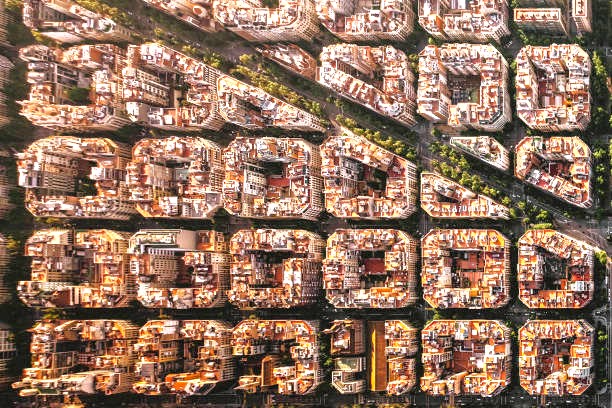
The Eixample’s value is comparative. Gaudí makes more sense when he is not isolated from his rivals, patrons and street setting. Around the Illa de la Discòrdia, the traveler can compare Casa Batlló with neighboring façades and begin to see Modernisme as a civic competition rather than one architect’s isolated genius. Around Provença and Passeig de Gràcia, La Pedrera’s massing can be read against the block, not only as a photo façade. Along Rambla de Catalunya, the walking rhythm softens the day, and a guide can fold in ceramic detail, iron balconies, carved stone, door hardware, chamfered corners and the social purpose of the Cerdà grid.
This is where a private guide can make lesser-known Gaudí feel like context rather than architectural overload. The guide’s job is not to add more names. It is to decide which details to ignore, which corners deserve stopping, when the group needs shade, when a café pause will make the next façade legible, and when the conversation should move from “Gaudí” to Barcelona’s wider design century. For a route built around this logic, an Eixample Private Tour can be more satisfying than another entry because the neighborhood itself becomes the museum.
The body consequence matters. Barcelona can look flat on a map, but the way a day is assembled changes how it feels in the knees, lower back and attention span. Park Güell adds slopes and access logistics. Sagrada Família adds standing time, security movement, crowd navigation and a high-intensity visual interior. The Eixample adds block-scale walking, traffic-light pauses and sun exposure on broad streets, but it also gives you benches, cafés, taxis, hotel proximity and easier exits. Old-city lanes can feel romantic at 9:30 in the morning and draining at 3:30 in the afternoon. Colònia Güell adds a transfer reset. The best second-layer plan respects these different forms of fatigue rather than pretending every “short visit” costs the body the same.
The mood consequence is just as real. Eixample detail work can make the day feel calmer because it allows architecture to become conversation rather than intake. Palau Güell makes the day feel denser and more theatrical. Colònia Güell makes the day feel more contemplative but also more removed from Barcelona’s evening flow. If you are planning a celebration dinner, a serious food-and-wine night, or a family evening that needs an easy return, Eixample often protects the tone of the trip better than a heroic add-on.
For travelers who have already committed to a substantial Gaudí day, Complete Gaudí private touring should not mean “every Gaudí site available.” The best Gaudí day is edited. It can include Sagrada Família, one house, perhaps Park Güell if the hill and ticket time make sense, and then Eixample detail work to tie the ideas together. Adding more tickets after attention has peaked often reduces the authority of the day rather than increasing it.
The sequencing mistakes that create Gaudí fatigue
Gaudí fatigue usually comes from poor order, not from Gaudí himself. The city encourages overbooking because the names are famous, the sites are spread out and the booking pages make each entry feel individually manageable. The problem appears when individually sensible tickets create a day with too many thresholds: security, entry windows, audio instructions, stair decisions, rooftop choices, taxi movement and repeated explanations of organic form.
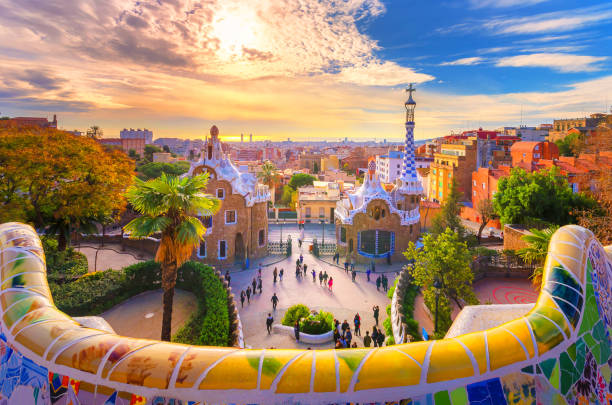
The first mistake is using Park Güell as a casual add-on. The park sits high enough to affect the body and the clock, and its access points do not behave like a simple central museum entrance. If Park Güell is already booked, the rest of the day should become more disciplined, not more ambitious. A route that begins at Sagrada Família, climbs to Park Güell, returns to Passeig de Gràcia, adds Palau Güell and then considers Colònia Güell is not rich; it is blurred. For hillside-specific planning, the Park Güell timing guide is the better place to decide what the hill should displace.
The second mistake is treating Passeig de Gràcia as merely a transfer corridor. It is one of the few places in Barcelona where architecture, shopping, hotel geography, lunch and easy taxis can all sit together without forcing the day into old-city friction. If your hotel is near Passeig de Gràcia or Rambla de Catalunya, an Eixample detail walk can become the hinge between a morning interior and an evening reservation. Leaving that neighborhood only to return for dinner may create the exact drag a comfort-led itinerary should avoid.
The third mistake is buying more Gaudí entries to solve a lack of understanding. Premium spend does not help when the problem is architectural fatigue: buying more Gaudí entries does not fix architectural fatigue or poor sequencing. Better interpretation, fewer stops and a cleaner route do. A private guide can make one façade and three details more meaningful than a fifth paid threshold.
The fourth mistake is placing Palau Güell after a long old-city walk because it appears geographically logical. It can be logical, but only if the group still has attention for interiors. If the morning already included the Gothic Quarter, El Call, Santa Maria del Mar, El Born and lunch noise, Palau can feel airless. In that case, cut Palau first and use an Eixample return to reopen the day. The more discerning decision is often to stop before the trip starts feeling like research.
The fifth mistake is making Colònia Güell compete with a central Barcelona afternoon. It should not compete. It should replace. If the colony is the right answer, give it the dignity of space. If you cannot give it space, do not downgrade it into a rushed checkbox. Save it for a repeat visit, or for a half-day when the group wants a true architectural digression.
How a private guide turns the second layer into judgment, not accumulation
A private guide changes this decision by editing the day in real time. That matters more at the second layer than at the first. Sagrada Família and Park Güell announce their importance immediately; Palau Güell, Colònia Güell and Eixample details require calibration. The guide has to judge whether the group wants social history, structure, ornament, neighborhood logic, photography, café pauses or a shorter ending.
At Palau Güell, the guide’s value is interpretation. The building’s rooms can be read as design surfaces, but they become more useful when the guide explains arrival, status, music, worship, service movement and rooftop release. At Colònia Güell, the guide’s value is connection: why this unfinished church matters, how the industrial-colony context changes the architecture, and what can be carried back to Sagrada Família without repeating the basilica. In the Eixample, the guide’s value is restraint. The route should not stop at every decorative flourish. It should choose the details that make the traveler see the whole district differently.
This is also where Orange Donut Tours’ tailor-made style has commercial value without needing a hard sell. A private Gaudí plan can be built around what the group has already booked, where the hotel sits, who is likely to tire first, and what kind of evening is meant to follow. A couple celebrating an anniversary near Passeig de Gràcia needs a different second layer from a family staying near the port, and a design-collector couple needs a different rhythm from first-timers who have already given Sagrada Família the emotional center of the trip.
If your stay is short and you want the second layer to clarify rather than crowd the day, use the inquiry to name the hinge: Palau Güell, Colònia Güell or Eixample details, plus the fixed times you already hold for Sagrada Família and Park Güell. Inquire now
The private value is not only comfort. It is the ability to stop forcing a plan that looks impressive on paper. If the guide can tell by the end of Sagrada Família that the group has reached saturation, the best move may be to keep the Eixample light, skip the next interior and preserve dinner. If the group becomes more curious, Palau can deepen the story. If a repeat visitor wants the method behind the monuments, Colònia Güell can become the day’s center. That is the difference between a tour and a good city decision.
The cut-first rule for short stays
For a two- or three-night Barcelona stay, cut Colònia Güell first unless Gaudí’s experimentation is a core reason for the trip. This is not because Colònia Güell is weak; it is because the transfer and half-day shape make it expensive in itinerary currency. Short stays need central clarity. Use Sagrada Família, one major house or Park Güell, and one Eixample context layer before you spend a half-day outside the center.
For a first stay with a serious Gaudí focus, the safest edited arc is usually Sagrada Família plus one Passeig de Gràcia interior, then either Park Güell or Eixample detail work depending on weather, mobility and evening plans. If you already know you want Sagrada Família to carry the day, a Sagrada Familia Private Tour gives the basilica enough interpretive weight that the later Gaudí layer can be lighter.
For a repeat stay, the answer flips more often. Palau Güell becomes richer because you can compare it to memories rather than cram it into a first-time list. Colònia Güell becomes more compelling because you are no longer spending your first Barcelona days proving you saw the famous sites. Eixample details remain valuable because repeat visitors often want the city to feel less like a set of entries and more like a walkable design system.
For families, Palau Güell can work if the group likes interiors and the visit is not placed after a long old-city morning. Eixample details are usually easier with children or teenagers because you can shorten, pause, redirect and tie the walk to food, shopping or hotel return. Colònia Güell is best with curious older children, not with young children who will experience the transfer as the main event.
For travelers with older parents or mobility concerns, the second layer should be chosen by exits as much as entrances. The Eixample gives the easiest escape routes back to hotels, taxis and cafés. Palau Güell needs a more careful old-city edge plan. Colònia Güell needs a frank conversation about transfer tolerance and walking rhythm. A chauffeured solution helps when it reduces cross-city strain or makes an out-of-center visit cleaner; it does not help if the day is already asking too much attention from the group.
How to sequence the three choices without blurring the trip
Sequence the second layer by where the day naturally ends, not by where it begins. If dinner or hotel recovery is in the Eixample, end with Eixample details. If the day is old-city anchored, Palau Güell can be the concentrated architectural interior before a lighter food or maritime move. If Colònia Güell is chosen, avoid making the afternoon compete with central Barcelona ambitions.
A polished Palau Güell sequence might start with a quieter old-city context walk, use the palace as the architectural center, then move toward the lower Rambla, Drassanes or a lunch plan that does not require a long northbound transfer. This keeps Palau from becoming a cramped add-on. It also lets the palace’s urban character make sense: merchant Barcelona, performance, materials, and proximity to the old commercial city.
A polished Eixample sequence might begin after Sagrada Família, move by taxi or a guided walk depending on the group, then use Passeig de Gràcia and nearby blocks as a soft landing before lunch, shopping or a hotel pause. This works well when the group wants one more hour of intelligence but not another museum-like threshold. For travelers who want the wider Modernisme picture, the Modernisme day without Gaudí overload can help decide when Sant Pau, Palau de la Música or the Eixample should take over from Gaudí.
A polished Colònia Güell sequence should be honest from the beginning: Plaça Espanya or driver pickup, the colony and crypt as the point of the outing, then a return that does not ask the group to process another major monument immediately. Pair it with a calm evening, not with a dense tasting menu after an already full morning. If you want food and wine to own the night, do not let an architectural excursion steal the appetite for conversation.
These choices should not all appear in one trip unless the trip is explicitly architecture-led and has enough days to absorb them. Barcelona rewards editing. The city is generous with detail, but it is not gentle with days that cross from hillside to basilica to old city to outskirt and back again. The more refined itinerary is usually the one that lets one layer remain vivid.
FAQ
Is Palau Güell worth visiting after Sagrada Família and Park Güell?
Yes, Palau Güell is worth visiting after Sagrada Família and Park Güell if you want one more Gaudí interior and can give it a focused slot. It is less ideal if you are already tired from a long old-city day or if you have booked too many ticketed interiors.
Is Colònia Güell worth the trip from Barcelona?
Colònia Güell is worth the trip when you are specifically interested in Gaudí’s structural experimentation and the industrial-colony setting. It is not worth forcing into a short first stay as a casual extra after the major icons.
When are Eixample details enough instead of another Gaudí ticket?
Eixample details are enough when you have already seen Sagrada Família, Park Güell or a major Passeig de Gràcia interior and want context without another admission. They are especially useful when your hotel, lunch or dinner is already in the central Eixample.
Can you visit Palau Güell, Colònia Güell and Eixample details in one day?
You can, but it is usually a poor use of a Barcelona day. The combination creates too much movement and too many interpretive layers unless the trip is explicitly built for architecture specialists with high stamina.
Which second-layer Gaudí choice is best for repeat visitors?
Repeat visitors should lean toward Colònia Güell if they want deeper architectural method, or Palau Güell if they want a central interior with early Gaudí context. Eixample details remain the best lighter choice when the trip also includes food, shopping or a serious evening plan.
Which choice is best for families?
Eixample details are usually best for families because the walk can be shortened, paused and connected to food or hotel geography. Palau Güell can work for curious children and teenagers; Colònia Güell is better for older children who will enjoy the experiment and tolerate the transfer.
Should I book another Gaudí site if I already have Sagrada Família and Park Güell?
Not automatically. If Sagrada Família and Park Güell already create a full day, add Eixample context or stop there. Another entry only helps when it answers a clear question, such as Palau Güell for an early interior or Colònia Güell for Gaudí’s structural method.
Where does a private guide help most: Palau Güell, Colònia Güell or the Eixample?
A private guide helps most wherever the visit might otherwise become surface-level. At Palau Güell, that means social and spatial interpretation; at Colònia Güell, it means connecting the crypt to Gaudí’s later work; in the Eixample, it means choosing the few details that make the district legible.
If you’re interested in any private tours of Barcelona, please reach out to us.








 So if you are looking for the absolute best in Barcelona & surroundings with authentic local fully-licensed native guides whose English you can actually understand and with an exclusive and amazingly fun itinerary













