Barcelona Before a Balearic Ferry or Island Flight: Port, Eixample or One Last Interior?

Updated
The safest final-day shape before a Balearic ferry or island flight is Eixample first, then a clean transfer to either Port Vell or Barcelona Airport. It works because Barcelona’s last morning is decided less by distance than by luggage, timed entries, taxi access, and the awkward diagonal between the old city, the port edge, and the airport road. The exception is a late ferry from the central port area: then a short Port Vell lunch or waterfront walk can be pleasant, provided you do not turn it into a second old-town tour.
The core Barcelona decision is this: treat the Eixample-to-port or airport decision as the hinge of the day, not as an afterthought. A traveler staying near Passeig de Gràcia can move from a calm breakfast to Sagrada Família, Casa Milà, or a short design walk without dragging bags through the Gothic Quarter. A traveler who spends the morning around Drassanes, La Rambla, or the lanes behind Port Vell may feel closer to the sea, but the day often becomes slower, more crowded, and harder to exit cleanly.
The departure-day verdict: Eixample wins unless the ferry is late and central
Eixample is the default winner because it keeps the final Barcelona morning legible. The grid helps drivers approach and leave, the walking is flatter than Park Güell or Montjuïc, and the main Modernisme interiors sit in a compact north-central band. If you are moving onward to Mallorca, Menorca, Ibiza, or Formentera by ferry or flight, the best last memory is usually one controlled Barcelona moment, not one more cross-city maneuver.
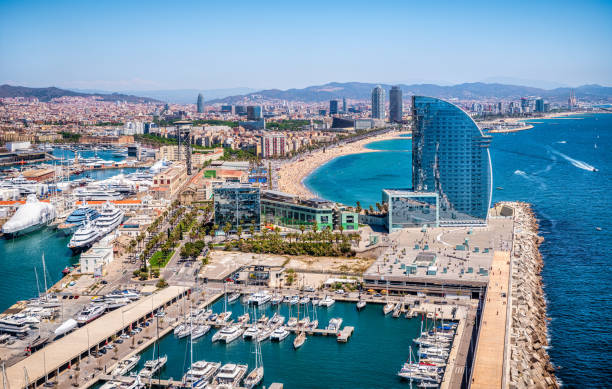
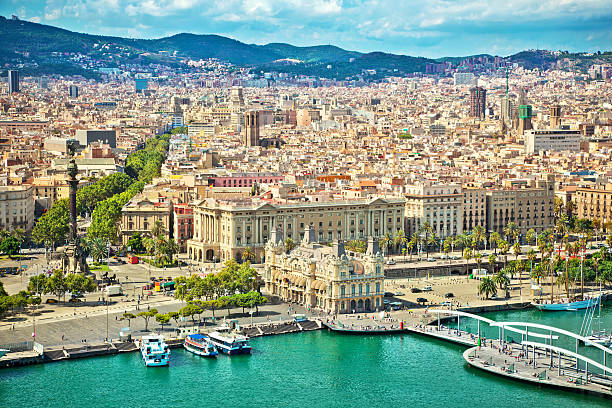
Port Vell is the runner-up only for travelers whose ferry timing leaves a relaxed waterfront window and whose luggage is already handled. The port edge can give you a pleasant goodbye: Drassanes, the maritime quarter, a short harbor view, or lunch with the sea nearby. But it is not the same planning problem as cruise boarding. A Balearic ferry day may involve a different terminal rhythm, a different passenger flow, and a more independent traveler mindset. Do not borrow a cruise-day plan and assume it fits.
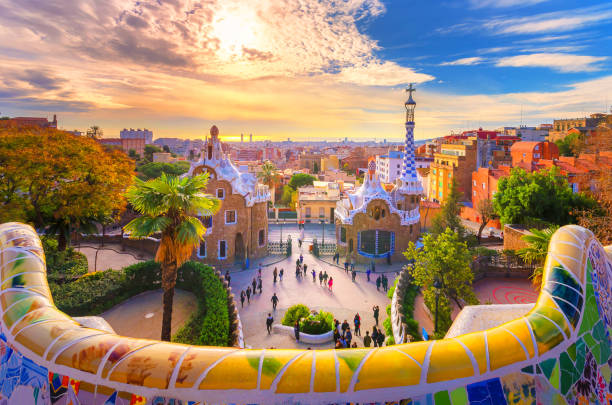
The wrong fit is an ambitious final interior far from your exit route. Park Güell is the clearest example: it is famous, but it is a hill-and-ticket decision, not a casual farewell stop. A chauffeur cannot make a far-flung final attraction feel relaxed if ferry or flight timing is tight. Premium spend can improve luggage handling, privacy, and transfer calm; it cannot remove the physical and psychological cost of trying to make Barcelona’s last morning do too much.
Scenario bullets for the final morning
- Choose Eixample if you want the cleanest base, the least old-town drag, and a controlled transfer to Port Vell or Barcelona Airport.
- Choose Port Vell if your ferry is late, your bags are handled, and you want a short maritime goodbye rather than another monument.
- Choose one interior only when the entry time, guide timing, and transfer plan already line up; otherwise the interior owns the whole day.
- Keep the day light if you have children, older parents, a celebration dinner on the island, or any uncertainty around checkout and bags.
How port and airport departures differ in Barcelona
A Balearic ferry day is not simply an airport day with a sea view. A ferry departure tends to pull your attention toward the harbor edge, Port Vell, Drassanes, and the lower end of the old city; an island flight pulls you toward Barcelona Airport and the southwest exit from the city. The practical result is that the same final stop can feel easy for one departure and oddly heavy for the other.
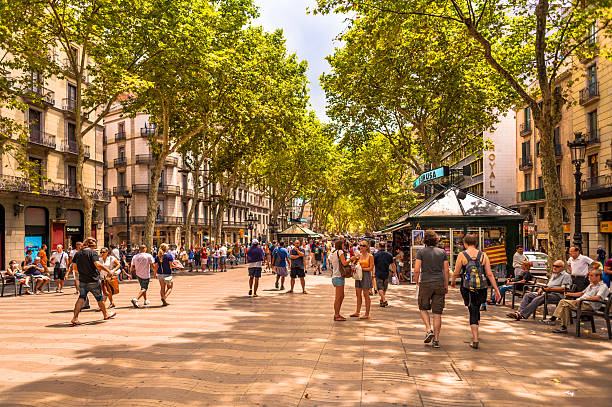
For the airport, the last morning should avoid anything that requires a deep old-town entry and a messy exit. The Gothic Quarter can be rewarding with the right guide on a normal day, but on a flight day its narrow lanes turn luggage anxiety into a constant background hum. Even if your bags are elsewhere, the old city creates more small decisions: where to meet the driver, how to cross pedestrian zones, whether the group is drifting, and whether lunch is making the airport feel closer than it is.
For the ferry, the old city can be tempting because the sea is nearby. The correction is that “near the port” and “good final plan” are not identical. Port Vell, the Columbus Monument area, and the maritime quarter can work beautifully as a short, low-commitment farewell. But once you push into the Gothic Quarter, El Born, or Barceloneta for a proper walk, the day starts to behave like sightseeing again rather than a departure window.
Use Barcelona airport planning when the final transfer needs to be part of the day rather than a taxi afterthought. For travelers continuing to the islands, the value is not just the vehicle; it is the sequencing of luggage, guide handoff, timed entry, and the moment when the day should stop trying to be a tour.
For a true ship-boarding day, Barcelona cruise layover planning has its own port logic. The important caution here is not to copy that shape onto a Balearic ferry or island flight unless the terminal timing, luggage plan, and final city stop actually match.
When Eixample is the safest base before a ferry or island flight
Eixample is safest when the final morning has to serve two masters: one last Barcelona experience and a clean onward exit. Its broad blocks, predictable corners, and concentration of hotels around Passeig de Gràcia, Rambla de Catalunya, and the Sagrada Família side of the district make it easier to build a morning that does not fray at the edges.
The non-obvious advantage is not only beauty or hotel quality. It is the fact that a driver can usually wait and reposition more sensibly around Eixample than around the old city’s pedestrian fabric. A private guide can lead a short architecture sequence, a single interior, or a cafe-and-context morning without forcing the group through the pinch points around La Rambla or the tighter lanes near the cathedral.
Eixample also keeps moods steadier. Families do not spend the last morning negotiating stroller movement through crowds. Couples do not let a romantic island connection begin with a sweaty bag handoff. Small groups do not lose time deciding who wants one more shop, one more photo, or one more detour. The grid makes the day feel planned without making it feel rigid.
This is also where private touring earns its place naturally. A tailored Eixample morning can combine guide context, one carefully chosen stop, and a driver-led luggage plan without padding the day. For a broader view of what can be shaped privately in the city, see private tours in Barcelona. The point is not to add more; it is to decide what deserves the last usable hours.
Should you stay near the port before a Balearic ferry?
Staying near the port can make sense for a late ferry, but it is often overvalued for comfort-first travelers. Port proximity sounds efficient, yet it can trade away the calmer final morning that Eixample provides. If your hotel is near Port Vell, the water, or the lower old city, the best use of that geography is a short farewell, not a full sightseeing reset.
A good port-side morning is deliberately narrow: breakfast, a short maritime walk, perhaps Drassanes or the harbor edge, then a composed transfer. It should not become La Rambla, the Gothic Quarter, Barceloneta, and lunch all in one line. That kind of plan looks compact on a map, but it produces stop-start movement, crowd drag, and the feeling that the ferry is interrupting every choice.
The port area is strongest when the sea belongs in the story. A traveler who has already had a rich Gaudí day may appreciate a final waterfront hour more than another ticketed interior. Port Vell can feel like a transition between city and islands: boats, light, lower-stakes walking, and a clear sense that Barcelona is handing you toward the Balearics. For maritime context without turning the morning into a boarding guide, Barcelona’s maritime quarter decision is the useful adjacent read.
The cut-first rule is firm: if the departure day should stay in Eixample, avoid the old city. Do not add the Gothic Quarter just because it seems close to the port. On a last morning, atmosphere that requires constant navigation is expensive in energy, even when it is free in ticket cost.
When one last interior works before leaving Barcelona
One last interior works when it is already on the right side of the day. In Barcelona, that usually means Sagrada Família, Casa Batlló, La Pedrera, Sant Pau, or Palau de la Música only if the timed entry, hotel checkout, luggage plan, and transfer path form one clean arc. The interior should be the morning’s anchor, not a trophy squeezed between checkout and departure.
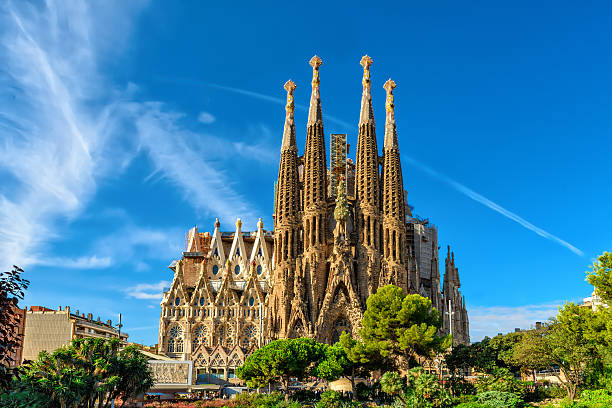
Sagrada Família is the strongest final interior for many first-time travelers because it delivers the most concentrated Barcelona memory in one controlled visit. But it is not casual. It runs on timed entry logic, and travelers should use Sagrada Família official tickets (https://sagradafamilia.org/en/tickets-individuals) or a properly arranged guided plan rather than assuming availability or improvising at the door. If the entry time sits too close to your ferry or flight transfer, the correct move is to cut it, not to rush it.
Casa Batlló and La Pedrera are more Eixample-friendly for travelers staying around Passeig de Gràcia, especially if the morning needs to remain compact. They can pair with a short exterior architecture walk and a calm lunch without crossing the city. Sant Pau can work for travelers based closer to the Sagrada Família side of Eixample, but it is less forgiving if the group has already checked out and the driver plan is vague.
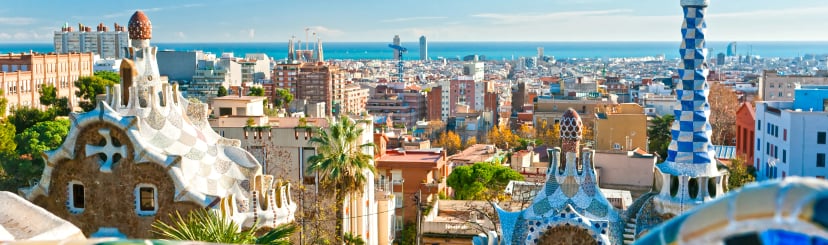
Park Güell is the famous final stop to treat with suspicion. It is wonderful in the right sequence, but it sits uphill and depends on timed entry, approach logistics, and energy. Use Park Güell official tickets (https://parkguell.barcelona/en/buy-tickets) when it genuinely belongs in the itinerary; do not make it the last-morning answer simply because it remains unchecked. The route-cut consequence is simple: one last interior means one interior, not an interior plus a hill plus the port or airport.
The body cost: what Barcelona does to the final morning
Barcelona can look deceptively easy because many highlights seem close on a city map. The body experiences it differently. Eixample blocks are broad and repetitive, old-town lanes slow the pace, waterfront routes add glare and exposure, and hillside attractions such as Park Güell or Montjuïc change the day’s physical load before you notice it.
The body consequence is that every detour has a second cost: not only the step count, but the reduced patience for boarding, security, taxi access, queues, and the first hour after arrival on the island.
On a normal touring day, those shifts can be part of the pleasure. On a departure day, they accumulate. A family that walks from a hotel to a Gaudí interior, then crosses toward lunch, then moves toward Port Vell is not just walking; it is managing bags, bathrooms, heat, shoe comfort, and the knowledge that the next leg cannot be missed. Older travelers may feel the transfer reset more sharply than the distance itself: getting in and out of vehicles, regrouping at corners, and standing through entry procedures can be more tiring than one continuous guided walk.
The best final-day plan reduces transitions. It chooses one neighborhood mood, one main stop, and one clean exit. That is why Eixample repeatedly wins for island-flight travelers, and why Port Vell only wins when the ferry window is generous. The city rewards focus; it punishes the traveler who tries to turn a departure morning into a miniature three-day itinerary.
For travelers who are weighing whether a driver changes the day, the most useful distinction is in when a chauffeur changes a Barcelona Gaudí day. The same principle applies here: a car helps between zones, with luggage, and around hills; walking still wins for short, coherent Eixample sequences.
The mood cost: what preserves the island handoff
The best Barcelona departure day makes the island arrival feel like a continuation, not a recovery. If you leave the city flustered, the first Balearic evening becomes a reset instead of a reward. If you leave with one clean final memory, the ferry or flight feels like part of the trip design.
The mood consequence is that a crowded final morning makes the Balearic arrival feel like recovery work rather than a clean handoff. A calmer morning protects the first swim, the first terrace drink, the villa welcome, or the island dinner from becoming compensation for a bad exit.
Eixample helps because it keeps the mood adult, calm, and composed. You can have a last coffee, a guided architecture thread, a single interior, and a proper handoff to the driver without feeling that the city is pushing back. For couples heading to Mallorca or Menorca, that matters. The final Barcelona morning should not flatten the romance of the island arrival with heat, queues, or a late scramble.
Port Vell can create the right mood when the sea is emotionally useful. A short harbor walk before a ferry can make the transition feel intentional. The mistake is staying by the water too long because it feels thematically right. Once the group starts watching the clock, the mood turns from maritime to administrative.
Families and small groups should be especially cautious with “one more thing.” The last thing may be memorable, but it may also be the moment that divides the group. One person wants shopping, another wants lunch, another wants shade, and another is already thinking about the boarding process. A private plan works best when it gives the day permission to end before everyone is depleted.
How to sequence Eixample, Port Vell, and Barcelona Airport without drift
The cleanest sequence is hotel, Eixample stop, lunch or pause, then transfer. That order keeps the sightseeing portion before the exit pressure rises. It also gives the guide and driver a clear handoff point: the morning belongs to Barcelona, the afternoon belongs to the onward journey.
A useful test is whether every traveler can describe the next handoff in one sentence: where the bags are, where the driver meets, and whether the next movement goes toward Port Vell or Barcelona Airport. If that answer is fuzzy, the plan is already too complicated for a departure day.
For an island flight, avoid a late lunch that sits far from the airport road. A lunch around Eixample can work if it is not allowed to sprawl; a lunch deep in the old city is riskier because it creates a second exit problem. The airport transfer should feel like the final movement of the plan, not like a rescue from a neighborhood that no longer fits the clock.
For a ferry, the order can flip only when the port window is genuinely loose. You might begin in Eixample, transfer with bags handled, and finish with a short Port Vell pause before boarding. But this should be a designed taper, not an excuse to add the old city. The moment you add La Rambla, El Born, or Barceloneta as a full walk, you have changed the morning from a taper into a tour.
If the final day is part of a larger Barcelona-to-islands itinerary, keep the city’s role clear. Barcelona is the cultural anchor; the Balearics are the slower next chapter. The final morning should bridge those two roles instead of competing with both. A detailed multi-day city plan belongs earlier in the stay, as in a luxury three-day Barcelona itinerary, not in the hours before departure.
When to keep the day light
Keep the day light when the next leg has emotional weight. A celebration arrival, a villa check-in, a family reunion, or a first dinner on the island deserves a calm Barcelona exit. In those cases, the last morning should be a polished half-day at most: breakfast, one guided thread, luggage handled, and an unhurried transfer.
Light does not mean empty. A well-built light day can include a guided Eixample walk, one exterior Modernisme sequence, a short Sagrada Família context stop without entering, or a simple food-and-coffee pause before departure. The difference is that nothing on the schedule is allowed to threaten the onward journey.
Keep the day especially light when children are involved. Barcelona’s final morning can be deceptively hard on families because the city offers constant temptation: beach, shops, architecture, markets, and monuments all feel possible. The better family plan is to choose the one thing that keeps everyone aligned, then stop while the group still has patience for the ferry or airport.
Older parents and multigenerational groups should also resist the “we are already here” logic. That phrase usually leads to a hill, a queue, or an awkward transfer. On departure day, restraint is not a downgrade; it is how the next destination begins well.
Where a chauffeur changes the final morning, and where it does not
A chauffeur changes the final morning when luggage, timing, and neighborhood transitions are the problem. It means bags do not dictate every step, hotel checkout does not fragment the group, and the transfer to Port Vell or Barcelona Airport can be built into the tour rather than bolted on afterward.
The practical upgrade is calm. A driver-led luggage plan lets a couple enjoy one last interior without returning to the hotel. It lets a family finish a short Eixample walk and move straight to the airport. It lets a small group avoid the familiar final-day pattern of one person watching bags while everyone else tries to enjoy a rushed stop. For this kind of short-stay optimization, a chauffeured Barcelona private tour can be the difference between a pleasant morning and a logistical relay. Inquire now
But the chauffeur does not justify overpacking the day. It does not make Park Güell light when the timing is tight. It does not make a deep Gothic Quarter lunch easy to exit. It does not make a late Sagrada Família entry compatible with a narrow flight window. Premium spend does not help when it is being used to hide a route that does not fit the clock. Premium spend is useful when it removes friction; it does not earn its cost when it is used to defend a plan that should have been cut.
The best use of private support is editorial as much as logistical. Someone has to say no to the extra stop, protect the transfer margin, and choose the version of Barcelona that fits the island connection. That judgment is often more valuable than the vehicle itself.
What to cut first when the plan gets crowded
Cut the farthest attraction first. In Barcelona, that usually means removing hillside or edge-of-city stops before cutting a compact Eixample sequence. Park Güell, Tibidabo, and a full Montjuïc plan may be excellent on other days, but they are rarely the first answer before a Balearic ferry or island flight.
Cut the old city next if the departure is by air. The Gothic Quarter and El Born reward time and focus; they do not reward being treated as a last-minute filler between checkout and Barcelona Airport. A short exterior glimpse may be fine if the hotel is nearby, but a proper old-town route belongs on a day without an airport clock.
For ferry travelers, cut duplicate sea time. Barceloneta plus Port Vell plus a ferry is usually too much of the same emotional register, and it can add more walking than expected. If the ferry is the sea moment, let the city morning be Eixample or one interior. If Port Vell is the farewell, do not also force a beach-side loop.
Cut shopping unless it is the actual purpose of the morning. Last-minute shopping around Passeig de Gràcia can work if it is preselected and compact. Wandering for gifts in the old city can quietly swallow the only margin you had. Departure-day shopping should be surgical, not exploratory.
How this differs from a cruise-boarding or late-train day
A Balearic ferry or island flight day has its own rhythm. It is not the same as cruise boarding, because the traveler is usually moving into a more flexible island chapter rather than joining a large ship schedule. It is not the same as a late-train day, because Barcelona Airport and Port Vell pull the city in different directions than Sants.
Cruise logic often overemphasizes the port as the center of gravity. That can make sense for a boarding day, but a Balearic traveler may be better served by keeping the last morning in Eixample and treating the port as the final transfer point. The ferry is not a reason to spend the whole day near the harbor.
Late-train logic often overemphasizes luggage storage and Sants geography. That is useful for rail travelers, but it does not solve the Eixample-to-port or airport decision. A train traveler may design the day around station access; an island traveler needs to decide whether the departure pulls toward the sea or the airport road.
This is why the article’s verdict stays narrow. We are not choosing the best Barcelona neighborhood in general. We are choosing the last usable shape before a Balearic connection. That narrowness matters because the wrong final stop can make a luxurious trip feel improvised at exactly the moment it should feel smooth.
Best final-day shapes by traveler type
Couples heading to a celebration island stay should choose Eixample plus one polished stop. The best version is usually a guided Sagrada Família or Passeig de Gràcia morning, a calm lunch, and a transfer that leaves emotional room for the island arrival. Avoid turning the final city hours into an errand list.
Families should choose the lightest version that still feels like Barcelona. A short exterior Gaudí thread, a simple cafe pause, or one prebooked interior beats a mixed plan of port, beach, shops, and monument. Children often handle the ferry or flight better when the morning has a clear beginning and end.
Food-and-wine travelers should resist a long last lunch unless the departure time truly supports it. A serious meal before a ferry can be lovely; before a flight, it can become a clock-watching exercise. If the island has a special dinner waiting, Barcelona should offer a lighter final taste rather than competing with it.
Comfort-first small groups should choose the plan with the fewest negotiations. Eixample works because it reduces choice fatigue: one district, one guide arc, one transfer. Port Vell works only when everyone agrees that the water is the point and no one tries to reopen the sightseeing list.
FAQ
Is Eixample better than Port Vell before a Balearic ferry?
Eixample is usually better unless the ferry is late and your luggage is already handled. It gives you a calmer final morning, better access to major interiors, and a cleaner transfer rhythm.
Should I visit Sagrada Família on the day I leave for the Balearics?
Visit Sagrada Família on departure day only if the official timed entry and transfer plan leave comfortable margin. If the visit compresses lunch, luggage, or the airport or ferry transfer, save it for an earlier day.
Is Port Vell a good place to spend the final hours before a ferry?
Port Vell is good for a short waterfront pause, lunch, or maritime walk before a late ferry. It is not ideal for a full old-town tour when the ferry time is already shaping the day.
What should I avoid before an island flight from Barcelona Airport?
Avoid deep old-town routes, hillside attractions, and long lunches far from the airport exit. Choose Eixample, one compact interior, or a light guided morning instead.
Can a chauffeur make a packed final day work?
A chauffeur can improve luggage handling, privacy, and transfer calm, but cannot make a far-flung final attraction relaxed when timing is tight. Use the driver to simplify the day, not to overfill it.
Is the Gothic Quarter a good final stop before leaving Barcelona?
The Gothic Quarter is usually better earlier in the trip. On a departure day, its narrow lanes, pedestrian zones, and slower exits can add friction, especially before Barcelona Airport.
What is the best final Barcelona plan for families before a ferry or flight?
The best family plan is a light Eixample morning with one clear focus, followed by a calm transfer. Avoid mixing beach, old town, shopping, and a monument in the same departure window.
When should the final day be almost empty?
Keep the final day almost empty when the island arrival matters, when travelers are tired, when children or older parents are involved, or when the ferry or flight timing leaves little margin.
The final call
Choose Eixample when you want Barcelona to end with control. Choose Port Vell when the ferry timing is generous and the sea is the farewell. Choose one last interior only when it fits the transfer rather than fighting it. Choose a light day when the Balearic arrival matters more than one extra stop.
The strongest final Barcelona morning is not the one with the most sights. It is the one that lets the city land clearly before the trip changes pace. For a Balearic ferry or island flight, that usually means Eixample, restraint, and a transfer plan that feels designed from the start.
If you’re interested in any private tours of Barcelona, please reach out to us.











 So if you are looking for the absolute best in Barcelona & surroundings with authentic local fully-licensed native guides whose English you can actually understand and with an exclusive and amazingly fun itinerary













