Figueres and Girona from Barcelona: Dalí, Jewish Heritage and Lunch in One Cultural Arc

Updated
Start with Figueres and let the Dalí Theatre-Museum carry the first half of the day, then use lunch as the hinge before the Girona Jewish Quarter after lunch. That order works because Figueres is the fixed, high-intensity art anchor while Girona is a more walkable, layered heritage anchor; after lunch, the narrow streets around Carrer de la Força and the Onyar crossings give the day a human scale rather than another ticketed sprint. The exception is clear: do not combine Figueres and Girona if you want deep time in both places, or if Dalí is the reason for your entire Catalonia visit. In this route, the win is not “two cities”; it is keeping one surrealist museum and one medieval heritage quarter in a single cultural arc without turning either into a checklist.
That is why a private day from Barcelona should be built as a sequence, not a sampler: Figueres first, a deliberate lunch, Girona second, and no third major destination. Orange Donut Tours’ Figueres private tour inventory gives this route its art anchor, while Girona supplies the slower historical close. The mistake to avoid is treating the Dalí Theatre-Museum as a quick stop before “doing Girona.” Dalí’s museum is too dense, too theatrical and too mentally loud to be the errand before the real day begins.
Lead with Figueres, then let Girona narrow the focus
The best Figueres and Girona day from Barcelona leads with Figueres because the Dalí Theatre-Museum is the route’s immovable center of gravity. It asks for alert eyes, a guide who can edit, and a group that has not yet spent its concentration on lanes, stairs, river views and lunch decisions. Put it late and the museum can feel like a cabinet of surprises after the day’s mental budget has already been spent.
This is counterintuitive for travelers who assume Girona should come first because it is closer to Barcelona. Distance alone is the wrong planning tool here. Girona may sit earlier on the northeast route, but its old town is more forgiving later in the day: you can walk a tighter loop, choose how much climbing to accept, and let the city’s medieval fabric read as a change of pace rather than a second act of interpretation. Figueres, by contrast, depends on museum timing, ticket discipline and enough energy to process a building that Dalí himself turned into part of the work. For current visitor details, the Dalí Theatre-Museum official visitor page (https://www.salvador-dali.org/en/visit/dali-theatre-museum/) is the right direct source to check before committing the day.
A non-obvious planning cue: rail can look elegant on paper, but Figueres-Vilafant is not the museum doorway, and a two-anchor private day can lose its advantage if every station handoff becomes another reset. This is especially true with older parents, children, celebration clothes, or travelers who want lunch to feel like part of the day rather than a refueling scramble. A chauffeured route is not automatically more “luxury”; it is valuable only when it removes the handoffs that would otherwise break the arc.
Use this pairing in one of three scenarios:
- Art first, heritage second: you want Dalí to be the defining intellectual stop, but you do not want the whole day to remain inside surrealism.
- Repeat Barcelona visit: you have already handled the essential Gaudí sites and want a Catalonia day that feels culturally specific without becoming a generic Costa Brava drive.
- Short stay with one day outside the city: you want more variety than a single museum day, but you are willing to edit hard and skip a third destination.
The pairing wobbles when a traveler wants both the Dalí Theatre-Museum and Girona as full-depth visits. That is not a service problem; it is a time-and-attention problem. Figueres and Girona are compatible when each has a clear job. They become frustrating when both are asked to be the whole day.
Which stop should lead on a Figueres and Girona day trip from Barcelona?
Figueres should lead if the day is truly about Dalí plus Girona heritage, because the museum rewards first-half concentration. The Dalí Theatre-Museum is not arranged like a calm chronological gallery where you can drift and still understand the point. Its theatre origin, room-to-room shifts, installations and visual jokes all ask for active framing. A guide’s value is not simply naming works; it is preventing the visit from becoming a string of “look at this” moments with no interpretive spine.
Leaving Barcelona, the morning also gives the group a cleaner emotional start. From an Eixample hotel or a Passeig de Gràcia base, the departure can move from city grid to motorway rhythm without first draining everyone in old-town pickup logistics. A Gothic Quarter hotel can still work, but the first handoff may involve tighter loading points and a slower escape from the medieval core. That matters because a Figueres-first route asks the group to arrive at the museum ready, not already irritated by a first transfer.
Girona first only makes sense when the heritage component is the dominant reason for the day and Dalí is a light add-on. That is a different article and, for many private travelers, a different tour. If the main desire is the Jewish history of Girona, the cathedral area, the walls, the Onyar bridges and a measured old-town walk, then a dedicated Girona private tour is cleaner. You can give the Call, Força Vella and riverfront the space they deserve instead of making Girona absorb the fatigue created by a major museum morning.
The sharp editorial call is this: do not put Figueres second unless you are comfortable treating the Dalí Theatre-Museum as a compressed highlight reel. That may satisfy a casual curiosity, but it usually disappoints art travelers, design-minded visitors and families with older children who actually want to understand why the museum feels so unlike a normal museum.
How much Dalí is enough before the route starts to sag?
For a combined Figueres and Girona day, enough Dalí means a guided, edited museum arc rather than an exhaustive hunt for every room, object and side reference. The museum’s strength is also its risk: it can expand to fill the day. If you let it, Girona becomes a late-afternoon walk tacked onto an art pilgrimage, and the whole route loses the balanced shape promised in the title.
The right amount depends on the traveler. For most mixed-interest couples, families and small groups, the visit should focus on why Figueres matters to Dalí, why the theatre setting changes the experience, how the artist’s public persona and private mythology appear in the building, and which visual set pieces deserve unhurried attention. That gives the museum meaning without making everyone stand through a specialist lecture.
For art-focused travelers, the danger is the opposite: cutting too aggressively can make the stop feel superficial. A private guide should identify the group’s threshold early. Some travelers want biography, Surrealism, performance, religious symbolism, optical illusion and Dalí’s relationship to Catalonia. Others want the museum’s theatrical logic, a handful of unforgettable works, and enough confidence to say they have understood the place. Both are legitimate. They require different pacing.
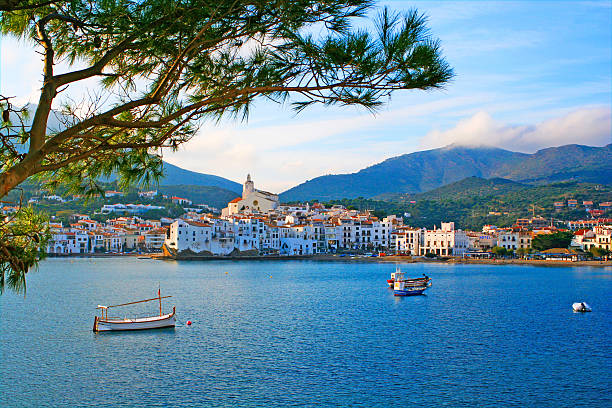
The cut-first rule is simple: if the group is trying to preserve Girona, do not add another Dalí site or another major town. Stop forcing Cadaqués, Portlligat, Besalú or a Costa Brava seaside detour into this same day. Those additions may be worthwhile on their own, but in this pairing they blur the route’s purpose and move the day from “art plus heritage” into a road itinerary with too many introductions.
Visitors who want Dalí in depth should treat Figueres as the base of a fuller Dalí day, not as one half of a Figueres-Girona combination. That is especially true for travelers who have crossed the Atlantic with Dalí as a principal motive, collectors who want close visual analysis, or families with one Dalí-obsessed member who will resent being pulled out just as the museum becomes interesting. The honest answer is not to buy more time with a grander vehicle. It is to split the ambition into separate days.
Lunch is not a pause here; it changes the day’s mood
Lunch should sit between Figueres and Girona because it changes the day from interpretive intensity to lived Catalonia. Skip it, rush it, or treat it as a random stop, and the second half of the day often arrives flattened: the group has technically left the museum, but mentally it is still inside it. A proper lunch gives the mind a different register before Girona’s stone lanes and Jewish history ask for quieter attention.
The lunch decision is less about chasing a trophy reservation and more about choosing the day’s emotional temperature. A polished but not overlong lunch can make the afternoon feel generous. A heavy, drawn-out meal can make the Girona climb feel slow. A too-fast lunch near a transfer point can make the day feel like logistics dressed as culture. The right choice is the one that lets people talk through what they have just seen in Figueres, then enter Girona without carrying museum overload into the Call.
There are two practical models. A Figueres-adjacent lunch keeps the post-museum moment immediate: you leave Dalí, sit down before the transfer, and use the drive to Girona as a transition. This can work for travelers who want a calmer meal and do not mind arriving in Girona later. A Girona lunch places the meal close to the afternoon walk: the group arrives, eats near the lower old town or around the river-facing side of the historic center, then climbs toward Carrer de la Força with a clearer sense of place. That second model often works better when Girona Jewish heritage is the serious second anchor.
Where lunch changes the mood most is in the handoff from spectacle to memory. Dalí is a maximalist morning. Girona is a city of layers: stone, shadow, narrow passages, old thresholds, river crossings, and the quieter language of a vanished community. After lunch, the group can stop performing the museum visit and start listening again. That is why food-and-wine travelers should resist turning lunch into a separate culinary mission. On this day, lunch is the hinge, not the headline.
For travelers who do want a Barcelona food-and-wine day as its own feature, it belongs elsewhere in the stay, not inside this route. A city-based plan around markets, tapas or a coastal lunch rhythm can be more satisfying than trying to make a Figueres-Girona day carry art, heritage and gastronomic ambition at full strength. The day already has two anchors; lunch should connect them.
Girona Jewish Quarter after lunch: why the heritage anchor belongs second
Girona’s Jewish Quarter belongs after lunch because it is best approached as a narrowing of attention, not as the day’s opening demand. The Call sits within the Força Vella, and the official city tourism page describes the Jewish Quarter as a labyrinth of narrow streets inside one of Girona’s most emblematic areas. The direct city source is useful for orientation: Girona City Council Jewish Quarter page (https://girona.cat/turisme/eng/monuments_call.php).
After lunch, the route can move from the lower old town toward Carrer de la Força, then into the lanes where the city’s Jewish history requires context more than spectacle. This is where a private guide earns the day’s coherence. Without framing, the Call can read as atmospheric stone: photogenic, narrow, old. With framing, it becomes a discussion of community, scholarship, restriction, expulsion, urban memory and how much of the past survives in buildings that have been reused many times.
The Bonastruc ça Porta Centre and the Museum of Jewish History are important because they give the neighborhood a historical and interpretive nucleus rather than leaving the walk to atmosphere alone. The Museum of Jewish History in Girona (https://www.girona.cat/call/eng/museu_col_arqueo.php) offers direct institutional context for the material heritage connected to the Call. Whether the museum itself belongs in the combined day depends on the group’s energy and the depth desired. For some travelers, a focused museum stop is the difference between “we walked through old lanes” and “we understood what made Girona’s Jewish heritage historically significant.” For others, especially with children or limited stamina, the better choice is a guided exterior route that avoids overloading the afternoon.
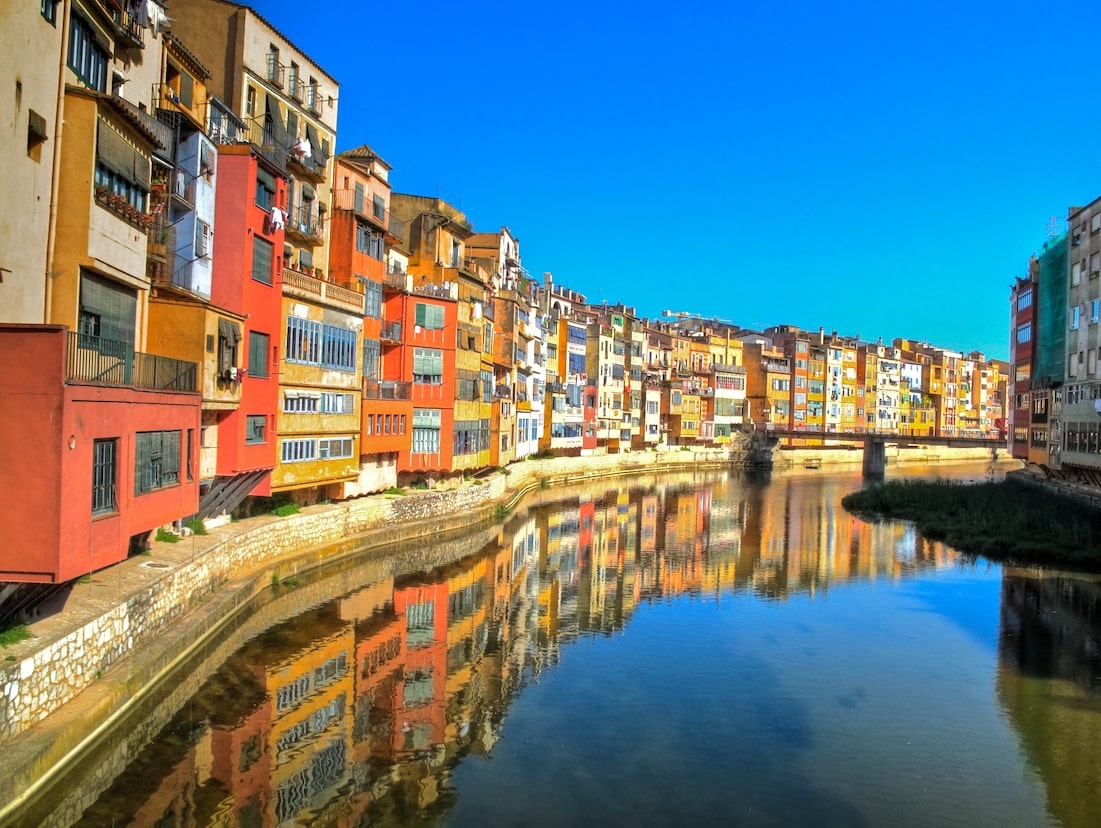
This is also where Girona does something physical to the day. The city is not a punishing hike, but the old quarter asks for cobbles, short climbs, steps and repeated micro-adjustments: up toward the cathedral area, down toward the Onyar, across a bridge, back into lanes, around groups pausing for photos. The body notices this after a museum morning. Older parents may be fine for a carefully edited Call walk but not for a cathedral climb plus walls plus river crossings plus shopping. Children may handle the movement better than another interior, but only if the guide keeps the story concrete and the route moving.
The afternoon should therefore have a ceiling. Girona can easily tempt travelers into adding the cathedral steps, the city walls, Game of Thrones associations, boutique browsing, a river-photo circuit and a coffee stop. Some of that can be lovely. All of it in the same afternoon after Figueres is too much. If Jewish heritage is the anchor, keep the route honest: Call, Força Vella context, one or two river crossings, and a graceful finish.
The two-anchor day works only when you refuse the third anchor
A Figueres and Girona route works because it has one art anchor and one heritage anchor. It breaks when travelers add a third major destination or try to make lunch a third anchor. This is the planning mistake that creates the most regret, because the extra stop looks harmless at the proposal stage and becomes expensive in energy later.
Montserrat, Penedès, Sitges, Costa Brava villages and Girona all deserve different kinds of days from Barcelona. The broad decision of which private day trip fits a bespoke stay is handled in the city’s wider planning guide, which private day trip from Barcelona fits a bespoke stay. This article is narrower. It is not asking whether Girona beats Montserrat or whether Costa Brava is prettier. It is asking whether Figueres and Girona can belong in one cultural arc. The answer is yes, but only if the arc is protected.
The third-anchor temptation usually appears in one of four forms. Someone wants a seaside view after Girona. Someone wants Besalú because it seems geographically “near enough.” Someone wants a special lunch so elaborate that the afternoon compresses. Someone wants to add a second ticketed site in Girona after the Call. None of these choices is automatically wrong, but each changes the route’s identity. The day stops being Dalí and Jewish heritage and becomes a transfer-heavy Catalonia sampler.
For discerning travelers, the cost is not only fatigue. It is loss of meaning. Dalí needs interpretive play; Girona’s Jewish heritage needs historical patience; lunch needs enough calm to turn the morning into conversation. When a third anchor is inserted, the group starts skipping the very pauses that make the first two anchors memorable. The day may contain more names, but it usually contains less understanding.
That is why the best upgrade is often subtraction. Remove the coastal add-on. Remove the extra town. Remove the second Girona interior unless it directly supports the heritage question. Keep one strong museum, one thoughtful lunch, and one historically coherent old-town walk. That is the version that feels designed rather than assembled.
Private guidance is most valuable in the transitions, not just at the monuments
A private guide changes this day most by holding the two halves together: surrealist art in Figueres, then medieval and Jewish heritage in Girona. The monuments matter, but the transitions are where the day either becomes coherent or starts to fray. The guide has to edit Dalí before the museum becomes exhausting, choose a lunch rhythm that does not bury Girona, and introduce the Call without making it feel like an unrelated second tour.
This is the natural conversion point for a tailor-made day. A traveler can buy tickets, book a driver and read about Dalí. What is harder is judging the moment to leave the museum, deciding whether Girona lunch should happen before or after the first river crossing, and knowing when an older parent’s energy is better spent on Carrer de la Força than on a higher wall walk. Those are not abstract service benefits; they are the decisions that decide whether the day feels finished or merely long.
Orange Donut Tours can shape this as a private art-and-heritage route rather than a generic day trip. The group can emphasize Dalí biography, Surrealism, Jewish Girona, family pacing, lunch quality, or a softer afternoon finish depending on who is traveling. For a short Barcelona stay, the value is not simply seeing more outside the city. It is avoiding a day that steals too much from the next morning’s Gaudí plans, dinner energy, or celebration schedule. Inquire now.
There is, however, a limit to what premium spend can fix. A better guide, smoother vehicle and more thoughtful routing can improve comfort, privacy, timing and decision quality. A chauffeur does not make a two-anchor day work if the traveler wants deep time in both places. Paying more cannot turn one day into two serious site studies. It can only make the chosen day more intelligent.
That distinction matters. A chauffeured private route can reduce station friction, simplify hotel pickup, keep luggage or celebration clothing out of the problem, and allow the group to adjust the afternoon if the museum runs long. It cannot make a long lunch, full Dalí depth, full Girona depth and a third destination feel spacious. The premium choice earns its cost when it protects the sequence; it does not earn its cost when it encourages overpacking.
How this day fits with Gaudí, Barcelona art and Jewish heritage inside the city
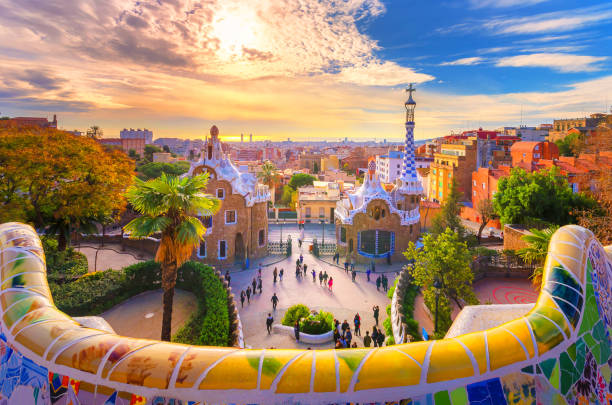
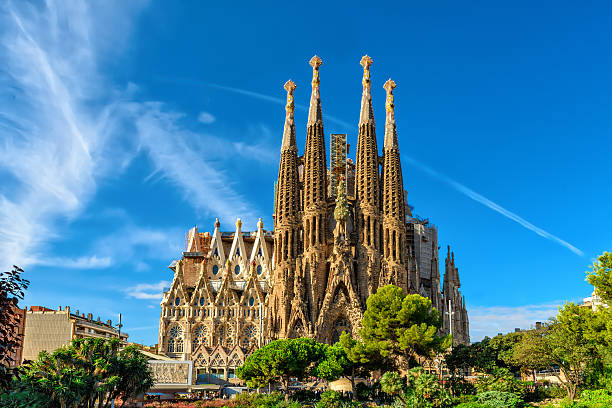
Figueres and Girona should usually sit after the core Barcelona monuments, not before them, unless the traveler is a repeat visitor. A first Barcelona stay still has its own ticketed realities, especially Sagrada Família and Park Güell. When those are part of the trip, use direct official sources such as Sagrada Família official tickets (https://sagradafamilia.org/en/tickets-individuals) and Park Güell official tickets (https://parkguell.barcelona/en/buy-tickets) for current ticket planning rather than letting a day trip crowd out the city’s fixed entries.
The reason is sequencing, not hierarchy. Gaudí days are Barcelona days; Figueres and Girona are a Catalonia day. If a short stay puts the day trip too early, travelers sometimes return to the city with the biggest Barcelona obligations still hanging over the itinerary. That can make the entire stay feel scheduled around what has not yet been solved. In a three- or four-day visit, the cleaner pattern is often: essential Gaudí first, city context second, Figueres-Girona when the group is ready for a deeper regional arc.
Travelers who want more art inside Barcelona before leaving the city can compare Picasso, Miró and Montjuïc through a private Barcelona art day beyond Gaudí. That is a different question from Figueres. Picasso and Miró can make a city art day elegant and contained; Dalí in Figueres changes the geography and asks for a full-day structure. Trying to compress both into the same Barcelona stay is possible, but only when the trip has enough nights and the group genuinely wants art to lead.
The Jewish heritage comparison is equally important. Barcelona’s El Call and Girona’s Call are not interchangeable. Barcelona’s Jewish Quarter works well as part of an old-town heritage day, especially when the traveler wants the Gothic Quarter, civic history and Jewish context in one city walk. Girona’s Call, by contrast, pairs better with Figueres because it gives the regional day a second anchor outside Barcelona. Travelers choosing between them should read the Barcelona-focused guide to Barcelona’s El Call or the wider Gothic Quarter and decide whether the heritage priority belongs inside the city or on the Figueres-Girona route.
For many repeat visitors, the Figueres-Girona day is the more interesting choice precisely because it steps away from Barcelona’s most familiar monuments. It does not compete with Sagrada Família. It adds a different Catalan register: Dalí’s theatrical self-invention in Figueres and Girona’s preserved medieval fabric, with Jewish history treated as a serious afternoon rather than a picturesque lane.
What the route does to the body and the evening
This day is not difficult in the way a mountain excursion is difficult, but it is more tiring than it looks because it combines visual intensity, transfers, standing, cobbles and afternoon interpretation. The Dalí Theatre-Museum asks people to stand, look up, turn around, decode, compare, laugh, question and follow a guide through spaces that rarely feel neutral. Girona then asks for uneven surfaces, short climbs, old-town navigation and the patience to slow down in lanes where the most important history is not always visually obvious.
That combination can be excellent for couples and small groups who enjoy contrast. It can be harder for travelers who prefer one calm site and a long lunch, or for families with younger children who need space to move rather than another interpretive frame. The body’s response should shape the route. If someone is already tired after Figueres, Girona should become a lower old-town and Call-focused walk, not a push to the highest viewpoints. If the group is energized, the route can include a slightly wider loop: river crossing, Força Vella, Call, and a controlled climb toward the cathedral area before descending again.
The city also changes the trip mood. A well-paced route leaves the return to Barcelona feeling like the end of a complete cultural day. An overpacked one makes the evening feel borrowed from tomorrow: dinner becomes quieter, hotel returns take priority, and the next morning’s ticketed plans feel heavier. This matters for celebration travelers and comfort-first visitors because the day trip is rarely the only important event in the stay. It has to coexist with dinners, Gaudí entries, family dynamics and the simple desire not to arrive back in Barcelona feeling wrung out.
For that reason, the finish should be graceful, not heroic. A final look across the Onyar, a short coffee, or a clean departure can be better than one more lane. Girona gives the afternoon enough texture without forcing a dramatic finale. The best private days end when the group still has enough appetite for Barcelona.
When Figueres and Girona should not be combined
Figueres and Girona should not be combined when either destination is the main reason for the trip to Catalonia. If Dalí is central, give Figueres and the broader Dalí landscape more room. If Jewish Girona is central, give Girona its own day or at least a Girona-dominant route. Combining them is an editorial choice, not a moral obligation.
Do not combine them on an arrival day after a long-haul flight. The route requires too much alertness, and the museum’s intensity can feel chaotic when jet lag is still shaping the body. Do not combine them if your group moves at very different speeds and nobody wants to compromise. The route depends on shared pacing: when to leave Dalí, how long to lunch, how much of Girona to climb, and whether to include an interior heritage stop.
Do not combine them if the group is trying to “use” a day trip to solve every unmet interest in the Barcelona stay. This route is not the place to add a beach, a winery, a major shopping stop, a trophy lunch and a second museum. Those are valid interests, but they belong in other days. For travelers still deciding among wider options, private day trips outside Barcelona can be designed around coast, wine, mountain, heritage or art instead of forcing all of those values into Figueres and Girona.
The pairing is best for travelers who like contrast and can accept editing. It is not best for travelers who measure value by the number of stops. The fewer-but-better version is not a compromise here; it is the point.
A clean route shape for a private Figueres and Girona day
The cleanest route shape is Barcelona departure, Figueres museum, lunch, Girona Jewish heritage, then return. The exact rhythm should flex around hotel location, ticket timing, season, mobility and lunch preference, but the structure should not drift. Once the route starts drifting, every later decision becomes defensive.
- Morning departure from Barcelona: keep the pickup simple and avoid building the first hour around old-town complications if the hotel location gives you a choice.
- Figueres as the first serious stop: let the Dalí Theatre-Museum carry the morning while the group is fresh enough to enjoy its strangeness rather than merely photograph it.
- Lunch as the hinge: choose a meal that changes the tempo without swallowing the afternoon.
- Girona as the second anchor: focus on the Call, Força Vella context, Carrer de la Força and a limited river-crossing rhythm rather than trying to consume the whole city.
- Return before the day turns brittle: leave Girona with the sense that the route has resolved, not because the group has run out of options.
This shape is especially useful for couples, grown families, small private groups, repeat visitors and travelers who have already handled Barcelona’s first-visit essentials. It is also strong for guests who want one day outside the city but do not want a purely scenic outing. The route has enough beauty, but beauty is not its organizing principle. Interpretation is.
For travelers who want Orange Donut Tours to design the whole Barcelona stay around this kind of editing, private tours in Barcelona can connect the city days, official-ticket realities, food priorities and regional excursions into a sequence that does not fight itself.
FAQ
Is Figueres and Girona from Barcelona worth doing in one day?
Yes, Figueres and Girona are worth combining in one day when the route is built around one Dalí anchor and one Girona Jewish heritage anchor. It is not worth it if you want full-depth time in both places or if you plan to add a third major destination.
Should Figueres or Girona come first?
Figueres should usually come first because the Dalí Theatre-Museum rewards fresh concentration and clearer ticket discipline. Girona works better after lunch, when the old town and Jewish Quarter can slow the day down rather than compete with the museum.
How much time should you spend at the Dalí Theatre-Museum on a combined day?
On a combined day, the Dalí Theatre-Museum should be a focused guided visit rather than an exhaustive one. Art specialists who want deep Dalí time should consider giving Figueres its own day instead of pairing it with Girona.
Where should lunch fit between Figueres and Girona?
Lunch should sit between the two anchors and act as the transition from Dalí’s visual intensity to Girona’s historical quiet. A Girona-side lunch often works well when the afternoon focus is the Jewish Quarter, but the best choice depends on pace, group energy and restaurant style.
Is Girona Jewish Quarter after lunch too tiring?
Girona Jewish Quarter after lunch is manageable when the route is edited around Carrer de la Força, the Call, Força Vella context and limited river crossings. It becomes tiring if you add the walls, cathedral climb, shopping and multiple interiors after a full museum morning.
Can a chauffeur make the Figueres and Girona day easier?
A chauffeur can make the day easier by reducing transfer friction, simplifying hotel pickup and giving the group more flexibility. A chauffeur cannot make the route feel spacious if you want deep time in both Figueres and Girona plus extra stops.
Should families combine Figueres and Girona?
Families can combine Figueres and Girona when children or teenagers are curious about visual art and can handle a guided old-town walk after lunch. Younger children may do better with a simpler Girona-focused day or a shorter city-based Barcelona plan.
What should be cut first if the day is too full?
Cut the third destination first. Do not add Cadaqués, Besalú, a Costa Brava village, a long tasting lunch or an extra Girona interior unless it directly supports the day’s main art-and-heritage purpose.
If you’re interested in any private tours of Barcelona, please reach out to us.








 So if you are looking for the absolute best in Barcelona & surroundings with authentic local fully-licensed native guides whose English you can actually understand and with an exclusive and amazingly fun itinerary













