Barcelona Between Sagrada Família and a Late Dinner: Eixample, El Born or a Hotel Reset

Updated
Choose Eixample after Sagrada Família unless dinner itself is in El Born; use a hotel reset when the dinner is formal, late, or emotionally important. This works in real Barcelona conditions because the Sagrada Família exit drops you into a gridded district with calmer transitions toward Passeig de Gràcia, Rambla de Catalunya, Enric Granados, or a nearby hotel, while El Born asks for a real Eixample-to-El Born transition before the evening has even begun. The clearest exception is simple: if your reservation, wine bar, private tasting, or cultural stop is already in El Born, go there directly and stop pretending Eixample is the finish line.
The useful question is not “what else can we see after Gaudí?” It is how to keep a timed-ticket masterpiece from making a late Barcelona dinner feel like the third appointment of a day that already peaked. A mildly counterintuitive correction belongs up front: El Born may sound more atmospheric, but after the basilica it is often the more tiring choice; Avinguda Gaudí tempts many visitors toward Sant Pau, while the dinner districts most travelers actually book often sit in the opposite rhythm, down through the Dreta de l’Eixample or back toward the hotel.
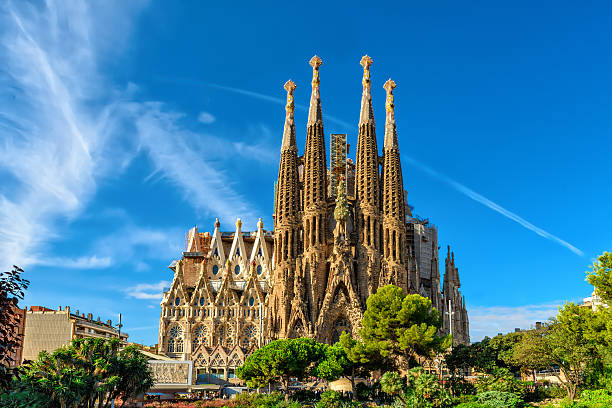
Start with the timing you can control. Secure or confirm your visit through Sagrada Família official tickets (https://sagradafamilia.org/en/tickets-individuals), then treat the exit time as the hinge for the evening rather than a loose suggestion. If you want the basilica interpreted without stretching the rest of the day, Orange Donut Tours can fold a focused visit into a wider private sequence through a Sagrada Família private tour that does not leave you solving neighborhood logistics at the curb.
The post-Sagrada Família choice in one local frame
The best choice depends on three things: where dinner is, how much attention the basilica has already taken from the group, and whether the gap before dinner is meant to create pleasure or merely fill time. For couples and first-time visitors, the decision is less about distance on a map and more about preserving the tone of the evening. Barcelona rewards a late dinner when the pre-dinner hours feel unforced; it punishes the traveler who treats every open hour as a slot for another neighborhood.
Eixample continuation: This is the default winner when dinner is near Passeig de Gràcia, Rambla de Catalunya, Enric Granados, Diagonal, Gran Via, or a hotel in the central grid. It keeps movement legible, offers architecture and design without another formal monument, and lets the evening begin gradually instead of through a transfer.
Hotel reset: This is the runner-up when the day has included Park Güell, a tower visit, heavy walking, young children, older parents, heat, or a dinner that matters. It is not a retreat; it is the move that lets a late meal feel like the point of the evening rather than a recovery exercise.
El Born extension: This is the right answer only when El Born is the evening’s real destination. If the plan is “go to El Born because it is charming, then cross back for dinner,” it is usually the wrong fit. The mood-killing mistake is turning a romantic gap into a two-neighborhood march.
Why Eixample usually beats the postcard detour
Eixample wins because it makes the next hour useful without making the group feel managed. After Sagrada Família, you are already in a neighborhood that can absorb a slow architectural walk, a design stop, a proper café pause, or an early aperitif without forcing the old-town squeeze. The basilica is intense: light, symbolism, scaffolding, crowds, security, timed entry, and the mental work of understanding Gaudí’s choices. The next step should lower the pressure. Eixample’s wide pavements and chamfered corners do that better than the narrower old-town lanes around El Born when you are not actually dining there.
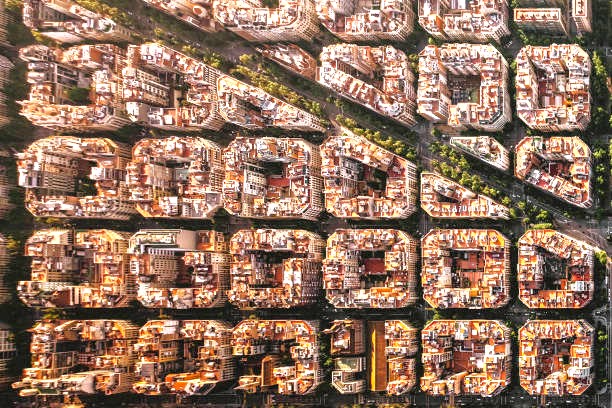
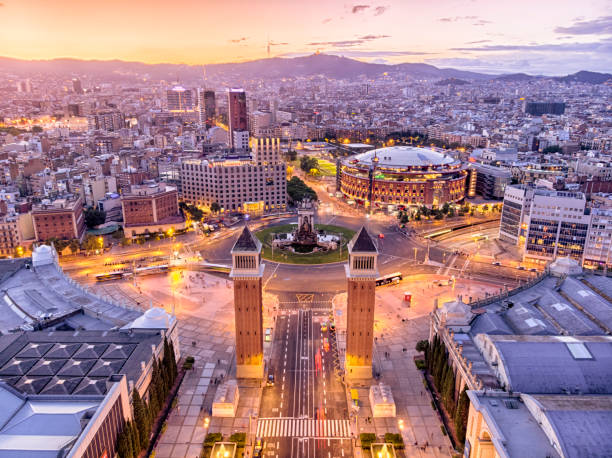
There is also a practical city truth: Barcelona’s map can make Eixample look almost too easy because the blocks are so regular. That regularity is the advantage. A route down Carrer de Mallorca, Provença, València, or Aragó can be adjusted block by block without losing the thread of the evening. If someone wants shade, a seat, a shop window, or a taxi, the grid gives you options. In El Born, the charm comes from narrower streets and a denser old-town rhythm; lovely when it is the plan, less forgiving when it is a filler detour before a later dinner elsewhere.
This is where a private route earns its keep. The guide’s job is not only to explain façades or point out Modernisme detail; it is to read the group after the basilica and decide whether to turn toward Passeig de Sant Joan, keep to the Dreta de l’Eixample, cut toward Passeig de Gràcia, or end gracefully near the hotel. A focused Eixample private tour can turn the post-basilica gap into a coherent city chapter: not another Gaudí day, not a shopping ramble, but a softer look at Barcelona’s grid, façades, courtyards, doorways, and everyday elegance.
For the body, Eixample is kinder than it sounds. Long blocks still add up, especially in heat, but they are predictable: fewer tight bottlenecks, fewer abrupt turns, fewer old-town stones under dress shoes, and more chances to pause without blocking the flow of pedestrians. The body cost of the wrong choice appears later, usually around the second glass of wine, when everyone realizes the dinner is excellent but the day has left no appetite for it. If the dinner is part of why you came to Barcelona, do not spend your best pre-dinner energy proving you can cross the city on foot.
When Eixample is the right continuation after Sagrada Família
Eixample is the right continuation when the dinner is nearby, the hotel is central, or the group wants Barcelona to feel composed rather than crowded. This is especially true for first-time couples who want the evening to stay elegant without becoming ceremonial. You can let the basilica fade into the city through Modernisme façades, measured walking, a terrace pause, and a return path that does not require a second mental reset.
The strongest Eixample version has a clean shape. Leave Sagrada Família, resist the urge to add another ticketed site, and build a line toward the place the evening already needs you to be. If dinner is near Passeig de Gràcia, the route can absorb exterior Gaudí context without re-entering the full Gaudí circuit. If dinner is around Rambla de Catalunya or Enric Granados, the late-afternoon walk can become slower and more social. If the hotel is in the central Eixample, the route can end with enough time to change shoes, rest, and return to dinner feeling intentional.
The mistake is treating Eixample as empty space between “real” sights. The district’s scale is the point. Its grid lets you choose how much city to take in: two blocks and a drink, six blocks and design detail, or a longer private walk that joins Sagrada Família to a food-and-wine evening. A less experienced plan often jumps from basilica to El Born because the old town feels more photogenic. A better plan asks where the dinner is and whether another atmosphere shift helps or harms it.
Eixample also suits travelers who care about restaurants but do not want a restaurant list. The neighborhood works well before a serious dinner because it gives breathing room. You can have a light aperitif without spoiling a tasting menu, browse without shopping pressure, or keep the conversation about what you just saw instead of negotiating turns through a more crowded quarter. The mood-preserving decision for couples is to leave a little unclaimed time. Barcelona’s late meals feel more luxurious when the hour before them is not used as a forced attraction.
Use Eixample after Sagrada Família when the day has already included a guide-led visit and you want continuity. Use it when one person in the group is more interested in design than in another historic lane. Use it when a family needs pram-friendly movement, a small group needs easy taxis, or a celebration traveler wants the evening to sharpen rather than sprawl. Most of all, use it when the late dinner is meant to be remembered clearly. The pre-dinner route should frame the meal, not compete with it.
When the hotel reset is the sharper luxury move
A hotel reset is the best choice when the evening has emotional or culinary weight. It is not the dull option; it is the option that admits Barcelona dinners start late enough for fatigue to hide until the table. If you have a formal reservation, a celebration meal, a chef-led tasting, or simply one dinner you have been looking forward to, the pause between Sagrada Família and dinner can be the difference between arriving curious and arriving depleted.
This is where premium travel planning is often misunderstood. The luxury is not always another stop. Sometimes it is a well-placed return, a shower, a shoe change, a quiet room, and the absence of one more decision. If the hotel sits in Eixample, near Passeig de Gràcia, near Plaça de Catalunya, or within a short chauffeured hop of the restaurant, the reset can be short and still transformative. If the hotel is on the waterfront or deep in the old town, the reset requires more care; it may still be right, but it should be planned as a deliberate loop rather than a vague “we’ll go back if tired.”
The hotel reset is especially strong after a morning at Park Güell or any hillside addition. Park Güell is worthwhile in the right sequence, but it is not a casual filler after Sagrada Família if dinner stamina matters. Confirm your entry separately through Park Güell official tickets (https://parkguell.barcelona/en/buy-tickets), and do not let the existence of available entry times bully the late afternoon into becoming a second logistics project. If Park Güell sets the clock earlier in the day, use the later gap for recovery, not another crossing.
Barcelona does a particular thing to the trip mood when the reset is skipped. The day can remain objectively impressive but become emotionally flat: a world-famous church, a beautiful neighborhood, an excellent dinner, and no relaxed transition between them. Couples stop talking about what they loved and start negotiating water, taxis, shoes, chargers, and whether there is time to change. The meal then inherits the friction of the afternoon. A hotel reset protects the evening by removing that friction before it reaches the table.
Shorten, skip, or move this whole post-basilica plan to another day if Sagrada Família ends after a long guided morning, if the group has already crossed the city twice, if the dinner is prepaid or formal, or if anyone is managing heat, mobility limits, jet lag, or a child’s late-day patience. The cut is not a failure. It is a better allocation of attention. Barcelona is generous enough that a clean, quiet hour often beats one more named neighborhood.
When El Born is worth it, and when El Born adds too much distance
El Born is worth adding only when it becomes the evening’s center of gravity. If dinner is in El Born, if your private food walk starts there, if you are pairing a cultural stop with a nearby meal, or if the hotel sits close enough for an easy return, the neighborhood can make the late afternoon feel textured and alive. If El Born is merely a scenic idea before a dinner back in Eixample, it usually adds too much distance and too many mood changes.
The good El Born plan is compact. Arrive with a reason, keep the route tight, and avoid pretending the whole old town belongs in the gap. A light walk around Santa Caterina, the lanes toward the Born area, or the edges near Parc de la Ciutadella can work if the evening remains there. A food-and-wine traveler can use the neighborhood well when the tasting is the point rather than a prelude to something somewhere else. This is where a Barcelona tapas and wine private tour can make sense: not as a random add-on, but as the evening itself.
The bad El Born plan is the one that looks harmless on a map. “We’ll just go to El Born for a stroll” often means leaving the Eixample grid, crossing toward Arc de Triomf or Via Laietana, adjusting to older street patterns, then either dining there or undoing the movement. That transition may be easy for energetic travelers with casual dinner plans. It is less easy for a couple dressed for a formal reservation, a family trying to hold the line before bedtime, or a small group whose pace is set by the slowest walker.
The Eixample-to-El Born transition is not dramatic, but it changes the afternoon. From Sagrada Família, the movement toward Passeig de Sant Joan and Arc de Triomf can be handsome and coherent. Past that, the city tightens. The grid gives way to older lanes, crossing points matter more, taxis may be less frictionless, and the group’s sense of “almost there” can become unreliable. That is not a reason to avoid El Born. It is a reason to stop using it as a casual garnish.
The most common overvalued choice is El Born for atmosphere when the dinner is elsewhere. Atmosphere is not free; it spends time, steps, and conversational energy. If the evening meal is in the old town, go and enjoy the old town. If the meal is in Eixample, let Eixample do its job. If the meal is back at the hotel, reset and arrive well. The right pre-dinner choice is the one that makes the next fixed commitment feel closer, not farther away.
The Eixample-to-El Born transition is the hidden planning test
The Eixample-to-El Born transition is the moment that reveals whether the afternoon has been planned or merely imagined. On paper, the two areas sit close enough to invite casual linking. In lived travel time, they behave differently. Eixample’s gridded streets make distance feel measurable; El Born’s older fabric makes the same distance feel more fragmented, especially when the group is hungry, dressed for dinner, or watching the clock.
For a private guide or local planner, the transition is not just “how to get there.” It is when to stop interpreting, when to let the city breathe, when to put the group in a vehicle, and when to refuse the extra block. A strong sequence might leave Sagrada Família, walk down Passeig de Sant Joan, pause near Arc de Triomf, and continue into El Born only if dinner is already anchored there. A weaker sequence drifts through the same line because the group has not yet decided where the evening truly belongs.
That difference matters for comfort-first visitors. Barcelona’s distances can be deceptive because the city center is walkable enough to encourage overconfidence. The damage is rarely one huge transfer; it is the accumulation of small extras. A longer block here, a crowded crossing there, an old-town detour, a wait for a taxi after everyone is already tired. By the time dinner begins, the day has acquired a residue. Travelers may not remember which decision caused it, but they feel it.
Food-and-wine travelers should be particularly strict here. A late Barcelona dinner is not improved by arriving with a defeated appetite. If the meal is casual and social, you can tolerate a little pre-dinner wandering. If the meal is polished, paced, or wine-led, protect the palate and the attention span. A serious dinner asks for curiosity, not just hunger. It is better to arrive with one vivid basilica memory and a clear head than with seven extra photos and sore feet.
This is also the section of the day where a chauffeur helps selectively. A car can make the Sagrada Família-to-hotel or Sagrada Família-to-El Born transfer smoother, and it can remove the negotiation around taxis. But a chauffeur cannot make an overpacked plan feel elegant if the sequence is wrong. Premium spend does not fix poor sequencing; it only makes the bad sequence more comfortable while it is happening. Pay for the route logic first, then decide whether private transport improves the version you have chosen.
What to cut first before a late dinner in Barcelona
Cut the extra Gaudí stop first, then the old-town drift, then the “quick” shopping errand. After Sagrada Família, the most tempting additions are often the least compatible with a late dinner: a second Gaudí interior, a last-minute Park Güell slot, a spontaneous El Born wander, or a detour to a boutique that requires crossing away from the restaurant. Each may be good on its own. The question is whether it belongs in this exact gap.
If your day already includes Sagrada Família, do not reflexively add Park Güell before dinner. Park Güell is not next door in traveler terms, and its hillside setting changes the body cost of the day. It belongs in a planned Gaudí sequence, not as a late-afternoon patch for people who fear unused time. If you are still deciding how Sagrada Família, Park Güell, and Passeig de Gràcia should relate to each other, use the Gaudí sequencing guide before you start attaching dinner plans to whatever ticket time remains.
Cut old-town wandering next when the route lacks a dinner anchor. The Gothic Quarter and El Born reward attention, but they are poor places for vague leftover energy. Narrow lanes make groups compress; photo stops multiply; the person who wants to browse slows the person who wants to sit; and the exit strategy becomes less obvious. Save the old town for a morning, a dedicated heritage walk, or an evening that actually ends there.
Cut shopping errands because they look small and behave large. A single design stop in Eixample can work beautifully if it is on the way. A cross-town boutique hunt before dinner changes the day’s genre. It introduces stock checks, decisions, packaging, shipping questions, and the possibility of being underdressed or overdressed for the rest of the evening. If shopping is important, give it its own slot. Do not bury it between the basilica and the meal.
The cleanest cut-first rule is this: if an addition does not reduce the distance to dinner, deepen the basilica context, or improve the group’s energy, remove it. That rule is deliberately strict. It protects the part of the day that travelers often say they care about most: the meal, the conversation, and the sense that Barcelona did not have to be conquered to be enjoyed.
How long should the gap be between Sagrada Família and a late dinner?
A two-hour gap should stay close, a three-hour gap can hold a guided Eixample continuation, and a longer gap should include a reset unless the dinner is in the same neighborhood as the walk. The exact clock depends on your ticket time, hotel, restaurant location, season, and group pace, but the principle is stable: the more important the dinner, the less you should spend the gap on transit experiments.
With about two hours
Stay in Eixample or return to the hotel. Two hours is not a blank canvas in Barcelona once you include exiting the basilica, orienting the group, walking or driving, and arriving at dinner without feeling late. The best use is a short architectural continuation, a drink near the dinner area, or a reset. El Born works in two hours only when dinner is there and the route is direct.
With about three hours
Choose one arc and keep it legible. Sagrada Família to Eixample design detail to dinner can feel excellent. Sagrada Família to hotel reset to dinner can feel even better for celebration travelers. Sagrada Família to El Born can work if the evening stays there. What does not work well is Sagrada Família, Eixample, El Born, hotel, dinner. That is a collection of transfers, not an evening.
With a properly late dinner
A later dinner creates more space but also more temptation. Use the extra time to improve the dinner, not to dilute it. A private tasting route, a wine-led stroll, or a guided neighborhood sequence can work when it ends near the table. A serious food day may be better served by the deeper planning in the curated Barcelona food-and-wine guide, especially if the meal is one of the trip’s anchors.
The seasonal layer is simple but important. In warmer months, the wide Eixample blocks can feel exposed at the wrong hour; in cooler months, the same walk may be one of the day’s pleasures. In shoulder season, a late-afternoon Eixample route can be ideal. In high summer, the hotel reset rises in value, especially if the group has already done outdoor walking. Do not make heat a moral test. A better-paced day is not less ambitious; it is more likely to end well.
Where guide-led sequencing changes the outcome
A private guide changes this stretch when the issue is not information but judgment. The basilica is the anchor, dinner is the fixed point, and the gap between them is where many travelers overplan. The guide can notice when the group has had enough symbolism, when one more façade will delight rather than drain, when a taxi is wiser than a heroic walk, and when El Born should be saved for a different evening.
For short stays, this is often the highest-value planning moment. You may have only two or three nights in Barcelona. Losing one to clumsy sequencing is more expensive than it looks, not because of the price of the taxi or the meal, but because the evening becomes less vivid. Orange Donut Tours can connect the basilica, Eixample, a hotel pause, and a food-and-wine evening into one tailored sequence rather than leaving each piece to fight for space. Inquire now if you want the route built around your actual ticket time, dinner location, hotel, pace, and group chemistry.
The commercial value of private planning is not that every minute becomes guided. In fact, the best version often includes unguided space: time to change, sit, or talk. The value is knowing which parts should be interpreted, which should be chauffeured, which should be walked, and which should be left alone. A private guide should make the day feel less like a puzzle, not more like a production.
If the evening includes flamenco or a tapas progression rather than a single late dinner, the logic changes slightly. You may want the evening to belong to the old town or to a performance area rather than to Eixample. That is a separate decision, and it should be planned as an evening in its own right, not as a casual add-on after the basilica. For that version, compare the more specific after-Gaudí evening logic in the tapas and flamenco after Gaudí guide instead of stretching this article beyond its proper question.
Final verdict: the route that feels best at dinner
The strongest post-Sagrada Família plan before a late dinner is not the most decorative route; it is the one that leaves the table with the best version of you. Choose Eixample when dinner, hotel, or the desired mood belongs to the central grid. Choose a hotel reset when the meal matters more than the pre-meal scenery. Choose El Born only when the evening itself is there. That verdict may sound restrained, but in Barcelona restraint is often what lets the city feel abundant.
The planning question should be asked at the basilica exit: does the next move bring us closer to dinner, closer to recovery, or closer to an avoidable detour? If the answer is dinner, continue through Eixample or go directly to El Born if the reservation is there. If the answer is recovery, return to the hotel. If the answer is merely “we should see more,” cut the idea before it spends the evening’s energy.
FAQ
Should we go to Eixample or El Born after Sagrada Família before dinner?
Choose Eixample if dinner or the hotel is in the central grid, near Passeig de Gràcia, Rambla de Catalunya, Enric Granados, Diagonal, or Gran Via. Choose El Born only if dinner, a tasting, a guided food walk, or a specific evening stop is already there.
Is El Born too far from Sagrada Família for a pre-dinner walk?
El Born is not impossibly far, but it often adds too much distance when it is only a scenic detour before dinner elsewhere. The Eixample-to-El Born transition works best when the evening ends in El Born rather than requiring a return across the center.
When is a hotel reset better than sightseeing after Sagrada Família?
A hotel reset is better when the dinner is formal, late, prepaid, celebratory, wine-led, or important to the trip. It is also the stronger move after heat, hillside sightseeing, a long guided morning, mobility strain, or a group pace that has started to slow.
Can we combine Sagrada Família and Park Güell before a late dinner?
You can combine them when the whole day is planned around Gaudí and the timing is realistic. Do not add Park Güell casually between Sagrada Família and dinner, because the hillside transfer and visit can take the energy you wanted for the evening.
What is the best area for dinner after Sagrada Família?
The best dinner area is the one that fits the day’s route. Eixample is usually easiest after Sagrada Família, while El Born works well when the evening is deliberately old-town based. The stronger choice depends on the restaurant location, hotel location, and how much walking the group has already done.
How much time should we leave between Sagrada Família and a late dinner?
Leave enough time for exiting, moving, pausing, and arriving without rush. With about two hours, stay close or reset. With about three hours, choose one clear arc. With a longer gap, add a hotel pause unless the entire evening remains in one neighborhood.
Is a chauffeur worth it between Sagrada Família and dinner?
A chauffeur can be worth it when the hotel, dinner, or El Born extension would otherwise create taxi friction or extra walking. It is less useful if the sequence itself is overpacked; private transport smooths movement but does not make too many stops feel calm.
What should we skip first if the afternoon is getting too full?
Skip the extra Gaudí stop first, then the old-town wander, then the shopping errand. Keep only the move that brings you closer to dinner, deepens the Sagrada Família context, or improves the group’s energy before the meal.
If you’re interested in any private tours of Barcelona, please reach out to us.








 So if you are looking for the absolute best in Barcelona & surroundings with authentic local fully-licensed native guides whose English you can actually understand and with an exclusive and amazingly fun itinerary













