Barcelona Tapas and Flamenco After Gaudí: Where the Evening Belongs

Updated
The best Barcelona evening after a Gaudí day is tapas as the first act and flamenco only when the daytime route has left real space for attention, appetite and an unhurried transfer. That works in real city conditions because Gaudí sightseeing usually ends in Eixample, while many atmospheric evening venues sit closer to the Gothic Quarter, El Born or the old-town edge; the Eixample to old-town evening transition changes the pace of the night as much as the destination does. The clear exception is a day that has already included Sagrada Família, Park Güell and two interior-heavy houses: in that case, skip flamenco and let dinner do the work.
The thesis is simple but specific to Barcelona: after Gaudí, the evening should compensate for the geometry, queues, visual intensity and transfers of the day, not compete with them. A private route can make that happen by building anticipation for dinner and the show instead of treating them as add-ons, especially through a planned private tapas and flamenco evening that starts where your daytime energy actually ends.
A non-obvious planning cue: if your guide releases you near Casa Milà on Provença or around Passeig de Gràcia, the next hour is not just a “short ride into the old town.” It is a change from broad Eixample blocks, fast traffic and clean hotel returns into narrower streets around Portal de l’Àngel, Plaça Reial, El Born or the Gothic Quarter, where the final few minutes may be on foot and the mood depends on not arriving already depleted.
There is one correction worth making early. The most atmospheric-looking evening is not always the best evening after Gaudí. Barcelona is not Seville, and flamenco should earn its place as a concentrated performance, not be added automatically because the trip is in Spain. A good tablao or small-stage show can be memorable, but the wrong placement turns it into one more seated interior after a day already full of timed entries, stone, tile, symbolism and crowds.
Should you do tapas and flamenco after Gaudí in Barcelona?
Yes, if tapas becomes the recovery point and flamenco becomes the chosen finish rather than a second tour marathon. The after-Gaudí evening works best when you make one of three decisions before booking anything: how visually dense the day has been, whether the route ends in Eixample or the old town, and whether the group still has listening energy. Appetite alone is not enough; flamenco asks for attention.
- Best evening: Sagrada Família and one Passeig de Gràcia house by day, hotel pause or early aperitif, then tapas before a concise flamenco show.
- Tapas-only evening: Sagrada Família, Park Güell and a major interior day, especially if the group has children, older parents or travelers who need a slower return.
- Flamenco-first exception: a light Gaudí day with a late afternoon gap, where the show is the emotional peak and dinner can stay informal afterward.
- Overpacked version to avoid: Park Güell, Sagrada Família, Casa Batlló, Casa Milà, old-town walk, tapas crawl and flamenco in one continuous push.
This is not a restaurant list, because the real planning question is not “which tapas bar?” It is whether the night can still feel like an evening after the strongest architecture day of the trip. Barcelona’s food-and-wine layer is easy to over-rank from a distance, but after Gaudí the more useful decision is shape: one seated dinner, a gentle tapas route, or tapas plus flamenco with a clean transfer between them.
If you have not yet planned the daytime Gaudí order, do that first. The difference between Sagrada Família first, Park Güell first or Passeig de Gràcia first changes the entire evening. For a deeper day-planning companion, use the private Gaudí day sequencing guide before you decide whether flamenco belongs at all. The evening is not fixed by enthusiasm; it is fixed by the energy curve created before dinner.
The Gaudí day pattern that leaves room for a real evening
The most reliable after-Gaudí night follows a moderate architecture day, not the most ambitious one. A day built around Sagrada Família, one major house on Passeig de Gràcia and a guided explanation that connects the Eixample grid to the old town leaves enough mental space for tapas and, if desired, flamenco. The traveler consequence is immediate: the evening feels like a change of temperature rather than a continuation of the queue-and-commentary cycle.
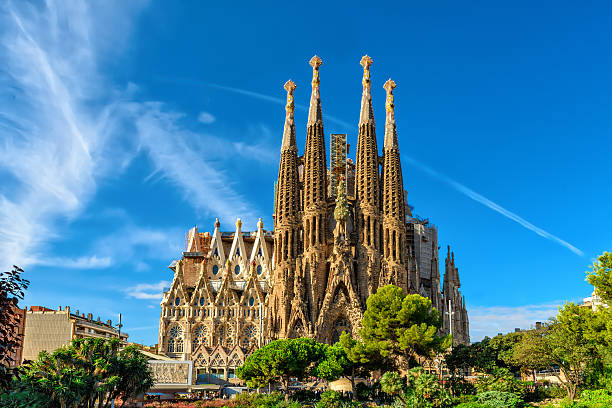
Sagrada Família is the anchor because it is not a casual stop. Even with well-planned entry, it takes visual concentration: façades, interior light, symbolism, towers if selected, and the practical effort of timed access. Travelers should use official sources for fixed-entry planning, including Sagrada Família official tickets (https://sagradafamilia.org/en/tickets-individuals), and confirm the current ticket type before locking dinner. The point is not to turn the article into ticket advice; it is to show why the evening should not be built on vague assumptions about when the day will end.
A moderate Gaudí day often ends gracefully in Eixample. From Sagrada Família, the line of Avinguda de Gaudí toward Sant Pau can make sense on a Modernisme-focused day, while Passeig de Gràcia places Casa Batlló and Casa Milà in a hotel-friendly corridor. That is why the Complete Gaudí private tour should be shaped around the night you want afterward. If the final daytime stop is Casa Milà, a calm move toward dinner is easier than if the final stop has been Park Güell and the group still needs to descend from the hillside, regroup and change.
The city does something physical to the body on Gaudí days. Eixample’s blocks are broad and legible, but they are still block-scale walking; Park Güell adds slope, sun exposure and crowd navigation; Sagrada Família adds standing time and visual strain; old-town streets add slower footing and occasional bottlenecks. None of this is extreme on its own, but the accumulation matters. By early evening, the body often wants a chair, cool air, water and food before it wants another seated performance.
The mistake is assuming a private or premium day makes fatigue disappear. Better guidance reduces waste, but it cannot remove the concentration required by Gaudí’s interiors or the muscular difference between Park Güell’s hillside paths and a smooth Eixample hotel return. That is why the evening should be designed as a hinge. Tapas can reopen the night; flamenco should only follow if the group has regained attention.
When Sagrada Família plus Passeig de Gràcia works
Sagrada Família plus one house on Passeig de Gràcia is the cleanest day pattern for tapas and flamenco afterward. It gives the trip its Gaudí substance without turning the afternoon into an architectural exam. Couples and food-and-wine travelers usually like this pattern because it leaves room to dress for dinner, talk about what they saw, and let the evening become social rather than instructional.
The best version does not chase every famous façade. It lets the guide connect Sagrada Família to the Eixample’s rational grid, then uses one interior to make Gaudí tactile. After that, tapas works because it shifts the senses from looking to tasting. The mood changes from “take in more information” to “choose, share, compare and linger.” That mood shift is exactly why tapas should usually precede flamenco after sightseeing.
When Park Güell changes the calculation
Park Güell can still belong on a Gaudí day, but it changes the evening because the route adds hillside movement and a less seamless return. Travelers should verify current entry details through Park Güell official tickets (https://parkguell.barcelona/en/buy-tickets) if they are arranging timed access independently. From a planning perspective, the important point is not the ticket itself; it is that the park makes the day spatially wider, and wider days need gentler nights.
If Park Güell sits in the morning with a generous break before Sagrada Família, flamenco may still work. If Park Güell comes late, after Sagrada Família and a house interior, the evening should usually shrink. The group may say they are fine, but the consequence appears later: quiet taxi ride, rushed dinner choices, and a show experienced as duty rather than pleasure. Skip flamenco after an intense Gaudí day when Park Güell, Sagrada Família and multiple interiors have already filled the body and the eye.
Why the Eixample to old-town evening transition decides the night
The Eixample to old-town evening transition is the hinge that makes tapas and flamenco feel fluid or forced. Eixample is comfortable, gridded and hotel-friendly; the Gothic Quarter and adjacent old-town streets are more atmospheric but less forgiving when a group is tired. The transition is not long by Barcelona standards, yet it can change the night’s emotional weather.
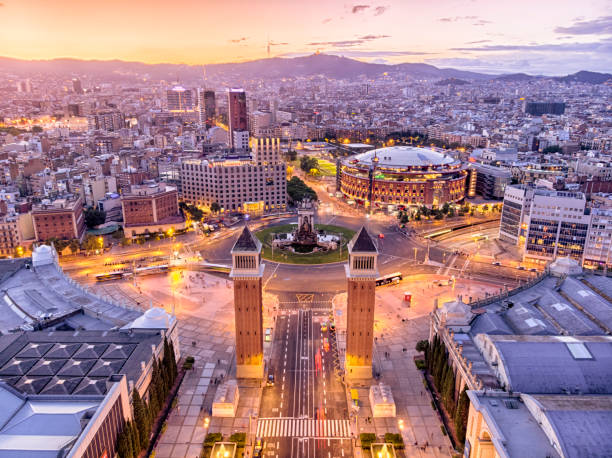
From Passeig de Gràcia, a move toward the Gothic Quarter often passes the mental threshold of Plaça de Catalunya: the city shifts from wide avenues and Modernisme storefronts into denser pedestrian lanes. A taxi or chauffeured transfer can handle the practical distance, but the last segment may still involve walking into a venue, finding the right door, crossing a busier square, or navigating a narrow street after dark. That last segment is pleasant when anticipated and irritating when treated as an afterthought.
For couples, this is the mood-preserving decision. Do not force an old-town flamenco venue after a long Eixample-and-hillside day just because the photographs look more evocative. Keep dinner closer, or let tapas become the night. The mood-killing mistake is making the evening feel like a scavenger hunt: find the driver, find the venue, compress dinner, enter late, sit down already thirsty and then expect the performance to feel intimate.
For families and small groups, the Eixample to old-town move has a different consequence: group speed drops. One person wants the hotel, another wants a drink, someone needs a restroom, and the leader starts managing instead of enjoying. The Gothic Quarter rewards curiosity when the group is fresh. When it is tired, its narrowness can turn into friction. A guided old-town layer such as Gothic Quarter and Old Town route is better earlier in the trip or on a lighter day, unless it is deliberately short and placed before dinner.
There is a counterintuitive upgrade here. Sometimes Eixample comfort beats old-town atmosphere. A dinner start in Eixample can settle the group, reduce the transfer burden and then make a later flamenco show feel chosen. Starting in the old town can be wonderful, but only if you have not already used the day’s patience on multiple entries and route changes. The glamorous answer is not always the useful one.
When tapas should be the reset, not the warm-up
Tapas should be the reset when the day has been visually intense, logistically wide or emotionally full. After Gaudí, tapas works because it gives travelers control again: order a little, pause, add more, change direction, talk, breathe. A formal tasting menu can be brilliant on another night, but after an architecture-heavy day it may ask for the same stillness and stamina that the day has already consumed.
Barcelona tapas is also useful because it can be scaled. A private tapas route can stay gentle, with fewer stops and more seated time, or become more exploratory when the group is lively. The better question is not how many places you can fit in; it is how little movement is needed for the evening to feel like Barcelona. A focused private tapas and wine route can be stronger than a self-directed crawl that keeps dragging the group from one doorway to another.
Tapas should replace flamenco, not precede it, when three signs appear. First, the group goes quiet during the late afternoon transfer. Second, the hotel pause feels necessary rather than optional. Third, dinner conversation keeps returning to practical needs: water, shoes, tomorrow’s start, whether to change clothes, how far the venue is. Those signs do not mean the day failed. They mean the evening should be allowed to become dinner, not another scheduled performance.
There is also a food-and-wine consequence. A tired group tastes less. They notice noise, seating, timing and the next obligation more than the difference between one anchovy, croqueta, vermouth or glass of cava and another. If flamenco is waiting too soon, tapas can feel like refueling. If dinner is given enough space, the same simple sequence becomes the moment when the day settles into memory.
For couples, tapas as the evening can be more romantic than a bigger show night. Not because it is candlelit or theatrical, but because it restores conversation. The most successful after-Gaudí evenings often have less spectacle than expected: a well-paced route, a few tastes chosen with judgment, one good glass, a short walk only if the group wants it, and a hotel return before the day collapses into fatigue.
This is where premium planning should be disciplined. Paying for more courses, a more elaborate venue or a later show does not automatically improve the night. A premium table or show does not fix an evening placed after too many daytime interiors. Spend earns its cost when it buys timing, privacy, a calmer transfer, better sequencing or a guide who knows when to shorten the route. Spend is wasted when it merely makes an overlong night more expensive.
When flamenco works after sightseeing
Flamenco works after sightseeing when the show is treated as the evening’s focus, not as proof that the itinerary is complete. In Barcelona, that distinction matters. The city has respected stages and visitor-facing venues, but flamenco is not the same kind of local identity marker here that it is in Andalusia. The reason to go is performance intensity, musical force and the pleasure of ending the day with concentrated art, not checking a generic Spain box.
The best placement is after an early, unhurried tapas dinner or after a light dinner when the show starts the final chapter of the night. The group should arrive fed enough not to be distracted, but not so full that attention drops. The ideal emotional state is awake, settled and curious. If the day’s route has been paced well, flamenco can turn the evening inward: clapping, footwork, guitar and voice demand presence after a day spent looking up at stone and glass.
Flamenco is especially strong for couples and celebration travelers when the day has had one clear architectural peak rather than four. Sagrada Família can be that peak. A private explanation in the morning, a calmer Passeig de Gràcia layer in the afternoon, a hotel pause, tapas, then flamenco: that sequence gives the show enough space to feel like a finale. It also avoids the awkwardness of trying to talk through a late dinner after the performance when everyone is tired.
Flamenco becomes weak when it is placed after a maximalist Gaudí plan. The performance may still be excellent, but the traveler experience thins out. People start noticing seat comfort, show length, the return route and tomorrow’s wake-up more than the artistry. This is the difference between judging a venue and judging the itinerary. A strong venue cannot rescue a poor sequence.
There is one narrow case where flamenco can come before tapas: when the show time is early, the group has had a genuine late-afternoon rest, and dinner afterward will be casual, close and flexible. That can work for adults who dislike eating before a performance. It is usually less successful for families, older travelers or groups with different stamina levels, because post-show dinner decisions can drift and stretch the night.
If the day has already included an old-town walking layer, be more conservative. Gaudí plus Gothic Quarter plus tapas plus flamenco is where many first-time trips lose elegance. The old town is not a filler zone; it has its own density, Roman traces, medieval lanes, Plaça del Rei, cathedral approaches and Jewish-quarter fragments. Put that layer on a different day if you want the evening to retain force.
The Gaudí patterns that make the evening too much
The evening becomes too much when the daytime route stacks different kinds of effort without a recovery window. In Barcelona, the problem is rarely one single attraction. It is the combination of timed entries, visual density, standing, heat or sun exposure, and route width across Eixample, Sagrada Família and Park Güell. Add old-town navigation and a late show, and the night can flatten.
Sagrada Família, Park Güell and both Casa Batlló and Casa Milà
This is the classic overreach. Each stop is individually defensible, but the combination leaves little room for an evening with taste and attention. By the time the group reaches dinner, the day has already asked for fascination several times. Cut first from the evening, not from your dignity: keep tapas, remove flamenco, and let the show wait for a lighter night. If there is only one night available, choose either the Gaudí maximalist day or tapas plus flamenco, not both.
A late Park Güell finish before an old-town show
A late Park Güell finish before an old-town show looks efficient on paper and feels clumsy in practice. The park’s hillside position means the descent, transfer and regrouping become part of the evening. If the group also needs to change clothes, the night starts to feel administered. Premium transport helps with the descent and timing, but it cannot turn a tired arrival into a fresh one.
Gaudí plus a full Gothic Quarter layer before dinner
Gaudí plus a full Gothic Quarter layer can work as a guided day, but it rarely supports tapas and flamenco afterward unless the old-town segment is short. The issue is not distance; it is texture. The Gothic Quarter slows the pace with lanes, corners, crowds and context. It changes the mental rhythm from looking at Modernisme to absorbing older urban layers. That is rewarding, but it uses the same attention you may be saving for the evening.
A beach detour that looks like a break but is not
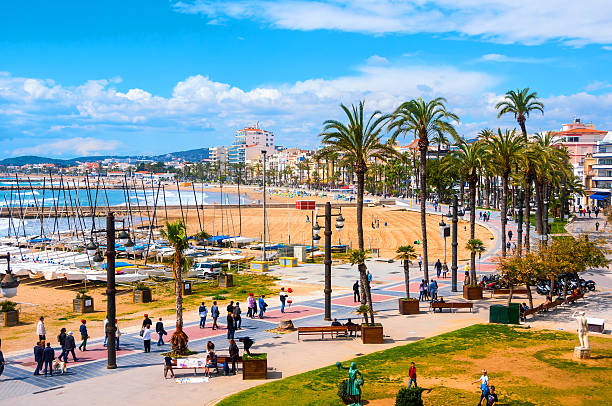
Barceloneta or the seafront can look like an easy reset after Gaudí, yet it often adds more movement than travelers expect. The beach-versus-center tradeoff matters: sea air is refreshing, but crossing from Eixample to the waterfront and then back toward an old-town dinner or show can scatter the evening. Use the coast when it is the plan, not as an improvised add-on between architecture and flamenco.
The cut-first rule is firm: remove the extra daytime interior before you remove dinner, and remove flamenco before you turn tapas into a rushed pre-show obligation. If the itinerary is getting heavy, stop forcing the famous add-on that will be experienced with the least attention. A smaller evening that people enjoy beats a complete evening they endure.
How to place the evening if you have only two or three nights
With only two or three nights in Barcelona, tapas and flamenco should usually sit after the lighter Gaudí day, not automatically after the first one. Many travelers place it on night one because it sounds festive, but first-night energy can be unpredictable after flights, cruises or a full arrival day. The better move is to match the evening to the day that ends cleanly.
If your first full day is Gaudí-heavy, make that evening tapas-only. Save flamenco for a night after a food-focused day, a design-and-shopping day, or a lighter old-town route. This keeps the performance from becoming a stamina test. It also gives the trip a better arc: architecture first, then a human-scale evening later, rather than every major experience competing for the same 14-hour window.
If your Barcelona stay is built around food and wine, consider whether tapas after Gaudí is enough and whether flamenco needs its own night. A curated culinary day can explore Passeig de Gràcia, El Born or a coastal lunch route in more depth; this after-Gaudí guide is narrower. For the broader food decision, the adjacent planning piece on a curated Barcelona food-and-wine day is the better tool. Here, the question is only what the evening can absorb after Gaudí.
For a two-night stay, the most disciplined plan is one Gaudí evening and one food evening. On the Gaudí evening, choose tapas if the day ran long or tapas plus flamenco if the day ended with a proper pause. On the food evening, make dinner the main event, not the backup after monuments. Trying to make both nights do everything usually makes Barcelona feel busier than it is.
For a three-night stay, flamenco earns a cleaner slot. Put it after a day that ends near Eixample or the old-town edge, not after a coast transfer or a hillside-heavy route. The show then becomes a selected finish rather than a rescue attempt for a crowded itinerary. The difference is not subtle: travelers enter with curiosity instead of relief that they have finally sat down.
Where premium planning changes the evening, and where it cannot
Premium planning changes the after-Gaudí evening when it reduces decision fatigue. It can align the final daytime stop with the dinner neighborhood, reserve the right kind of pacing, choose fewer and better tapas moments, and arrange a transfer that does not leave the group hunting for the next door. It can also help decide, honestly, whether flamenco belongs that night or should move elsewhere.
The highest-value upgrade is not the most expensive seat. It is sequencing. A private guide who knows the day’s endpoint can soften the transition before the group gets tired: finish commentary before the transfer, avoid making dinner the first moment anyone checks how far away the venue is, and keep the show close enough that it feels intentional. For short stays, that can be the difference between a night that extends the day and a night that fractures it.
Chauffeured support can help when the route includes Park Güell, a hotel change, older parents, celebration clothes or a group that does not move at one speed. It is less important when the day ends in central Eixample and dinner is nearby. Paying more does not earn its cost when the only problem is that the itinerary is overloaded. The cure for that is subtraction.
Private guiding also changes the mood before dinner. The guide can let Gaudí’s themes land during the day so the evening does not need more explanation. They can frame tapas as a cultural shift rather than a snack, and they can help travelers understand why flamenco in Barcelona is a performance choice, not a required authenticity badge. That restraint builds trust because it refuses to sell the traveler a night that the day has not prepared them to enjoy.
This is the natural conversion point for Orange Donut Tours. If you have a short Barcelona stay and want Gaudí, tapas and possibly flamenco to feel like one designed arc rather than separate bookings, build the daytime route around the evening from the start. Inquire now.
A calm after-Gaudí sequence that usually works
The strongest sequence is simple: make Gaudí the daytime peak, give the group a real pause, let tapas restore appetite and conversation, then add flamenco only if it still feels like a privilege. The sequence matters because Barcelona rewards transitions. The city can feel beautifully fluid when Eixample, the old town and dinner are connected with judgment; it can feel surprisingly choppy when each piece is booked in isolation.
- Morning: start with the Gaudí site that demands the most attention, usually Sagrada Família or Park Güell depending on the wider route.
- Midday: keep lunch or a break unforced; do not use it as a race to the next façade.
- Afternoon: choose one Passeig de Gràcia interior or one contextual Eixample layer rather than chasing every headline stop.
- Early evening: return to the hotel or pause near the final daytime neighborhood before moving into dinner mode.
- Dinner: use tapas as the sensory change from looking to tasting, with enough seated time to make the evening feel social.
- Finish: add flamenco only when the group is attentive, not merely available.
This sequence also keeps the next morning intact. Barcelona nights can stretch easily, and old-town noise, late returns and a second glass can quietly steal the following day. Comfort-first travelers are not trying to avoid pleasure; they are trying to avoid the version of pleasure that cancels tomorrow. A good evening after Gaudí should make the trip feel more complete and still let the next morning begin without negotiation.
The final editorial judgment is this: tapas belongs after most Gaudí days; flamenco belongs after selected Gaudí days. If you have to choose, keep tapas and cut the show. If you have the right day shape, the right transfer and a group that still wants to listen, tapas plus flamenco can be one of Barcelona’s most satisfying finishes because it moves from architecture to appetite to performance without asking the traveler to keep sightseeing after dark.
FAQ
Is tapas and flamenco after Gaudí too much in Barcelona?
It is too much after a maximalist Gaudí day with Sagrada Família, Park Güell and multiple interiors. It works after a moderate Gaudí day when tapas comes first, there is a real pause, and flamenco is treated as the evening focus rather than another add-on.
Should tapas come before or after flamenco?
Tapas should usually come before flamenco after sightseeing. Dinner steadies the group, restores conversation and prevents the show from being experienced while hungry or distracted. Flamenco before tapas only works with an early show and a flexible, nearby dinner afterward.
When should flamenco be skipped after a Gaudí day?
Flamenco should be skipped when the day included Park Güell, Sagrada Família, more than one Gaudí interior and no proper hotel pause. In that pattern, keep dinner relaxed and save the show for a lighter evening.
Is flamenco authentic in Barcelona?
Flamenco can be a strong performance experience in Barcelona, but it should not be treated as the city’s automatic cultural proof. Barcelona is in Catalonia, so the better reason to book flamenco is because you want a concentrated music-and-dance finish, not because every Spain itinerary must include it.
Is the Gothic Quarter a good place for the evening after Gaudí?
The Gothic Quarter can be excellent after Gaudí if the group is fresh and the transfer is planned. It becomes frustrating when travelers arrive tired from Eixample, Park Güell or multiple interiors and still need to navigate narrow streets before dinner or a show.
Should we stay in Eixample for dinner after Gaudí?
Staying in Eixample can be the better choice when the day ends near Passeig de Gràcia or Casa Milà and the group needs comfort more than atmosphere. It reduces transfer friction and can make a later show feel more deliberate.
Can families do tapas and flamenco after Gaudí?
Families can do both when the Gaudí day is moderate, the show is not too late, and dinner is paced gently. With younger children or mixed stamina, tapas-only is often the better evening because it can flex without making the night feel like a commitment.
What should we cut first if the day feels overloaded?
Cut the extra Gaudí interior first, then cut flamenco if the day is still heavy. Do not turn tapas into a rushed pre-show task; after an intense architecture day, dinner is usually the experience that keeps the evening enjoyable.
If you’re interested in any private tours of Barcelona, please reach out to us.
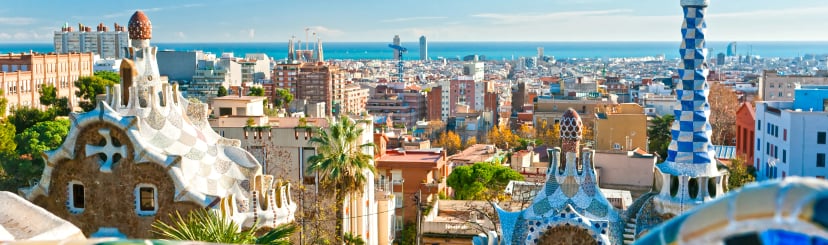







 So if you are looking for the absolute best in Barcelona & surroundings with authentic local fully-licensed native guides whose English you can actually understand and with an exclusive and amazingly fun itinerary