Barcelona Between Gaudí and the Sea: Where Barceloneta Belongs in a First Stay

Updated
Barceloneta belongs in a first Barcelona stay when it acts as the day’s sea-facing release after Sagrada Família, not as another full sightseeing chapter. In real city conditions, the Sagrada Família to Barceloneta move can work because it shifts the body from interior focus and Eixample blocks to open air, lunch, and flatter walking near the water. The clearest exception is a Gaudí-heavy day that already includes Park Güell and Passeig de Gràcia interiors; on that day, Barceloneta should usually be saved for another day rather than forced into the same route.
The thesis is simple but very Barcelona-specific: the sea improves a first stay only when it clarifies the day’s rhythm between Gaudí, Eixample, and the Gothic Quarter; placed badly, it turns three distinct moods into one blurred, tiring afternoon. The non-obvious hinge is not the beach itself but the district edge between Sagrada Família, the diagonal pull of Avinguda Gaudí toward Sant Pau, the L4 line toward Barceloneta, and the old-town transition beyond Port Vell. A first-time traveler does not need a beach guide. They need to know whether the waterfront should be a reset, a lunch route, or a separate day.
For travelers building a private Gaudí day, start with the Gaudí logic first and add the sea only if it keeps the day lighter rather than longer. Orange Donut Tours can shape that around a focused Complete Gaudí private tour when the architecture is the anchor, or around a broader city route when the waterfront needs to be part of the first impression rather than an afterthought.
The verdict: Barceloneta works after Gaudí only when it lowers the intensity
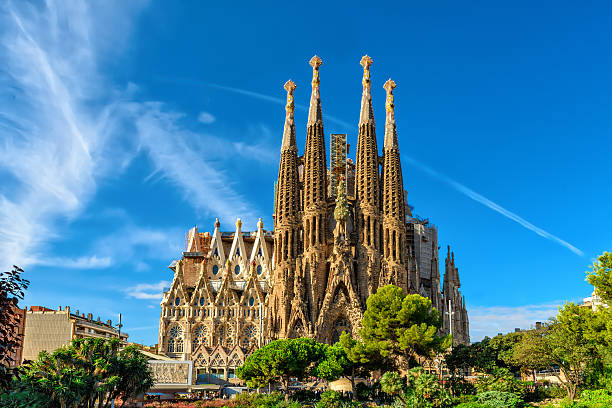
Barceloneta works best after Gaudí when the morning has been concentrated, ticketed, and mentally demanding, and the next thing the day needs is distance from ornament, crowds, and interpretation. Sagrada Família is not just another stop; it is a visual and historical crescendo. After it, a smart plan changes texture. That is why Barceloneta can be valuable: not because the beach is rare, but because the waterfront gives the first day a different kind of space.
The mistake is treating Barceloneta as a required attraction after Sagrada Família. It is not. It is a route tool. If your morning is Sagrada Família plus one Eixample Modernisme stop, Barceloneta can become the lunch-and-air interval before an easier evening. If your morning is Sagrada Família plus Park Güell plus Casa Batlló or La Pedrera, the sea becomes an extra transfer, an extra decision, and often an extra argument about dinner timing. The city has already asked enough of the body by then.
This is especially true for couples and comfort-first travelers. Barcelona rewards contrast, but it punishes overcorrection. Jumping from the basilica to a crowded beach promenade, then back to the Gothic Quarter for atmosphere, can make the day feel like three unrelated postcards. A more polished route lets the sea breathe, then uses the evening transition carefully: either old town after a pause, or dinner near the waterfront without pretending the day still has room for deep heritage touring.
The route hinge: what really happens from Sagrada Família to Barceloneta
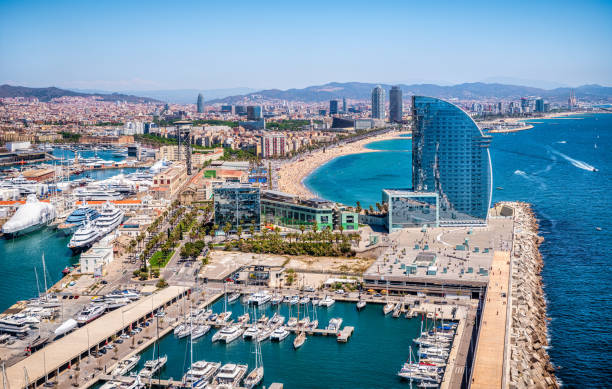
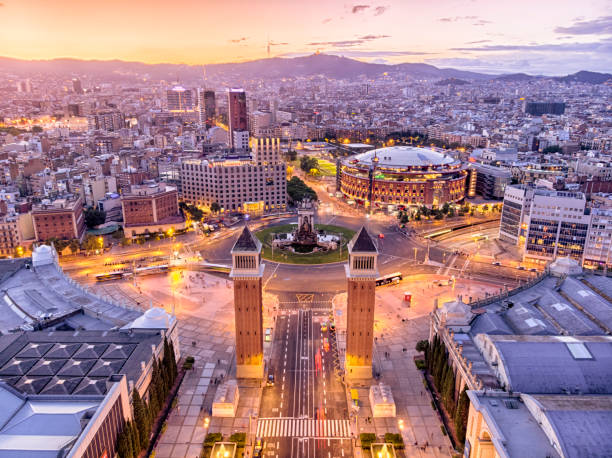
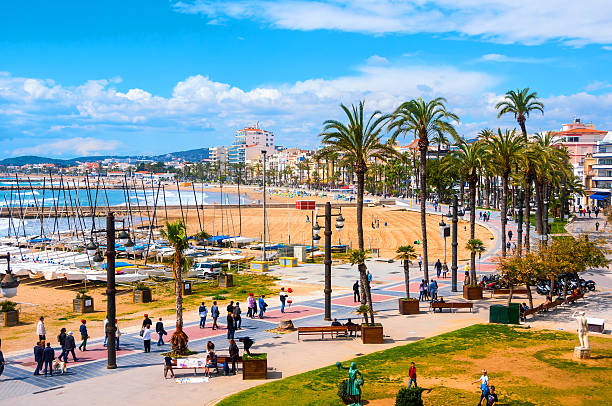
The Sagrada Família to Barceloneta move is useful because it creates a clean change in altitude, density, and mood, but it is not effortless in the way many first-time plans assume. Around Sagrada Família, the streets still behave like Eixample: broad blocks, angled views, traffic, and long sightlines. Barceloneta shifts the day into lower, sea-level walking, with Port Vell, the marina edge, and the beach grid pulling attention outward. The consequence is physical as much as scenic.
On a comfortable private day, that transition should not be a blind dash. A guide can use the end of the basilica visit to decide whether the group has appetite for the sea, a seated lunch, or a quieter Eixample return. That judgment matters more than the nominal distance. Families may need a decompression stop before moving. Couples may want the sea for mood, but not if the route then drags them through a long old-town evening. Older travelers may prefer a chauffeured segment, especially if the morning involved timed entry, slow interior pacing, and standing explanations.
The official ticket layer matters here because Sagrada Família is not a casual walk-in decision. Use Sagrada Família official tickets (https://sagradafamilia.org/en/tickets-individuals) as the primary reference for current entry planning, then build the waterfront around the confirmed visit rather than the other way around. The ticketed anchor should control the day. Barceloneta should absorb the remaining energy, not compete with it.
Three ways Barceloneta can belong in a first stay
There are three sensible placements for Barceloneta, and each solves a different problem. The wrong question is “Should we see Barceloneta?” The better question is “What job should the sea do after Gaudí?” Once that is clear, the route becomes easier to edit.
- After Sagrada Família as a lunch route: Best when the morning is one major Gaudí interior and the group wants a seated pause before the old town or the hotel. The sea earns its place by turning the day outward without demanding another long interpretive stop.
- Late afternoon as a waterfront reset: Best when the day begins in Eixample and the evening is not overloaded. Barceloneta can become the bridge between architecture and dinner, especially if the Gothic Quarter is saved for a lighter walk rather than a full history chapter.
- As a separate sea day: Best when Gaudí already includes Park Güell, Passeig de Gràcia, or a long Modernisme thread. This keeps the first day coherent and gives Barceloneta enough room to feel like a real coastal change rather than a hurried add-on.
The first option is the cleanest for many first stays, but only if the morning is disciplined. The second option is elegant for couples who care about atmosphere, because the sea can soften the day before dinner. The third option is the one to choose when the trip is already full. It is not a downgrade to save Barceloneta; it is often the reason the Gaudí day remains memorable rather than exhausting.
When Barceloneta fits after Sagrada Família
Barceloneta fits after Sagrada Família when the basilica is the morning’s main event and the day needs a lower-pressure second act. This is the strongest case for first-time couples, small groups, and travelers who want Barcelona to feel like both architecture and sea without turning the day into a checklist. The waterfront does not need to be long. It needs to be correctly placed.
A good version begins with Sagrada Família while attention is fresh, then moves toward the sea for lunch, air, and a short walk. The waterfront segment might touch the marina edge, the Barceloneta grid, or the beach-facing promenade, but it should not try to become a complete maritime history lesson. Its job is to change the body’s tempo. After the basilica’s vertical intensity, the sea gives the eyes a horizon and the legs a flatter path.
This placement is particularly useful when the evening will be social rather than scholarly. A couple celebrating an anniversary, a family with teenagers, or a small group that wants to arrive at dinner still conversational can use Barceloneta as a release valve. If the guide has already connected Gaudí’s Eixample context, the waterfront can be handled lightly: enough orientation to prevent blur, enough local judgment to avoid wandering into the wrong rhythm, and enough restraint to keep the evening alive.
The strongest sign that Barceloneta belongs is that it shortens the emotional distance between the morning and the evening. It should make the day feel more spacious, not more ambitious. If the plan after lunch is a full Gothic Quarter walk, a market stop, shopping, and a late dinner, the sea is no longer a release. It is another demand.
When Barceloneta should be saved for another day
Barceloneta should be skipped on a first Gaudí-heavy day when the architecture plan already includes Sagrada Família, Park Güell, and a Passeig de Gràcia interior. That combination is rich, but it is not light. Adding the sea after it usually gives travelers less Barcelona, not more, because each place receives too little attention and the body spends the day restarting.
The clearest cut-first rule is this: if the day contains two ticketed Gaudí interiors plus Park Güell, cut Barceloneta first. Keep the waterfront for a different day, or use a brief distant view rather than a full transfer. This is not anti-sea advice. It is pro-sequencing advice. Barcelona has several strong textures, and the first stay improves when each one has a job instead of being squeezed into a single omnibus route.
There is another wrong-fit case: travelers staying in or near Eixample who want a calm early dinner after Sagrada Família. In that case, forcing Barceloneta can break the very comfort they chose the hotel for. A return to the hotel, a Passeig de Gràcia aperitif, or a restrained old-town evening may be better than chasing the coast just because the map makes it look close. A better lunch reservation does not fix a route that separates Gaudí, the sea, and the old town poorly.
This is also where premium planning has to be honest. Paying more can improve the guide quality, the pacing, the chauffeur timing, and the handoff between neighborhoods. Paying more does not make an overstuffed day coherent. If the plan is fundamentally trying to combine too many moods, the elegant move is to cut, not to upgrade.
How an Eixample base changes the sea decision
An Eixample base makes Barceloneta easier to use as a deliberate contrast, but harder to justify as a casual detour. This is the counterintuitive correction many first-time travelers miss. Eixample feels central, and in many ways it is; yet its value lies in calm returns, broad blocks, reliable hotel comfort, and proximity to Gaudí logic. The more you use that advantage, the less you should scatter the day.
If your hotel sits near Passeig de Gràcia, Rambla de Catalunya, or the Sagrada Família side of Eixample, you can build a beautiful architecture-first morning without fighting the city. The route can move from hotel to Gaudí to lunch, then either return for a pause or continue outward. But once Barceloneta enters the plan, the day starts to pull south and east. That is not a problem if the sea is the next chapter. It is a problem if you still expect a polished Gothic Quarter evening with no fatigue.
For comfort-first travelers, Eixample often beats old-town atmosphere during the working part of the day. The streets are more legible, hotel returns are cleaner, and the district gives a private guide more room to pace conversation without constant lane compression. The Gothic Quarter can then be saved for the right mood: evening texture, specific heritage, or a contained walk. That is a better use of the city than staying in Eixample but planning as if the hotel were already at the waterfront.
When travelers ask whether Barceloneta belongs because they are staying in Eixample, the answer depends on how much they value the hotel pause. If the pause is part of the trip design, Barceloneta should be a lunch route or separate day. If the group is happy to stay out and the evening plan is light, the sea can sit naturally between Gaudí and dinner. For a broader hotel-base comparison, the related guide on Eixample, the Gothic Quarter, or Barceloneta for Gaudí days and evenings looks at where to sleep; this article is about where the sea belongs inside the day.
How a guide prevents old-town and waterfront blur
A guide prevents old-town and waterfront blur by giving each area a distinct purpose instead of narrating everything at the same intensity. Without that control, Barcelona can flatten in a first stay: Gaudí becomes “architecture,” the Gothic Quarter becomes “old streets,” and Barceloneta becomes “the beach.” The traveler sees famous places but loses the reason they were sequenced together.
The guide’s value is not only in explaining the basilica or naming waterfront landmarks. It is in deciding when not to explain. After Sagrada Família, the group may need silence, a shorter transfer, a seated lunch, or a lighter walk. Around Port Vell and Barceloneta, the guide can keep orientation clear without turning the reset into another lecture. Then, if the evening moves toward the Gothic Quarter, the guide can shift tone again: narrower streets, Roman and medieval layers, cathedral-area orientation, and the difference between an atmospheric stroll and a history-heavy walk.
This matters because the Gothic Quarter evening transition can become atmospheric or overloaded depending on where the sea was placed. If Barceloneta has already given the day openness and lunch, the Gothic Quarter should not be asked to deliver every historical theme in one late push. If the old town is the true evening anchor, Barceloneta should be shorter, earlier, or omitted. The mood-preserving decision for couples is to avoid making the last part of the day feel like homework.
A private route can connect Gaudí context, waterfront pacing, and evening transitions without overloading the day when the guide is allowed to edit. That is where a tailor-made format earns its keep: not by adding more stops, but by deciding how much Barcelona a specific couple, family, or small group can enjoy well. For a day shaped around your energy, hotel base, and dinner plans, tailor-made Barcelona private touring is the more useful next step than copying a fixed itinerary. Inquire now
Should you go to Barceloneta after Gaudí or before the Gothic Quarter?
Go to Barceloneta after Gaudí and before the Gothic Quarter only when the old-town portion is intentionally light. This sequence can be excellent, but it is one of the easiest to overload. Sagrada Família gives the day height and symbolism. Barceloneta gives it air. The Gothic Quarter gives it depth and enclosure. All three can belong, but not all three can be treated as headline chapters.
The best version is a morning at Sagrada Família, a waterfront lunch or short sea-facing walk, a genuine pause, and then a narrowed Gothic Quarter evening. That evening might focus on a few lanes, one plaza, or a route toward dinner rather than a comprehensive old-town tour. This is the difference between a day that feels composed and a day that feels long. A private guide can also avoid the false equivalence of “old town plus sea” by making Port Vell a hinge rather than a destination list.
The weaker version tries to do Sagrada Família, Barceloneta beach time, El Born, the Gothic Quarter, shopping, tapas, and a show in one continuous arc. That is where the city starts to blur. Travelers remember movement more than meaning. They also arrive at dinner with the flattened mood that comes from too many transitions: no one stop was bad, but none had enough room to land.
For travelers who want the old town to matter, consider making the Gothic Quarter its own focused private walk rather than squeezing it after the sea. The route can be more rewarding when the old town is handled through a dedicated Gothic Quarter and Old Town private tour or a later evening plan, instead of being treated as the mandatory final layer of a Gaudí-and-waterfront day.
What the city does to the body between Gaudí and the sea
Barcelona looks easy on a map, but the body experiences it through starts, stops, interiors, pavement, exposure, and decision fatigue. Sagrada Família requires standing attention. Eixample blocks are clean but long. Park Güell adds hillside movement if it is part of the day. Barceloneta is flatter, yet it can be exposed to sun and wind, and the promenade can feel longer than expected when the group is already tired.
The physical consequence is that a sea segment can either restore the day or split it awkwardly. It restores the day when it follows a demanding interior visit and offers lunch, open air, and simpler walking. It splits the day when it adds another transfer after multiple Gaudí stops, especially if the group still has old-town ambitions. In that case, the sea is not a pause; it is a new stage set that requires its own energy.
Comfort-first planning should also account for the small frictions that accumulate. A timed entry, a crowded exit, a vehicle pickup point, a lunch reservation, a waterfront walk, and an evening dinner location may each look manageable. Together, they can create a day of constant micro-decisions. Private pacing helps most when it removes those small frictions before they become the emotional story of the day.
The right question is not whether travelers are fit enough. It is whether the plan leaves enough appetite for the evening. A couple can handle many steps and still lose the atmosphere they wanted. A family can cover the route and still feel rushed. A small group can see everything and still remember the logistics more than the city. Barceloneta earns its place when it reduces that load.
What the sea does to the mood of a first Barcelona day
The sea changes the mood of a first Barcelona day by replacing vertical intensity with horizontal relief. After Sagrada Família, that can be a gift. The basilica concentrates attention upward and inward: structure, light, symbolism, detail. Barceloneta sends the gaze outward. The day feels less like a study session and more like a city stay.
That mood shift is especially powerful for couples and celebration travelers. A waterfront interval can make the afternoon feel more generous, and it can keep dinner from becoming merely the next scheduled item. But the same sea placement can be mood-killing if it turns into a rushed obligation: photographs, sand, a long walk, then a scramble back toward the Gothic Quarter. The sea should lengthen the feeling of the day, not lengthen the task list.
For comfort-first visitors, the mood benefit often comes from restraint. You do not need to “do” Barceloneta extensively. You need to feel the Mediterranean edge at the right moment. A short, well-placed waterfront route can do more for the trip than a longer beach segment that pushes dinner late. This is why Barceloneta belongs more often as a reset or lunch route than as a beach afternoon on the same day as Gaudí.
There is also a narrative benefit. Barcelona can otherwise feel divided between architectural fame and old-town atmosphere. The sea explains why the city opens the way it does, why Port Vell matters as a threshold, and why Barceloneta feels different from Eixample even when it is close enough to tempt a quick add-on. The guide’s job is to keep that narrative light enough that the mood survives.
Where premium spend changes the day, and where it does not
Premium spend changes this day when it buys better sequencing, better interpretation, cleaner transfers, and the confidence to remove stops. A strong private guide can read the group after Sagrada Família and adjust the sea segment accordingly. A thoughtfully timed vehicle can reduce the friction between Eixample and the waterfront. A tailored plan can align lunch, hotel pause, and dinner location so the day feels shaped rather than assembled.
Premium spend does not help when the core route is confused. A better lunch reservation does not fix a route that separates Gaudí, the sea, and the old town poorly. A nicer car does not make three different moods fit into one late afternoon. A more expensive dinner does not restore the energy lost to avoidable backtracking. The upgrade that matters most is editorial judgment: knowing what the day is about and what to leave out.
There are moments when a chauffeur earns its cost. If the group includes older parents, heat-sensitive travelers, formal dinner plans, or a hotel base that makes returns important, a vehicle can protect the day from unnecessary resets. But a chauffeur should not become an excuse to add Park Güell, Sagrada Família, Passeig de Gràcia, Barceloneta, the Gothic Quarter, and a long evening in one sweep. Transport can smooth distance; it cannot create attention.
For travelers considering a full first-day overview, the Best of Barcelona private tour can make sense when the sea is only one part of a wider orientation. For travelers whose priority is Gaudí depth, the waterfront should be added only if it supports that day’s rhythm. The more premium the trip, the more important restraint becomes.
The strongest first-stay sequence if Barceloneta belongs
The strongest sequence is Sagrada Família first, Barceloneta as lunch and air, then either a hotel pause or a deliberately narrowed evening. This order respects how Barcelona feels under real travel conditions. It gives the main monument first claim on attention, uses the sea to lower the pressure, and avoids asking the old town to carry too much after the day has already peaked.
A polished version might begin with a guided Sagrada Família visit, then a transfer toward Barceloneta or Port Vell for lunch and a short waterfront walk. After that, choose one of two endings. The calmer ending returns to the hotel, especially if the base is Eixample and dinner is later. The more atmospheric ending moves toward the Gothic Quarter, but only for a contained route that leads naturally into the evening. Both are better than trying to turn the entire afternoon into a second sightseeing marathon.
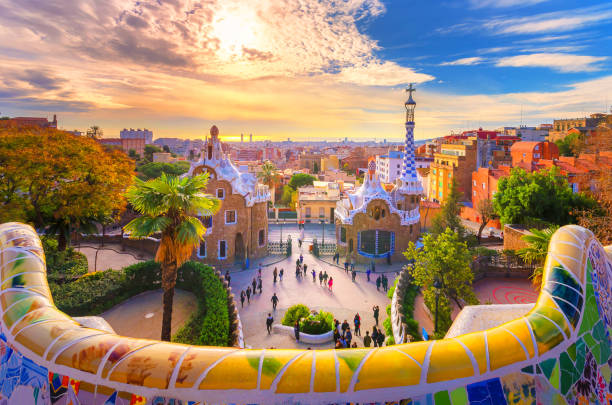
If Park Güell is essential on the same day, the sequence changes. Now Barceloneta is less likely to belong unless the evening is extremely light and the group has high stamina. Park Güell adds hillside logic and transfer complexity; it is not simply “another Gaudí stop.” In that case, keep Gaudí coherent and let the sea wait. The next day’s Barceloneta or coastal lunch will feel more generous because it is not competing with the city’s most demanding architecture day.
When travelers have only two days in Barcelona, this decision becomes sharper. One day can carry Gaudí and a sea reset if edited well. The other can carry the Gothic Quarter, El Born, Montjuïc, food, or a softer neighborhood thread. For trip-length decisions beyond this specific route, the guide on how many days in Barcelona for a tailor-made first trip helps decide how much city and countryside can realistically fit.
The Barceloneta lunch-route version
The lunch-route version is the most practical way to include Barceloneta after Sagrada Família. It gives the sea a purpose without turning the day into a beach itinerary. The traveler consequence is clear: you get the Mediterranean edge, a seated pause, and a simpler afternoon decision. You do not need to commit to a long beach walk, a seafood list, or a full waterfront afternoon.
This works best when lunch is treated as part of the route design rather than the reward for surviving an overpacked morning. The guide should know whether the group needs a formal reservation, a relaxed terrace, a shorter stop, or a flexible plan. What matters is not naming the “best” seafood restaurant. It is making sure lunch does not pull the day too far from the evening you actually want.
The lunch-route version also prevents a common first-stay mistake: turning Barceloneta into a symbolic checkbox. Many travelers imagine they should touch the beach because Barcelona is by the sea. But if the day has already delivered Gaudí, context, and a beautiful meal near the water, more beach time may add little. The city is not improved by stretching every good thing until it becomes tiring.
This version suits couples who want a natural pause, families who need a reset without losing the day, and small groups whose members have different levels of interest in architecture. It is less suitable for travelers who want serious beach time, a long swim, or an unstructured seaside afternoon. Those travelers should save Barceloneta for a separate day and let the Gaudí day stay focused.
The separate-day version when the sea deserves more room
Save Barceloneta for another day when the sea is not a reset but a real preference. If you want a slow coastal lunch, beach time, a marina walk, or a softer morning after an ambitious Gaudí day, the separate-day version is better. It gives the waterfront enough room to feel chosen rather than appended.
This is often the right answer for food-and-wine travelers and celebration travelers. A waterfront day can sit beautifully after the architectural day because it changes the trip’s pace. It can also combine with a lighter old-town or El Born thread if the guide keeps the route disciplined. What should be avoided is pretending that a separate sea mood can be compressed into the last hour of a Gaudí-heavy afternoon.
The separate-day version is also useful for guests who are staying near the waterfront or arriving by cruise. In that case, Barceloneta may be part of the logistics, not the add-on. But even then, it should not be allowed to swallow the first stay. The sea can be a comfortable anchor for arrival, lunch, or departure ease, while Sagrada Família and Eixample still deserve their own focused design.
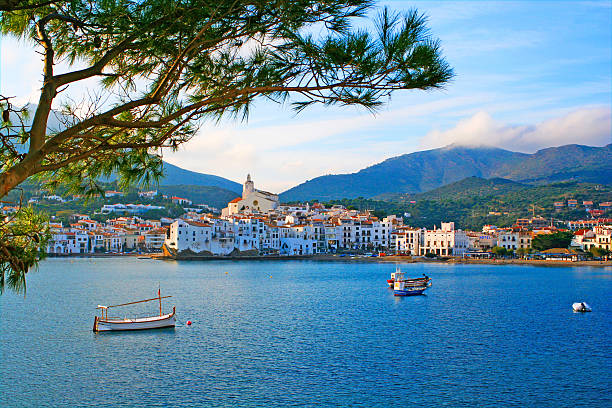
If you are considering a wider coastal reset beyond Barceloneta, Sitges or the Costa Brava may be better choices on a longer stay, but that is a different planning question. For this article’s narrow decision, the rule is: keep Barceloneta in the Gaudí day only when it restores the day; give it its own slot when the sea itself is the point.
What to stop forcing on a first Barcelona stay
Stop forcing Barceloneta into the same day as every Gaudí priority. A first stay does not improve because all the famous textures appear in one route. It improves when the traveler can feel the difference between them. Gaudí, the sea, and the Gothic Quarter each ask for a different kind of attention. The plan has to decide which one is leading.
Also stop forcing the old town to be the automatic evening after the sea. The Gothic Quarter is at its best when it has atmosphere, context, and enough attention to avoid old-town blur. If the group has already moved from Sagrada Família to Barceloneta and taken a long lunch, the old town may need to become a gentle approach to dinner rather than a full historical walk. That is not a loss. It is the way the evening stays attractive.
Finally, stop forcing upgrades that solve the wrong problem. A more exclusive lunch, a private transfer, or a later dinner can all help in the right design. None of them can make a scattered route feel calm. The first edit should always be the route itself: remove the extra Gaudí stop, shorten the waterfront, save the Gothic Quarter, or return to the hotel before dinner. Only then decide where service upgrades will genuinely improve the day.
This cut-first logic is what separates a tailored first stay from a generic Barcelona itinerary. The goal is not to prove how much can fit between Gaudí and the sea. The goal is to make the first stay feel complete without making the traveler feel managed by the schedule.
FAQ
Should I visit Barceloneta after Sagrada Família on my first trip to Barcelona?
Yes, visit Barceloneta after Sagrada Família if the basilica is the main morning focus and you want lunch, open air, and a lighter afternoon. Skip it that day if you are also doing Park Güell and Passeig de Gràcia interiors.
Is Barceloneta worth it if I am not planning a beach day?
Yes, Barceloneta can be worth it without a beach day when it serves as a sea-facing reset or lunch route. It is less worthwhile when it becomes a rushed checkbox between Gaudí and the Gothic Quarter.
Where should Barceloneta fit if I am staying in Eixample?
If you are staying in Eixample, Barceloneta fits best after a focused Gaudí morning or on a separate sea day. Eixample makes hotel returns and Gaudí routing easier, so do not give up that comfort advantage unless the waterfront clearly improves the day.
Can I combine Sagrada Família, Barceloneta, and the Gothic Quarter in one day?
Yes, but only if the Gothic Quarter portion is intentionally light. A strong version uses Sagrada Família first, Barceloneta for lunch or air, and the Gothic Quarter as a contained evening transition rather than a full old-town tour.
When should Barceloneta be skipped on a Gaudí day?
Barceloneta should be skipped when the day already includes Sagrada Família, Park Güell, and a Passeig de Gràcia interior. In that case, the waterfront is more likely to add transfer fatigue than meaning.
Does a private guide make Barceloneta after Gaudí more worthwhile?
A private guide makes it more worthwhile when the guide uses Barceloneta to control pace, mood, and transitions. The value is not adding more commentary; it is preventing Gaudí, the waterfront, and the old town from blurring together.
Is Barceloneta better for lunch or late afternoon?
Barceloneta is usually better as a lunch route after Sagrada Família when the day is architecture-led. Late afternoon works well for couples and relaxed evenings, but only if dinner and the Gothic Quarter are not overpacked afterward.
Should I book a better restaurant to make the Gaudí-to-Barceloneta route work?
A better restaurant can improve comfort and mood, but it cannot fix poor sequencing. If the route separates Gaudí, the sea, and the old town awkwardly, cut or move one element before spending more on lunch.
The final planning rule
Barceloneta belongs in a first Barcelona stay when it makes the Gaudí day breathe. It should not be treated as a beach obligation, a seafood checklist, or a consolation prize after the monuments. Its best role is precise: after Sagrada Família, it can give the day air, lunch, and a calmer emotional bridge toward the evening.
The decision turns on one question: will the sea lower the intensity or add another restart? If it lowers the intensity, include it with confidence and keep the waterfront segment restrained. If it adds another restart, save it. The polished Barcelona first stay is not the one with the most neighborhoods in a day. It is the one where Sagrada Família, Eixample, Barceloneta, and the Gothic Quarter each appear at the moment when they can actually be enjoyed.
If you’re interested in any private tours of Barcelona, please reach out to us.








 So if you are looking for the absolute best in Barcelona & surroundings with authentic local fully-licensed native guides whose English you can actually understand and with an exclusive and amazingly fun itinerary













