How Many Days in Barcelona for a Tailor-Made First Trip? 2, 3 or 4 Days with Montserrat or Penedès in the Right Place
Updated
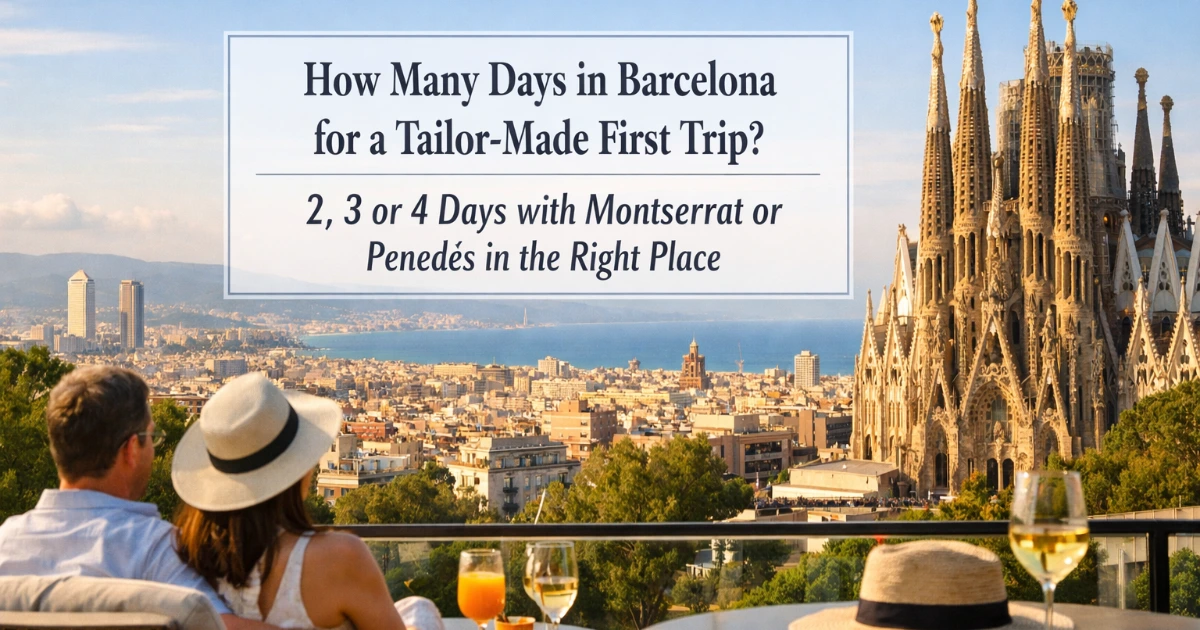
For a tailor-made first trip, Barcelona usually deserves 3 full days, and 4 only when the extra day is used with discipline. That answer works because Barcelona is not hard in the way people expect: the map looks compact, but reservations, district shifts, and queue-heavy Gaudí sites make short stays feel thinner than their night count suggests. The stretch of Passeig de Gràcia between Casa Batlló and La Pedrera looks like a quick shared stop; in practice, two interiors there plus street pauses and timed entries can consume most of a prime morning before you have even reached Sagrada Família. The clearest exception is the traveler who wants Catalonia beyond the city as much as Barcelona itself; for that trip, 4 days can be the right answer, but only if Montserrat or Penedès replaces a second heavy city day instead of being piled on top of it.
Barcelona rewards separation more than stacking. This city works best when you treat Eixample, the Gothic Quarter, and any out-of-city add-on as different kinds of time rather than one long attraction list. That is why 3 days is the default winner, 4 days is the calmest city-plus-Catalonia version, and 2 days is best kept for travelers already passing through Spain on a broader route. If hotel position is still open, the gap between a practical base and a glamorous but awkward one matters more here than many first-timers expect; the neighborhood logic is covered in where to stay in Barcelona.
How many days in Barcelona is enough for a first trip?
For most first stays, the decision is less about how many sights you can name and more about how much friction you are willing to feel.
Read the choice this way:
- 3 days: default winner. Enough room for one reservation-led Gaudí day, one looser old-town and neighborhood day, and one slot for food, design, Montjuïc, Gràcia, or a carefully chosen add-on without sacrificing dinner energy.
- 4 days: runner-up for city plus Catalonia. Best when Montserrat or Penedès is part of the dream, or when you are traveling with mixed ages and want a calmer rhythm instead of a more crowded checklist.
- 2 days: acceptable, not ideal. Works when Barcelona is one stop on a larger Spain itinerary and you accept that you are choosing a first impression, not a full first encounter.
- Wrong fit. A first stay of four days or fewer is not the moment to bolt on Girona or the Costa Brava. Those can be excellent later, but on an initial visit they usually steal time Barcelona itself has not yet had.
Why 3 days is the stay length Barcelona handles best
Three full days is the stay length Barcelona handles best because the city’s most famous experiences do not share the same tempo.
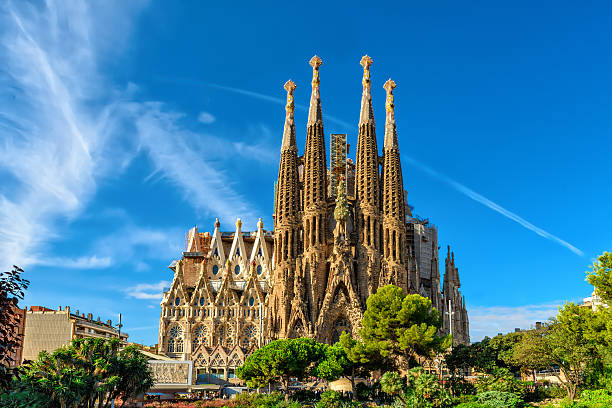
One day can sensibly carry Sagrada Família plus either the Passeig de Gràcia houses or Park Güell, but not everything at full depth. Once you include security lines, entry windows, taxis or metro, and the natural drag of stopping, looking up, taking photos, and listening, the morning narrows fast. That is why over-ambitious first days fail even for organized travelers. The more useful way to think about that sequence is in how to order a first Gaudí day.
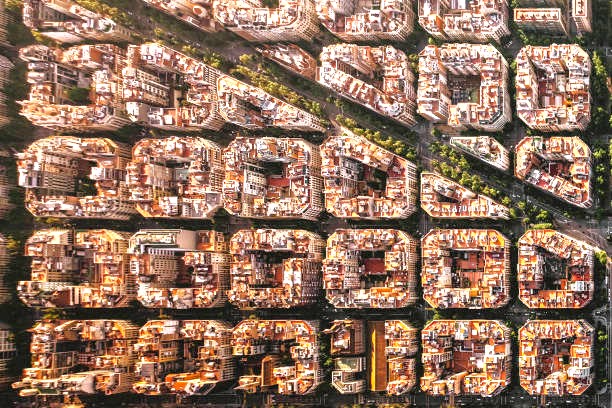
The payoff of a third day is not one more museum pin. It is the ability to keep Gaudí density away from old-town texture. Barcelona feels more coherent when Eixample has its own day language—broad blocks, architecture, shopping, slower lunches, measured transfers—and the Gothic Quarter has another—narrow lanes, detours, shaded pauses, Roman fragments, churches, and the gradual pull toward the Born or the waterfront. If you force both moods into the same compressed day, you spend more time resetting than absorbing.
That reset often happens at the Plaça Catalunya seam between Eixample and the Gothic Quarter. On paper it looks trivial: a short walk, one central square, nothing dramatic. In practice it is where short Barcelona stays start leaking time. A morning north around Sagrada Família or Passeig de Gràcia turns into a hotel stop, lunch gets pulled south, then the afternoon restarts in the Gothic Quarter with a new walking rhythm. The city is not huge, but the tempo change is real, and a two-day stay leaves no margin for it.
Three days also gives Barcelona room to work on the senses, not just the checklist. Couples get one evening that is not spent recovering from queues. Families can keep one afternoon lighter instead of dragging children through a fourth interior because the tickets were booked months ago. Celebration travelers have space for one longer lunch or one deeper dinner without feeling they surrendered the city. Food-and-wine travelers can let Barcelona be Barcelona—market-driven, neighborhood-specific, and pleasantly late in the day—without treating meals as gaps between monuments.
There is also a value argument here. Barcelona is one of those cities where extra spending pays back most clearly when it buys time coordination, not when it buys more square meters, a grander lobby, or a famous address. Three days is long enough to let that coordination matter. A guide, timed entries, or a car where it truly helps can turn the stay into a joined-up experience rather than a relay race. On a compressed two-day stay, you are often spending simply to cope with strain you created by squeezing too much in.
That does not mean every first-time visitor needs a long, elaborate structure. It means the best 3-day Barcelona trip usually has one dense booked day, one looser city day, and one day that can tilt toward design, food, sea air, Montjuïc, Gràcia, or a short local detour depending on the travelers. That balance makes Barcelona feel like a place instead of an exam.
It is also the length that suits the broadest mix of travelers. Couples get enough room for one beautiful evening without racing through the afternoon to make it. Families can build in one lighter stretch without feeling they are “losing” the city. Small groups with uneven interests can split a little—shopping for one, architecture for another, wine for another—and still reconvene without the whole day being derailed. Even travelers who care deeply about Gaudí tend to enjoy him more when his masterpieces are not stacked until they blur together.
If your hotel is still undecided, this is the stay length where base choice becomes visible. For most first visits centered on Gaudí plus the old center, Eixample usually handles the trip better than the lanes of the Gothic Quarter or a beach address farther east. The reason is not atmosphere; it is routing. A practical base shortens the number of daily resets, and that matters more than first-timers expect.
Two days is enough only if you accept that Barcelona will be selective
Two full days is enough for a first taste, but it is not enough for both Barcelona at depth and Catalonia beyond it.
The right two-day mentality is to choose one anchor and one texture. The anchor is usually Sagrada Família or a Gaudí-led day. The texture is usually the Gothic Quarter and Born, or Eixample with slower shopping and lunches, or a coastal finish. The mistake is assuming that because Barcelona is geographically compact, you can collect Sagrada Família, Park Güell, Casa Batlló, La Pedrera, the Gothic Quarter, the Picasso Museum, and Barceloneta without the day collapsing into transfers and entry windows.
This is where the city hits the body. Even though central Barcelona is flatter than many European capitals, a rushed short stay involves more standing than walking: security lines, ticket checks, waiting for taxis, regrouping at entrances, and the stop-start drain of popular sites. Add the uphill logic around Park Güell, the sun exposure on broad Eixample blocks in warmer months, and late afternoons on stone lanes in the old center, and the fatigue is less about mileage than interruption. Two days can absolutely work, but only if you design for fewer stops and longer stretches of being in one area.
The smartest cut on a two-day first trip is usually the fourth big booking, not the unbooked hour. In other words, remove one interior before you remove the chance to wander. Most travelers remember Barcelona more vividly when the trip contains one or two stretches of unhurried city texture—coffee on a broad avenue, a quieter church, an unplanned courtyard, a proper lunch—than when it contains an additional audioguide squeezed in late.
Two days also changes who the city suits. It can be excellent for experienced travelers already on a wider Spain route, for couples who know they will return, or for conference and cruise visitors using Barcelona as a concentrated cultural stop. It is less satisfying for first-time families who need transition time, for celebration travelers who want one big dinner without counting the hours lost, and for anyone whose idea of Catalonia includes mountains or vineyards as well as the city.
If you only have two days, resist the temptation to make one of them Montserrat or Penedès. Both can be beautiful. Neither is the best use of a two-day first Barcelona stay, because the city itself has not yet had its proper share of time. A short trip that leaves Barcelona having seen only lines, façades, and car windows is the wrong bargain.
The emotional cost matters too. Barcelona can feel generous when afternoons have a little drift in them. It can feel administrative when every hour is pinned to an entrance slot. On a two-day visit, overbooking flattens the evenings first. Dinner becomes a recovery stop instead of part of the trip, and that is usually where travelers realize they did not need more pins; they needed more air.
So yes, two days can work. It just needs the honesty that many generic guides avoid: you are curating an opening chapter, not finishing the book. If that idea sounds appealing, two days is viable. If it sounds disappointing, take the city to three.
Four days works when the fourth day has a job
Four days becomes worthwhile when the extra day improves the rhythm of the stay rather than simply expanding the list.
The best use of a fourth day is to let Barcelona breathe and then add one Catalonia experience that changes the register: Montserrat for mountain, monastery, and a sense of scale beyond the city; Penedès for vines, cellars, countryside lunch, and a more seated, social day. What four days should not mean is “everything in Barcelona plus somewhere else.” The whole point of the fourth day is that it prevents the first three from becoming overpacked.
For many first-timers, the cleanest four-day structure is city, city, add-on, city—or city, add-on, city, city if ticket availability or a special dinner steers the order. That spacing matters. Put the day trip after an already dense Gaudí day and it can feel restorative. Put it before Barcelona has settled into you and it can feel like you interrupted the trip before the city had shape.
There is also a city-only version of 4 days that is excellent and often underrated. For older travelers, for mixed-generation families, or for visitors who want Barcelona to feel elegant rather than exhaustive, the fourth day can remain inside the city and simply slow it down: Montjuïc views, Gràcia streets, a market-led food day, more time in the Born, or a long lunch and a free afternoon. A fourth day should soften the stay, not harden it.
When Montserrat earns its place
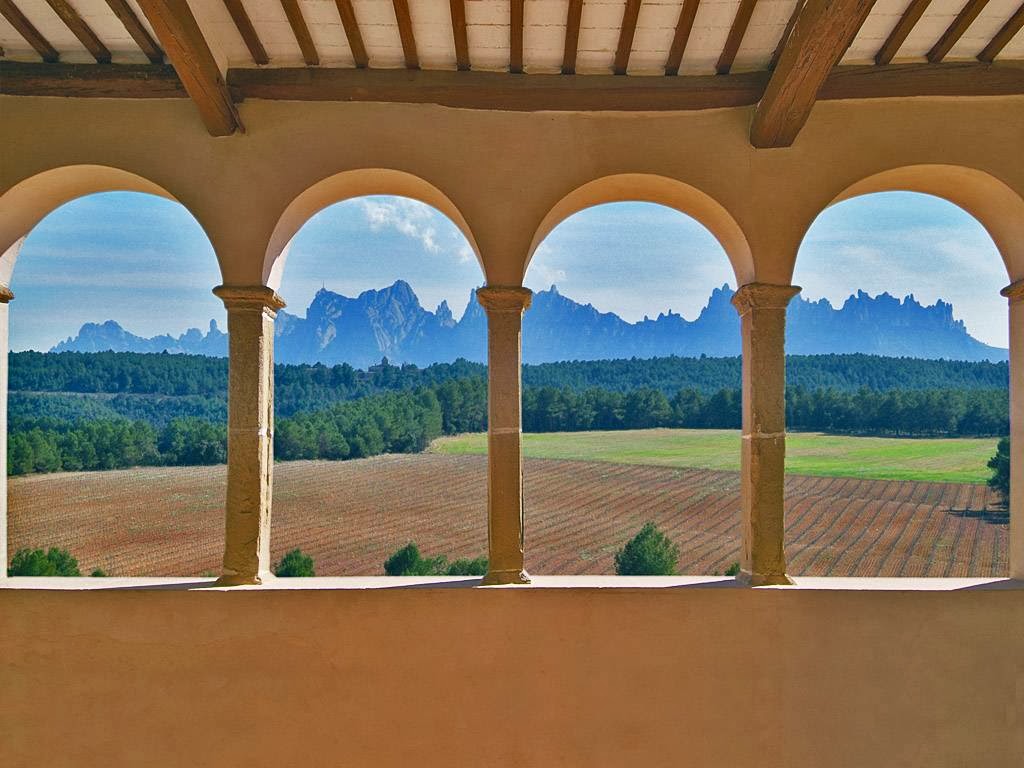
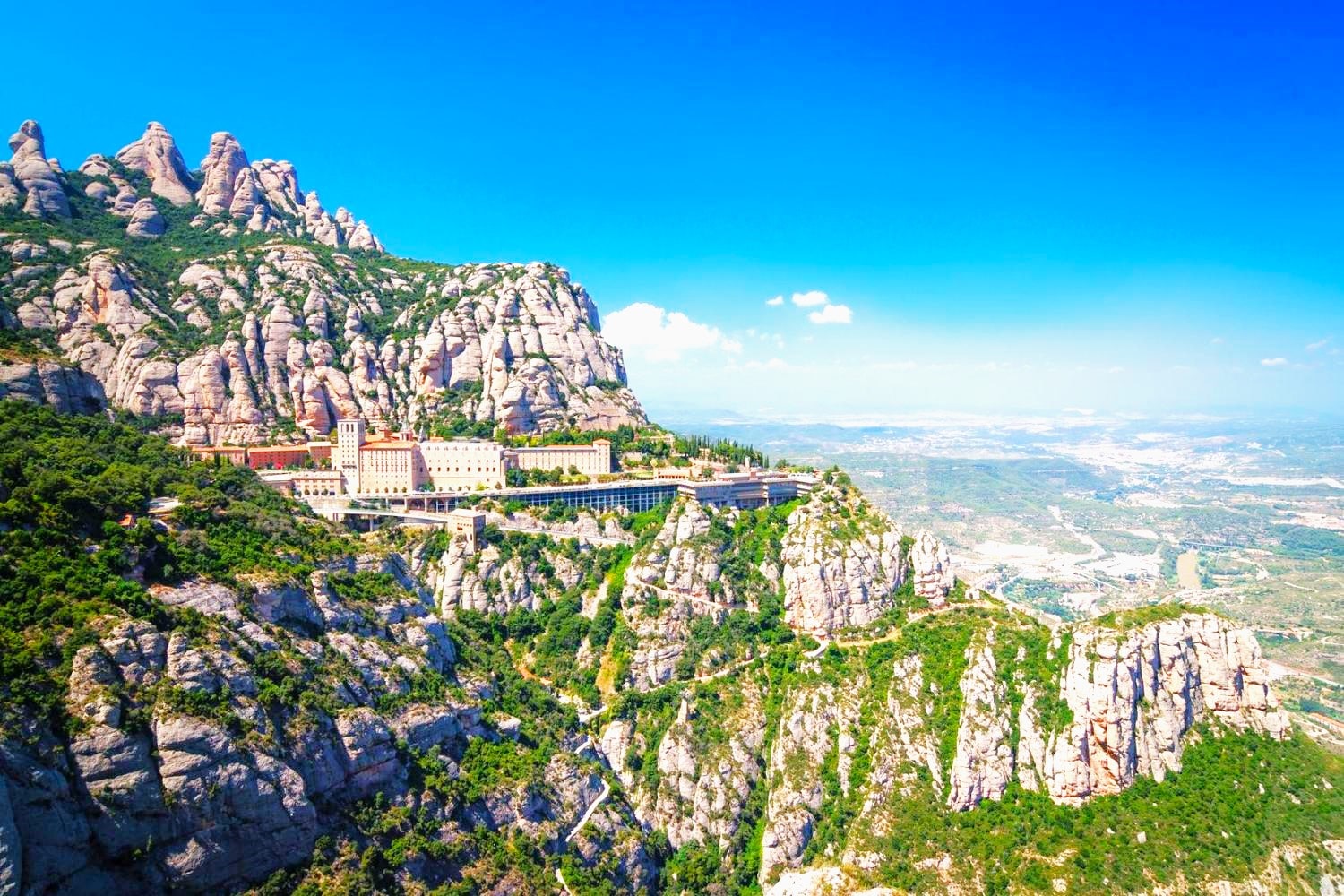
Montserrat belongs on a first Barcelona stay when landscape, silence, Catalan identity, or a spiritual dimension matters as much as urban sightseeing.
It is the stronger visual contrast to Barcelona and often the more memorable choice for travelers who want their trip to contain a real change of scale. It is especially good for couples, multigenerational groups, and travelers who respond to setting and vantage points more than to additional interiors. After two city days, the mountain and monastic context can make Barcelona itself clearer when you return in the evening. The city feels less like a sealed attraction field and more like part of a wider Catalan geography.
Montserrat is not the gentlest add-on, though. It asks for an earlier start, more movement, and a stronger commitment to the outing itself. For travelers who dislike switching gears or who want a day defined by lunch and conversation rather than by scenery and context, it can feel a little more structured than they hoped. It also steals too much from the city if you only have 3 days and still want a full first-time Gaudí experience.
Use Montserrat on 4 days when the trip wants altitude, symbolism, and one distinctly different landscape day. Skip it on 2 days. On 3 days, it is only the right call if the mountain is central to why you came and you are willing to trim the city accordingly. For travelers who already know they want it, a dedicated Montserrat private tour makes most sense when it replaces a city day rather than being tacked onto one.
When Penedès is the better fourth day
Penedès is the smoother fourth-day choice for food-and-wine travelers, celebration trips, and anyone who wants the add-on to slow the stay down rather than dramatize it.
That is because Penedès changes the day in a different way from Montserrat. The pleasure is not only in what you see; it is in what you stop doing. You are not trying to fit another headline monument into the same trip. You are trading city motion for tastings, seated conversation, countryside pacing, and a long lunch that feels deserved rather than strategic. For many couples and small groups, that makes the whole Barcelona stay feel more finished.
Penedès is also a strong answer for travelers who have already had a mountain or monastery experience elsewhere in Spain, or who care more about cellar visits, cava, and regional food than about dramatic viewpoints. As a fourth-day design choice, it is often the more comfortable add-on because the physical effort is lower and the day typically has fewer stop-start friction points.
Its downside is that it can feel too gentle if your first trip still lacks Barcelona’s core visual drama. If you have not properly done Gaudí, have barely touched the Gothic Quarter, and have not had one relaxed Eixample day, then a wine-country day can read as premature polish. Beautiful, yes. But not the right priority yet.
That is why Penedès is rarely the right answer on 2 days, selectively works on 3 days, and shines on 4 days. It is best when Barcelona already has shape and you want the itinerary to exhale. Travelers planning around food-and-wine from the start should look at the broader Barcelona day-trip comparison and, if the call is already clear, a dedicated Penedès winery tour.
The wrong extra day trip for a first stay
The wrong use of time on a first Barcelona stay of four days or fewer is Girona or the Costa Brava.
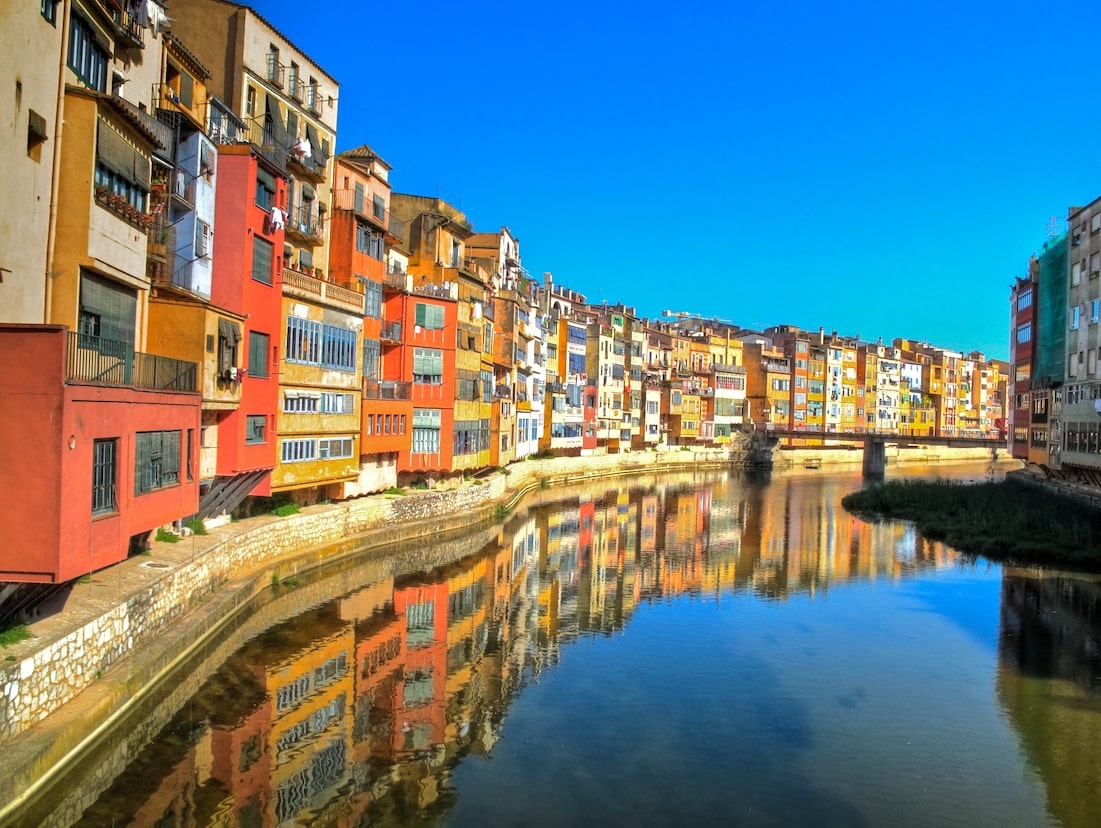
That is a firm call, not a hedge. Both can be excellent on return trips or on longer Catalonia journeys. But for a first Barcelona visit, they usually pull you too far away from the central decision this guide is solving: whether Barcelona itself has had enough space. Girona tends to become another city day before the first city has settled. The Costa Brava can turn into a scenic contrast that is satisfying only if you were already willing to give Barcelona less. On an initial stay, Montserrat and Penedès integrate more cleanly with Barcelona’s rhythm because they answer different needs without creating the feeling that you fled the city too soon.
There is another honest caveat. If architecture is only a side interest and your real priority is coast, countryside, and gastronomy, Barcelona may not be a four-day city base at all. In that case, a shorter Barcelona stay plus somewhere else in Catalonia could be the better design. But that is a different trip from a true first-time Barcelona trip.
The planning mistakes that make Barcelona feel shorter than it is
Barcelona usually disappoints first-timers for sequencing reasons, not because there is too little time on the clock.
The first mistake is treating all Gaudí as one district and therefore one day. People see Sagrada Família, Park Güell, Casa Batlló, and La Pedrera on a map and assume the city is doing them a favor. It is not. The sites have different entry mechanics, different emotional weights, and different best times of day. The block logic of the Eixample helps once you are there, but it does not erase the friction between timed entries, cabs, metro hops, café stops, and security lines.
The second mistake is underestimating the Plaça Catalunya seam between Eixample and the Gothic Quarter. That boundary is useful when the trip is designed well. It is expensive when it is crossed repeatedly with no purpose. Many short stays bounce north for architecture, south for lunch, back to hotel, then south again for old-town wandering. Every one of those resets sounds small. Together they turn Barcelona into fragments.
The third mistake is paying for the wrong kind of upgrade. Paying more for the fanciest hotel base still does not fix a badly sequenced Gaudí day. What helps is a base that keeps Eixample and the old center both practical, or a guide who reduces the decision drag, or transport used strategically on the hardest transitions. A glamorous beachfront room can be lovely, but if each morning starts with a reset from Barceloneta or beyond, the calendar absorbs the cost before you do.
That is also why some premium spends are transformative and others are decorative. A private guide can materially improve the stay when it removes ticket guesswork, holds the narrative together across neighborhoods, and keeps mixed-interest travelers aligned. A chauffeured car can materially improve certain Barcelona days when it links hotel, Park Güell, Sagrada Família, Montjuïc, or an out-of-city excursion without repeated waits and reorientation. But a bigger suite, a more famous lobby, or a hotel chosen for view rather than positioning may change the atmosphere more than the actual trip.
The cut-first rule is simple: if the plan is getting crowded, cut the extra interior before you cut the breathing room between districts. On a first Barcelona stay, that often means not forcing both Casa Batlló and La Pedrera inside, or not insisting on Park Güell plus every central Gaudí house on the same day. Leave something for return trips. The city gains more from shape than from completion.
A good example is the stretch along Avinguda de Gaudí toward Recinte Modernista de Sant Pau. It is a fine decompression move after Sagrada Família because the avenue gives you a clear line, a slower pace, and another layer of Modernisme without another hard queue. What it is not is proof that the rest of the Gaudí day should keep expanding. Barcelona often gives you graceful ways to continue; judgment lies in knowing when to stop.
Likewise, Passeig de Sant Joan can be a lovely bridge between central Eixample and Gràcia when the trip has time. On a short stay, that kind of pleasant drift only works if you have already protected the day from too many fixed appointments. The city rewards the walk after the planning, not instead of it.
There is a mood consequence to all this that experienced planners respect. Barcelona can feel elegant and spacious even when busy, because so much of its charm lives in transitions: an avenue after a narrow lane, a shady square after a broad sunlit block, a proper aperitif after one dense site. When those transitions vanish, the city feels shorter, harsher, and more transactional. Travelers often describe that sensation as crowding, but the deeper cause is rhythm.
Families and mixed-age groups feel this fastest. Children do not mind one standout site if the journey around it has variety. Older travelers often do well with Barcelona precisely because the central areas are legible and the city can be paced intelligently. Both groups struggle when the day becomes a sequence of waiting, checking tickets, and turning up at entrances at the exact right minute. That is not a Barcelona problem. It is a design problem.
So where should the calendar bend? It should bend away from repetition. If you already have one major basilica, one Gaudí residential masterpiece, and one old-town walking stretch, the next win is probably contrast rather than another masterpiece. That contrast can be a market-led meal, sea air, Montjuïc views, Gràcia streets, or the rural counterpoint of Montserrat or Penedès. Barcelona rewards editorial restraint.
Where tailored planning earns its keep in Barcelona
Barcelona is one of those first-trip cities where private guiding earns value by reducing line logic, not by adding ceremony.
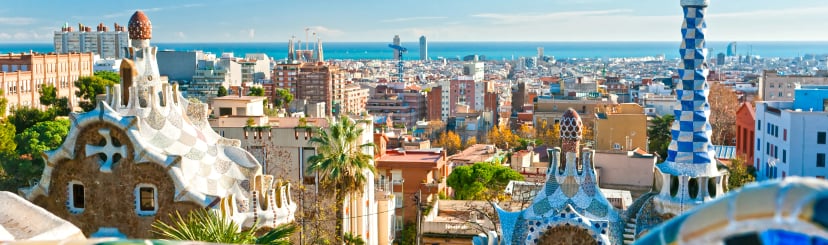
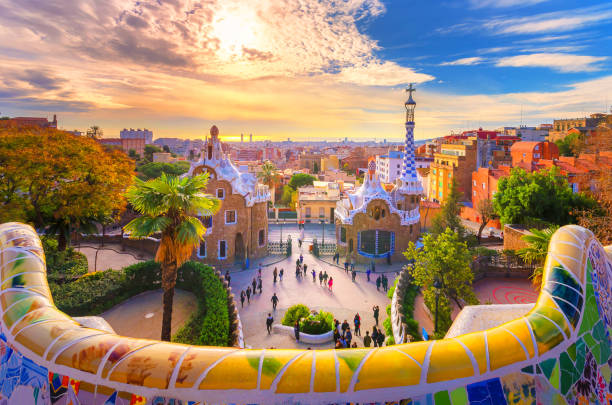
The biggest gain is usually in how reservations are sequenced. Once the day has one immovable anchor—most often Sagrada Família official tickets (https://sagradafamilia.org/en/tickets-individuals)—every other choice becomes easier or harder depending on what is placed around it. The same applies to Park Güell official tickets (https://parkguell.barcelona/en/buy-tickets). A strong planner does not just book them; they decide whether those entries belong on the same day, whether one should be a lighter touch instead of a full interior, and how to keep the corridor between them from swallowing lunch and energy.
That is especially useful for couples balancing architecture with meals, families balancing sight value with patience, and small groups whose members do not all want the same intensity. Barcelona can very easily feel like a sequence of lines: one entry slot on Passeig de Gràcia, another at Sagrada Família, another in the old center, then a scramble for a car or taxi. Good planning breaks that chain.
The best tailor-made trips do three quiet things well. They put the fixed tickets in the right order. They place hotel, neighborhoods, and meals into one believable route. And they spend money only where it changes the day: a guide on the complex day, a driver on the far-flung day, a lighter wandering day when the city can carry itself. That is why a tailor-made Barcelona trip often feels calmer without actually seeing less.
If your dates are set and you want the city arranged so Gaudí, the Gothic Quarter, and either Montserrat or Penedès sit in the right order rather than fighting each other, Inquire now.
FAQ
Is 3 days enough for a first trip to Barcelona?
Yes. Three full days is the best first answer for most travelers because it lets you separate one dense Gaudí day from one looser old-town or neighborhood day and still keep a third day for contrast, recovery, or a carefully chosen add-on. What makes Barcelona feel rushed is rarely the number of nights alone; it is stacking too many timed entries into the same day.
Is 4 days too many for Barcelona?
No, but the fourth day needs a clear job. It is worth it when it either slows the city down or gives you one well-chosen Catalonia contrast such as Montserrat or Penedès. It is not worth it if you use the extra day merely to keep adding interiors that should have been cut in the first place.
Should I do Montserrat or Penedès on a 3-day Barcelona trip?
Usually no, unless one of them is central to why you are coming. On 3 days, Barcelona itself normally deserves the time. Montserrat works better than Penedès when the trip wants scenery, symbolism, and a real change of scale. Penedès works better than Montserrat when food, wine, and a gentler fourth-day feeling are the point. Both choices sit more naturally on a 4-day stay than a 3-day one.
Which extra day trip is the wrong use of time on a first Barcelona stay?
On a first stay of four days or fewer, Girona or the Costa Brava is usually the wrong add-on. Both can be excellent later. On an initial visit, they tend to pull you away before Barcelona has had enough room to become more than a list of famous sites.
Should I stay in Eixample or the Gothic Quarter if I only have a few days?
For most first-time travelers with 2 to 4 days, Eixample is the easier base because it keeps Gaudí sites, shopping, meals, and the old center in a more workable relationship. The Gothic Quarter can be atmospheric and memorable, but its charm does not erase the extra daily resetting that short stays feel more sharply.
Can I see Sagrada Família, Park Güell, Casa Batlló, and La Pedrera in one day?
You can attempt it, but it is rarely the best first-trip design. Even if the city map makes the grouping look reasonable, entry windows, security, photos, transport, and simple mental saturation turn the day into administration. Most travelers are happier choosing three of those experiences, and often happier still choosing two in depth and leaving one for a later visit.
What should I cut first if my Barcelona itinerary is too full?
Cut the extra interior first. Do not cut the breathing room that lets Eixample, the Gothic Quarter, or an evening meal feel like part of the city rather than recovery time between bookings. In practice, that often means not forcing both Casa Batlló and La Pedrera inside on the same short trip, or not adding Park Güell to a day that is already anchored by Sagrada Família and old-town plans.
Is private guiding worth it in Barcelona if I already have tickets?
Often yes, because the value is not only access. It is sequencing, routing, and choosing what not to force. Barcelona is one of those cities where the wrong order makes even premium tickets feel like work. A good guide turns separate reservations into one plausible day and protects the evening from the fatigue that bad planning creates.
If you’re interested in any private tours of Barcelona, please reach out to us.








 So if you are looking for the absolute best in Barcelona & surroundings with authentic local fully-licensed native guides whose English you can actually understand and with an exclusive and amazingly fun itinerary













