Private Royal London for a Five-Star Stay: Buckingham Palace, Kensington Palace and Hampton Court Without Palace Fatigue

Updated
The best royal London plan for a five-star stay is not “all the palaces.” It is Buckingham Palace for exterior pageantry and Westminster context, Kensington Palace only when your hotel base or afternoon rhythm makes it feel easy, and Hampton Court as the higher-payoff royal day when you have time for a chauffeur-supported escape. That verdict works because London’s royal sites are not arranged like a neat museum district: the Paddington side of Hyde Park can make Kensington Palace feel close, while Hampton Court changes the day’s geometry entirely. The clearest exception is seasonal interior access at Buckingham Palace; when the State Rooms are open and that is your priority, the plan should bend around the timed entry rather than pretending the exterior is enough.
The thesis is simple: royal London becomes memorable when you stop treating Buckingham Palace, Kensington Palace and Hampton Court as equal palace checkmarks and start using them as three different planning tools. Buckingham Palace gives the ceremonial axis. Kensington Palace gives a softer, Kensington-side pause. Hampton Court gives the richest full-day royal narrative, but only if you are willing to leave central London properly instead of squeezing it between city stops.
For travelers building a private London stay, this is where expert judgment matters more than attraction enthusiasm. A guide can prevent the royal material from repeating itself, keep the palace-heavy day from becoming a corridor march, and decide when a chauffeur earns its place. Orange Donut Tours builds private London days around that kind of sequencing, from central royal context to Hampton Court routing, with broader options at Private Tours in London.
The royal-London matrix: what each palace actually does for the day
The cleanest comparison is not “which palace is best,” but which palace solves which part of the trip. Buckingham Palace, Kensington Palace and Hampton Court occupy three different roles in a private itinerary: spectacle, softness and depth.
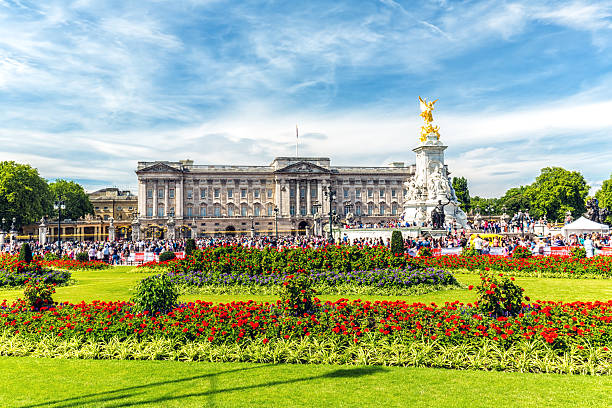
Buckingham Palace: best for exterior pageantry and first-time orientation. It belongs near Westminster, St James’s Park, The Mall and the ceremonial heart of the city. It is the easiest palace to see badly because travelers overvalue the photo stop and undervalue the surrounding route. The building alone is not the whole point; the payoff comes from reading the palace through the parks, processional roads and government quarter around it.
Kensington Palace: best as a gentler add-on from Kensington, Hyde Park or a South Kensington museum day. It works when you want royal context without turning the afternoon into a second formal monument block. It is usually most persuasive for travelers staying in South Kensington, Knightsbridge, Notting Hill, Bayswater or the Paddington side of Hyde Park, and less persuasive when it causes a cross-city taxi reset from the City, Covent Garden or the South Bank.
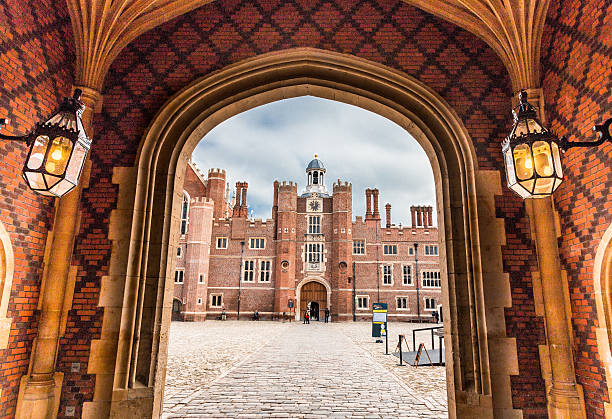
Hampton Court: best as the royal-history day with the largest payoff. It is the one to choose when you want Tudor drama, gardens, scale and a sense of leaving the central city behind. It should not be treated as a quick add-on. The travel time, site scale and return logistics mean it deserves a proper half-to-full-day design, ideally with a guide and chauffeur working together.
The counterintuitive correction is that Kensington Palace is often the overvalued default. Many luxury travelers add it because it sounds central, elegant and easy. It can be all three, but only under the right conditions. If your London plan already includes Buckingham Palace exterior context, Westminster Abbey, the Tower of London and a museum, Kensington Palace can become another set of rooms and labels rather than a meaningful upgrade. In that case, Hampton Court often replaces Kensington, not adds to it.
The cut-first rule is equally direct: when the stay is getting crowded, cut Kensington Palace before cutting Hampton Court, unless your group has a specific Diana, Victorian or Kensington Gardens interest. Buckingham Palace remains useful for orientation even from the outside. Hampton Court delivers a genuinely different royal day. Kensington Palace is the flexible piece.
This is not a criticism of Kensington Palace. It is a planning hierarchy. In a five-star stay, the most expensive mistake is not missing one palace; it is spending a prime London afternoon duplicating tone, movement and information while the evening loses its ease.
Buckingham Palace: exterior first, interiors only when the season makes them real
Buckingham Palace belongs in the plan as a ceremonial anchor, not as a guaranteed interior visit. Most private royal London itineraries should treat the exterior, the forecourt, The Mall, St James’s Park and nearby Westminster context as the reliable core, then adjust only if seasonal interior access is available and worth prioritizing.
This distinction matters because the palace is famous enough to distort expectations. Travelers often say they want to “do Buckingham Palace,” but in practical London terms that can mean three different things: a guided exterior context stop, a timed State Rooms visit when open, or a ceremonial-movement morning built around nearby streets and parks. Those are not interchangeable experiences, and they do not produce the same walking load.
An exterior Buckingham Palace visit is strongest when it is folded into the royal and political corridor. A guide can begin around Westminster, cross through St James’s Park, use Birdcage Walk or The Mall to explain why the palace sits where it does, and then frame the monarchy through the city’s working government rather than through isolated facts. This is where the palace earns its place even when you never step inside: it helps connect Westminster Abbey, Parliament, Whitehall, Horse Guards, St James’s Palace and the ceremonial route into a single story.
The walking consequences are real. Buckingham Palace looks compact on a map, but the royal approach spreads the day across park paths, broad ceremonial roads and crowd-prone edges. A group that walks from Westminster Abbey through St James’s Park to the palace, then continues toward Piccadilly or Mayfair, has not “just stopped for a photo.” They have used a meaningful portion of the morning’s foot budget. That can be pleasant with the right pace and punishing if it is stacked before a long museum, a lunch across town or a theatre night.
Seasonal interior access changes the calculation. When Buckingham Palace State Rooms are open, they can be the central royal experience of a London stay. But that visit should be planned as a timed commitment, not slipped into an already dense Westminster morning. It narrows flexibility, and the day should respect that. If interior access is not available, a private guide should not imply that money, influence or better planning can simply unlock it. Premium spend does not help when public seasonal access is not operating or when a timed-entry structure controls the visit; it may improve the surrounding day, but it does not turn a closed palace interior into an available one.
This is one of the places where restraint feels more luxurious than insistence. A good guide knows when to make the exterior meaningful rather than apologizing for it. For first-time visitors, Buckingham Palace outside can be enough if it is paired with strong context and not treated as the whole morning. For repeat visitors or travelers with a strong royal-interiors focus, the seasonal State Rooms deserve a more deliberate slot.
The best central sequence is usually Buckingham Palace exterior after, or alongside, Westminster context. It can sit before a refined lunch, before a lighter gallery stop, or before a return to the hotel. It should not be forced before Hampton Court on the same day unless the group has unusual stamina and the route is intentionally designed as a long royal marathon. Even then, the day risks becoming a blur of gates, rooms and processional history.
Kensington Palace works best as a soft Kensington-side add-on
Kensington Palace is best when it feels geographically natural. It is a graceful add-on from Kensington Gardens, South Kensington, Knightsbridge, Bayswater, Notting Hill or the Paddington side of Hyde Park; it is less convincing when it requires a cross-city transfer simply because another palace sounds desirable.
The value of Kensington Palace is mood and scale. Compared with Hampton Court, it is softer. Compared with Buckingham Palace, it is less ceremonial. It can give families, couples and older travelers a royal-history layer without making the day feel like a heavy monument circuit. But it needs to be placed carefully. The surrounding parkland, the slower approach through Kensington Gardens, and the possibility of pairing it with a relaxed lunch or a South Kensington museum are what make it work.
For guests staying in South Kensington, Kensington Palace can be a polished half-day component: hotel pickup, Kensington Gardens, palace visit, then a measured continuation to a museum, Hyde Park, Knightsbridge or a calm return. For guests staying in Mayfair, it can work if the day has a westward logic. For guests staying in Covent Garden, the City or the South Bank, the palace becomes a more deliberate detour. That is not automatically wrong, but it needs to earn the transfer.
The risk is repetition. Kensington Palace can feel underpowered if it follows a dense morning of Westminster Abbey, Buckingham Palace exterior and ceremonial explanation. By that point, the group may not need another royal residence; they may need contrast. A private guide should notice that before the itinerary locks. For some travelers, the better move is to leave Kensington Palace out and use the afternoon for the National Gallery, St James’s, Marylebone, a Thames element or simply a hotel reset before dinner.
That is especially true for families. Children may enjoy a palace when the story is focused and the movement changes often, but they rarely benefit from three royal stops in one day. Kensington Palace can be family-friendly when it is the main royal interior of a gentle morning. It becomes harder when it is the third formal stop after crowds, security checks and adult-heavy narration. For a family-first version of London pacing, the adjacent planning logic in London with kids for a premium first trip is often more useful than trying to prove that every palace belongs.
The body consequence is simple: London’s royal route can tire you less through distance than through stop-start friction. You walk through parks, slow down at gates, wait at crossings, pause for context, regroup after security, re-enter the street, find the car, and then repeat. That rhythm drains attention even when the total mileage looks modest. Kensington Palace should therefore be used when it lowers the day’s pressure, not when it adds one more formal threshold.
Where premium spend helps at Kensington is not in making the palace itself more palatial. It helps in the surrounding choreography: selecting the right approach through the gardens, deciding whether to pair it with a museum or hotel reset, timing lunch so the afternoon does not sag, and avoiding a taxi slog at the wrong hour. Where premium spend does not earn its cost is forcing a chauffeured cross-town journey solely to add a palace that your group does not strongly care about.
Hampton Court should often replace, not follow, a second central palace
Hampton Court is the strongest royal-history choice when you have enough time to leave central London properly. It should usually replace a second central palace, not follow Buckingham Palace and Kensington Palace as a third royal layer.
This is the editorial call that saves many five-star London stays from palace fatigue. Hampton Court is different in kind. It is not just another residence; it changes the scale, the period, the setting and the day’s tempo. The Tudor story gives the guide richer drama, the gardens alter the physical rhythm, and the location outside central London gives the group psychological distance from the city’s denser tourist pattern.
The tradeoff is that Hampton Court is not a casual stop. It takes planning space. Whether reached by chauffeur, rail-supported routing or a tailored combination, it asks the day to commit. A group that tries to do Buckingham Palace exterior, Kensington Palace and Hampton Court in one day is usually paying for the privilege of feeling rushed. The better version is to use Buckingham Palace exterior for central ceremonial context on one day, then give Hampton Court its own royal day when the trip length allows.
Hampton Court is especially strong for travelers who dislike shallow sightseeing. It gives a private guide room to build a more layered arc: Tudor power, palace life, gardens, later royal occupation and the difference between royal spectacle in central London and royal residence on the edge of the city. It also works well for small groups because the guide can calibrate how much time to spend inside versus outside, how to pace the gardens, and when to pause before the return.
The route consequence is the point. Once you leave central London, the quality of the transfer affects the whole day. A chauffeur-supported Hampton Court plan is not about status display; it is about reducing decision fatigue, smoothing pickup and return, and giving the guide a cleaner arc. It can be particularly valuable if the group includes older parents, younger children, celebration travelers in dressier clothing, or guests with a dinner reservation that should not be jeopardized by a ragged late return. For a specific route option, Windsor Castle & Hampton Court Private Tour is the most relevant next step, though many travelers will choose Hampton Court without adding Windsor if the goal is to avoid royal overload.
There is an important caveat. Hampton Court is not the best choice when the stay is only two full days and the traveler has never seen the Tower of London, Westminster Abbey or the city’s central historic spine. In that case, Hampton Court may be magnificent but mistimed. It is more persuasive on a four- or five-day stay, on a repeat visit, or when the group has a declared royal-history priority. If your trip length is still unsettled, How many days in London for a bespoke first trip is the planning question to answer before you add another palace.
Hampton Court also changes the trip mood. Central royal sightseeing can feel public, ceremonial and watched; Hampton Court can feel more expansive and absorptive when paced well. The day breathes differently because the group is no longer ricocheting between traffic, parks, security lines and dense central pavements. That mood is one of the reasons it can be the higher-payoff choice for discerning travelers: it gives the royal theme a different emotional register instead of extending the same one.
How to sequence Buckingham Palace, Kensington Palace and Hampton Court without palace fatigue
The best sequence is usually central ceremony first, softer Kensington only if it fits the base, and Hampton Court on a separate day when the itinerary has room. Palace fatigue is less about the number of sites and more about repeating the same kind of attention.
For a three-day London stay, the royal plan should be disciplined. Use Buckingham Palace exterior as part of a central Westminster morning, then choose either Kensington Palace or Hampton Court depending on your hotel base and priorities. Do not try to make all three compulsory. A first-time visitor with limited days will usually get more from Buckingham Palace exterior plus the Tower of London or Westminster Abbey than from adding Kensington Palace just to increase the royal count.
For a four-day stay, Hampton Court becomes easier to justify. The city has enough room for one central royal-political day, one museum or food-and-wine day, one Hampton Court or other day-trip day, and one flexible neighborhood or Thames-led day. This is where royal London starts to feel curated rather than crowded. Hampton Court does not steal from the city; it gives the itinerary a well-shaped outward movement.
For a five-day stay, the mix can be more generous, but the cut-first rule still applies. Buckingham Palace exterior remains an orientation tool. Kensington Palace belongs if the west-London base or Kensington Gardens mood suits the group. Hampton Court belongs if you want a substantive royal day. The mistake is assuming a longer stay means every palace must be used. Sometimes the better fifth-day upgrade is a food-and-wine route, a shopping day, a Thames plan, or a museum chosen with care.
Hotel base should shape the order more than many travelers expect. From Mayfair, Buckingham Palace and St James’s feel natural, while Kensington Palace may still be manageable with the right westward plan. From South Kensington, Kensington Palace becomes easier and Buckingham Palace still pairs well with a central morning. From Covent Garden, Westminster and theatre-night logic matter more; adding Kensington late can produce backtracking. From the City or near Tower Bridge, a Hampton Court day benefits from deliberate pickup and return because the site is not part of the central hotel orbit.
Theatre nights deserve special attention. A royal day that ends with a West End performance should not return from Hampton Court at the last possible moment, nor should it end with a cross-town scramble from Kensington to Covent Garden in dress shoes. London can look forgiving on a map and then punish the day with one awkward transfer. If theatre is fixed, either keep the royal day central or make Hampton Court an earlier, cleaner outing with a hotel reset before the evening.
The smoother private plan often looks like this: Buckingham Palace exterior and Westminster context on one day; Kensington Palace only if it sits beside a west-London hotel, park walk or museum pairing; Hampton Court as its own guided escape with chauffeur support when the trip length allows. This is where a private guide and driver can prevent repetition: the guide controls the story arc, the driver reduces the reset points, and the itinerary stops pretending that every palace belongs in one heroic sweep. For a more comfort-led view of vehicle use in London, see whether a chauffeured London day is worth it.
When this planning handoff is done well, the royal theme feels deliberate rather than heavy. Orange Donut Tours can shape the palace mix around your hotel base, seasonal access, mobility needs, dinner plans and appetite for royal history. To discuss a Buckingham Palace exterior morning, a Kensington-side add-on or a chauffeur-supported Hampton Court day, Inquire now.
Where royal history should give way to food, wine or a calmer evening
Royal London is strongest when it leaves room for a good evening. If the palace plan consumes the whole day, the dinner that should have felt celebratory can become recovery.
This matters for couples and celebration travelers. A day that begins with Westminster context, moves through Buckingham Palace exterior, adds Kensington Palace, then pushes onward to a formal dinner may look premium on paper. In reality, it can flatten the evening. The body is tired from crossings and thresholds. The mind has heard too many dynastic names. The group arrives at dinner with less curiosity than the reservation deserves.
A better approach is to decide early whether the day’s emotional high point is royal history or the evening table. If Hampton Court is the main event, keep dinner elegant but not overcomplicated. If a major restaurant is the main event, keep the royal route central and measured. London rewards this restraint because its best evenings often depend on arriving unhurried, not merely well dressed.
This is also where sparse primary-source links can help without turning a travel article into a restaurant guide. If your royal day is leading into a serious dinner, confirm the restaurant’s current menu and reservation structure directly rather than relying on old writeups. For example, use Ikoyi menu & reservations (https://www.ikoyilondon.com/) for the latest details from Ikoyi, See the current three‑course lunch menu (https://www.theritzlondon.com/restaurant-three-course-lunch-menu) for The Ritz’s lunch reference, or See the official Harmonie tasting menu (https://www.alainducasse-dorchester.com/menus/Harmonie-Menu-October-2025.pdf) when a Dorchester dining plan is part of the wider stay. The palace decision should then be made around the evening’s energy, not around a desire to fill every daylight hour.
For food-and-wine travelers, the royal theme can be powerful in half measures. A Buckingham Palace exterior route through St James’s and Mayfair can lead into a refined lunch without dragging the group through a second interior. A Kensington Palace morning can pair with a gentler west-London afternoon if the group is staying nearby. Hampton Court can be followed by a relaxed dinner rather than the most elaborate tasting menu of the trip. The point is not to downgrade the evening; it is to make sure the day before it does not steal from it.
Travelers planning a food-led day elsewhere in the stay can keep royal London more compact and use the separate culinary plan for depth. The adjacent guide to a curated London food-and-wine day is a better place to solve Mayfair, Marylebone or Borough Market choices than a palace-focused itinerary. Do not make one day solve every London desire.
What to skip, upgrade and protect in a private royal London plan
The smartest royal London plan protects attention before it protects quantity. Skip the palace that repeats the mood, upgrade the transfer only when it changes the day, and protect the evening reset as carefully as the main admission.
Skip a third palace unless your group is explicitly palace-focused. Buckingham Palace exterior, Kensington Palace and Hampton Court can all be worthwhile, but together they often produce diminishing returns. The itinerary starts to feel like a theme exercise rather than a London stay. If the group includes mixed interests, one central palace context plus one deeper royal experience is usually enough.
Upgrade the guide before the ornament. A private guide can turn Buckingham Palace exterior from a photo stop into a meaningful ceremonial walk. A guide can decide whether Kensington Palace belongs or whether the group is better served by a park pause, museum contrast or hotel return. At Hampton Court, a guide can shape the historical arc so the site does not become a long sequence of rooms. That is a better use of premium spend than adding another formal stop.
Upgrade the chauffeur when distance, clothing, age mix or timing makes the day more fragile. Hampton Court is the clearest case because the transfer itself can determine whether the day feels composed or draining. A chauffeur can also help when the group is moving from Westminster to Kensington and then to a fixed dinner, but only if the routing is coherent. A car cannot make an overpacked plan elegant; it can only reduce some of the visible friction.
Do not overvalue “skip-the-line” language where the real constraint is not a line. At some royal sites, the limiting factor is seasonal access, timed entry, security rhythm, crowd density or the fact that the group has already absorbed too much similar material. Paying more does not always solve those constraints. Premium spend does not help when the underlying itinerary is asking travelers to care about the same theme for too many consecutive hours.
Protect one reset. In London, a reset can be a hotel return, a slow lunch, a quiet park crossing, or simply not adding the extra interior. This is not softness for its own sake. It is how the day keeps its shape. A group that pauses well can remember more, ask better questions and enjoy dinner. A group that pushes through every palace may technically see more and remember less.
For older parents or mixed-mobility groups, the palace decision should be even stricter. Buckingham Palace exterior can be managed if the route uses sensible paths and does not require prolonged standing. Kensington Palace may work well from a west-London base. Hampton Court can be excellent with a chauffeur and a measured pace, but it should not be added after a demanding central morning. The planning principles in London with older parents are useful whenever comfort and attention matter more than maximal coverage.
Best royal London routes by traveler type
Different travelers need different palace mixes, but the winning plan usually keeps one palace role dominant. Use the following routes as decision patterns, not as rigid itineraries.
For first-time couples staying in Mayfair or St James’s
Choose Buckingham Palace exterior with Westminster and St James’s context, then decide whether Hampton Court deserves a separate day. Kensington Palace is optional, not automatic. This route keeps the first royal morning central and leaves space for a polished lunch or a calm evening.
For families staying in South Kensington
Choose Kensington Palace only if it is the main royal interior of a gentle half-day. Pair it with Kensington Gardens, a museum chosen carefully, or a hotel return. Do not add it after a heavy Westminster morning unless the children are unusually interested and the day is deliberately short elsewhere.
For royal-history travelers with four or five days
Choose Buckingham Palace exterior for ceremony and Hampton Court for depth. This is the strongest two-part royal plan because the experiences differ in setting, scale and story. Kensington Palace becomes a niche addition only if its specific material matters to the group.
For celebration travelers with a major dinner
Keep the daytime royal plan elegant and contained. Buckingham Palace exterior plus St James’s, Mayfair or a light museum pairing often works better than a multi-palace push. If Hampton Court is the day’s main event, avoid making the same evening the most demanding tasting-menu night.
For repeat London visitors
Let Hampton Court take the lead. Repeat visitors rarely need another quick Buckingham Palace photo unless they want to reframe the ceremonial axis. Kensington Palace can still be worthwhile, but only if it supports a west-London day rather than filling a gap.
For small private groups with mixed interests
Use Buckingham Palace exterior as common ground, then split the deeper choice: Hampton Court for history lovers, Kensington Palace for a gentler west-London pace, or no second palace if the group would be happier with food, shopping, a Thames route or a museum. A private tour should reduce compromise fatigue, not hide it.
FAQ
Can you visit inside Buckingham Palace on a private royal London tour?
Only when public seasonal access is available and the visit is planned around the relevant timed entry. A private guide can make the exterior and surrounding ceremonial route meaningful year-round, but should not promise Buckingham Palace interiors when access is not operating.
Is Buckingham Palace or Hampton Court better for royal history?
Hampton Court is usually better for a deeper royal-history day because it offers more narrative range, site scale and contrast from central London. Buckingham Palace is better for ceremonial orientation and first-time context around Westminster, St James’s Park and The Mall.
Should Kensington Palace be included with Buckingham Palace?
Kensington Palace should be included only when it fits your hotel base, interest and pacing. It works well as a softer Kensington-side add-on, but it can feel repetitive after a dense Buckingham Palace and Westminster morning.
Can you see Buckingham Palace, Kensington Palace and Hampton Court in one day?
You can attempt it, but it is usually the wrong private luxury plan. The day becomes transfer-heavy and repetitive, and Hampton Court loses the space it needs. A better plan separates central royal context from Hampton Court or cuts Kensington first.
Is Hampton Court worth the travel time from central London?
Hampton Court is worth the travel time when you have a four- or five-day stay, a strong royal-history interest, or a repeat visit where central London has already been covered. It is less persuasive on a very short first trip that still needs Westminster, the Tower or a core museum.
Where does a chauffeur help most in a royal London itinerary?
A chauffeur helps most with Hampton Court, mixed-age groups, fixed dinner plans and routes that would otherwise create awkward cross-city resets. It helps less when the itinerary is already central and walkable, or when the real problem is too many palace stops.
What should we cut first to avoid palace fatigue?
Cut Kensington Palace first unless it is central to your interests or naturally fits your west-London base. Keep Buckingham Palace exterior for orientation and consider Hampton Court as the deeper royal experience when the trip has room.
How many royal sites are enough for a five-star London stay?
For most private stays, one central royal context route plus one deeper royal experience is enough. That usually means Buckingham Palace exterior and either Hampton Court or Kensington Palace, depending on time, base and interest.
The final planning judgment
Royal London is not improved by stacking palaces until the theme collapses under its own prestige. The stronger plan gives each site a job. Buckingham Palace frames the ceremonial city. Kensington Palace softens a west-London day when the geography supports it. Hampton Court becomes the higher-payoff royal excursion when time allows and the group wants depth.
The most elegant version is often the least crowded: central royal context first, one carefully chosen interior or excursion later, and enough breathing room for the evening to still feel like part of the trip rather than a recovery period. That is how Buckingham Palace, Kensington Palace and Hampton Court can belong in one five-star stay without all belonging in one day.
If you’re interested in any private tours of London, please reach out to us.















 So if you are looking for the absolute best in London & surroundings with authentic local fully-licensed native guides whose English you can actually understand and with an exclusive and amazingly fun itinerary













