Which London Palace Day Fits the Trip: Kensington, Hampton Court or Windsor?

Updated
Verdict: choose Kensington Palace when London itself is your main trip and you need a royal interior that leaves the day intact; choose Hampton Court when Tudor and Baroque depth deserves one dedicated palace day; choose Windsor when you want the castle to be the main excursion, not a stop squeezed between city sights. This works in real London conditions because the palace choice changes your hotel return, your crossing of the river, and whether dinner feels like a reward or a second logistical test. The clearest exception is the traveler who came for castle scale: if the ceremonial State Apartments, St George’s Chapel, and a Thames Valley rhythm matter more than a quiet Mayfair evening, Windsor should lead the day.
The Kensington Palace to Hampton Court to Windsor decision triangle is not a beauty contest; it is a planning-cost triangle, where every palace asks you to spend a different mix of time, walking load, transfer attention, and evening energy. The real question is city palace versus day-trip palace: Kensington behaves like a London interior, Hampton Court behaves like an estate day, and Windsor behaves like an excursion.
The correction that saves many London itineraries is this: Mayfair is not automatically the easiest base for every palace day. It is excellent for Kensington and usually comfortable for a chauffeured Windsor day, but it is not naturally aligned with Hampton Court by rail because the cleanest train logic begins at Waterloo. A glamorous west-end address can still create a cross-river start before the palace visit has even begun.
If your question is how to fold Buckingham Palace, St James’s, or Kensington into a lighter royal city day, the adjacent planning guide is Private Royal London without palace fatigue. This article stays narrower: which one palace day deserves the slot.
The palace-day matrix: choose by planning cost, not by fame
The cleanest choice comes from matching the palace to the kind of day you can afford inside your London stay. The visible tradeoff is history; the hidden tradeoff is what happens after the palace, when your group still needs to get back across town, change for dinner, or keep children from feeling as if the day became a transport exercise.
Kensington Palace. Best when the trip is three or four nights, the hotel base is Mayfair, Knightsbridge, South Kensington, Marylebone, or Notting Hill, and the evening matters. Its planning cost is low because it sits inside the city and pairs naturally with Kensington Gardens, Hyde Park, South Kensington museums, or a softer west-side afternoon. Its historical payoff is more intimate than monumental: court life, Victoria, royal domesticity, and the way monarchy lived inside London rather than above it.
Hampton Court. Best when palace history is the point of the day and the group is willing to give up a large slice of central London. Its planning cost is medium to high because the visit pulls you southwest, often through Waterloo or a longer road approach, and because the estate rewards time. Its payoff is the richest palace interior of the three for travelers who want Tudor rooms, kitchens, courtyards, gardens, and the later Baroque layer in one coherent arc.
Windsor. Best when you want a true royal excursion, castle scale, chapel gravity, and a town setting beyond London. Its planning cost is high enough that it should own the day. Windsor works beautifully when the return can be unhurried, when Heathrow or a Thames Valley routing helps, or when the group wants one major excursion rather than another central London monument.
For a first-time stay with one palace slot, Kensington is the default winner because it spends the least of the trip. Hampton Court is the runner-up when history depth matters more than evening ease. The wrong fit is trying to turn Windsor plus Hampton Court into one first-time day. This is not a ranking of palace quality; it is a ranking of fit under real trip constraints.
Before fixing a date, use official visitor pages for live operational details: Kensington Palace (https://www.hrp.org.uk/kensington-palace/), Hampton Court Palace (https://www.hrp.org.uk/hampton-court-palace/), and Windsor Castle (https://www.rct.uk/visit/windsor-castle). The editorial choice can be evergreen, but public-room access, special events, and visit conditions are always date-specific.
When Kensington is enough
Kensington is enough when the palace is meant to enrich a London day rather than take command of it. This is the choice for a first visit where the trip already includes Westminster, the Tower, a major museum, a theatre night, or a serious dinner, and the palace needs to add royal context without draining the schedule.
The local detail that matters is the entrance logic. Kensington Palace looks central on a hotel map, but the public approach sits on the Kensington Gardens side, so the final stretch is often a park walk or a managed drop near Kensington Road, Palace Gate, or the Broad Walk rather than a ceremonial front-door arrival from Mayfair. That is not a flaw; it is the reason the visit can feel humane. The day begins with green space, not with another hard queue line on a traffic-heavy avenue.
Choose Kensington for couples who want a lighter royal interior before a Mayfair or West End evening, for families who need an exit into Kensington Gardens rather than a second enclosed attraction, and for older travelers who benefit from a shorter touring radius. It also suits travelers who care about women in royal history, Queen Victoria’s early life, and the domestic side of monarchy. Kensington does not deliver the fortress drama of Windsor or the Tudor theatre of Hampton Court. It delivers scale that still lets the rest of London breathe.
The city does something physical to a palace day that planners often underestimate. London makes you climb in small increments, stand through entry moments, cross broad roads, move from pavement to park gravel, and make repeated decisions about whether the Tube, taxi, or walking route is now the least tiring option. Kensington keeps those decisions smaller. From South Kensington, Knightsbridge, or Mayfair, a well-paced morning can end with lunch nearby or a return through Hyde Park without turning the afternoon into a recovery operation.
Cut Kensington first only when the group wants one palace to feel like the whole day’s main event. It can feel too modest for travelers who have already set their expectation around castle walls, long chapel history, or Henry VIII. It is also the wrong choice if the trip has already overused west London and the group needs a change of scenery rather than another elegant, contained interior.
Kensington becomes especially persuasive when dinner is fixed. A reservation-led evening changes the value of the palace. If the day ends at a place such as Ikoyi menu & reservations (https://www.ikoyilondon.com/) near the Strand, or at a Mayfair dining room where the group wants time to dress and arrive composed, Kensington is the palace that leaves room for the evening to matter. Hampton Court can still work before a major dinner, but it asks more discipline. Windsor before a serious dinner often makes the day feel as if it has two peaks and not enough valley between them.
When Hampton Court deserves a dedicated day
Hampton Court deserves a dedicated day when your main interest is palace history rather than royal symbolism. It is the strongest choice for travelers who want rooms, kitchens, courtyards, gardens, and architectural contrast to tell one long story instead of sampling monarchy in fragments.
The mistake is treating Hampton Court as “a little outside London.” It is not distant in the way Bath or Oxford is distant, but it still pulls the day away from the central sightseeing grid. The most legible public-transport version starts with Waterloo and ends at Hampton Court station, with the palace reached after crossing Hampton Court Bridge. That bridge crossing is a useful cue: you have left the city-palace pattern and entered a riverside estate day. By car, the approach can be comfortable, but London’s southwest traffic can make the outing feel wider than the mileage suggests.
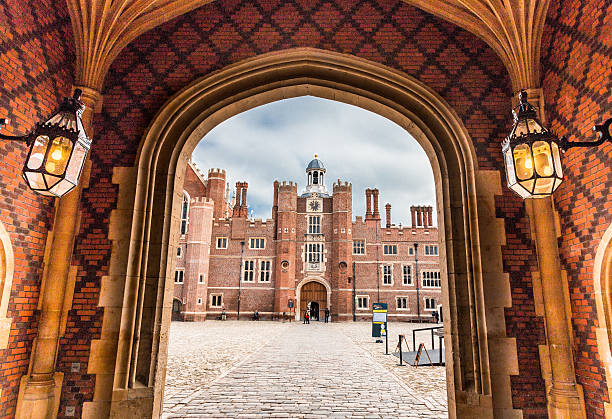
Hampton Court earns that effort when the group has the patience for layers. The Tudor route gives the day a human pulse: kitchens, Great Hall, processional rooms, and the political theatre of Henry VIII’s court. The later Baroque apartments then change the mood, showing a different monarchy with different architectural ambitions. Add the gardens, courtyards, and river setting, and the visit becomes too large to treat as an afterthought.
This is the palace for travelers who dislike thin royal-family trivia and want context that can hold a full conversation. A private guide can make the day sharper because Hampton Court is not one story; it is several stories occupying the same estate. Without curation, groups often overstay in the first interior, drift through the later apartments, and reach the gardens when everyone has stopped absorbing detail. The better rhythm is to decide before arrival whether the day is Tudor-led, architecture-led, garden-led, or family-paced.
Hampton Court also changes the meal pattern. A central London lunch before going out wastes momentum, while a late return after a full palace visit can leave the group too tired for a formal evening. The better day often treats lunch as part of the Hampton Court arc and keeps dinner closer to the hotel, not across another neighborhood seam. If the hotel is near Waterloo, Westminster, South Bank, or Covent Garden, the rail logic can be pleasingly direct. If the hotel is deep in Mayfair or Kensington, a chauffeur may improve comfort, but it will not make the palace feel central.
The wrong way to do Hampton Court is to bolt it onto Windsor or to pretend it is a quick garden stop. The estate has too much interior mass and too many directional choices for that. When the group is short on time, cut Hampton Court before shrinking it into a rushed two-hour checklist. A shortened Hampton Court can feel less satisfying than Kensington because you still pay the travel cost but lose the depth that made the outing worthwhile.
There is a narrow second-stay exception for travelers who already know London well and want a deliberately ambitious royal day. In that case, a specialist route such as Windsor Castle and Hampton Court together can make sense only when expectations are controlled, one palace is treated selectively, and the evening is kept quiet. It should not be sold to a first-time visitor as a graceful way to “cover both.”
When Windsor belongs as the main excursion
Windsor belongs as the main excursion when the day needs castle scale, chapel weight, and a sense of leaving London behind. It is the right choice when the group wants a royal place that feels politically and ceremonially larger than a city palace.
The local consequence begins before you enter the Castle. Windsor is not just “outside London”; it is a town arrival with an uphill castle relationship. Whether the day arrives by road or rail, the visit has a different body feel from Kensington. You are moving through a town, orienting around the Castle mound, and dealing with a site where distances and outdoor exposure are part of the experience. That gives Windsor its impact, but it also means the return should not be treated as a casual hop back to a 7:30 dinner.
Windsor is the best fit for travelers who want St George’s Chapel to anchor the day, who care about state ceremony, or who prefer one major excursion over a collage of London interiors. It is especially sensible when the trip already has strong central London coverage: Westminster on one day, the Tower on another, perhaps a museum morning or Thames route elsewhere. In that pattern, Windsor gives the stay a broader royal geography rather than another urban interior.
The return matters as much as the outward journey. A good Windsor day should not end with the group checking watches in late afternoon traffic while trying to salvage a theatre night. It should either come back to a relaxed hotel evening, a simple local dinner, or a plan that accepts the day’s scale. If your only open day is the one before an early departure, Windsor may still be useful, but the logistics should be designed around the airport or onward route, not around a fantasy of a full city evening afterwards. For the specific arrival-day version, use Windsor on arrival or as a separate London day.
Windsor is also where a private guide and chauffeur can change the feel of the day without pretending distance disappears. A guided Windsor day can keep the Castle visit focused, pace the chapel and state rooms with context, and prevent the town portion from becoming dead time. A chauffeur can reduce luggage anxiety, simplify hotel collection, and make the return more comfortable. For a Windsor-only plan, see Windsor Castle private touring from London.
The wrong fit is the traveler who wants a light palace taste before a demanding evening. Windsor is not overvalued as a royal site; it is over-forced as an add-on. If your group has a West End performance, a long tasting menu, or children who fade after a full morning of interiors, Windsor should either move to another day or be replaced by Kensington. The Castle deserves a day shape that respects the excursion.
How hotel base and dinner plans change the verdict
Your hotel base can flip the palace answer because London travel time is not symmetrical. A palace that looks simple from one neighborhood can become surprisingly awkward from another once you account for station access, river crossings, road traffic, and the need to return presentably for the evening.
From Mayfair, Kensington is the easiest palace to make feel elegant. The route can stay west, the return can be short, and the day can pair with Hyde Park, Kensington Gardens, or a room pause before dinner. Windsor is also comfortable from Mayfair when the day is chauffeur-led and allowed to be an excursion. Hampton Court is the one that asks for more thought: a Mayfair hotel is not naturally married to Waterloo, and a road route southwest can feel slow at the wrong time of day.
From South Kensington, Knightsbridge, or Chelsea, Kensington becomes almost too easy to justify, which is useful for families and older parents but can feel under-ambitious for serious heritage travelers. Hampton Court can work well from this west-side base if the day is road-led and not fighting a theatre-night return. Windsor is viable, but it should still be treated as a proper outing, not as a morning errand before shopping.
From Covent Garden, Westminster, or the South Bank, Hampton Court gains ground because Waterloo is simpler to reach and the return can flow back into the central evening grid. This is the base pattern where a rail-led Hampton Court day can feel crisp rather than cumbersome. Kensington remains easy enough, but it may require a westward detour that does not naturally serve the rest of the day. Windsor remains a full excursion.
From Marylebone or Regent’s Park, the choice depends on the day after the palace. Kensington is calm and westward. Windsor is manageable with a driver. Hampton Court needs deliberate staging because the first move south can add friction before the actual palace travel begins. The more people in the group, the more those first 20 minutes matter. A couple can absorb a cross-town start; a three-generation family often cannot.
Dinner geography is the second deciding layer. A palace day before a serious dinner should preserve appetite, conversation, and the desire to dress rather than simply deliver people to a table. Kensington is the safest before Mayfair, Marylebone, Knightsbridge, or a Strand-area dinner. Hampton Court before dinner works when the meal is near the hotel and the return is not rushed. Windsor before dinner works only when the dinner is intentionally simple or the group has unusual stamina. For a more detailed evening filter, use London before a serious dinner.
The mood consequence is real. Kensington usually makes the day feel shorter than it is because the return is familiar and the park softens the edges. Hampton Court makes the day feel absorbed and history-rich, but only if the evening is kept low-pressure. Windsor makes the trip feel grander and more complete, yet it can flatten the night if the return becomes a race. The best palace choice is the one that lets the day end with a clear mood rather than a logistical aftertaste.
Which palace fits a 3-, 4- or 5-night London stay?
Trip length should narrow the palace field before taste does. A three-night London stay usually cannot afford a full excursion unless the traveler is willing to give up another major London day; a five-night stay can usually support one palace outside the city if the surrounding days are not overloaded.
Three nights: Kensington unless Windsor is the emotional reason for London
For a three-night first visit, Kensington is the cleanest palace fit because it does not force the rest of the itinerary to bend around it. The day can still include a park walk, one museum edge, shopping, afternoon tea, or a hotel pause before dinner. Windsor can replace Kensington only when the Castle is the emotional reason for the trip. Hampton Court is harder in three nights unless the group is already skipping another central London priority. The trip can absorb one deep royal day, but it cannot absorb a deep royal day plus all the usual first-time expectations without something becoming thin.
Four nights: let the second major day decide
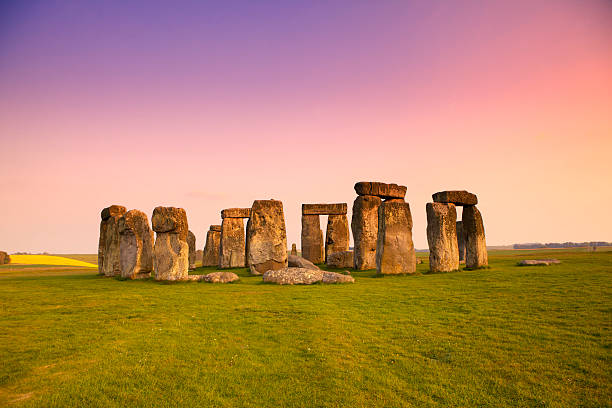
Four nights is the most interesting version because all three choices can be right. If the second major day is the Tower, Westminster, or a dense museum plan, Kensington keeps the palace layer elegant and contained. If the second major day is lighter, Hampton Court can become the heritage center of the trip. If the group wants one outing beyond London and does not need Bath, Oxford, or Stonehenge, Windsor becomes the most legible excursion. This is where the broader trip-length question matters; the related guide on how many days in London for a bespoke first trip can help place Windsor beside other day-trip candidates.
Five nights or more: choose the palace that changes the texture of the stay
With five nights or more, do not choose the palace that merely repeats the mood of days you already have. If the trip is heavy on Westminster, the Tower, and official London, Hampton Court may add domestic, Tudor, and garden depth. If the trip has been museum-heavy and urban, Windsor may supply the one excursion that makes the stay feel broader. If the itinerary already includes several long outings, Kensington may still be the more sophisticated choice because it gives the royal layer without another day away from the city.
The trip-length rule is not about endurance alone. It is about memory separation. Kensington becomes a chapter inside a London day. Hampton Court becomes a whole chapter of royal history. Windsor becomes the excursion chapter. The right choice is the one your itinerary can remember clearly rather than one more famous name competing for the same tired afternoon.
The two-palace temptation: what to stop forcing
Do not attempt two palace interiors in one day when the trip is a first London stay, when dinner matters, or when the group includes children, older parents, or anyone who does not enjoy long sequences of rooms. The apparent efficiency usually comes from ignoring the transfer reset between sites.
Kensington plus Hampton Court sounds reasonable because both are associated with Historic Royal Palaces. In real travel terms, it can feel oddly shaped: a west London park palace, then a southwest riverside estate, then a return into the city. Hampton Court plus Windsor sounds tempting because both sit beyond the densest center, but they do not line up as a single graceful royal corridor for first-timers. The day becomes a sequence of arrivals and departures, with the actual palace time compressed at both ends.
Premium spend does not help when the plan is fundamentally too crowded: upgraded transport does not make Windsor plus Hampton Court a graceful first-time day. A chauffeur can remove some waiting, improve privacy, and make the vehicle time more comfortable, but it cannot turn two large heritage interiors into one calm day. The group still has to enter, orient, listen, walk, absorb, exit, and emotionally start again.
Where premium spend does help is in choosing one palace and making the day cleaner. A private guide can turn Hampton Court from a sprawl into a controlled narrative. A chauffeur can make Windsor more composed, particularly with luggage, hotel changes, or a Heathrow-adjacent plan. A private transfer can also make Kensington easier for travelers who struggle with long walks through the park or who need a precise dinner return. For citywide transport judgment, compare the route logic in Luxury chauffeured London private touring.
The cut-first rule is simple: when the itinerary starts to strain, cut the second palace before you cut lunch, park air, or the return buffer. A hungry group moving from one palace interior to another does not become more cultured; it becomes less attentive. The better luxury is not more rooms. It is enough space between rooms for the history to land.
How a private palace day should be shaped
A private palace day should make one clear choice and then design the rest of the day around that choice. The planning value is not in adding every royal site; it is in matching palace depth to the traveler’s actual London stay.
For Kensington, the private value is selectivity. The visit can focus on the rooms and stories that matter, then widen into Kensington Gardens, a west-side museum edge, or a calm return to the hotel. This is where a guide should resist over-explaining royal family chronology and instead connect the palace to London’s geography: court, park, neighborhood, and evening. The day stays within a human radius.
For Hampton Court, the private value is narrative control. The guide should decide whether Henry VIII, architectural transformation, gardens, or family pacing leads the day. A history-led group may want more Tudor politics and less garden time. A family may need kitchens, courtyards, the maze, and fewer long set-piece explanations. A design-minded traveler may want the shift from red-brick Tudor to Wren-era Baroque to carry the visit. The same palace can produce very different days.
For Windsor, the private value is proportion. The Castle, chapel, town, and return journey need a hierarchy. The guide’s job is not to fill every available minute; it is to make the Castle feel complete without sending the group back into London depleted. That may mean a slower start, a focused Castle visit, a measured town walk, or a return that intentionally avoids another major attraction.
This is the natural point to hand the decision to a planner rather than keep adding possibilities. If your London stay has fixed dinners, theatre tickets, older parents, children, a hotel change, or one spare excursion day, Orange Donut Tours can shape the palace choice around the trip you are actually taking. Inquire now
FAQ
Which London palace is best for a first-time visitor?
Kensington Palace is usually the best first palace when the stay is short and the evening matters. Hampton Court is better for travelers who want a dedicated palace-history day, and Windsor is better when the group wants one major royal excursion outside London.
Is Hampton Court or Windsor better for royal history?
Hampton Court is better for layered palace history because it combines Tudor court life, later Baroque architecture, kitchens, courtyards, and gardens. Windsor is better for ceremonial monarchy, chapel context, castle scale, and the feeling of a royal town beyond London.
Can you visit Kensington Palace and Hampton Court in one day?
You can, but it is rarely the best use of a first London stay. Kensington plus Hampton Court usually creates a west-to-southwest transfer day that compresses both visits and weakens the evening.
Can you visit Windsor and Hampton Court on the same day?
Windsor and Hampton Court can be combined only as a deliberately ambitious specialist day, usually with private transport and controlled expectations. It is not a graceful first-time palace day, and one interior should be treated selectively if the combination is attempted.
Which palace works best before a Mayfair dinner?
Kensington Palace works best before a Mayfair dinner because the return is short and the day can remain west of the central traffic pinch points. Hampton Court can work with discipline, while Windsor should usually be kept for a simpler evening.
Is Kensington Palace worth it if I am already seeing Windsor?
Kensington Palace is worth it after Windsor only if you want a different kind of royal story: domestic London monarchy, Queen Victoria, and a park-linked city palace. If the trip is short, do not add Kensington just to increase the palace count.
Which palace is best with children or older parents?
Kensington Palace is usually easiest with children or older parents because the visit is shorter, the park exit is useful, and the return to hotel neighborhoods is simpler. Hampton Court can be excellent for families when given the whole day, while Windsor needs careful pacing because the site and town add walking load.
Does a chauffeur change which London palace to choose?
A chauffeur changes comfort and timing, especially for Windsor and some Hampton Court days, but it does not erase the scale of the outing. Use better transport to make one palace day smoother, not to force two large palace interiors into one first-time itinerary.
If you’re interested in any private tours of London, please reach out to us.















 So if you are looking for the absolute best in London & surroundings with authentic local fully-licensed native guides whose English you can actually understand and with an exclusive and amazingly fun itinerary













