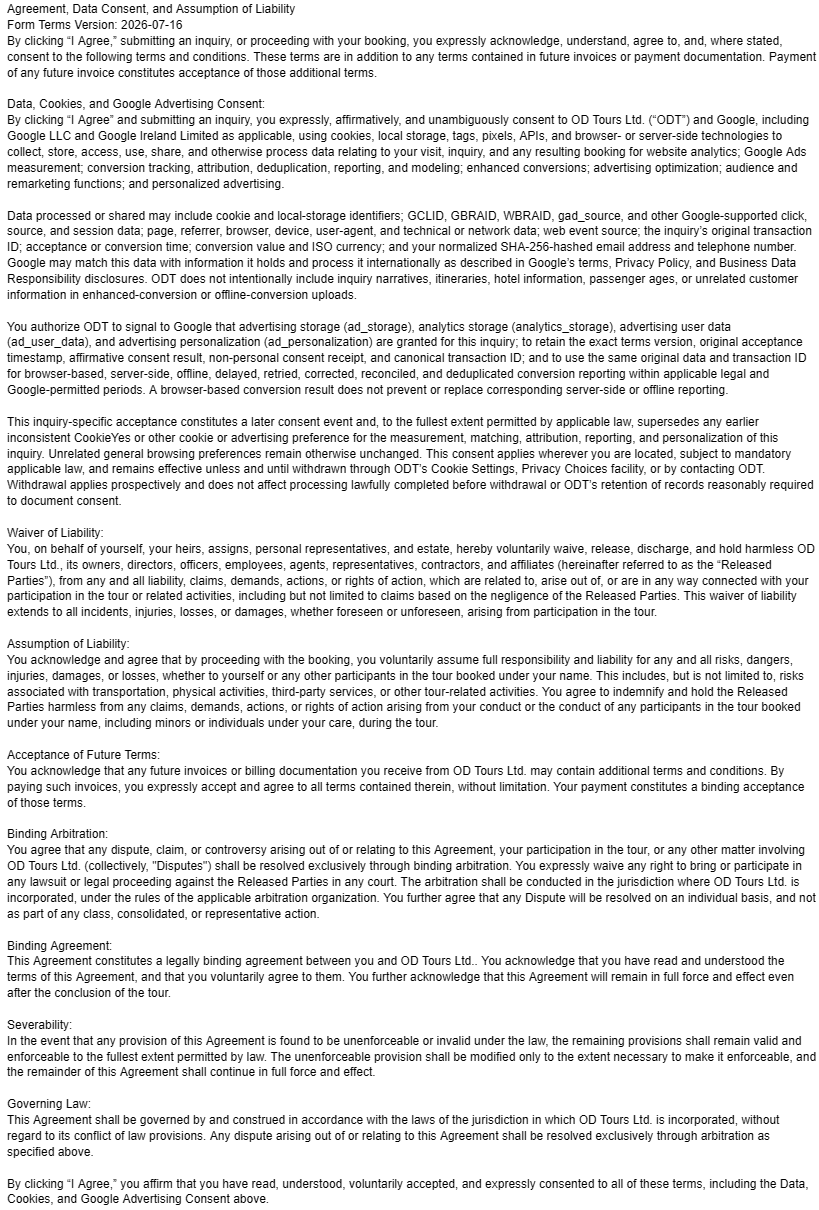
Stairs and Step-Heavy Icons in London: Tower, Abbey and Museum Routing for Easier Touring

Updated
The best base plan for a stair-conscious London day is to put the Tower of London first, treat Westminster Abbey as either a separate focus or a short second chapter, and use only one museum, preferably the National Gallery, as a capped gallery hour rather than a full-afternoon project. This works because London’s hardest fatigue comes from layered standing: Tower stairs before a museum afternoon, security pauses, cobbled approaches near Tower Hill, river-to-Westminster transfers, and the long internal distances of major collections. The clearest exception is an art-led traveler whose main reason for the day is the museum; in that case, reverse the day and leave the Tower or Abbey for another morning. In London, easier touring is less about reducing the itinerary than about deciding where old stone, long naves, and gallery floors belong in the body’s best hours.
The verdict: make the Tower the vertical anchor, not one stop among three
The Tower should anchor the morning when your day includes historic interiors and a museum, because it is the sight where stair fatigue can compound fastest. The official Tower access page is unusually candid for a major monument: it notes difficult stairs and passageways, spiral staircases, cobbled surfaces, steps through the site, and limited wheelchair access in parts of the historic complex. Use that as a planning cue, not as a deterrent. A private route can still make the Tower of London feel rich and manageable, but only if the day stops pretending the White Tower, wall walks, Crown Jewels, chapel, battlements, and a museum can all be treated as equal-weight “musts.”
The decisive move is to make the Tower’s vertical choices before arrival. Choose the Crown Jewels and the fortress story as the spine; then add one or two stair-heavy elements only if the group is still moving well. The White Tower may be the emotional pull, but it is not automatically the best value after a long arrival week, before a formal lunch, or ahead of a gallery afternoon. If you want a deeper Tower morning with a guide who can edit the stair load in real time, use Tower of London Private Tours as the focused route rather than folding it into a rushed all-city checklist.
A non-obvious London cue matters here: Tower Hill looks close to everything on a map, but the actual transition from the moat-side approach to the next chapter of the day is a reset, not a stroll. You may come out near the river, St Katharine Docks, Tower Bridge, or the City edge, and each direction changes the day’s rhythm. A taxi waiting on the wrong side of the site can save very little. A river transfer can be atmospheric but not automatically easier. The District or Circle line may look neat, but stairs, platform gaps, and the walk at both ends can turn “one stop” thinking into unnecessary strain.
The counterintuitive correction is that the most elegant upgrade is not always a car. A chauffeur can improve the Mayfair-to-Tower start, a Tower-to-lunch reset, or the final return to a west-end hotel. It does not make the Tower’s internal steps disappear, and it rarely earns its cost for the short Westminster Abbey to National Gallery move. That part of London often works better as a guided walk through Parliament Square, Whitehall, Horse Guards, and Trafalgar Square, because the movement itself becomes the context and avoids pickup-loop frustration.
The stairs-and-standing matrix: Tower, Abbey and one museum compared
The easiest London day is the one that distinguishes stair load from standing load. Stairs are obvious at the Tower, but standing fatigue at Westminster Abbey can be just as draining, and museum distance can quietly flatten the afternoon. The matrix below is the practical comparison to use before you book timed entries, lunch, a chauffeur, or a private guide.
- Tower of London: Highest risk for stair and surface fatigue. The Tower is best early, when the group can make deliberate choices about the White Tower, wall walks, medieval rooms, and chapel rather than treating every staircase as mandatory. The official Tower page is worth checking before you go: Tower of London accessibility (https://www.hrp.org.uk/tower-of-london/visit/accessibility/).
- Westminster Abbey: Lower on repeated climbing than the Tower, but higher on slow standing, chapel-by-chapel concentration, and queue drag. The Abbey can work as the second sight if you keep the museum short, but it should not become the middle of a three-interior marathon. The official page confirms step-free visitor entry points and should be checked for current arrangements: Westminster Abbey accessibility (https://www.westminster-abbey.org/accessibility/).
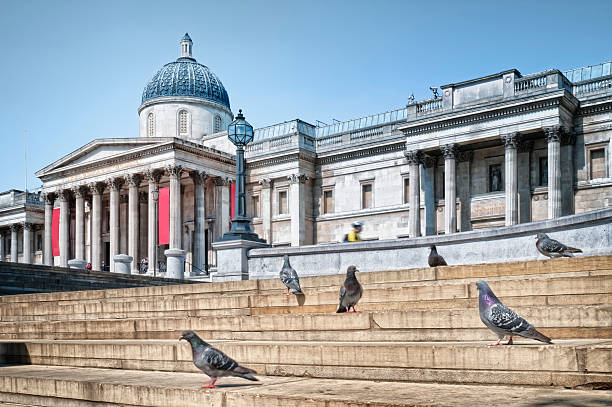
- National Gallery: The best one-museum choice after a historic sight because it sits near Trafalgar Square, works well as a curated hour, and can be edited around a few rooms rather than a whole building. It is not “small,” and the internal distances still count. The official access page lists lift and facility details: National Gallery access (https://www.nationalgallery.org.uk/visiting/access).
- British Museum alternative: Stronger as a museum-first morning than as an after-Tower or after-Abbey afternoon. Its Bloomsbury location adds a cross-city transfer, and the collection scale encourages overreach. Choose it when the museum is the point of the day, not when the museum is a comfort-managed add-on.
- Churchill War Rooms alternative: Powerful for context near Westminster, but its underground setting, corridors, timed-entry pressure, and narrative density make it a different kind of fatigue. It can pair with Westminster better than the Tower does, but it is not a “restful” museum substitute.
- Split half-days: Best for travelers who care about detail and evening energy. Put the Tower with St Katharine Docks or a City-edge lunch; put Westminster Abbey with the National Gallery and a lighter Trafalgar-to-St James’s route.
This is also where a private planner’s value becomes concrete. The right guide does not merely explain more; they decide when less explanation will make the next hour better. At the Tower, that may mean replacing one staircase with a better exterior story. At the Abbey, it may mean ending before the chapels blur. At the National Gallery, it may mean seeing six paintings beautifully instead of turning the collection into a corridor exercise.
Best route for easier touring: Tower morning, seated reset, capped museum
The best route for easier touring is Tower first, seated reset second, museum last, with the museum kept intentionally short. This sequence puts the most unpredictable old-stone movement before the group has accumulated standing fatigue. It also avoids the most common planning mistake: reaching the National Gallery with feet already tired, then trying to use art as if it were a rest break. A museum can be calmer than a fortress, but it is still a large building that asks you to stand, orient, look up, move rooms, and make decisions.
Start the day from your hotel with a realistic transfer, not an optimistic map glance. From Mayfair or Marylebone, a chauffeur or taxi can make the Tower start more composed, especially if your party includes older parents, young children, or anyone who dislikes multiple Tube changes early in the day. From South Kensington, the ride is longer but still useful if you want to arrive with energy intact. From the City or near the river, walking or a short cab may be enough. From Covent Garden, it depends less on distance than on whether the route forces a crowded Underground segment at the wrong hour.
At the Tower, do not begin with “we will see everything and adjust later.” That is how the day gets damaged before lunch. Begin with a hierarchy. Keep the Crown Jewels and the fortress story. Add the chapel if it matters to the group and access conditions fit the day. Treat the White Tower and wall walks as optional upgrades, not automatic obligations. If the group is still fresh, one vertical element can be worth it; if the group is already slowing, the best editorial choice is to deepen the story from the ground rather than spend the next hour recovering from stairs.
Hotel geography can flip the transfer choice without changing the verdict. A Mayfair or St James’s hotel usually makes a chauffeured Tower start feel calmer because the morning begins seated and the return options are clean. A Covent Garden or Strand hotel may make the National Gallery finish easier because the evening can drift west without another vehicle. A South Kensington base is excellent for museum neighborhoods, but it is not a magic solution for the Tower; the eastbound journey still has to be planned as a real transfer. A City hotel can make the Tower almost too tempting to overfill, because the short approach hides how much walking happens once you are inside the walls.
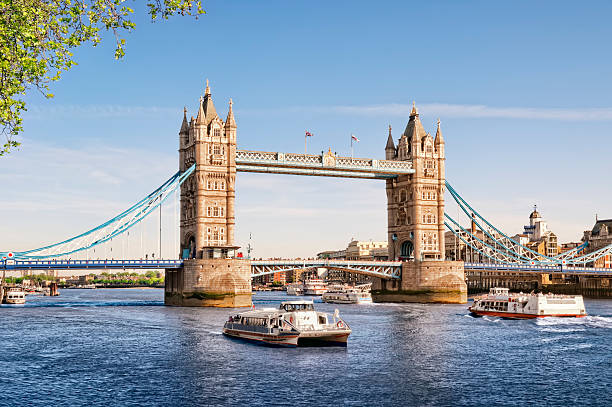
The reset after the Tower is not dead time. It is what lets the museum remain enjoyable. St Katharine Docks can work for a short pause because it is close enough to avoid a major transfer and distinct enough to change the body’s rhythm. A river view near Tower Bridge can also help, but do not add Tower Bridge Exhibition unless that is the point of the day; its high-level walkways are another attraction, not a recovery mechanism. A driver can take you toward Trafalgar Square, Mayfair, or a lunch room without asking the group to manage ticket barriers, platforms, escalators, and street navigation.
The museum chapter should be designed as a single-gallery argument. At the National Gallery, that could mean a short Renaissance-to-Impressionism arc, a British-and-European contrast, or a handful of paintings that connect to the morning’s political and religious history. It should not mean “let’s wander and see how we feel.” Wandering is charming at the beginning of a trip and punishing after the Tower. If the National Gallery is the chosen museum, the more focused version is usually the more premium version; National Gallery Private Tours can turn one hour into a coherent finish rather than a vague attempt to cover a famous collection.
When Westminster Abbey changes the order
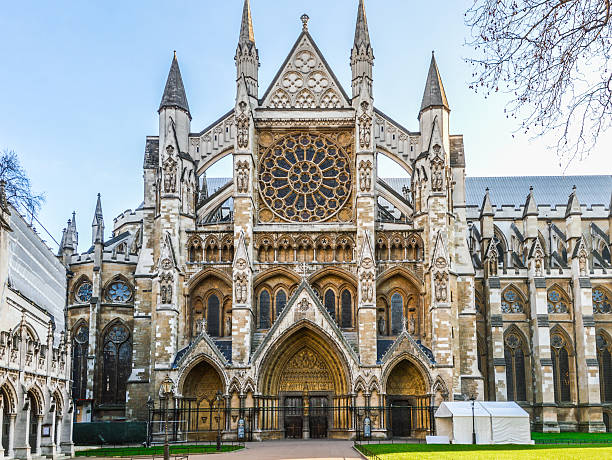
Westminster Abbey should lead the day when ceremony, monarchy, burial, and sacred architecture are the emotional center of the trip. It should not be squeezed between the Tower and a large museum simply because all three are famous. The Abbey’s fatigue profile is different from the Tower’s: less about repeated fortress stairs and more about long attention spans, slow movement, crowded sightlines, and the temptation to keep adding chapels after the main story has already landed.
The official Abbey guidance matters because access is partly about which door and which current visitor arrangement applies. Step-free visitor entry is described for the North Door and Great West Door, while the wheelchair-accessible door is at the North Door. That does not mean every chapel, corner, or visitor condition will feel effortless; it means the plan should be confirmed and shaped before arrival. For a private Abbey focus, Westminster Abbey Private Tours is most useful when the guide chooses the narrative spine rather than turning the building into a memorial roll call.
If the Abbey starts the morning, the National Gallery becomes a natural later chapter because Trafalgar Square sits close enough to keep the route coherent. The walk can be one of the day’s best transitions: Parliament Square to Whitehall, a pause near Horse Guards, then onward to Trafalgar Square. This is where walking often wins. A car has to solve pickup, traffic, and drop-off logic around streets that were not designed for a private sightseeing hop every ten minutes. The guided walk gives you context, avoids a fussy transfer, and keeps the day from feeling chopped into isolated appointments.
The Tower is the harder partner for an Abbey-led day. It sits east, carries its own security and internal routing decisions, and needs more freshness than it gets after Westminster. Pairing Abbey plus Tower can work for energetic first-timers who want a monarchy-and-fortress day and are willing to skip the museum. Pairing Abbey plus Tower plus a large museum is the itinerary that looks efficient in a spreadsheet and feels depleted in person.
How to use one museum without exhausting the day
Use one museum as a finish, not as a second city. The National Gallery is the most practical museum after either the Tower or Westminster Abbey because it can be made short without feeling thin. The building sits at Trafalgar Square, close to Whitehall, St James’s, Covent Garden, and the West End. That gives you more exit options than a west-side or Bloomsbury museum when the group’s energy changes. It also lets the evening stay possible, whether the next step is a hotel return, a theatre night, or a serious dinner.
The museum route should be capped before entry. A good cap is not only a duration; it is a promise that you will not chase every famous room. For many private groups, the right museum after a historic morning is 60 to 90 minutes with one seated pause, one clear theme, and a graceful exit. Families may need fewer paintings and more conversation. Couples may prefer one elegant arc before drinks or dinner. Older parents may value a route that avoids unnecessary stair choices and keeps the exit simple. Art specialists may need the opposite: museum first, longer dwell time, and no Tower beforehand.
The National Gallery’s advantage is not that it eliminates walking. It does not. Its advantage is that a guide can make the walking purposeful. A poorly planned gallery visit moves from highlight to highlight in a way that feels like airport concourse wandering. A better visit builds a line: one room introduces a question, another complicates it, a final painting resolves it. The feet still move, but the mind is not constantly asked to reorient.
Cutting the museum short is often the upgrade. This can feel counterintuitive for travelers who have paid for private guiding and want value from every hour. In a step-heavy London day, value is not measured by how many rooms you entered. It is measured by whether the final hour still feels chosen. If the Tower morning included stairs, cobbles, security, and a standing pause for the Crown Jewels, the museum’s job is to complete the day, not to prove that London’s collections are vast.
If the British Museum is your real priority, build around it instead. Do not add it as an afterthought after the Tower. Bloomsbury rewards a slower morning, a Great Russell Street entry plan, and a lunch or hotel reset that respects the building’s scale. The British Museum can be superb with a private guide, but its strength is precisely why it should not be treated as the “one more thing” after a staircase-heavy fortress morning.
Where a chauffeur earns the day, and where walking still wins
A chauffeur earns the day when the transfer itself would otherwise consume patience, orientation, or energy. In this particular London problem, that usually means hotel-to-Tower, Tower-to-lunch, post-museum return, or a split-day plan where the vehicle protects the second half from becoming a transport negotiation. It can also help families who need bags, grandparents who prefer predictable seating between chapters, or celebration travelers who do not want the day’s tone set by crowded platforms and weather exposure.
Chauffeur spend cannot remove stairs inside historic sites or long internal museum distances. That sentence should sit at the center of the plan. A car can take you from Mayfair to Tower Hill in a calmer way than a Tube transfer. It cannot turn the Tower’s spiral staircases into a flat route. It can collect you after the National Gallery and make the evening smoother. It cannot make a large museum smaller once you are inside. It can protect transitions; it cannot erase the architecture.
Premium spend does not earn its cost when the car is used to avoid a short, meaningful walk that is flatter, clearer, and more interesting than the pickup loop. Westminster Abbey to the National Gallery is the classic example. The guided route via Parliament Square, Whitehall, Horse Guards, and Trafalgar Square is often more satisfying than waiting for a vehicle to crawl around the same central streets. Walking also wins inside St James’s Park edges, along Whitehall for political context, and around Trafalgar Square when the next stop is the gallery itself.
Where road movement does earn its cost is after the Tower. The east-to-west reset can otherwise feel like a second attraction made of ticket barriers and wayfinding. It is also useful after a museum if the evening has a fixed reservation or theatre curtain. A car waiting after the National Gallery can turn the late afternoon into a clean return to Mayfair, Marylebone, South Kensington, or Covent Garden. That matters because the last transfer often decides whether the evening feels polished or merely survived.
The Tube is still excellent when it is used deliberately. Transport for London treats step-free and stair-avoidance planning as its own category, and the official guidance is worth checking before you rely on a station connection: TfL wheelchair access and avoiding stairs (https://tfl.gov.uk/transport-accessibility/wheelchair-access-and-avoiding-stairs). The practical point is not that private travelers should avoid public transport. It is that London movement should be chosen per segment. Road, river, Tube, and walking each win in different parts of this day. A comfort-first plan does not pledge loyalty to one mode; it uses the mode that costs the least stamina at that moment. For a day where the vehicle genuinely supports the route, Luxury Chauffeured London Private Tour is the right adjacent planning step.
The cut-first rule: stop forcing the third interior
The first thing to cut is the third major interior. Do not cut lunch first, do not cut the seated pause first, and do not cut the exit plan first. Cut the extra staircase, the extra chapel loop, the extra museum wing, or the second collection. The Tower of London or Westminster Abbey should not share a day with a large museum when you also have a theatre night, a fixed formal lunch, a special dinner, an arrival-day sleep deficit, or anyone in the group already shortening their stride before lunch.
This rule matters because London does something specific to the body. It layers small frictions: uneven historic surfaces, staircase bursts, security queues, river crossings that are pretty but exposed, Tube entrances that add stairs or escalators, museum floors that stretch farther than expected, and late-day returns through busy central streets. None of these alone ruins a day. Together, they turn a polished plan into a sequence of recovery stops. Tower stairs before a museum afternoon is the clearest example because the body pays for the morning precisely when the mind is supposed to enjoy the art.
London also does something specific to the mood. A day that is overfilled does not merely make people tired; it makes the city feel larger, louder, and less generous. The group starts negotiating: who wants to sit, who feels they are missing out, whether to keep the dinner, whether the next room is “worth it.” A better-paced day feels shorter in the best sense. The Tower can remain dramatic, the Abbey can remain solemn, the National Gallery can remain lucid, and the evening can begin without the faint resentment that comes from carrying one attraction too many.
The famous thing to cut depends on the day’s anchor. If the Tower is the anchor, cut the full White Tower climb or the extended wall walk before cutting the Crown Jewels or the fortress story. If Westminster Abbey is the anchor, cut the urge to identify every memorial before cutting the main nave, coronation, and royal burial narrative. If the National Gallery is the anchor, cut the Tower entirely and give the museum a real morning. What you should stop forcing is the idea that three famous interiors create a better London day than two well-sequenced ones.
Food, theatre and the evening ceiling
A serious meal or theatre night lowers the ceiling for stair-heavy sightseeing earlier in the day. That does not mean the day must become empty. It means the last two hours before the evening need to be protected from avoidable transfers and extra standing. If dinner is in Mayfair, St James’s, Soho, or around the Strand, the National Gallery can make sense as the final cultural note. If dinner is east or south of the river, the Tower morning may be paired with a river-side pause and a longer hotel reset rather than a west-end museum.
Food-and-wine travelers should treat menu timing as a routing fact, not a decorative afterthought. For a special meal, confirm the current commitment directly with the restaurant rather than relying on memory or an old saved itinerary. For example, use Ikoyi menu & reservations (https://www.ikoyilondon.com/) if the evening is built around Ikoyi, and use See the current three‑course lunch menu (https://www.theritzlondon.com/restaurant-three-course-lunch-menu) if a formal lunch is part of the plan. Those pages do not decide the sightseeing route, but they define how much museum time the day can honestly carry.
Theatre has a similar effect. A West End curtain after the Tower and a museum is possible; a West End curtain after the Tower, Westminster Abbey, and a full museum is rarely elegant. Covent Garden and the Strand look close to the National Gallery, but the late-afternoon crowd around Charing Cross Road, Leicester Square, and Trafalgar Square can make the final walk feel more effortful than it looked at breakfast. If the evening matters, the sightseeing route should finish with an exit that points toward it, not with a vague hope that everyone can recover quickly.
When splitting the day is the more premium choice
Splitting the icons across two half-days is often the best answer for discerning travelers who want depth without itinerary damage. This is not a reduced London. It is London routed with respect for how the city actually feels. Put the Tower in a morning with St Katharine Docks, a City-edge lunch, or a Thames-side pause. Put Westminster Abbey in a separate half-day with Whitehall, Horse Guards, Trafalgar Square, and a focused National Gallery visit. The result is not less sightseeing; it is fewer moments where good sights compete with tired feet.
The split version suits multigenerational families, couples who want an unhurried evening, celebration travelers with a special dinner, and first-time visitors who would rather understand the city than conquer it. It also suits travelers staying several nights in London, because it avoids spending the first full day’s energy in one dramatic burst. The older-parent guide, London with Older Parents for a White-Glove First Trip, is useful if your concern is family comfort across a whole first trip. This article’s narrower point is the route logic: stairs, standing, and museum distance should decide the sequence before the booking page does.
A private guide can shorten, re-order, or split sights before comfort breaks become damage control. That is the planning handoff that matters. If the Tower stairs, Abbey standing, and one museum need to share limited energy, the smartest itinerary is built around the group’s actual pace, hotel geography, lunch style, and evening commitments rather than a generic list of London icons. To shape that day with Orange Donut Tours, Inquire now.
FAQ
Can you visit the Tower of London and Westminster Abbey on the same day?
Yes, but it works best when you skip a large museum that day or keep any gallery stop very short. The Tower and Abbey are both concentration-heavy, and the Tower adds more stairs and uneven surfaces than many travelers expect.
Which should come first for easier touring, the Tower of London or Westminster Abbey?
The Tower should usually come first when stairs and surfaces are the main concern. Westminster Abbey should come first when the Abbey is the emotional focus of the day and the Tower can be saved for another morning.
Is the National Gallery a good museum after the Tower of London?
Yes, if it is capped and curated. The National Gallery is the best practical one-museum finish because it can work as a focused hour near Trafalgar Square, but it should not be treated as a full-afternoon museum after a stair-heavy Tower morning.
When should the Tower or Abbey not share a day with a large museum?
Do not combine the Tower or Abbey with a large museum when you have a theatre night, a special dinner, an arrival-day sleep deficit, or a group that needs frequent seating. In those cases, split the sights across two half-days.
Does a chauffeur make a Tower, Abbey and museum day easier?
A chauffeur helps most with cross-city transfers, hotel returns, and seated resets after the Tower. It does not remove stairs inside the Tower, standing inside Westminster Abbey, or walking inside a large museum.
What should you cut first if the day feels too full?
Cut the third major interior first. Keep the strongest historic focus, keep the seated pause, and shorten the museum rather than forcing the Tower, Abbey, and a major collection into one depleted day.
Is this advice only for older travelers?
No. The same routing logic helps couples, families, first-timers, celebration travelers, and anyone who wants the evening to remain enjoyable. The issue is not age; it is how London layers stairs, standing, transfers, and museum distance.
Can a private guide make the day more accessible?
A private guide can make the day easier to manage by choosing routes, shortening sections, pacing explanations, and planning breaks. They cannot guarantee access conditions or remove historic stairs, so official venue guidance should still be checked before you go.
If you’re interested in any private tours of London, please reach out to us.














 So if you are looking for the absolute best in London & surroundings with authentic local fully-licensed native guides whose English you can actually understand and with an exclusive and amazingly fun itinerary