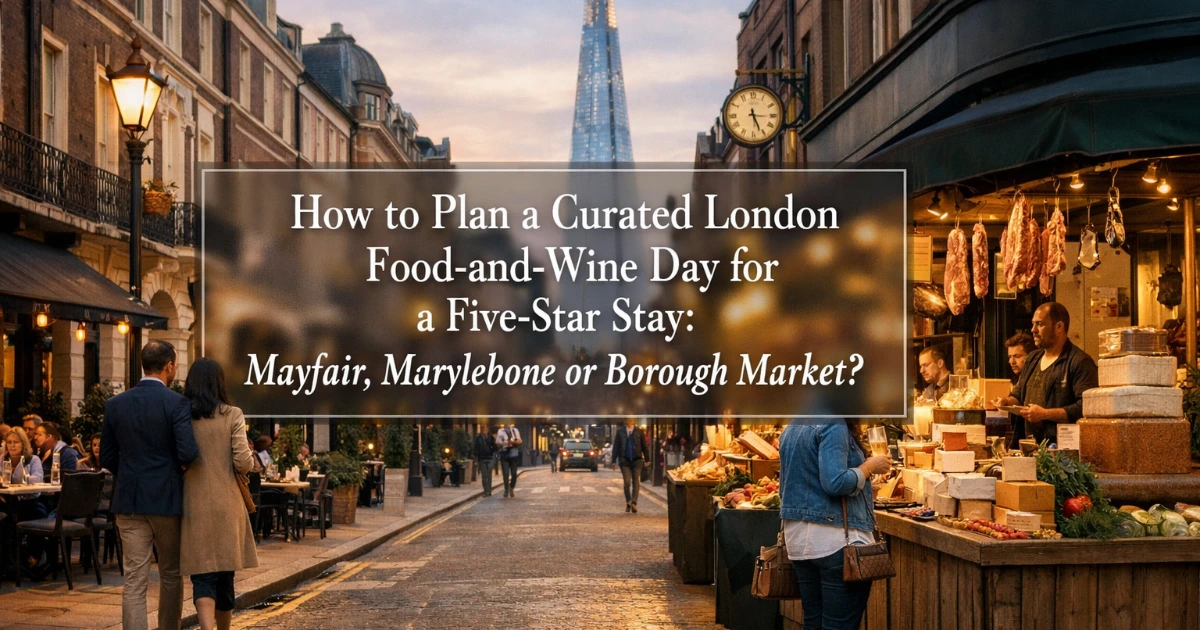
How to Plan a Curated London Food-and-Wine Day for a Five-Star Stay: Mayfair, Marylebone or Borough Market?
Updated
For most five-star London stays, build your curated food-and-wine day around Marylebone, not Mayfair and not Borough Market. That verdict is less about dining quality than about how London actually behaves once lunch finishes: the city burns time in transfer resets, slow taxis, Tube stairs, and “just one quick stop” detours. Marylebone keeps the afternoon radius small enough that lunch, browsing, hotel pause, and dinner can still feel like one day. A Mayfair route on the Shepherd Market edge of Mayfair works when your hotel or evening sits nearby and you want the meal itself to carry the day. Borough Market is the clearest exception when lunch is the headline and you want the South Bank, river light, and a looser public-energy afternoon rather than a polished reservation-to-reservation arc.
Here is the city-specific thesis that matters before you book anything: in London, the best food-and-wine day is usually the district whose meal gravity shrinks the map after lunch. The prestige-heavy all-Mayfair route is overvalued for travelers who care more about flow than name recognition, because polished postcodes do not rescue a day that keeps restarting.
If your hotel, appetite, and evening plans still feel separate, this is exactly where private London food-and-wine touring starts to make sense: not as a luxury extra, but as a way to remove the cross-town dead time that steals the calm from an otherwise beautiful day.
Mayfair, Marylebone or Borough Market: choose by what happens after lunch
Marylebone is the default answer because it gives you the strongest full-day shape, not because it has the loudest restaurant mythology.
Default winner: Marylebone. Choose this when you want lunch to be excellent, the walk between lunch and the next pleasure to feel civilized, and the option to end with dinner, cocktails, shopping, or simply a hotel pause without feeling that the plan collapsed.
Runner-up: Mayfair. Choose this when your hotel is in Mayfair or nearby, the meal itself is the day’s main object, and the most likely post-lunch move is Green Park, Mount Street, Shepherd Market, a short shopping arc, or an easy return before the West End.
Narrow-case winner: Borough Market. Choose this when lunch is meant to be the headline, you enjoy public energy, and your afternoon wants the Thames, Tate Modern, or South Bank strolling more than another upholstered dining room.
- Best route geometry: Marylebone High Street to Selfridges versus Borough Market to the South Bank is the real planning fork. One is a tight browse-forward corridor with plenty of places to stop; the other is a lunch burst that naturally spills into the river and often into another transfer if your evening sits west of Waterloo.
- Best use of appetite: Mayfair can justify a serious lunch or dinner if that single meal is the point. Marylebone is strongest when you want a graceful lunch and still want to feel decisive at 6 p.m. Borough Market works best when you accept that the day’s peak may arrive before 2 p.m.
- Best evening handoff: Theatre or hotel cocktails lean Mayfair or Marylebone. A river cruise, Tate Modern, or a South Bank hotel can make Borough Market feel perfectly judged.
- Wrong fit signals: Mayfair can feel all-labels-no-contrast, Marylebone can feel too restrained for travelers chasing buzz, and Borough Market can feel noisy and tiring if your idea of luxury is seated calm at every stage.
Why Marylebone usually gives the best all-day London food-and-wine arc
Marylebone usually wins because it keeps the day coherent even after lunch runs long.
That matters more in London than travelers expect. The city is not difficult because any one segment is impossible; it is difficult because every extra segment asks for another decision, another curbside wait, another descent into a station, another small surrender to traffic. Marylebone reduces those surrender points. You can start with a serious lunch, move onto Chiltern Street or Marylebone High Street, bend gradually toward Duke Street and Selfridges, and still decide late in the afternoon whether the right finish is wine, an easy dinner, a shopping hour, or a return to the hotel. Nothing about that pattern feels improvised, even when it stays flexible.
The crucial local cue is this: Marylebone High Street to Selfridges is a true afternoon, not a transfer disguised as one. The walk is long enough to give the day shape and short enough that it does not feel like a commitment ceremony to Oxford Street chaos. You pass from village-like Marylebone into a more commercial zone gradually, which is why the district suits couples, celebration lunches, small groups with mixed energy, and families traveling with older children or grandparents. If one person wants a proper browse, another wants a coffee, and a third wants to stop after lunch, Marylebone lets all three people feel understood.
It also handles appetite better than many prestige addresses. In Marylebone, a great lunch is often enough. That is not a downgrade; it is the district’s strength. The neighborhood gives you room to carry a memorable midday meal without immediately demanding a second act worthy of it. That is why Marylebone is such a good answer for travelers who want one serious food moment and one lighter, better-edited evening rather than two capital-E Events competing with each other. A celebrated lunch here can flow into shopping, a museum-sized pause, or an aperitif without the self-consciousness that sometimes arrives when every booking is trying to top the last one.
This is also where travelers staying around Mayfair, Soho, or even South Kensington sometimes misread the map. Because Marylebone looks close to everything on a central London map, they assume they can lunch there, swing to Borough for a stroll, then head back west for dinner. Technically they can. Emotionally, the day becomes three days clipped together. The first thing to cut, when this starts happening, is the second neighborhood. Hold Marylebone together as Marylebone, or let it bleed gently south toward Selfridges and Mayfair; do not ask it to coexist with a river crossing unless the river crossing is the whole point of the day.
Marylebone is especially persuasive when your hotel is not dictating the entire plan. If you are still deciding where to sleep, where to stay in London for a premium first visit is worth reading alongside this decision, because a Mayfair hotel does not automatically require a Mayfair food day. In fact, many five-star guests find Marylebone the better food-day neighborhood precisely because it offers contrast: a touch more air, a touch less ceremony, and a much higher chance that the best part of the day happens between bookings rather than only inside them.
There is a spending lesson tucked into that. Premium spend changes the experience in Marylebone when it buys decisiveness: a reservation you trust, a guide who knows when to turn south and when to stop, or a car only if someone in the party truly needs one. Premium spend does not earn much when it merely upgrades you from a strong lunch to a punishing dinner far away. If you want restaurant candidates instead of routing logic, the right place to cross-check is Top 10 Fine-Dining Restaurants in London (2025), but the district itself is telling you something simpler: lunch well, keep the afternoon compact, and let the evening stay open enough that you still like each other by dessert.
Who should not choose Marylebone? Travelers who want London at its most polished and ceremonial may find it a shade too understated, and travelers whose whole reason for the day is a marquee dinner with a matching room may prefer Mayfair’s more theatrical tone. But for the majority of comfort-minded food travelers asking what produces the most satisfying London day, Marylebone is the rare answer that keeps working even when the day shifts under real city conditions.
Mayfair works when the meal is the event and the radius stays tight
Mayfair overtakes Marylebone when the meal itself deserves to dominate the day and your hotel or after-dark plans sit close enough to turn prestige into convenience.
This is where the Shepherd Market edge of Mayfair becomes a genuinely useful planning clue rather than a pretty name on a map. Lunch on the Shepherd Market edge of Mayfair narrows the logical afternoon radius to Green Park, Piccadilly, Mount Street, hotel downtime, and a relatively painless glide toward a West End evening. That micro-location matters because it shows how a luxury lunch district changes the whole afternoon radius. Once you are there, a detour east to Borough or north to Marylebone is usually not adventurous; it is simply inefficient. The right Mayfair day accepts that after a substantial lunch, the pleasure lies in keeping the neighborhood compact and letting the rest of the day breathe.
Mayfair is at its best for travelers who want a beautifully staged lunch, a polished shopping or gallery hour, perhaps a return to the hotel to change, and then a composed evening rather than another long walk. It is also the clearest answer for anniversary travelers or small celebration groups who genuinely care about the room, the service choreography, and the sense that the meal is a central ritual rather than a stop among other stops. In that narrower but very real use case, Mayfair earns its cost because it compresses quality and convenience into the same small section of the city.
The mistake is assuming that all luxury London food days should default there. They should not. The prestige-heavy London route that is most overvalued for travelers who care more about flow than name recognition is the all-Mayfair names-first loop: a famous lunch, a designer-shopping interlude, hotel tea, and then a second serious dining room simply because the neighborhood makes it easy to collect famous addresses. The day looks impeccable in outline and often feels curiously flat in practice. You spend much of it inside beautiful interiors with too little contrast, too little spontaneous street time, and too much pressure for dinner to justify the whole premise.
Mayfair is therefore strongest when one meal carries the narrative. If that meal is lunch, ask a practical question before you book: does the menu shape the rest of the day in a way you actually want? That is why it is useful to See the current three‑course lunch menu (https://www.theritzlondon.com/restaurant-three-course-lunch-menu) before committing to a grand lunch-led route. A long, dressed lunch in Mayfair can be magnificent, but only if you actively want the afternoon to shrink around it. If you instead want to keep roaming, shopping, or museum-hopping, the same lunch can become too much of a gravitational pull.
The same discipline applies at dinner. Mayfair attracts travelers who book by aura, not by menu logic, and that is how overpaying happens. If a prestige dinner is the real hinge of the day, inspect the actual proposition before you surrender the whole schedule to it. Ikoyi menu & reservations (https://www.ikoyilondon.com/) is the sort of page worth opening not because it tells you where to go, but because it forces the right question: does this experience fit the appetite, tone, and timing of your London day, or are you trying to prove that the day was luxurious enough? If you are comparing a more formal hotel-dining version of the same impulse, See the official Harmonie tasting menu (https://www.alainducasse-dorchester.com/menus/Harmonie-Menu-October-2025.pdf) and weigh it against what you want the hours before and after the meal to feel like.
That is the deeper Mayfair judgment. Premium spend helps here when it buys compression: a superb meal a short walk or short cab from your hotel, easier dressing for the evening, or a West End handoff that does not feel like restarting the itinerary. Premium spend does not help when it funds a second ceremonial meal that leaves no room for the city itself. Paying for the flashiest tasting-menu stop simply because you are already in Mayfair often buys status rather than a better day.
Mayfair also has a personality fit that not everyone enjoys. It suits travelers who like refinement, control, and the feeling that every component has been deliberately selected. It is less persuasive for travelers who want the day to loosen after lunch, wander without agenda, or absorb some grit and public energy. That is why Mayfair is the runner-up rather than the automatic winner: exceptional in the right lane, overclaimed outside it.
Borough Market is the right answer when lunch is the headline, not when you need a hushed all-day arc
Borough Market works best as a lunch-led London day with a riverside second act, not as the default premium route for every five-star stay.
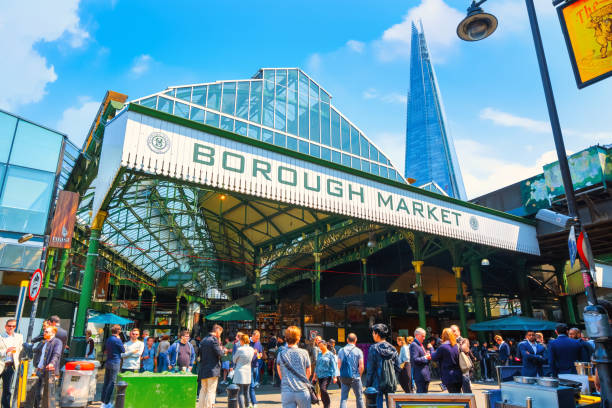
That distinction matters because Borough Market is often sold as if it can do everything: iconic market energy, serious food, sightseeing, wine, views, and then somehow a seamless transition into a polished evening anywhere in town. In reality, it is excellent at one shape of day. You arrive hungry, you let the market and its edges deliver the strongest midday hit, you spill into Borough Yards, Southwark Street, or the river, and you allow the afternoon to stay public, scenic, and comparatively loose. The London Bridge station concourse, the lanes around Stoney Street, and the quick slide toward the Thames give the area momentum, but they do not give it hush. If your standard for a premium day is calm, seated continuity, Borough Market is not the easiest framework.
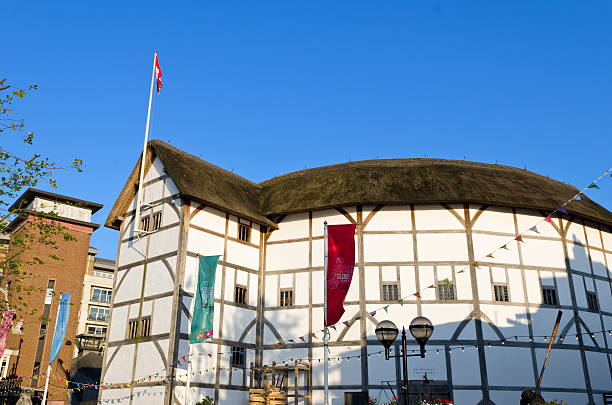
This is where Borough Market to the South Bank becomes the useful planning phrase. That route is handsome and satisfying because the market’s energy naturally decants into the riverfront. Lunch can lead into a walk toward Shakespeare’s Globe, Tate Modern, a Thames cruise, or simply time beside the water while the city opens up around you. If your hotel is near the South Bank or in the City, the whole thing can feel unusually well judged: food first, river later, no anxious rush to cross back west just to prove the day ended grandly.
Where the route breaks down is the moment travelers ask it to masquerade as Mayfair. If you eat a big market-led lunch, then try to bolt on a formal tasting-menu dinner in the West End or back in Mayfair, you have built two different days with a river and multiple transfers in between. That is tiring for couples, inefficient for small celebration groups, and particularly unforgiving if anyone in the party dislikes standing, queueing, or negotiating crowds before they sit down. London does not feel luxurious when it is making you keep finding your position in moving streams of people.
Borough Market is therefore best for travelers who enjoy culinary texture more than dining-room theater. Food-and-wine visitors who like contrast, people-watching, and a city-in-motion atmosphere often love it. Travelers who want silverware certainty at every stage, or who want the whole day to feel dressed rather than spontaneous, usually do not. That is not a criticism of Borough Market. It is a reminder that market energy is a category of pleasure, not an automatic synonym for refinement.
The spending lesson here is the bluntest in the article. Paying for the flashiest tasting-menu stop after a Borough Market lunch does not materially improve the London day. In most cases it replaces the very thing the route is good at: a relaxed riverside afternoon with appetite still available for a glass of wine, a lighter dinner, or a spontaneous stop. A great lunch is enough here. Sometimes it is more than enough. What improves the day is not a second trophy reservation but good sequencing, smart timing, and an honest decision about whether the evening should remain near the river or be allowed to stay simple.
Who should choose Borough Market despite a five-star stay elsewhere? Travelers who have already done formal London dining, couples who want a more animated daytime memory, groups who enjoy sharing and grazing, or guests staying on the river who want their best meal moment earlier in the day. Who should avoid it as the core route? Anyone with a same-evening theatre ticket west of Trafalgar Square, anyone who hates crowd drag, and anyone who expects the whole day to feel as cocooned as a Mayfair hotel lounge.
Put the splurge where it shortens the map, and cut the second neighborhood first
The best use of money in London is the meal or service that makes the map smaller, not the one that proves how much you were willing to spend.
That principle is easy to say and surprisingly hard to honor once reservations open. Travelers often book one distinguished lunch because it fits the neighborhood, then panic-book one distinguished dinner because London seems too important for restraint. The result is not abundance. It is compression. You lose browsing time, hotel time, or the kind of unhurried wine stop that turns a strong day into a memorable one. In London, one major meal and one secondary pleasure almost always beats two major meals and a chain of transfers between them.
Each neighborhood has a different ideal splurge point. In Mayfair, a luxurious lunch can justify the whole route because the district knows how to absorb it: nearby hotel pause, short shopping arc, Green Park air, then a composed evening. In Marylebone, lunch tends to be the smarter place to concentrate quality if you want the afternoon to stay legible; dinner can then be easier, later, or entirely optional. In Borough Market, lunch is nearly always the right place for the day’s peak flavor intensity, because the district’s strength is daylight energy rather than formal nighttime ceremony.
What should you cut first when the plan starts to overgrow? Cut the second neighborhood first. Not the glass of wine, not the stroll, not the possibility of an easy early evening. The second neighborhood is the thing most likely to turn London from pleasurable to managerial. A “quick” jump from Marylebone to Borough is not quick once you factor in payment, waiting, orientation, and re-entry into a completely different rhythm. A late dash from Borough to Mayfair for dinner may be technically feasible, but the day will feel segmented, and someone in the party will start behaving as if they are commuting rather than celebrating.
There is also a difference between spending on food and spending on movement. Spending on movement can absolutely help when the route is inherently awkward: a river-to-West End handoff, a mobility-sensitive group, or a celebration that needs arrivals and departures to feel clean. That is the right context to think about whether a chauffeured London day is worth it. But a car does not magically improve a route that should have remained local. In compact Mayfair or Marylebone plans, the flashiest vehicle often solves a problem the itinerary itself created.
This is where tailored planning earns its fee more than any label-heavy booking spree. The real upgrade is not a bigger bill. It is having someone decide, before the day begins, which single meal deserves to carry the narrative, how the walking arc should behave afterward, and where the evening should land so that no one spends the best hour of the trip glancing at traffic. That is why Orange Donut Tours treats restaurant choices and route choices as the same problem, not separate concierge tasks.
What London does to the body, and what keeps the evening feeling intact
London changes this decision through accumulated effort, not through one dramatic obstacle.
The city works on the body by stacking small drains: stair-heavy station entries, slow taxi crawls around Piccadilly and Oxford Street, queue drag where you did not expect it, and the subtle fatigue of river crossings that turn one district into another psychological day. None of these is ruinous by itself. Together, they are why a food-and-wine plan that looked elegant at breakfast can feel oddly overworked by late afternoon. A Marylebone route asks the least from the body because the walking is forward-moving and the recovery points are frequent. A Mayfair route asks little if you keep it local. A Borough Market route asks more because crowd density and river temptation combine with a natural urge to keep going.
The mood consequence is just as important. Some London days preserve your sense that the evening is still ahead of you; others make dinner feel like an obligation you now have to honor. Marylebone is strongest at making the day feel shorter than it was, because the transitions are gentle and the scenery changes gradually. Mayfair can do the same when your hotel is part of the route and the day flows from lunch to a pause to evening dressing. Borough Market gives the most vivid afternoon, but it can flatten the night if you treat lunch as merely chapter one rather than the central event.
Evening plans flip the answer more often than travelers realize. A West End theatre curtain, cocktails in Mayfair, or an easy return to a five-star hotel west of Regent Street nearly always strengthens Mayfair or Marylebone. A riverside concert, a South Bank hotel, or an appetite for post-lunch walking can make Borough Market the happiest answer. When people say London is sprawling, what they usually mean is that the wrong evening plan exposes the cost of the wrong lunch neighborhood.
There is a useful restraint rule hidden here: if the day already includes major sightseeing, the food-and-wine route needs to become even tighter, not more ambitious. A museum-heavy morning plus Borough Market plus West End dinner is rarely graceful. A morning in St James’s plus Mayfair lunch can be excellent. A soft morning, Marylebone lunch, browse toward Selfridges, and dinner wherever appetite still exists is often better than anything more “complete.” Completeness is a bad goal for London. Continuity is the better one.
That is also why premium visitors often discover that the most luxurious feeling is not the fanciest room but the absence of reset moments. You notice it when no one has to ask where the car is, whether the booking is too far away, or how much time the next jump will take. The route simply keeps revealing the next sensible move. That is a planning achievement, not a prestige one.
The clean booking sequence for a tailored London food-and-wine day
The simplest way to book this well is to decide the evening first, the main meal second, and the afternoon bridge third.
- Start with the fixed point after dark. If you already have theatre, a celebration dinner, or a hotel commitment, that should choose the neighborhood more than lunchtime romance does.
- Choose one meal to carry the day. In Mayfair it may be lunch or dinner, in Marylebone it is usually lunch, and in Borough Market it is almost always lunch.
- Add only one secondary layer. That might be shopping, a riverside walk, cocktails, or a hotel pause. The moment you add two, London starts billing you in energy rather than money.
- Use a car or guide only when the route truly needs stitching. Keep local days walkable and save logistical firepower for the awkward combinations.
When this sequence is respected, the day feels intentional even if it stays flexible. When it is ignored, even excellent reservations can feel like separate calendar events. That is the planning handoff point that a tailored service is built for: matching hotel location, appetite, celebration tone, shopping interest, and evening commitments so the city stops interrupting the experience.
If you want Orange Donut Tours to shape that route around your stay rather than around generic “best of” assumptions, Tailor-Made private touring is the right next step. And if you already know that a custom-sequenced day would make the trip noticeably smoother, Inquire now.
FAQ
Is Mayfair always the best choice for a luxury London food day?
No. Mayfair is best when your hotel, evening plans, and preferred dining style all support a tight local radius. It is not automatically best just because many five-star hotels sit nearby. If what you want is a refined lunch, a satisfying walk, browsing, and the freedom to decide later how serious dinner should be, Marylebone often produces the better day. Mayfair wins when ceremony and convenience line up; it loses when travelers pick it by reputation and then try to force too much movement around it.
Is Marylebone better than Borough Market for couples and small groups?
Usually, yes. Marylebone is easier for couples and small groups who want to hear one another, sit comfortably at each stage, and keep the day feeling composed. Borough Market is better for travelers who like shared grazing, buzz, and a more public-energy afternoon. The difference is not food quality; it is how much crowd texture and improvisation you want between the food moments.
When is Borough Market the right answer for a five-star stay?
Borough Market is the right answer when lunch is supposed to be the day’s emotional peak, your hotel or evening plans are on the river or in the City, and you do not need the whole experience to feel hushed. It is also a smart contrast day for travelers who have already done formal dining elsewhere in London and want one day with more texture, movement, and South Bank scenery. It is the wrong answer when you also need a same-night West End itinerary to feel effortless.
Should the splurge be at lunch or dinner?
In London, lunch is often the smarter splurge because it can anchor the entire route without forcing a second major move after dark. Mayfair and Marylebone both support that logic well. Dinner is the smarter splurge when the afternoon is intentionally light and local, or when the evening itself is the trip’s central event. Borough Market is the clearest lunch-first neighborhood; a major market lunch followed by another formal tasting menu usually overbuilds the day.
Can I combine Borough Market with a West End theatre night?
You can, but it is rarely the smoothest pairing. Borough Market naturally wants to flow into the South Bank and riverside time, while theatre wants you back west with enough calm to dress, arrive, and enjoy the evening. If the show is non-negotiable, Mayfair or Marylebone generally make the fuller day feel more settled. Borough Market can still work if the lunch is early, the afternoon is short, and you accept that the route is doing more logistical work.
Does a chauffeur materially improve this kind of London day?
Only sometimes. A chauffeur meaningfully improves the day when your route crosses the river, includes mobility-sensitive travelers, or needs hotel-to-lunch-to-evening stitching that would otherwise feel messy. It does not transform a compact Mayfair or Marylebone route, because those are strongest precisely when they are local. Spend on a car when it removes an awkward transition, not when it merely decorates a walkable plan.
What should I cut first if the itinerary starts feeling crowded?
Cut the second neighborhood first. That one decision preserves more pleasure than almost any other edit you can make. Keep the day centered on Mayfair, Marylebone, or Borough Market once you have chosen it, and let the afternoon unfold inside that logic. London is generous when you commit to a radius and punishing when you treat every neighborhood as a short detour.
How far ahead should I book the key meal?
For the rooms and time slots most travelers actually want, earlier is safer, especially for weekends and celebration travel, but the correct lead time varies by restaurant and season. The practical rule is to choose the route first, then check the restaurant’s own booking terms rather than holding multiple neighborhoods open too long. Menus, reservation policies, and launch dates can change, so confirm directly with the venue before finalizing the rest of the day.
If you’re interested in any private tours of London, please reach out to us.















 So if you are looking for the absolute best in London & surroundings with authentic local fully-licensed native guides whose English you can actually understand and with an exclusive and amazingly fun itinerary













