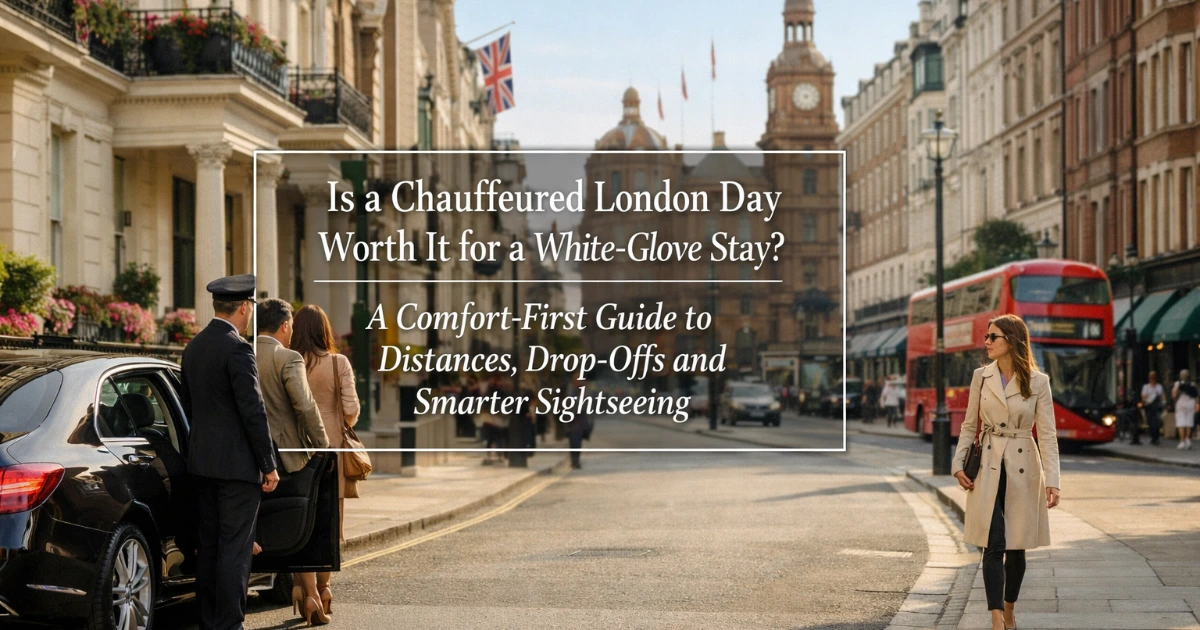
Is a Chauffeured London Day Worth It for a White-Glove Stay? A Comfort-First Guide to Distances, Drop-Offs and Smarter Sightseeing
Updated
Yes—when your London day is cross-city, timed, and hotel-led, a chauffeur is often worth it. The spend earns its keep not because a car is always faster in central London, but because London sightseeing breaks down into repeated resets: leaving the hotel, waiting at a curb or platform, passing security, shifting east or west, then making the long return before dinner. A driver turns those resets into one composed pickup, one sensible relocation, and one cleaner finish. That is the gap a chauffeured London private tour is actually solving.
The clearest exception is a compact day from Covent Garden or inside the South Kensington museum quarter. If you are walking out to Trafalgar Square, Soho, Whitehall, or moving between the V&A, the Natural History Museum, and the Science Museum, a car can become expensive idle time rather than genuine relief. Paying for a chauffeur does not materially improve a compact West End or South Kensington museum day.
In London, a chauffeur is not a status add-on; it is a routing tool that earns its cost only when your hotel, your icons, and your evening are pulling in different directions. The South Kensington station subway tunnel is wonderfully useful when the day stays around Exhibition Road and nearly useless once the plan jumps west-to-east toward Westminster and Tower Hill. That is the counterintuitive point many first-time visitors miss: the value of the car is continuity, not bragging rights and not always speed.
Is a chauffeured London day worth it for first-time visitors?
Yes, but only for certain route shapes. The right answer depends less on budget than on whether your day is clustered or split between major London districts.
Cross-city icon stack with a chauffeur
Best for guests in Mayfair or South Kensington who want Westminster, Tower Hill, and one later stop in Bloomsbury or the West End. Here the car earns its fee through hotel pickup, one difficult eastward jump, shelter if the weather turns, and a calmer return before the evening.
Hybrid hotel-pickup day
Best for guests in Mayfair who want one major interior visit, one walking cluster, and a smooth hotel start or end. The smart version uses the car for the awkward relocation, then gets out and lets London be walked where walking is actually enjoyable.
Walk-and-Tube cluster day
Best for guests in Covent Garden, or anyone devoting the day to the South Kensington museum quarter or a West End and Westminster ribbon. Here you are paying for an idling vehicle if the whole point of the day is already concentrated.
If you want one firm judgment, here it is: a chauffeur is most worth it when you start at a polished hotel base, intend to cover at least two separate sightseeing clusters, and care about arriving at lunch or dinner feeling intact. It is least worth it when your day is already naturally walkable, even if your hotel and budget are excellent.
There is one more honest limit worth stating plainly. If your party loves walking, travels light, and treats transport as part of the city rather than as a problem to remove, London may reward you more for choosing a beautifully clustered day than for upgrading the vehicle. The chauffeur earns its place when the itinerary is doing too much across too many edges of central London. It does not earn its place simply because the trip itself is expensive.
Why London feels farther than the map suggests
London’s friction is not headline mileage; it is the accumulation of small breaks in rhythm. Westminster Abbey, Tower Hill, and the British Museum do not look impossibly far apart on a map of Zone 1, yet they behave like separate episodes of the day because each one comes with its own approach, bag check, standing time, and exit pattern.
That matters because comfort-first visitors do not experience cities as neat point-to-point diagrams. They experience them as bodies do: a slow start after breakfast, a first queue that takes more edge off the morning than expected, a damp walk after security, a platform decision, another wait, then the odd dead space before the next thing begins. London is especially good at hiding this cost because the distances are rarely dramatic. The city can look compact while still draining momentum.
The South Kensington museum quarter is the best proof. From the right hotel, or from South Kensington station, the V&A, Natural History Museum, and Science Museum sit in a civilized cluster around Exhibition Road and Cromwell Road. That feels effortlessly urban and premium at once. But the moment you try to bolt Westminster Abbey onto that morning and Tower Hill onto the afternoon, you have left the cluster logic entirely. You are no longer having a museum-quarter day; you are having a transfer day with museum elements.
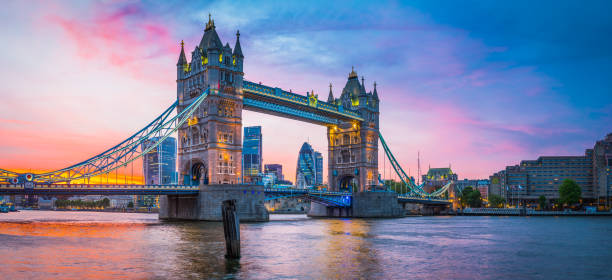
The same is true in reverse from the east. Tower Hill is not simply “the Tower.” It is the eastern edge of a big sightseeing reset. Even when a driver handles the approach well, you still have the walk-in, the internal walking, and the mental shift from the Tower back to the rest of London. A private car cannot erase that. What it can do is stop the reset from multiplying on either side of the visit.
This is why the Tube-versus-car debate is usually asked the wrong way. A Tube ride can absolutely beat a car for pure speed on certain central hops. But speed is only one input. If your day contains one or two quick links inside a coherent walking area, the Tube is efficient and honest. If your day contains a hotel departure, a fixed entry in Westminster, a later eastern anchor near Tower Hill, a possible Bloomsbury stop, then dinner back west, the problem is not one hop. The problem is the number of times you have to restart yourself.
The editorial correction is simple: London’s best chauffeur day is not the day with the most sights. It is the day with the most awkward transitions. That is a more useful standard than “Can I afford it?” because it tells you where premium spend genuinely changes the texture of the visit.
Mayfair hotel pickup versus Covent Garden walk-out
Your hotel base changes the value of a chauffeur more than many visitors expect. Mayfair hotel pickup versus Covent Garden walk-out is not a lifestyle distinction; it is a practical routing distinction.
Mayfair is a very strong base for a first London stay, but it is not the same thing as already being inside the day. If you wake up near Mount Street, Grosvenor Square, or Park Lane and your plan begins at Westminster Abbey, you still need a first move before sightseeing has truly started. The same is true if the day later finishes near Tower Hill or Bloomsbury and your evening returns west for dinner. In that shape of day, hotel pickup matters because it removes the first decision of the morning and the last chore of the afternoon. That is especially useful for couples celebrating, multi-generational families, small groups with different walking speeds, or anyone who wants coats, shopping, or an extra pair of shoes to disappear into the day rather than stay in hand.
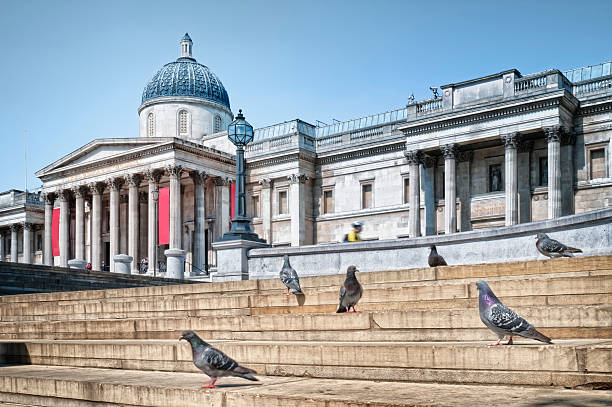
Covent Garden is different. From there, the city often begins the moment you step outside. Trafalgar Square, the National Gallery, Soho, St James’s, Whitehall, and even Westminster can connect into a satisfying ribbon without ever feeling like you are waiting for the day to start. In that scenario, a chauffeur can interrupt the very thing you paid to be in London for: the pleasure of moving through the city at street level, seeing it change block by block, stopping when something actually catches your eye, and not measuring every transition by whether the car has arrived.
South Kensington sits between those two truths. It is a refined base and an excellent answer for the museum quarter, but it is also the place that most often fools travelers into overestimating how “central” they are for a classic first-timer icon day. A polished breakfast in South Kensington can be followed by a surprisingly long feeling before Westminster even begins. If your day stays in the South Kensington museum quarter, wonderful—walk it. If it jumps from South Kensington to Westminster to Tower Hill, the case for hotel pickup becomes stronger than many guests anticipate.
One useful way to picture it is this. From Covent Garden, Westminster can feel like the next chapter of the same walk; from Mayfair, Westminster can feel like the first logistical act of the day. From South Kensington, Westminster is often the moment the day stops being locally elegant and starts needing choices. Those differences sound subtle when you are booking the trip. They are not subtle at 9:45 a.m. in real shoes, real weather, and real London traffic.
If you are still deciding where to sleep, this question is closely tied to base choice; our where to stay in London for a premium first visit guide explains why some neighborhoods let you walk into your day while others ask for a better first move.
The essential rule is simple. A chauffeur helps more when your hotel is elegant but not already embedded in your sightseeing cluster. A walk-out base helps more when your route naturally threads through adjoining neighborhoods. London rewards whichever of those two truths you choose honestly.
What pickups and drop-offs actually buy you in London
The gain from a driver is not a fantasy of door-to-door sightseeing. The gain is fewer exposed transitions at the least pleasant moments of the day.
That distinction matters because London newcomers often picture a car as a magic carpet. It is not. Westminster still has its own entry choreography. The Tower of London still demands internal walking and attention. Bloomsbury still means covering real ground once you arrive. A chauffeur gets you closer, drier, calmer, and less decision-fatigued; it does not teleport you into the middle of the Crown Jewels line or place you in the Abbey choir without a queue.
Where the premium spend does change the day is at the edges. Hotel pickup removes the first transfer. Midday relocation between distant clusters becomes one managed move rather than a string of micro-choices. A planned drop-off near lunch can stop the weather from becoming part of the story. A final return west can preserve the evening instead of flattening it. That is why the strongest London chauffeur days usually start and finish with purpose. They are not vanity circuits; they are sequences with two or three specific friction points removed.
The weak version is using the car for every short hop inside a walkable district. In London, that can feel oddly slower and strangely grandiose at the same time. You board, settle, creep through traffic, get out, and then still walk. The strongest version is the opposite: hotel pickup, one meaningful repositioning, perhaps one later recovery move, then a clean handoff into the evening.
This is also why a chauffeur can matter more after lunch than before it. Morning energy hides poor planning. Afternoon London exposes it. The second relocation of the day is when umbrellas, shopping bags, children, older knees, and simple mental drag start to count. A well-timed pickup after Westminster or after Tower Hill is not about theatrical arrival; it is about keeping the last third of the day from becoming administrative.
Comfort-first visitors often understand this intuitively once it is spelled out. What they want is not “private transport” in the abstract. They want to avoid the moment when a good day becomes a logistical one. In London that tipping point usually arrives around the second major transfer, not the first.
Can you do Westminster Abbey, the Tower of London and the British Museum in one day?
Yes, but only as a disciplined day, and not every version of it deserves to exist. Westminster Abbey, the Tower of London, and the British Museum can fit into one London day for a determined first-time visitor, but the day becomes genuinely better with a chauffeur only if you admit what the car can and cannot solve.
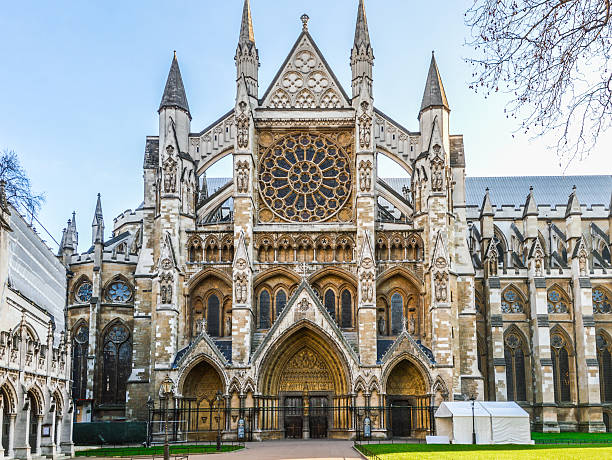
The first truth is that Westminster Abbey and the Tower are not “quick ins.” Westminster Abbey is a working church, so timings and access deserve a check on the official Abbey plan-your-visit page (https://www.westminster-abbey.org/visit-us/plan-your-visit/) before you lock the order. The Tower’s own visit page (https://www.hrp.org.uk/tower-of-london/visit/) makes clear that it is a site to give real time to, not a ten-minute photo stop. The British Museum is the most elastic of the three, which is exactly why it should usually be the third piece rather than the first.
The second truth is the one many premium travelers resist: the day that sounds luxurious but is actually overstuffed without a car is Westminster Abbey, the Tower of London, the British Museum, and a serious West End evening on the same calendar page. On paper it reads like a greatest-hits day with style. In practice, without a vehicle it risks becoming a procession of exits, entries, and second starts. Even with a vehicle, it only works if one element is intentionally lighter than the other two.
The cross-city friction is clearest when you map the day honestly: Westminster in the southwest of the core, Tower Hill on the eastern edge of it, then Great Russell Street pulling you back northwest into Bloomsbury. None of those moves is outrageous alone. Put together, they create a day that either needs a strong transport spine or a ruthless edit. That is why the chauffeur question belongs here. It is not about glamour. It is about whether you want the day stitched together or merely survived.
For first-timers based in Mayfair or South Kensington, a chauffeur makes this trio materially easier because the hotel drop-off and the eastward relocation stop feeling like separate pieces of work. You are no longer spending energy on the shape of the day before the sights themselves have taken theirs. For guests already in Covent Garden, the answer is less absolute. A hybrid can work beautifully: walk or take a short local-style move to Westminster, then use the harder relocation logic only if the Tower and a later westward return are both still on the table.
The best sequence is usually Abbey first, Tower second, British Museum third and edited. That is not because the Abbey is “best” or because the Museum is less important. It is because the Abbey is the least flexible piece, the Tower is the site most likely to expand to fill the time you give it, and the British Museum is the one part of the day that can still be meaningful in a narrower pass. If you want a deeper look at the sight-order side of the question, this guide to ordering Westminster Abbey, the Tower and the British Museum complements the transport decision here.
Here is the editorial cut-first rule: if the day starts to swell, cut the British Museum from this stack before you cut the Abbey or the Tower. Bloomsbury is the easiest piece to reassign to another morning or to a later, more focused visit. It also pairs better with Soho or Covent Garden than with a day already split between Westminster and Tower Hill. In other words, do not force three heavyweight interiors just because they all fit on a shortlist.
A chauffeur improves this day most when your real objective is not to “see more,” but to keep the day readable. That is the meaningful upgrade: fewer hidden chores, not more boxes checked.
Where walking-first planning beats chauffeuring, even on a premium budget
Some of London’s best premium days are deliberately unchauffeured. When the city is naturally compact, walking-first planning is not a compromise; it is the better choice.
The West End to Westminster ribbon
If you are starting in Covent Garden or nearby and your day runs through Trafalgar Square, the National Gallery, St James’s, Whitehall, Westminster, and perhaps a nearby lunch, walking keeps the day coherent. You are not moving between separate London districts so much as unfolding one central sequence. A car turns that ribbon into fragments. You wait for pickup where you could have been walking. You spend attention on a vehicle when the reward is actually the street itself.
The South Kensington museum quarter
The South Kensington museum quarter is the clearest no-chauffeur zone for most visitors. The V&A, Natural History Museum, and Science Museum sit in a dense cultural pocket that is unusually civilized by big-city standards. If your hotel is nearby, or if you are simply devoting the day to that cluster, you do not need a driver to manufacture elegance. The place already has it. A driver adds little besides a soft start and finish; the day itself still happens on foot, and very happily so.
The one-neighborhood London day
Any London day built around a single district—whether that means West End culture, Mayfair shopping with a long lunch, or Bloomsbury plus a later Soho dinner—should make you suspicious of chauffeur spend. In those cases the car is not solving London; it is shadowing you around London. Local-style touring, whether by foot, one short taxi, or an occasional Tube, keeps the day proportionate.
This is where affluent travelers sometimes confuse privacy with usefulness. Privacy is pleasant. It is not automatically valuable. If the route is compact, the more luxurious decision is often to stay immersed in the district you chose rather than step in and out of glass and leather for no real gain.
There is also a London mood issue here. In the right walking district, every block gives something back: a square, a churchyard, a good shopfront, a café that looks more inviting than the one you had planned, a sudden clear view down Whitehall, a turn that makes the city legible. In the wrong chauffeured district, every stop-start asks you to disengage and reengage. That is why the compact day feels better on foot even for travelers who can easily afford the car.
What the city does to your body, and what it does to the evening
By late afternoon, London is felt more in the legs and attention span than in the itinerary. Westminster Abbey asks for standing focus. The Tower of London brings internal walking and uneven ground in places. The British Museum is deceptively big once you are inside. Add queue drag, coat management, a few damp pavements, and one or two platform changes, and the city starts to tax the body through repetition rather than through any single dramatic effort. This is why a chauffeured day can feel disproportionately helpful to older travelers, mixed-age families, or anyone landing in London already slightly underslept. It removes some of the low-grade effort that does not look important on paper but is very noticeable by 4 p.m.
The mood consequence is just as real. A good London day should leave something of you for the evening. The smartest chauffeur spend often pays off not at 10:30 in the morning, but when you return west without that sunken final hour that comes from stacking one public-space decision too many. If your night matters—an anniversary dinner, a theatre ticket, a celebratory bottle of wine, or simply the wish to dress properly rather than collapse—then the finish of the day becomes part of the decision. Travelers planning a serious tasting-menu evening feel this especially strongly. If a reservation hinges on the Ikoyi menu & reservations (https://www.ikoyilondon.com/) page rather than on a casual backup, you will care more about preserving the evening than about winning a theoretical two minutes midday. For broader dinner ideas, our London fine-dining guide is the better companion piece.
There is a second mood effect too: walking the right part of London makes the trip feel shorter, while forcing transport into the wrong part makes it feel longer. That is why Covent Garden to Westminster can be delightful on foot and South Kensington to Tower Hill can feel like a mission. The city rewards honest route shapes. The mood falls apart when the plan denies what kind of day it actually is.
Buy the right amount of car for London
The smartest London plan is rarely “car all day” or “never use a car.” It is usually a controlled amount of chauffeur support applied to the parts of the day that are genuinely awkward.
Lunch placement is often the hidden decider. If lunch sits near Westminster after an Abbey visit, the day wants to stay west a little longer before making its eastern move. If lunch is near the Tower, the eastward relocation needs to happen cleanly and without wasting the middle of the day. If you do not think about that in advance, London will think about it for you, and the result is usually a stop-start afternoon that feels more expensive than it needed to be.
- Start at the hotel. A London chauffeur day earns its keep fastest at the first move. Hotel pickup is where the day stops feeling self-managed and starts feeling composed.
- Use the vehicle for the hard stitch, not the decorative hops. Westminster to Tower Hill, or South Kensington into a cross-city first-timer route, is the kind of move worth paying for. Tiny intra-district hops usually are not.
- Keep it to two heavyweight interiors unless one is intentionally abbreviated. Three serious interiors in London is where many premium itineraries stop feeling premium.
- Choose one anchor meal. Either lunch deserves time or dinner does. Do not plan both as if transport had no emotional cost.
- Decide whether the final win is a hotel return or a direct evening drop. Sometimes the best use of the car is getting you back to change; sometimes it is taking you straight into the evening without another reset.
- Cut the flexible piece first. On the Westminster Abbey, Tower Hill, and Bloomsbury pattern, the British Museum is usually the first thing to move to another day.
That is also where private planning becomes noticeably better than a simple car booking. The real advantage is not just that a driver appears. It is that the hotel, the timed entries, the walking load, and the evening plan are being read together. For travelers who want a polished overview day rather than a do-it-yourself transport puzzle, a Best of London private tour is the kind of next step that makes sense.
A good chauffeur plan also knows where to stop using the car. Westminster rewards walking once you are there. The Tower rewards staying inside the site without watching the clock too nervously. Bloomsbury rewards a shorter, more selective museum pass rather than a victory lap through every room. The point is not to ride constantly. The point is to spend your transport budget where London is least graceful and your feet where London is most rewarding.
When hotel pickup turns an over-ambitious London icon stack into one calm start, one logical relocation, and one intact evening, that is the moment the spend makes sense. If that is the version of London you want built around your base, your priorities, and your pace, Inquire now.
FAQ
Is a chauffeured London day worth it if I am staying in Mayfair?
Often, yes. Mayfair is superbly placed for a polished stay, but it does not always let you walk straight into a classic first-time sightseeing day. The value rises if your route includes Westminster, Tower Hill, a later westward return, or an evening you want to protect.
Is it still worth it from Covent Garden?
Less often. Covent Garden is one of the best walk-out bases in London, so many excellent first-time days already begin at the doorstep. A car becomes worthwhile only when the route breaks out of the central ribbon and starts asking for a more awkward relocation.
What about South Kensington?
South Kensington is the split verdict. For the South Kensington museum quarter, walking is usually the better call. For a day that leaves the quarter and jumps to Westminster, Tower Hill, or back west again for dinner, hotel pickup becomes much more valuable.
Can a chauffeur save a Westminster Abbey, Tower of London, and British Museum day?
A chauffeur can make that day more coherent, but it cannot make it effortless. You still need disciplined priorities, realistic timing, and the willingness to abbreviate or cut one piece if the day starts to sprawl.
Does a chauffeur help with queues?
No. A driver helps with approach, comfort, weather exposure, and the number of transitions. It does not remove site security, timed entry rules, or internal walking once you are inside an attraction.
How many major stops belong in one comfort-first London day?
Usually two heavyweight interiors plus one lighter third piece is the best upper limit. Once you try to force three major interiors and a serious evening into one day, the plan starts to feel managerial rather than enjoyable.
Is the Tube sometimes better than a private car in central London?
Yes. On compact central hops or within a day that already makes sense on foot, the Tube can be the faster and more proportionate option. The car wins when the bigger problem is continuity, not raw journey time.
Should I choose a chauffeur if I have theatre or dinner plans?
If the daytime route is cross-city and the evening matters, the answer is often yes. Preserving the final hour of the day is one of the strongest reasons to pay for a driver in London. If the whole day stays compact, the evening alone usually does not justify the spend.
If you’re interested in any private tours of London, please reach out to us.
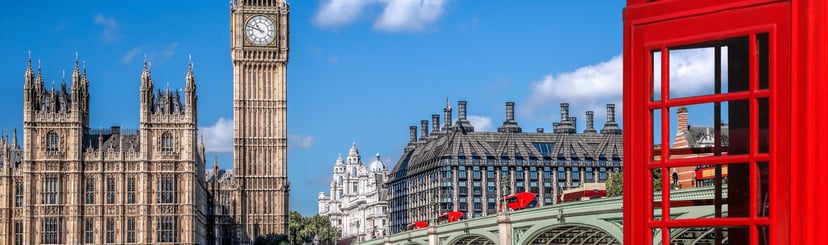


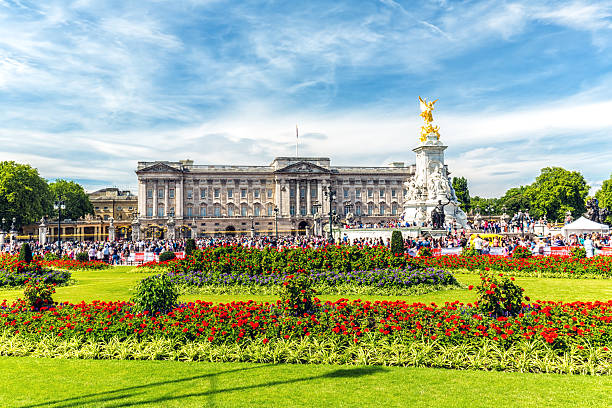


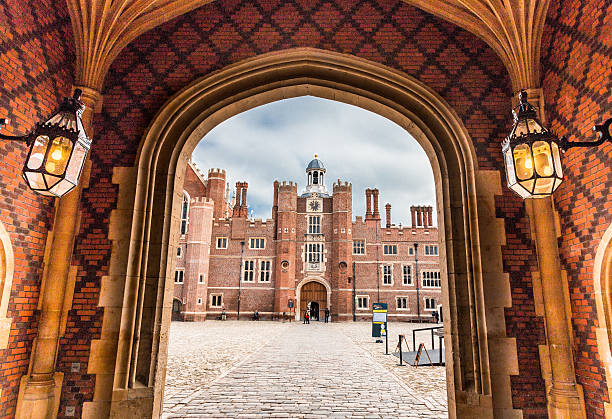













 So if you are looking for the absolute best in London & surroundings with authentic local fully-licensed native guides whose English you can actually understand and with an exclusive and amazingly fun itinerary













