How Many Days in London for a Bespoke First Trip? 3, 4 or 5 Days with Windsor or Bath in the Right Place

Updated
For a bespoke first trip, London usually wants 4 full sightseeing days. Keep 3 days for a compact, city-only version of a first visit. Move to 5 when Bath is non-negotiable, when one day must stay deliberately light, or when you want London plus one premium day trip without turning the rest of the stay into recovery time.
That verdict works because London’s famous first-trip areas do not compress evenly. Westminster needs a real morning, the Tower side of the city wants its own substantial block, and the South Kensington hotel cluster can make museum London feel almost effortless while quietly leaving you with east-west transfer drag for everything else. A “3-day London” plan changes meaning fast once museums, Knightsbridge dinners, airport transfers, and one serious London evening are all competing for the same stay. Travelers often notice this too late, usually around Gloucester Road or South Kensington station, when the map still looks manageable but the day is already splitting into separate halves.
The clearest exception is the traveler who wants only a compact first look: one ceremonial London day, one museum-and-Mayfair day, and one flexible city day, with no Bath, no Windsor, and no pressure to fit a theatre night or destination dinner around a long return. In that narrower version, 3 days can work. Everyone else should stop treating London as a city that expands in neat half-day increments and start treating it as a city of clusters, transitions, and energy management. That is especially true if your hotel choice is still open; where to stay in London changes the meaning of every one of these trip-length calls.
How many days in London is enough for a first trip?
For most first-time, comfort-first travelers, the honest answer is 4 days, with 5 as the better call when Bath enters the plan and 3 as the minimum only when London itself is the whole trip.
The decision lens: judge these options by four things, not by attraction count: whether Westminster gets a true morning, whether the Tower or City side of London sits in its own block instead of being tacked onto something else, whether your hotel base keeps one of your big days feeling local, and whether your evenings still feel enjoyable rather than spent.
Default winner — 4 days: best for a first trip that wants London to feel properly seen rather than sampled. It gives you one ceremonial London day, one eastern or river-led London day, one museum or West End day, and one flex block that can absorb weather, shopping, a long lunch, or a carefully chosen Windsor outing.
Runner-up — 5 days: best when Bath matters, when older parents or younger children need a gentler rhythm, when you want both London highlights and serious food-and-wine time, or when a celebratory stay needs one day that is intentionally lighter on feet and transitions.
Minimum, not the winner — 3 days: good enough for a city-only first look with disciplined cuts. It is not an honest answer if you are already picturing Bath, a real Windsor visit, a jet-lagged first full day, and two substantial London evenings.
The wrong fit: 3 days plus Bath, and often 3 days plus Windsor. The popular London add-on that most often makes a first stay feel overpacked is Windsor, because travelers keep treating it as a harmless half-day when it actually steals the exact middle of the trip that London uses best.
Why London breaks the neat 3-, 4-, and 5-day math
London feels compact only when your major sights belong to the same geography and the same type of day. The moment you mix ceremonial Westminster, the Tower and river edge, museum London, and one fixed evening plan, the trip stops being about distance on a map and becomes about how many resets your day can absorb.
This is the core planning thesis: London is not difficult because everything is far apart by intercity standards; it is difficult because its first-trip clusters run on different clocks. A Westminster morning asks for queue tolerance, standing time, and a more formal pace. A Tower-side day asks for eastward commitment and usually more walking than first-timers expect, especially once Tower Hill, Tower Bridge, the river edge, and perhaps St Paul’s or the South Bank begin talking to one another. A South Kensington morning can feel beautifully easy from the South Kensington hotel cluster, especially if Exhibition Road is effectively on your doorstep, but that same convenience does nothing to shorten the rest of your trip.
What really needs a full morning
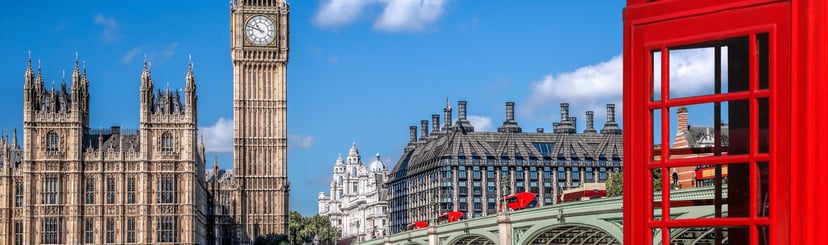
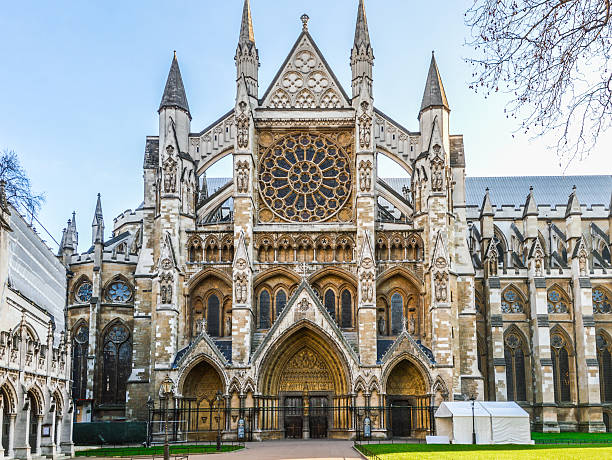
Westminster usually needs one. Whether you prioritize Westminster Abbey, Whitehall, Parliament exteriors, St James’s Park, the Churchill War Rooms, or simply the ceremonial core, this is not a “quick look before lunch” district if it matters to you. The area carries slow-entry sites, wide photo stops, and enough political and historical context that rushing it produces a thin experience. This is why a Westminster-to-Tower day is a threshold day: the city still allows it, but it consumes more of the clock than travelers expect.
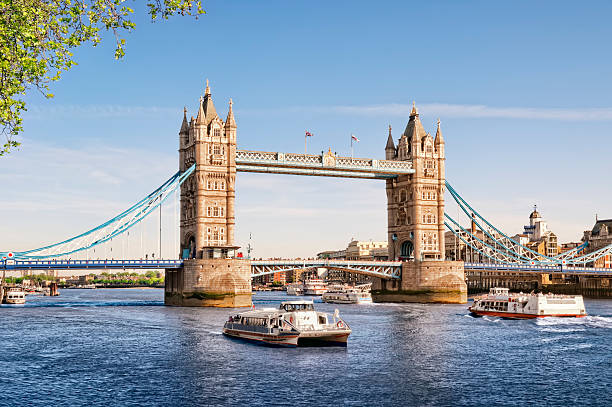
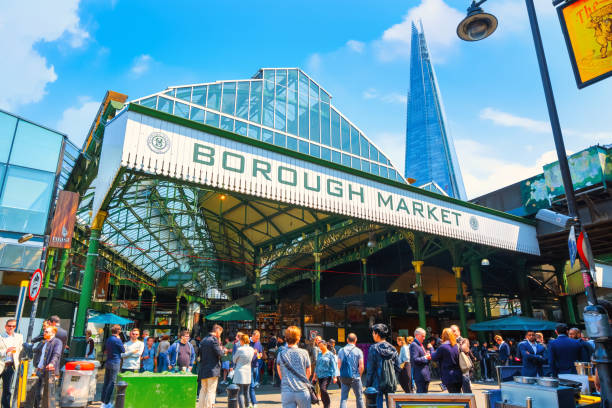
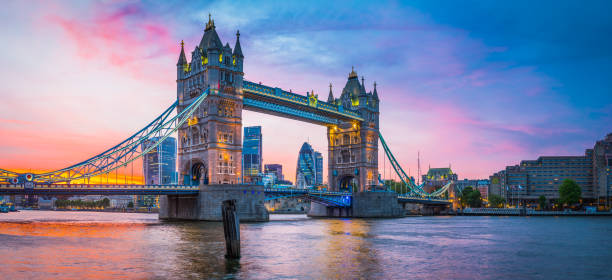
The Tower side usually needs one substantial block of its own. Tower Hill is not just one sight pin. Once the Tower of London is important, Tower Bridge photos happen almost automatically, the river edge pulls you along, and the City side begins tempting you westward toward St Paul’s, the Millennium Bridge, or Borough-side lunch if you cross south. That day can be outstanding, but it is not the same animal as a museum-and-Mayfair day. This is one reason which first London sight cluster makes sense is not a trivial question for a short stay.
What can share a partial day more gracefully
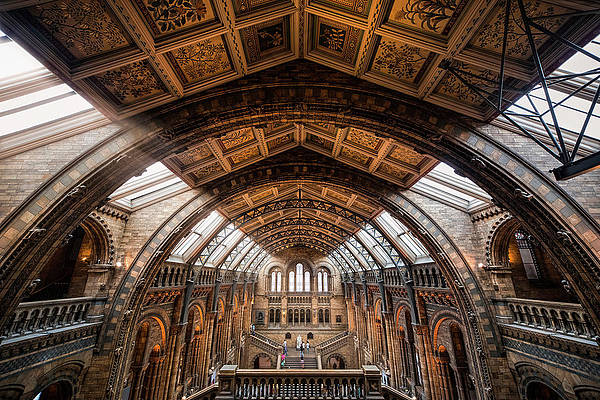
Museum London is more forgiving, but only when curated. The V&A, the Natural History Museum, and the Science Museum sit in a density that makes them look interchangeable; in practice, first-time travelers should treat South Kensington as a choose-one or choose-one-plus-stroll district unless museums are the point of the trip. That is why the South Kensington hotel cluster is such an influential base for first-timers: it turns one London day into a low-friction home game. You can spend the morning on Exhibition Road, pause at the hotel, and still make Knightsbridge or Mayfair for late lunch, shopping, or dinner without your day feeling broken in half.
The British Museum, Bloomsbury, Covent Garden, and Mayfair also combine more elegantly than Westminster and the Tower do. A curated museum session, lunch, and an afternoon or early evening in the West End can feel coherent. That is the opposite of trying to do Westminster first, then “just swing by” the Tower. One route stays within a similar rhythm; the other asks you to change both geography and tempo. Four days begins to earn its keep right here, because it lets you stop pretending those are the same category of day.
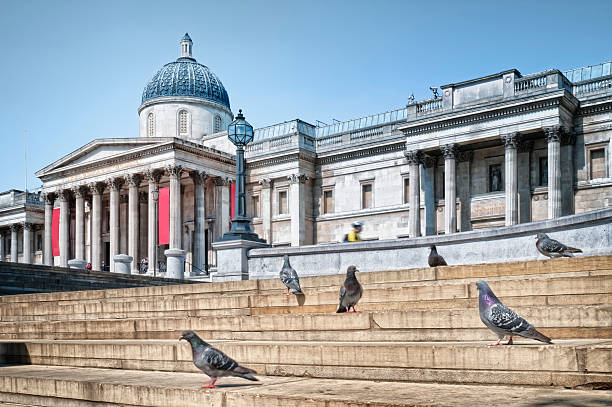
Even London’s beautiful connective tissue has a cost. Whitehall to Trafalgar Square is easy. Covent Garden to Mayfair can be pleasant and sociable. But Embankment to Tower Hill, Westminster across the river and back, or a late Bath return into central London before a reservation all create a quieter tax: a Tube descent, a platform wait, a car ride through traffic, a river crossing, or simply the sense that the middle of the day has been spent reassembling the plan. On paper this looks small. In the body, it is often the whole reason a 3-day trip starts feeling one night too short.
London does real physical work on travelers, and this matters more than many affluent first-timers expect. Standing queues, station stairs, long platforms, repeated stops to orient, river crossings that look romantic but still take time, and the cumulative walking between Westminster, Whitehall, St James’s, Covent Garden, the City, and your hotel flatten energy by late afternoon. That is why the same attraction list can feel polished over 4 days and oddly punishing over 3.
London also changes the mood of a trip very quickly. When days end near your dinner, theatre, or cocktail plan, the city feels urbane, social, and full of choice. When every day ends with a tired cross-town transfer and a rushed wardrobe change, the city begins to feel procedural. The extra day is rarely about one more monument. It is about keeping London recognizable as a city you are enjoying, not merely processing.
Is 3 days in London enough for a first trip?
Yes, 3 days in London is enough for a first trip only if you accept that you are choosing a disciplined city edition, not the full first-time wish list.
The best use of 3 days is to keep London itself in charge. That usually means one Westminster-centered day, one museum or West End day, and one eastern or flexible day built around the Tower, the City, or a curated British Museum and Covent Garden pattern. It can be elegant, especially for couples attaching London to a longer European trip, families who want only the greatest hits, or business travelers adding a refined city extension. It is much less elegant when the plan secretly wants London plus an out-of-city castle day, a theatre evening, a shopping block, and a food-led splurge at the same time.
The biggest mistake on a 3-day first trip is cutting London’s own structure before you cut the add-on. Cut Windsor before you cut Westminster. Cut the second museum before you cut the east-west separation between your major days. Cut speculative shopping before you cut the evening that makes the trip feel like a stay rather than an endurance exercise. People often do the reverse because the day trip looks “special,” but London is the reason you came.
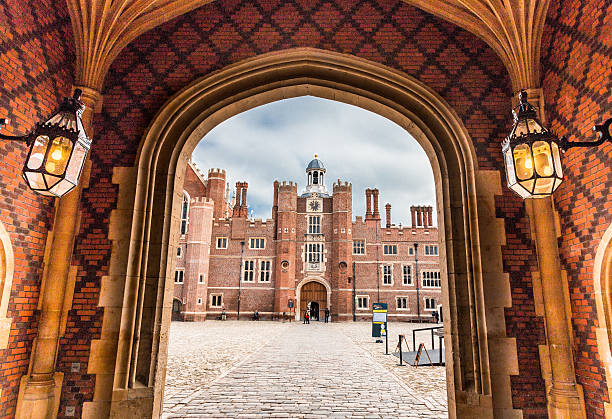
That is where the Windsor half-day temptation becomes dangerous. Windsor is close enough to look innocent in a draft plan, especially if you are staying west or if someone in the group cares deeply about the castle. But closeness is not the same as free. A real Windsor day still wants departure time, arrival time, site time, lunch logic, and a return that leaves the rest of the city compromised unless the rest of the trip is very tightly edited. On a 3-day first trip, Windsor usually works only when you are comfortable giving London two truly substantial city days and one shorter city block, not when you expect full London coverage as well.
Bath is the easier judgment. Bath does not belong inside a 3-day first London plan unless London is acting as a mere base and not as the main event. Bath is a real day, and it deserves to be treated as one. The Roman core, the crescents, the abbey area, and the general pleasure of being there are exactly why people go. Compressing that into a short London stay usually weakens both places.
Three days also behaves differently depending on how you arrive. If you are long-haul and your first day is soft by design, then “3 days in London” can quietly become 2.5 or less unless you planned the arrival day as part of the trip rather than dead time. That is why a well-judged arrival day in London matters more than people think on a short first visit.
When 3 days works, it works because the plan is editorially strict. You choose the London that suits your style, you let each day live in one geography, and you do not punish the schedule just because Windsor or Bath looks possible from a distance. If you want a model for that compact version, a well-built 3-day London itinerary is a better next step than trying to backfill one extra day trip into a city-only template.
Why 4 days is the real first-trip answer
Four days is where London finally lets a first-timer separate the city into the right kinds of days instead of forcing them to stack unlike things together.
The fourth day buys clean boundaries. It lets Westminster remain Westminster instead of becoming “Westminster before lunch.” It lets the Tower side remain its own eastward commitment rather than a rushed second act. It lets South Kensington or Bloomsbury have museum time without stealing from a ceremonial day. Just as importantly, it allows one day to absorb a slower breakfast, shopping, weather, a river cruise, children’s energy, older parents’ pace, or a celebratory dinner reservation without wrecking the whole frame.
This is why 4 days is the default winner for discerning first-time visitors. It is not bloated. It is the point at which London’s classic first-trip clusters stop competing for the same hours. You are no longer trying to prove that the city is efficient; you are letting the city reveal itself in the pace it actually wants.
In practical terms, 4 days usually supports one Westminster day, one Tower or east-river day, one museum or West End day, and one flexible city day that can lean food, shopping, family, literary London, or a more local-feeling route. If your hotel is in South Kensington, that flexible day often becomes museum-led or Knightsbridge-and-Mayfair-led. If your base is Covent Garden or Mayfair, the fourth day often becomes the difference between “we saw it” and “we enjoyed it,” especially around the West End and dinner hours.
The counterintuitive correction here is that paying more for a glamorous location does not automatically reduce the number of days London needs. A more expensive address may improve the feel of your mornings and evenings, but it does not magically fuse Westminster and the Tower into one easy day, and it certainly does not make Bath fit into a city-only stay. Hotel quality and hotel placement matter. They do not erase the structure of the city.
Four days is also where London’s food-and-wine life begins to sit comfortably beside sightseeing rather than against it. If your trip includes a meaningful lunch or dinner, the extra day often buys back more than any room upgrade does. Food-minded travelers feel this immediately. The question is not whether London has great places to eat; it obviously does. The question is whether your sightseeing plan leaves room for the kind of meal you actually flew over to enjoy.
That is why menu pages and reservation timing can become a surprisingly honest trip-length test. If your London draft already includes checking Ikoyi menu & reservations (https://www.ikoyilondon.com/) and weighing a more formal midday commitment like the current three-course lunch menu (https://www.theritzlondon.com/restaurant-three-course-lunch-menu) at The Ritz, you are no longer designing a pure “see the landmarks fast” stay. You are designing a broader London experience, and 4 days is usually the first length at which that feels composed instead of squeezed.
Families, celebration travelers, and small groups also benefit disproportionately from the fourth day because it absorbs variation inside the group. One person wants the Tower. Another wants the V&A. Someone else wants shopping or afternoon tea. In 3 days, those differences become friction. In 4, they become edit choices. That distinction matters when the goal is not just coverage but group harmony.
There is one caveat. Four days is still a city-first answer, not a free pass to add Bath casually. It can sometimes hold Windsor, especially if the rest of the trip is west-leaning, your group moves efficiently, and you are truly content with a shorter final city day. But 4 days with Bath is usually still one decision too many for a first trip that wants London to feel whole.
When 5 days is worth it
Five days is worth it when the extra time is buying rhythm, not merely a longer list.
The most convincing reason to move from 4 to 5 is Bath. Bath deserves its own day, and London deserves not to be punished for that decision. A first-time stay that includes Bath usually lands best when you still have 4 real London days around it, not when Bath is eating one of the city days you thought you had. This is the difference between “we added Bath” and “we built a trip that could actually hold Bath.”
Five days also makes sense when one day is intentionally softer: a long-haul recovery day, a family day with more pauses, a slower pace for older parents, a celebration day with spa time or a major lunch, or the kind of trip where one late night should not contaminate the next morning. In a city like London, that softness is not wasted time. It is a structural improvement.
There is an important commercial truth here, and it helps explain why the fifth day often feels better than expected. The extra night is usually not buying more attractions on paper. It is buying cleaner sequencing. It lets Bath sit where it belongs, or lets a premium day trip happen without collapsing the rest of the trip into compressed halves. That is exactly the point where bespoke planning stops sounding abstract and starts feeling measurable.
Five days is also the right answer for travelers who care about evenings as much as daytime sightseeing. A first London trip that wants theatre, an anniversary dinner, a serious lunch, or a food-and-wine route that spills gracefully into the afternoon often needs one day that is not heavily burdened by monument logic. In 4 days, that can work. In 5, it usually works without negotiation.
What 5 days should not become is permission to over-collect neighborhoods. This is still a first trip, not a residency. The fifth day is best used to relieve pressure from the main clusters, not to bolt on every district you have heard about. When a 5-day plan goes wrong, it is rarely because there was too much time. It is because the extra day encouraged indecision rather than discipline.
Windsor or Bath: where the day trip actually belongs
If you are choosing between Windsor and Bath on a first London stay, Bath belongs in a 5-day plan and Windsor belongs only in a 4-day plan that has already accepted its tradeoffs.
Bath is the more honest full-day decision. It rewards a traveler who wants a change of scene, a place with its own atmosphere, and a day that feels distinct from London rather than merely adjacent to it. That is exactly why Bath deserves more respect in the plan. It should not be treated as an extension of a London morning. It belongs as a complete day with an unhurried return and no expectation that you will squeeze serious London sightseeing around it.
Even a tidy Bath return often lands you on the Paddington side of town rather than back inside your evening plan. That can be perfectly fine for a west-side hotel. It is much less fine if you imagined the day flowing straight into a Covent Garden curtain time, a Mayfair dinner, or a celebratory London night with no reset in between.
Windsor is the more deceptive decision. It is easier to imagine, easier to draft, and often easier to justify because it looks close, focused, and straightforward. That is precisely why it overpacks first trips. Travelers think “half-day,” but the lived day includes departure, arrival, security or entry rhythm, lunch, wandering, return, and the subtle feeling that the city day on either side has been trimmed into awkward shapes. Windsor can absolutely be worth it. It is just not as free as it looks.
For a first stay, Bath usually sits best after you already have two proper London days behind you and at least one proper London day still ahead. That placement keeps the day trip from feeling like an interruption or a last-chance rush. Windsor, when it makes sense, tends to work best once you already know what you are willing to sacrifice in London. If the group would mourn missing the Tower, British Museum, or a museum district more than it would miss Windsor, that answer should guide the plan.
The cleanest sequencing rule is simple. Do not place a day trip on your first full day in London unless the city itself is secondary. Your first full day should teach you the city’s rhythm, not remove you from it. Likewise, do not place Bath on your final day unless your departure pattern makes that genuinely comfortable. A long return followed by packing or an early airport move is one of the easiest ways to make a carefully planned trip feel abruptly thin at the end.
This is where guided routing changes the night count. A well-designed private Windsor or Bath day does not change geography, but it does change friction. Door-to-door planning, cleaner entries, lunch placement, and better sequencing can make 4 days with Windsor feel viable when an independent version would feel fussy. The same logic can make 5 days with Bath feel polished rather than long. If you are comparing options, which London day trip fits best is the right companion read, because the issue is not just distance; it is what each outing does to the rest of the stay.
There is also a value judgment to make. Windsor is best when the castle itself is a real priority. Bath is best when you want one full alternative day with its own texture. If you are lukewarm about castles and merely want to say you left London once, Windsor is often overvalued. If you are genuinely interested in spending one day outside London well, Bath is usually the stronger reason to add the fifth day.
The hotel base, transfer drag, and spend decisions that change the count
Your hotel base changes the feel of the trip, but not always in the way travelers think.
The South Kensington hotel cluster is a meaningful example. It is excellent for museum mornings, civilized returns, and travelers who like the idea of South Kensington, Knightsbridge, and western London fitting together with less fuss. It is less magical for eastward London than first-timers imagine. From South Kensington, Westminster is manageable, but the Tower side still asks for commitment. From South Kensington, a museum morning and a Knightsbridge dinner can feel natural; a Tower morning and a late Mayfair dinner usually feel like two separate plans joined by transport.
That is why base choice can push a short trip toward an extra night even when the city map looks unchanged. A Mayfair or Covent Garden base may compress central London more gracefully for theatre-goers and food-led evenings. South Kensington may make museums and family pacing easier. None of those choices abolishes the need to separate unlike days. They simply decide which day feels easiest and which day still requires a longer reach.
Paying more for a second London hotel base does not materially improve a 3- or 4-night first trip; it adds packing, check-in downtime, and another car transfer without meaningfully shortening the Westminster-to-Tower or museum-to-Mayfair routes.
That sentence matters because many travelers assume premium spend should solve every planning problem. It does not. The wrong premium spend in London is often a second base. The right premium spend is usually targeted logistics: a well-placed hotel, a guide on the city day with the most site density, a chauffeured day when the route zigzags, or a private Bath or Windsor outing where door-to-door execution saves the energy that public planning would consume.
In other words, spend more where London is most wasteful with time. That may be arrival handling, it may be a mixed-geography sightseeing day, and it may be the out-of-city day that would otherwise blur into transitions. This is exactly where when a chauffeured London day earns its keep becomes relevant. The luxury is not the car itself. The luxury is removing the dead middle of the day.
If your draft trip now looks like this — South Kensington hotel cluster, one proper Westminster morning, one eastern London day, one museum-and-Mayfair or West End day, and either Bath or an honest Windsor choice — then the main question is no longer “Can I fit it all?” It is whether you want the city to feel trimmed or composed. That is the handoff point where custom routing matters more than another round of internet list-making. For travelers who want the city and the day trip built as one coherent stay, start with private day trips from London, then Inquire now.
FAQ
Is 3 days in London enough if I also want Windsor?
Usually no, not for a first trip that still wants London to feel properly experienced. Three days can hold London, or it can hold a narrowed London plus Windsor version, but it rarely holds both without obvious cuts. Windsor is the add-on people most often underestimate.
Is 4 days enough for London and Bath?
Only if you are comfortable treating London as the partial experience. For most first-time travelers, Bath makes much more sense inside a 5-day plan because Bath wants a real day and London still wants 4 city days to feel calm and complete.
Should first-timers choose Windsor or Bath?
Choose Windsor when the castle itself is a real priority and you accept the tradeoff in London. Choose Bath when you want one full out-of-city day with its own atmosphere and are willing to add the extra day that makes that choice honest.
Does South Kensington work for a first London trip?
Yes. South Kensington works very well for museum-minded travelers, families, and visitors who like a polished western base. Its limitation is not quality but reach: it makes museum London easy, not all of London equally close.
Should I split my first London stay between two neighborhoods?
Usually no. On a short first trip, splitting bases rarely saves enough time to justify the disruption. A single well-chosen hotel and better day design almost always beat one move in the middle of the stay.
Can a private guide reduce the number of days I need in London?
A guide can reduce waste and make 4 days feel fuller than 5 badly planned days, but a guide cannot change the underlying truth that Westminster, the Tower side, museum London, and Bath or Windsor still behave as separate commitments. Guidance improves quality more than it erases the need for time.
What should I cut first when the trip feels too full?
Cut the out-of-city add-on first, especially Windsor on a short stay. After that, cut the second museum or speculative shopping block before you cut the main London cluster that matters most to your group.
What is the best next step after choosing 3, 4, or 5 days?
Once the day count is clear, choose the base, then sequence the clusters, then decide whether the out-of-city day is still worth the space it takes. If you want that built around your arrival, dining plans, family pace, or celebration priorities, Orange Donut Tours can shape the stay from the ground up.
If you’re interested in any private tours of London, please reach out to us.



















 So if you are looking for the absolute best in London & surroundings with authentic local fully-licensed native guides whose English you can actually understand and with an exclusive and amazingly fun itinerary













