London with Kids for a Premium First Trip: A Comfort-First Plan That Avoids Queue Meltdowns

Updated
The best first London plan with kids is to organize the trip around three compact central clusters and to let South Kensington do more work than most first-timers expect. That approach wins because London is rarely hardest on families because of pure distance; it is hardest because of repeated security lines, river crossings, crowded transfer decisions, and the false promise that one more famous sight is “close enough.” Build one day around the South Kensington museum belt, one around Westminster Abbey and St James’s Park, and one around the Tower of London area, and the city feels edited rather than relentless. The condition that changes the advice is simple: older teens with real city stamina can stretch a Westminster or Bloomsbury afternoon farther than school-age children can, especially when the trip already leans adult.
In London, the calmest family days come from museum spines and park edges, not from chaining postcard views across the river. The mildly hidden advantage is the South Kensington station tunnel and Exhibition Road spine: you can arrive, choose between major museums, find lunch, and recover without rebuilding the day every time the weather shifts or a child loses interest. That is why families who plan by cluster usually keep their evenings; families who plan by wish list often spend the 4 p.m. hour negotiating one last transfer that nobody really wants.
The overvalued move on a premium first trip is the grand sweep from the Tower of London to Westminster in one supposedly efficient day. It photographs well on paper, but queue drag, stone-floor fatigue, and the decision of how to cross or bypass the river change the whole family mood. If you want expert help deciding which parts merit guidance and which are easy to do independently, family-friendly private touring in London is most useful when it is designed around child stamina rather than around an adult highlight reel.
How to group London’s big sights with kids on a first trip
The most reliable answer is to choose a daytime anchor first and only then decide how many icons fit around it.
Use this as the family planning matrix.
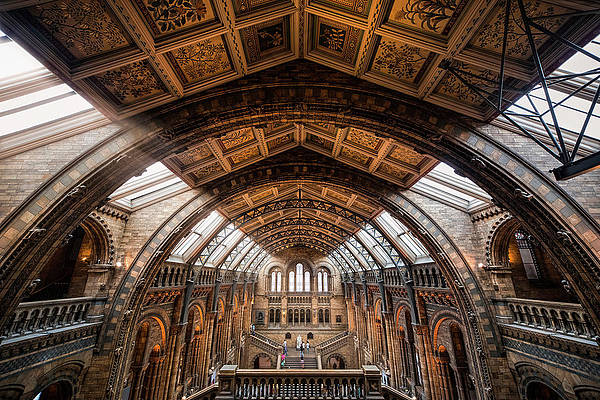
South Kensington museum belt
Best for school-age children, rainy forecasts, mixed museum interests, and first afternoons after arrival.
Why it works: South Kensington, the South Kensington museum belt, lunch options, and recovery stops sit on one low-friction spine instead of across multiple neighborhoods.
What to avoid: adding Buckingham Palace or the Tower afterward just because the map makes central London look compact.
Westminster and St James’s Park
Best for a ceremonial London day, families who want Westminster Abbey, and children who need greenery built into the middle of the plan.
Why it works: Whitehall, the Abbey area, and St James’s Park create a natural sequence of indoor history, open air, and a calmer return leg west.
What to avoid: turning this into a South Bank add-on day unless your children are older and you are comfortable with a longer finish.
Tower of London and the riverside City edge
Best for one focused morning with pre-booked entry and children who will engage with stories, armor, ravens, and the Crown Jewels.
Why it works: the Tower of London is strongest as the headline event, not as one stop inside a marathon icon chase.
What to avoid: pairing it with Westminster Abbey in the same compressed first-trip day.
British Museum, Bloomsbury, and Covent Garden
Best for teens, mixed-age groups with one history-obsessed child, and families who want a city-feel afternoon after one deep museum visit.
Why it works: Bloomsbury and the British Museum reward curiosity and conversation, then let the day taper into Covent Garden or the West End without another major ticketed stop.
What to avoid: expecting it to be the easiest museum day for younger school-age children just because it is famous.
What this matrix does is cut the real problem down to size. Instead of asking whether London has enough to keep children interested, which it obviously does, it asks a more useful question: which cluster gives your family the best ratio of wonder to waiting, walking, and arguing about what comes next. On a first trip, that ratio matters more than seeing the maximum number of landmarks.
School-age kids and teens should not be planned the same way
Yes, age-band planning changes London more than many parents expect.
School-age children usually do best with one clear headline visit in the morning, one outdoor decompression window, one seated food stop, and a return leg that does not require family diplomacy. In London, that often means a museum or major monument before lunch, a park or quieter walk after lunch, and then a deliberate stop rather than an improvisation. Children around six to twelve can be outstanding travelers here when the plan has shape, but they are also the group most likely to go suddenly flat after too much standing in heritage spaces they did not choose.
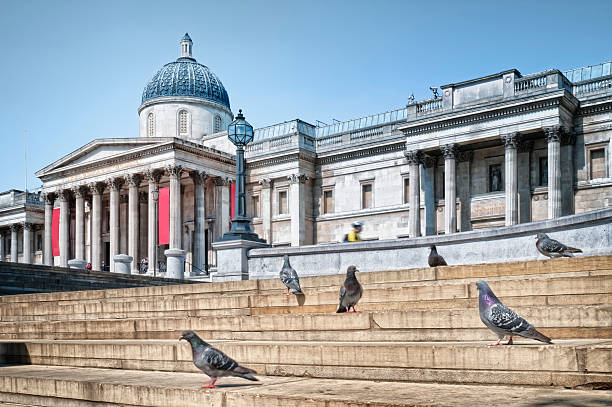
Teens can usually carry more density, more interpretation, and a longer urban finish. A teenager may be happy with Westminster Abbey, a walk through Whitehall, a pause in St James’s Park, and a drift toward Trafalgar Square or Covent Garden. That same sequence can be too long for younger children, not because the mileage is impossible, but because the stop-start rhythm of queues, cloakrooms, ticket checks, and “wait here for a second” moments is more draining than the map suggests. London tires children in administrative bursts.
If you also have a stroller, or a younger sibling who travels like a stroller-age child even when technically past that phase, reduce expectations further. Central London can be perfectly doable, but station choices, escalators, curb cuts, museum security, and crowded entrances stretch every transition. Parents often budget for walking distance and forget to budget for folding, lifting, re-parking, bathroom detours, and the fact that the most direct Tube transfer is not always the least annoying one.
There is also a difference in what each age band remembers. School-age children tend to remember a raven, a dinosaur hall, a ceremonial guard, a boat ride, or a park run. Teens are more likely to remember the feeling of the city: Westminster’s political weight, the scale of the British Museum, the contrast between the Tower and modern London, or the point where a guided explanation suddenly makes the place click. That is why a premium family plan should not force the same proof of value from every hour. Younger children need pace and relief; teens need enough substance that the day does not feel over-sanitized.
The practical consequence is that most first-time families should not copy an adult London itinerary and simply slow it down a little. They should edit it from the ground up. Once your children are truly teen-stamina travelers and the trip is widening beyond this narrower family question, our broader 3-day London itinerary becomes the more relevant next read. Until then, London works best when you choose fewer centers of gravity and let each one breathe.
South Kensington is the family hinge point most first-timers underrate
For most first-time families with children roughly six to twelve, South Kensington is the best first-day London cluster.
This is not because South Kensington is somehow “better” than the rest of central London in an abstract sense. It is because the district does several jobs at once. It gives you serious museums without forcing a total commitment to one single subject. It gives you a weather pivot. It gives you easy lunch logic. It gives you a controlled exit if the day is going better or worse than expected. And it gives adults the feeling that the trip has properly started even if children are still operating on arrival-day energy.
The South Kensington museum belt is especially strong on a first family trip because it keeps museums, lunch, and recovery stops on one continuous spine. The pedestrian tunnel from the station matters more than most guidebooks admit. So does Exhibition Road. Families can arrive with coats, bags, and varying enthusiasm, then still feel oriented rather than dropped into a confusing city block. That sounds small, but it is exactly the sort of small operational win that prevents the first major grumble from turning into a bad afternoon.
There is also a premium-travel lesson here: you do not need to pre-commit the entire cluster with military precision. South Kensington is one of the few big-name London zones where a high-comfort family can still preserve flexibility without sacrificing quality. If one museum lands beautifully, stay longer. If one does not, you have a viable pivot. If rain arrives, you are not trapped. If everyone needs lunch earlier than expected, that is not a crisis. In central London terms, that level of forgiveness is rare.
The counterpoint is important. South Kensington is not automatically the right answer for every family. If your children are older teens, strongly history-driven, or deeply excited by the British Museum, then Bloomsbury may serve the trip better. If the Tower of London is the emotional centerpiece of the whole visit, then your first full morning should go there. But for a mixed-age group, for arrival-day fragility, or for families who simply want London to feel easier at the start, South Kensington wins.
It also wins because it keeps parents from overreacting to the map. On paper, it can look tempting to jump from South Kensington to Buckingham Palace, then perhaps to Westminster, because everything appears to sit in one broad central band. In practice, that is the exact moment when a good day begins to fray. Children who have already processed a museum, a café line, and a transport shift often do not experience the next famous stop as a reward. They experience it as another wait.
Where South Kensington becomes truly useful is in what it saves for later. A family that starts here often reaches dinner with more patience left. A child who has had a successful first London museum day is much easier to persuade into Westminster Abbey or the Tower of London on the following morning. That is not a soft psychological point. It changes the quality of the whole trip because London’s grandest sites ask more of children once you are through the front gate than they do in the marketing photos.
There is one more quiet correction worth making. Families sometimes assume that a chauffeur should do most of the work once they have decided on a premium trip. A chauffeur is valuable between far-apart parts of London, on arrival days, or when weather and timing justify it. Inside South Kensington itself, however, the district is already doing the efficiency work for you. Loading in and out of a car for tiny hops can feel more cumbersome than simply staying on foot within the cluster.
Tower of London morning versus Westminster afternoon: split them, do not stack them
The clean answer is to put the Tower of London in the morning on its own day and to save Westminster for a different day.
This is the planning decision that changes the trip most. Parents frequently see the Tower of London, Tower Bridge, Westminster Abbey, and Parliament as chapters of one coherent “historic London” day. In idea form, that sounds elegant. In family form, it usually becomes a slow-motion overstack. The Tower of London demands an alert start, patience at entry, and enough energy left to absorb the stories once you are inside. Westminster Abbey asks for a different kind of attention: quieter, denser, and more interpretive. The transfer between the two is not just a line on a map; it is the moment when the family has to decide whether to sit, cross the river, find lunch, queue again, and ask children for a second round of cultural focus.
That is why the Tower of London morning versus Westminster afternoon choice is so consequential. If you choose the Tower first, treat it as the day’s headliner. Arrive early, give it the best concentration of the day, and then decide whether the second half should be lunch and a seated transfer west, a short riverside walk, or simply a more relaxed finish. Once you leave the Tower side of the city, the next decision—boat from Tower Pier, Tube from Tower Hill, or taxi west—determines whether the second half feels composed or argumentative. Families who insist on making the Tower merely the opening act often end up missing the thing they came for: a child’s sense that this place is actually exciting, not just famous.
For families who want guidance here, a Tower of London & Crown Jewels private tour is worth the spend because it compresses the explanation while parent attention is split between tickets, toilets, layers, and a child who is already asking what comes next. The value is not status. The value is that someone else is managing sequence, emphasis, and pace while the family preserves energy for the part that should feel memorable.
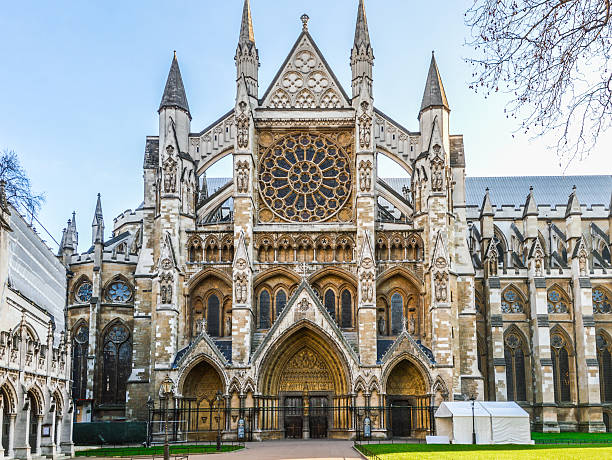
Westminster, by contrast, is better when it has air around it. Westminster Abbey is one of those places that rewards framing. Without that framing, younger children can experience it as a lot of stone and a very serious hush. With context, and with a real plan for what happens immediately afterward, it becomes part of a strong family day. Private Westminster Abbey guiding tends to pay back by turning a potentially slow visit into one coherent story and then releasing the family into St James’s Park before the mood slides.
St James’s Park is not decorative filler in this plan. It is one of the places where a London family day can breathe. After Westminster Abbey, children need space, daylight, and the ability to move at their own speed for a while. The park changes the rhythm from “stand, listen, whisper, wait” to “walk, snack, look around, choose a bench, recover.” That is an operational change, not a scenic bonus. Parents who treat St James’s Park as optional often discover that the optional part of the plan was actually the thing preserving the rest of the day.
This is also where London works the body in a very specific way. It is not only the number of steps. It is the accumulated standing on hard floors, the long internal routes once you are inside major sites, the stop-start of security procedures, and the extra exposure that comes with river wind or a badly timed wait outdoors. A family can look fine at noon and still be physically spent by mid-afternoon because the day has contained more static fatigue than moving fatigue. That is why a seated lunch, a park break, or a boat transfer can matter as much as the next landmark.
The mood consequence is just as real. A Westminster day that flows from the Abbey to St James’s Park and then toward an early dinner feels shorter than it was. A Tower day that becomes “one more thing” after lunch often feels longer than it was. London is unusually sensitive to how the last ninety minutes are handled. Get those ninety minutes right and the city feels generous; get them wrong and the whole family remembers the strain rather than the sight.
So the firm editorial call is this: do not stack the Tower of London and Westminster Abbey on the same first-trip family day unless your children are older teens, lunch is already locked in, and you accept that the second site will receive a flatter version of your family than the first one did. Most families are happier when they choose one and protect it.
Should first-time families do the British Museum or South Kensington?
For most first-time families with school-age children, South Kensington is the easier win; for teens and history-led families, the British Museum can be the better choice.
This is one of the most common planning mistakes in London: treating every famous museum as equally family-suitable simply because it is world-class. They are not interchangeable. The British Museum is magnificent, but it is also denser, more interpretive, and easier to overdo. Younger children can absolutely enjoy it, especially if there is one strong reason to go, but it is rarely the most forgiving museum day for a first London family trip.
That does not mean you should skip it automatically. It means you should go with a reason. If your teen is captivated by ancient civilizations, if the adults want one major encyclopedic museum, or if your family travels well when the day includes one deep intellectual stop and a more urban afternoon, then Bloomsbury becomes a smart cluster. Great Russell Street, the squares nearby, and the drift toward Covent Garden or the West End create a very different texture from South Kensington. Arrivals via Russell Square or Tottenham Court Road can also shape how stressful the start feels, because the “closest” route is not always the one children tolerate best. The district feels more city-shaped, less campus-like, and often suits teenagers better.
What does not work well is trying to force the British Museum into the leftover space of another day. Families sometimes tell themselves they will do South Kensington in the morning and the British Museum later if everyone still has energy. That almost never produces the museum at its best. If you choose it, choose it properly. Give it its own morning or midday slot, then let Bloomsbury or Covent Garden soften the second half.
When a guide is justified here, the reason is not simply to see more objects. It is to prevent drift and decision fatigue. A British Museum private tour is most valuable for older children and teens because it turns a potentially overwhelming collection into a strong narrative. Families with younger children can still benefit, but they should be especially honest about how long the visit can stay alive before attention collapses.
The return-leg logic matters here too. Bloomsbury can finish well into an early dinner, a West End show for older kids, or a simple stroll through Covent Garden. That is part of why it suits teens. South Kensington, by contrast, tends to finish best into a calmer hotel return or a neighborhood dinner without another big urban push. Neither is universally “better.” The point is that each cluster creates a different evening, and the evening is part of the value calculation.
If you are deciding between South Kensington and the British Museum on a short first trip, here is the useful test: choose South Kensington if you need resilience, easy pivots, and mixed-age happiness. Choose the British Museum if you want one denser intellectual day, your children can carry more interpretation, and you are prepared to make the museum itself the point instead of squeezing it between other famous names.
The pauses, return legs, and spend choices that change the trip more than parents expect
Yes, the smallest-seeming decisions often have the biggest effect on a family’s London days.
Parks, snacks, and seated breaks are not padding in London; they are structural parts of the itinerary. A proper pause after Westminster Abbey in St James’s Park, a genuine lunch during a Tower morning rather than a grazing emergency, or a mid-afternoon café stop in South Kensington can save the next two hours. When families skip those pauses because they are trying to “make the most of London,” they usually end up making less of the parts that mattered most.
Seated movement can help too, but only when it replaces effort rather than adding entertainment debt. A river cruise or boat transfer can be excellent after the Tower when it gives everyone a seat and shifts the family west without another crowded transfer. The same boat can be a mistake if it is bolted onto an already long day as one more attraction to justify. The rule is simple: use seated experiences to absorb travel, not to pile on more program.
The return leg should be planned as honestly as the headline sight. Families often devote enormous attention to timed entries and almost none to how they will feel at 4 p.m. That is backwards. The day is successful when the children can still handle the journey back, the adults are not bargaining through exhaustion, and dinner does not begin with recovery. West-ending your day from Bloomsbury or Westminster usually gives you a softer landing than finishing east and then insisting on one extra central stop. This matters even more if you hope to keep an early theatre night, a celebratory dinner, or simply an easy bedtime routine alive.
Where premium spend truly earns its keep is on days with hard entry windows, layered stories, and too many family decisions firing at once. The Tower of London, Westminster Abbey, and the British Museum for older children all fit that description. Those are the places where a private guide can shorten dead time, choose the right emphasis, and save parents from becoming the entire operations team while also trying to be emotionally generous travel companions.
Paying more for constant car hops inside South Kensington, Westminster, or Bloomsbury does not materially improve the day.
That sentence is worth stating plainly because it is one of the most expensive planning misconceptions in central London. Traffic, loading time, and the sheer interruption of getting everyone in and out often erase the theoretical comfort gain when the cluster itself is already compact. Spend on the hard transitions, not the tiny ones. A car can be a relief from hotel to the Tower on a wet morning, from an airport arrival into a first museum afternoon, or between genuinely separate neighborhoods. It is not magic inside a tight central zone that already works on foot.
The planning handoff point usually arrives once you know which clusters deserve pre-booked guiding and which ones your family can self-navigate. That is the moment when a custom family plan stops being a luxury extra and starts being a way to avoid preventable mistakes in sequence, recovery, and return timing. Inquire now
The first marquee add-on to cut when London starts getting overpacked
For most first London family trips, the full Harry Potter studio add-on is the first marquee extra to cut.
This is not a judgment on whether children love it. Many do. The problem is what it does to a short first trip built around central London. It consumes a large block of energy, introduces another transfer-heavy day, and often weakens the following morning because the family has spent one of its best stamina windows outside the core city. On a second trip, or on a trip where Harry Potter is the emotional reason for coming, that can be absolutely right. On a first premium trip meant to make London itself feel coherent, it is usually too much to stack on top of the Tower, Westminster, and museum days.
The better question is whether it should replace something rather than join everything. If the answer is yes, then build around it and accept a different trip shape. If the answer is no, then it is probably the first thing to cut. Families who make that cut early are often surprised by how much better the rest of London becomes once they stop defending an overfilled plan.
FAQ
Is South Kensington the best first-day cluster for London with kids?
Usually, yes. South Kensington is the easiest first-day anchor because it gives families more than one major museum option, an easy weather pivot, practical lunch logic, and a controlled exit if the day goes shorter or longer than expected. It is especially strong for school-age children and mixed-age families who want London to feel manageable from the start. It is less automatically ideal for older teens who want a denser history day or for families whose entire trip is built around the Tower of London.
Should we do the Tower of London or Westminster Abbey first with children?
If both are important, do the Tower of London first thing on one day and Westminster Abbey on a different day. The Tower rewards morning energy and focused attention, while Westminster works better when it can breathe and when St James’s Park is built in afterward. Trying to fit both into one day usually creates the wrong kind of tiredness: too much waiting, too much standing, and not enough family goodwill left for the second site.
Are taxis better than the Tube for a first London family trip?
Sometimes, but not by default. Taxis or a chauffeur help most on wet arrival days, between truly separate neighborhoods, or when the family is carrying coats, bags, or a tired child. Inside tight central clusters such as South Kensington, Westminster, or Bloomsbury, a car often adds loading and traffic time without solving the real problem. The better question is not “car or Tube?” but “are we making a transition that actually deserves help?”
Is the British Museum worth it on a first family trip to London?
Yes, but it is usually most rewarding for teens, history-led families, or anyone prepared to make it one serious stop rather than a quick add-on. For younger school-age children, South Kensington is often the easier first museum win because it is more flexible and easier to recover from if attention shifts. The British Museum is strongest when you choose it on purpose, give it a clear reason, and then let Bloomsbury or Covent Garden shape the second half of the day.
How many major sights can most kids handle in one London day?
For most first-time families, one headline indoor sight plus one secondary open-air or lighter element is the right London rhythm. That could mean the Tower of London and then a seated lunch and quieter finish, or Westminster Abbey followed by St James’s Park and an early dinner. Once parents try to turn two major ticketed sites into the same day, the city often stops feeling special and starts feeling procedural. London rewards restraint more than accumulation.
Should we add the full Harry Potter studio day to a short first London trip?
Usually not unless Harry Potter is one of the main reasons for the trip. It tends to cost too much energy for a short first visit centered on central London icons, and it can flatten the following day if you are also trying to do the Tower, Westminster, and museums. If it is emotionally non-negotiable, replace something with it rather than stacking it on top. That decision usually produces a better family trip than trying to fit everything in.
Can parents still fit one adult splurge meal into a family-focused London plan?
Yes, but place it after a shorter west-side day or book it as lunch rather than after an east-heavy Tower day. If you want ideas beyond the family frame, our London fine-dining guide is the useful companion read. For a celebratory evening, handle Ikoyi menu & reservations directly on the official site. If a daytime splurge is easier because grandparents or a sitter are covering childcare, See the current three-course lunch menu before you commit.
Do we need private guiding every day?
No. The places where guidance usually changes the experience most are the Tower of London, Westminster Abbey, and the British Museum for older children. South Kensington is often easy to self-navigate because the cluster itself already solves several logistical problems. The strongest premium family plans in London are rarely the ones with the most guided hours; they are the ones that put guidance exactly where it removes complexity and leave the easy stretches easy.
If you’re interested in any private tours of London, please reach out to us.

















 So if you are looking for the absolute best in London & surroundings with authentic local fully-licensed native guides whose English you can actually understand and with an exclusive and amazingly fun itinerary













