Penedès from Barcelona: Cava, Country Lunch or Montserrat Pairing When Wine Sets the Pace

Updated
Penedès deserves its own day from Barcelona when you want the cava visit, the cellar-to-lunch window, and the return to set the rhythm rather than become filler between bigger sights. It works in real city conditions because the best version moves cleanly out of Barcelona, lets one cellar explain itself, gives lunch room to unfold, and brings you back before the city’s dinner energy has gone flat. The clearest exception is a first Barcelona stay with only two full days: then Montserrat may outrank wine country, and Penedès should either be paired very carefully or saved for a trip where lunch can lead. This is the practical thesis: Penedès is not an add-on to Barcelona; it is the day you choose when wine, landscape, and lunch are allowed to govern the clock.
The first regret risk is treating cava country like a half-day tasting errand. From many Eixample hotels, leaving by Avinguda Diagonal and the B-23 edge can feel simple; from deep in the Gothic Quarter, the first pickup may already involve a staged meeting point near Plaça de Catalunya or the cathedral-side perimeter. That small city hinge matters because Penedès is at its best when the morning is not already chipped away. If the plan is a private, carefully paced Penedès winery and cava day, the luxury is not merely the car. It is the discipline to keep the wine arc intact.
One correction belongs early: Montserrat is not the automatic premium upgrade to a Penedès day. The mountain can be magnificent, but it changes the body of the day. It adds vertical movement, a second emotional peak, and a second transfer logic before lunch has even done its work. A smoother wine day is often the more adult choice, especially for couples, small groups, and travelers who have a serious dinner planned back in Barcelona.
Is Penedès from Barcelona a full day or a Montserrat pairing?
Penedès from Barcelona should be treated as a full wine-and-lunch day unless Montserrat is the clear headline for someone in the group. The right comparison is not “how many famous places can fit?” but “what will the day feel like at the cellar, at lunch, and on the return?” The moment wine sets the pace, the route should stop behaving like a sightseeing checklist.
The wine-day ladder, from cleanest to most fragile:
- 1. Penedès as its own day. Best when the cellar visit, cava context, and country lunch are the point. This is the default winner for food-and-wine travelers because nothing has to be shortened to justify the route.
- 2. Penedès with Montserrat only if the mountain stays concise. A strong runner-up when someone truly wants the monastery setting, the drive is private, and lunch is protected rather than squeezed. Pairing works when Montserrat is shaped as a focused morning, not a second full day pretending to fit inside the first.
- 3. Penedès as a shorter countryside escape before a Barcelona dinner. Sensible when dinner is the day’s main ceremony. The cellar visit can still be meaningful, but the country lunch may need to be lighter, earlier, or simpler so the evening has appetite and attention.
- 4. Wrong fit: Penedès, Montserrat and a city icon in one day. This looks efficient on paper and feels thin in practice. It usually steals depth from the cellar, calm from lunch, and ease from the Barcelona return.
The ranking favors route honesty over symbolic coverage. Cava is made by the traditional method, and the official D.O. Cava site (https://www.cava.wine/en/) is useful for understanding why the cellar visit is not just a tasting counter with bubbles. In Penedès, the explanation often needs physical space: underground galleries, bottle aging, vineyard position, grape language, the difference between a producer’s house style and the broader region. If the visit is rushed, the day loses the thing that made it worth leaving Barcelona.
The mistake is assuming every cellar is interchangeable. A historic producer with deep galleries, a smaller family estate among vines, and a contemporary wine project do not create the same day, even if all pour sparkling wine. The right private route starts by deciding which kind of wine experience the group will actually enjoy: architectural cellars and story, vineyard air and agricultural context, or a more gastronomic tasting that leads naturally into lunch.
When Penedès deserves its own Barcelona day
Penedès deserves its own day when lunch matters as much as the cava. The strongest version is not “winery plus meal” but cellar, conversation, landscape, and table in one unbroken arc. The country lunch is where the morning settles; it is also where a private day stops feeling like transit and starts feeling like Catalonia beyond the city grid.
The cellar-to-lunch window is the decisive micro-location of the day. It is not a single place on a map, but a vulnerable stretch of time between the cellar visit ending and lunch beginning. If the cellar runs long because the guide has found the right level of detail, lunch still needs to absorb the conversation without making everyone glance at watches. If the tasting is too short, lunch has to carry too much emotional weight. If the transfer is too ambitious, the day becomes a series of arrivals instead of a sequence.
This is why a dedicated Penedès day usually beats a mixed day for couples and celebration travelers. The mood-preserving decision is to choose one cellar well, let the tasting breathe, and keep the lunch close enough that the group never has to restart its attention. The mood-killing mistake is trying to prove the day’s value by adding another famous stop after the wine has already found its pace. Romance, friendship, and family ease tend to disappear not during the first visit, but during the second unnecessary transfer.
Sant Sadurní d’Anoia and Vilafranca del Penedès are useful anchors, not boxes to tick. Sant Sadurní reads naturally as cava country; Vilafranca gives broader Penedès context and a more regional feeling. The point is not to race between both. It is to decide whether the day should emphasize cava production, vineyard landscape, or the social pleasure of lunch after the cellar. When the guide and driver keep that distinction clear, the experience feels curated rather than merely comfortable.
There is also a body consequence that many itineraries understate. Wine country seems gentle, but a cellar visit can involve cool interiors, steps, standing explanations, and the small physical fatigue of tasting while listening closely. Add Barcelona’s morning departure, a country lunch, and the return into city traffic, and the body is not asking for a late basilica, a hilly park, or another guided interior. It is asking for a clean glide back to the hotel, a short rest, and an evening that still has appetite.
For families and multigenerational groups, a dedicated Penedès day is less about wine volume and more about coherence. Non-drinkers can still enjoy landscape, food, architecture, and production context if the day does not become a tasting marathon. Children or teenagers do better when there is one main narrative and a good lunch, not a series of adult stops with unclear payoffs. Older travelers often prefer the slower arc because it reduces repeated entries, exits, stairs, and heat exposure.
When Montserrat pairing works without stealing the wine day
Montserrat pairing works when the mountain is intentionally limited and the wine day remains the governing idea. It does not work when Montserrat becomes a full sacred-mountain visit, Penedès becomes a shortened tasting, and lunch becomes whatever can still fit. The mountain add-on should be chosen only when it does not steal the wine day.
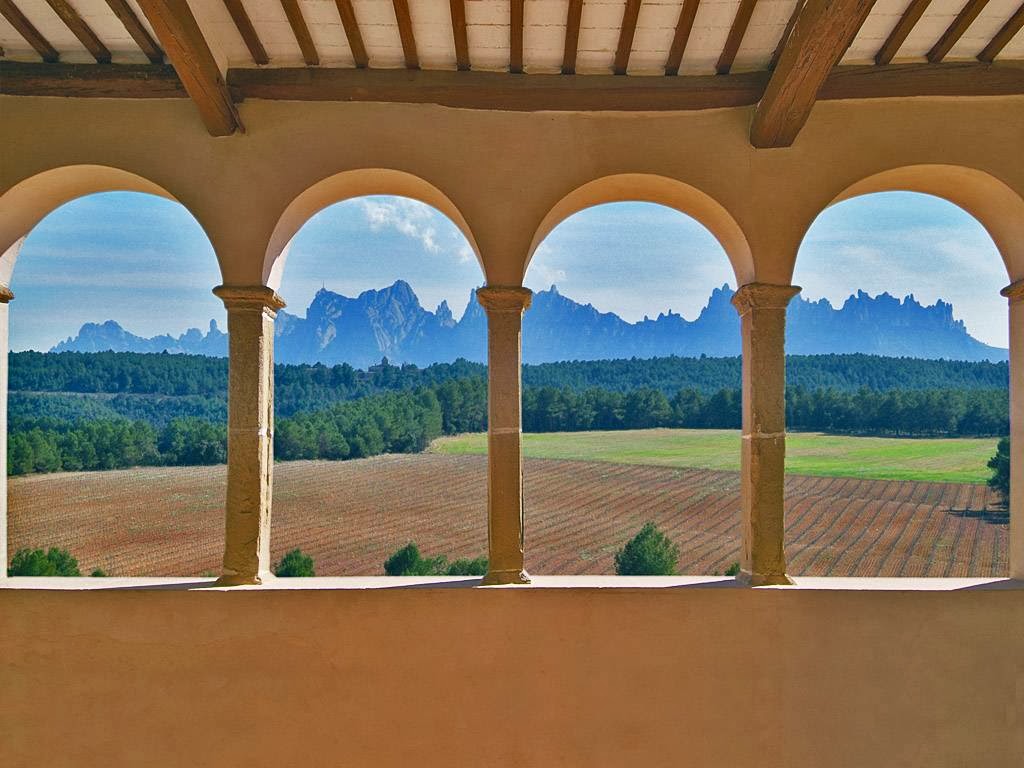
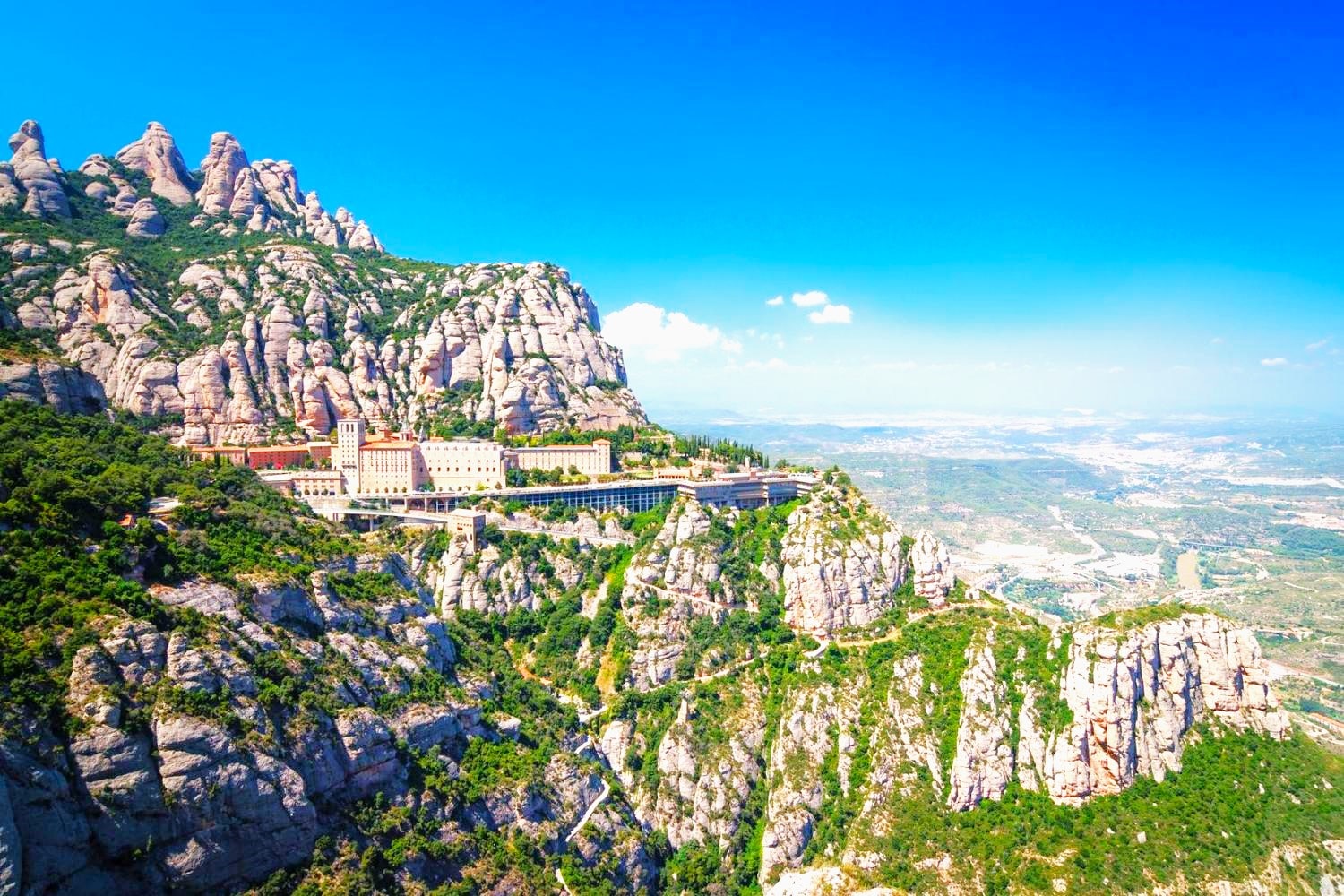
Montserrat has a different rhythm from Penedès. The official visitor site for Montserrat (https://www.montserratvisita.com/en) shows how much there is to do on the mountain, which is exactly why discipline matters. The basilica setting, museum, terraces, paths, viewpoints, and possible musical or devotional moments can expand quickly. A private route can make the approach smoother, but it cannot make a full Montserrat visit and a full Penedès wine day occupy the same emotional space without something shrinking.
The pairing is strongest when Montserrat answers a specific desire: a dramatic mountain setting before wine country, a sacred-art context for a traveler who will regret missing it, or a visual contrast that gives the day a sharper Catalan identity. In that version, the morning should be compact. The group should know in advance what is not being pursued: no long hike, no drifting through every interpretive layer, no attempt to make the mountain the day’s entire meaning.
Penedès should not be paired with Montserrat when you want a deep cellar visit, a country lunch, and a relaxed return before dinner. That sentence sounds severe only until you imagine the day at human speed. The Monistrol side of Montserrat involves a mountain arrival, vertical movement, viewpoints, and a different kind of crowd energy from wine country. Even with a private driver, the transition down from the mountain and onward toward Penedès creates a reset. The body has to reorient before the cellar visit can begin.
The private Montserrat route can still be valuable when the mountain is the first priority; see the more focused Montserrat private route if the abbey and mountain setting are the heart of the day. But if the question is whether to add Montserrat to make Penedès “worth it,” the answer is usually no. Penedès is already worth it when the cellar and lunch are chosen well. Montserrat is not a garnish.
There is a particular trap for first-time Barcelona travelers: they want one day outside the city to solve every non-Gaudí wish. That is how a plan becomes Montserrat, cava, lunch, a village walk, and a return through Sagrada Família or Passeig de Gràcia. The consequence is not just fatigue. It is mood compression. The mountain is admired, the cava is sampled, the lunch is shortened, and nobody gets the generosity that made either destination attractive.
The pairing becomes more defensible in shoulder seasons or for travelers who are not planning a long dinner afterward, but the rule still holds: protect the cellar-to-lunch window. A concise Montserrat morning can precede a single strong cellar and a later lunch. A full Montserrat morning should not pretend to precede a full wine afternoon. The difference is not status; it is physics, appetite, and attention.
What to cut if dinner matters in Barcelona
If dinner matters in Barcelona, cut the third ambition first. Keep the cellar, keep lunch at the right scale, and protect the return. Do not add a city icon after wine country unless the dinner is deliberately casual and the group has unusual stamina.
This matters most when the evening has its own serious identity. A restaurant with a long official menu (https://www.disfrutarbarcelona.com/en/menu) is not an afterthought to a cava day; it is another central experience that needs appetite, focus, and enough quiet beforehand. The same is true for any dinner where the room, timing, and conversation are part of the reason you booked it. A heavy wine-country lunch followed by a rushed return and an overambitious evening can make even a coveted reservation feel like work.
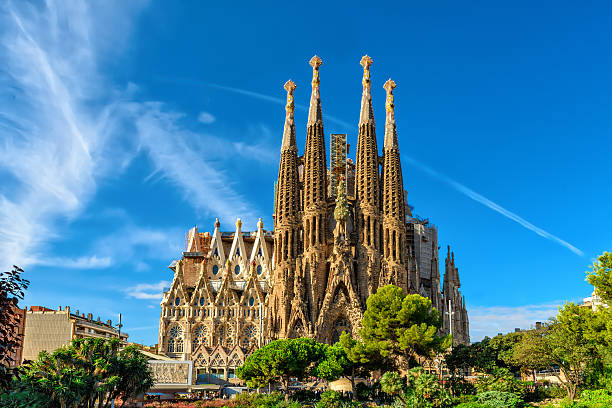
The famous thing to cut is usually the city icon, not lunch. If you are holding Sagrada Família official tickets (https://sagradafamilia.org/en/tickets-individuals), give the basilica its own clean slot in the Barcelona itinerary rather than forcing it after Penedès. Timed-entry planning belongs to a Gaudí day, not to a wine-country return. A late interior visit after cava and lunch often leaves travelers technically present but mentally dulled.
Cut the second cellar before cutting the meal. Two cellars can be excellent for serious wine students, but for many private travelers the second tasting lowers sensitivity rather than deepening pleasure. One well-chosen cellar plus a country lunch often gives more memory than two hurried cellars and a compromised table. This is especially true for couples: the second tasting can turn a flowing day into a performance of interest.
Cut Montserrat before cutting the Barcelona evening if the dinner is the celebratory anchor. This does not mean Montserrat is lesser. It means the mountain is too strong to be squeezed between wine and dinner without consequences. Travelers who want a full mountain day can use a different date and then plan the return with the softer choices in the after-Montserrat evening guide. Wine country and a major dinner are already enough structure for one day.
Barcelona also changes the mood of the day on return. Coming back through Diagonal or toward the Eixample can feel calm if there is time to pause at the hotel before dinner. Returning late into old-town edges, Port Vell, or beach-area traffic can make the day feel shorter, sharper, and less generous. The mood is not preserved by seeing more. It is preserved by arriving back with enough space to shower, change, and want the next meal.
How hotel geography changes a Penedès day
Hotel location changes Penedès more than many travelers expect. Not because one Barcelona neighborhood is “better,” but because the first and last fifteen minutes set the tone for a day where timing matters. A wine-country route that begins cleanly usually stays cleaner.
Eixample is often the easiest base for this day. Its wider streets and grid make pickups less fussy, and the route toward Avinguda Diagonal and the western exits feels more direct than a deep old-town start. That does not make Eixample more atmospheric than the Gothic Quarter; it makes it practical for a day when the city is not the headline. The counterintuitive correction is that the most charming Barcelona base can be the least helpful base for a wine day if the vehicle cannot meet comfortably at the hotel door.
The Gothic Quarter can still work well, but the meeting point should be honest. Narrow lanes, pedestrian restrictions, and hotel placements near cathedral-side streets may mean walking to a clearer edge. That walk is not a problem if it is planned; it becomes irritating if guests expected a door-to-door departure and start the day negotiating luggage carts, paving stones, and taxis along old-town perimeters.
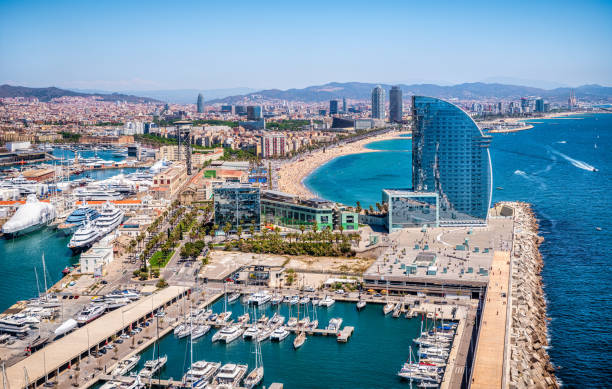
Beach and Port Vell hotels create a different calculation. Barceloneta and the maritime edge can be lovely at the right time, but they add a city-crossing feel before the countryside begins. If the group wants sea air later, save it for another day. A beach-base pickup followed by Penedès, Montserrat, and a dinner in Eixample asks the city to be crossed too many times for a day that is supposed to slow down.
For private groups, the vehicle choreography matters as much as the cellar choice. A six-person family leaving from two hotels needs a cleaner pickup strategy than a couple leaving from one Eixample property. A group celebrating a birthday may care less about a scholarly cellar lecture and more about the table, the pacing, and a return that does not scatter everyone before dinner. This is why the day should be designed from the hotel outward, not from a list of possible wineries inward.
The body consequence is cumulative. Barcelona’s block scale, old-town stone, summer heat, and evening dining hours all add small taxes. Penedès reduces some of that pressure by taking you into countryside, but it does not erase the city’s return demands. A private driver can shorten exposed transitions and remove parking friction, yet the itinerary still has to respect what the body has already done.
The premium spend that actually changes the day
The premium spend that changes a Penedès day is coordination, not ornament. A better car is pleasant; a better-designed sequence is decisive. The guide and driver should protect the cellar-lunch-return rhythm, not simply make a crowded route feel more polished.
A chauffeur does not create a better wine day if the route sacrifices lunch, cellar depth or the Barcelona return. That is the plain rule. Paying more does not turn an overstuffed Montserrat-and-Penedès-and-city-icon route into a graceful day. It only makes the overstuffing quieter. The upgrade earns its cost when it prevents the bad decisions: a pickup that starts late because the hotel edge was ignored, a cellar that does not match the group, a lunch set too far from the morning visit, or a return that collides with the evening plan.
Where private service helps most is in the small judgment calls. If the cellar explanation is landing well, the guide knows not to rush the human moment just to preserve a decorative stop. If lunch is the emotional center, the driver keeps the next movement simple. If Montserrat is included, the route is cut with intention rather than letting the mountain expand. For families, that may mean fewer transitions. For couples, it may mean no visible logistics at all. For a celebration group, it may mean the host is not quietly managing time while everyone else tastes.
This is also where Orange Donut Tours’ private format fits naturally. A Penedès day should be built around the kind of cellar experience you want, the lunch you can actually enjoy, and the evening you want to keep alive back in Barcelona. When that is the brief, Inquire now and frame the request around the cellar-to-lunch window rather than around how many stops can be included.
There are upgrades that do not earn much here. A more dramatic vehicle does not make a second cellar more meaningful if the group is already saturated. A longer day does not improve the wine if the return leaves everyone too tired for dinner. A famous-name cellar is not automatically the right choice if the group would prefer a quieter producer, a more tactile vineyard setting, or a lunch-led day. The best premium decision may be subtraction.
A cleaner Penedès day in the order that usually works
The cleanest Penedès day runs outward, downward into lunch, and back to Barcelona without trying to re-enter sightseeing mode. The order matters because wine country punishes late additions more than it punishes modest beginnings.
- Leave Barcelona without a city warm-up. Do not start with a Gaudí exterior, a market wander, or a quick Gothic Quarter pass. Those sound harmless but steal the freshness that the first cellar needs. Save the city morning for another date.
- Choose one cellar for the group you actually have. Wine students, architecture lovers, mixed-age families, and celebration travelers do not need the same cellar. The wrong cellar is not “bad”; it is mismatched to attention span, mobility, and lunch ambition.
- Let the tasting lead toward food. Cava makes more sense when the guide connects production, grape character, and table context before lunch. Otherwise the tasting becomes a pleasant pause rather than the first half of the day’s story.
- Keep lunch close enough to preserve the arc. The lunch does not need to be elaborate, but it should feel regionally placed and unhurried. A long transfer after the cellar is where the day starts to fray.
- Return before Barcelona asks for another decision. The best return is not the latest possible return. It is the one that lets everyone re-enter the city with enough margin for showers, a walk, or a calm dinner transfer.
That sequence is especially useful for travelers deciding between Penedès and other private day trips. If you are still choosing among Montserrat, Girona, Costa Brava, or wine country, use the broader Barcelona day-trip comparison to decide the main destination first. This article assumes wine is already a serious contender and then protects it from being diluted.
One elegant version is a late-morning cellar visit followed by lunch and a calm return. Another is a focused morning cellar for travelers with a dinner reservation that deserves appetite. A more expansive version can include a short village or vineyard pause, but only after the meal has been protected. The extra stop should feel like digestion, not proof of value.
The plan is weaker when the city is asked to reassert itself afterward. Penedès followed by Sagrada Família, Park Güell, a beach drink, and dinner is not a better use of time; it is a refusal to choose. Barcelona rewards focus. A Gaudí day should be a Gaudí day. A wine day should be a wine day. A dinner-led day should leave space for dinner to matter.
Who should avoid a Penedès wine day on this trip
You should avoid Penedès on this trip if wine country would take the only day that could make Barcelona itself feel coherent. Penedès is a strong choice, but it is not a moral obligation for food-and-wine travelers. It belongs when the stay has enough city time to spare one day for countryside.
First-time visitors with two full days should be cautious. If Sagrada Família, one Gaudí interior, the Gothic Quarter, and a proper food evening are still unresolved, Penedès may force too many compromises. In that case, a Barcelona-based tapas and wine evening or a market morning may serve the trip better than a day outside the city. The better choice is the one that keeps the whole stay balanced, not the one that sounds more distinctive in isolation.
Travelers who mainly want mountain drama should choose Montserrat cleanly. There is no need to add Penedès just because wine country is nearby in planning imagination. If the abbey, rock formations, and height are the emotional draw, let the mountain have its day and handle the evening gently. Penedès can wait for a trip when lunch and wine are the central wish.
Travelers with a same-day cruise boarding, a late train from Sants, or a flight connection should be careful as well. Penedès can be smooth, but wine country does not like hard end-times. A transfer day changes every tasting into a countdown. If bags, station timing, or port boarding are already shaping the day, choose a city route with clearer margins.
Finally, avoid Penedès if the group is divided about drinking and nobody cares about production, landscape, or regional food. A private guide can make wine country broader than wine, but cannot create interest where the group wants a museum, beach, or shopping day. The cost of forcing it is not only money. It is one Barcelona day spent proving a preference the group does not share.
How to fit Penedès into a Barcelona stay without overpacking
Penedès fits best after the city has already delivered one strong Barcelona day. The wine day then acts as a change of tempo rather than an escape from unfinished planning. It gives air to a stay that might otherwise be all timed interiors, old-town walking, and late dinners.
In a three-day Barcelona stay, Penedès usually belongs only if food and wine are a defining interest. The other days need to cover Gaudí, the old city, and at least one evening that feels like Barcelona rather than recovery. If the stay is four days or longer, Penedès becomes easier to justify because the city can absorb a full countryside day without making the rest of the itinerary feel thin.
A smart sequence is city focus first, countryside second or third, then a lighter Barcelona day afterward. Do not place Penedès the morning after an especially late first night if the group is still adjusting. Do not place it before a predawn departure. Do not pair it with the only reservation everyone has been anticipating for months unless the wine day is deliberately shorter and the return is protected.
The private-day value is highest when the brief is honest: one cellar or two, lunch-led or tasting-led, Montserrat included or not, dinner protected or not. For travelers deciding how many days to give Barcelona in the first place, the broader Barcelona trip-length guide helps place Penedès before the day-by-day plan gets crowded.
The final planning judgment is simple but not soft: if wine sets the pace, stop adding proof. A Penedès day earns its place when it gives you a cellar you remember, a lunch that feels like it belongs there, and a return to Barcelona that leaves the evening intact. Anything that weakens those three outcomes should be cut.
FAQ
Is Penedès worth a day trip from Barcelona?
Yes, Penedès is worth a day trip from Barcelona when you want cava context, a cellar visit, and a country lunch rather than just a quick tasting. It is less worthwhile if you have only two full days in Barcelona and still need to cover the city’s core sights.
Should I combine Montserrat and Penedès in one private day?
Combine Montserrat and Penedès only if Montserrat is kept concise and lunch is still protected. Do not combine them when you want a deep wine-country day, because the mountain adds time, vertical movement, and a second focus.
What is the best order for Montserrat and Penedès?
If you combine them, Montserrat usually works better first as a focused morning, followed by one cellar and lunch in Penedès. Reversing the order often makes the mountain feel like a late obligation after wine and food have already slowed the day.
How many wineries should a Penedès day include?
One well-chosen cellar is often enough for a private Penedès day, especially when lunch matters. Two cellars can work for serious wine travelers, but they should not replace a proper meal or force a late return to Barcelona.
Can Penedès work before a fine dinner in Barcelona?
Yes, but the day should be shorter and more disciplined. Keep one cellar, avoid Montserrat, protect the return, and do not add Sagrada Família, Park Güell, or another major city sight after wine country.
Is Penedès better for couples or families?
Penedès works especially well for couples and adult small groups because the cellar-to-lunch rhythm supports conversation and mood. Families can also enjoy it when the day is designed around landscape, food, and production context rather than repeated tastings.
Where should I stay in Barcelona for a smoother Penedès day?
Eixample is often the smoothest base because pickups and western departures tend to be simpler than deep old-town starts. Gothic Quarter, Port Vell, and beach hotels can still work, but the meeting point and return plan should be agreed clearly.
What should I cut first if my Penedès plan feels too full?
Cut the city icon first, then the second cellar, then Montserrat if dinner matters. Do not cut the cellar-to-lunch window, because that is the part that makes Penedès feel like a wine-country day rather than a transfer with bubbles.
If you’re interested in any private tours of Barcelona, please reach out to us.








 So if you are looking for the absolute best in Barcelona & surroundings with authentic local fully-licensed native guides whose English you can actually understand and with an exclusive and amazingly fun itinerary













