Alella Wine Near Barcelona: Pansa Blanca, Coastal Soils and Cellar Appointments Without a Full Country Day

Updated
Alella is a question of focus, not merely distance
Alella should not be chosen simply because it is wine country close to Barcelona. Its stronger case is more exacting: a compressed visit can connect Pansa Blanca, the sandy granitic soil known locally as sauló, the orientation of the Maresme slopes and the pressure of metropolitan growth into one intelligible story. That story is distinctive enough to justify leaving the city, but only when the appointment is built to reveal it. A generic tasting of several pleasant wines, detached from parcels and cellar decisions, wastes the very advantage that makes Alella useful to a time-constrained wine traveler.
The nearby geography changes the standard by which the outing should be judged. A long wine day can absorb a slow lunch, a second estate, a scenic detour and some repetition. An Alella half day has less room for decorative content. The cellar needs to answer a provenance question: what does this small coastal designation explain that a Barcelona wine bar cannot? The answer should involve grape identity, soil and exposure, but also the choices that turn those conditions into different wines. Without that sequence, proximity becomes the only selling point, and proximity alone is not enough.
This is why Alella is not a miniature version of Penedès or a diluted alternative to Priorat. It is a separate planning proposition. Penedès can support a broader day built around producer diversity, sparkling-wine categories and longer aging conversations; the distinctions are developed in this guide to Cava, Corpinnat and Clàssic Penedès. Priorat usually asks the traveler to commit to distance and landscape as part of the experience. Alella earns its place when one well-chosen cellar can provide real appellation understanding while preserving fixed commitments in Barcelona.
Pansa Blanca is the center, not the whole answer
The first useful fact is official rather than promotional. The INCAVI specification for DO Alella describes the designation’s white wines as predominantly Pansa Blanca and identifies Pansa Blanca and Garnacha Blanca as preferred white varieties. It also permits a wider group of grapes, including Chardonnay, Chenin, Macabeo, Malvasía, Moscatel de grano menudo, Parellada and Picapoll Blanc. That matters because the phrase “Alella white” does not guarantee a single-variety wine, a single fermentation method or a single ambition.
For a visitor, Pansa Blanca should therefore be treated as an organizing question rather than a flavor slogan. Ask what proportion of the wine it represents, whether the cuvée comes from one parcel or several, what the other components contribute, and whether the producer is trying to preserve directness or build texture. Two wines can both be locally legible while expressing very different priorities: one may emphasize line, freshness and immediate clarity; another may seek breadth through lees contact, blending, vessel choice or bottle age. The grape opens the inquiry, but producer decisions complete it.
A strong tasting should include at least two Pansa Blanca expressions that differ for a reason the host can explain. The useful contrast might be young versus aged, single-parcel versus blended, stainless-steel precision versus a more oxidative or textural élevage, or a current release beside a bottle with development. None of those techniques should be assumed from the appellation name. They must be confirmed from the producer’s current technical information and explained in the cellar. The point is not to collect production vocabulary; it is to understand which choices preserve site character and which deliberately reshape it.
This distinction protects the traveler from an overly tidy narrative. Soil does not pour itself into a glass, and a grape does not arrive with one fixed style. Provenance becomes persuasive when the tasting shows a chain of decisions: where the fruit was grown, how the season affected it, what was blended, what was excluded, how the wine was handled and how long it was kept before release. Alella is small enough that this chain can become the entire purpose of the visit rather than a preface to a larger itinerary.
Sauló explains drainage and pressure, not a predetermined taste
Alella’s most repeated geological term is sauló, the friable, sandy material associated with decomposed granite. The Prodeca profile of DO Alella places much of Pansa Blanca on east-facing slopes with well-draining sauló soils. For planning purposes, the key word is not “granite” but “drainage.” A loose, draining soil changes how vines encounter water and how growers think about vigor, heat and the timing of ripening. It is a physical condition, not a guarantee that every finished wine will taste stony, saline or mineral.
That caution is important because wine language often converts geology into flavor too quickly. A cellar host may use mineral vocabulary, and the wine may indeed feel taut, savory or dry in a way that invites such language. Yet those impressions can also be shaped by acidity, phenolic handling, sulfur regime, reduction, lees work, harvest date and serving temperature. A serious visit should let geology frame questions without turning it into a magical explanation for every sensory detail.
The most informative vineyard moment is therefore not a handful of sand held up for a photograph. It is an explanation of how the soil behaves after rain, how quickly it loses water, whether roots can reach fractures or deeper reserves, and how the grower responds in dry periods. Where irrigation, cover crops, canopy decisions or parcel selection are discussed, the host should distinguish the estate’s own practice from appellation-wide fact. Those details are operational and can vary sharply even within a small designation.
For the traveler, the consequence is simple but demanding: choose an appointment that can connect soil to farming and farming to the glass. A tasting room in the village may be entirely worthwhile if the explanation and wines are deep enough. A vineyard stop may be more visually satisfying, but it is only superior when the host can interpret what is underfoot and show how that condition affected a specific wine. Scenery and evidence are not the same thing.
Exposure turns the coast into a set of different vineyard conditions
Prodeca’s reference to east-facing slopes gives the coastal story a useful direction. Exposure determines when sunlight reaches a parcel, how quickly morning moisture dissipates, how intensely afternoon heat is received and how air moves across a slope. In a landscape between the Mediterranean and the hills, small changes in orientation and elevation can alter the growing context. That does not mean a visitor can taste compass points blindly; it means parcel position is one of the variables worth asking a producer to explain.
The sea is often invoked as if proximity alone creates a single “maritime” flavor. A more disciplined conversation separates several possible effects: temperature moderation, humidity, wind, salt carried in the atmosphere, and the rhythm between warm days and cooler periods. The relevance of each factor depends on the exact site and season. A producer who can point from the cellar or vineyard toward the coast, name the parcel’s orientation and explain the practical consequence is offering more than a romantic view.
This is also where comparison within one appointment becomes valuable. If two wines come from different exposures, ask whether they were harvested on the same date, handled in the same way and released at the same stage. Without some control over those variables, the tasting cannot isolate site as cleanly as the story may suggest. Wine is rarely a laboratory experiment, but the questions still reveal whether the comparison is evidential or merely atmospheric.
An Alella visit should leave the traveler able to describe the landscape in verbs rather than adjectives: water drains, morning light arrives, air circulates, skins ripen, growers decide, cellars preserve or transform. That language is less glamorous than “Mediterranean minerality,” but it is more useful. It turns the coastal setting from a backdrop into a production environment.
Vineyard pressure is not background; it is part of the provenance
Prodeca describes Alella as Catalonia’s smallest designation of origin and the one closest to Barcelona. Its profile reports 223 hectares of vineyard and explicitly notes pressure from urban development. The exact area should be treated as an official snapshot rather than a timeless constant, but the larger fact is durable: these vineyards exist on Barcelona’s northern edge, where agricultural land competes with residential growth, roads and metropolitan demand.
That tension changes how Alella should be understood. In more remote wine regions, continuity of vineyard landscape can feel visually inevitable even when it is economically fragile. Around Alella, continuity is visibly contingent. The traveler moves out of a major city and reaches vines without crossing into a vast, uninterrupted rural zone. Parcels, houses, villages and infrastructure occupy the same compressed geography. The wines are not simply products of coast and granite; they are products of land that has remained agricultural under unusually close urban pressure.
This does not make every bottle rare, heroic or environmentally exemplary. Those conclusions require producer-specific evidence. It does, however, make land use a legitimate provenance question. Who owns or farms the parcels? Are vines contiguous or fragmented? Is the fruit estate-grown, purchased, or blended from several sources? What work is required to maintain access and cultivation around development? A producer may answer some of these questions and decline others, but asking them reveals more about Alella than a generic account of Mediterranean lifestyle.
The original local insight is that proximity carries two opposite meanings at once. It makes the region easy to reach, yet it also helps explain why the vineyard area is constrained. The same metropolitan edge that allows a half-day visit intensifies the pressure on the land being visited. A worthwhile appointment holds both ideas together. Alella is not important despite being close to Barcelona; its closeness is one of the forces that shaped what remains.
Blending is where appellation identity becomes a producer argument
Because the DO specification permits a range of white varieties, blending deserves direct attention. The first question is factual: is the wine 100 percent Pansa Blanca, predominantly Pansa Blanca, or a blend in which another permitted grape materially changes aroma, body or acidity? The second is interpretive: why did the producer make that composition? A percentage on a technical sheet is only useful when it leads to a discussion of purpose.
Blending can solve several different problems. A producer may seek consistency across parcels, balance between ripeness and freshness, aromatic lift, mid-palate volume, structural tension or a house style that remains recognizable across vintages. Those are general winemaking possibilities, not claims about every Alella estate. The host should identify which of them applies to the specific wine in front of the visitor. Where the answer is simply tradition, ask what that tradition achieves in sensory terms.
For provenance-minded travelers, the most revealing contrast is often not “blend versus pure” but transparency versus coherence. A single-variety, single-parcel wine can make site easier to discuss, yet it may also amplify vintage irregularity or cellar technique. A blended wine can obscure parcel differences, but it may express a producer’s long understanding of how local components work together. Neither category is automatically more authentic. The useful judgment depends on whether the choices are explicit and whether the tasting demonstrates their consequence.
This is why an appointment selected only by label prestige can disappoint. The famous bottle may not be the one that best explains Alella. A less celebrated pair of wines might create a clearer sequence: Pansa Blanca alone, then a blend; young release, then extended aging; one slope, then another. Producer selection should begin with the educational contrast available on the day, not with a ranking detached from the traveler’s question.
Aging reveals whether the producer wants immediacy, texture or development
Alella’s identity cannot be reduced to young white wine. Even when the tasting begins with a direct, fresh expression of Pansa Blanca, the cellar conversation should move toward aging. The essential questions are concrete: how long did the wine remain with lees, in which vessel, under how much oxygen exposure, and for how long after bottling before release? If wood was used, was it intended to mark the wine aromatically, broaden texture, manage oxygen or simply provide a neutral maturation environment?
Vessel terms are not quality grades. Stainless steel can protect precision but does not automatically mean simple wine. Barrel can add complexity or cover detail. Concrete, amphora or other vessels can create different thermal and oxygen conditions, but the vessel’s name alone proves nothing about the result. A specialist host should translate technique into sensory consequence and then test that explanation in the glass. The traveler should be able to identify what changed, not merely admire the equipment.
Bottle age is equally important. A current release can show fruit, acidity and immediate structure; an older bottle can reveal whether the wine develops toward wax, dried herbs, nuts, savory depth or other mature notes. Those descriptors must arise from the actual wine, not from a template. The educational value comes from comparing stages. If the producer cannot open a mature bottle, ask how the current vintage is expected to evolve and what evidence supports that expectation, such as previous releases or library stock.
For a short visit, one aged comparison may be more valuable than several additional labels. It slows the tasting and makes the producer’s intent visible. It also helps the traveler judge whether Alella belongs only to the category of refreshing local whites or can support cellar-worthy interpretations. The answer will vary by wine and producer, which is precisely why the appointment matters.
Choose the producer by the question the appointment can answer
Alella is too small, and the half-day too constrained, for a “best wineries” list to be useful. The correct producer depends on the question. A visitor focused on Pansa Blanca may need a comparative flight built around variety, parcel and age. Someone interested in land pressure may value a vineyard walk and an explanation of fragmented holdings. A technically experienced buyer may prefer direct access to the winemaker, current technical sheets and a discussion of vintage variation. A first serious wine traveler may need a slower sensory framework rather than more bottles.
Before booking, ask what the standard visit actually includes. “Winery tour and tasting” can mean a polished walk through facilities followed by a fixed flight, or it can mean a small-format conversation that adapts to the group’s knowledge. Neither format is inherently wrong. The mismatch occurs when a traveler expects provenance depth and receives hospitality theater, or expects a relaxed introduction and receives an overly technical seminar. Appointment quality is partly a matter of fit.
The producer’s current bottle lineup also matters. A cellar may be ideal in principle but unable to show the contrast needed on the chosen date. Wines sell out, library bottles are not always available, harvest changes staff capacity and private events alter access. Requesting the proposed flight in advance is not excessive; it is the only way to know whether the visit can support the intended argument. The answer may be provisional, but even a provisional outline is more useful than a generic promise.
Language should be confirmed with equal care. Technical nuance is easily flattened when the host and guests do not share a comfortable language. Translation by a specialist guide can preserve the conversation, but the best arrangement is one in which roles are clear: the producer speaks from direct knowledge, while the guide frames terminology, draws comparisons and keeps the session aligned with the traveler’s interests. Interpretation should expose the producer’s thinking, not replace it.
One verified producer page shows why advance booking is central
Bouquet d’Alella provides a concrete example of the local appointment model. Its official wine-tourism page states that vineyard and winery activities are small-format, available in Catalan, Spanish and English, and require advance booking. It lists experiences lasting from approximately one and a half to three hours and describes guided tasting through visual, aromatic and palate analysis. These are producer-specific details, not evidence that every Alella estate follows the same policy.
The range in duration is consequential. A ninety-minute visit can fit a disciplined half day when the route is direct and the tasting has a clear focus. A three-hour activity changes the plan: the appointment itself becomes the main event, with less room for a village walk, lunch or another Barcelona commitment. The correct question is therefore not “How close is Alella?” but “How much of the half day belongs to the producer once arrival, welcome, vineyard movement, tasting and purchase time are counted?”
Advance booking also protects against a common assumption: that wine regions function as drop-in circuits. Alella’s closeness to Barcelona can make spontaneous access seem plausible, yet small-format hospitality often depends on staff availability and active cellar work. A producer may be open as a business without being available for a meaningful visit. The appointment should be confirmed directly, with the date, start time, language, duration, meeting point and proposed content stated in writing.
This is the point at which producer-led planning becomes more than convenience. One limited half day must match the right cellar to the right question, absorb the exact estate location and preserve a reliable return to Barcelona. For a tailored route built around that constraint, Inquire now. The commercial value is not a more elaborate vehicle or a longer itinerary; it is the coordination that prevents the short format from becoming intellectually thin or operationally fragile.
Seasonality changes access, light and cellar attention
Alella is close enough to be considered in any season, but the character of the visit changes. In spring, green growth can make vineyard structure easier to read, while unsettled weather may affect outdoor time. In summer, heat and intense light can make a midday vineyard segment less comfortable and can compress the useful window for walking. Late summer and early autumn may overlap with harvest activity, though the actual timing varies by parcel, grape and year. Harvest can deepen the production conversation while reducing staff flexibility.
Autumn after picking can be especially instructive inside the cellar, when fermentation decisions are immediate rather than retrospective. Yet active work may limit access to production areas or make a long private conversation unrealistic. Winter often offers quieter roads, softer light and a more contemplative tasting, but shorter daylight and dormant vines provide less visual evidence of canopy and fruit. There is no universally superior season; there is only a better fit between the traveler’s question and what the producer can show.
Seasonality also affects the wider Barcelona schedule. A summer morning appointment may be preferable because the vineyard is cooler and the city afternoon can move indoors. A winter midday visit may make better use of the warmest light. During periods of major city demand, road congestion and dining reservations can tighten the return window. The wine visit must be planned in relation to the day, not inserted as an isolated attraction.
Operational details should be rechecked even when the article’s interpretive conclusions remain stable. Booking policies, visit languages, durations and transport timetables can change. Ask the producer what is happening in the vineyard and cellar during the intended week, and whether that activity will enrich or restrict the visit. A candid answer is more valuable than a seasonal slogan.
Half-day route geometry begins with the exact cellar, not the word Alella
”Alella” can refer to the town, the designation and a wider landscape of vineyards and producers. Those are not interchangeable transport points. A cellar close to the town center creates one route; an estate on a slope or beyond the most convenient public stop creates another. The meeting point must be mapped before the day is designed. A nominally nearby region can still generate wasted time through indirect access, wrong-side arrivals, parking constraints or a long final approach.
The official public-transport material shows that a car is not the only possible way to reach the town. The e19 timetable effective 6 October 2025 lists direct services between central Barcelona stops, including the Ronda de Sant Pere and Gran Via area, and stops in Alella. A separate Alella Town Hall notice published 9 July 2026 stated that the e19 schedule would remain unchanged during August 2026 while demand-responsive transport would be suspended from 1 through 25 August. These dated documents demonstrate possibility, not a permanent promise; current schedules must be checked before travel.
Public transport can suit a flexible, village-centered visit when the producer’s meeting point and the bus stop align. It is less forgiving when the appointment is on a slope, when the group is carrying purchases, when mobility is limited, or when a fixed museum entry or dinner follows. The issue is not status. It is control over the final approach and the return. A missed connection after a long tasting has a different consequence from a delayed departure on an otherwise open day.
Private transport earns relevance when it reduces uncertainty that would otherwise force the tasting to be shorter or shallower. The vehicle should not become the story. Its purpose is to connect a Barcelona pickup, the exact producer entrance and a return buffer without asking the host to rush the final wines. That is especially useful for a small group whose city commitments cannot slide, or for travelers who want to buy bottles without carrying them through multiple transfers.
The return to Barcelona determines how deep the tasting can go
A half-day wine visit is often planned outward: departure time, cellar arrival, tasting start. The more revealing exercise works backward from the next fixed commitment. If the evening includes a serious meal, use the reservation time to set the latest acceptable city return, then add margin for traffic, purchases, a longer conversation and the possibility that the final wine deserves attention. Barcelona’s dining options are numerous, but a specific booking is not elastic; the city’s fine-dining guide is useful precisely because the meal may be a central commitment rather than an afterthought.
That backward calculation changes the cellar brief. A group with an open evening can accept a longer vineyard walk or an unplanned library bottle. A group returning to a timed Sagrada Família entry, business dinner or performance needs a defined finish. The producer should know the departure boundary before the tasting begins. This is not rude when communicated well. It allows the host to place the most important comparisons early enough that they are not sacrificed if the conversation expands.
Tasting depth is not measured by bottle count. Six rapid pours can be less informative than three wines discussed carefully. For a compressed appointment, the best sequence often has a clear spine: a direct Pansa Blanca, a contrasting blend or parcel, and an aged or differently handled example. Additional wines should support that argument, not interrupt it. Purchase time should also be included, especially if the traveler wants technical sheets, shipping information or advice on drinking windows.
The return buffer is therefore part of the intellectual design. Without it, the first element cut is often the final comparative wine or the questions that make the visit worthwhile. A controlled route protects not just comfort but interpretation. It allows the tasting to reach a conclusion rather than ending at the moment the appointment becomes most interesting.
Alella, Penedès or Priorat: choose the commitment before the producer
The practical choice among Alella, Penedès and Priorat should begin with the amount of the trip the traveler is willing to give wine, not with a hierarchy of fame. Alella suits a focused encounter anchored by Pansa Blanca, coastal granite-derived soils and the tension of vineyards near metropolitan Barcelona. Its advantage is concentration: one appointment can carry the subject, and the city remains part of the same day. Its risk is that a weak appointment has nowhere to hide.
Penedès is the better frame when the traveler wants breadth: more room for contrasting producer models, a deeper sparkling-wine discussion, a second stop or a wine-country lunch. That breadth usually asks more of the day and can dilute focus unless the visits are deliberately different. The companion guide on shaping a Penedès day from Barcelona examines how wine, lunch and other stops compete for time.
Priorat is a larger commitment in both movement and attention. The region is most persuasive when the landscape, the road and the cellar are allowed to accumulate meaning, rather than being compressed into a quick tasting and immediate return. Travelers deciding between a chauffeured day and an overnight can use this Priorat planning analysis. For an itinerary already dense with Barcelona reservations, the tradeoff may be too large; for a wine-led trip, that larger commitment may be the point.
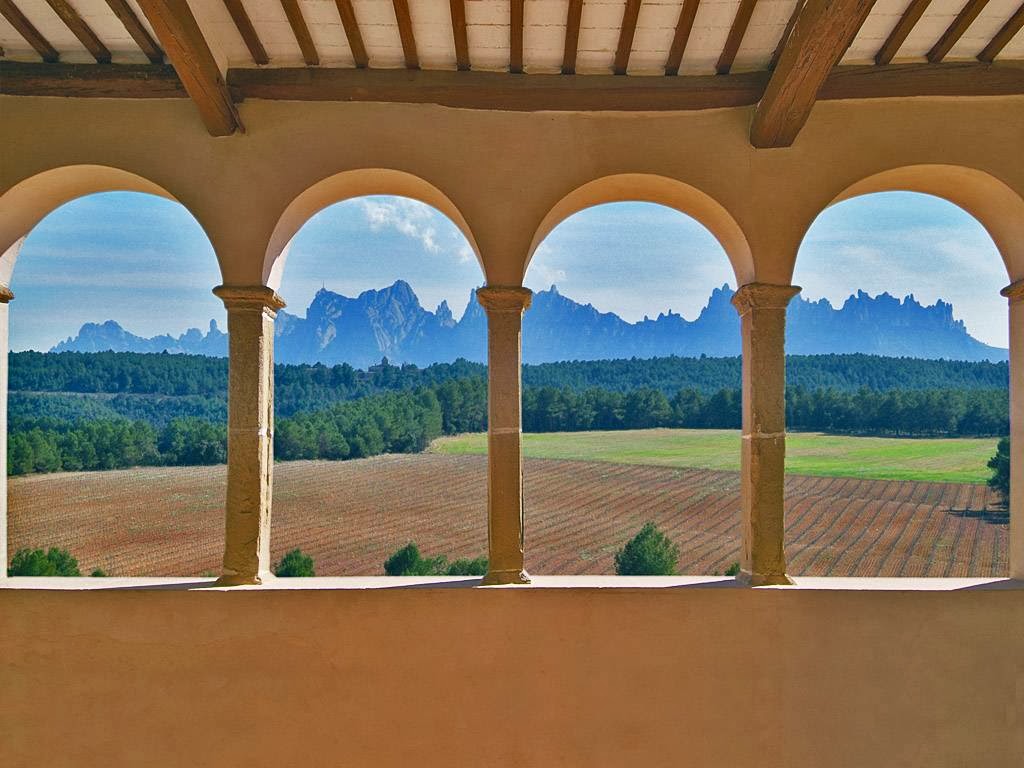
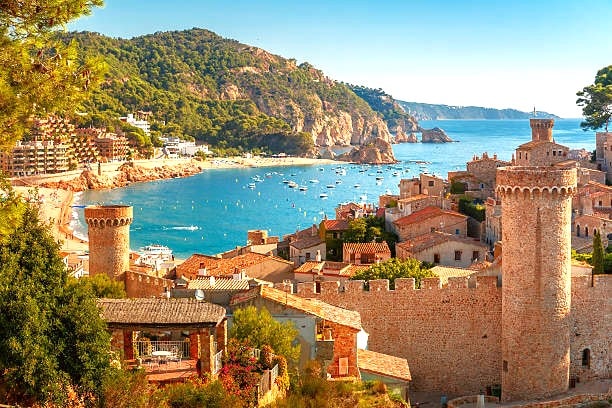
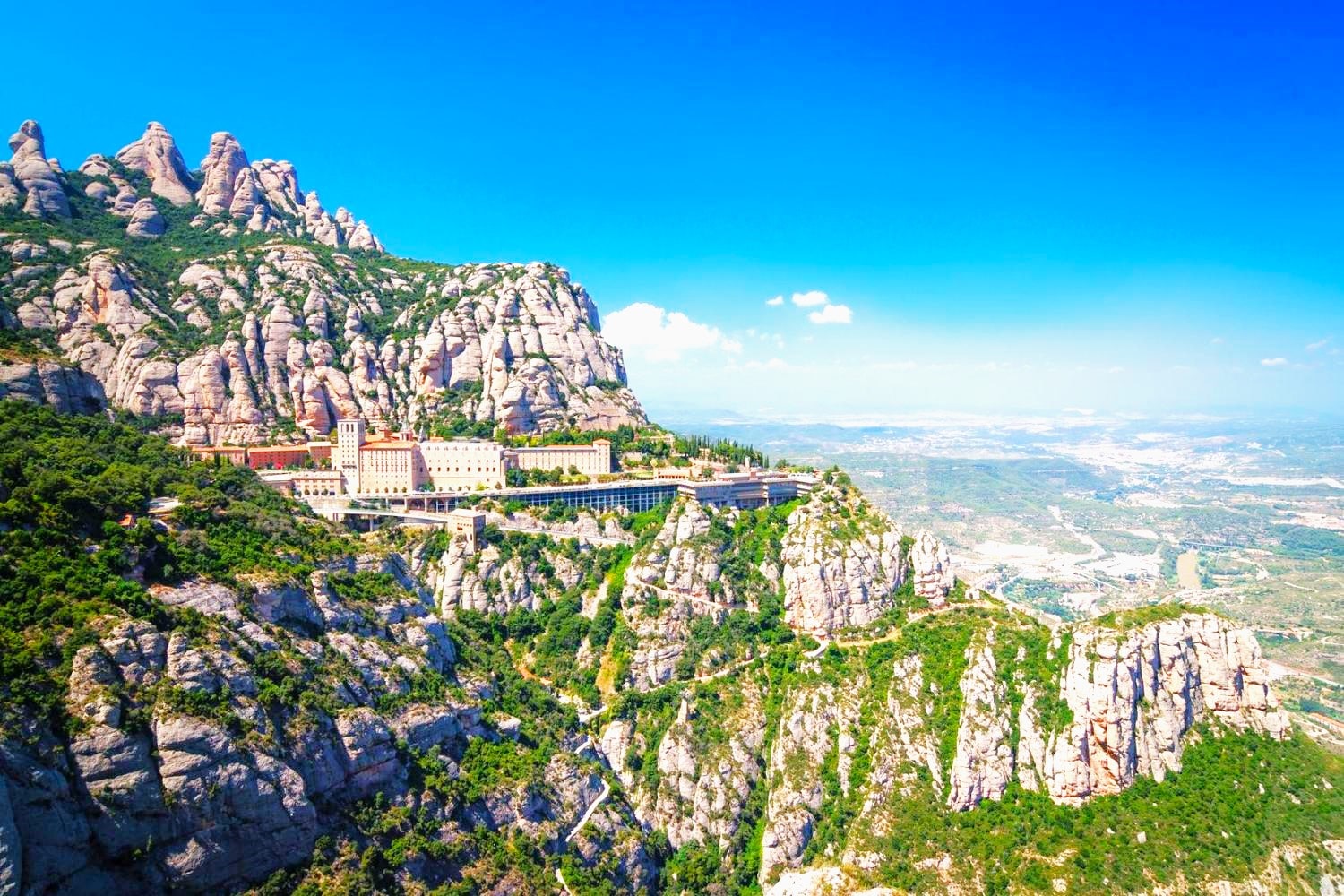
Montserrat, Girona and the Costa Brava introduce different subject matter altogether, so the decision should not be reduced to drive time. A sacred mountain, a historic city, a coast day and a producer visit solve different travel problems. The broader Barcelona day-trip comparison helps when wine is one candidate among several rather than the fixed purpose.
Alella wins the choice when the traveler values a narrow, high-resolution answer more than a full wine-country atmosphere. It loses when the group wants several estates, an unhurried lunch, extensive landscape touring or the emotional scale of a distant region. The relevant distinction is not better wine versus lesser wine. It is whether the desired understanding can be created by one near-city appointment.
A serious tasting sequence should build an argument
The most useful Alella tasting is cumulative. Begin with a wine that establishes the producer’s most direct reading of Pansa Blanca. The host should explain source, harvest logic, fermentation vessel and intended drinking window without overwhelming the first pour. The visitor’s task is to find the baseline: acidity, texture, aromatic register, phenolic presence and length. This wine becomes the reference against which later choices are understood.
The second wine should change one major variable. It might introduce another permitted grape, a different parcel, longer lees contact, a contrasting vessel or a later release. Ask the host to state what changed before the glass is tasted, then test whether the sensory difference supports the explanation. This sequence prevents hindsight storytelling, in which every flavor is retrofitted to a technique after the fact.
The third wine should reveal development. That can mean bottle age, a richer élevage, a more selective parcel or a vintage with a different seasonal profile. The purpose is to ask whether the appellation and grape can sustain complexity over time, not merely whether the wine is more expensive. A mature bottle is ideal when available, but a well-documented contrast between releases can still support the discussion.
Only after this spine is established should the tasting widen. A rosé, red, sparkling wine or experimental cuvée may illuminate the producer’s range, but it should not displace the central Alella question. The traveler came to understand Pansa Blanca and coastal provenance in a compressed format. Range is valuable when it provides context; it becomes noise when it turns the appointment into a catalogue.
Water, neutral bread and sensible pour sizes matter more than performative ritual. The group needs enough attention to compare wines, retain language and return to Barcelona comfortably. Spitting should be normalized for anyone who wants to analyze several wines or maintain a full city schedule. Serious tasting is not measured by consumption.
The appointment checklist should expose uncertainty before the day
A well-designed booking request is concise, but it should remove the uncertainties that could weaken the visit. The aim is not to control the producer’s hospitality; it is to ensure that the promised format matches the traveler’s purpose. The following questions are useful because each one changes either the content, the movement or the reliability of the half day.
- Wine focus: Which current wines place Pansa Blanca at the center, and can the tasting compare at least two interpretations?
- Provenance: Can the host identify the parcels, slope exposures or sourcing areas relevant to the wines being poured?
- Blending: Are the wines single-variety or blended, and will the producer explain what each component contributes?
- Aging: Is there a contrast in vessel, lees time, release date or bottle age that can be tasted rather than described abstractly?
- Host: Who will lead the visit, what is that person’s role, and which languages are genuinely comfortable for technical discussion?
- Format: Does the visit include vineyard access, production areas, a seated tasting, or only some of these elements?
- Duration: What is the realistic range from arrival to departure, including purchases and questions?
- Access: What is the exact meeting point, and are there slopes, uneven ground, stairs or a final approach that affects mobility?
- Season: What work will be taking place in the vineyard or cellar, and will it expand or restrict access?
- Return: What finish time can the producer commit to when a fixed Barcelona reservation follows?
The answers do not need to be elaborate. A clear “no” can improve the plan by preventing false expectations. For example, a producer may be unable to open an older bottle but can provide a parcel comparison; vineyard access may be impossible during active work, but the cellar host may have maps and soil samples; the winemaker may be unavailable, but another team member may be an excellent technical communicator. Quality comes from transparent fit, not from insisting on every feature.
After confirmation, share the group’s wine knowledge, mobility considerations, language needs and fixed return time. That information allows the producer to calibrate the visit without turning it into a scripted performance. For broader tailor-made support beyond this one route, Barcelona private touring options can provide the commercial next step, but the wine brief should remain specific: one appellation, one strong appointment, one reliable return.
When Alella earns its place in a Barcelona stay
Alella earns a half day when the traveler wants to understand how a local white grape, draining granitic soil, coastal exposure and urban land pressure meet in producer decisions. The visit should produce a before-and-after change in perception. Before, Pansa Blanca may be only a name on a label. After, the traveler should be able to explain why two examples differ, which part of that difference belongs to site, which part belongs to blending or aging, and which claims remain the producer’s interpretation rather than proven fact.
The region is less persuasive when the itinerary treats it as a scenic gap filler, assumes any open cellar will accept visitors, or expects a full wine-country day without giving the time. Its nearness raises the standard: because the transfer is shorter, more of the outing must be substantively about wine. A single appointment can succeed, but only if it has the right contrasts and enough room for questions.
The lasting payoff is not that Alella saves time. It is that it can use limited time with unusual precision. Barcelona remains close, yet the visitor encounters a vineyard landscape whose survival, grape identity and cellar styles are inseparable from that closeness. When producer selection, appointment content and route geometry are aligned, the half day does not feel like a compromise against Penedès or Priorat. It becomes the correct scale for the subject.
If you’re interested in any private tours of Barcelona, please reach out to us.








 So if you are looking for the absolute best in Barcelona & surroundings with authentic local fully-licensed native guides whose English you can actually understand and with an exclusive and amazingly fun itinerary













