When a Paris Seine Hour Should Replace Another Museum

Updated
At the Louvre-to-Seine transition, after two major interiors, a Paris Seine hour should usually replace another museum. It works because the city’s cultural core is not arranged like a neutral checklist: the Louvre, Tuileries, Pont des Arts, Île de la Cité and the Left Bank sit close enough that an hour by the water can move you forward instead of pulling you away. The clearest exception is a once-only museum appointment or truly poor river weather; in those cases, do not force the Seine simply because it sounds elegant. In Paris, the river is not filler when it turns a heavy art day into a cleaner city arc, with air, bearings and a better approach to dinner.
The useful question is not whether the Seine is beautiful. It is whether another interior will still sharpen the trip, or whether it will turn the afternoon into a blur of floors, labels, security checks and coatrooms. A traveler who leaves the Louvre through the Cour Carrée and reaches the river at Pont des Arts has a different planning choice from a traveler sent back toward Palais Royal-Musée du Louvre for a cross-town transfer. That small hinge matters: the first route releases the day into Paris; the second makes the river feel like an errand.
This is also where a private plan earns its keep. A guide who has watched your group inside the Louvre can tell whether the next hour should be more art, a river move, or a later museum adjustment. Check the official Louvre hours and admission page (https://www.louvre.fr/en/visit/hours-admission) for the current practical frame, then let the day’s energy decide whether another interior deserves the slot. For a deeper art-first morning, Orange Donut Tours can build the Louvre around fewer, better rooms rather than a forced march; see the private Louvre tour as the museum-side version of the same editing discipline.
When should a Seine hour replace another Paris museum?
A Seine hour should replace another museum when the next interior would add recognition but not memory. The clearest threshold is after two serious interiors, or after one major museum plus a high-attention monument such as Sainte-Chapelle. This is not anti-museum advice. It is a way to keep the museum you already saw from being diminished by the one you squeezed in after it.
Use this priority ladder before adding another ticketed interior:
- Keep the museum if it is the reason you came to Paris, if you have a timed entry you cannot easily change, or if the group is still asking precise questions rather than drifting toward benches and exits.
- Replace the museum with a Seine walk if you are already near the Louvre, Tuileries, Pont Neuf, Île de la Cité or the Musée d’Orsay edge and need movement without a new security line.
- Replace the museum with a cruise if older parents, children, sore feet or celebration travelers need seated time and the boarding point is already close to the rest of the day.
- Cut the museum first if it was added because it is famous, adjacent or “small enough,” rather than because anyone in the group truly wants its collection.
- Skip the Seine hour if it creates a special transfer, exposes the group to unpleasant weather, or makes dinner geography worse.
The counterintuitive correction is this: the overvalued choice is often the “small” museum added after the Louvre because it looks efficient on a map. The Musée de l’Orangerie beside the Tuileries, a quick decorative-arts detour, or one more Left Bank collection may be excellent in its own right, but after a concentrated Louvre morning it can become a third set of walls. If the art will not land, the better editorial move is to leave the interior category altogether.
Before building any museum-heavy day, treat the appointment as a frame, not permission to keep adding interiors. A timed entry helps organize the morning; it does not prove the afternoon should remain indoors.
The museum-heavy days that most need river relief
The Seine belongs in the plan when a day has already demanded looking, standing and interpreting for more than one block of time. Paris makes culture deceptively close: the Louvre, Orsay, Orangerie, Sainte-Chapelle, Notre-Dame’s island setting and the Left Bank can appear to line up neatly. The traveler consequence is that a map can disguise cognitive load. You are not only moving between places; you are changing light levels, crowd density, security rhythm, historical periods and room scale.
Louvre plus Orsay is the classic two-interior threshold
Louvre plus Orsay can be magnificent, but it is also the point where a third museum usually loses value. The Louvre demands navigation through wings, staircases, long corridors and dense decision-making. Orsay changes the scale and period but still asks for sustained looking. After those two, a Seine hour is not a consolation prize. It lets the eye return to architecture, bridges and distance, which means the masterpieces you saw have a chance to settle instead of being crowded out by another label sequence.
The better sequence is often Louvre in the morning, lunch or a focused café pause, Orsay or a smaller art stop if it truly matters, then river. If dinner is on the Left Bank or near Saint-Germain, a riverside walk from the Orsay edge toward Pont Royal or Pont Neuf can keep you in the right part of town. If dinner is in the 8th, a seated cruise or a shorter Tuileries-to-Concorde river edge can be the bridge back toward the Right Bank without pretending the group has energy for another collection.
Louvre plus Tuileries plus “one small museum” is the trap
A Louvre morning followed by Tuileries and one more small museum looks refined on paper and often feels flat in real life. The Tuileries gives fresh air, but it is also exposed, linear and busy along the main axis. Adding another interior just because it is nearby can make the day feel like it never chose a point of view. This is where a Seine hour should replace the add-on, not the garden. Leave the Louvre, give the body a directional walk through the Tuileries if the weather is kind, then reach the river at Passerelle Léopold-Sédar-Senghor or Pont Royal instead of entering another building.
This cut-first rule matters for couples. The mood-killing mistake is not choosing the “wrong” museum; it is making the afternoon feel like a compliance exercise before dinner. A river hour gives a pair something the galleries often cannot after several hours: side-by-side movement, fewer whispered negotiations and a softer transition into the evening.
Île de la Cité plus a major museum needs a decision, not another stop
Île de la Cité can be more demanding than it looks because it combines sacred interiors, exterior waiting, river crossings and heavy historical context. Sainte-Chapelle, Notre-Dame’s setting, the Conciergerie edge and the short crossings toward the Left Bank or Right Bank can create a satisfying half-day, but they do not always pair well with a second large museum and then a third interior. If the morning was island-heavy and the afternoon was the Louvre or Orsay, a Seine hour is usually the cleaner close.
The strongest version is not generic strolling. It is a guided line from the island to the water: Pont Neuf for the city’s oldest bridge setting, the Square du Vert-Galant edge when access and conditions suit, or a Left Bank route that lets the group understand how the island holds the city together. For travelers interested in that Notre-Dame and island context, the adjacent planning logic is developed in Île de la Cité, Sainte-Chapelle and the Seine in one calm arc.
A palace-level hotel day can still need air
Travelers staying near the 8th, Place Vendôme or the Louvre sometimes assume a polished hotel base will absorb the strain of a dense museum day. It helps with returns, cars and comfort, but it does not change what the body experiences inside large interiors. Premium museum access still cannot fix museum fatigue if the day lacks air. If the plan has already included a serious Louvre visit, a shopping stop, a palace-hotel pause and dinner, another museum may be the least valuable prestige move in the day.
A better choice is often a defined river hour that does not scatter the geography: Louvre to Pont des Arts, Tuileries to the river, or a short chauffeured reposition to a boarding point only when the cruise genuinely reduces walking. The key is to make the Seine a replacement, not a decorative extra.
The Louvre-to-Seine transition is the cleanest replacement move
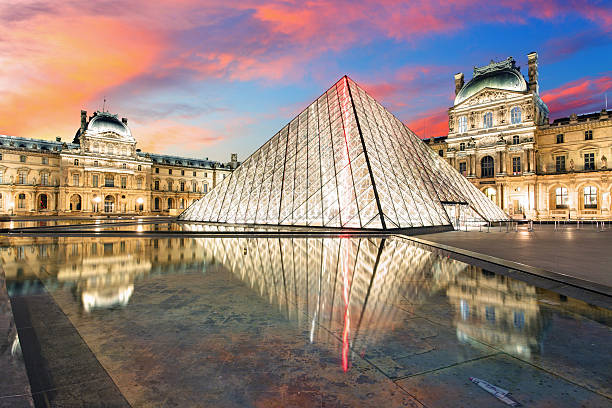
The Louvre-to-Seine transition is the most reliable place to trade a museum hour for a river hour because it saves the day from backtracking. Leaving the Louvre does not have to mean disappearing underground, crossing Rue de Rivoli traffic, or spending the next half hour in a transfer. From the Cour Carrée side, Pont des Arts is the obvious release valve. From the Pyramid side, a guide can choose whether the Tuileries, Quai François-Mitterrand or a Pont Royal crossing makes more sense for your next appointment.
This is what Paris does to the body during an overpacked day: it adds small frictions until the group stops noticing why everyone is tired. Museum floors mean slow standing rather than natural walking. Security queues and bag checks interrupt rhythm. River crossings add exposure to wind or heat. Metro resets may save distance but cost attention. A short stay can lose an hour not through one bad decision, but through four unnecessary pivots between interiors, taxis, stations and entrances.
The Seine replacement works when it removes one of those pivots. A walk from the Louvre toward Pont Neuf keeps you in the story of Paris without a new admission process. A pause along the quais near the Institut de France gives the group open space without turning the day into a park detour. A short crossing to the Left Bank can point the evening toward Saint-Germain or the 6th arrondissement. The route itself becomes useful, not merely pleasant.
The trip mood changes as well. After too many interiors, even excellent art can flatten conversation; people start discussing logistics, not what they saw. A river hour widens the frame. It gives couples a side-by-side stretch, families a pressure drop, and first-time visitors a way to connect monuments they have heard about without being asked to absorb another full narrative. The evening feels less like a recovery operation and more like the next chapter of the same day.
For a more deliberate river-led route rather than a generic stroll, Orange Donut Tours can shape a guided Seine river private tour around the exact point where your museum day should open out.
Where the Seine fits before dinner
The Seine fits best before dinner when it carries you toward the evening’s neighborhood instead of delaying it. This is the difference between a river hour that improves the day and one that creates a late scramble. Paris dinner geography is unforgiving in subtle ways: a restaurant near Saint-Germain, Le Marais or the 8th can all be “central,” but they are not interchangeable after a museum-heavy afternoon.
Before a Left Bank dinner, walk rather than cruise
Before dinner in Saint-Germain, the 6th or the 7th, a riverside walk usually beats a cruise. From the Louvre or Tuileries, crossing at Pont des Arts, Pont du Carrousel or Pont Royal lets the plan drift naturally toward the Left Bank. You can build in the Institut de France, the edge of the École des Beaux-Arts or the calmer streets behind Quai Voltaire without making the hour feel like sightseeing filler. The traveler consequence is simple: you arrive in the dinner zone already decompressed, not deposited somewhere that still requires another move.
Before a Marais dinner, keep the island in play
Before dinner in Le Marais, the best Seine hour often involves Île de la Cité rather than a long westward river move. Pont Neuf, the island’s western edge and the crossings toward Hôtel de Ville create a tighter arc. This keeps the group from over-walking the quays and then needing a car for the last ten minutes. It also gives first-time visitors a clearer mental map: Louvre to river, river to island, island to Right Bank. That sequence teaches Paris without adding another lecture room.
Before an 8th arrondissement dinner, be careful with romantic distance
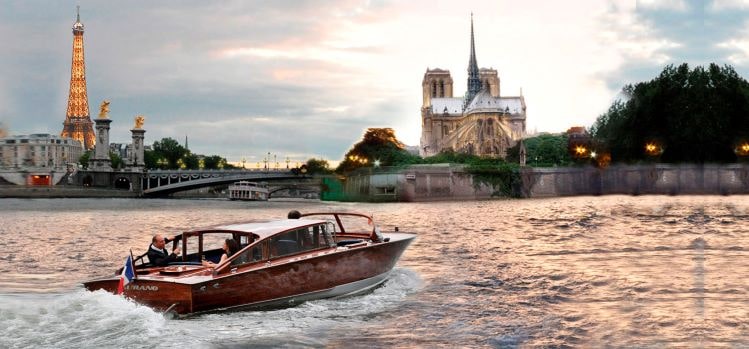
Before dinner in the 8th, a cruise can be useful only if the boarding and return logic is clean. The temptation is to chase the most cinematic river segment and assume the evening will take care of itself. That is how a polished day becomes rushed: the group disembarks, finds the car, crosses traffic, checks the time and arrives at dinner with the river already feeling like a scheduling risk. For the 8th, a shorter Seine edge near the Tuileries, Concorde or Pont Alexandre III may be better than a longer cruise, unless the cruise is the main event.
This is also why dinner should set the route earlier than many travelers think. If your evening is food-and-wine led, the river choice should support the restaurant geography rather than compete with it. The fuller neighborhood logic is covered in Paris dinner geography around the Seine.
Cruise or riverside walk: which Seine hour should replace the museum?
A riverside walk is the default replacement when geography is already working; a cruise is the better replacement when seated comfort, celebration energy or multigenerational pacing matters more than route continuity. The wrong choice is adding a cruise after the day is already logistically full, then treating it as if it were effortless because the boat does the moving.
Choose a riverside walk when the day needs continuity
A walk works best after the Louvre, Orsay, the Tuileries or Île de la Cité because it can start immediately and end near the next useful neighborhood. It is more flexible in weather windows, easier to shorten and better for travelers who want context rather than a fixed circuit. The guide can choose the quieter bank, pause under a bridge, cross once rather than twice, and end before the hour becomes another endurance test.
The walking route should not try to cover the whole Seine. Louvre to Pont Neuf, Orsay to Pont Royal, or Île de la Cité to Hôtel de Ville can be enough. A disciplined river hour is not measured by distance; it is measured by whether the group arrives clearer, calmer and better placed for the evening.
Choose a cruise when seated time is the point
A cruise works best when the group needs to stop standing but should not disappear into a hotel. Older parents, three-generation families, children who have behaved beautifully through a museum, and celebration travelers often benefit from a boat because it keeps the city moving while the group sits. This is also where paying for a private or better-managed experience can change comfort: boarding coordination, seating, timing and the feeling of not being folded into the wrong crowd can matter more than narration.
The cruise should replace a museum, not sit on top of the museum plan. If you keep Louvre, Orsay, a late lunch, shopping, a cruise and dinner, the boat becomes one more appointment. If you cut the least essential interior and use the cruise as a seated city passage, the day breathes. For travelers who want that river segment to be part of the planned experience rather than an afterthought, the private Seine cruise option is the more appropriate next step.
Choose neither when the Seine creates a separate errand
A Seine hour is not worth the logistics when it requires a cross-city transfer just to board, when cold rain or river wind will make the group endure rather than recover, or when it pulls you away from the dinner neighborhood you carefully chose. This is the honest no. In those cases, a closer garden edge, hotel pause or shorter neighborhood walk may be more elegant than forcing the river.
The same is true if the group has not yet had one excellent museum experience. The Seine should not become an excuse for shallow culture. It becomes the smarter substitute only after the meaningful interior has happened, or when the next interior would be a lesser version of a theme already covered well.
How weather changes the Seine-versus-museum choice
Weather changes the Seine choice by altering whether air feels restorative or abrasive. The river is exposed, and Paris weather does not need to be dramatic to change the right answer. Light rain, heavy heat, sharp wind along the quays, or winter damp can turn an elegant idea into a tense hour of managing coats, umbrellas, hair, shoes and timing.
In warm weather, a river hour is strongest when it avoids the harshest exposed stretches and does not follow too much garden walking. The Tuileries can feel longer under sun than it appears on the map, especially after the Louvre. A shaded street-to-river route, a shorter crossing, or a seated cruise may be better than a broad promenade. The body has already done slow museum standing; do not add heat load simply because the Seine is nearby.
In wet weather, a walk can still work if rain is light, shoes are suitable and the route is short. Pont des Arts to the Left Bank, a brief Pont Neuf focus, or an island edge may be enough. But a long riverside plan in steady rain is often less graceful than keeping one interior and cutting the exposed hour. The replacement rule is not ideological. The Seine earns its place when it improves the felt day.
In colder months, a cruise may beat a walk if boarding is simple and the group wants Paris views without prolonged exposure. But do not assume a boat automatically solves weather. Boarding points, waiting time and post-cruise transfers can undo the comfort benefit. A private guide’s judgment matters here because the right answer may change between breakfast and late afternoon.
When seasons are shaping the whole stay, use the broader seasonal lens in choosing a luxury Paris season to decide which days should be museum-led and which should leave more room for outdoor movement.
Traveler-fit clusters: who benefits from replacing the museum?
The Seine replacement is best for travelers who want culture to remain vivid rather than exhaustive. It is not equally valuable for every group, and the right river format changes by traveler type.
Couples who care about the evening
Couples benefit when the Seine hour preserves chemistry rather than adding symbolism. The best choice is usually a walk if dinner is nearby and a cruise if the boat is part of the celebration. The mistake is booking a river moment because it sounds romantic, then sandwiching it between a rushed museum exit and a difficult dinner transfer. Mood is not created by scenery alone; it is created by not asking the evening to repair a poorly edited afternoon.
First-time culture travelers
First-time visitors benefit because the Seine helps assemble Paris in the mind. After the Louvre, the river gives spatial context: the Right Bank, Left Bank, Île de la Cité, the bridges and the line toward the Eiffel Tower or the 8th begin to make sense. This is why a guided river hour can be more useful than another famous room. It turns accumulated facts into orientation.
Families and small groups with mixed stamina
Families and small groups benefit when the Seine reduces negotiation. After a museum, one person wants more art, another wants a snack, someone else wants to sit, and a teenager may be quietly finished with interpretation. A river walk with clear end point or a seated cruise can reunify the group. It gives everyone the same next hour without requiring the same level of art appetite.
Art specialists and repeat visitors
Art specialists should be more cautious about cutting a museum. If a traveler has come for a specific collection, artist or period, the better answer may be a shorter, sharper museum visit rather than a river substitute. The Seine should replace the marginal museum, not the meaningful one. For repeat visitors, the river works best when it links precise cultural choices rather than softening the trip into atmosphere.
The premium planning judgment: spend on flexibility, not denial
Premium spend changes the trip when it buys better judgment, smoother sequencing and a river format that fits the day. It does not help when it is used to pretend that fatigue is not real. A private guide, a well-placed car, a more comfortable cruise arrangement or a museum route with fewer rooms can improve the experience. Paying for another privileged entry after the group is already saturated often does not earn its cost.
The most valuable upgrade is not always the most expensive item. It may be the permission to change course at 3:30 p.m. because the guide can read the group’s energy, the weather, the dinner location and the route out of the museum. If the day began as Louvre plus Orsay plus “one more small museum,” the better private plan may be to keep the art that matters, cut the interior that will blur, and replace it with a guided Seine hour that connects the day. For that kind of responsive Paris planning, Inquire now.
There is also a value judgment around cars. A chauffeur can help when the day involves cross-city hops, limited mobility or a dinner location that would otherwise add strain. But for the Louvre-to-Seine transition, a car can be the wrong upgrade; walking out to Pont des Arts or Pont Royal may be smoother than driving around the river pattern you are trying to enjoy. Spend where it removes friction, not where it interrupts the best part of the route.
For travelers comparing a Louvre-heavy day with a more edited museum plan, the supporting guide to a curated Louvre day without museum fatigue is the more useful planning companion than another list of things to see.
How to make the Seine hour feel purposeful, not like filler
A Seine hour feels purposeful when it has a job: release the group from interiors, connect two neighborhoods, create seated time, or set the dinner mood without rushing. If it has no job, it becomes a postcard pause that may still be pleasant but does not deserve to replace a museum.
Give the hour a start, an end and a reason. “Walk by the Seine” is too vague after a serious museum day. “Leave the Louvre through the Cour Carrée, cross at Pont des Arts, read the Left Bank from the river, and end near Saint-Germain before dinner” is a plan. “Board near the route we are already on, sit for the city panorama, then return with enough margin for the 8th” is also a plan. The difference is not luxury language; it is whether the hour respects the rest of the day.
Keep the river commentary selective. After the Louvre, travelers do not need a compressed lecture on every bridge. They need a few anchoring ideas: why the Louvre faces the river, how Île de la Cité organizes the city, why the Left Bank feels different from the Right Bank, and how the day’s interiors relate to the Paris outside them. The guide’s restraint is part of the value.
Finally, avoid treating the Seine as the universal answer to fatigue. Sometimes the right move is a hotel pause, especially before a major tasting menu or after a long arrival day. Sometimes it is a shorter garden edge. Sometimes it is staying inside because weather is poor and the group is still engaged. The Seine hour should replace another museum only when it creates a better day, not because every Paris itinerary needs a river scene.
FAQ
Is a Seine hour better than another Paris museum?
A Seine hour is better than another Paris museum after two major interiors, after one demanding museum plus an intense monument, or when the next museum was added only because it is nearby. Keep the museum if it is the main reason you came or if the group still has real appetite for the collection.
Should I take a Seine cruise or walk by the river after the Louvre?
Walk after the Louvre if you want continuity toward the Left Bank, Pont Neuf, Île de la Cité or dinner nearby. Choose a cruise if seated time, older parents, children, or a celebration moment matter more than route flexibility.
Where is the easiest Louvre-to-Seine transition?
The easiest Louvre-to-Seine transition is usually toward Pont des Arts, Pont du Carrousel or Pont Royal, depending on your exit, weather and next neighborhood. The best choice is the one that moves you toward dinner or your hotel rather than back into a transfer.
When is a Seine hour not worth it?
A Seine hour is not worth it when the weather makes the river uncomfortable, when reaching the cruise or walking route requires a separate cross-city transfer, or when it pulls you away from a carefully chosen dinner location.
Does a private guide make the Seine replacement more useful?
Yes, a private guide can make the replacement more useful by reading the group’s energy, choosing the best river edge, shortening or extending the hour, and connecting the museum context to the city outside without turning the walk into another lecture.
Can the Seine replace the Orangerie or Orsay after the Louvre?
The Seine can replace the Orangerie or Orsay after the Louvre if those museums were optional add-ons rather than core interests. If Monet, Impressionism or Orsay’s collection is a major purpose of the trip, keep the museum and cut a weaker later stop instead.
Where should the Seine fit before dinner in Paris?
The Seine should fit before dinner only when it points toward the dinner neighborhood. A Left Bank dinner favors a walk from the Louvre or Orsay side, a Marais dinner favors an island-aware route, and an 8th arrondissement dinner requires tighter timing around Concorde, Pont Alexandre III or a carefully placed cruise.
If you’re interested in any private tours of Paris, please reach out to us.


 So if you are looking for the absolute best in Paris & surroundings with authentic local fully-licensed native guides whose English you can actually understand and with an exclusive and amazingly fun itinerary