Paris Dinner Geography Around the Seine: Left Bank, Le Marais or the 8th When the Evening Sets the Route

Updated
Let the reservation choose the bank before the day begins
Choose the dinner district first, then design the afternoon backward from it. For most couples and food-focused travelers, the Left Bank is the default winner because it turns a Seine crossing before dinner into a short, atmospheric transition rather than a transfer problem. This works in real Paris conditions because the river, museum exits, hotel returns and taxi routes quietly decide whether the evening feels composed or chopped into pieces. The clearest exception is an 8th arrondissement hotel or celebration dinner where the return to the room is part of the comfort plan, not an afterthought.
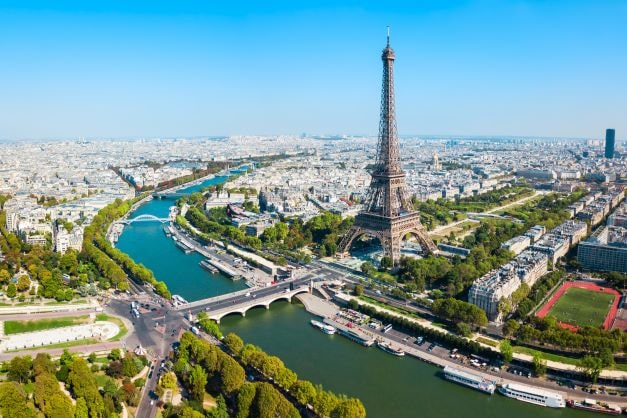
The thesis is simple: in Paris, dinner geography should shape the cultural route before the restaurant reservation, not after it. A table may be on either bank, but the mood cost of being on the wrong side of the Seine at dusk is real. Ending near Pont des Arts, Pont Neuf, Pont Marie or Pont Alexandre III changes how the evening begins; ending at the wrong curb with a cross-river ride still ahead can make even a serious meal feel like a logistics recovery.
This guide is not a ranking of restaurants, Michelin rooms or romantic clichés. It solves one planning question: whether the day before dinner should lean Left Bank, Le Marais or the 8th arrondissement when you care about pacing, comfort, food and a graceful evening. For a broader food-and-wine day, see how to plan a curated Paris food-and-wine day; here, the narrower answer is about where the day should end.
The useful lens is micro-geography, not prestige. The same reservation can feel calm or clumsy depending on whether the previous hour is spent along Quai Voltaire, on rue de Turenne, beside the Tuileries, or in a car trying to undo a route that should have been simpler. A premium Paris evening begins with the right final district, because that is where appetite, patience and attention are either protected or spent.
Left Bank, Le Marais or the 8th: which Paris dinner district fits which evening?
The useful comparison is not “which area is best,” but which area best absorbs the final hour before dinner. A district that feels ideal at noon can become the wrong fit when everyone is dressed for dinner, museum legs are tired, the river crossing is still ahead and the hotel is on the opposite side of town.
Left Bank: Choose it when the evening should unfold on foot. It suits couples, wine-focused travelers and guests who want the walk from Musée d’Orsay, Quai Voltaire, rue de Seine or Saint-Germain-des-Prés to become part of the dinner experience. It is the best default when the day includes art, design, bookshops, a short Seine edge and a dinner that rewards arriving calm rather than chauffeured to the door.
Le Marais: Choose it when the day is social, textured and street-scaled. It suits travelers who want old streets, galleries, fashion, Jewish quarter context, Place des Vosges, Saint-Paul or Hôtel de Ville nearby, and a dinner that follows naturally from a wandering afternoon. It is the runner-up when the reservation is on the Right Bank but the evening should still feel lived-in rather than formal.
8th arrondissement: Choose it when the hotel return, wardrobe change or celebration polish matters more than the pre-dinner walk. It suits palace-hotel stays, Avenue Montaigne shopping, Grand Palais or Champs-Élysées routing, and guests who want a smooth drop-off after dinner. It is the right answer for comfort, but not always for atmosphere.
The wrong fit: Do not force a Left Bank walk, a Marais roam and an 8th dinner into the same evening. The itinerary may look efficient on a map, but the mood often breaks when the final hour becomes a cross-city correction.
The counterintuitive correction is that the 8th is often overvalued as the automatic luxury dinner base. It can be superb when your hotel, driver and evening wardrobe live there, but it can flatten a more intimate Paris day if you drag guests from Saint-Germain, Île Saint-Louis or Le Marais back to palace geography simply because it sounds grand. Booking the most expensive table does not fix a route that ends on the wrong bank at the wrong time.
Why the Seine crossing before dinner changes the evening
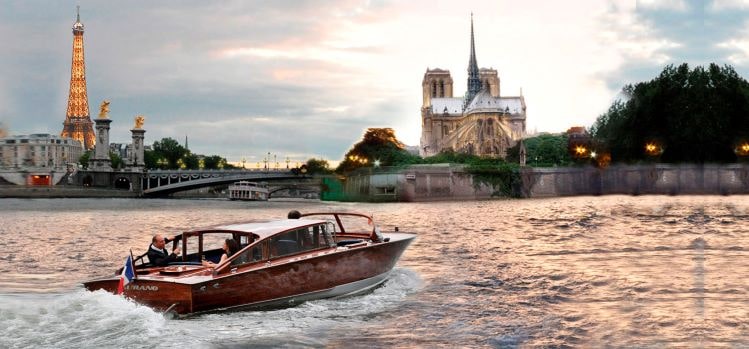
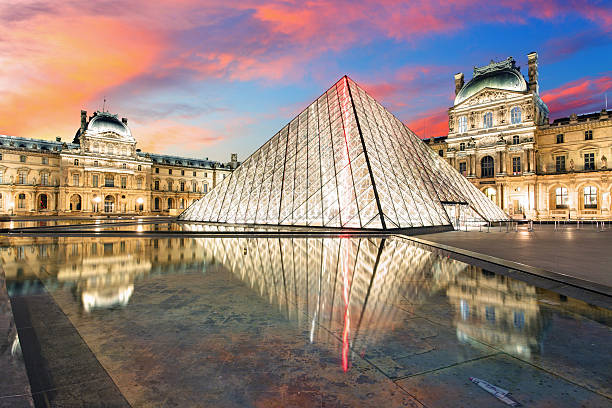
A Seine crossing before dinner is not just scenery; it is a timing decision that changes how the body and the mood enter the meal. A short crossing from the Louvre side to the Left Bank via Pont des Arts, or from Île Saint-Louis toward Le Marais via Pont Marie, can give the evening a sense of arrival. A forced crossing after a long museum day, especially when the hotel is far behind you and the reservation is still ahead, turns the same river into an obstacle.
Paris looks compact, but it asks a lot from travelers in dress shoes, with museum fatigue and dinner expectations. Museum floors, cobbled edges, curb cuts, bridge approaches, crowded quays and repeated taxi resets accumulate. The body feels the city through little frictions: one more staircase out of a station, one more uneven pavement near the river, one more standing wait while a car circles for a legal pickup. These are small costs at 11 a.m. and much larger costs at 7:30 p.m.
The body consequence is simple: the wrong final crossing turns the last stretch before dinner into fatigue management instead of anticipation. The mood consequence is just as clear: guests stop noticing the water, the lamps and the bridge line because they are calculating timing, pickup points and whether the reservation still feels relaxed.
The mood cost is different. A couple can enjoy a Left Bank approach after the Louvre if the route narrows from Cour Carrée to Pont des Arts and then softens into rue de Seine. The same couple may feel the day shrink if they spend the final hour checking ride status, crossing back to the 8th and wondering whether there is still time to change. The romance is not in the word “Seine”; it is in removing the last-minute decision that makes two people stop looking at the river and start managing the evening.
The cut-first rule is firm: if dinner is the anchor, cut the extra crossing before you cut the quality of the meal. Do not add one more museum room, one more boutique street or one more “quick” bridge photo when the final district is still unresolved. Paris rewards a clean arc more than a heroic last hour.
The Left Bank wins when the walk is part of dinner
The Left Bank is the strongest dinner geography when you want the final movement of the day to be human-scaled, textured and unhurried. It works best around Saint-Germain-des-Prés, Odéon, rue de Seine, rue Jacob, Quai Voltaire, the Musée d’Orsay edge and the quieter streets behind the École des Beaux-Arts. The dinner does not need to be casual; the approach simply benefits from being walked rather than driven.
This is the district to choose when the afternoon includes the Louvre, Musée d’Orsay, the Rodin Museum, Carré Rive Gauche design galleries or a short river segment. The Louvre-to-Left-Bank crossing is one of the few Paris transitions that still feels elegant after a demanding cultural day, provided you do not overstuff it. A private route can leave the Louvre through a calmer exit strategy, touch the river briefly, cross at Pont des Arts or Pont du Carrousel, and let the last stretch become a decompression rather than a commute.
The best Left Bank version is precise, not vague. Do not say “we will wander Saint-Germain” after five museum hours and expect the evening to protect itself. Decide whether the final hour belongs to Quai Voltaire and rue de Seine, to Odéon and rue de Buci, or to a quieter Saint-Sulpice edge. That small decision keeps the walk pleasurable and prevents the district from becoming another open-ended task before dinner.
It also fits food-and-wine travelers who want lunch, pastry, cheese, wine context or market texture earlier in the day without turning dinner into the second performance. A morning or afternoon with private Paris food tours can work especially well when it is designed to taper, not compete with the evening. The key is to avoid sugar fatigue, tasting fatigue and the false belief that a serious dinner needs a serious food marathon before it.
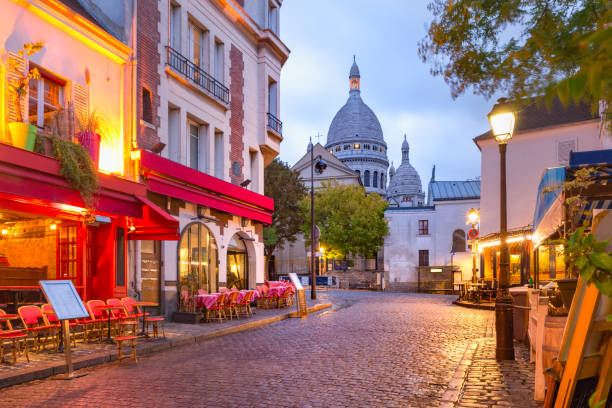
The Left Bank is also the best option for couples who care about mood without wanting manufactured romance. A route can end near the river, pass a bookshop window, touch rue de Buci or rue de Seine, and still leave guests with enough appetite and attention for dinner. That matters more than forcing a famous view. A mood-preserving decision is to keep the final thirty minutes walkable and familiar; the mood-killing mistake is to leave the district too late and arrive from the other bank already irritated.
It is not the best fit for every traveler. If your hotel is in the 8th and the dinner is also near the 8th, crossing to the Left Bank merely for atmosphere can become performative. If mobility is limited, the charming streets around Saint-Germain can feel less charming after a long museum day. If rain, heat or a formal wardrobe makes a long walk uncomfortable, the Left Bank should be used as a short, precise pre-dinner arc rather than a wandering project.
Le Marais wins when dinner should follow streets, not monuments
Le Marais is the right dinner geography when the afternoon should feel layered, social and close-grained rather than ceremonial. It is strongest when the day includes Place des Vosges, Musée Carnavalet, rue des Francs-Bourgeois, rue Vieille du Temple, the Saint-Paul area, Hôtel de Ville or a light crossing from Île Saint-Louis. The district is not about arriving dramatically; it is about letting the evening gather through short streets.
For travelers who dislike the feeling of being processed from one icon to the next, Le Marais often produces the best pre-dinner energy. You can spend an afternoon on design, Jewish quarter context, private galleries, fashion, architecture and small courtyards without needing the day to announce itself. It is particularly good for travelers who have already seen the Louvre or Eiffel Tower and want Paris to feel less like a sequence of appointments.
The practical hinge is the district edge. Le Marais can be graceful if you enter from Hôtel de Ville, Saint-Paul, Place des Vosges or a short Pont Marie crossing. It becomes tiring when it is treated as a wide, undefined zone from République to the river. For dinner planning, the important question is not “Are we in Le Marais?” but “Which edge of Le Marais are we ending on?” A reservation near the northern edge after a day around Île de la Cité is a different evening from a dinner near the river after a Saint-Paul finish.
This edge logic is where Le Marais differs from the Left Bank. Saint-Germain can absorb a gentle drift because the river, cafés and dinner streets often sit close together. Le Marais asks for a cleaner endpoint: lower Marais near the river, Saint-Paul and Place des Vosges, or the northern gallery-and-fashion side. Each can work, but mixing all three before dinner usually produces more pavement than payoff.
Le Marais also works for a food-led daytime route if it is kept narrow. A pastry or cooking class can be worthwhile when it naturally sits in the day, but it should not be added as a trophy before a major dinner. For example, travelers considering a hands-on daytime food component can confirm formats directly with La Cuisine Paris pastry classes (https://lacuisineparis.com/paris-baking-pastry-classes), then place the rest of the afternoon nearby instead of turning the class into the first stop of a citywide food race.
The Marais weakness is dinner polish. Some travelers want a stronger sense of occasion, easier chauffeur choreography or a clearer hotel return. In that case, the 8th may fit better. Le Marais can also frustrate guests who want broad boulevards, direct car movement or a formal wardrobe change before dinner. Its charm depends on short walks, irregular streets and a willingness to let the evening feel informal before it becomes gastronomic.
The 8th arrondissement wins when the return is part of the luxury
The 8th arrondissement is the right dinner geography when the hotel return, driver timing, wardrobe change or celebration choreography matters more than a long pre-dinner wander. It is strongest around the palace-hotel corridor, Avenue Montaigne, the Champs-Élysées side streets, Grand Palais, Pont Alexandre III, Alma-Marceau and the Tuileries-to-Concorde edge. It can feel smooth, polished and reassuring when the evening is built around comfort.
This is where the tradeoff becomes clear: an 8th hotel return versus a Left Bank evening walk is not a choice between luxury and romance. It is a choice between different kinds of ease. The Left Bank offers emotional continuity if the day has already moved toward the river and Saint-Germain. The 8th offers physical continuity if the clothes, room, driver and dinner all belong on the same side of the city. Comfort and romance are not always the same route.
The 8th makes sense for celebration travelers who want the evening to feel controlled. A private car can return guests to the hotel, allow time to change, then keep the post-dinner return simple. It also helps families, older parents or small groups who do not want a late walk after a long day. If the dinner is near Avenue Montaigne or the hotel is near the Champs-Élysées, adding a Left Bank flourish before the meal may be less charming than it sounds.
The river can still belong in an 8th evening, but it should be the west-side Seine rather than a forced detour. Pont Alexandre III, the Grand Palais side and the Concorde-to-Tuileries edge can give the plan air without pulling everyone toward Saint-Germain or Le Marais at the wrong moment. The goal is to use the Seine as a reset, not as an excuse to cross the city twice.
The district’s danger is that it can make Paris feel more spread out. If the day starts at Notre-Dame, moves through Le Marais, crosses to the Left Bank, and then finishes in the 8th, the final dinner geography may ask guests to reassemble themselves rather than arrive naturally. The 8th rewards discipline: keep the afternoon west, use the river near Pont Alexandre III or the Tuileries, and resist the urge to add a far eastern Marais stop “because it is only a short ride.”
This is also where premium spend has a limit. Paying for a better driver, a calmer route and a more carefully timed hotel return can change the comfort of the evening. Paying more for the table itself does not repair an itinerary that made everyone cross the city at the worst moment. Spend on choreography when choreography is the problem; do not spend on symbolism when geography is the problem.
When to use a chauffeur and when walking is better
Use a chauffeur when the evening has cross-city distance, formal clothes, mixed mobility, poor weather, a hotel change or an 8th arrondissement return. Walk when the final district is already correct and the last movement can add pleasure instead of uncertainty. The point is not whether a car is luxurious; the point is whether it removes a real friction or interrupts the best part of the evening.
A chauffeur helps most when the day has separated into parts: a morning around the Eiffel Tower or Trocadéro, an afternoon museum, a hotel reset and an 8th dinner. It also helps after a day trip, with older parents, with children, or when a small group has different walking speeds. In those cases, a driver can keep the itinerary from becoming a negotiation at every curb. For a deeper chauffeur-specific view, see luxury chauffeured Paris private tours.
Walking is better in the interiors of Saint-Germain and Le Marais when the route is already compact. A car does not improve the passage from rue de Seine to a Left Bank dinner if the walk is five to fifteen minutes and the streets are the point. A driver can even make the evening feel clumsier by requiring a pickup, a loop through traffic and a drop-off that is less satisfying than arriving on foot. In Le Marais, the best transitions often happen between Saint-Paul, Place des Vosges and the river, where short walking distances carry more value than a vehicle.
For couples, the simplest rule is this: use the chauffeur to solve distance, not to replace connection. A car can rescue a day that ends west after a Champagne return, a Versailles return or an 8th hotel reset. It cannot reproduce the effect of a quiet Pont des Arts crossing when the dinner is already on the Left Bank. The highest-value private planning often combines both: chauffeured help for the hard movement, walking for the final district.
How dinner geography should reshape the day before the meal
Dinner geography should decide the afternoon’s last cultural stop, not merely the ride to the restaurant. The strongest Paris days have a directional pull: museum to river to Left Bank, Marais streets to Right Bank dinner, or west-side culture to an 8th hotel return. The weakest days zigzag because every individual piece sounds good in isolation.
- For a Left Bank dinner: Keep the late afternoon near Musée d’Orsay, Rodin, Saint-Germain, Carré Rive Gauche, the Luxembourg edge or the river opposite the Louvre. Cross once, then stop crossing. This pattern suits couples, design-minded travelers and serious diners who want to arrive with appetite rather than adrenaline.
- For a Le Marais dinner: Keep the day around Île de la Cité, Hôtel de Ville, Saint-Paul, Place des Vosges, Musée Carnavalet or the lower Marais. Do not bolt on Montmartre or the 8th unless there is a chauffeur and a real reason. This pattern suits second-time visitors, teenagers with tour resistance, gallery-focused travelers and guests who prefer street texture to monuments.
- For an 8th arrondissement dinner: Keep the afternoon west or central-west: Tuileries, Grand Palais, Avenue Montaigne, Palais Galliera, the Champs-Élysées side streets or a hotel pause. This pattern suits palace-hotel stays, celebrations, formal wardrobes and travelers who want the post-dinner return to be effortless.
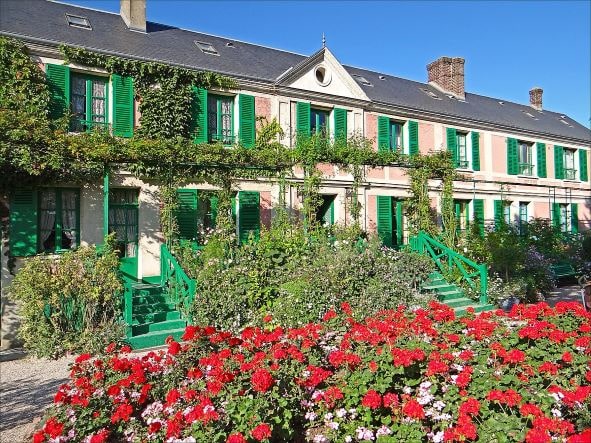
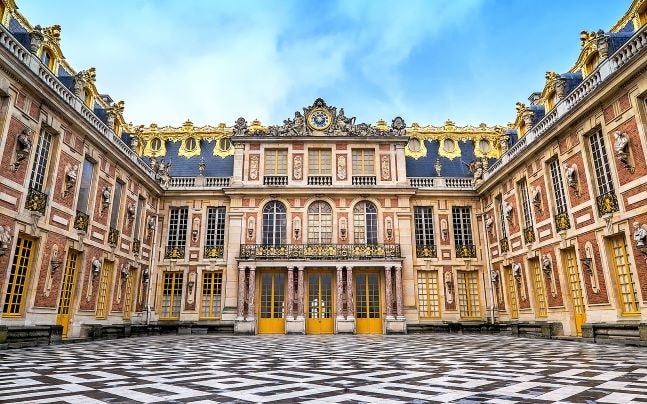
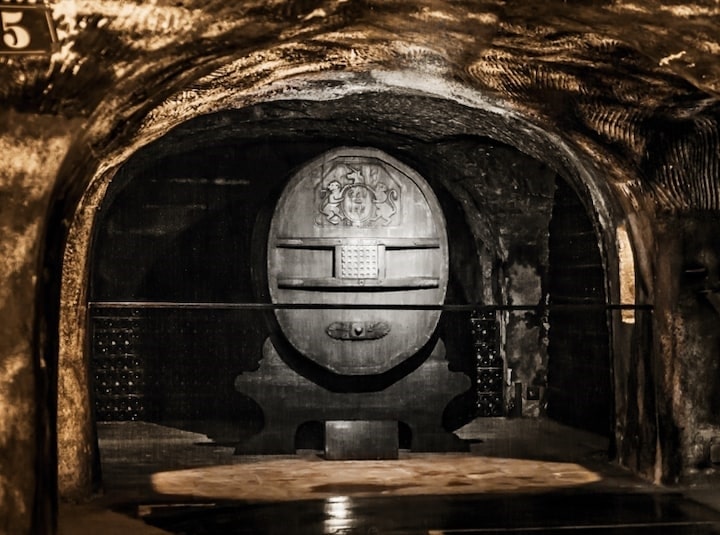
Day trips make the logic sharper. After Versailles, Giverny or Champagne, the best dinner geography is often the one that reduces evening recovery. Champagne is especially revealing: after cellar time, train or driver movement and a celebratory lunch, the day does not need a heroic city crossing before dinner. If the day includes official cellar experiences such as Champagne Taittinger visits in Reims (https://www.taittinger.com/en/visits-reims), plan the Paris return around the hotel and dinner district rather than treating the city evening as a blank second day. For the fuller Champagne placement question, see when a Champagne day earns its place in a Paris stay.
The same restraint applies to late dinners. If the reservation is late, the afternoon should become lighter, not longer. A garden hour, short river segment or focused museum window can be better than a second major district. The nearby guide to the Paris late-dinner day is useful when the timing question matters more than the district choice; this article is for the moment when geography is the decision that saves the evening.
Two sample arcs show the difference. A Louvre afternoon can finish with Pont des Arts, rue de Seine and a Left Bank dinner, with the river acting as the transition. A Marais afternoon can finish at Place des Vosges or Saint-Paul, then keep dinner on the Right Bank without pretending the Left Bank is still conveniently “on the way.” A palace-hotel day can stay west, use the Tuileries or Pont Alexandre III as the reset, and return to the 8th without apology. None of these plans is complicated; each is disciplined about where the evening really begins.
When the best dinner plan is a lighter guide and a self-led evening
The best dinner plan is sometimes a lighter daytime guide and a self-led evening. This is the honest exception for travelers who have a strong reservation, a well-placed hotel and a district they already understand. In that case, the guide should solve the cultural route, end in the right dinner geography and then step away before the evening becomes over-managed.
This works especially well on the Left Bank and in Le Marais. A private guide can spend the day shaping context, avoiding museum fatigue, cutting the wrong add-on and delivering guests to Saint-Germain, rue de Seine, Saint-Paul or Place des Vosges with enough orientation to continue alone. That handoff can be more elegant than keeping a formal service layer around every pre-dinner moment.
It works less well when the evening depends on a chauffeur, a multi-generation group, a tight hotel reset or a cross-bank transfer after dark. In those cases, self-led confidence may not survive the final hour. The question is not whether travelers are independent; discerning travelers often are. The question is whether independence preserves the evening or asks guests to manage the least pleasant part of the day.
The stop-forcing rule is practical: stop forcing one last cultural stop if the dinner district is already right. If you are on the Left Bank with a reservation nearby, do not cross to Le Marais for a quick look. If you are in Le Marais with dinner nearby, do not add the 8th unless the hotel return is essential. If you are in the 8th and the evening is formal, do not chase a river walk that leaves everyone watching the clock.
Where private planning earns its value
Private planning earns its value when the day can be designed to end in the correct dinner geography without making guests solve the transfer at dusk. The benefit is not simply having a guide; it is having a route that stops before the mood breaks. In Paris, that can mean leaving the Louvre toward the correct bridge, ending a Marais walk on the right edge, or using a chauffeur only for the movement that walking cannot improve.
For Orange Donut Tours, the strongest plan is often a cultural day with a deliberate handoff: a guide shapes the museum or neighborhood arc, the driver solves a hard repositioning if needed, and the last thirty minutes belong to the dinner district rather than to logistics. That is where a tailor-made private day differs from a collection of reservations. It understands that a meal in Paris begins before the first course.
If you want a Paris day that ends on the right bank, at the right pace, with dinner geography already solved, start with private tours in Paris and the exact dinner district you are considering. Orange Donut Tours can build the cultural route, food-and-wine emphasis, chauffeur use and final handoff around the evening you actually want. Inquire now
Premium spend does not help much here: booking the most expensive table does not fix a route that ends on the wrong bank at the wrong time.
FAQ
Should I choose the Left Bank, Le Marais or the 8th for dinner in Paris?
Choose the Left Bank when the evening should be walkable and atmospheric, Le Marais when dinner should follow a textured street afternoon, and the 8th when hotel return, formal clothes or chauffeur comfort matter most.
Is the Left Bank better than Le Marais for a romantic dinner evening?
The Left Bank is usually better for couples who want the approach to dinner to feel calm and connected, especially around Saint-Germain and the Seine. Le Marais is better when the couple prefers galleries, old streets and a more informal pre-dinner mood.
When is the 8th arrondissement the best dinner choice?
The 8th arrondissement is best when your hotel, dinner, wardrobe change or driver plan is already there. It is strongest for celebration travelers and comfort-first guests who value an easy return more than a long pre-dinner walk.
Does a chauffeur make sense for a Paris dinner night?
A chauffeur makes sense when the route includes cross-city movement, formal clothes, older parents, children, rain, a day trip return or an 8th arrondissement hotel reset. Walking is better when the final dinner district is already compact and attractive on foot.
What is the biggest mistake when planning dinner around the Seine?
The biggest mistake is leaving the final river crossing unresolved until dusk. A Seine crossing before dinner can be beautiful when it is short and intentional, but it can flatten the evening when it becomes a late transfer problem.
Should I plan a full food tour before a serious dinner in Paris?
Not usually. Before a serious dinner, a lighter food-and-wine route, market context or single tasting stop is often better than a full daytime food marathon. Preserve appetite, attention and comfort for the evening.
Can I rely on taxis or rideshares to fix the dinner route?
You can use them, but they should not be the plan’s main logic. A car helps with distance and weather, but it does not fix an overpacked day, the wrong bank, or a final hour that should have been walkable.
When should the guide leave before dinner?
The guide should leave before dinner when guests are already in the correct district, know the short route to the reservation and would enjoy a self-led final hour. The guide should stay involved longer when the evening depends on a driver, a group handoff or a cross-bank repositioning.
If you’re interested in any private tours of Paris, please reach out to us.



 So if you are looking for the absolute best in Paris & surroundings with authentic local fully-licensed native guides whose English you can actually understand and with an exclusive and amazingly fun itinerary













