Paris from Airport to Palace Check-In: One Elegant Stop Before the Room Is Ready

Updated
Choose one light, outdoor, palace-adjacent stop between Charles de Gaulle and check-in; for many luxury Paris arrivals, the Tuileries-to-Seine edge wins because it sits close to the 1st and 8th, asks little of a tired body, and can be shortened without regret. The clearest exception is a traveler who needs a shower, sleep, or calm before an important dinner: then the correct first stop is no stop at all. The airport-to-palace-hotel check-in gap should solve a timing problem, not become a hidden full-day tour. In Paris, the most elegant arrival plan is the one that improves the first evening, not the one that proves you saw enough before the room was ready.
The local hinge is more specific than “somewhere near the Louvre.” It is the western side of the Tuileries, near Place de la Concorde and rue de Rivoli, where a driver can stay aligned with many palace-hotel routes without forcing you across the Seine or deep into the Left Bank. Do not plan to roll luggage over the Tuileries gravel or through the Carrousel du Louvre; luggage belongs with the chauffeur, at the hotel, or in a properly managed transfer. That detail is small, but it separates a graceful arrival from a pretty plan that feels clumsy by minute ten.
This guide narrows the question more tightly than a full first-day itinerary. For a broader arrival framework, use the complete first-day Paris arrival plan; here, the question is only this: if your room is not ready, what one elegant stop actually belongs between the airport and palace check-in?
The priority ladder for the airport-to-palace-hotel check-in gap
The right first stop is the highest-priority option that protects the evening and does not add a second logistical problem. Start with the room, then the body, then the dinner, and only then the scenery.
- Hotel first: choose this when sleep, a shower, children, older parents, or an early serious dinner matters more than a symbolic Paris first look.
- Tuileries and the Seine edge: choose this when you want a graceful first hour near the 1st or 8th, with easy shortening if the flight lands late or energy drops.
- Palais-Royal or Place Vendôme: choose this when the weather is poor, you want covered passages and calm streets, or your hotel is already in that Right Bank orbit.
- A short Left Bank pause: choose this only when your hotel or dinner already points south of the river; otherwise the crossing can turn a short stop into a second transfer.
- A museum, Montmartre, or Champagne detour: cut these first on arrival day unless the trip has a very unusual reason to make them unavoidable.
The counterintuitive correction is that the Louvre is usually the wrong arrival-day anchor even when your hotel is near it. The museum is a neighbor, not the stop. After Charles de Gaulle, passport control, terminal walking, bags, and the first city transfer, a museum entrance concentrates exactly the frictions you are trying to avoid: standing, security, orientation, timed expectations, and the pressure to justify the ticket. Save the Louvre for a curated museum window rather than using it as a waiting room.
For travelers using a private arrival service, the value is not simply having a nicer car. The value is having someone who can decide whether the Tuileries still makes sense after a delayed landing, whether the hotel can take bags before the room is ready, whether a Seine pause should be a walk or a seated drink, and whether the whole stop should be abandoned. That is why Paris airport arrival planning is most useful when it is treated as routing judgment, not just transportation.
When the hotel reset should win
The hotel should win when the stop would make dinner worse, not when the stop sounds less impressive. A palace arrival is already part of the day: luggage handoff, reception, a first look at the property, changing clothes, and sitting down without scanning the pavement for the next crossing.
The correct first stop is no stop at all when you land after a difficult overnight flight, when one traveler is visibly fading, when children have crossed too many time zones, or when the evening includes a tasting menu, a celebration dinner, or a table you do not want to experience in a fog. Paris rewards alertness. A tired traveler can look at the Seine and feel nothing; the same traveler, showered and rested, may find the first dinner becomes the real beginning of the trip.
This is especially true for couples. The mood-preserving decision is often to let the hotel absorb the first-day shock: bags disappear, phones charge, clothes change, and nobody has to pretend that a garden walk is romantic while privately calculating how long until the room is ready. The mood-killing mistake is turning the check-in gap into a performance. When one person wants air and the other wants sleep, the right compromise is not a bigger plan; it is a shorter stop with an easy exit, or no stop at all.
Paris can look deceptively compact from a map. In the body, it is not compact after a long-haul flight. Airport terminals require walking before the city even begins; the first transfer from Charles de Gaulle can leave travelers stiff; garden gravel, museum floors, bridge stairs, security lines, and cross-river detours all accumulate. The issue is not whether you are fit at home. The issue is whether you want to spend the first Paris afternoon recovering from logistics while pretending to enjoy culture.
Families and multigenerational groups should be even more ruthless. If one person needs the bathroom, another wants food, a third is cold, and the bags are still in the car, the elegant stop becomes crowd management. A hotel lobby, early bag drop, and a private pause may feel less cinematic than a first sight of the Louvre, but it prevents the first afternoon from becoming a negotiation.
The practical rule is simple: if the hotel can give you even partial use of the property before the room is ready, the hotel reset should be considered a real stop. A calm lobby, luggage control, a change of shoes, and a seated drink can be a better Paris arrival than a forced monument. It is not a failure to start indoors; it is often the move that lets the evening still feel like Paris.
What is the best first stop in Paris before hotel check-in?
The best first stop before hotel check-in is usually the Tuileries and nearby Seine edge, provided the luggage is handled and the stop is capped. It gives a first Paris impression without asking for museum concentration, boutique decisions, or hill stamina.
Tuileries when you want Paris immediately but lightly
The Tuileries works because it is elegant without being demanding. From the Place de la Concorde side, you can take in the long garden axis, the Louvre in the distance, and the formal rhythm of Paris without entering the museum or committing to a long walk. If your palace hotel is near the 1st, the 8th, Place Vendôme, rue Saint-Honoré, or Avenue Montaigne, this stop is often geographically honest rather than decorative.
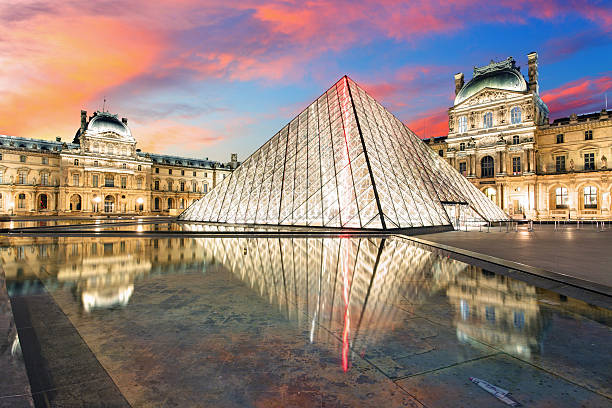
The key is to treat the Tuileries as a controlled breath, not a walking itinerary. Stay near the western garden and the river edge; do not drift all the way toward the Louvre Pyramid unless you actively want to add crowd pressure. The gravel matters. It is beautiful underfoot when you are fresh and irritating when you are jet-lagged, in soft shoes, or tempted to bring a carry-on. A well-managed arrival keeps bags out of the garden and lets the stop last exactly as long as the group’s energy allows.
This is the best choice for couples who want a first Paris moment before check-in, for first-time visitors who would feel disappointed going straight inside, and for travelers whose dinner is late enough to allow a short outdoor pause. It is weaker for anyone arriving in poor weather, anyone who needs lunch immediately, or anyone whose hotel is far across the Left Bank.
The Seine when the day needs air more than information
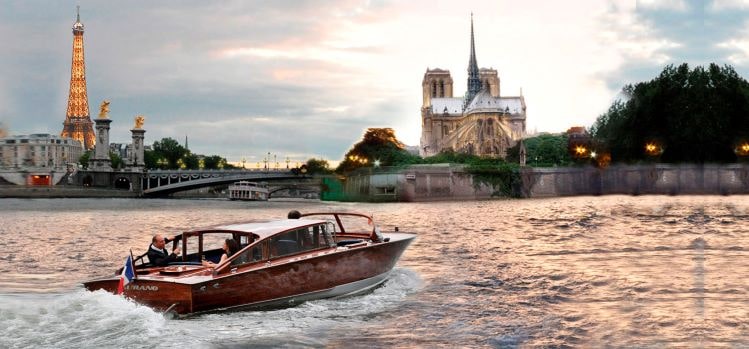
The Seine works when you need air, orientation, and a sense of arrival without making the stop mentally expensive. A short river pause near Pont de la Concorde, Pont Royal, or the Right Bank quays can feel generous because the river gives distance; after an aircraft cabin and a car transfer, that sense of space matters.
The river is not automatically easier than the garden. Some quays involve steps, uneven surfaces, and extra crossings, and a driver may not be able to hover exactly where the view is best. That is why the best Seine arrival is usually a short, guided edge rather than an improvised wander. The aim is not to cover the river; it is to let the city open up for 20 to 45 minutes before the hotel takes over.
A Seine pause suits food-and-wine travelers with a serious dinner later, because it does not interfere with appetite or concentration. It suits celebration travelers because it gives the first photographs and the first exhale without forcing a monument. For a deeper version of this decision later in the stay, use the Seine reset guide; on arrival day, keep the river shorter and less ambitious.
Palais-Royal and Place Vendôme when weather or polish matters
Palais-Royal and Place Vendôme work when you want a refined Right Bank pause with less exposure than a full garden walk. This choice is often better than the Tuileries in rain, wind, cold, or dress shoes, and it can pair naturally with hotels around the Louvre, Opéra, Saint-Honoré, and the 8th.
The traveler consequence is different from the Seine. This is not the biggest first view; it is the most controlled first hour. Palais-Royal gives arcades, garden geometry, and a quieter scale. Place Vendôme gives a short, polished orientation point without demanding a long route. The stop can become a seated drink, a short architectural context walk, or simply a refined way to avoid arriving at the hotel too early and then waiting awkwardly.
This option suits couples who do not want to look windblown before dinner, small groups who need an easy meeting point, and travelers who prefer the first Paris impression to be composed rather than expansive. It is less satisfying for first-timers who need the river or the Eiffel Tower to feel that the trip has begun. Do not force it if the group is craving open sky.
A Left Bank pause only when the rest of the day already belongs there
A Left Bank pause works only when it aligns with the hotel, lunch, or dinner. Saint-Germain can be a beautiful first Paris hour, but crossing the Seine on arrival is not neutral: it adds route exposure, more decisions, and often a second transfer back to the Right Bank if your palace stay is centered around the 1st or 8th.
This is where many elegant-looking plans quietly lose their value. A short stop in Saint-Germain may read well on paper, but if the driver comes in from Charles de Gaulle, angles through Right Bank traffic, crosses south, waits while you walk, then returns north to check in, the stop becomes a loop. The same is true for Le Marais if the hotel is west and dinner is later in the 7th or 8th. Paris is not large, but cross-city movement can eat the exact part of the day you were trying to protect.
Choose the Left Bank when you are staying there, dining there, or deliberately building the arrival around a quieter café-and-context hour. Avoid it when the only reason is that Saint-Germain sounds elegant. On arrival day, elegance is not a neighborhood name; it is the absence of unnecessary movement.
Which Paris arrival stops work with luggage and fatigue?
Stops work with luggage and fatigue only when the traveler never has to manage the luggage during the stop. The more premium the arrival, the less visible the baggage should be.
The first workable model is chauffeur-held luggage. This suits a capped Tuileries, Seine, Palais-Royal, or Place Vendôme pause. It requires discipline: the stop cannot sprawl, and the vehicle must remain part of the plan. The guide or driver should know whether the group is walking out and back, whether one traveler may return early, and what happens if the hotel texts that the room is ready.
The second model is hotel-held luggage before the room is ready. This is often the most comfortable answer when the hotel is reasonably close to the chosen stop. You arrive, hand over bags, use the facilities, confirm check-in expectations, then step out for a very short local loop. For a palace-area stay, that can mean the Tuileries, rue de Rivoli, Place Vendôme, or a calm coffee rather than a citywide excursion.
The third model is no luggage in motion at all: go straight to the hotel and let the first stop be a seated reset. This is the right model for older parents, travelers with mobility concerns, children after overnight flights, or anyone who will be unhappy if asked to walk before changing clothes. It may look less efficient than “using the time,” but it is often the more adult plan.
The stops that fail with luggage and fatigue are easy to identify. Montmartre fails because the slopes around Abbesses, rue Lepic, and Sacré-Cœur make the first hour feel longer than it is. The Louvre fails because museum stamina is not the same as transfer stamina. Shopping fails because decisions made before sleep are rarely the right decisions. A long food route fails because appetite after a flight is unpredictable. Champagne fails because Reims is not a check-in-gap solution; it is a dedicated day with its own rhythm.
The practical test is this: can the stop end gracefully in ten minutes if one traveler suddenly fades? If yes, it may belong. If no, save it for a real day.
Dinner timing changes the arrival plan more than the attraction does
Dinner timing should set the ceiling for the first stop. The earlier or more ambitious the dinner, the less the arrival stop should ask of you.
If you have an early dinner, especially after a long flight, go hotel-first. A short lobby pause, shower, and rest will do more for the meal than a garden detour. This is even more true for a celebration dinner, where the first evening carries emotional weight. The mistake is not only arriving tired; it is arriving slightly irritated, underdressed, and already behind the clock because the afternoon stop grew by 30 minutes.
If you have a late dinner, a Tuileries or Seine pause can work beautifully, but it should remain low-information. Do not add the Louvre, Sainte-Chapelle, a major boutique circuit, and a river walk just because the dinner is late. A late table gives you breathing room; it does not give you a second first day. The better rhythm is airport, light stop, hotel, proper reset, dinner.
If dinner is informal, close to the hotel, and flexible, you can allow a slightly longer arrival stop. This is where a private guide can make the stop feel intentional rather than like filler: a little context at Place de la Concorde, a controlled garden crossing, a river edge, then a clean handoff to the hotel. The guide’s job is not to pour history over tired travelers. It is to sense when the first hour has done enough.
For food-and-wine travelers, the first-day trap is over-tasting before the real meal. A pastry crawl, market route, or Champagne conversation may sound festive, but after a flight it can flatten appetite and dull the dinner. Save the richer food day for a morning when the body is awake. If the Paris stay is built around serious dining, use the arrival stop to preserve taste, not pre-load it. The same logic shapes a full late-dinner day later in the trip; compare it with Paris late-dinner planning when the question is no longer check-in but the whole day’s rhythm.
Where an arrival guide or chauffeur changes the stop
An arrival guide or chauffeur changes the stop when the plan needs live judgment, not when the traveler simply wants a more expensive transfer. The difference is visible in the handoffs.
A well-designed arrival from Charles de Gaulle can include flight tracking, a realistic luggage plan, hotel coordination, one stop that matches the route, and the authority to cut the stop if the room is ready or the group is fading. That is not filler. It is the difference between “we had time to kill” and “the first hour was chosen.”
Paying more changes comfort when it removes decisions at the exact moment travelers are least able to make them. It helps when bags stay out of sight, when the route avoids unnecessary river crossings, when one traveler can return to the car, when a child needs a bathroom, or when a celebration traveler needs the day to feel composed from the first handoff. It also helps when a guide can make a small place feel meaningful: the Concorde axis, the Tuileries garden line, the shift from river to palace quarter, or why a Right Bank stop is wiser than a beautiful but costly Left Bank detour.
Premium spend does not help when it buys a longer arrival day instead of a clearer one. A chauffeur does not make a museum-heavy arrival day wise if the traveler needs sleep before dinner. Nor does a private guide turn fatigue into attention. If the real need is rest, the best premium decision is to spend on smoother transfer, better timing, and a shorter plan, not on adding stops.
This is where a tailor-made approach earns its place. The arrival can be designed around the actual flight, hotel location, dinner timing, mobility, and appetite for a first glimpse. When the better answer is one elegant stop, a hotel-first reset, or a last-minute cut, Orange Donut Tours can shape the route so it feels deliberate rather than improvised through a tailor-made Paris private tour or broader private tours in Paris.
If you are considering a more extensive chauffeured day later in the stay, separate that question from arrival day. A chauffeur can be excellent for cross-city museum hops, hotel returns, and weather pivots, but arrival fatigue changes the equation. The more detailed distinction is covered in the chauffeur and museum-day guide; for the airport-to-hotel gap, judge the chauffeur by how much it lets you avoid, not by how much it lets you add.
What to cut first when the elegant stop starts growing
Cut the most famous add-on first. On arrival day, fame is often the reason a stop becomes too heavy.
Cut the Louvre entry first unless the trip has an exceptional constraint. The museum deserves alertness, and the entrance process alone can consume the softness you wanted from the arrival. A glimpse of the Louvre from the Tuileries is enough for the check-in gap. Enter another day, with a guide, a route, and a reason to stop before museum fatigue takes over.
Cut Montmartre next. It is atmospheric, but the hill is the wrong kind of drama after Charles de Gaulle. Slopes, steps, narrow pavements, and the distance from many palace hotels make it a poor answer to a room-not-ready problem. Montmartre works better as a separate half-day when you can arrive fresh and descend intelligently.
Cut the full shopping circuit. Avenue Montaigne, rue Saint-Honoré, and Left Bank boutiques can all belong in a luxury Paris stay, but shopping before check-in often creates decision fatigue. The traveler consequence is not only tired feet; it is buying under pressure, carrying small bags, and arriving at dinner mentally cluttered.
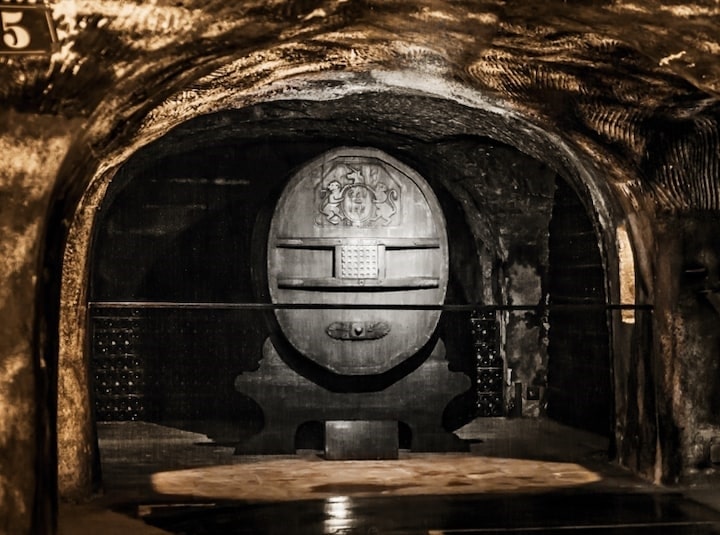
Cut Champagne completely from arrival day. Reims can be a superb private day when it is planned as a day, not as a check-in workaround. Champagne Taittinger visits in Reims (https://www.taittinger.com/en/visits-reims) and Veuve Clicquot cellar visits (https://www.veuveclicquot.com/en-int/visitus.html) deserve proper timing, cellar focus, and a return plan that does not cannibalize your first Paris evening. Treat Champagne as a separate decision, not as an elegant way to avoid waiting for a room.
Cut any stop that requires a timed ticket, a long indoor explanation, or a cross-city return in dress clothes. The arrival-day stop should be easy to shorten, easy to abandon, and easy to remember fondly. If it cannot satisfy those conditions, it belongs later.
A better arrival rhythm from Charles de Gaulle to palace check-in
The better rhythm is airport, one flexible pause if useful, hotel reset, then dinner. It sounds simple because the sophistication is in what you refuse to add.
Begin with the transfer as part of the day, not a dead zone. After Charles de Gaulle, let the first city movement reveal information: how tired the group is, whether anyone is hungry, whether traffic has compressed the window, and whether the hotel has news about the room. A rigid plan made before landing is less valuable than a clean decision made once the real arrival has begun.
If energy is good and the room is not ready, choose the Tuileries, the Seine edge, Palais-Royal, or Place Vendôme according to the hotel’s location and the weather. Keep the stop close enough that it feels like the natural prelude to check-in. A traveler staying around the 1st or 8th should not be sent across the city for atmosphere that can be found near the route. A traveler staying on the Left Bank should not be dragged north just to make the arrival look more “classic.”
If energy is mixed, split the difference without splitting the group too much. One traveler can sit with coffee while another takes a short guided look at the garden edge. A family can use the hotel first, then step out for ten minutes once bags are gone. A small group can let the most tired person return to the car while the rest see the river. These are not compromises in the negative sense; they are the mechanics of a private arrival that respects different bodies.
If energy is poor, go directly to the hotel. Do not apologize for it. The first beautiful Paris moment may be the room, the flowers, the view, the bath, the first pressed shirt, or the ease of walking into dinner without dragging the airport behind you. A good arrival plan does not worship the outdoors; it protects the part of the day you came to enjoy.
The mood consequence is real. A short, chosen stop makes the trip feel already under control. A swollen stop makes Paris feel like a checklist before the city has had a chance to breathe. The difference may be only one bridge crossing, one museum entrance, or one extra neighborhood, but on arrival day those small additions can decide whether the first evening feels romantic, festive, and awake, or merely endured.
FAQ
Should I stop in Paris before hotel check-in after landing at Charles de Gaulle?
Stop only if the room is not ready, luggage is handled, and the stop will not weaken dinner. The safest elegant choice is a short Tuileries, Seine, Palais-Royal, or Place Vendôme pause near the hotel route.
What is the best one-hour stop between Charles de Gaulle and a Paris palace hotel?
The Tuileries and nearby Seine edge are usually the best one-hour stop for Right Bank palace stays because they provide a graceful first view without requiring museum entry, long walking, or a cross-city detour.
When is the correct first stop no stop at all?
No stop is correct when the traveler needs sleep, a shower, food, privacy, or calm before dinner. It is also correct for tired children, older parents, mobility-sensitive travelers, and anyone arriving after a difficult overnight flight.
Is the Louvre a good arrival-day stop before check-in?
The Louvre is usually not a good arrival-day stop before check-in. Seeing it from the Tuileries can work, but entering the museum adds security, standing, orientation, and concentration at the wrong moment.
Can I leave luggage in the car during a short Paris arrival stop?
Yes, if the arrival is professionally managed and the stop is designed around the vehicle. The stop should be short, the luggage should stay out of the traveler’s hands, and the route should allow an easy return to the car or hotel.
How does dinner timing affect a Paris arrival stop?
An early or important dinner argues for a hotel-first reset. A later, flexible dinner can allow a short outdoor pause, but the stop should remain light enough that the evening still feels fresh.
Is a chauffeur worth it for the airport-to-palace-hotel check-in gap?
A chauffeur is worth it when it removes luggage stress, improves routing, and gives the group an easy exit from the stop. It is not worth it if the chauffeur simply makes an overlong arrival plan feel more expensive.
Should I add Champagne, Montmartre, or a major museum before check-in?
No. Champagne, Montmartre, and major museums are better saved for proper days or half-days. They add distance, stamina demands, or timed expectations that work against the purpose of a check-in-gap stop.
If you’re interested in any private tours of Paris, please reach out to us.


 So if you are looking for the absolute best in Paris & surroundings with authentic local fully-licensed native guides whose English you can actually understand and with an exclusive and amazingly fun itinerary













