Paris Before a Seine Cruise: Île de la Cité, Tuileries or a Left Bank Walk

Updated
The best pre-cruise route for most first-time couples and celebration travelers is Île de la Cité to the Seine, with the Tuileries as the cleaner runner-up and a Left Bank walk as the dinner-led exception. The reason is not simply scenery: the Seine cruise boarding window decides whether the hour before departure should be cultural, scenic or restful. In real Paris conditions, you need a route that narrows toward the water, avoids a cross-city transfer break, and lets the boat feel like the evening’s climax rather than a timed add-on. The clearest exception is a dinner reservation on the Left Bank immediately before or after the cruise; then a compact Saint-Germain-to-quai walk can beat the island. The thesis here is simple and very Parisian: before a Seine cruise, the city should funnel you toward the river, not send you sprinting from one famous name to another.
Start with the boarding point, not with the monument wish list. A cruise departing near the Eiffel Tower asks for a different final hour than a central-right-bank pier; a cruise after dinner behaves differently from a cruise before a formal table. This is where many polished plans lose their shape. The Tuileries can look like the obvious pre-cruise base on a map because it is central, formal and familiar, yet it can also pull you along broad Right Bank axes that are not the same as being ready to board. The less obvious local hinge is the choice of bridge and quay: Pont Neuf, Pont au Change and the Quai de l’Horloge can each make the final ten minutes feel calm or mildly tangled, depending on where your boat actually boards.
For a guide-led version of the island approach, the natural pairing is Notre Dame and Île de la Cité context before a private or shared river hour. For a cruise-first plan with a dedicated boat component, use a private Seine cruise plan as the anchor, then shape the earlier walk around the boarding window rather than the other way around.
What to do before a Seine cruise in Paris: the route ladder
The cleanest way to choose is to rank the routes by what they do to your evening: context, distance, dinner fit and energy. This is not a beauty contest between neighborhoods. It is a decision about the final hour before boarding, when a group’s patience, shoes, appetite and attention are all more fragile than they were at noon.
First priority: Île de la Cité to the Seine. Choose this when the cruise is meant to feel like the culmination of a Paris evening. It works especially well for first-time visitors, couples celebrating something, families who want one meaningful historic arc, and travelers who prefer a short walk with a clear destination. The route gives you Notre-Dame context, island scale, bridge crossings and the river in a compact sequence.
Second priority: Tuileries to the river. Choose this when your day is already on the Right Bank, you are near the Louvre, Place Vendôme or a palace-hotel corridor, and you want a scenic glide rather than a history-forward walk. It is the best runner-up when your group needs open space, easier pauses and less dense street texture.
Dinner-led exception: Left Bank to the quay. Choose this when dinner is in Saint-Germain, around Odéon, near the Pont des Arts side of the river, or when the meal is the real anchor and the cruise is the transition before or after it. It is less efficient if your boat boards far west and your dinner is not nearby.
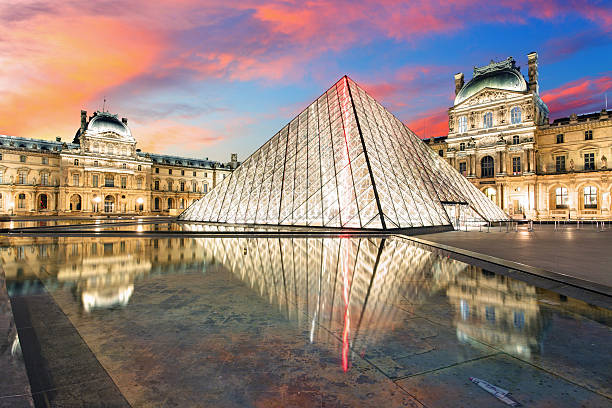
Cut first: a major museum in the last pre-boarding window. A Louvre, Musée d’Orsay or Sainte-Chapelle slot can be excellent earlier in the day, but a timed cultural stop too close to boarding makes both the museum and the cruise feel smaller.
The counterintuitive correction is that the most famous approach is not always the most graceful one. A Louvre-side or Tuileries base can be overvalued if it tempts you to add one more gallery, one more palace-hotel pause, or a long right-bank stroll when the boat is actually boarding elsewhere. The winning route is the one that reduces decisions as the evening begins.
Why Île de la Cité to the Seine makes the cruise feel earned
Île de la Cité wins when the cruise should feel like a chapter ending rather than a transfer. The island is small enough to hold a focused pre-cruise walk, but layered enough to give the river meaning before you board. You can move from Notre-Dame’s parvis to the edges of the Seine, cross or face the bridges, and let the city’s oldest geography explain why the boat is more than a view platform.
The mood transition from Île de la Cité to the river is the point. A short historic walk can deepen the cruise without draining the evening because it changes scale gradually: cathedral square, courthouse edges, narrow island streets, a bridge, then open water. That movement is more satisfying than leaving a hotel lobby, entering traffic, and arriving at a pier with no sense of how the river holds the city together. It also gives a guide room to add context without turning the evening into a lecture.
This route is especially strong when the group includes first-time Paris travelers who want Notre-Dame in the plan but do not need a full church-and-chapel morning. It also suits couples and celebration travelers because it protects conversation. You are not spending the pre-cruise hour negotiating a museum route, searching for the correct wing, or deciding whether to rush one more room. The walk has a shape everyone can feel: arrive on the island, understand why it matters, drift to the Seine, board.
There are practical advantages too. The island gives you several ways to calibrate the final minutes. If feet are tired, you can keep the route short and stay close to the water. If everyone is fresh, you can add a brief bridge-to-bridge loop. If weather turns, you can compress the walk without making the plan feel like a failure. Pont Neuf is useful because it gives an immediate sense of the river’s width and Right Bank versus Left Bank orientation; Square du Vert-Galant can feel like a tempting extension, but it is not always the right move if boarding is soon or stairs are a concern.
The city does something very specific to the body before an evening cruise. Paris near the Seine is not steep, but it asks for repeated micro-effort: stone paving, curb cuts, bridge approaches, quay stairs, standing at crossings, and the mental load of keeping a group together on narrow pavements. Museum corridors add a different fatigue: slow standing, security lines, cloakroom decisions, and the feeling of being indoors when the evening is supposed to open outward. Île de la Cité manages that load better than a sprawling route because the distances are legible and the river is always close.
The best island version is not a checklist. It is not Notre-Dame, Sainte-Chapelle, the Conciergerie, every bridge and the cruise. Keep it to one strong context thread. Notre-Dame’s façade and rebuilding story can be enough before a boat, especially if you have already planned deeper cathedral time elsewhere; travelers who want the fuller church arc should use a dedicated route such as Île de la Cité, Sainte-Chapelle and the Seine in one calm arc rather than crowding every layer into the pre-cruise slot.
The wrong fit is a group that wants shopping, café time or a long dinner on the Left Bank before boarding from far west along the Seine. In that case, the island may add a historic detour without solving the evening. The island also needs restraint when a private photographer, a proposal setup, or a large family group is involved; too many micro-stops can make the route feel staged. The strongest island route feels inevitable, not choreographed.
When the Tuileries is the better pre-cruise move
The Tuileries is the better choice when the day is already on the Right Bank and the group needs air more than context. It works well after a Louvre-adjacent hotel pause, a Place Vendôme shopping appointment, a late tea, or a palace-area afternoon when the evening should stay simple. The garden provides width, sightlines and easy recalibration before the river.
What the Tuileries does best is lower the intensity of the last pre-boarding hour. If you have spent the day inside museums, in boutiques, or in a car crossing the city, the garden gives the group a way to move without having to interpret every façade. That can be valuable before a cruise because the boat itself will provide the next visual sequence. The garden’s broad paths and familiar axes are easier for mixed-age groups than dense island edges, especially when someone needs a bench or a cleaner pause before boarding.
The risk is that the Tuileries can make the plan feel grand but oddly unfinished. A walk from the garden toward the river is scenic, yet it does not always create the same emotional handoff as Île de la Cité to the Seine. If the cruise is the main event, the Tuileries sometimes behaves like a pleasant prelude rather than a deepening one. That is not a flaw; it is a fit question. Use it when you want the evening to feel lighter, not when you want the river to carry the story of Paris from its medieval island outward.
The Tuileries also changes the walking math. The garden may look effortless, but its scale can stretch the final minutes if the group starts at the wrong end, pauses too often, or assumes that “near the river” means “near the boarding point.” Place de la Concorde, the Louvre-side edges and the river quays each send you in different directions. If your cruise boarding is not aligned with the route, the final transfer can become the very thing you were trying to avoid.
Use Tuileries before a cruise when dinner is on the Right Bank, when you need a gentle outdoor interval after an indoor day, or when the cruise is one part of a broader elegant evening rather than the emotional center. Avoid it when your boarding point is far from the garden, when the group expects Notre-Dame context, or when you are using the garden as a way to avoid making a clearer choice. For a broader river-led first visit that balances both banks, a Right Bank, Left Bank and river-day plan gives more space to connect the garden with the Seine without compressing the evening.
When a Left Bank walk is the right exception
A Left Bank walk wins when dinner geography makes the river route natural. If you are staying in Saint-Germain, dining near Odéon, or planning a meal before or after the cruise on the Left Bank, crossing to Île de la Cité just for the sake of a famous prelude can be wasteful. The better move is to let the evening start where the meal already belongs.
The Left Bank version is not a generic stroll through the 6th arrondissement. It should be a compact path with a clear handoff to the Seine: Saint-Germain streets, a controlled café or aperitif pause if the timing allows, then a movement toward the quay without detouring into every literary address. The route is strongest when it preserves appetite and attention. If you are headed to a serious dinner after the cruise, the pre-cruise walk should not become a food crawl. If dinner comes before the boat, the walk should not ask dressed travelers to cover too much ground after a long meal.
This is where the mood can either sharpen or flatten. A Left Bank walk can feel intimate because the streets hold conversation well; it can also feel too inward if it never opens to the water soon enough. The Seine needs to arrive as a release. If you stay too long around Saint-Germain, Odéon or the antiques streets and then rush the final crossing, the cruise begins with clock pressure rather than anticipation.
The Left Bank is also the better answer for some celebration dinners. A private cruise may be the most memorable object on the itinerary, but the meal often carries the social rhythm of the evening: arrival, dress, appetite, pacing, return. When dinner is the anchor, do not make the walk compete with it. Build the route as a bridge between hotel, restaurant and water. That may mean less sightseeing, not more.
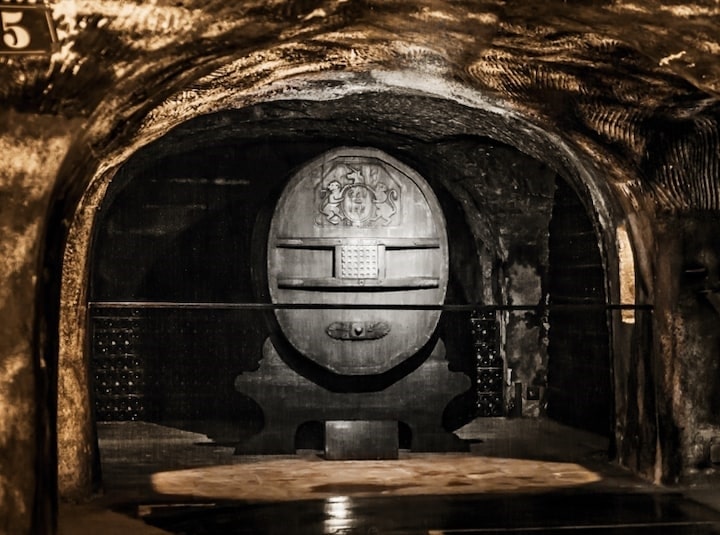
There is one prestige-heavy move to avoid: adding a major day-trip or cellar visit before a cruise evening because it sounds celebratory on paper. Champagne belongs beautifully in a Paris stay when it has its own day, but Champagne Taittinger visits in Reims (https://www.taittinger.com/en/visits-reims) should not be squeezed into the same day as a carefully timed Seine cruise and formal dinner unless the whole itinerary is deliberately built around that return. The cost is not only travel time; it is the loss of evening freshness.
The Left Bank exception breaks down when the cruise boards far from the dinner neighborhood, when the group includes travelers who dislike uncertain walking after dark, or when the plan depends on taxis crossing the river at the exact moment everyone else is moving to dinner. In those cases, the island or a Tuileries pause may be less stylish on paper but more coherent in practice.
When to stay near the river before a Seine cruise
Staying near the river matters when the cruise is the evening’s anchor, the dinner is on the same side of town, or the group is sensitive to late-day movement. It matters less when the cruise is a light add-on to a day based elsewhere. A Seine-facing or river-adjacent stay can be wonderful, but it is not automatically the most efficient choice for every luxury trip.
The best reason to stay near the river is not the view from the room; it is the ability to reduce decisions in the last ninety minutes. If your hotel, pre-cruise walk, boarding point and dinner are all in a tight arc, the evening feels composed. You can dress once, walk or transfer briefly, and avoid the sense of constantly checking whether the next step will hold. This is especially valuable for anniversaries, multigenerational groups, travelers with mobility concerns, and families who have already spent the day in museums.
The river is also useful as a mental map. Paris can feel compact until a short stay starts asking for repeated east-west and north-south movements. A hotel near Saint-Germain may be ideal for Left Bank dinners and island walks; a Right Bank base near the Louvre or Place Vendôme may suit Tuileries and central river routes; an 8th arrondissement base can feel polished but may send you into longer transfers if the cruise, dinner and daytime touring are scattered. The difference is not luxury level. It is whether the hotel supports the evening’s route.
Do not move hotels or distort a whole stay for one cruise hour. If the rest of your Paris plan is built around the Left Bank, food-and-wine touring, or museum mornings, a single private transfer to the river can be cleaner than choosing a river base that weakens the rest of the trip. The same applies to families: being “near the Seine” is less helpful than being near the specific pier, dinner plan and easy return.
For guests building several days around the river, a custom plan can connect the cruise with Notre-Dame, the Louvre edge, Tuileries, Saint-Germain and a dinner return without asking every day to orbit the same view. That is where tailor-made Paris planning earns its keep: not by adding more stops, but by choosing which river moments deserve to be adjacent and which should be separated.
Dinner timing decides whether the route should be cultural, scenic or restful
Dinner timing is the switch that changes the whole pre-cruise choice. A cruise before dinner favors Île de la Cité; dinner before the cruise often favors the Left Bank or a very short Tuileries glide; a late tasting-menu evening asks for restraint before both.
If the cruise comes before dinner, make the pre-cruise route cultural but concise. Île de la Cité is strongest here because it gives the boat a historical build without filling the body with museum fatigue or the stomach with snacks. You can board with attention intact, enjoy the river as the visual high point, then arrive at dinner with the feeling that the evening has already begun. This is the cleanest pattern for a first Paris celebration: context, river, table.
If dinner comes before the cruise, make the route scenic or restful. Do not ask guests to leave a formal meal and then walk a long interpretive route in dress shoes. A short Left Bank path to the quay, a Tuileries-side open-air pause, or a direct transfer with a brief river-edge arrival will often feel better. The cruise after dinner should be the exhale, not a second itinerary.
If dinner is late, the pre-cruise window can be more generous, but that does not mean it should be heavier. Late dinner creates a temptation to fill the earlier hours with a museum, shopping and the river. That can work on a full day, but immediately before boarding it often blurs the evening. The better pattern is one focused cultural thread, one pause, then the boat. The river should not have to rescue a day that has already spent itself.
If the cruise itself includes dining, simplify the hours before it even more. A dinner cruise changes the relationship between movement and appetite: you do not need a long café stop, pastry route or wine-led aperitif beforehand. Choose a short walk that creates orientation, then board without making the meal compete with a crowded prelude.
The mood-preserving decision is to protect the final thirty minutes before boarding. That time should not contain a major street crossing puzzle, a last-minute taxi hunt, or a debate about whether there is time for one more interior. The mood-killing mistake is to treat the cruise as flexible because it feels simple. Boats are simple once you are on them; the risk is the handoff.
When to avoid museums before boarding
Do not place a major museum before a Seine cruise when the museum entry falls inside the last three hours before boarding, when dinner is formal, or when the group includes travelers who will feel cheated by leaving early. This is the clearest cut-first rule in the whole plan.
Museums change time differently from walks. A walk can be shortened without obvious loss; a museum visit resists compression. The Louvre asks for decisions, orientation and emotional focus. Musée d’Orsay adds river proximity, but that does not make it an easy pre-cruise stop if the visit becomes more ambitious than planned. Sainte-Chapelle is small by comparison, yet its security and ticket rhythm can still create a hard edge in a short window. The question is not whether these places are worthy. It is whether they help the cruise begin well.
A museum before a cruise works only when it is earlier in the day, clearly bounded, and followed by a real pause. For example, a morning Louvre focus, hotel return, late afternoon island walk and evening cruise can be excellent. A mid-afternoon Orsay visit, no pause, taxi to pier, then dinner can feel like a premium day that forgot the human body. If you are already planning a serious museum component, give it its own place; see a curated Louvre day without museum fatigue for the kind of separation that keeps the art from flattening the evening.
The most common regret is not missing one more masterpiece. It is realizing that the cruise began with everyone slightly overstimulated, hungry, warm, or worried about being late. Once that happens, the first part of the river is spent recovering. This matters for couples and celebrations because the evening’s atmosphere is cumulative. A rushed museum exit, a crowded cloakroom, and a scramble to the quay can make an expensive cruise feel like logistics with a view.
There is one exception. If the museum is the true anchor of the day and the cruise is deliberately positioned as a low-pressure afterward, you can make it work by reducing the pre-cruise route to almost nothing. That means no extra bridge loop, no elaborate dinner transfer, and no expectation that the boat will carry deep context. It becomes a visual decompression after art, not the climax of the evening.
Where a guide, driver or private cruise changes the evening
Premium spend helps when it reduces uncertainty, improves the handoff, or lets the route match the people in the group. It does not help when it simply adds status to a plan that is already overpacked. A private cruise does not fix a rushed or poorly placed pre-cruise route.
A guide changes the pre-cruise hours most when the route needs context without weight. On Île de la Cité, a strong guide can connect Notre-Dame, the island, the bridges and the Seine in a way that makes the cruise feel earned without overloading the evening. That is different from a full monument tour. The value is selection: what to say, where to pause, which bridge to use, and when to stop talking so the river can take over.
A driver helps when the route is not truly walkable, when the group includes older parents or young children, when weather is awkward, or when dinner and boarding sit on opposite sides of the city. A driver is less valuable for a tight island-to-river sequence where the walk itself is the experience. In central Paris, paying more for a vehicle can even make a short route feel more fragmented if it turns a graceful walk into door-to-door waiting.
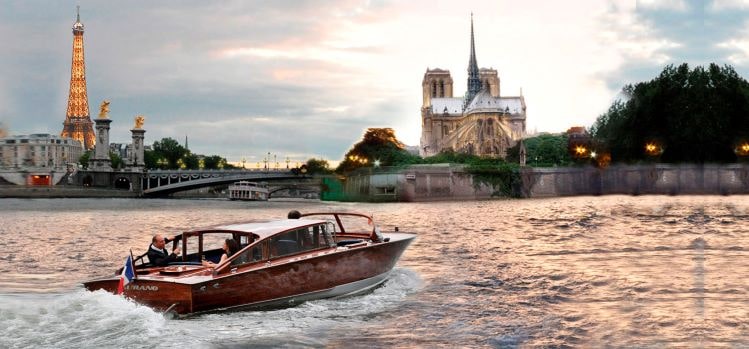
A private boat changes privacy, timing feel and the social atmosphere. It can be the right upgrade for proposals, anniversaries, small family celebrations, executive hosts, and travelers who dislike crowded commentary. It can also make the cruise feel less like sightseeing and more like a private chapter in the trip. Yet the boat is still downstream from the earlier plan. If guests arrive tired, late or overfed, privacy will not fully recover the mood.
The practical sweet spot is a guide-led context walk that hands off cleanly to the cruise. That can mean Notre-Dame exterior context, a measured Île de la Cité to the Seine route, a bridge choice that matches the pier, and enough buffer that no one boards breathless. For a dedicated river-focused experience beyond a standard cruise, a Seine River private tour can be shaped around the same principle: the water should feel like the reason the route was built, not the leftover slot.
When the evening needs that level of calibration, the planning conversation should start with the anchor moment, the dinner timing and the mobility profile of the group, not with a list of landmarks. Orange Donut Tours can build the context walk, transfer logic and cruise handoff into one private Paris evening. Inquire now.
Three pre-cruise sequences that actually hold together
The best sequence is the one that removes the weakest link. Use these patterns as planning logic, not as rigid itineraries. Exact timing should follow your cruise departure, pier location, dinner reservation and hotel base.
For a first Paris celebration: island context, river, dinner
Begin on Île de la Cité with Notre-Dame context, keep the walk exterior-led, use one bridge or quay edge to orient the group, then board with a real buffer. Dinner follows the cruise, preferably without a long cross-city transfer. This sequence works because the emotional order is natural: old Paris, open Seine, table. It is the best default for couples who want the river to feel like the evening’s turning point.
For a Right Bank day: Tuileries, short river edge, cruise
Use this when the day has already involved the Louvre, Place Vendôme, the 1st arrondissement, or a palace-hotel pause. Keep the Tuileries portion light and avoid adding a second major cultural interior. Move toward the river early enough that the final minutes do not depend on speed. This sequence is best for travelers who need space, benches and a softer transition after an indoor day.
For a Left Bank dinner: Saint-Germain, quay, cruise or cruise, dinner
Use this when the meal is already set on the Left Bank. If dinner comes first, keep the post-meal movement short and elegant. If the cruise comes first, let the walk open to the river soon enough that boarding does not feel abrupt. This sequence is best when the table matters as much as the boat and when the hotel or restaurant location already supports the route.
For a museum-heavy day: museum early, pause, then one river move
Do not stack the museum directly against boarding. Put the Louvre, Orsay or another major collection earlier, create a hotel or café pause, then choose either Île de la Cité or a short river-edge arrival. This sequence is not as visually packed on paper, but it is often the one guests remember with more pleasure because the cruise begins with attention available.
The final cut-first move is simple: if the plan is starting to feel crowded, remove the extra interior before you shorten the river handoff. Cutting a museum hour, a shopping detour, or a prestige stop will usually improve the cruise more than shaving the buffer before boarding. The Seine is unforgiving of false efficiency; it rewards an evening that arrives with room to breathe.
FAQ
Is Île de la Cité or the Tuileries better before a Seine cruise?
Île de la Cité is better when the cruise should feel like the climax of a historic Paris walk. The Tuileries is better when your day is already on the Right Bank and the group needs open space rather than more context.
When should I choose a Left Bank walk before a Seine cruise?
Choose a Left Bank walk when dinner, your hotel, or your evening base is already in Saint-Germain, Odéon, or another Left Bank area close to the river. It is the correct exception when meal logistics matter more than island context.
Should I visit the Louvre or Musée d’Orsay before a Seine cruise?
Usually not in the final pre-boarding window. Visit a major museum earlier in the day, then leave time for a pause before the cruise. A museum too close to boarding often creates fatigue, clock pressure and a weaker river experience.
How much time should I leave before boarding a Seine cruise?
Leave enough time for a calm arrival, the correct pier, group movement and a small buffer. The exact amount depends on the operator, boarding point and group profile, so confirm the boarding instructions when booking and avoid planning a timed interior immediately beforehand.
Is a private Seine cruise worth it for couples?
A private Seine cruise can be worth it for couples when privacy, timing, conversation and a celebration mood matter. It is not worth relying on as a cure for a rushed route, poor dinner placement, or an overfilled day.
What is the best pre-cruise route for a first trip to Paris?
For a first trip, the strongest default is Île de la Cité to the Seine. It gives Notre-Dame context, a compact historic walk, bridge orientation and a natural transition to the river without asking the evening to carry too many stops.
Can I do Sainte-Chapelle before a Seine cruise?
Yes, but only if the timing is generous and the visit is not inside the last pressured window before boarding. If the cruise is the anchor, Sainte-Chapelle often belongs earlier in the day or in a separate Île de la Cité route.
Where should dinner go: before or after the Seine cruise?
Dinner after the cruise usually works best when the river is the evening’s climax and the meal is nearby. Dinner before the cruise works when the restaurant location makes boarding easy and the boat is meant as a calm after-dinner glide.
If you’re interested in any private tours of Paris, please reach out to us.


 So if you are looking for the absolute best in Paris & surroundings with authentic local fully-licensed native guides whose English you can actually understand and with an exclusive and amazingly fun itinerary













