Paris for Fashion-Archive Travelers: Palais Galliera, Avenue Montaigne and One Museum Hour

Updated
The cleanest fashion-archive day in Paris starts at the Trocadéro edge of the 16th arrondissement, not on a shopping street: let Palais Galliera decide the day, use Avenue Montaigne as a narrow cultural spine, and add only one nearby museum hour. This works in real city conditions because Galliera sits between Iéna and Alma-Marceau, Avenue Montaigne pulls you into the 8th arrondissement without a cross-city reset, and the best extra museum stop is close enough to deepen context before the afternoon becomes store fatigue. The exception is important: when the Galliera exhibition calendar is weak for your interests, or when your group mainly wants purchases, turn the plan into a shorter style walk instead of forcing a full archive day.
The point is not to prove that Paris is a fashion capital; it is to make one day read like evidence. Palais Galliera gives the archive, Avenue Montaigne gives the living couture geography, and one museum hour gives enough art or design context to make the route feel cultural rather than transactional. Travelers who want a buying-first version should begin with Paris Shopping Private Tours or the broader Avenue Montaigne, Le Marais and Left Bank shopping-day guide; this article solves a narrower question, which is how to use Paris style as culture without turning the day into a boutique crawl.
Why the day should start at Palais Galliera, not Avenue Montaigne
Palais Galliera should come first when the exhibition supports your theme, because it gives the rest of the day a vocabulary. Without that first hour or two of archive context, Avenue Montaigne can look like a polished row of storefronts; after Galliera, the same street becomes a living map of silhouette, labor, brand mythology, and the social performance of Paris fashion.
The non-obvious planning cue is the museum’s edge position. Palais Galliera is not in the dense shopping grid of the 8th; it is at 10 Avenue Pierre Ier de Serbie, near the line 9 stations Iéna and Alma-Marceau, with Pont de l’Alma below and the Seine acting as a route hinge rather than a scenic background. That geography matters because a group can move from the museum toward Avenue Montaigne without reopening the whole Paris map. The transition feels like a continuation, not a commute.
Galliera also demands more caution than many first-time visitors expect. The museum itself notes, on its official practical information page (https://www.palaisgalliera.paris.fr/en/prepare-your-visit/practical-information), that it does not present permanent collections for preventive-conservation reasons, and that works are shown through exhibitions. In plain planning terms: you cannot treat Palais Galliera as a guaranteed greatest-hits fashion museum in the way some travelers treat the Louvre or Musée d’Orsay. The exhibition calendar is the anchor, and it should be checked before you build the day around it.
That is the counterintuitive correction: Avenue Montaigne is overvalued as the starting point for a fashion-archive traveler. It is magnificent as a second act, but thin as a first argument. Starting with the boutiques asks the street to explain itself. Starting with Galliera lets the museum set up why a shoulder line, textile, atelier habit, or salon address matters when you later stand in the 8th arrondissement.
The first cut is simple. If the current Palais Galliera exhibition calendar (https://www.palaisgalliera.paris.fr/en/exhibitions) does not match your group’s interests, do not stretch the day to fill the title. A fashion-archive day should become a shorter style walk when exhibitions or energy do not support a full day. That choice is not a downgrade; it is the difference between a crisp, memorable three-hour route and a padded day that feels like waiting between stores.
The priority ladder for a Paris fashion-archive day
The best plan follows a priority ladder: archive first, Avenue Montaigne second, one museum hour third, and everything else only if it protects the rhythm. This ladder keeps the day from becoming a generic luxury-shopping plan and gives each stop a job.
- Archive-first travelers: Start with Palais Galliera, spend the strongest attention there, and use Avenue Montaigne as the living urban footnote. This is the right cluster for fashion-history travelers, design-minded couples, editors, students of couture, and visitors who care more about how Paris fashion is made and displayed than about how many boutiques they enter.
- Style-and-shopping travelers: Keep Galliera, but shorten the museum time and make Avenue Montaigne more tactile. This suits celebration travelers, small groups with one serious fashion person and one shopping person, and visitors staying near the Golden Triangle who want the day to feel connected to their neighborhood rather than sent across Paris.
- Comfort-first mixed groups: Keep the day compact, use a guide for translation between fashion, art, and street context, and cut the extra museum if attention drops. This is the right cluster for families with teenagers, older parents, multigenerational groups, and travelers planning a serious dinner later.
The ladder also prevents a common Paris planning mistake: using famous names as a route. A list that says Galliera, Avenue Montaigne, Fondation Azzedine Alaïa, Le Marais, Saint-Germain, and a department store can sound rich on paper and feel scattered in the body. Each cross-city hop costs more than travel time. It changes shoes, posture, weather exposure, group patience, and the conversation. A private car can smooth some of that, but it cannot make unrelated districts feel intellectually connected.
For this article’s narrow day, the winning geography is the Galliera–Alma–Montaigne corridor. Keep your mental map small: Palais Galliera near Avenue Pierre Ier de Serbie; Avenue du Président Wilson for the adjacent museum choice; Place de l’Alma as the hinge; Avenue Montaigne as the spine into the 8th arrondissement; and, if needed, Avenue George V or Rue François 1er as side context rather than extra missions. The famous shopping power of Paris is not the point. The point is a clean fashion argument you can actually absorb. The practical test is whether you can still explain the day in one sentence while standing at Place de l’Alma.
When Palais Galliera can anchor the day
Palais Galliera can anchor the day when the exhibition gives your group a specific lens: a designer, period, craft, silhouette, material, photography theme, or Paris-fashion question. It should not be used as a default box to tick just because the building is the city’s fashion museum.
The right Galliera morning is usually focused rather than exhaustive. A fashion-archive traveler does not need to read every label to earn the day. The guide’s job is to build a small set of interpretive hooks: how a garment changes the body, how a textile signals status, how fashion photography turns commerce into image, how couture labor remains visible or hidden, and how Paris museums display clothing without reducing it to decoration. Those hooks can then travel with you down to Avenue Montaigne.
This is where a private guide earns their place more naturally than in a store-to-store shopping plan. A guide can connect the exhibition’s materials to the city outside the museum: why the 16th arrondissement’s museum setting feels quieter than the 8th arrondissement’s commercial confidence, why Avenue Montaigne belongs to a particular Right Bank geography of hotels, salons, and evening movement, and why the Seine crossing nearby is tempting but usually wrong for this day. The value is not someone pointing at boutiques. The value is a coherent cultural frame that survives the walk.
There is a mood consequence here. If Galliera is treated as a fast pre-shopping stop, the day becomes slightly impatient from the start; everyone waits for the “real” shopping to begin. If it is treated as the first chapter, the whole route slows down in a productive way. Avenue Montaigne later feels shorter, calmer, and less performative because the group is not trying to extract meaning from every window. They already have the frame.
Travelers staying in the 8th arrondissement have a special advantage. A palace-area or Golden Triangle hotel can make Galliera feel close enough for a morning start, while a hotel deep on the Left Bank or in the Marais changes the equation. From Saint-Germain, a Galliera–Montaigne route is still possible, but the first transfer becomes a real city movement, not a stroll. From Le Marais, adding a return across the river after shopping can make the day feel like it has two endings. That is why this archive route is strongest when it either begins near the west side of Paris or is handled as a deliberate private half-day rather than a casual add-on.
How Avenue Montaigne fits without shopping-day sprawl
Avenue Montaigne fits best as a controlled spine, not as permission to roam the entire Golden Triangle. Use the Avenue Montaigne spine from the Alma end toward the Champs-Élysées end, then stop before curiosity pulls the group into unrelated side quests.
The street’s power is concentration. It gives you a legible couture corridor inside the 8th arrondissement, close to Place de l’Alma, Avenue George V, Rue François 1er, and the palace-hotel rhythm of the Right Bank. For fashion-archive travelers, that concentration is more useful than an all-day shopping spread because it lets the guide read the street as urban history: how Paris turns fashion into architecture, frontage, appointment culture, window restraint, and evening arrival.
The wrong move is to treat Avenue Montaigne as the first district in a three-district shopping itinerary. Adding Le Marais after Galliera and Montaigne may make sense for buyers who need contemporary labels, vintage, or multi-brand browsing, but it breaks the archive logic. Adding Saint-Germain can be wonderful for design, galleries, and Left Bank atmosphere, but it turns a fashion day into a broader taste day. If your real target is efficient luxury shopping across districts, use the dedicated shopping-day framework instead. If your target is fashion as culture, keep the route tight enough for the mind to keep working.
Avenue Montaigne also has a body consequence that maps hide. Broad pavements, bright stone, security pauses, standing conversations, boutique temperature shifts, and the crossings around Alma and George V accumulate. None is dramatic alone. Together, they make travelers feel strangely tired because the day alternates between museum concentration and polished public performance. A driver can help with hotel return or a late-afternoon reset, but the most important comfort move is restraint: fewer stops, clearer purpose, and no “while we’re nearby” drift into the Champs-Élysées just because it is famous.
That last point matters. The Champs-Élysées is not automatically the right extension for fashion-archive travelers. It can be useful when a group wants a broader Right Bank orientation or is already choosing an 8th arrondissement private route such as the Champs Elysees Private Tour, but for archive-minded visitors it often dilutes the day. Avenue Montaigne has a sharper relationship to couture, hotel arrivals, and high-fashion geography. The Champs-Élysées has a louder civic and commercial identity. Do not confuse proximity with fit.
Use Avenue Montaigne for three things only: a guided read of the street, a small number of pre-chosen boutique or window stops, and a decision about whether the day should end in the 8th or return toward the Seine. Once the group starts asking to “just see what else is nearby,” the plan is losing its thesis. That is the moment to choose a pause, a chocolate stop, or a hotel reset instead of adding another district.
The one museum hour that best complements fashion context
The best one-hour museum complement is usually Musée d’Art Moderne de Paris, because it sits close to Palais Galliera on Avenue du Président Wilson and extends the conversation from fashion object to modern visual culture without forcing a Left Bank transfer. It is the museum hour that keeps the route physically and intellectually compact.
The logic is not that modern art is “better” than decorative arts or the Louvre for fashion. The logic is route discipline. The official Musée d’Art Moderne de Paris information page (https://www.mam.paris.fr/en/information) places the museum at 11 Avenue du Président Wilson, essentially in the same Trocadéro-Iéna cultural pocket as Galliera. That means your extra museum hour can happen before Avenue Montaigne or just after Galliera without reopening the day. In a city where short-stay travelers often underestimate how much cross-river movement eats attention, adjacency is not a small detail; it is the reason the hour works.
For fashion-archive travelers, the MAM hour should be selective. You are not trying to “do” the museum. You are looking for a visual bridge: modern Paris, line, color, surface, scale, abstraction, the relationship between the dressed body and the modern city. A guide can make that hour feel like a lens rather than a detour. Then Avenue Montaigne picks up the same questions in commercial form: restraint versus display, body versus image, exterior versus interior, and the ways Paris uses elegance as a public language.
Musée Yves Saint Laurent Paris is the obvious fashion-specific temptation, but it currently requires caution. Its official site says the museum at 5 Avenue Marceau is temporarily closed for renovation work (https://museeyslparis.com/en/), with reopening scheduled for autumn 2027. When it reopens, it may become the neatest one-hour fashion-specific complement for many travelers because Avenue Marceau sits naturally between Galliera and the Avenue Montaigne world. Until then, do not build a 2026 fashion-archive day around a closed door.
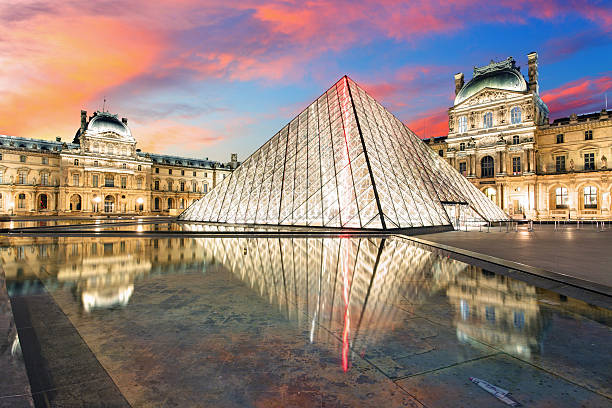
Petit Palais can be a graceful alternative when the day is drifting toward a celebration mood, a Seine crossing, or a Belle Époque context, but it changes the emphasis. It is better for public Paris, decorative atmosphere, and a softer transition toward the river than for a tight archive-to-couture argument. The Louvre and Musée d’Orsay are usually too big for this narrow day. They are not wrong museums; they are wrong scale. Adding one of them often makes travelers feel they have failed to see enough, which is the opposite of what this style day needs.
The best museum hour is the one that makes the rest of the day clearer. If the extra hour creates guilt, queue anxiety, or the urge to sprint through masterpieces, cut it. For many private groups, one focused hour at MAM plus Galliera is more satisfying than a famous museum name that changes the day’s center of gravity.
How to plan a Paris fashion-archive day without shopping sprawl
A strong Paris fashion-archive day should feel like a sequence of decisions, not a string of addresses. The sequence below works because each move answers the question raised by the previous one.
Start with the exhibition, not the hotel lobby fantasy
Begin at Palais Galliera when attention is fresh. Fashion exhibitions reward close looking: stitch, cut, fabric, image, and historical framing. This is not the moment to arrive overheated from a long cross-town shopping transfer or already carrying bags. If your hotel is in the 8th, the movement can be gentle. If your hotel is on the Left Bank or in the Marais, consider a direct car transfer to the Galliera area so the first chapter starts cleanly.
Use the nearby museum hour before the shopping mood takes over
If you are adding Musée d’Art Moderne de Paris, do it before Avenue Montaigne unless your group needs a lunch break first. Once travelers enter the boutique rhythm, it is difficult to recover museum attention. The mind shifts from looking to choosing. That shift is pleasant, but it changes the day. Put the art context before the store context if the archive matters most.
Let Avenue Montaigne be the third act
Avenue Montaigne works best after the museum material has had time to settle. Walk or transfer toward the Alma end, then move along the Avenue Montaigne spine with the guide choosing where to pause and where to keep moving. The aim is not to enter every house. The aim is to understand why this exact stretch belongs in a Paris fashion day and why it should not automatically expand into the rest of the Champs-Élysées quarter.
End before the day starts performing for itself
The ideal finish is calm: a hotel return, a drink nearby, a short gift stop, or an early evening pause before dinner. If a chocolate stop suits the group, use Le Chocolat Alain Ducasse stores (https://www.lechocolat-alainducasse.com/en/stores) as a researched add-on rather than a new itinerary anchor. The useful version is a small, well-placed pause. The weak version is crossing Paris for sweets because a famous name appeared late in the planning process.
This is also where the city affects the mood. A compact Galliera–MAM–Avenue Montaigne plan leaves the afternoon with a sense of completion; the day feels shorter than it is because the story holds. A plan that adds another shopping district can feel richer at 10 a.m. and thinner by 5 p.m., because the group is no longer discussing fashion. They are negotiating traffic, bags, restrooms, appointment timing, and who still has patience for one more stop.
Traveler-fit clusters: who should stretch the day, compress it, or skip the full archive plan?
The full archive day is best for travelers who enjoy context as much as acquisition. It can be excellent for couples, small groups, fashion-interested families with older teens, and celebration travelers who want the day to feel personal without becoming a private-shopping appointment marathon.
Stretch it if at least two people in the group are genuinely interested in fashion history, museum interpretation, and the relationship between Paris streets and couture culture. These travelers can handle Galliera, a short museum complement, Avenue Montaigne, and one elegant pause because the through-line is obvious to them. The guide can go deeper without losing the room.
Compress it if only one person is the fashion lover and others are supportive but not invested. Keep Galliera tight, make the museum hour optional, and let Avenue Montaigne include more sensory reward: architecture, windows, street life, a comfortable pause, and perhaps one planned boutique conversation. The goal is to prevent the non-fashion travelers from feeling trapped in someone else’s special interest.
Skip the full plan if the group wants inventory, sizes, current collections, or brand access above cultural framing. There is nothing wrong with that, but it is a different day. Boutique access does not replace a coherent cultural frame. Paying more for appointments, drivers, or concierge coordination can improve comfort and timing, but it does not turn disconnected store visits into a meaningful fashion-archive route.
This is where premium spend has a clear boundary. Spend helps when it reduces avoidable fatigue: a private guide who keeps the story coherent, a driver for clean arrival and return, pre-planned pauses, and a route that respects dinner energy. Spend does not help when it is used to add more districts, more entrances, or more famous names after the day’s argument is already complete. The richer choice is often to stop earlier.
Families and multigenerational groups need an even firmer cut line. Palais Galliera plus Avenue Montaigne may be enough. Add MAM only when the group likes art and can handle another concentrated hour. Children and teenagers who enjoy image, fashion, and identity can respond well to this day, but they rarely respond well to adult indecision. A guide should make the route feel chosen, not endless.
Where a private guide changes the day
A private guide changes this day by keeping fashion, art, street geography, and traveler energy connected. The best guide-led version is not a person escorting you from door to door; it is a planned cultural route that explains why these few stops belong together and why many tempting extras do not.
At Palais Galliera, the guide can turn garments into context: the difference between seeing a dress as an object and understanding it as labor, social code, image, and body architecture. Near Avenue du Président Wilson, the guide can decide whether the group has enough attention for Musée d’Art Moderne de Paris or whether that hour should be saved for another day. Around Place de l’Alma and Avenue Montaigne, the guide can keep the walk tight so the group reads the street rather than getting swallowed by the Golden Triangle.
The private value is especially clear for couples and celebration travelers. Without guidance, one person may want museum depth while another wants the pleasure of the street. With a guide, those desires do not have to compete. The museum supplies the ideas; the avenue supplies the sensory Paris moment; the pause supplies breathing room. That is a better celebration shape than a day overloaded with reservations.
It is also useful for small groups who disagree about shopping. Some travelers hear “Avenue Montaigne” and expect access. Others hear it and fear a day of waiting. A guide can set the rules before the route begins: a few selected stops, no boutique ranking, no fragile inventory promises, and no pressure to turn the day into a purchase mission. That clarity keeps the group relaxed.
Orange Donut Tours can build this as a fashion-archive private route, a lighter style walk, or part of a broader tailor-made stay when the day needs to connect with hotels, dinner, family pace, or a previous museum morning. For a custom version that keeps the cultural thread intact rather than sending you from store to store, use Tailor-Made Paris private touring and Inquire now.
What to cut first when the day is getting too full
Cut the second shopping district first. Not the museum context, not the pause, and not the return buffer. The second district is the piece most likely to look impressive in planning and feel expensive in attention once you are moving through Paris.
If the day begins to swell, cut in this order. First, remove Le Marais or Saint-Germain unless your goal has changed from archive culture to shopping variety. Second, remove the extra museum hour if Galliera is especially strong or if the group is showing signs of concentration fatigue. Third, reduce Avenue Montaigne to a guided exterior read plus one planned stop. Last, shorten Galliera only if the exhibition is not doing the work you hoped it would do.
Do not cut the pause. Fashion days need a pause because the experience alternates between close looking and public-facing movement. A quiet drink, a hotel reset, or a small chocolate stop can preserve the day’s composure better than another famous address. This is not indulgence; it is structure. Without it, the late afternoon can flatten into tired politeness.
Travelers with a serious dinner should be especially strict. Paris can make a day feel deceptively easy until late afternoon, when museum standing, wide avenue walking, traffic noise, and boutique pacing all arrive in the body at once. If dinner matters, end the fashion route with enough time to change shoes, drop bags, and stop talking logistics. A day that preserves the evening will be remembered as elegant; a day that spends every last bit of attention before dinner will be remembered as slightly too much.
If you are comparing this route with a design-collector day, keep the distinction clear. Paris for Design Collectors belongs to the Left Bank and object-world logic of galleries, furniture, and interiors. The fashion-archive day belongs to Galliera, Avenue Montaigne, and a nearby museum hour. Both can be excellent. Combining them usually weakens both.
Premium spend does not help much here: boutique access does not replace a coherent cultural frame.
FAQ
Is Palais Galliera worth visiting for fashion travelers in Paris?
Palais Galliera is worth visiting when its current exhibition matches your interests, because the museum does not operate as a simple permanent-collection fashion museum. Check the exhibition calendar first, then decide whether it deserves to anchor the day.
Should Palais Galliera come before Avenue Montaigne?
Yes, for fashion-archive travelers Palais Galliera should usually come before Avenue Montaigne. The museum gives you the historical and material vocabulary that makes the avenue feel cultural rather than purely commercial.
What is the best one-hour museum to pair with Palais Galliera?
Musée d’Art Moderne de Paris is usually the best one-hour complement because it is close to Palais Galliera on Avenue du Président Wilson and adds modern visual context without sending the group across Paris.
Is Musée Yves Saint Laurent Paris part of this route?
Not for a 2026 route unless the situation changes, because the museum’s official site says it is temporarily closed for renovation with reopening scheduled for autumn 2027. Once it reopens, it may become a strong fashion-specific complement.
How long should this Paris fashion-archive day take?
Plan it as a focused half-day to short full day, depending on exhibition strength, group energy, and whether you include the extra museum hour. The route should feel complete before it becomes a shopping marathon.
Can this work for couples or celebration travelers?
Yes, it works well for couples and celebration travelers when the day includes a clear archive start, a controlled Avenue Montaigne walk, and a comfortable pause before dinner. It should not be overloaded with extra districts.
Do I need a private guide for Avenue Montaigne?
You do not need a guide simply to find Avenue Montaigne, but a private guide helps turn the street into fashion context, connect it to Palais Galliera, and prevent the day from becoming a store-by-store shopping route.
What should I cut first if the plan is too full?
Cut the second shopping district first. Keep the route focused on Palais Galliera, Avenue Montaigne, and one nearby museum hour only if the group has the energy and interest for it.
If you’re interested in any private tours of Paris, please reach out to us.



 So if you are looking for the absolute best in Paris & surroundings with authentic local fully-licensed native guides whose English you can actually understand and with an exclusive and amazingly fun itinerary













