London’s South Bank Strategy: Tate Modern, Borough Market and the Thames Without Cross-River Drift

Updated
Verdict: Treat South Bank as a deliberate single-bank cultural route, not as scenery between Westminster and the City: start with either Tate Modern or Borough Market, use Millennium Bridge as the hinge, and let the Thames carry the day only when it reduces cross-river movement. This works in real London conditions because Bankside, London Bridge and the river path can feel compact, but one casual wrong crossing turns a clean Tate Modern–Borough Market plan into two stops stitched together by taxis and Tube exits. The clearest exception is a St Paul’s- or City-led day: then South Bank should sit before or after the City, not compete with it for the middle of the day. In London, the South Bank wins when the crossing is intentional; it loses when the river becomes a decorative excuse to drift.
The useful question is not whether Tate Modern, Borough Market and the Thames are “worth it.” They are. The useful question is whether they belong as one route, and where the day should turn. For a private, tailor-made London stay, South Bank is strongest when it solves three problems at once: a serious but contained museum block, a food stop that does not become a restaurant ranking, and a river movement that makes the day feel shorter rather than more theatrical. The mistake is treating the area as filler between larger names. Millennium Bridge is the proof cue: cross it once with purpose from St Paul’s toward Tate Modern, or use it once in reverse after Bankside. Cross because the route changes, not because the bridge is famous.
A chauffeur does not fix poor cross-river sequencing. That is the counterintuitive correction for this corridor. A car can help with a hotel return, wet weather, older parents, luggage, or a late dinner transfer, but it cannot make a scattered Westminster–Tate–Borough–City zigzag feel coherent. The South Bank day earns its place when the private guide, the museum pace, the market timing and the river line all agree. Travelers building a broader London stay can fold this into private London touring, but the route itself should stay narrow.
The South Bank decision matrix: what should anchor the day?
The anchor should be the stop that controls your energy, not necessarily the stop with the biggest name. For culture-led travelers, Tate Modern usually anchors the morning. For food-and-wine travelers, Borough Market often anchors the lunch window. For families, older parents or mixed-interest groups, the anchor may be neither; the South Bank can be a short river reset after the City or before a theatre-night return.
South Bank sequencing matrix
- Anchor Tate Modern when art is the reason for being here, when the group wants context before eating, or when a private guide can curate a focused gallery route instead of letting the building swallow the morning.
- Anchor Borough Market when lunch timing will shape the day, when travelers care about produce, traders and tasting, or when the group is more interested in London’s food culture than in a long museum block.
- Use Millennium Bridge as the hinge when St Paul’s or the City belongs in the same day; the bridge turns the north-bank monument and the south-bank museum into a readable London story.
- Use the Thames as movement when a river transfer replaces a worse taxi or Tube reset; do not add a boat simply to make the day sound grander.
- Keep South Bank short when the day already contains Westminster, the Tower, a major dinner, a matinee, or a late West End commitment.
The matrix matters because the district is deceptive. On a map, Tate Modern and Borough Market look close enough to treat as a casual pairing. In the body, they ask for different kinds of attention. Tate Modern asks for visual focus, vertical movement, gallery legs and interpretive choices. Borough Market asks for appetite, tolerance for standing, and a willingness to make quick decisions in a lively space. The Thames path asks for weather judgment. A sunny river walk can feel like the cleanest hour in London; a windy one after a heavy market lunch can feel longer than expected. Southwark station is useful for Tate, London Bridge station is useful for Borough, and neither station magically connects the two into a premium experience without route discipline.
The best-base verdict is simple: base the day on Bankside and London Bridge, not on Westminster. Westminster is too seductive a starting point because it sounds central, but it tends to pull the day west, toward Parliament, Whitehall and Covent Garden. That is the wrong gravity for a South Bank strategy. If your London plan is about Westminster, use a Westminster plan. If your plan is about Tate Modern, Borough Market and the Thames, let Bankside set the rhythm, then decide whether the City enters through Millennium Bridge. The difference is not aesthetic. It changes how many times you climb in and out of vehicles, how often the group asks “where are we going next?”, and whether lunch feels earned or merely inserted.
How to plan Tate Modern and Borough Market without cross-river drift
The cleanest plan is a one-direction route: Tate Modern first, Borough Market second, Thames movement third, with one purposeful bridge or pier decision. That sequence works because it asks the most focused attention before the appetite peak, then lets the river give the afternoon an open edge. It also avoids the common pattern of seeing St Paul’s, crossing to Tate, doubling east to Borough, then suddenly deciding to cross back north because the hotel, dinner or car is elsewhere.
For many discerning travelers, Tate first is the sharper choice. You arrive with fresher eyes, your guide can frame the building and the collection before the group is thinking about lunch, and the river-facing walk afterward feels like release rather than preamble. Tate Modern’s official visit page is the place to confirm practical details before building the day around it: Tate Modern visit information (https://www.tate.org.uk/visit/tate-modern). The article’s planning point is not the museum’s opening schedule; it is the psychological order. Modern and contemporary art is most rewarding when the group is not already negotiating hunger, market crowds, rain gear and dinner logistics.
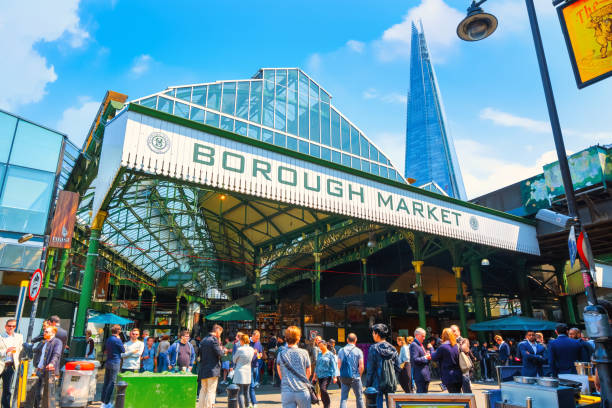
Borough first works under narrower conditions. It is right when the food story is the point, when a family needs early momentum, or when lunch is the only fixed social meal before a lighter afternoon. It is less successful when travelers expect a tranquil tasting experience at peak appetite time. Borough Market is not a seated restaurant with a controlled arc; it is a working market district around Stoney Street, Bedale Street, Cathedral Street and the edges near Southwark Cathedral. It can be brilliant with a guide who knows how to choose, pause and move on. It can also become a standing lunch that consumes the day without giving the trip much structure.
The cut-first rule is this: do not add a second market, a second bridge crossing or a “quick” Westminster detour before you have protected the Tate–Borough relationship. If the day is getting crowded, cut the extra view, not the pacing. Do not force the London Eye, Covent Garden, the Tower and a full Tate visit into this route just because they sit on the mental map of central London. The South Bank is at its best when it feels like a deliberate corridor. It becomes filler when every famous name within taxi range is allowed to vote.
A private guide changes the South Bank day by connecting the museum, market, bridge and river into one route instead of making the group self-navigate through separate stops. That matters most at the transitions: leaving Tate without wandering into the wrong riverside direction, deciding whether to use the Millennium Bridge or stay south, entering Borough from the side that fits your appetite rather than the side that happens to be closest, and knowing when the Thames should be viewed, walked or used for onward movement. This is also where customization earns its keep for couples, families and celebration travelers: one group may want a short focused Tate edit and a long lunch conversation; another may want market grazing, a river hour and a precise return before dinner. Inquire now.
When South Bank belongs before or after the City
South Bank belongs before the City when Tate Modern is the cultural opener and St Paul’s or the financial district is the contextual follow-through. It belongs after the City when St Paul’s, Guildhall, Bank, Leadenhall or a business-adjacent visit must set the morning clock. The wrong version is trying to keep both banks active all day.
The Millennium Bridge is the cleanest hinge because it gives the day a readable line: St Paul’s on one side, Bankside and Tate Modern on the other. In one direction, you can start with St Paul’s, cross the bridge, let Tate Modern reframe the skyline from the south bank, then move toward Borough. In the other direction, you can start at Tate, cross to St Paul’s, and let the City take the afternoon. What you should not do is cross, recross, and then ask a chauffeur to gather the pieces. The bridge works because it commits you. It does not work as a scenic loop if the rest of the day is already pulling east, west and north.
If the City is the stronger half of the day, read the existing City-and-river planning logic separately: St Paul’s, the City and a Thames cruise solves a broader north-bank question. This South Bank article is narrower. Its job is to decide how Tate Modern, Borough Market and the Thames should behave when they are not just add-ons to St Paul’s. The distinction matters. A City-led day asks how to move beyond Westminster without agenda blur. A South Bank-led day asks how to keep the south side from dissolving into cross-river drift.
South Bank before the City suits travelers who like culture before architecture and who are comfortable with a day that grows more historical as it moves. Start with a focused Tate Modern route, use the riverfront to orient the group, then cross Millennium Bridge toward St Paul’s. The consequence is a day that feels intellectually layered: industrial Bankside, contemporary art, the dome, then the City’s harder edges. It is not the best choice for groups who want a long Borough Market lunch, because lunch will either pull you back south or make the City feel like an afterthought.
South Bank after the City suits travelers with a St Paul’s entry, an executive group commitment, a morning meeting, or a clear north-bank priority. In that case, let the City own the morning and use Millennium Bridge as a mood shift. The crossing softens the day. The Tate building across the river gives the group a visual target, and Borough can become a late lunch or grazing stop if appetites still make sense. The consequence is calmer than trying to “do South Bank” first and then rushing north for fixed cathedral or meeting timing.
South Bank should not be forced between the Tower and Westminster unless the Thames itself is solving the movement. The Tower sits east, Westminster sits west, and South Bank sits temptingly between them in the traveler imagination. In practice, adding Tate and Borough between those two headline zones often turns the day into a chain of partial impressions. You see a little of everything and remember the transfers. If a first-time London day already contains the Tower, Westminster Abbey or Parliament context, let South Bank be a short river reset or save it for a separate half day.
Choose Tate Modern as the anchor when the day needs cultural focus
Tate Modern should anchor the day when the group needs a strong cultural shape before the city gets louder. This is especially true for couples, art travelers, repeat visitors and families with teenagers who respond better to a bold building and a curated edit than to a room-by-room museum marathon.
The virtue of Tate Modern is not simply that it is important. The virtue is that it can be edited. A private guide can choose a route through the building that fits the group’s tolerance: a short architecture-and-collection introduction, a deeper modern-art arc, or a family-friendly route that uses scale, installations and the building’s industrial past to keep attention alive. The former Bankside Power Station setting gives the day a London-specific story before you even start naming artists: industry, river trade, postwar reinvention and the contemporary city sit in one place. That is a more useful opening than a vague promise to “see some art.”
Tate first also protects the body. London does not usually exhaust visitors through steep climbing in this district; it exhausts through hard pavement, long station approaches, bridge ramps, gallery standing, riverside wind, bag checks, market queues and the little pauses where a group waits for one person to decide what they want. If you place Borough Market first, then ask the group to stand in galleries, cross the river and make transport decisions, the day can feel heavier than its mileage suggests. If you place Tate first, the physical demand is still real, but it is spent on attention rather than digestion.
The best Tate-led rhythm is compact: arrival, architectural orientation, a tightly edited gallery route, a short river-facing pause, then movement toward Borough or the City. That may be enough. Do not assume a premium day must mean a longer museum visit. In this corridor, too long inside Tate can flatten the rest of the route, especially if the group also wants Borough, a Thames moment and a formal dinner. The wiser upgrade is not more rooms; it is better selection.
Tate is the wrong anchor when the group is hungry, jet-lagged, very young, highly food-motivated, or treating modern art as a box to tick. In those cases, a shorter Tate introduction after Borough or a river-focused walk may feel more generous. The honest point is that Tate Modern is not automatically the highest-value use of the South Bank for every luxury stay. If the group’s energy is social, culinary or celebratory, the museum should serve the route, not dominate it.
Choose Borough Market as the anchor when lunch is the clock
Borough Market should anchor the route when the day’s success depends on appetite, conversation and a well-timed food experience. It is the stronger anchor for food-and-wine travelers who would regret rushing the market more than they would regret shortening the museum.
But Borough needs firmer handling than it seems. The market’s appeal can become its problem: too many choices, too many micro-queues, too much standing, and too many moments where one person wants oysters, another wants cheese, another wants coffee, and someone else has already lost patience. A private food route can turn Borough into a tasting narrative; an unguided stop can become a crowded lunch hunt. For travelers who want this part of the day to lead, consider pairing it with London food and wine touring rather than treating the market as a casual add-on.
The best Borough-led sequence is not “eat first, then wander.” It is arrival with a plan, a few chosen tastings or a clear lunch focus, a short pause away from the densest lanes, then a decision: Tate, river or City. Stoney Street and the market edges can feel lively and atmospheric; they can also slow a group to a crawl. The practical skill is knowing when to leave while the market still feels abundant. Staying until everyone is full and slightly tired makes the Tate block harder and the Thames less graceful.
Borough is also the better anchor when the day leads into a light evening rather than a tasting-menu dinner. If the evening is serious, keep the market shorter and avoid turning lunch into a second main event. For a day that ends in a high-demand dining plan, use primary sources, not wishful thinking: See the current three‑course lunch menu (https://www.theritzlondon.com/restaurant-three-course-lunch-menu) before you build a formal Ritz lunch into a London day, or check Ikoyi menu & reservations (https://www.ikoyilondon.com/) if the evening is pulling you toward the Strand and St James’s. The point here is not to rank restaurants inside a South Bank guide. It is to avoid stacking Borough grazing, Tate standing, a river walk and a major dinner until the day feels overfed.
Borough should not be used as a consolation prize after a poorly timed museum visit. If the group reaches the market late, hungry and indecisive, the experience tends to become transactional. That may be fine for a quick bite, but it is not the food-and-wine version of a polished London day. If lunch matters, give it the clock. If it does not, treat Borough as a short texture stop and keep moving.
Where river movement improves the day
The Thames improves the South Bank day when it replaces a worse transfer, creates a natural pause after a dense stop, or gives the group a cleaner way to understand London’s east-west shape. It weakens the day when it is added as ornamental sightseeing after the route is already full.
There are three good river uses in this corridor. The first is the short riverside walk: Tate Modern to the Borough edge, Bankside to Blackfriars, or a measured stretch along the Queen’s Walk when the weather and energy support it. The second is the purposeful crossing: Millennium Bridge for St Paul’s, London Bridge if the City and the market need a practical link, or Blackfriars when the hotel or rail logic points that way. The third is a boat or private river movement when the next commitment sits naturally along the Thames rather than across London’s road grid. For travelers considering a more deliberate water component, a private Thames cruise should be planned as transport plus atmosphere, not as a trophy line on the itinerary.
The river is especially useful after Tate. A museum visit compresses attention. The Thames opens it again. Step outside, orient toward St Paul’s, let the group understand where the City sits, then choose whether to keep walking, cross or continue east toward Borough. This is a mood consequence as much as a routing one. A good South Bank sequence makes the day feel shorter because each transition changes texture: gallery, river, market, bridge. A poor sequence makes the day feel longer because every movement asks the group to renegotiate the plan.
The river is less useful when the route already has too many fixed appointments. A boat after a full Tate visit and Borough lunch can be lovely, but only if it leads somewhere you actually need to go. If it delivers you to a pier that then requires a taxi across traffic or a long walk to dinner, the elegance was partly imaginary. Premium spend does not help there. A private boat that creates a worse final transfer is not a better day; it is a more expensive detour.
Weather is the quiet variable. South Bank can feel effortless in soft light and maddening in wind or rain. The open river path gives beautiful orientation, but it also exposes the group. Older parents, children and celebration travelers dressed for lunch or dinner may be less charmed by a long riverside stretch than the planner imagined. In that case, choose a shorter river view, a cleaner crossing, and a warm reset near the next stop. The Thames should make the group feel released, not punished.
The route that feels like one district rather than two disconnected stops
The best South Bank route has a single line of travel, one anchor, one controlled appetite moment and one river decision. It should not feel like a scavenger hunt. Below are practical patterns that keep the district coherent without turning this into a generic South Bank roundup.
Pattern one: Tate first, Borough lunch, river finish
Start at Tate Modern with a curated gallery route, pause outside to orient toward St Paul’s, walk east through Bankside toward Borough Market, then decide whether the Thames is a short view, a longer riverside walk or a transfer toward the evening. This is the strongest pattern for art travelers who still want a London food texture. It asks for discipline at Borough: stop before the market becomes the whole day.
Pattern two: City first, Millennium Bridge, Tate edit, Borough grazing
Start north of the river with St Paul’s or a City-focused morning, cross Millennium Bridge with purpose, use Tate Modern as a shorter cultural edit, and let Borough become a later, lighter stop. This is a good pattern for travelers whose morning is fixed by the City but who do not want the afternoon to feel corporate or cathedral-heavy. The bridge is the mood shift; Borough is the release valve.
Pattern three: Borough first, Tate short, Thames exit
Use Borough as the main social and culinary event, then give Tate a shorter, more selective role. This works for food-and-wine travelers and families who need early momentum. It does not work well for groups expecting a deep museum visit afterward. The afternoon should be generous but not ambitious: a short Tate selection, a river view, and a clean onward move.
Pattern four: South Bank as a river reset only
Use the South Bank for a compact Thames walk, one bridge view, or a short Bankside pause when the day already belongs to Westminster, the Tower, the City or a theatre-night plan. This is not a failure. It is often the more polished choice. South Bank should be only a short river reset when the main day already has a heavy monument, a fixed dinner, a matinee, older-parent mobility limits, or a long cross-city return.
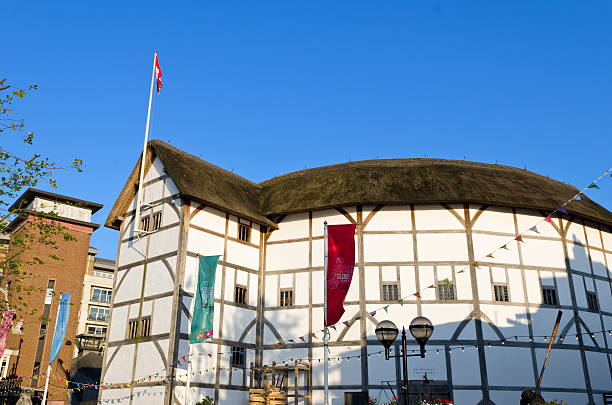
Notice what is missing from these patterns: a long list of every nearby attraction. Shakespeare’s Globe, Southwark Cathedral, the Golden Hinde, the London Eye and the National Theatre may all be relevant under specific interests, but adding them by default breaks the narrow planning problem. The title of the day is not “everything near the river.” It is Tate Modern, Borough Market and the Thames without cross-river drift. The restraint is the strategy.
What to skip when the plan starts to sprawl
When the South Bank day starts to sprawl, skip the extra crossing first. That single cut usually saves more energy than trimming five minutes from Tate or rushing Borough. The second cut is the decorative river add-on that does not improve the next move. The third cut is any famous stop that belongs to a different London day.
Do not force Westminster into this route unless there is a very clear reason. Westminster sits close enough in the imagination to tempt planners, but it changes the day’s gravity. The moment Parliament, Westminster Abbey or Whitehall enters the plan, the South Bank becomes a passage rather than the subject. Travelers who need a theatre-night structure should use Covent Garden, Westminster and the West End logic instead, not dilute a South Bank day; that is a different article and a different route. If that is your actual trip problem, the better planning reference is a London theatre-and-sightseeing day without backtracking.
Do not over-prioritize the car. Chauffeured comfort can be useful at the edges of this day: hotel pickup, rain rescue, older-parent return, evening transfer, or a smooth move to dinner. It is weak in the middle, where the route’s value comes from walking lines, bridge logic and river orientation. Paying more changes comfort when it solves the first or final mile. It does not earn its cost when the itinerary itself keeps crossing the river for no reason.
Do not treat Borough as the fine-dining answer. It is a market, a neighborhood texture and a lunch-timing decision. If you want a more formal food-and-wine day, compare Mayfair, Marylebone and Borough directly rather than asking one market stop to carry the whole dining identity of a London stay: Mayfair, Marylebone or Borough Market food-and-wine planning. Borough can be wonderful, but it is not always the right expression of a premium food day, especially before a serious dinner.
Do not make Tate Modern a box-tick after a large lunch if the group is not art-motivated. A short architectural framing outside the building, a river orientation and a smaller gallery selection may be stronger than a long interior visit that everyone remembers as standing. For museum-heavy London trips, compare the broader museum pacing question separately: London museum-day planning helps decide when a major collection should take precedence over South Bank.
How the South Bank affects the body and the evening
The South Bank is physically easier than many London plans but more tiring than it appears on a clean map. The body absorbs it through flat walking, gallery standing, riverside exposure, stairs and station corridors rather than steep hills. A group can cover Tate Modern, Bankside, Borough Market and a bridge without dramatic mileage and still feel footsore because the day rarely offers a seated, private pause unless one is planned.
This matters for older parents, travelers with young children, and small groups with different stamina levels. Tate’s internal scale rewards pacing; Borough’s density rewards decisiveness; the Thames rewards weather judgment. If you let all three be open-ended, the strongest person in the group often sets the pace by accident. A better route builds in a decision point after Tate and another after Borough: continue, cross, sit, or exit. That sounds simple, but it changes the day from endurance to choice.
The mood consequence is just as important. A well-sequenced South Bank day has a satisfying change of register: art to river, river to food, food to bridge or onward transfer. It leaves the evening with some appetite, conversation and orientation intact. A poorly sequenced one has a flatter emotional texture: queue, gallery, bridge, taxi, market, taxi, river, dinner. Nothing is disastrous, but the day feels longer than the sum of its parts. For celebration travelers, that difference matters. The goal is not to maximize London content; it is to arrive at the evening still glad to be out.
Hotel location changes the finish. Mayfair and St James’s returns usually make a westward move or chauffeured pickup sensible after the river portion. Covent Garden and the Strand can often absorb a lighter post-South Bank transition. South Kensington is farther enough that the end of the day should be explicit, not improvised. The South Bank route itself may be compact; the hotel return is where many polished plans become tiring. Build the exit before you add another stop.
When South Bank should be only a short river reset
South Bank should be only a short river reset when the main day already has one demanding anchor. That anchor might be the Tower of London, Westminster Abbey, a serious City morning, a long lunch, a matinee, a special dinner, or a multi-generational pace that cannot absorb an open-ended museum-plus-market plan.
A short river reset can be excellent. It might mean a brief Bankside walk after St Paul’s, a single view from Millennium Bridge, a compact pause outside Tate Modern, or a short Thames movement that leads neatly toward the next commitment. The value is not lesser because it is shorter. For many high-end stays, the most refined choice is the one that refuses to overuse the day.
This is especially true before theatre or a formal dinner. London evenings often ask for their own logistics: return to the hotel, change, cross town, arrive on time, manage traffic, and still have enough energy to enjoy the room or the performance. If South Bank becomes an overlong afternoon, the evening inherits the fatigue. A shorter river reset keeps the day elegant. A full Tate-and-Borough plan belongs when the evening can accommodate it.
The exception also applies after a long-haul arrival or Eurostar day. South Bank can look tempting because the river seems calming, but Tate plus Borough is rarely the best first move for travelers who need a low-stakes arrival walk. The area is most rewarding when the group can make choices. If everyone is half-awake, choose one river edge, one view and one easy exit.
Final planning judgment
The best South Bank strategy is not to add more. It is to decide what the river is doing. If the Thames is orientation, keep the walk measured. If it is transport, let it replace a worse transfer. If it is atmosphere, make sure the next move remains easy. Tate Modern should anchor the day when art needs the freshest attention. Borough Market should anchor it when lunch is the clock. Millennium Bridge should be used as a hinge with the City, not as a loop. That is how the route feels like a private London plan rather than a public list of nearby attractions.
For travelers choosing between a full South Bank route and a wider Thames-led day, keep the distinction clear. This article solves Tate, Borough and Bankside. A larger river plan belongs to a different question, especially when Westminster, the Tower or Greenwich enters the route. When South Bank stays disciplined, it gives London something many first itineraries miss: a cultural-and-river day that is specific, flexible and legible without becoming another cross-city circuit.
FAQ
Is Tate Modern and Borough Market a good same-day plan in London?
Yes, Tate Modern and Borough Market work well on the same day when one of them is the anchor and the route stays on the South Bank. The strongest sequence is usually Tate first, Borough second, then a deliberate Thames walk, bridge crossing or onward transfer.
Should Tate Modern come before or after Borough Market?
Tate Modern should usually come before Borough Market if art is a priority, because the museum asks for fresher attention. Borough should come first when lunch timing, food culture or family momentum matters more than a deeper gallery visit.
Where does Millennium Bridge fit into a South Bank itinerary?
Millennium Bridge fits when the City or St Paul’s belongs in the same day. Use it as a purposeful hinge between north bank and South Bank, not as a scenic loop that forces the route to cross and recross the Thames.
When should South Bank come before the City?
South Bank should come before the City when Tate Modern is the cultural opener and St Paul’s or the City can follow naturally across Millennium Bridge. This works best when lunch is light or when Borough Market is a secondary stop rather than the day’s main event.
When should South Bank come after the City?
South Bank should come after the City when St Paul’s, Bank, Guildhall, a business visit or a north-bank commitment sets the morning clock. Cross to Bankside afterward for Tate, Borough or a river pause so the afternoon feels like a release rather than a rushed add-on.
Is a Thames cruise worth adding to a Tate Modern and Borough Market day?
A Thames cruise is worth adding only when it improves the route or replaces a less pleasant transfer. It is not worth adding if it creates a harder final taxi, duplicates a short river walk, or makes the day too full before dinner.
Is Borough Market enough for a premium London food experience?
Borough Market can be enough when the goal is market texture, tasting and lunch energy. It is not always enough for travelers who want a seated, formal or wine-led food day; in that case, Borough should be compared with Mayfair, Marylebone or another dining-led route.
Who should avoid a full South Bank day?
Travelers should avoid a full South Bank day when the itinerary already includes the Tower, Westminster, a major museum, a matinee, a formal dinner or limited mobility. In those cases, use South Bank as a short Thames reset or save Tate and Borough for a separate half day.
If you’re interested in any private tours of London, please reach out to us.















 So if you are looking for the absolute best in London & surroundings with authentic local fully-licensed native guides whose English you can actually understand and with an exclusive and amazingly fun itinerary













