A Private London Theatre-and-Sightseeing Day for a Five-Star Stay: Covent Garden, Westminster and the West End Without Backtracking

Updated
The best private London theatre-and-sightseeing day starts in Westminster, turns north through Trafalgar Square, uses Covent Garden as the hinge, and ends in the West End without sending you back to the hotel unless your base makes that reset genuinely useful. This works because Westminster, the National Gallery, Covent Garden and many West End theatres sit in a tight but deceptively tiring belt; the Covent Garden-to-Trafalgar Square hinge lets a guide connect royal, political, artistic and theatre London while the day still feels like one piece. The exception is a South Kensington base, a demanding matinee, or a traveller who needs a quiet hour before dressing for the evening: in those cases, the best plan may include a reset or split theatre into a separate day.
The planning problem is not whether London has enough to fill the day. It is whether the day still has lift when the curtain rises. A private guide can make Westminster, the National Gallery and Covent Garden feel coherent instead of crowded, but only if the route respects how the West End actually behaves: theatres are clustered, streets narrow at the exact hour everyone is looking for dinner, taxis can be slower than walking between Charing Cross Road and Seven Dials, and the glamour of Mayfair does not automatically make it the best theatre-night base. For travellers considering a broader first-day overview, Orange Donut Tours can fold this rhythm into a Best of London private tour, but the theatre-day version needs a sharper brief than “see as much as possible.”
Can you combine London sightseeing with a West End show without backtracking?
Yes, you can combine major London sightseeing with a West End performance, but the day should be built as a west-to-central arc rather than a collection of famous stops. Westminster belongs first because it carries the greatest concentration of ceremony, government and abbey history; Trafalgar Square then acts as the pivot; Covent Garden becomes the pre-theatre soft landing; and the West End closes the day without a second cross-town transfer.
This sequence is especially strong for couples and first-time visitors staying in Covent Garden, the Strand, St James’s, the eastern edge of Mayfair, or a hotel close enough to return on foot after the show. It is less clean for South Kensington or west Mayfair bases, not because they are poor areas, but because the hotel return can become a ceremonial pause that costs more energy than it restores. That is the counterintuitive correction: a more prestigious address can make a theatre night feel less fluid if it pulls you away from the theatre district at the hour you most need simplicity.
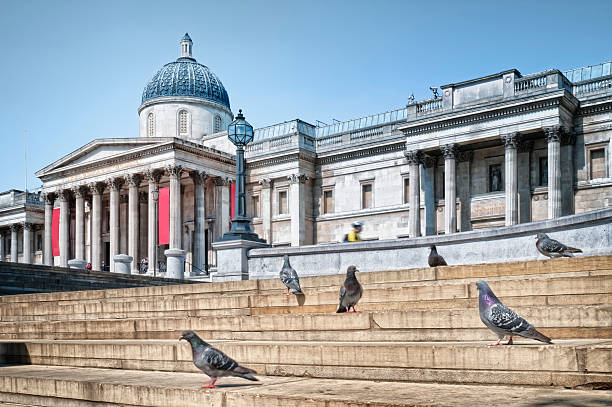
The Covent Garden-to-Trafalgar Square hinge matters because it is one of central London’s rare premium-planning shortcuts. From the National Gallery’s Trafalgar Square setting, you can move toward St Martin’s Lane, Leicester Square, Seven Dials, Covent Garden Piazza or the Strand without making the day feel like it has changed cities. A guide can turn those minutes into context: Inigo Jones and theatre London near Covent Garden, Turner and the national collection near Trafalgar Square, royal procession routes along Whitehall, and the West End’s strange mixture of ceremony, commerce and performance. The consequence is practical, not decorative. You spend the late afternoon in the zone where dinner and the theatre already are.
Where this plan breaks down is when travellers add a second far-flung icon because the map makes London look compact. The Tower of London, the British Museum and South Kensington museums can all be excellent on the right day; none improves this particular theatre-day route unless something else is removed. The first thing to cut is the cross-town add-on that looks efficient on paper but forces a taxi, a station transfer, or a hotel change of clothes at the worst point in the day.
The base-and-performance matrix: Mayfair, South Kensington and Covent Garden change the route
The best base for this specific day is not simply the most luxurious hotel area; it is the area that lets the afternoon taper naturally into the West End. Use the matrix below as a routing judgment, not a ranking of neighbourhood prestige.
Covent Garden, the Strand or a theatre-district hotel
- Best use: Start with a private Westminster morning, cross Whitehall toward Trafalgar Square, spend a focused stretch in the National Gallery or around Covent Garden, then walk to dinner and the theatre.
- Why it works: The hotel is not a separate errand. If you need a shoe change, a quiet half-hour or a coat, the reset does not break the evening’s momentum.
- What to avoid: Do not over-schedule the morning just because the evening logistics are easy. A nearby hotel can tempt travellers to keep adding one more stop.
- Best traveller fit: Couples, first-time visitors, celebration travellers and theatre-led stays where the performance is the emotional centre of the day.
Mayfair or St James’s
- Best use: Keep Westminster and Trafalgar Square in the daytime, then decide whether your hotel’s exact location justifies a return before theatre.
- Why it works: Eastern Mayfair, Piccadilly and St James’s can be close enough for a civilised reset; deeper Mayfair near Park Lane or the Bond Street side can turn that reset into a traffic-dependent loop.
- What to avoid: Do not assume a chauffeur converts every Mayfair return into elegance. Short central hops at pre-theatre hour can feel slower than staying near the performance zone.
- Best traveller fit: Travellers who value hotel ritual, dressing for the evening, and a more formal dinner before theatre, provided the show location is matched carefully.
South Kensington
- Best use: Either commit to a real late-afternoon rest or skip the hotel reset and travel into the theatre zone once. South Kensington can connect well to central London, but the emotional cost is the feeling of leaving the day and restarting it.
- Why it works: It is a strong museum and family base, especially when Victoria and Albert Museum or Natural History Museum time matters on another day. For Westminster-to-West-End sequencing, it asks for firmer discipline.
- What to avoid: Do not bounce South Kensington, Westminster, Covent Garden, the hotel and the West End in separate chapters. That is how a premium day starts to feel like logistics with attractions attached.
- Best traveller fit: Families, older guests, and travellers who genuinely recover from a private hour at the hotel before an evening show.
For a deeper decision on hotel geography beyond this single theatre day, the adjacent ODT guide to where to stay in London for a premium first visit gives the broader base-choice context. For this article’s narrower question, Covent Garden and the Strand win on flow, St James’s and eastern Mayfair work with careful show placement, and South Kensington needs either a true pause or a no-return plan.
The theatre-day route that keeps Westminster, the National Gallery and the West End in one line
The cleanest full-day route is Westminster in the morning, Trafalgar Square or the National Gallery after lunch, Covent Garden late afternoon, and the West End at night. It is not the maximum-sights version of London; it is the version that keeps the evening from becoming the tired appendix to an overbuilt day.
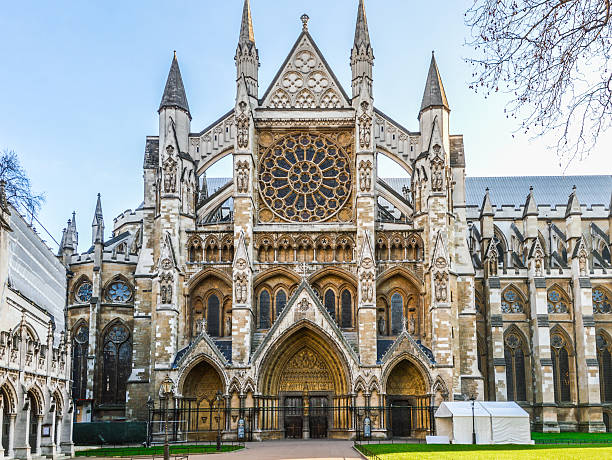
Begin in Westminster if the Abbey is a priority. Westminster Abbey is a working church, not just a visitor attraction, so opening patterns and entry details can change around services and special events; confirm the current details on the Abbey’s official prices and entry times (https://www.westminster-abbey.org/visit-us/prices-entry-times/) page before the final day is locked. The local consequence is simple: the Abbey is usually better handled before the day becomes crowded with lunch, gallery time and show logistics. A guided visit can focus on the Coronation Chair, Poets’ Corner, royal tombs and the logic of the building rather than trying to digest every chapel.
From Westminster, do not jump immediately to Covent Garden unless you are skipping the National Gallery. The smarter move is to let Whitehall carry you north. Parliament Square, Downing Street, Horse Guards, the Banqueting House exterior and the Admiralty side of Trafalgar Square give the walk a narrative line. You are not just moving between pins; you are crossing the state spine of London. For travellers who want Westminster to be the serious historical anchor of the day, a focused Westminster Abbey private tour can do more for the whole itinerary than an extra hour of unstructured wandering later.
After that, Trafalgar Square is the most useful cultural pivot. The National Gallery sits exactly where this theatre-day route needs a controlled indoor chapter, and its official Plan your visit (https://www.nationalgallery.org.uk/visiting/plan-your-visit) page is the right place to confirm current entrances, exhibition details and visitor information. The premium mistake is trying to “do” the National Gallery in the same way one might do a full museum day. On a theatre day, the gallery should be edited. A private guide might choose a compact route through a few paintings that change how you see British, Venetian or Dutch art, then release the day before museum fatigue settles into the legs.
That is the point where the day changes character. Trafalgar Square to Covent Garden is short enough to walk, but dense enough to feel like a new chapter if it is handled well. St Martin-in-the-Fields, St Martin’s Lane, Charing Cross Road, the edge of Leicester Square, the Opera House side of Covent Garden and the lanes around Seven Dials all sit close together, but they do not feel equally calm at pre-theatre hour. A guide’s value here is partly interpretive and partly defensive: keeping the group away from pointless crowd compression, choosing the right street rather than the most obvious one, and knowing when to stop adding commentary so the evening can breathe.
London does not usually exhaust visitors through one dramatic climb. It drains them by repeated surface changes, kerbs, Tube stairs, security checks, gallery standing time, street crossings, and the small mental tax of deciding where to go next while traffic, cyclists and theatre crowds tighten around you. This is why a theatre-day route should reduce decision points late in the day. If the dinner area, theatre and post-show return are all already understood before lunch, the body reads the afternoon as manageable rather than indefinite.
Matinee versus evening theatre: how the private-guide day should change
An evening performance is usually better for a Westminster-to-Covent-Garden sightseeing day; a matinee works best when you make the sightseeing lighter and move the strongest cultural content either before lunch or after the show. The ticket time changes the skeleton of the day, not just the hour you arrive at the theatre.
With an evening show, the day can rise and soften. Westminster gives the morning weight, the National Gallery adds a contained indoor chapter, and Covent Garden lets the late afternoon become atmospheric without requiring a hotel retreat. The strongest version ends with dinner close to the theatre, not with a last-minute taxi from a distant restaurant. The couple-friendly decision is to leave enough margin that the pre-theatre hour feels conversational. The mood-killing mistake is trying to squeeze in a famous extra stop after the gallery, then arriving at dinner checking watches, bags and walking directions instead of being present with each other.
With a matinee, the plan must be more ruthless. A typical mid-afternoon curtain makes Westminster Abbey plus a deep National Gallery visit before the show too compressed for many travellers. If the matinee is fixed, use the morning for either Westminster context or Trafalgar Square and Covent Garden context, not both at full strength. After the show, the city has changed. You can have a proper dinner, take a short West End walk, or return to the hotel with dignity, but you should not pretend that the late afternoon is a clean replacement for a guided Westminster morning. Some sites will be closing, traffic patterns will be different, and the group’s attention will have been spent inside the theatre.
The matinee can be excellent for families, older parents or travellers who do not enjoy late returns. It can also be the right choice if the show is easier to book at the desired seating level, or if dinner after the performance is the day’s social anchor. But for a five-star stay built around a full private sightseeing day, an evening show tends to preserve the clearest arc: see, absorb, dress or refresh if needed, dine, then watch.
Use the official Official London Theatre listings (https://officiallondontheatre.com/west-end-shows/) to confirm current shows and performance patterns, then design the private day around the actual theatre location rather than the phrase “West End” in general. A theatre on the Strand, a theatre near Leicester Square and a theatre north toward Shaftesbury Avenue can create different final walks, different dinner logic and different post-show returns.
The hotel reset: when it restores the evening and when it becomes backtracking
A hotel reset is worthwhile only when it gives back more energy than it consumes. In London theatre planning, that usually depends on the hotel base, the show location, the weather, the group’s dress expectations and whether travellers truly rest when they return to the room.
For Covent Garden, the Strand and very central St James’s, a reset can be almost invisible. You finish the guided chapter, step back to the hotel, change shoes or jacket, and reappear for dinner without re-crossing the city. This can be ideal for celebration travellers who want the day to feel polished without becoming formal too early. It also helps couples maintain atmosphere: a short pause before theatre can reset conversation, posture and appetite without turning the evening into a commute.
For Mayfair, the answer is more conditional. A hotel near Piccadilly, Green Park or St James’s can work beautifully if the theatre is on the western side of the West End or if dinner is chosen nearby. A hotel deeper toward Park Lane, Grosvenor Square or the Bond Street side asks a different question: is returning there genuinely restorative, or are you paying with two central transfers to recreate the feeling of control? At the pre-theatre hour, the car may become a waiting room with leather seats. That can still be preferable in rain, with mobility concerns, or for a formal celebration, but it is not automatically better.
For South Kensington, the reset must be intentional. If a guest needs quiet, medication, a wardrobe change, or a pause from crowds, the return can preserve the evening. If the reset is only there because “we should go back to the hotel before dinner,” it often creates the exact backtracking the day was meant to avoid. A South Kensington guest may do better travelling once into Westminster, moving through Trafalgar Square and Covent Garden, dining in the theatre zone, and returning after the show. That is not less premium; it is simply more disciplined.
The hotel decision also changes the meal. If you reset in Mayfair or South Kensington, dinner must either be near the hotel with a clear route back to the theatre, or near the theatre with enough time to get there calmly. Splitting dinner from both hotel and theatre is the avoidable error. It creates three anchors where the day only needs two.
What a private guide can compress without making the day feel rushed
A private guide earns the day by compressing interpretation, not by cramming more pins onto the map. The right guide makes Westminster, the National Gallery and Covent Garden feel like one London story before the performance, while protecting the guest’s attention for the show.
In Westminster, compression means choosing the right historical line. For one traveller, that might be monarchy, coronations and national ritual; for another, it might be poets, scientists and the human texture of the Abbey. Around Whitehall, it means understanding which exteriors are worth a pause and which are better handled in motion. At Trafalgar Square, it means deciding whether the National Gallery should be a short masterpiece route, a tailored art conversation, or a simple architectural and civic pause before Covent Garden.
The National Gallery is the clearest example. A two-hour self-guided visit can still leave a first-time visitor unsure what mattered. A well-cut private visit can spend less time and land more strongly, because the guide chooses works that connect to the rest of the day rather than treating the museum as an obligation. Travellers who want the gallery to be the cultural centre rather than a supporting chapter can consider a dedicated National Gallery private tour; for a theatre day, the better version is usually selective, not exhaustive.
Covent Garden requires a different kind of compression. Its value before theatre is not that every corner must be explained. It is that the neighbourhood can shift the group out of monument mode and into evening mode. The guide can use the Royal Opera House area, the Piazza, St Paul’s Church, Neal’s Yard or Seven Dials lightly, then stop before the area becomes a walking tour in disguise. This restraint is part of the premium experience: knowing what not to explain so the evening can gather its own energy.
If you want the sightseeing, gallery and theatre-night rhythm designed around your hotel, performance time and preferred dinner style, Orange Donut Tours can shape the private day as a single arc rather than a stack of reservations. Inquire now.
Premium spend: the upgrades that matter and the ones that do not
Premium spend changes this day when it removes uncertainty, secures better pacing, or gives travellers a more graceful transition into the evening. It does not change the day simply because the most expensive option is attached to it.
A chauffeur can be valuable at the edges of the day: hotel pickup from South Kensington, a weather-proof transfer from a deeper Mayfair base, a post-show return with tired guests, or a tailored plan that includes a less walkable stop before Westminster. For a broader decision on distances, drop-offs and comfort, the ODT guide to a chauffeured London private tour is a useful next step. But the theatre-day core has a clear limit: A chauffeur does not improve the most walkable Covent Garden, Trafalgar Square and West End segments. In that compact belt, walking with a guide often beats sitting in traffic, searching for a drop-off, and then walking back from wherever the car can legally stop.
Better spend goes into the guide brief, route design, timed entries where appropriate, seat choice for the performance, and meal placement. The guide brief matters because it decides what to leave out. Seat choice matters because a tired traveller is less forgiving of a compromised theatre experience. Meal placement matters because dinner in the wrong part of town can undo an otherwise elegant day. None of these requires the article to name a fragile restaurant list; the point is to choose the dining geography that supports the performance.
Where extra spend is overvalued is symbolic transport within the tight central grid. A car between the National Gallery and Covent Garden can sound comfortable until you factor in waiting, traffic, one-way streets and the fact that the group still has to walk through the theatre crowd afterward. The better luxury is often the absence of unnecessary movement.
Meal placement is the detail that decides whether the evening feels calm
The pre-theatre meal should sit either near the theatre or on a deliberate line from hotel to theatre; it should not become a third destination. This is the easiest part of the day to overcomplicate because London has excellent dining in every direction.
For an evening show, lunch can be near Westminster, St James’s or Trafalgar Square depending on the morning’s depth. Dinner should then be in Covent Garden, Soho, St James’s, the Strand or the immediate theatre zone, chosen for the show location and the group’s preferred mood. A formal dinner too far from the theatre can make guests feel managed rather than hosted. A casual meal too close to the theatre can feel anticlimactic for a celebration. The right answer is not a restaurant ranking; it is a timing and geography decision.
For a matinee, the meal structure flips. You may want a lighter early lunch before the show and a more relaxed dinner afterward, when no one is watching the clock. This can suit couples who dislike rushed pre-theatre dining or families who need a clear food break after sitting through a performance. It is also a sensible choice if the show is the main event and sightseeing is only a morning frame.
If food and wine are a major part of the stay, keep that intention visible from the start rather than improvising around theatre tickets. The ODT guide to a London food-and-wine day can help separate a dining-led day from a theatre-led day. The mistake is trying to make one day do both at full intensity. A serious tasting-menu evening after Westminster, the National Gallery, Covent Garden and a West End show is not impossible; it is often the wrong kind of abundance.
When theatre should be kept separate from a major sightseeing day
Theatre should be kept separate from a major sightseeing day when the performance is the emotional centre of the trip, when the travellers are arriving from a long flight, when mobility or attention is limited, or when the day already includes a high-stamina site such as the Tower of London or a deep museum visit. Separating theatre is not a failure of planning; it is sometimes the most elegant choice.
Keep theatre separate if the show is a once-in-a-trip celebration and you want a long dinner, proper dressing time, or a calmer pre-performance mood. Keep it separate for children if the day would otherwise include multiple security lines, long standing time and a late return. Keep it separate for older parents if the route would rely on Tube stairs, repeated kerbs or a long post-show walk. Keep it separate if the traveller’s real interest is art: a full National Gallery day, the British Museum or the Churchill War Rooms deserves a different rhythm than a theatre evening.
The cut-first rule is blunt: remove the farthest or most self-contained daytime attraction before you compromise the show. If the theatre booking is excellent, do not punish it by adding the Tower in the morning, South Kensington after lunch and Covent Garden at dusk. If Westminster Abbey is non-negotiable, keep it and reduce the gallery. If the National Gallery is the reason you are in the area, shorten Westminster exteriors rather than rushing the paintings. If dinner is the celebration, reduce Covent Garden wandering rather than arriving at the table already depleted.
This is also where private planning earns trust. A good itinerary does not flatter every wish equally. It identifies which moment the trip will be remembered by and removes the friction around it.
Sample rhythms for different theatre-day travellers
The best rhythm depends on who is travelling and what the evening must feel like. These are not rigid itineraries; they are planning patterns that keep the route coherent.
For couples who want the day to feel connected
- Morning: Westminster Abbey or Westminster exteriors with a private guide, then a northbound walk through Whitehall rather than a taxi jump.
- Midday: Lunch near St James’s, Trafalgar Square or the Strand, chosen for calm rather than fame.
- Afternoon: A selective National Gallery route, then Covent Garden and Seven Dials as a transition into the evening.
- Evening: Dinner close to the theatre, with enough margin to arrive unhurried. This preserves the mood because the couple is not negotiating directions, bags or transport when they should be settling into the night.
For families who want theatre without a late-day collapse
- Morning: Westminster highlights, kept lively and not too chapel-heavy unless the children are historically engaged.
- Midday: A real seated break before the group becomes hungry in the theatre district.
- Afternoon: Covent Garden or a short gallery chapter, not both at adult depth.
- Evening: Choose either an evening show with a simplified afternoon or a matinee with dinner afterward. The family version should have fewer transitions than the couples version.
For celebration travellers staying in Mayfair
- Morning: Private Westminster content while attention is fresh.
- Midday: Lunch that does not pull the group west too early unless the hotel reset is essential.
- Afternoon: National Gallery or Covent Garden, depending on the show location and how formal the evening will be.
- Evening: Either return to the hotel once and commit to that choice, or stay in the theatre zone. The mistake is half-resetting: going back to Mayfair, losing time, then still eating too far from the theatre.
For South Kensington guests who value comfort above coverage
- Morning: Travel once into Westminster and begin the guided day there.
- Midday: Keep lunch central, not back near the hotel, unless a real rest is planned.
- Afternoon: Use the National Gallery or Covent Garden as the bridge to theatre, then stop adding content.
- Evening: Return to South Kensington after the show, preferably with the route settled before dinner. Comfort comes from decisiveness, not from repeated hotel access.
The final planning judgment
The strongest private London theatre-and-sightseeing day is not the one with the most famous names attached. It is the one that understands the West End as a late-day destination and arranges Westminster, Trafalgar Square, the National Gallery and Covent Garden so the performance still feels like a beginning, not the last appointment on a tired schedule.
For a five-star stay, the best default is Westminster first, Trafalgar Square as the cultural hinge, Covent Garden as the evening transition, and the West End without unnecessary backtracking. The plan changes if your hotel base is South Kensington, if Mayfair is far enough west to make a reset costly, if the theatre is a matinee, or if the show itself deserves a separate, quieter day. That is the whole point of private design: not to make London smaller, but to make the right part of London feel complete.
FAQ
Can you visit Westminster Abbey and see a West End show on the same day?
Yes, Westminster Abbey and a West End show can work well on the same day if Westminster is placed in the morning and the afternoon moves toward Trafalgar Square, Covent Garden and the theatre district. The plan becomes weaker if you add a distant second attraction or return to a poorly placed hotel without a real reason.
Is Covent Garden the best base for a London theatre-and-sightseeing day?
Covent Garden is the best base for this specific theatre-and-sightseeing day because it sits between Trafalgar Square, the Strand, Seven Dials and many West End theatres. It reduces late-day transfers and makes a short hotel reset possible without breaking the evening.
Is Mayfair a bad choice for a West End theatre night?
Mayfair is not a bad choice, but its exact location matters. Eastern Mayfair, Piccadilly and St James’s can work smoothly, while deeper Mayfair near Park Lane or the Bond Street side can turn a late-afternoon hotel reset into avoidable backtracking.
Is South Kensington too far for this kind of private London day?
South Kensington is not too far, but it requires discipline. It works best if you travel into central London once, keep the day moving toward the West End, and return after the show, unless a real hotel rest is necessary for comfort or mobility.
Should we choose a matinee or an evening show with private sightseeing?
An evening show is usually better for a full Westminster, National Gallery and Covent Garden sightseeing day because the route can build naturally toward the theatre. A matinee is better for families, older guests or travellers who prefer dinner after the performance, but it requires a lighter sightseeing plan.
Is a chauffeur worth it for a London theatre day?
A chauffeur can be worth it for hotel pickup, weather, mobility needs, a South Kensington base, deeper Mayfair returns or a post-show transfer. It is usually not worth using within the compact Covent Garden, Trafalgar Square and West End segment, where walking can be faster and calmer.
When should theatre be separate from sightseeing in London?
Theatre should be separate when the show is the trip’s main celebration, when travellers are jet-lagged, when the daytime plan already includes a demanding site, or when children or older guests would enjoy the performance more after a quieter day.
How much of the National Gallery should you see before theatre?
Before theatre, the National Gallery should usually be selective rather than exhaustive. A focused private route through a small number of meaningful works gives the day cultural depth without spending the attention and standing time needed for the evening performance.
If you’re interested in any private tours of London, please reach out to us.
















 So if you are looking for the absolute best in London & surroundings with authentic local fully-licensed native guides whose English you can actually understand and with an exclusive and amazingly fun itinerary













