London After a Eurostar Arrival: St Pancras, Bloomsbury and One Calm First Walk

Updated
After a Eurostar arrival, the best first London move is usually one gentle St Pancras to Bloomsbury walk, not a taxi-first dash across town. It works because you arrive at the north edge of central London, close to the British Library, Russell Square, Cartwright Gardens and the museum streets of Bloomsbury, so a short transfer can become a first impression rather than a second logistics chore. The clearest exception is simple: if your bags cannot be stored, your hotel is far west or south, or the train lands close to a serious dinner, go directly to the hotel. London feels most generous on arrival when the first hour narrows the city, not when it asks you to solve the whole map.
The non-obvious hinge is the station edge. Let the Euston Road frontage set the tone and the arrival feels like buses, traffic lights and taxi lanes; angle instead toward the British Library and the quieter Bloomsbury grid, and the city drops its shoulders. This is why a first walk can be more elegant than a transfer, but only when it stays deliberately small. The aim is not to “do” Bloomsbury. It is to convert the rail arrival into a composed first hour before the hotel, dinner or an early night.
The verdict: Bloomsbury wins only when the first walk stays compact
Bloomsbury is the best first neighborhood after Eurostar when it functions as a soft landing, not as a sightseeing bucket. The practical win is that you do not need to cross the river, fight the West End, or spend your first London energy on a taxi route that may still end with you walking from a drop-off point. St Pancras already places you near the northern edge of Bloomsbury. That makes the first decision unusually clean: leave luggage safely, take one calm arc through the district, and stop before the day starts demanding museum stamina.
The plan is especially strong for couples arriving from Paris, Brussels or Amsterdam who want a first London impression before check-in; families who need daylight, space and a low-stakes introduction; and multi-city travelers who have already used rail energy to get here. It also suits visitors who like the idea of London being explained rather than merely crossed. A guide can make Bloomsbury legible quickly: Georgian squares, literary associations, museum gravity, university edges, and the difference between King’s Cross movement and Bloomsbury calm. That is a natural place for tailor-made private planning, because the value is not a longer route; it is knowing what to remove.
The counterintuitive correction is that Covent Garden is often overvalued as the first move after St Pancras. Covent Garden can be delightful later, particularly before theatre or dinner, but it asks more from a tired arrival: busier pavements, more stop-start crossings, stronger shopping gravity and a higher chance that the group starts browsing before it has settled. On a first afternoon, that can flatten the evening. Bloomsbury gives a better arrival shape because it is close enough to keep the body calm and textured enough to make the first hour feel like London.
Arrival decision matrix
- Best fit: Store bags, walk St Pancras to Bloomsbury, pause around Russell Square or a quieter museum edge, then continue to the hotel. This works when the train arrives with usable daylight and no one is hungry enough to become difficult.
- Shortened version: Use the British Library side, Cartwright Gardens or a single Bloomsbury square, then leave. This is the right choice when the group wants air but not a tour.
- Hotel-first version: Go directly to the hotel, reset, then choose Covent Garden or a nearby dinner walk later. This is better when luggage, weather, mobility or a fixed restaurant time is already controlling the day.
- Plan to reject: St Pancras, Bloomsbury, Westminster and the Tower in one arrival afternoon. The distances are not the only problem; the mood breaks because every leg asks for a new mode of attention.
Why this works in real London conditions after Eurostar
The St Pancras arrival is not an airport arrival, and treating Eurostar like an airport transfer is the first mistake. You are already in central London, so the question is not how quickly to “get into town.” The question is whether your luggage, hotel location and dinner plan allow a small first use of the city before the formal start of the stay. That is a different planning problem from Heathrow or Gatwick, where the transfer itself consumes the mood and the first stop has to earn a longer detour. For that separate situation, the cleaner comparison is the airport-to-hotel arrival day.
After Eurostar, the friction is more subtle. St Pancras is handsome, but the surrounding station zone is still a working interchange. King’s Cross, St Pancras, Euston Road, buses, taxis and commuters all compress into the first few minutes. If you leave the station without a plan, London can feel louder than it needs to feel. The Bloomsbury walk solves that by moving you out of interchange space without requiring a heroic transfer. You pass from rail architecture into library, square and street scale. That sequence matters because it changes the way the body reads the city.
London does a specific thing to the body on arrival: it makes short distances feel longer when they involve hard surfaces, traffic lights, Tube stairs, station concourses and repeated decisions. A map may show a compact center, but the body experiences friction through kerbs, crossings, escalators, queue drag and the need to keep checking where everyone is. Bloomsbury works because it reduces the number of resets. You do not need to descend into the Underground, cross the Thames, or manage a famous-site crowd just to feel that the trip has begun.
It also does something to the mood. A first afternoon that begins with too much ambition often makes London feel like a checklist before it has had a chance to feel like a place. A short Bloomsbury arrival preserves the evening because it gives the group a beginning, then stops. The day feels shorter in the best sense: one train, one neighborhood, one walk, one hotel or dinner. That rhythm is the difference between arriving with appetite and arriving with the slightly defeated feeling of having already over-toured.
The calm first walk from St Pancras to Bloomsbury
The most elegant first walk is a light southward movement from St Pancras toward the British Library edge, Russell Square and one or two Bloomsbury streets, with a clear end point before fatigue appears. This is not a route to maximize landmarks. It is a route to lower the volume of the arrival. The British Library forecourt is useful not just because it is a named place, but because it creates a psychological buffer between the station and the neighborhood. From there, the Bloomsbury grid gives you choices without demanding them: Judd Street, Cartwright Gardens, Marchmont Street, Russell Square, Bedford Way, Gower Street and Great Russell Street all offer versions of a first London texture.
For a couple, the route can be almost conversational. Leave the station, avoid making the first decision on Euston Road itself, pass the library edge, and let the guide frame Bloomsbury as London’s district of learning, publishing, reform, hotels, garden squares and museum gravity. Do not turn it into a lecture. The point is to understand why the neighborhood feels different from Mayfair, Covent Garden or Westminster. A good first walk gives just enough context for the city to become readable the next day.
For families, the route should be even simpler. Children often do better with a visible sequence: station, outdoor space, snack or drink, one square, hotel. Russell Square works as a mental landmark because it is open and legible, while the Brunswick Centre can be useful as a practical pause without pretending to be the star of the afternoon. The family mistake is trying to make the British Museum the payoff immediately. The building is close, but the museum mindset is not. Once children have crossed a station, managed luggage and adjusted to a new city, a major collection can become the place where energy drops rather than where wonder begins.
For older parents or mobility-conscious travelers, the first walk should be measured by surfaces and decision points rather than by nominal distance. Bloomsbury has gentler walking logic than a Westminster riverbank dash or a Tower approach with security queues and uneven historical surfaces, but it still requires attention. Keep the route linear, avoid doubling back to photograph every square, and use a car only for the leg that actually improves comfort. A chauffeured pickup at the right moment can be useful; a car circling while the group tries to sightsee from traffic is not.
The cleanest endpoint is often not a monument. It may be the hotel lobby, a quiet drink, a booked early dinner, or simply the moment when everyone still has enough energy to unpack without irritation. That is why the route should be designed with an exit, not merely with highlights. The point of St Pancras to Bloomsbury is that it can end gracefully.
A useful test is whether the walk still feels attractive if you remove every named attraction from it. If the answer is yes, Bloomsbury is serving the arrival properly: it is giving you air, orientation and a first sense of London scale. If the answer is no, you may be trying to use Bloomsbury as a substitute for a museum day. That is when the plan should be shortened, skipped or moved to another day. The walk is strong because it is modest. Once it starts needing a timed ticket, a restaurant sprint, or a second transport leg to justify itself, it has stopped doing the job the title asks of it.
When Bloomsbury is the best first neighborhood
Bloomsbury is the best first neighborhood when it matches the direction of your hotel, the pace of your evening and the amount of attention the group still has. It is most convincing when your hotel is in Bloomsbury, Fitzrovia, Holborn, King’s Cross, Covent Garden or the northern West End, because the walk can become part of the transfer rather than an extra event. It can also work if your hotel is elsewhere but luggage is already handled and you have a generous gap before dinner. The route loses value when it becomes a detour that must be paid for later with a tired taxi ride across town.
For first-time visitors, Bloomsbury gives a useful London lesson without overwhelming the first day. Westminster tells the story of power, the City tells the story of finance and churches, and the Tower tells the story of fortress, ceremony and state violence. Bloomsbury tells a quieter but very useful story: how London layers institutions, squares, hotels, universities, bookish streets and global collections into a walkable district. That is not the whole city, but it is a good first page.
For travelers planning a refined first stay, the neighborhood also helps with hotel logic. If you are still deciding whether the whole stay should lean west, central or museum-adjacent, read the separate guide to a premium first-visit hotel base before overcommitting to an arrival route. Bloomsbury is excellent for a first walk, but it is not automatically the best sleeping base for every trip. Mayfair can simplify shopping and dining. South Kensington can suit museums and families. Covent Garden can simplify theatre nights. The arrival walk should support the stay, not quietly argue with it.
Bloomsbury is also useful for travelers who dislike feeling processed. A major London arrival can become oddly transactional: platform, border control history, luggage, taxi queue, hotel desk, room not ready, lobby pause. A short guided walk interrupts that chain. It gives the group a sense of orientation before the hotel becomes the whole first chapter. This is where a private tour guide in London adds value without making the day bigger. The guide’s best contribution is not more facts; it is judging when to keep moving, when to pause, and when to stop.
When to go directly to the hotel instead
Go directly to the hotel when the first walk would create a second arrival rather than a softer arrival. This is the right choice if you have large luggage, uncertain storage, a late train, heavy rain, a child already running out of patience, older travelers who need a proper rest, or a restaurant time that will punish any delay. It is also the right choice when the hotel is in Mayfair, Knightsbridge, South Kensington, Chelsea, the City, Shoreditch or a location that turns Bloomsbury into a pretty but inconvenient extra.
The hotel-first decision is not a failure of taste. It is often the more sophisticated choice. A luxury stay can be undermined by the small indignities of poor sequencing: coats carried too long, bags watched during coffee, a taxi taken at the wrong moment, everyone pretending not to be hungry. If the group needs a bathroom, a change of clothes or ten minutes alone, no square in Bloomsbury will outperform the hotel. The calmest first walk is sometimes the walk after check-in, not before it.
Morning arrivals have the widest margin because the group can walk, pause and still reach the hotel before the afternoon loses shape. Mid-afternoon arrivals are more fragile: the walk must be shorter because London’s evening commitments begin to pull on the day. Evening arrivals should usually go straight to the hotel unless the lodging is very close and the group actively wants a brief stretch. The later the train, the less the city rewards improvisation. At that point, comfort comes from reducing choices, not from proving that you can fit in one more neighborhood.
There is also a dinner logic. London rewards good evening pacing. If you have a theatre night in Covent Garden, a serious tasting menu, a family dinner with an early table, or a celebration meal where everyone wants to arrive properly dressed, the arrival walk should shrink or disappear. It is better to have a beautiful first dinner and a fresh Bloomsbury morning than a technically efficient walk that leaves everyone slightly flat at the table.
The same rule applies after a rail-heavy multi-city itinerary. Eurostar is comfortable, but a rail day is still a transition day. Travelers coming from Paris after several museum mornings, or from Brussels after meetings, may be mentally full before London begins. In that case, the first London success is not a walk. It is a clean hotel arrival, a shower, a controlled dinner plan and an early night. The route can move to another day if it would compete with recovery.
What to cut first: Westminster, the Tower and the “we might as well” loop
The first thing to cut from a Eurostar arrival afternoon is any famous site that requires a cross-city transfer, a timed entrance, security, or a new emotional register. Westminster and the Tower are the two most common mistakes. They are not poor choices in London; they are poor arrival-day add-ons after St Pancras when the actual problem is orientation and stamina. Westminster asks you to enter a dense political and ceremonial landscape. The Tower asks for a deeper historical and crowd-management commitment. Neither is improved by being squeezed after a rail arrival simply because you are already “in town.”
The Tower is especially tempting because visitors imagine a single taxi ride will solve it. In reality, the transfer moves you from the north-central station zone to the eastern edge of the historic core, then asks you to handle an attraction that deserves attention, queue judgment and enough physical energy to stand and absorb. It is much better as part of a dedicated City and Tower day, or a Thames-led plan when the river itself is doing useful work. Dropping it into a first afternoon often makes the next day weaker because the group begins London already tired of logistics.
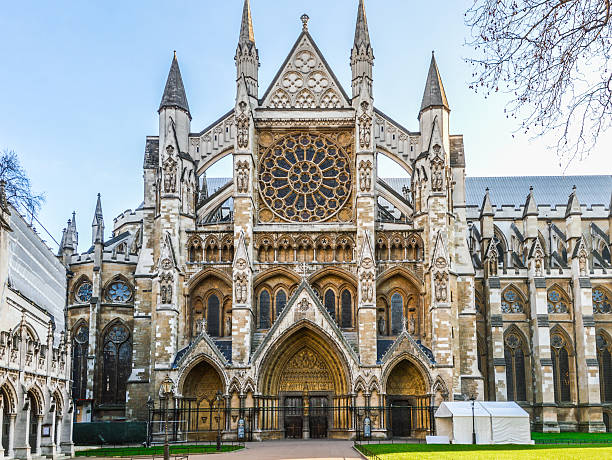
Westminster has a different problem. The famous skyline pulls visitors south: abbey, Parliament, Whitehall, St James’s Park, perhaps Buckingham Palace. But on arrival, that cluster can create a false sense of efficiency. The landmarks are near each other, yet the experience involves crossings, security awareness, camera stops, traffic, crowds, and the cognitive weight of seeing places everyone has heard about. Save Westminster for a day when the guide can give it proper shape. If you need help deciding what belongs first on a first-timer day, treat Tower, Westminster Abbey and the British Museum as a separate sequencing problem rather than as leftovers to squeeze into the rail afternoon.
Covent Garden belongs in a separate category. It is not as physically demanding as the Tower, and it can be excellent before theatre, but it is still not the best default immediately after Eurostar. The district has energy, performance, restaurants, shops and crowds in close contact. On a rested evening, that can feel like London switching on. On a tired arrival afternoon, it can feel like the city asking for too many micro-decisions. Use Covent Garden after the hotel if the evening points there; do not drag the group through it because it is famous and central. For a theatre-led day that deserves its own order, use the more specific Covent Garden, Westminster and West End routing.
The useful upgrade is sequencing, not a smarter car
Premium planning changes this arrival day when it removes uncertainty before the station doors open. It can coordinate luggage storage or hotel drop, choose the correct meeting point, keep the first walk short enough, adapt to rain, and decide whether a taxi, walk or Tube leg actually improves the afternoon. It can also protect the group from the most expensive kind of waste in London: not the price of a car, but the cost of spending attention on small decisions while tired.
Premium spend does not help if the day is badly sequenced: a better car cannot make Westminster, the Tower and a Bloomsbury walk feel elegant after rail arrival. It also cannot fix a dinner plan that starts too soon, a hotel that is in the opposite direction, or luggage that has not been dealt with. This is the plain value judgment: spend on planning, guiding and the right transfer moments; do not spend to preserve an overpacked plan that should have been shortened.
A guide-led arrival works best when it has permission to be modest. The guide can meet you after the rail arrival, steer the group away from the least pleasant station edge, turn Bloomsbury into a readable introduction, and end the walk before the first complaints begin. That is commercially less dramatic than promising “London in an afternoon,” but it is the more polished experience. For Orange Donut Tours, the strongest arrival design is often a two-part handoff: a light first walk, then a properly paced private day once everyone is rested.
If you want the first London hours designed around your train time, hotel, dinner and group energy rather than a generic checklist, Inquire now. The planning question is not whether London has enough to fill the afternoon. It has too much. The art is deciding what deserves the first hour and what will be better once the trip has actually begun.
Food-and-wine arrivals: keep the walk lighter when the meal is the anchor
When a serious lunch or dinner is already the anchor, the Bloomsbury walk should become shorter, not more elaborate. Food-and-wine travelers often make the arrival day too ambitious because a reservation creates confidence: the day appears to have a fixed point, so everything else gets stacked around it. In practice, the fixed point should make the rest of the day simpler. If the meal matters, arrive at it with appetite, dry clothes, and enough mental space to enjoy the room.
Use primary sources for the dining facts and then plan backward. For a destination meal, check Ikoyi menu & reservations (https://www.ikoyilondon.com/) before deciding whether Bloomsbury belongs before the hotel or after a reset. If a classic hotel lunch is the fixed point, See the current three‑course lunch menu (https://www.theritzlondon.com/restaurant-three-course-lunch-menu) and let the seating shape the day rather than trying to make sightseeing fit around it. The point is not that either meal belongs with this walk; the point is that current menus, reservation details and timing should control the arrival plan more than map optimism.
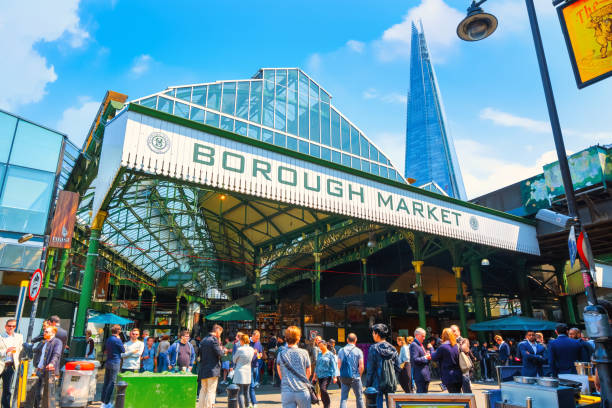
If you are building a larger dining-led stay, separate the arrival walk from the culinary day. Bloomsbury can be the rail soft landing; Mayfair, Marylebone, Borough Market or another food-focused route can have its own moment when the group is ready to taste, compare and linger. That distinction is why a dedicated curated London food-and-wine day is more useful than trying to convert the Eurostar afternoon into a food tour. Arrival appetite is unpredictable. A proper food day deserves better conditions.
How to pace the first 24 hours after this walk
The best use of the Bloomsbury arrival walk is to make the next day cleaner. If you arrive, walk lightly, settle in and sleep well, the first full day can carry the famous London material with more grace. Westminster can come with context instead of fatigue. The British Museum can be a deliberate choice rather than a convenience. The Tower can be paired with the City or the Thames rather than treated as a trophy. The first walk is successful when it reduces the pressure on the itinerary, not when it steals material from stronger days.
A sensible first 24 hours might look like this: Eurostar arrival, luggage handled, compact Bloomsbury walk, hotel, dinner close to the evening’s natural geography, then a full private day built around one major London story. That story might be Westminster and Whitehall, the Tower and the City, a museum-led morning, or a theatre-and-West End day. What matters is that the first day and first full day are not competing. London punishes repetition of effort more than it punishes selectivity.
For small groups and celebration travelers, this pacing is even more important. A birthday, anniversary, family reunion or executive trip can lose its polish when the first hours feel improvised. The mood consequence is visible: people become quieter, decisions take longer, and the first dinner becomes a recovery exercise. A calm St Pancras to Bloomsbury walk gives the group a shared beginning without forcing everyone to perform enthusiasm immediately. That is a better social design than a famous-site sprint.
For longer stays, do not worry that a light arrival wastes London. The city will not run out. What it will do is reward the traveler who keeps the first day proportionate. If you are weighing three, four or five days and where to place Windsor, Bath or a museum-heavy day, the broader planning guide on how many days in London gives a better framework. This article’s narrower answer remains: after Eurostar, Bloomsbury earns the first walk only when it keeps the arrival lighter than the day before it.
FAQ
Should I walk from St Pancras to Bloomsbury after arriving by Eurostar?
Yes, if your luggage is handled, the group has enough energy, and your hotel or dinner plan does not pull you sharply in another direction. The walk works because St Pancras is already close to Bloomsbury, so the first London hour can feel calm rather than like a separate transfer.
Is Bloomsbury better than Covent Garden for a first walk after Eurostar?
Bloomsbury is usually better immediately after Eurostar because it is closer to St Pancras and less demanding at arrival pace. Covent Garden is better after a hotel reset, before theatre, or when your evening already belongs in the West End.
Should I visit the British Museum on the same afternoon I arrive?
Usually no. The British Museum is close to the route, but a major museum visit asks for attention, standing time and selection discipline. On arrival, it is often better to use Bloomsbury for orientation and save the museum for a fresher morning.
When should I skip the Bloomsbury walk and go straight to the hotel?
Skip it when bags are awkward, the weather is poor, the train arrives late, the group is hungry or tired, or your hotel is far from Bloomsbury. A direct hotel reset is also better before a serious dinner, theatre night or celebration meal.
Can I include Westminster or the Tower after a Eurostar arrival?
You can, but it is usually the wrong use of the first afternoon. Westminster and the Tower both deserve clearer energy, better context and fewer transfer compromises than most travelers have immediately after arriving at St Pancras.
Is a chauffeur worth it from St Pancras on arrival?
A chauffeur is worth it when it solves luggage, mobility or a clean hotel transfer. It is not worth using a car to defend an overpacked sightseeing loop, because central London traffic and drop-off realities can make the day feel heavier rather than smoother.
What is the best first walk if I am staying in Mayfair or South Kensington?
If you are staying in Mayfair or South Kensington, go to the hotel first unless you have a clear luggage solution and generous time. A Bloomsbury walk can still be lovely, but it should not create a cross-town recovery transfer before dinner.
Does this plan work for families or older parents?
Yes, if it is shortened and treated as an arrival stroll rather than a tour. Families and older parents usually do best with one simple route, one pause, and a clear exit to the hotel before fatigue becomes the main memory of the afternoon.
If you’re interested in any private tours of London, please reach out to us.
















 So if you are looking for the absolute best in London & surroundings with authentic local fully-licensed native guides whose English you can actually understand and with an exclusive and amazingly fun itinerary













