London Airport-to-Hotel Day: One Meaningful Stop Before Check-In

Updated
The best London airport-to-hotel day is not a compressed first-day itinerary; it is one stop that fits between Heathrow, your hotel, and dinner. For a morning landing with the hotel check-in gap after a morning landing, the strongest choice is Windsor when your flight is early, your room will not be ready, and the group has enough energy for a contained cultural visit. In real London conditions, this works because the stop absorbs stranded time before Mayfair rather than adding another cross-city reset after you reach the hotel. The clearest exception is simple: if anyone is sleep-starved, unwell, delayed, or already irritable, go straight to the hotel and keep the stop for another day.
In London, a meaningful arrival stop should be a pressure valve, not a sightseeing trophy: it should turn an awkward check-in gap into a calm cultural hour without dragging luggage, jet lag, or dinner across the city. That is why Orange Donut Tours treats this as transfer design, not as a miniature version of day one; airport arrival planning has to decide where the bags sit, when the room matters, and whether the group can still enjoy the evening.
A corrective point helps immediately: Mayfair may be your elegant hotel base, but it is not automatically the best place to start touring after Heathrow. Once the car reaches Hyde Park Corner, Park Lane, or the Piccadilly edge of Mayfair, a “quick” Westminster add-on is no longer just a scenic detour. It can become another traffic pinch, another curbside wait, and another mental reset before your room is ready. The more polished move is often to use the westward logic of the airport transfer before you enter central London at all.
The decision hinges on the check-in gap, not the landmark
The right arrival stop is the one that solves the timing problem created by the flight and the hotel, not the one with the grandest reputation. Most long-haul travelers landing in the morning are facing three clocks at once: the body clock they arrived with, the hotel clock that may not release the room until later, and the dinner clock that determines how much energy should remain. A stop only earns its place if it makes those three clocks easier to live with.
For a private, tailor-made arrival, the best base verdict is this: build around the point where the airport route naturally bends toward the hotel, and stop before the plan has to fight London. From Heathrow, Windsor is the obvious candidate because it sits outside central London and can be handled before the hotel handoff. From a Mayfair hotel already reached, a smaller cultural reset near St James’s, Green Park, or South Kensington may work better than trying to force Windsor late. From Gatwick, London City, Luton, or Stansted, the airport geometry is different enough that Windsor usually stops being an elegant arrival answer and becomes a separate day-trip decision.
The planning test is not “can we fit it?” The test is “what does this stop do to luggage, walking load, room readiness, and dinner mood?” A great arrival stop should reduce the sense of waiting. A poor one turns the whole party into people managing coats, phones, bags, hunger, and fatigue while pretending to admire a major monument. London is superb when paced with judgment; it is blunt when treated as a series of famous names to clear before check-in.
London airport-to-hotel arrival stop matrix
Use this matrix to choose one stop before check-in; do not treat it as a menu for stacking several stops. The best option is usually the first one that matches both the airport route and the group’s post-flight energy.
Windsor before the hotel
Best when: you land at Heathrow in the morning, the hotel room is unlikely to be ready, dinner is not early, and the group wants one substantial cultural moment before central London.
Why it works: Windsor sits west of London, so it can use the transfer gap before the car commits to the M4, the A4, Hammersmith, Knightsbridge, and the final approach into Mayfair. The stop feels like a genuine arrival choice rather than a detour invented after reaching the hotel.
Watch the friction: Windsor Castle is not a weightless stop. The approach into the castle area, the hill, the outdoor sections, and the concentration required for State Rooms mean this belongs to travelers who slept reasonably well. Families with small children, older parents, or anyone with mobility sensitivity should be especially realistic.
Kew, Richmond, or a west-London green reset
Best when: you need air, daylight, and a gentle rhythm more than a royal-history deep dive. This can suit couples or families who want to avoid central London intensity before the room is ready.
Why it works: the western edge of the city can give you a softer transition before the hotel, especially when the goal is to prevent the day from feeling empty without asking jet-lagged travelers to absorb dense interpretation.
Watch the friction: gardens and riverside walks are weather-sensitive, and they can become less useful if everyone is hungry, cold, or dressed for the plane rather than for a damp London pavement.
South Kensington or one contained museum hour
Best when: the group reaches London later, the hotel is in Mayfair, South Kensington, Knightsbridge, or Chelsea, and a short cultural hour is enough. Think Exhibition Road, Cromwell Road, or a single gallery rather than a museum campaign.
Why it works: it keeps the car near the hotel zone and avoids the east-west drag that happens when tired travelers try to turn arrival day into Westminster, the Tower, and the British Museum all at once.
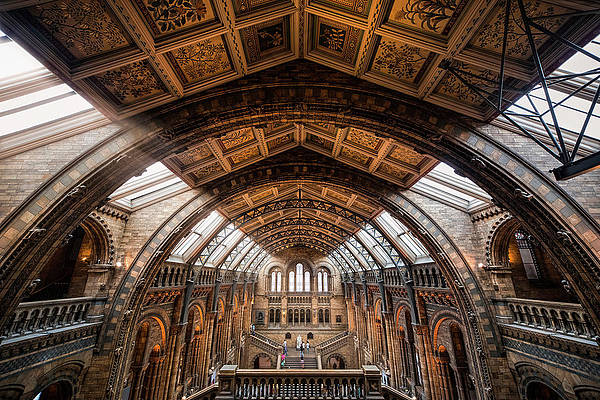
Watch the friction: museum entrances, cloakrooms, large atria, and school-group noise can feel larger than expected after a red-eye. The point is one focused room or theme, not a heroic sweep.
St James’s, Green Park, or a Mayfair-adjacent reset
Best when: the hotel is close, the room is nearly ready, and you want a low-commitment cultural bridge before showering and dinner. This can be a refined choice for celebration travelers who care more about composure than coverage.
Why it works: it uses the streets around Piccadilly, St James’s, Green Park, and Mayfair as a gentle orientation rather than forcing the group across the river or deep into the City.
Watch the friction: this is not the option for travelers who will feel cheated without a major sight. It works because it is modest.
Straight to the hotel, with the stop saved
Best when: the flight is delayed, the group did not sleep, the children are near meltdown, dinner is important, or the hotel has a realistic early-room pathway.
Why it works: the hotel can become the first meaningful stop if the alternative is touring with no attention span. A shower, lunch, unpacking, and a short neighborhood walk can do more for the trip than a fatigued visit to a major site.
Watch the friction: the mistake is to call this a failed day. It is often the decision that makes the next morning better.
When Windsor belongs on arrival from Heathrow
Windsor belongs on arrival when it uses time you would otherwise spend waiting for a room, not when it steals energy from the first proper London day. The arrival version of Windsor is not a maximal castle-and-town itinerary. It is a focused stop that acknowledges the route: Heathrow to Windsor, then onward to central London once the hotel is more likely to receive you properly.
This is where the geography matters. Heathrow sits west of central London, and Windsor sits even closer to that western arrival logic than Westminster, the Tower, or the British Museum. A Heathrow-to-Mayfair transfer that first dips into Windsor can feel coherent; a Mayfair-to-Windsor reversal later in the afternoon can feel like you entered London, left it, and then had to earn your way back. The difference is not only mileage. It is the sense of whether the day is moving forward or doubling back.
Windsor is especially strong for travelers who want one royal, historical, and architectural moment before the hotel without starting the London museum sequence too early. The castle, the town, the view down the Long Walk, and the presence of St George’s Chapel give the arrival day a British context before the city’s density begins. For a dedicated Windsor plan with guiding and vehicle coordination, Windsor Castle private touring is the natural deeper next step; for the specific question of using Windsor on landing day rather than as a later excursion, the companion planning guide on Windsor on arrival or as a separate day is the more detailed fork.
The caution is not theoretical. The Royal Collection Trust’s own visitor information describes Windsor Castle as set at the top of a steep hill, with long distances to cover and much of the site outdoors; confirm current details on the official Windsor Castle visitor information (https://www.rct.uk/visit/windsor-castle) before building the stop around castle entry. That one fact changes the recommendation for older parents, travelers with knee or hip concerns, and families who have just crossed several time zones. A better car can make the transfer smoother, but it cannot make a hill flat or make post-flight attention limitless.
Windsor does not belong on arrival when the group has a fixed early dinner, when you are landing closer to midday, when weather makes outdoor transitions unpleasant, or when the hotel is already offering a real early check-in. It also does not belong just because it is famous. The stop has to solve the airport-to-hotel day, not become a trophy that the whole party quietly pays for at 7 p.m.
How luggage and hotel check-in windows shape the route
Luggage is the detail that turns a pleasant arrival idea into either a seamless transfer or an awkward curbside choreography. If the bags stay safely with the vehicle while the group visits Windsor or pauses in west London, the stop can feel clean. If the plan requires repeated hotel drop-offs, bell-desk negotiations, and a guide waiting while everyone checks whether rooms are ready, the cultural stop often loses its grace before it begins.
The hotel check-in gap after a morning landing is the real planning hinge. A group landing early may reach the hotel long before rooms are available. Going directly to Mayfair can create a strange dead zone: you are too early to settle, too tired for a serious museum, and too well dressed in travel clothes to enjoy aimless pavement time around Bond Street or Piccadilly. In that case, an arrival stop before central London can convert a waiting problem into a designed pause.
But if the hotel confirms a practical early check-in path, the logic flips. A room that is genuinely available changes everything. Showering, changing, and unpacking may be worth more than any stop, especially for travelers who have dinner plans, theater tickets, or children who need a quiet hour. Do not let a pre-planned stop override better real-time information from the hotel. The best arrival plans keep one flexible decision point after landing rather than locking the group into a visit that no longer solves anything.
Neighborhood matters here. A Mayfair hotel can be excellent for evenings, restaurants, and first-time access to St James’s, Green Park, and the West End, but it can complicate an arrival stop if you enter central London too early and then try to leave again. South Kensington or Knightsbridge can make a short museum pause easier because Exhibition Road and Cromwell Road are close to many hotel zones. Covent Garden can be lively but less calming if the group arrives with luggage, because the Strand, Aldwych, and theater traffic can make vehicle pauses feel more exposed.
This is also why a private transfer with guiding support is different from simply booking a nice car. The value is not only the seat leather or the water in the vehicle. It is the coordination of luggage, guide timing, hotel communication, and the stop’s intensity. For travelers comparing vehicles, the more relevant question is not “which car is most luxurious?” but “which plan reduces decisions between landing and dinner?” For broader vehicle-and-guide tradeoffs, chauffeured London private touring is the service category that matters most.
What London does to tired bodies
London makes post-flight fatigue physical faster than many visitors expect. Heathrow arrivals involve terminal walking, passport control, baggage reclaim, a meeting point, the vehicle handoff, and then a road approach that can feel calm or congested depending on the hour. Once in the city, tired travelers meet uneven pavements, stairs, crowds at entrances, curbside pauses, and the extra concentration that comes from looking the wrong way at crossings.
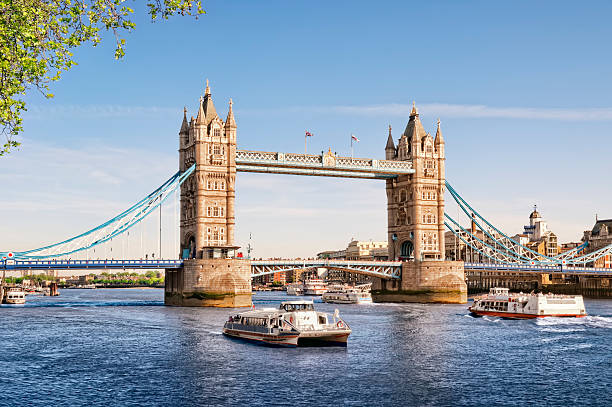
The body consequence is simple: every transfer reset costs more after a long-haul flight. A stop that keeps the group in one district can feel generous, while a stop that requires a car, a queue, a cloakroom, a second car, and then a hotel check-in can feel like administrative labor. Westminster Bridge, Waterloo Bridge, the Embankment, Tower Hill, and the City can be extraordinary on a fresh morning; on arrival day they can become too many urban signals at once. The issue is not whether those places are worth seeing. They are. The issue is whether your body can receive them well before you have slept in London.
For many travelers, the first thing to cut is the famous central monument. Do not force Westminster Abbey, the Tower of London, or the British Museum into the airport-to-hotel gap just because they are high on the trip list. Those sites reward patience, context, and a guide who can build the story properly. Used as a jet-lag filler, they can become expensive blur. Save them for a morning when everyone can stand, listen, and remember what they came to see.
This is especially relevant for families and older parents. Children who seemed cheerful at baggage reclaim may collapse once they are seated in the car. Older travelers who can comfortably walk all day at home may still feel the combined effect of cabin sleep, dehydration, and the first London pavement hour. A plan that respects those realities is not less ambitious; it is more likely to produce a good trip.
What the first stop does to the mood of the evening
The arrival stop should make dinner feel easier, not turn dinner into a recovery exercise. This is where many plans fail: they treat the stop as the main event and forget that the evening may be the moment the trip begins emotionally. A couple celebrating an anniversary, a family reuniting, or a small group starting a long-awaited holiday may care more about arriving composed than about squeezing one more sight into the afternoon.
London’s evening mood changes by district. A Mayfair dinner after a gentle St James’s or Green Park pause can feel like a smooth continuation. A dinner near the Strand or 180 Strand after an overextended Windsor return can feel like a second city crossing if the hotel, restaurant, and stop were never planned together. If you are considering Ikoyi for the first night, use Ikoyi menu & reservations (https://www.ikoyilondon.com/) to verify the restaurant plan before you design the arrival stop around it. If you prefer a formal lunch or a classic Piccadilly anchor before a quieter evening, See the current three‑course lunch menu (https://www.theritzlondon.com/restaurant-three-course-lunch-menu) before assuming a post-flight meal will fit the day.
The mood consequence is that the right stop makes the day feel shorter and calmer, while the wrong stop makes the trip feel as if it began with logistics. Windsor can give the arrival day a satisfying sense of place if it is timed before the central London approach. South Kensington can give a light cultural hour without demanding that everyone decode an entire collection. A Mayfair-adjacent pause can let the group feel oriented before dinner. But a crowded central monument, a long museum, and a late restaurant transfer can flatten the first night before the trip has properly started.
Theater changes the answer again. If the evening includes a West End performance, the afternoon should end near the hotel or the theater district, not in a distant stop that leaves no margin for showering, changing, and eating. For travelers building a full sightseeing-and-theater day later in the stay, the smarter companion plan is a separate route such as Covent Garden, Westminster, and the West End without backtracking, not an arrival-day improvisation.
Where paying more changes the day, and where it cannot
Premium spend changes the arrival day when it buys coordination, privacy, and fewer exposed decisions; it does not change the biological facts of landing tired. A private vehicle can keep luggage secure, avoid dragging bags through stations, and allow the stop to happen before the hotel. A strong guide can compress context, choose the right entrance rhythm, and read when the group has reached its limit. A planner can align dinner, room readiness, and transfer timing so the day is neither empty nor overpacked.
Paid access or a better car cannot rescue a plan that ignores landing fatigue and check-in timing. This sentence matters because affluent travelers are often offered upgrades that improve comfort but do not fix the underlying sequence. A premium vehicle still sits in traffic. A special entry still requires attention. A great restaurant still feels wasted if everyone arrives depleted. The upgrade that earns its cost is the one that removes friction at the exact point where the day would otherwise wobble.
The most valuable spend is often invisible. It is the decision not to enter central London too early. It is the driver who knows whether the group should pause before the hotel or go straight in. It is the guide who can make Windsor feel complete without turning it into a history marathon. It is the planner who notices that a Mayfair hotel, a Strand dinner, and a west-of-London stop need a single sequence, not three separate bookings.
This is the natural place to hand planning over. A guided transfer plan prevents the arrival day from becoming either empty or overpacked: it gives the group one meaningful stop when the conditions support it, and it cuts the stop cleanly when the room, the body, or dinner should take priority. For a private version shaped around your flight, hotel, bags, and first evening, Inquire now.
How to choose the one stop before check-in
Choose the stop by answering the questions in this order: airport, hotel zone, room likelihood, group energy, and dinner location. That order prevents the most common error, which is starting with a sight and then trying to make the rest of the day obey it.
- If you land at Heathrow and the room will not be ready, Windsor is the strongest cultural candidate when the group has slept enough and dinner is not tight.
- If you land later or arrive from a non-Heathrow airport, reduce the ambition. A short west-London or hotel-adjacent pause will usually be better than a major excursion.
- If the hotel offers a real early check-in, take the room seriously. The stop can move to another day, and the trip may be better for it.
- If dinner is the emotional anchor, design the afternoon backward from the restaurant and the hotel rather than from the sightseeing wish list.
- If the group includes children or older parents, keep the stop short, seated when possible, and easy to abandon without guilt.
- If the plan needs three separate handoffs, it is no longer one meaningful stop. Cut it back.
For travelers staying in Mayfair, the most common winning sequence is Heathrow, Windsor or a lighter western stop, hotel, rest, then dinner. For South Kensington or Knightsbridge, a museum-adjacent hour may compete more strongly because the hotel zone and cultural zone sit close together. For Covent Garden or the Strand, the plan needs more caution because the final approach can tangle with theater traffic and pedestrian density. For a broader base decision before you book the hotel, Mayfair, Covent Garden, or South Kensington for a first stay is the better planning question.
The cut-first rule is firm: remove the famous central sight before you remove rest. Westminster, the Tower, the British Museum, and a Thames crossing can all be magnificent later. On arrival day, they are only worth it if they sit naturally near the hotel and require no heavy interpretation. A traveler who remembers one calm Windsor stop or one elegant St James’s orientation has had a better first day than a traveler who technically “covered” three landmarks and remembers only the curb.
When the right answer is no stop
The right answer is to go straight to the hotel when the stop no longer improves the day. That may sound obvious, but arrival plans often become emotionally overcommitted before the flight even takes off. Travelers imagine that landing early means they have gained a bonus day. In practice, the bonus is fragile. It depends on sleep, weather, baggage timing, hotel readiness, and whether dinner has been planned with enough mercy.
Go straight to the hotel if the flight lands late, if anyone slept badly, if the weather is miserable, if the hotel can receive you properly, or if the evening carries real importance. Go straight if children are hungry, if an older parent is moving slowly, or if the group has already started negotiating preferences before leaving the terminal. These are not small signals. They are the day telling you that the stop will take more than it gives.
There is also a high-end version of this restraint. A polished first day can be a clean airport transfer, early luggage drop, lunch close to the hotel, room access, rest, and one short evening walk. That is not a wasted London day. It is a decision to let the first proper tour happen when everyone can enjoy it. Many private trips improve because the arrival day does less and the next day does the important work with a fresh guide.
If you want the option to change course after landing, build the plan with a flexible arrival decision rather than a rigid ticket stack. Windsor can remain the planned cultural stop, but the driver, guide, and hotel should know what happens if the room opens, the flight slips, or the group visibly fades. Tailor-made planning is useful precisely because it can protect the value of the day without pretending every landing feels the same; tailor-made London private tours can place that judgment into the wider stay.
The final editorial call
For a Heathrow morning arrival with a hotel in Mayfair or central west London, Windsor is the best meaningful stop before check-in when the group is rested enough and the hotel room is not ready. For a later arrival, a tired group, a confirmed early room, or an important dinner, the better choice is a lighter west-London pause or no stop at all. The purpose is not to win London on day one. The purpose is to arrive in the city with enough clarity, comfort, and appetite to enjoy the evening and begin the next morning well.
When the plan is getting crowded, stop forcing the airport day to behave like a full itinerary. Choose one stop, give it a reason, and let the rest of London wait until the group can meet it properly.
FAQ
What is the best stop between Heathrow and a Mayfair hotel?
Windsor is usually the best meaningful stop between Heathrow and a Mayfair hotel when you land in the morning, your room will not be ready, and the group has enough energy for a focused visit. If the group is tired or the hotel can receive you early, go straight to the hotel.
Should we visit Windsor on arrival day or save it for another London day?
Visit Windsor on arrival day when it solves the Heathrow-to-hotel check-in gap. Save it for another day when you want a deeper castle and town experience, when you are not landing at Heathrow, or when post-flight fatigue would make the hill, walking, and interpretation feel heavy.
Can we leave luggage in the car during an arrival stop?
With a private transfer plan, luggage can usually remain with the vehicle during a suitable stop, which is one reason this structure works. The key is to design the stop around a secure vehicle, guide timing, and hotel handoff rather than improvising with bags after reaching central London.
Is Westminster a good first stop before hotel check-in?
Westminster can work only if it sits close to the hotel and the group is alert. For many Heathrow arrivals, Westminster is too central, too dense, and too interpretive for the airport-to-hotel gap; it is usually better saved for a fresh morning.
What if our hotel room is ready when we arrive?
If the room is genuinely ready, take the room seriously. Showering, changing, and resting may improve the trip more than any planned stop, especially if dinner, theater, or a private tour is scheduled for later.
Is a chauffeur worth it for a London airport-to-hotel stop?
A chauffeur is worth it when the plan uses the vehicle to manage luggage, timing, and route logic. It is not worth it if the itinerary still ignores fatigue, forces too many handoffs, or sends the group back and forth across London before dinner.
What is the easiest cultural stop if Windsor feels too much?
A contained South Kensington museum hour, a St James’s orientation, or a gentle west-London green reset can be easier than Windsor. The best lighter choice depends on the hotel zone, weather, and how much walking the group can enjoy after the flight.
How many stops should we plan before check-in?
Plan one stop at most. The airport-to-hotel day is a transition, not a full sightseeing day, and the second stop is usually where luggage, hunger, and jet lag begin to damage the evening.
If you’re interested in any private tours of London, please reach out to us.
















 So if you are looking for the absolute best in London & surroundings with authentic local fully-licensed native guides whose English you can actually understand and with an exclusive and amazingly fun itinerary













