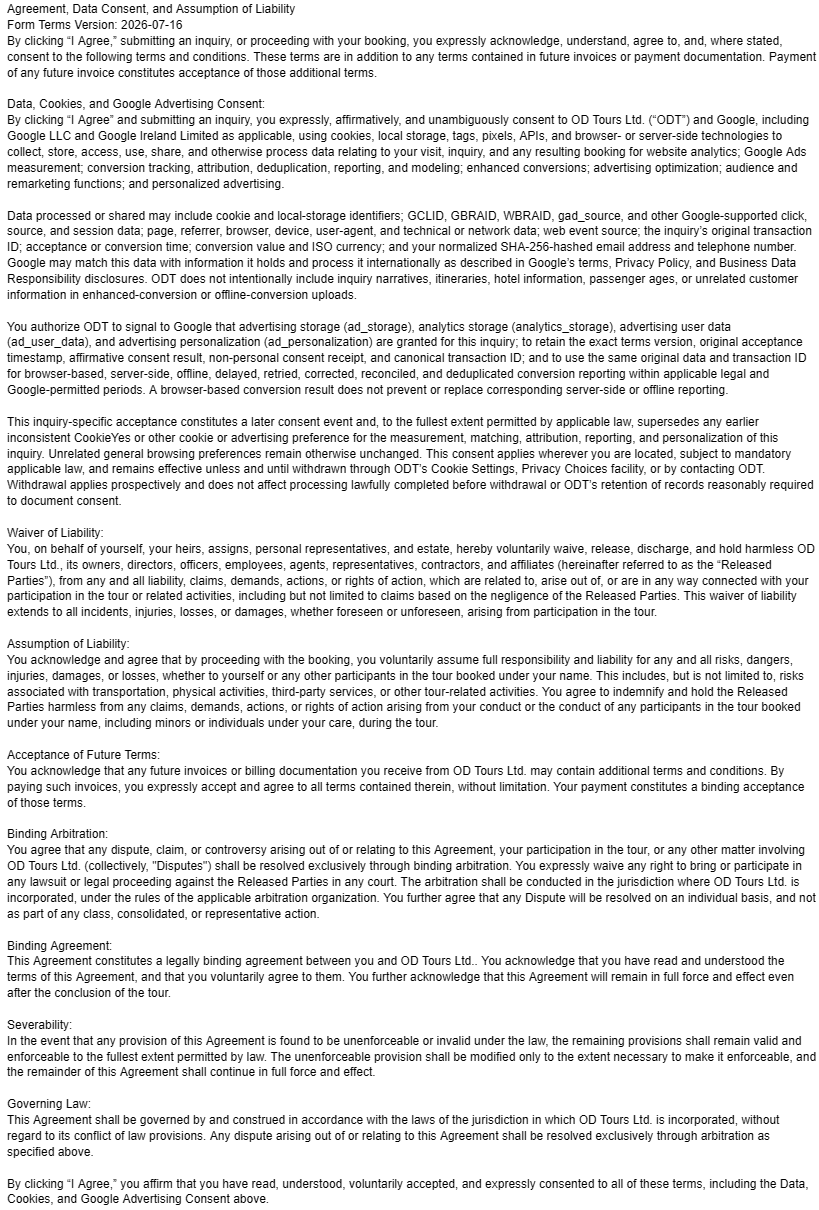
Inside London’s Power Corridor for a Private Five-Star Stay: Westminster, Whitehall and the Churchill War Rooms Without Context Blur

Updated
Westminster, Whitehall and the Churchill War Rooms deserve a dedicated private context day when you want London’s machinery of power to feel coherent rather than decorative. The reason is physical as much as historical: Parliament Square to Churchill War Rooms via Whitehall lets monarchy, government, protest, war leadership and ceremony unfold in a short, legible corridor instead of in disconnected taxi stops. The clearest exception is a traveler who mainly wants architecture, coronations or royal tombs; that guest should give Westminster Abbey its own deeper slot rather than treating the War Rooms as a quick museum add-on.
The article-specific thesis is simple: in this part of London, the most valuable upgrade is not adding more famous places, but choosing the guide and route that make a few yards carry the weight of centuries. The useful hinge is not only the view of Big Ben from Parliament Square; it is the turn from Whitehall toward King Charles Street, where the ceremonial surface of London drops toward the basement geography of wartime government. That hinge is why a carefully guided Westminster and Whitehall day can feel richer than a larger first-time itinerary with more transfers.
That also means one early correction is necessary. A chauffeur may be worth having before and after the day, but a chauffeur does not improve the Westminster-to-Whitehall portion because walking is often the point of the narrative. If you are weighing this against a broader museum plan, compare it with Orange Donut Tours’ curated London museum day guide; this article is narrower, more route-led and written for travelers who want the Churchill War Rooms to sit inside London’s political geography rather than beside it.
The verdict: make the War Rooms the hinge, not the afterthought
A Westminster and Whitehall private day works best when the Churchill War Rooms are treated as the turning point of the story, not as a final museum you squeeze in because it is nearby. Start with Parliament Square, read the institutional edges around you, move through Whitehall with purpose, and then descend into the War Rooms after the above-ground map has been made clear. That sequence gives the rooms emotional and political context before the underground portion begins.
The mistake is to use the War Rooms as a generic rainy-day museum or as the third attraction after Westminster Abbey and a drive-by of Buckingham Palace. The Churchill War Rooms are compact but demanding: corridors, cabinet-room interpretation, wartime decision-making and Churchill biography compete for attention. Without a frame, travelers can leave impressed by the rooms but unsure how they connect to Parliament, Downing Street, the Cenotaph or the imperial language embedded in Whitehall.
For private touring, the value is in controlled emphasis. A guide can decide how much constitutional history to carry in Parliament Square, how much ceremonial language to unpack along Whitehall, and how much biographical detail to save for the underground rooms. That is why Orange Donut Tours’ Churchill War Rooms private tours naturally fit travelers who want the site to become the climax of a London power corridor, rather than a self-contained museum visit.
Should you combine Westminster, Whitehall and the Churchill War Rooms in one private London day?
Yes, combine them when your main question is how London’s visible institutions connect to wartime leadership and modern government. This is a strong fit for first-time visitors who already know they will see royal London, but do not want the day to dissolve into palace snapshots, Abbey detail and a museum sprint. It is also a strong fit for history-focused couples, families with older children, small celebration groups and travelers who prefer a calm, intelligent route over a checklist.
Use this fit matrix before you add anything else. It keeps the day from becoming a generic Westminster roundup and makes the tradeoffs visible early.
Best-fit matrix for the Westminster, Whitehall and Churchill War Rooms corridor:
- Best for: travelers who want government, monarchy and wartime leadership interpreted as one continuous London story.
- Strongest route logic: Parliament Square to Churchill War Rooms via Whitehall, with the War Rooms placed after the above-ground political geography.
- Best hotel starting advantage: Covent Garden for a short, lively approach; Mayfair for a polished start with a possible car reset; South Kensington for comfort if the first transfer is planned deliberately.
- Best private-guide payoff: deciding what to explain outside, what to save for the underground rooms, and when to stop before detail fatigue sets in.
- Cut first: the British Museum, the Tower of London and a full Thames cruise, because they turn a focused power-corridor day into a citywide endurance test.
This is not the right day to also force in the British Museum, Tower of London and a full Thames cruise. Each of those can be excellent in the right place, but they draw the day away from the Westminster and Whitehall corridor. The Tower pulls you east, the British Museum pulls you north, and a full river cruise changes the rhythm from interpretation to transit. When those are added by habit, the War Rooms become the casualty: guests arrive with tired legs and a thin frame for the most context-dependent site of the day.
Why Parliament Square to Churchill War Rooms via Whitehall carries more narrative than another transfer
The short walk from Parliament Square to the Churchill War Rooms is where the day earns its specificity. Parliament Square is not just a photo stop; it is the point where Parliament, Westminster Abbey, protest memory and the broad theater of state power crowd into one space. Moving from there into Whitehall changes the conversation from symbols to instruments: ministries, guarded thresholds, memorials, processional routes and the nearness of decision-making.
This is why walking often beats driving here. A car can move you around Westminster, but it cannot make you feel how compressed the district is. The Cenotaph sits in the same civic line of sight as government offices; Downing Street is present even when the gates prevent access; Horse Guards opens the mental map toward St James’s Park and royal ceremony; King Charles Street shifts the body from open processional space into a more enclosed approach toward the War Rooms. That compression is the lesson.
A private guide’s work is to keep the route from becoming a string of labels. Parliament Square can introduce constitutional monarchy, parliamentary government and public memory. Whitehall can show how ceremony and administration occupy the same street. The Churchill War Rooms can then answer the practical question the street creates: what happens when power has to move underground, keep working and make decisions under pressure?
The walk also changes the traveler’s mood. It makes the day feel shorter because the distance is meaningful, not incidental. Guests are not waiting for a car, checking whether a driver can stop, or stepping in and out of traffic-heavy drop-offs. They are moving through a corridor where each pause has a job. That is the difference between London as scenery and London as a readable political landscape.
What to include, and where to stop before the day loses shape
The strongest version includes Parliament Square, a guided Whitehall walk, the Churchill War Rooms, and a restrained amount of Westminster context before or after. That may sound modest beside a first-time London checklist, but it is exactly why the day works. The corridor is dense enough that adding too much does not make it richer; it makes the meanings compete.
For most discerning travelers, the right additions are edges rather than extra monuments. A look toward Westminster Abbey can establish the coronation and burial story without turning the day into an Abbey tour. A pause near the Cenotaph can anchor remembrance without becoming a war memorial survey. A controlled glance toward Horse Guards can connect court, military ceremony and public spectacle without dragging the route into a royal-palace itinerary.
The stop-before point arrives when the next addition changes the mental category of the day. If you enter Westminster Abbey for a full private visit, the day becomes part sacred architecture, part royal memory and part power-corridor history. That can be excellent, but it usually needs a different rhythm. If you add the Tower of London, the day becomes a cross-city monarchy-and-fortress day. If you add the British Museum, you have moved into a civilizational museum day. None of those is wrong; they simply answer different planning questions.
When a trip is overpacked, cut the most geographically disruptive attraction first, not the most famous one. In this plan, that usually means cutting the Tower before trimming the War Rooms, and cutting the British Museum before trimming Whitehall. The private-day value comes from the corridor’s continuity. Once the route stops feeling continuous, the traveler loses the exact reason for paying for expert interpretation.
Churchill War Rooms dwell time versus a Westminster Abbey add-on
The Churchill War Rooms need enough dwell time to feel like an underground command center, not a hallway you passed through after Westminster sightseeing. The threshold question is not simply “Can we fit Westminster Abbey too?” It is “Will the group still have the attention span to absorb the Cabinet Room, map-room atmosphere, Churchill material and the physical constraints of the bunker after the Abbey has taken its share of standing, listening and looking?”
A Westminster Abbey add-on works when the group has a very specific Abbey interest and is comfortable letting the day run longer or narrowing the Whitehall walk. It is less wise when the group includes mixed ages, travelers with limited stamina, or guests who are already doing another major royal or church site elsewhere in the trip. Abbey detail is layered and vertical: tombs, chapels, coronations, poets, statesmen and sightlines. It should not be reduced to a prestige stop between Parliament Square and the War Rooms.
For visitors who want the Abbey to be more than a glance, Orange Donut Tours’ Westminster Abbey private tours are a cleaner way to give the site the interpretive space it deserves. That might mean pairing the Abbey with Parliament Square on one day and leaving the Churchill War Rooms for another, or using the Abbey as the anchor of a royal-and-sacred Westminster morning. The better private itinerary is the one where no major site has to apologize for being included.
The pacing threshold is especially important inside the War Rooms. A visitor who arrives fresh can connect small rooms to large consequences. A visitor who arrives after too many stops starts looking for benches, exits and the next meal. Premium planning should protect the mental energy the War Rooms require. When the choice is between a slightly shorter day with a clear argument and a longer day with three half-absorbed masterpieces, the shorter day is the more sophisticated choice.
How Mayfair, Covent Garden or South Kensington changes the morning start
Your hotel base changes the first hour more than many visitors expect. Mayfair, Covent Garden and South Kensington can all work, but they create different kinds of morning friction. The best start is not automatically the most expensive or the closest by taxi; it is the start that gets the group into the Westminster story without draining attention before the route begins.
From Mayfair, a short car transfer can be comfortable, especially for a celebration group or a family that wants a composed start. The counterintuitive point is that Mayfair’s polish does not always make the morning simpler. Depending on traffic, a taxi from a Mayfair hotel toward Westminster can feel oddly slow for the distance, and a poorly chosen drop-off can leave the group beginning the day with a road-crossing puzzle rather than a sense of occasion.
From Covent Garden, the route can feel more natural if the group is mobile and the weather cooperates. A short Tube hop, a guided walk through the West End edge, or a simple transfer toward Westminster can all work. Covent Garden is especially useful when the evening plan is theatre-adjacent because the return geography is intuitive. Travelers planning that kind of day may also find the related Orange Donut Tours guide to Covent Garden, Westminster and the West End without backtracking helpful for keeping the night from undoing the morning’s discipline.
From South Kensington, the first transfer needs more care. It is a beautiful base for museums, residential calm and certain five-star stays, but it is not naturally inside the Westminster-to-Whitehall corridor. A chauffeur can help here by giving the morning a clean start and avoiding the sense that the group has already spent its first energy on logistics. Alternatively, the Tube can be efficient for travelers who are comfortable with it, but the choice should be intentional rather than improvised at the hotel door.
Where a chauffeur helps, and where walking beats driving
A chauffeur helps most at the edges of this day: hotel departure, mobility-sensitive returns, luggage-adjacent plans, bad-weather resets, and transitions to dinner or an evening event. It helps less inside the corridor itself. Westminster and Whitehall are not a sightseeing zone where a car turns every moment premium; they are a compact interpretive district where too much driving can make the story feel farther apart than it really is.
The sentence to remember is this: a chauffeur does not improve the Westminster-to-Whitehall portion because walking is often the point of the narrative. The body needs to register the shortness of the route. You understand the relationship among Parliament Square, Whitehall, the Cenotaph, Horse Guards, Downing Street’s guarded presence and the War Rooms more clearly when you cover the ground with a guide than when you reappear at each point from a vehicle.
Where a chauffeur earns its cost is in comfort control beyond that interpretive walk. It can make sense for a South Kensington start, for older parents who should not spend their best attention on the morning transfer, for families who need a controlled pickup after the War Rooms, or for celebration travelers going onward to a long lunch or evening reservation. It can also help when weather turns the edge portions of the day into unnecessary drag.
Where premium spend does not help is in trying to buy your way out of London’s most meaningful short walk. Pay for the guide, the route discipline and the timing; do not pay to remove the few blocks that make the district intelligible. For a broader view on when a car earns its place elsewhere in the city, compare Orange Donut Tours’ comfort-first chauffeur guide for London.
What London does to the body on this route
This day looks compact on a map, but it still asks the body to stand, listen, descend, turn through narrow interiors and re-enter daylight with enough energy to finish well. The walking is not the punishing part for most travelers; the cumulative standing is. Parliament Square pauses, Whitehall interpretation and the Churchill War Rooms’ interior rhythm can quietly tire feet and backs even when the total distance seems civilized.
The War Rooms are also different from a large museum with grand galleries. Their power comes from compression: corridors, low-ceilinged rooms, operational spaces and the sense that wartime government functioned in close quarters. That atmosphere is the point, but it also means guests should not arrive already overheated, hungry or overloaded with previous commentary. A private day should plan the body’s attention as carefully as the mind’s.
London’s weather adds another layer. Rain does not ruin this plan, but it changes the value of a clean start, a good coat check decision, and knowing when to move rather than linger outside. Warm days can make Parliament Square and Whitehall feel more exposed than travelers expect, especially if the group pauses in open civic spaces before entering the War Rooms. Cold, windy days make short distances feel longer if the guide has not chosen sheltered explanation points.
The best physical rhythm is measured rather than slow. The group should not creep from plaque to plaque, nor should it rush the walk to “save time” for the bunker. A good guide uses the outside route to build only the context the War Rooms need, then lets the underground site carry its own weight. That keeps the body from feeling that London has become a lecture delivered in hard shoes.
What the route does to the mood of the trip
A well-sequenced Westminster and Whitehall day makes the trip feel calmer because it gives London a clear argument. Travelers stop wondering whether they have “done enough” and start understanding why these particular stops belong together. The mood shifts from accumulation to comprehension, which is especially valuable on a five-star stay where the rest of the day may include a long lunch, a theatre evening, or a return to a quiet hotel suite.
The mood breaks when the itinerary keeps changing categories. If the morning begins with Parliament Square, swerves into the Abbey, rushes the War Rooms, grabs a taxi east to the Tower, and then tries to recover on the Thames, the day may look impressive in a proposal but feel blurred in memory. Guests remember the effort of moving more than the meaning of what they saw. That is the exact context blur this article is designed to prevent.
For couples, the controlled corridor leaves room for conversation rather than constant regrouping. For families, it reduces the number of moments when adults have to negotiate what comes next. For small groups, it keeps differing interests under one umbrella: constitutional history, wartime leadership, ceremony, architecture and political memory all have a place without requiring separate sub-itineraries.
The evening matters too. A focused day in Westminster and Whitehall can leave enough appetite for a proper dinner or enough energy for a theatre night. A crammed day often flattens the evening before it begins. The cost is not only sore feet; it is the loss of contrast between day and night, which is one of the quiet pleasures of a well-paced London stay.
How to sequence the private day without context blur
The cleanest sequence is outside-in: begin with the visible institutions, walk the corridor, then go underground. That means Parliament Square first, Whitehall second and the Churchill War Rooms as the interpretive descent. The route should feel as if the city is narrowing from public ceremony to operational secrecy. When done well, the War Rooms are not a surprise ending; they are the logical place the story has been leading.
A strong morning might begin near Parliament Square rather than inside a major monument. The guide can read the square’s edges: the Abbey as sacred and royal memory, Parliament as legislative theater, statues as public argument, and the traffic island quality of the space as part of the modern visitor experience. Then the route moves along Whitehall with selective stops, not a lecture at every facade.
The War Rooms should be placed before fatigue wins. Late afternoon can work for some travelers, but it is risky if the day has already been heavy with standing and commentary. The War Rooms reward alertness because the visitor is constantly connecting small-scale evidence to large-scale consequence. The map room, cabinet spaces and Churchill interpretation do not land as well when the group is thinking about dinner or transport.
The end of the day should be deliberately simple. Either finish with a nearby reset, return to the hotel, or connect to a pre-planned evening. Do not end by inventing one more major sight because the map appears to allow it. London maps are good at hiding attention costs. A route can be geographically possible and still editorially weak.
When Westminster Abbey, the Tower or the British Museum should be saved for another day
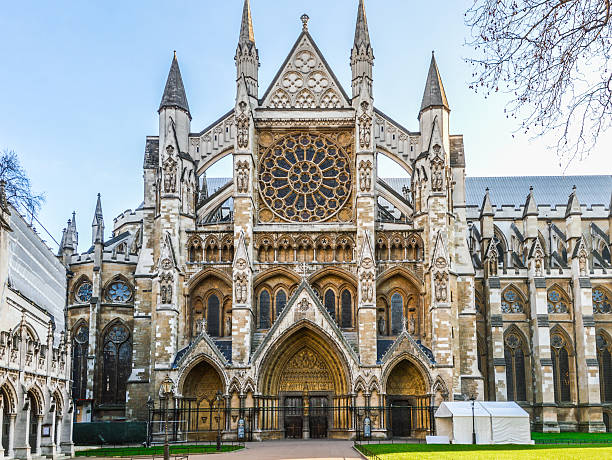
Westminster Abbey should be saved for another day when your interest is royal, sacred, literary or architectural rather than governmental and wartime. The Abbey is too significant to function well as a decorative prelude. If you want coronation history, royal burials, poets and statesmen to breathe, give the Abbey its own guided focus or pair it with a lighter Westminster frame.
The Tower of London should be saved when you want fortress, monarchy, imprisonment, Crown Jewels and river-edge history. It belongs to a different London geography. The move from Westminster to the Tower is not impossible, but it changes the day from a compact power corridor into a cross-city heritage route. If the Tower is the priority, build around it honestly rather than making the War Rooms absorb the fatigue created by the eastward transfer.
The British Museum should be saved when the real desire is a curated museum day. Its scale, object density and intellectual range deserve their own pacing logic. A traveler who tries to do the British Museum and the Churchill War Rooms in the same day often ends up comparing two completely different kinds of attention: one vast and civilizational, the other compact and situational. That comparison usually weakens both.
For first-time travelers deciding among London’s most famous anchors, Orange Donut Tours’ guide to Tower of London, Westminster Abbey or the British Museum first is the better framework. This article assumes the decision has narrowed: you want Westminster, Whitehall and the Churchill War Rooms to carry one powerful day, and you are deciding how to protect that choice from itinerary drift.
What to verify with official sources before locking the day
The editorial shape of this route is evergreen, but operational details should still be checked before booking. Opening arrangements, security procedures, closures, ticketing rules and special events can change. Use official sources for facts and a private planner for sequencing judgment; those are different kinds of trust.
For the Churchill War Rooms, use the official Churchill War Rooms visitor page (https://www.iwm.org.uk/visits/churchill-war-rooms) to confirm current visit information. For Westminster Abbey, use Westminster Abbey visitor information (https://www.westminster-abbey.org/visit-us) before treating the Abbey as more than an exterior or contextual stop. If a parliamentary visit or tour is being considered separately, check official UK Parliament visiting information (https://www.parliament.uk/visiting/) rather than assuming Parliament can be folded casually into the same day.
Those links should not dictate the editorial plan by themselves. They tell you what is operationally possible; they do not decide what is wise. The private-planning question is whether each confirmed element still supports the day’s narrative and the traveler’s energy. A technically available ticket can still be the wrong addition if it makes the War Rooms feel like the last obligation in an overfull morning.
The most reliable plan has a small number of confirmed commitments and a guide-led route that can adjust between them. That matters in Westminster because public life can alter the feel of streets even when the sites themselves are operating normally. The goal is not to predict every variable; it is to build a day with enough discipline that a minor shift does not cause the whole itinerary to fray.
How private guidance turns the corridor into one coherent London day
Private guidance earns its place here because the subject is not one building; it is the relationship among buildings, streets, institutions and wartime decisions. A self-guided visitor can see Parliament Square, walk Whitehall and enter the War Rooms. What is harder is knowing how much to interpret at each stage, what to ignore, and how to stop the day becoming a pile of impressive facts.
The best guide makes choices that are almost invisible. They may spend less time on the most photographed view because the group already understands it, and more time on a quieter threshold because it changes how the War Rooms will read. They may skip a tempting detour because the family’s energy is better saved for the underground rooms. They may adjust the emphasis for a former military officer, a politically curious teenager, a couple celebrating an anniversary, or a small group whose interests range from architecture to diplomacy.
This is also where Orange Donut Tours’ tailor-made planning matters. A private day can begin from your actual hotel, account for a lunch style, decide whether Westminster Abbey belongs as a separate focus, and determine whether a car should support the edges without interrupting the core walk. For a custom version of this route, use tailor-made London private touring as the planning handoff, or Inquire now once you know that the power-corridor format fits your trip.
The strongest version will not try to impress you with the number of stops. It will make Westminster, Whitehall and the Churchill War Rooms feel inevitable in that order. That is a different kind of five-star value: not more spectacle, but fewer breaks in meaning.
How to adapt the day for couples, families and small private groups
Couples should keep the day elegant and compact: a strong morning corridor, the War Rooms while attention is high, and a clean finish that leaves space for lunch or an evening plan. The risk for couples is over-documenting the day with too many pauses and photos. The better rhythm is conversational, with enough interpretive depth to make dinner feel like a continuation of the day rather than a recovery from it.
Families should decide whether the War Rooms are the intellectual anchor or the emotional anchor. Older children and teens often respond well to the physicality of the underground rooms once the outside world has been explained. Younger children may need a narrower story and fewer Whitehall stops. Families should also avoid building the day around adult completion anxiety; children often remember the bunker more vividly when the route before it has been selective.
Small groups need a guide who can manage different levels of prior knowledge. One guest may care about Churchill, another about monarchy, another about contemporary politics. The Westminster-to-Whitehall corridor can hold those interests together, but only if the guide prevents any one strand from dominating too long. That is where private pacing beats a standard commentary route.
Celebration travelers should resist the temptation to make the day ceremonial from morning to night. Westminster already supplies ceremony. The premium move is to control the daytime and let the celebration happen elsewhere: a composed lunch, a hotel return, theatre, or a private dining plan. Trying to turn every hour into an occasion can make the day feel oddly heavy.
Final planning judgment for a five-star London stay
The best version of this day is disciplined, not maximal. Westminster, Whitehall and the Churchill War Rooms should be planned as a single interpretive corridor for travelers who want the public face of British power and the underground reality of wartime command to meet in one route. The day succeeds when the War Rooms feel like the natural descent from the streets above, not a museum appended to a sightseeing morning.
The wrong version is easy to spot: too many famous names, too many transfers, and no protected attention for the one site that needs the clearest frame. If your London stay already includes the Tower, the British Museum, a Thames cruise and Westminster Abbey, do not solve that abundance by pushing them into the same day. Solve it by letting each strong site occupy the right kind of day.
For this specific corridor, the firm editorial call is to keep the route tighter than instinct suggests. Begin with Parliament Square, use Whitehall as the connective tissue, let the Churchill War Rooms carry the climax, and decide in advance whether the Abbey is a separate focus rather than a prestige add-on. That is how the day remains memorable instead of merely full.
Travelers who value expert context, smoother logistics and thoughtful pacing should treat this as a private London day with a defined argument. The reward is not only historical knowledge. It is the feeling that the city’s most photographed political district has finally become legible.
FAQ
Is the Churchill War Rooms worth a private guide?
Yes, the Churchill War Rooms are especially worth a private guide when you want the site connected to Westminster and Whitehall rather than experienced as an isolated museum. The rooms are compact and context-heavy, so guidance helps decide what matters, what to move through quickly, and how the underground spaces relate to the streets above.
Can Westminster Abbey and the Churchill War Rooms be done on the same day?
They can be done on the same day, but it is not always the best choice. It works when the Abbey is a focused priority and the group has enough stamina for two dense interpretive experiences. It breaks down when the Abbey becomes a prestige add-on that leaves too little attention for the War Rooms.
Should Whitehall be walked or driven?
Whitehall should usually be walked for this route. The distance from Parliament Square toward the Churchill War Rooms is short, and the meaning comes from feeling how close Parliament, ministries, memorials, Downing Street’s guarded presence and the wartime command rooms are to one another. A car can support the edges, but it weakens the core story.
Which hotel base is easiest for this private Westminster and War Rooms day?
Covent Garden is often the most intuitive base for a simple start and an easy evening return, especially if theatre is part of the trip. Mayfair can work beautifully with a controlled transfer, while South Kensington usually needs a more deliberate morning plan because it sits farther from the Westminster and Whitehall corridor.
Is this a good first-time London day?
Yes, it is a strong first-time London day for travelers who prefer depth over a broad checklist. It introduces Parliament Square, Whitehall and the Churchill War Rooms in one coherent route. It is less suitable for first-time visitors whose main goal is to cover as many famous London landmarks as possible.
Should the Tower of London be added after the Churchill War Rooms?
Usually no. The Tower of London is important enough to deserve its own route logic, and adding it after the Churchill War Rooms turns a focused Westminster day into a cross-city endurance plan. Save the Tower for a separate day or build a different itinerary around the Thames and eastern London.
Is the British Museum a good pairing with the Churchill War Rooms?
Not for this narrow power-corridor day. The British Museum requires a different kind of attention and a different part of London. Pairing it with the War Rooms often makes both feel compressed. Choose the British Museum for a curated museum day, and choose the War Rooms for Westminster and Whitehall context.
How long should this private route feel?
It should feel like a substantial half day to measured full day, depending on whether you add Westminster Abbey, lunch or a hotel reset. The important point is not the clock alone; it is protecting enough attention for the War Rooms after the Parliament Square and Whitehall context has been built.
If you’re interested in any private tours of London, please reach out to us.
















 So if you are looking for the absolute best in London & surroundings with authentic local fully-licensed native guides whose English you can actually understand and with an exclusive and amazingly fun itinerary