Paris Before a Late Flight: Tuileries, Le Marais or One Last Museum After Checkout

Updated
The best last Paris experience before a late flight is usually Tuileries, not Le Marais or a final museum, because the garden lets you end at the airport-transfer cutoff instead of inside a timed attraction. From the Rue de Rivoli edge of the Tuileries, you can shorten or stretch a final walk, step back toward a Right Bank hotel, or move cleanly toward a driver pickup without crossing half the city. The clearest exception is an art-focused traveler whose luggage is already secured and whose transfer to Charles de Gaulle is fixed; then one sharply edited museum hour can be worth more than another open-air pause.
This departure day works only when Paris is planned backward from the flight, not forward from the list of things you still wish you had seen. The Tuileries wins because it sits at a rare hinge: between the Louvre, Place de la Concorde, the Seine quays, and the palace-hotel band of the 1st and 8th arrondissements. Le Marais works when you want character after checkout and do not need to drag the group across the river. A museum works last only when the visit is contained, the entry is real, and nobody is pretending that a late flight creates a free sightseeing day.
The departure-day ladder: what wins when luggage and CDG timing matter
The safest hierarchy is Tuileries first, Le Marais second, and one final museum only under controlled conditions. The comparison is not about which place is more beautiful or more important. It is about which choice stays flexible after checkout, which one keeps luggage invisible, which one gives your driver a practical pickup point, and which one allows the day to end before the airport plan starts to feel like a gamble.
Choose Tuileries when the final hours need elasticity. It suits couples, families, older parents, and first-time visitors who want one last Paris view without another ticket window. It can be a 35-minute garden pause, a 75-minute guided walk from the Louvre courtyard toward Concorde, or a graceful holding pattern before the car arrives. It is the default winner because a central, flexible walk can beat a timed museum on a departure day.
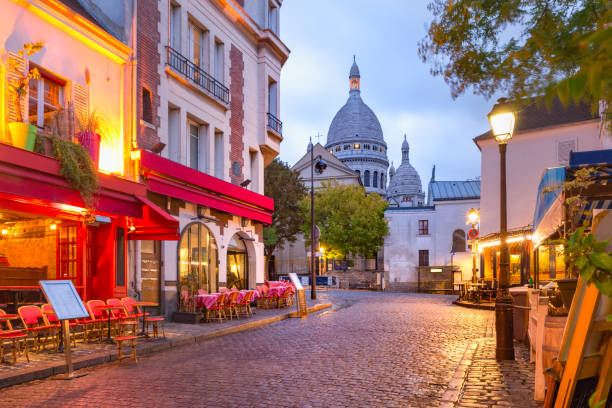
Choose Le Marais when the luggage is solved and the group still wants streets, food, and texture. It is the more characterful runner-up: good for a short private heritage walk, a light tasting route, or a final browse between Rue des Francs-Bourgeois and Place des Vosges. It is not the right answer if your pickup has to happen on a tight, narrow street or if half the group is already tired.
Choose one last museum when art is the reason the trip will feel complete. This can mean a focused Louvre segment, a small-gallery visit, or an hour around a single collection rather than a museum “day.” The wrong fit is a final museum chosen because it sounds efficient. Museums do not become simpler because your flight is late; they become riskier because your exit time matters more.
Cut first any plan that asks you to cross Paris twice after checkout. A final Left Bank stop, a Right Bank pickup, and Charles de Gaulle in the same window can work on paper and feel brittle in the body. If the plan needs both a timed entrance and a second transfer reset, the city is already telling you what to remove.
The counterintuitive correction is this: the most famous final stop is not automatically the best final stop. The Louvre may sit beside the Tuileries, but entering it changes the physics of the day. Security, circulation, cloakroom thinking, and the emotional pull of “just one more room” turn a flexible window into a managed exit. Likewise, a polished base around the Champs-Élysées can look airport-facing on a map, yet the avenue’s traffic and spread often make it less nimble than the garden edge near Rivoli, Concorde, or the Carrousel. Premium travel planning is not about forcing more Paris into the day; it is about keeping the last good memory from being followed by a rushed one.
For travelers who want the final day shaped around timing, guide handoff, luggage, and airport movement rather than a generic last walk, tailor-made Paris planning is the natural frame. The value is not in adding more stops. It is in deciding which stop deserves the remaining attention and which ones should be left out with confidence.
What to do in Paris after checkout before a late flight
After checkout, choose the last activity by asking what happens when it ends, not how enticing it sounds when it begins. A late flight tempts travelers into building a full extra day: brunch, a neighborhood, a museum, shopping, then a transfer. In Paris, that plan often fails not because any one piece is unreasonable, but because every reset takes a little more time than expected.
The practical issue is luggage first. If your hotel can hold bags and your driver can collect them later, your final route can be a true city experience. If your bags must move with you, the route should become dramatically simpler. Rolling luggage through the Tuileries gravel, the arcades around Place des Vosges, or the security approach of a museum is not premium travel; it is a sign that the day has been designed around hope rather than logistics. A private guide can keep the walking elegant, but the luggage plan has to be settled before the route becomes meaningful.
The next issue is the airport-transfer cutoff. This is not the flight time minus the drive time. It is the point by which the final visit is over, the group has gathered, bags are accounted for, a comfort stop has happened, and the route to Charles de Gaulle can begin with room for the city to misbehave. Paris is not especially hard to leave, but it does punish plans that confuse a late departure with open-ended time.
Use official airport guidance as the baseline, then build a margin in front of it. Paris Aéroport check-in guidance (https://www.parisaeroport.fr/en/passengers/flight-preparation/check-in) lists the broad airport arrival rhythm travelers should confirm against their own flight and airline instructions; for bespoke planning, the wiser move is to set your city cutoff earlier than that airport arrival target. The moment the cutoff becomes a debate, the final activity has stopped serving the day.
The city also does something physical to travelers after checkout. Gravel paths, museum floors, Métro stairs avoided at the last minute, heat reflecting off stone around the Louvre and the Carrousel, and repeated bag checks all compound fatigue. A family that felt fresh at 11:30 can feel scattered by 15:30 if the plan has three thresholds: hotel, attraction, car. Older parents may not complain until the final walk back across Rue de Rivoli feels longer than it looked. Celebration travelers may discover that the day’s mood changes when everyone begins watching the clock instead of the city.
The mood consequence matters as much as the transfer. A contained final route makes Paris feel generous: one more garden view, one more street, one more conversation with a guide who knows when to stop. An overbuilt route makes the city feel shorter and more transactional. You do not remember the last museum room clearly if the next thought is whether the driver has the bags. That is why the best departure-day plan is often the one that looks modest in writing and feels composed in practice.
When Tuileries is enough
Tuileries is enough when the final experience needs to stay beautiful, central, and interruptible. It is the best answer for visitors who have checked out, still want to feel in Paris, and cannot afford a fragile last stop. The garden’s value is not only its setting; it is the fact that you can leave it without unwinding a reservation, navigating an interior, or persuading the group to stop looking at art.
A strong Tuileries route begins with a defined edge. From the Louvre courtyard, the Arc de Triomphe du Carrousel gives a clean visual start before the garden opens west. From Rue de Rivoli, the route can begin closer to a hotel or driver access point. From the Seine side, the Passerelle Léopold-Sédar-Senghor or the quay below the Musée d’Orsay can frame a short Right Bank and Left Bank conversation without turning the day into a cross-river project. These details matter because the last hour is rarely ruined by a bad view; it is ruined by an unclear exit.
For first-time visitors, Tuileries also allows a final Paris summary without the pressure of a grand finale. A guide can connect the Louvre, royal power, Haussmann’s axes, Concorde, and the Seine in a compact arc while keeping the walk responsive to the group’s energy. Families can pause at chairs around the basins without making anyone “do” another attraction. Couples can keep the day polished without turning it into a photo sprint. Older travelers can move from shade to seating to pickup with less negotiation than Le Marais usually requires.
The most practical version is not a full garden traverse unless the cutoff is generous. A tighter route might hold between the Carrousel and the central basin, then decide whether to continue toward Place de la Concorde. That choice point is valuable. If the group is lively and the transfer window is comfortable, the walk lengthens. If someone needs a restroom, water, or a calmer pace, the garden contracts. Try doing that inside the Louvre after entering a wing, or in Le Marais after the group has drifted toward separate boutiques.
Tuileries is also the strongest weather pivot among the three options. In pleasant weather, it lets the city breathe after hotel checkout. In light rain, it can be shortened and paired with a covered café or hotel-lobby pause nearby. In heat, it should be brief and shaded rather than heroic. The point is not to pretend the garden solves every condition; it is that it gives you permission to scale down without the day feeling like a failure.
Cut the add-ons around Tuileries before you cut Tuileries itself. The Orangerie may be tempting because it sits at the western end of the garden, and the Louvre may be tempting because it is right there. Both can be excellent on the right day. On departure day, though, the garden is often the experience, not the prelude. If the flight buffer is tightening, do not convert a low-friction reset into a ticketed obligation.
When Le Marais works after checkout
Le Marais works after checkout when the final hours are luggage-free, Right Bank-based, and built around streets rather than a checklist. It is the better choice for travelers who want Paris to end with neighborhood texture: courtyards, Jewish Quarter context, boutiques, a pastry or light savory stop, and the spatial pleasure of old streets that do not need a major monument to justify the time.
The workable version of Le Marais is compact. A route might hold between Rue des Rosiers, Rue Vieille du Temple, Rue des Francs-Bourgeois, and Place des Vosges, with the guide choosing a line that avoids unnecessary backtracking. Another version starts near Hôtel de Ville and uses Rue de Rivoli as the practical spine before slipping into quieter streets. The appeal is that Le Marais can feel personal quickly. The risk is that it also encourages drift: one more shop, one more courtyard, one more snack, one more turn that makes the car pickup less clean.
That is why Le Marais suits travelers who can accept a defined ending. Food-and-wine travelers may enjoy a short tasting route, but this is not the day for a long lunch that blurs into airport anxiety. Families with teenagers may prefer Le Marais to a museum because the movement feels less formal, yet they still need a clear meeting point and an agreed end time. Celebration travelers may like its sense of occasion, but the route should not become a shopping day unless the transfer is comfortably late and purchases can be managed without fuss.
Le Marais is strongest when the pickup is planned at its edge, not in the middle of its most crowded lanes. Boulevard Beaumarchais, the Hôtel de Ville side, or a wider Right Bank access point can be more practical than asking a driver to solve a narrow-street rendezvous at the exact moment the group is scattered. This is where a private guide earns the day: not by narrating every façade, but by keeping the group’s attention moving toward a clean exit before the mood frays.
If Le Marais is already one of the neighborhoods you most wanted to understand, a contained private route can be a satisfying last chapter; see Le Marais private route for the kind of focus that suits a short window. The word “contained” is doing the real work. Le Marais after checkout should feel like a chosen final neighborhood, not a way to spend unstructured leftover time.
Avoid Le Marais as the last stop if your hotel is far west, if your group is carrying shopping bags from the morning, if anyone has mobility concerns that worsen on uneven streets, or if the departure buffer is already narrow. Also avoid using it as a substitute for a missed full day in Paris. Le Marais rewards attention, but it does not reward being squeezed between checkout, luggage collection, and a ride to Charles de Gaulle.
When one last museum is actually worth it
One last museum is worth it only when the museum is the point of the final day, not a prestige add-on. The visit should be short, pre-decided, guided or tightly self-edited, and easy to exit before the airport-transfer cutoff. If the group cannot name what the museum hour is meant to accomplish, Tuileries or Le Marais will usually produce a better final memory.
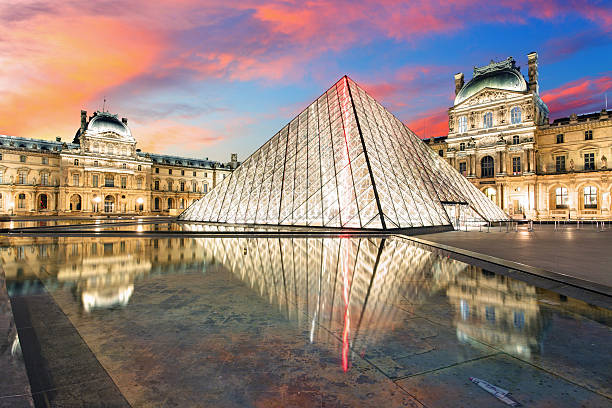
The Louvre is the most tempting and the most dangerous final-museum choice. It is tempting because it anchors the center of Paris and sits directly beside the Tuileries. It is dangerous because the building’s scale resists casual use. The official Louvre visit page (https://www.louvre.fr/en/visit/hours-admission) is worth checking before any plan because ticketing, admission, and exit rules are operational details, not afterthoughts. The Louvre itself notes that any exit is final, which matters on a day when a forgotten bag, tired child, or early driver call can interrupt the visit.
A final Louvre hour can work if it is truly a final hour. That means one wing, one theme, one route, and a guide who is comfortable saying no. Perhaps the trip would feel incomplete without a focused look at a specific school, gallery, or object. Perhaps your hotel is near the 1st, the bags are secured, and the driver pickup is staged after the visit rather than improvised during it. In that narrow case, the Louvre can be a strong last act. What does not work is treating the Louvre as a quick indoor extension of the Tuileries. Once you enter, you have changed the stakes.
Musée d’Orsay, the Musée Rodin, and the Orangerie can be easier to edit, but they still need the same discipline. Orsay can fit a Left Bank hotel geography, yet it introduces a river-crossing decision if the driver and bags sit on the Right Bank. Rodin can be gentler for travelers who want sculpture, garden space, and a calmer scale. The Orangerie can pair naturally with Tuileries, but that proximity is precisely why visitors overfill the plan. A smaller museum is not automatically safe; it is safe only when the exit, luggage, and pickup are already resolved.
The strongest private-museum version is usually built around a guide’s editorial cut. Instead of asking, “How much can we see before the flight?” ask, “What would make the final Paris hour feel complete?” That might be a short Louvre route that refuses the greatest-hits stampede, a compact Impressionist hour, or a sculpture-and-garden visit that leaves the body calmer than it arrived. For a fuller art day on a non-departure date, curated Louvre day planning gives the museum the space it deserves.
The final museum should be cut if luggage is not solved, if the entry depends on a fragile time slot, if one traveler is already tired, if the group needs lunch and the museum is being used to fill time, or if the visit would force a Left Bank and Right Bank transfer before Charles de Gaulle. It should also be cut if the only reason for going is guilt. Paris does not owe you one more masterpiece on departure day; it owes you a composed exit from the trip you have already taken.
How airport timing changes the cutoff
Airport timing changes the answer by shrinking the amount of Paris that can responsibly remain after checkout. A late flight is not one category. A late short-haul flight, a late long-haul flight, a family with checked luggage, a premium-cabin couple with fast-track arrangements, and a small group departing from different terminals all create different cutoffs. The article’s verdict holds because Tuileries adapts to those cutoffs better than Le Marais or a museum.
Start with the airport presence your airline and airport recommend, then add the city side of the plan in front of it. That city side includes the time to retrieve luggage, say goodbye to the guide, load the car, leave central Paris, and absorb a slow approach to Charles de Gaulle. None of those steps is dramatic when planned. Together, they become the reason a “quick” last stop should not be allowed to run long.
For a long-haul departure, the final activity often needs to end earlier than travelers expect. The issue is not only the drive. It is the psychological transition from being in Paris to being in departure mode. If the group is still debating whether to see another gallery or cross to another street after the cutoff, the rest of the day will feel chased. If the activity ends cleanly, the transfer becomes part of the itinerary rather than a rupture.
For a short-haul or intra-Europe flight, you may have a wider city window, but the same logic applies. A wider window can make Le Marais more attractive or allow a tightly planned museum hour. It should not tempt you into a three-part sightseeing day after checkout. The difference between a pleasant final afternoon and a risky one is usually not ambition; it is the number of handoffs. Hotel to guide, guide to museum, museum to bags, bags to car, car to terminal is a lot of choreography for a day that should be getting simpler.
The departure airport also matters. This guide is written with Charles de Gaulle in mind because many international visitors leave Paris through CDG, but the decision method still applies if your airport changes. The later the flight and the farther the terminal plan feels from the city center, the more the last stop should behave like Tuileries: central, expandable, and easy to end. The closer the airport plan and the more secure the luggage, the more you can consider Le Marais or a museum without pretending the risk has disappeared.
How to sequence the last Paris hours without airport risk
The best sequence is a contained final route, then luggage, then transfer, with no floating middle step. The moment a departure day includes “we will see how we feel” between a museum, a neighborhood, and a driver, the plan has lost its spine. Flexibility is useful only when the route has clear boundaries.
- After checkout: leave luggage at the hotel or transfer it into the care of the driver if that is part of the arranged service.
- Late morning or early afternoon: meet the guide for the chosen final route, with the end point already agreed.
- Before the cutoff: stop adding sights and begin moving toward the pickup or luggage point.
- At the cutoff: treat the city portion as complete, even if there is still theoretical time.
- After the cutoff: let the transfer to Charles de Gaulle be calm, direct, and boring in the best possible way.
This is the natural place for a private guide and driver to change the day. A guide can keep Tuileries from becoming a vague stroll, keep Le Marais from becoming a shopping scatter, and keep a museum from becoming a slow leak of time. A driver can reduce the number of luggage handoffs, give the group a known endpoint, and make the transfer feel less exposed to last-minute taxi uncertainty. For a logistics-heavy departure window, chauffeured Paris tour planning can be the difference between a pleasant final route and a day spent protecting the clock.
A chauffeur reduces transfer friction but cannot remove the risk of an overlong final stop. That sentence is important because premium spend has a limit. Paying more can improve privacy, reduce walking between luggage and pickup, avoid unnecessary Métro or taxi decisions, and make the group feel cared for. It cannot turn an oversized Louvre visit into a safe plan, prevent a boutique from running long, or make cross-city movement disappear. The upgrade earns its cost when it simplifies the route, not when it encourages a more crowded one.
For travelers who want the final route built around bags, guide timing, and a transfer plan rather than patched together after checkout, Inquire now. The best brief is specific: flight time, airport, hotel location, luggage plan, who is traveling, and whether the final priority is air, neighborhood texture, or art. That gives the planner permission to cut the wrong stop before it becomes the day’s weak link.
If your Paris arrival or departure planning also involves a transfer-day tour, airport arrivals and transfer planning is useful as a companion frame. Arrival-day and departure-day touring are not the same, but they share one principle: the city experience should sit inside the transfer logic, not compete with it.
The cut-first rule for an overpacked departure day
When the final Paris day gets overpacked, cut the attraction that requires the most re-entry into logistics. Usually that means cutting the museum first, then trimming Le Marais, and keeping a smaller Tuileries route. This is not anti-museum advice. It is pro-exit advice. Museums deserve attention; departure days deserve clean endings.
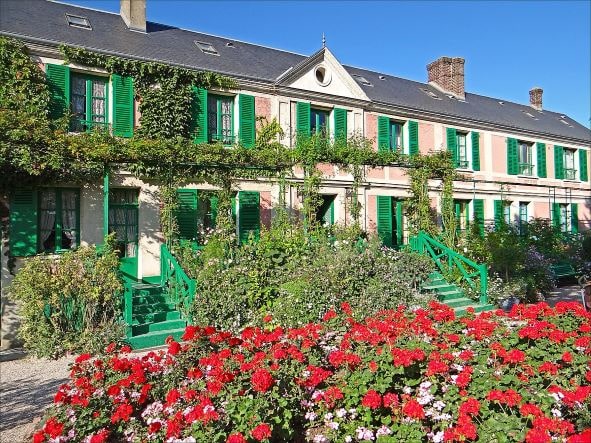
Do not add a destination outside Paris on flight day unless the entire day has been designed as a transfer and the risk has been deliberately accepted. Versailles, Giverny, Auvers-sur-Oise, and Champagne can all be excellent on the right itinerary, but they are not casual add-ons before a late international departure. Even a premium car cannot make regional distance behave like a central garden walk.
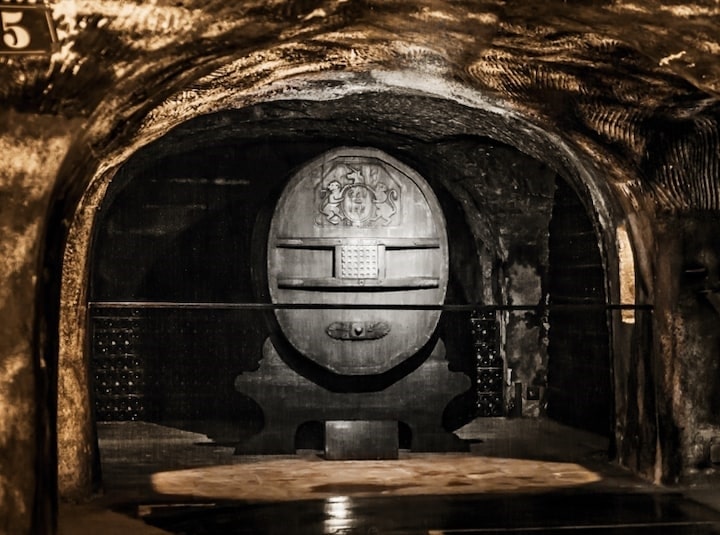
This is especially true for Champagne. Champagne Taittinger visits in Reims (https://www.taittinger.com/en/visits-reims) can be a memorable part of a Paris stay, but Reims belongs to a proper Champagne day, not a last-minute attempt to use spare hours before the airport. If Champagne is part of your trip, plan it as its own day with cellar timing, lunch, and return comfort; when a Champagne day earns its place explains the tradeoff more honestly than forcing it into departure day.
The same rule applies inside the city. If the plan says Tuileries plus Le Marais plus Louvre after checkout, remove two of the three. If the plan says Louvre plus shopping plus a long lunch, choose the one that would most disappoint you to miss and cut the rest. If the plan says “just one more stop” after the cutoff, the answer is no. The last day should get smaller as the flight gets closer.
Traveler-fit clusters for the final Paris window
Different travelers should choose different final stops, but the controlling question stays the same: what preserves composure before the transfer? A couple on a celebration trip, a family with teenagers, and art-focused guests leaving through Charles de Gaulle may all have late flights. They should not share the same final route.
Couples and celebration travelers
Couples usually do best with Tuileries unless the trip has a specific unfinished art note. The garden gives a final visual Paris without requiring another performance of sightseeing. A short guided route from the Louvre exterior toward Concorde can feel ceremonial without becoming staged. Le Marais works if the couple wants boutiques, a pastry stop, or Place des Vosges, but it should end before the area starts to feel like errands.
Families and three-generation groups
Families should choose the option with the fewest behavioral thresholds. Tuileries usually wins because children, grandparents, and parents can occupy the same space differently: chairs, short explanations, photographs, shade, a basin, a quick exit. Le Marais can work for teenagers if the route has food and identity, but it can frustrate younger children when streets are busy. A museum works only if the family already knows exactly what they want to see and can leave without negotiation.
Food-and-wine travelers
Food-and-wine travelers should resist turning the final hours into a serious meal unless the flight is late enough and the transfer is fully solved. Le Marais can be excellent for a short tasting arc, but a long lunch can dull the airport transition. Tuileries followed by a nearby light stop often gives a more graceful rhythm. Save the deeper food day for a non-departure date, especially if wine, shopping, or a chef-led reservation is involved.
Art-focused travelers
Art-focused travelers are the main exception to the Tuileries-first verdict. If missing a final museum would genuinely leave the trip feeling incomplete, choose the museum, but edit it hard. The Louvre should be treated as a guided excerpt. Orsay should be chosen because its collection is the priority, not because it is conveniently near the Seine. Rodin or the Orangerie may suit travelers who want art without the full machinery of a large museum, but the cutoff still rules.
Comfort-first visitors with a low tolerance for uncertainty
Travelers who value calm over coverage should not apologize for choosing the lightest plan. Tuileries, a hotel-lounge pause, and a clean airport transfer can be the most sophisticated version of the day. There is a kind of false economy in using every spare hour because the room is gone. The trip is not improved by extracting one more attraction if the price is a tense transfer and a flattened goodbye to Paris.
FAQ
What is the best thing to do in Paris after checkout before a late flight?
For most late-flight departures, Tuileries is the best final stop because it is central, flexible, and easy to end before the airport-transfer cutoff. Le Marais works if luggage and pickup are solved. A museum works only if the visit is short and tightly planned.
Is the Louvre a good last stop before flying out of Paris?
The Louvre can be a good last stop only for art-focused travelers with secured luggage, a fixed transfer, and a sharply edited route. It is a poor choice if you are using it to fill time or if entering the museum would make the airport timing feel uncertain.
Can I visit Le Marais after hotel checkout and still make a late flight?
Yes, Le Marais can work after checkout if your bags are stored, your pickup point is practical, and the route is compact. Keep the walk focused around streets such as Rue des Rosiers, Rue Vieille du Temple, Rue des Francs-Bourgeois, or Place des Vosges, then exit before the cutoff.
How early should I leave central Paris for Charles de Gaulle?
Use your airline and airport guidance as the baseline, then set a city cutoff before that. The cutoff should include time to collect bags, gather the group, meet the driver, and absorb normal transfer uncertainty. Do not plan the last activity up to the theoretical latest departure time.
Should I book a chauffeur for my last day in Paris?
A chauffeur is worthwhile when it reduces luggage handoffs, creates a known pickup point, and keeps the transfer to the airport calm. It is not worthwhile if it encourages you to add an overlong museum visit or cross-city sightseeing that still risks the flight buffer.
Is Tuileries too simple for a final Paris experience?
No. Tuileries is often the right final experience precisely because it is simple. Its location beside the Louvre, Rue de Rivoli, Place de la Concorde, and the Seine lets a guide turn a flexible walk into a meaningful closing route without making the day fragile.
What should I cut first if my departure day is too full?
Cut the final museum first unless art is the clear priority of the day. Then reduce Le Marais to a shorter route or replace it with Tuileries. Do not keep all three options after checkout; the airport buffer should control the day.
Can I do Champagne or another day trip before a late Paris flight?
It is usually the wrong move. Champagne, Versailles, Giverny, and other out-of-city experiences deserve their own day. On departure day, the distance adds risk and makes the final hours feel operational rather than relaxed.
If you’re interested in any private tours of Paris, please reach out to us.





 So if you are looking for the absolute best in Paris & surroundings with authentic local fully-licensed native guides whose English you can actually understand and with an exclusive and amazingly fun itinerary













