The London Sunday Strategy: Markets, Museums and a Slower West End Evening

Updated
Verdict: Treat Sunday in London as a deliberately lighter city day: start later, choose one market or one museum as the anchor, then leave enough margin for a West End evening. That works because Sunday London has uneven trading hours, later-feeling streets, museum and market schedules that do not all match, and theatre-night logistics that punish cross-city ambition. The exception is simple: if Sunday is your only day for a major first-time sight or a scarce ticketed exhibition, plan around that opening first and let the market become optional.
The article-specific rule is this: a London Sunday works best when the day is built around adjacency, not volume. Marylebone to the West End, Borough Market to the South Bank, or South Kensington to one museum can feel generous; Marylebone, Borough Market, South Kensington and the West End in one day feels like logistics wearing a good coat. The non-obvious cue is Manchester Square: from the Wallace Collection you are already close enough to Wigmore Street, Marylebone Lane and the eastern edge of Mayfair that the evening can slide toward Soho or Covent Garden without a full Tube reset. That small hinge is why Marylebone can be a better Sunday base than a more famous riverside idea when the evening matters.
The correction many visitors need early is that Sunday is not automatically the day to add more because “the city is quieter.” Some pockets are calmer, some are not, and overstuffed Sunday sightseeing is the fastest way to make the West End feel like an obligation rather than a pleasure. If your evening includes a show, a serious dinner, or a celebration toast, the day should leave space for it. For theatre-specific routing beyond the Sunday question, keep this adjacent guide in mind: West End theatre-and-sightseeing day.
What is the best London Sunday itinerary with markets, museums and a West End evening?
The best London Sunday itinerary is a late-morning start, one meaningful daytime anchor, a measured lunch or café pause, a hotel reset, and a West End evening that does not require a cross-city return. This is not because London lacks things to do on Sunday. It is because the wrong Sunday plan creates three forms of drag at once: opening-hour uncertainty, standing fatigue, and the psychological pressure of having to “make it back” for dinner or theatre.
For first-time visitors, the winning Sunday depends less on fame than on the shape of the day before and after it. If Saturday was a late dinner, Sunday benefits from a slower start. If Monday is a museum-heavy or airport-transfer day, Sunday should not become a forced checklist. If the West End evening is the emotional peak, the day should shorten as it moves west, not stretch outward just because Borough Market, South Kensington and Bloomsbury all sound tempting on paper.
My firm call: for a balanced Sunday with a premium feel, the best base arc is either Marylebone plus a smaller museum plus the West End or Borough Market plus one South Bank or central museum moment plus a planned evening return. South Kensington is excellent when families or museum lovers are the priority, but it is a weaker choice if you are also trying to graze at a market and keep the West End unhurried. The more prestigious-looking itinerary is not always the better one; the better one is the one that still leaves you with appetite, patience and clean shoes by 6pm.
Sunday decision matrix: choose the anchor before you choose the route
The right Sunday plan starts with the anchor that controls the day, not with a list of attractions. Use this matrix to decide what should lead, what should be cut, and where the evening naturally belongs.
Marylebone, Wallace Collection and the West End
Best for: couples, older parents, celebration travelers, and anyone who wants a calm Sunday with a graceful evening handoff.
Why it works: Marylebone gives you a contained morning, handsome streets, and a museum scale that does not swallow the day. The Wallace Collection visit page (https://www.wallacecollection.org/visit/) is the opening check that matters here, because its daily schedule and occasional gallery notes can change how you pace the middle of the day. The route from Manchester Square toward the West End avoids the sensation of having left the evening on the other side of London.
What to cut: do not add Borough Market unless the food market is the main point of the day. This is a Marylebone-to-the-West-End plan, not a citywide sampler. For a deeper stay-based version of the neighborhood decision, use the Marylebone stay guide.
Borough Market, the South Bank and a managed West End return
Best for: food-and-wine travelers, visitors who want London Bridge and the Thames in the day, and groups who enjoy grazing before a lighter evening.
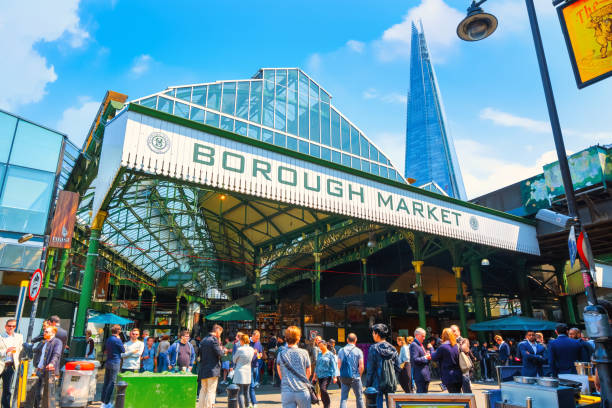
Why it works: Borough Market is right next to London Bridge Station, with Jubilee and Northern line access, so arrival is easier than many first-time visitors expect. The catch is that the market’s historic surfaces, narrow passages and peak-time density make it feel more demanding than a restaurant lunch. The official Borough Market visit page (https://boroughmarket.org.uk/visit-us/) currently lists Sunday trading and is the page to check before committing the day.
What to cut: do not add South Kensington after Borough unless you are comfortable with the transfer and a compressed evening. Keep the river arc clean with help from the South Bank strategy.
South Kensington museum morning
Best for: families, design travelers, science-minded groups, and visitors who want one large museum district rather than a market-led day.
Why it works: South Kensington places the V&A, Natural History Museum and Science Museum close enough to choose one and resist the others. The V&A South Kensington page (https://www.vam.ac.uk/south-kensington) is the kind of official opening check to use before building the route, especially when exhibitions, Friday lates, or gallery clearing times change the feel of a visit.
What to cut: do not combine South Kensington with Borough Market and a theatre evening unless the day is intentionally brisk. The Underground makes the map look manageable; the body experiences it as queues, escalators, standing, and a late-day Tube platform before dinner.
National Gallery and the West End
Best for: rain-sensitive Sundays, art-focused travelers, and visitors who want the shortest clean handoff into Covent Garden, Soho, St James’s or theatreland.
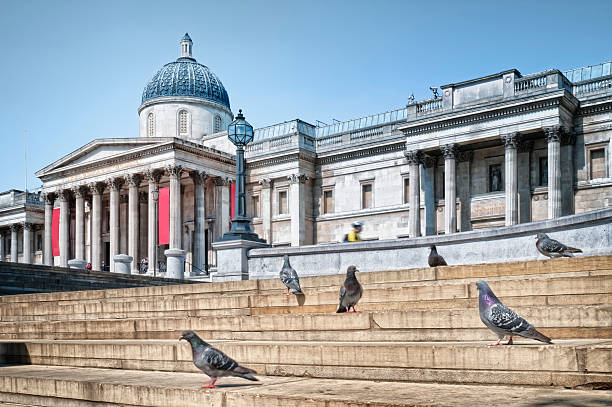
Why it works: Trafalgar Square places the National Gallery at the edge of the West End rather than at the end of a transfer chain. The National Gallery plan-your-visit page (https://www.nationalgallery.org.uk/visiting/plan-your-visit) gives the practical opening framework, and a guided route can turn a short visit into a satisfying one instead of a gallery wander that runs too long. For a tailored art focus, the National Gallery private tour is the relevant next step.
What to cut: do not try to make this a British Museum day as well. Two major collections before a West End evening usually produces detail fatigue, not cultural depth.
British Museum with a lighter evening
Best for: first-time visitors whose main Sunday priority is the Rosetta Stone, the Parthenon sculptures, or a broad ancient-world overview.
Why it works: Bloomsbury is central, but the British Museum is mentally large. The British Museum visit page (https://www.britishmuseum.org/visit) is the right opening and entry check, and the route should be curated before you arrive rather than improvised after you enter the Great Court.
What to cut: cut the market. A British Museum Sunday can still end in the West End, but it should not also pretend to be a food-market day unless the museum visit is intentionally short.
Hotel reset and short West End walk
Best for: travelers arriving from a long-haul flight, families with children, anyone recovering from a late Saturday, and celebration travelers who want the evening to feel polished.
Why it works: a late-morning neighborhood walk, one meal, and a rest before the West End can be more memorable than four famous stops completed with resentment. This is the Sunday plan that admits the body has limits and the evening deserves energy.
What to cut: cut every “while we are nearby” add-on. On Sunday, nearby can still mean crowded crossings, slow service windows, and a mood that turns from leisurely to late.
Which Sunday plans benefit from a slower start?
A slower start is the right move when Sunday is meant to preserve the evening, not maximize the number of daytime stops. It suits travelers who had a late Saturday, families who need breakfast to be unrushed, couples with a theatre or dinner plan, and food-and-wine visitors who would rather enjoy Borough Market or Marylebone properly than arrive early only to stand around before appetites have caught up.
Sunday mornings in London have a different rhythm from weekdays. Office districts can feel subdued, market pockets can become dense quickly, and museums may not reward the first possible arrival unless you already know exactly what you want to see. Starting at 10:30 or 11:00 is often more elegant than trying to force a 9:00 cultural start around closed doors, half-awake children, or a hotel breakfast that has become the day’s first negotiation.
Plan Sunday as a lighter day when the following day is a departure, a major museum day, a Windsor or Bath excursion, or a demanding transfer. The point is not to do less for the sake of softness. The point is to keep Sunday from stealing energy from the parts of the trip that cannot be moved.
London does something very specific to the body on a Sunday: it hides effort inside short distances. The walk from a gallery to a Tube entrance, the escalator down at a busy station, the bridge crossing after a market lunch, the standing time in a museum room, and the final walk into the West End can each feel minor. Together they become the reason a group arrives at dinner quiet, thirsty, and slightly late. A private car does not solve poor opening-hour choices. It can help with selected transfers, but it cannot make a closed gallery open, remove every theatre-district bottleneck, or turn a cross-city plan into a calm one after the damage is done.
The market choice: Borough Market is strong, but not always the best Sunday anchor
Borough Market is the strongest Sunday market choice when food is the purpose of the day, but it is not a casual add-on before a full museum itinerary. The market is close to London Bridge Station and sits naturally with Southwark Cathedral, the river, Tate Modern or a Thames-side walk, but it asks for appetite, patience and a willingness to accept movement through a busy historic estate.
The advantage of Borough Market is that it gives Sunday a clear identity. You are not merely filling a morning because other things feel closed. You are building the day around food, producers, ingredients, grazing and a South Bank or river context that can stay coherent. The risk is that visitors treat it like a quick stop between two unrelated attractions. It rarely behaves that way. Once a group is inside the market lanes, people peel toward coffee, cheese, oysters, produce, pastries, photos, bathrooms, and second opinions. That is enjoyable when planned; it is irritating when the next museum slot is already pressing.
For food travelers who want context without turning the day into a restaurant list, a guided market-led morning can be more useful than another formal lunch. The point is selection, timing and restraint: what to taste, what to skip, when to leave, and how to keep the afternoon from becoming a nap by accident. That is where a tailored London food tour can earn its place, especially for small groups with different appetites.
Marylebone’s Sunday food appeal is quieter and more neighborhood-shaped. It can work beautifully if you are staying nearby, starting late, and pairing food browsing with the Wallace Collection or a westward evening. It does not deliver the scale or symbolism of Borough Market, but it may deliver a better Sunday if the West End is the evening priority. The route is shorter, the mood is less river-crossing dependent, and the day can move from café to museum to hotel reset without becoming a transport project.
Columbia Road is the corrective example. It is a distinctive Sunday flower-market experience, but it belongs only when East London is the point of the day. Adding it because it is “a Sunday thing” can distort the whole route. From Shoreditch or Bethnal Green back to the West End, you are asking the evening to absorb the cost of a morning that may have been visually charming but logistically off-axis. For flower lovers, designers, or repeat visitors, it can be worth it. For a first-time London Sunday before theatre, it is usually the wrong upgrade.
For celebratory lunch plans, verify the meal itself instead of assuming prestige solves timing. A useful example is this primary-source menu link: See the current three‑course lunch menu (https://www.theritzlondon.com/restaurant-three-course-lunch-menu). The document itself states weekday lunchtime availability, which is exactly the kind of detail that prevents a Sunday plan from leaning on an assumption. If the meal is the anchor, build the day around the confirmed reservation, not around a general idea of “nice lunch in London.”
Museum opening checks that change a Sunday plan
Museum choice on Sunday should be controlled by scale, location and current opening details. Do not choose the largest museum simply because it is famous; choose the museum whose size and position match the evening you want.
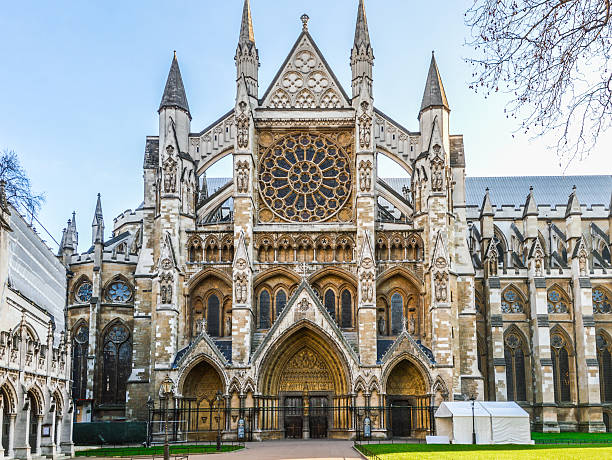
The Wallace Collection is the best Sunday museum when you want depth without museum sprawl. Its Manchester Square address makes it a natural partner for Marylebone, Mayfair edges and the West End, and the collection’s domestic scale helps travelers finish while they still have attention left. For visitors who already spent a day at the Tower, Westminster Abbey or the British Museum, this smaller-museum choice often feels more satisfying than another enormous institution.
The National Gallery is the best Sunday museum when weather, theatre, dinner or West End movement is already shaping the day. Trafalgar Square is not just a famous square; it is a useful hinge. From the Sainsbury Wing side, the West End, St James’s, Covent Garden and the Strand are close enough that the museum can be the cultural anchor without becoming a separate district. This is why a shorter National Gallery route can beat a larger museum on a Sunday when the evening needs polish.
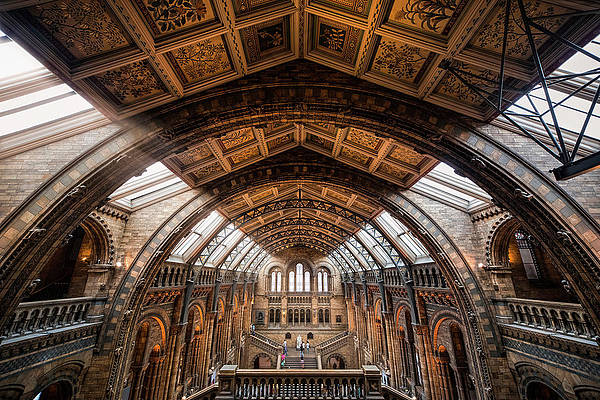
South Kensington is best when the museum district itself is the day’s purpose. The V&A is especially good for design, fashion, decorative arts and families who need variety, while the Natural History Museum and Science Museum can suit children and multigenerational groups. The friction is not the museum quality; it is the location relative to the West End and the appetite cost of trying to pair South Kensington with Borough Market. Cromwell Road to theatreland is manageable, but after hours indoors, the transfer can feel longer than the map admits.
The British Museum is the right Sunday choice only when it is genuinely the priority. Bloomsbury looks central, and it is, but the museum’s intellectual scale is enormous. If you enter without a route, the Great Court becomes a decision trap: everyone wants to see “the highlights,” nobody agrees on how long that means, and the West End evening begins to shrink. A private guide helps most here not by adding more rooms, but by deciding what the visit is not going to cover.
Opening checks are not a formality on Sunday. They decide whether the day starts with a confident route or a scramble. Markets can have shorter Sunday windows, museums can clear galleries before posted closing, special exhibitions can require timed tickets, family facilities can differ from weekday norms, and restaurant menus can have day-specific availability. Paying more helps when it buys better curation, a better-timed reservation, a quieter transfer, or a guide who knows when to stop. Paying more does not help if the day is built on the wrong opening assumptions.
Where a West End evening fits without making the day feel small
A West End evening fits best after a daytime route that has already moved west or stayed central. The mistake is treating the West End as a final add-on after a day that has drifted east, south and west with no recovery pause.
Marylebone to the West End is the cleanest micro-location handoff for a slower Sunday. It lets the day begin in a neighborhood with calm streets, move through a contained museum or food stop, and then glide toward Soho, Mayfair, Covent Garden or Leicester Square depending on the evening. The route feels adult because it does not require a dramatic return; the evening grows out of the afternoon.
Borough Market to the West End can work, but it needs an intentional break. The best version is market, river walk or one South Bank cultural stop, then a return west with enough time to change, sit down, and stop managing the group. The weaker version is market, Tate Modern, Millennium Bridge, St Paul’s exterior, Tube, hotel, late dinner, theatre, and a final dash. Each piece is defensible; together they flatten the day.
South Kensington to the West End works when you accept that the museum is the main daytime event. It is particularly good for families staying in Chelsea, Knightsbridge or South Kensington, because the hotel reset can happen before the evening. It is less good for visitors staying in Covent Garden who are tempted to cross west for museums, then back east for a market, then back into the West End. That is not a Sunday strategy; it is a map exercise.
The trip mood changes when the evening has space. A Sunday with one anchor and a pause makes the West End feel like a natural close: lights coming on, the short walk from dinner, the sense that nobody is calculating how much energy remains. A Sunday with three anchors makes the same evening feel shorter, noisier and more transactional. The city has not changed; your margin has.
What not to force on Sunday
The first thing to cut on Sunday is the extra famous stop that does not fit the route. London rewards restraint on this day because the city’s best Sunday plans often depend on a narrower neighborhood feel.
- Do not force a full icons day before a West End evening. Tower of London, Westminster Abbey, British Museum, a market and theatre in one Sunday is not a premium plan; it is a fatigue plan with good names attached.
- Do not force Borough Market into a Marylebone day. Borough is excellent when the South Bank is the route. It is wasteful when it pulls a west-central day across the river and back for no reason other than reputation.
- Do not force South Kensington after a food-market morning. The museum district deserves focus. Treating it as an afternoon add-on after grazing usually creates tired children, vague gallery wandering, and a dinner return that feels late.
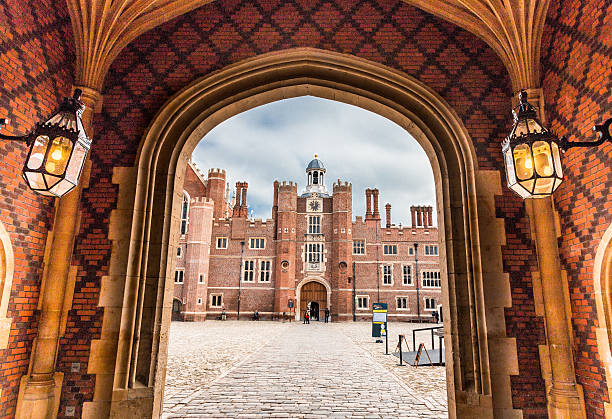
- Do not force a day trip if Sunday evening is the emotional peak. Windsor, Hampton Court, Oxford or Bath may belong elsewhere in the stay. A long return before theatre often turns the evening into recovery rather than celebration.
- Do not force a private car into pedestrian neighborhoods as if it erases London. It can help with selected hotel-to-museum or dinner returns, but it does not improve a route that depends on closed doors, crowded market lanes or poorly sequenced neighborhoods.
The cut-first rule is blunt: remove the stop that requires the biggest directional correction. If your day is already west-central, cut the eastern market. If your day is already food-led on the South Bank, cut South Kensington. If your day is already museum-heavy, cut the market and have a better lunch. Sunday should not prove how much London can contain; it should show how good one part of London can feel when you stop fighting the clock.
How a private guide can make Sunday feel tailored rather than thin
A private Sunday guide is most valuable when the day needs judgment, not just access. The guide’s job is to structure the route around openings, energy and neighborhood feel instead of a fixed sightseeing volume.
This matters because Sunday is full of small decision points. Should the group start at Borough Market or go straight to the museum? Is the Wallace Collection enough, or should the day include a short Mayfair or St James’s walk? Does a family need South Kensington because children will engage, or does it need the National Gallery because the evening return will be easier? Should a celebratory lunch replace a market, or should market grazing replace lunch? These are not abstract preferences. They change how the body feels at 5pm and how the evening lands.
For Orange Donut Tours, the most commercially sensible Sunday is not the one with the most stops. It is the one where your guide can make the day feel edited: one anchor, one satisfying secondary texture, one reset, and a West End evening that still has room for pleasure. That may mean a private museum route, a food-led morning, a family-sensitive South Kensington plan, or a Marylebone-to-the-West-End arc with the right pauses. To build that kind of Sunday around your hotel, reservation and group energy, start with private tours in London or Inquire now.
A practical Sunday sequence that keeps the West End intact
The most reliable Sunday sequence is late start, single anchor, lunch, soft afternoon, hotel reset, West End evening. Exact timings should follow confirmed openings and reservations, but the structure below is the one that keeps the day from fraying.
- Late morning: start around 10:30 or 11:00 unless a confirmed museum slot demands earlier. This avoids building the day around doors that may not yet be useful and gives the group a calmer start.
- First anchor: choose Borough Market, the Wallace Collection, the National Gallery, South Kensington, or the British Museum. Do not choose two anchors from different parts of the city unless one is intentionally brief.
- Lunch: let lunch match the anchor. Market grazing belongs with Borough. A seated lunch suits Marylebone, Mayfair or St James’s. South Kensington often needs a practical family-friendly pause rather than a formal meal.
- Afternoon texture: add only what supports the route: a short Thames walk, a Marylebone street loop, a single gallery wing, or a calm coffee stop. This is not the moment to introduce a new district.
- Reset: return to the hotel if dinner, theatre or celebration plans matter. A thirty- to sixty-minute reset can change the whole evening, especially for families and older parents.
- Evening: keep the final movement short. Covent Garden, Soho, St James’s, Leicester Square and the Strand can all work, but the best choice is the one that reduces late walking after the show or dinner.
This sequence also makes the Sunday weather pivot easier. If rain arrives, the National Gallery or Wallace Collection can become the daytime anchor. If the group wakes slowly, Marylebone can absorb the delay. If appetite leads, Borough can take the first half of the day. If children are engaged by objects rather than streets, South Kensington can be the main event. The structure survives because it is not overloaded.
FAQ
Is Sunday a good day for sightseeing in London?
Yes, Sunday can be excellent for sightseeing in London when it is planned as a lighter, better-sequenced day. It works best with one strong market or museum, a slower start, and an evening route that does not require a long cross-city return.
Should Sunday in London be a lighter day?
Yes, Sunday should be planned as a lighter day when you have a West End evening, a late Saturday before it, a major day trip after it, or travelers who need comfort and recovery. A lighter Sunday often produces a better evening than a full checklist.
Is Borough Market good on Sunday?
Borough Market can be very good on Sunday if food is the main anchor of the day and you check current trading hours before going. It is less useful as a quick add-on before South Kensington or a museum-heavy afternoon.
Which museum works best on Sunday before a West End evening?
The National Gallery works best when the West End evening is central, because Trafalgar Square keeps the route short. The Wallace Collection is the better choice for a quieter Marylebone day, while South Kensington works best when the museum district itself is the main priority.
Can I combine South Kensington, Borough Market and the West End on Sunday?
You can, but it is usually not the best Sunday plan. South Kensington, Borough Market and the West End create too much directional spread for a day that should preserve energy for the evening.
Is a private car worth it for a Sunday London itinerary?
A private car is useful for selected transfers, hotel resets, older travelers and bad-weather returns, but it is not a cure for poor sequencing. It cannot fix incorrect opening assumptions or make a cross-city Sunday feel calm after too many stops have been added.
Where does Marylebone fit in a Sunday London plan?
Marylebone fits best as a calm late-morning base before the Wallace Collection, a neighborhood lunch, and a West End evening. The Marylebone to the West End transition is one of the cleanest Sunday arcs because it avoids a full transport reset.
What should I skip on a Sunday if I have theatre or dinner plans?
Skip the stop that creates the biggest directional correction. If you are already west-central, skip Borough Market. If you are food-led on the South Bank, skip South Kensington. If the museum is the priority, skip the market and protect the evening.
If you’re interested in any private tours of London, please reach out to us.
















 So if you are looking for the absolute best in London & surroundings with authentic local fully-licensed native guides whose English you can actually understand and with an exclusive and amazingly fun itinerary













