Chelsea or South Kensington for a London Family Base? Museums, Parks and Dinner Returns Compared

Updated
Choose South Kensington over Chelsea for a first London family base when museums and park breaks are likely to shape the day. It works in real city conditions because the South Kensington museum cluster puts the Natural History Museum, Science Museum and V&A within one small zone, while Kensington Gardens gives children a nearby outdoor release when a gallery hour becomes enough. The clearest exception is a family with older children, Chelsea dinner plans and a stronger need for a calmer evening than for museum-door convenience. In that case, Chelsea can feel better after 5pm, especially around Sloane Square and the King’s Road. The article-specific rule is simple: in London, the best family base is not the prettiest postcode; it is the one that shortens the return leg at the exact moment your child’s patience runs out.
This is not a hotel ranking and not a generic London-with-kids list. The question is narrower: should a family choosing between Chelsea and South Kensington anchor the trip nearer museum mornings, park buffers or dinner returns? Orange Donut Tours usually treats this as a day-flow decision before it becomes an accommodation decision, because a beautiful hotel in the wrong rhythm can make every day feel slightly late. Families planning private guiding can use private London family touring to shape the days around age, attention span and recovery windows rather than around a map of famous sights.
The family-day verdict in four scenarios
South Kensington is the default winner, Chelsea is the mood-preserving runner-up, and Mayfair or Covent Garden becomes the better answer when the family’s London is really about theatre, Westminster and short evening returns. The comparison criteria are museum access, park and playground recovery, dinner return ease, stroller reality, and the number of cross-city moves required after children are already tired.
South Kensington wins when: this is a first family stay, children are roughly four to twelve, the Natural History Museum is a likely highlight, and you want the option to leave a museum quickly without turning the exit into a new journey. The non-obvious advantage is not just distance; it is the ability to pivot through Exhibition Road, Cromwell Road and the museum entrances without asking the family to reassemble for a formal transfer after every stop.
Chelsea wins when: your children are older, dinners matter, the adults want a softer neighborhood return, and a slightly longer museum transfer is worth paying for in evening calm. Around Sloane Square, Duke of York Square, Pavilion Road and the King’s Road, the day can finish without the sensation of being trapped in a visitor corridor.
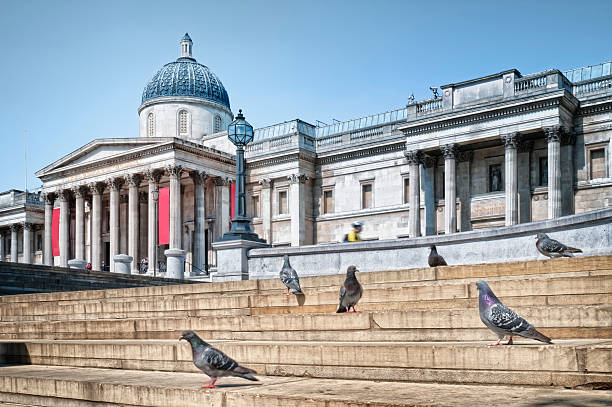
Mayfair or Covent Garden wins when: the trip is short, theatre or West End evenings sit at the center of the plan, or the first-timer icons are clustered around Westminster, the National Gallery, Buckingham Palace, the Tower and Covent Garden restaurants. In that version of London, Chelsea and South Kensington are both a little west of the real daily action.
The wrong fit is: choosing South Kensington just because the museums are famous, then building every day around the West End; or choosing Chelsea for atmosphere, then expecting toddlers to absorb repeated transfers to the museum cluster. A better hotel category cannot compensate for a base that fights the child’s energy pattern.
Why South Kensington wins when museums are part of the morning
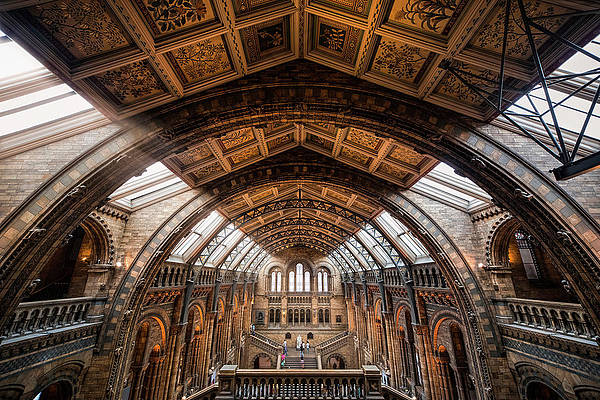
South Kensington wins museum mornings because it lets a family sample culture without committing to a full museum day. The Natural History Museum can be a focused dinosaur, minerals or architecture visit; the Science Museum can absorb an energy spike; the V&A can work for design-minded adults and older children without forcing everyone into the same kind of looking. The base matters because the family can exit after one strong hour and still feel the morning succeeded. Before building a museum-heavy plan, check current visitor guidance on the Natural History Museum visit page (https://www.nhm.ac.uk/visit.html), the Science Museum visit page (https://www.sciencemuseum.org.uk/see-and-do/welcome) and the V&A South Kensington page (https://www.vam.ac.uk/south-kensington).
The mistake is assuming that proximity means you should do more. South Kensington’s density can create museum overload faster than distance would, because parents see three major institutions on the same map and start treating them as one attraction. For families, the better move is the opposite: choose one primary museum, one optional small add-on, and one outdoor or hotel return. If the Natural History Museum is the emotional headline, do not add the Science Museum and the V&A as equal commitments. Use the second museum only as a weather pivot, a child-led reward or a short adult design hour when the first visit ended early.
The South Kensington museum cluster also reduces decision drag. From many local hotels, the family can leave with fewer layers of planning: no complex Tube transfer, no car-seat debate for a tiny distance, no question about whether a child can handle one more stop before the museum. That is a real advantage with children who need clean beginnings. The long pedestrian approach from South Kensington station toward Exhibition Road can still feel crowded and slow at peak visitor times, so staying nearby does not remove every friction. It does, however, make the exit easier, and exits matter more than arrivals once the day has started to fray.
There is a body consequence here that parents often underestimate. London rarely exhausts families through one dramatic hardship; it wears them down through repeated small demands: Tube stairs, wet pavements, security checks, road crossings around Cromwell Road, cloakroom decisions, snack timing and the need to keep a stroller moving through dense museum approaches. A South Kensington base cannot erase those demands, but it can remove one entire layer of reassembly after the museum. When the child is overstimulated, that missing layer is the difference between a graceful reset and a public negotiation on the pavement.
South Kensington also performs well on rain pivots. If the forecast changes, a museum morning can expand slightly; if the galleries are too full, the plan can shrink without feeling like a failure. This is where a private guide earns their place: not by dragging children through every hall, but by choosing the right rooms, shortening the interpretive arc, and knowing when to leave while the children still feel successful. For broader museum-day sequencing, the related ODT guide on London with kids pacing is useful once the base decision is settled.
Where Chelsea earns its place: dinner returns and a calmer evening
Chelsea earns its place when the evening is more important than the museum approach. A family staying close to Sloane Square can finish dinner, walk back through familiar streets, and avoid the mood drop that comes from hunting for transport after children are done being charming. That is the Chelsea dinner return advantage: a calmer evening can beat a slightly longer museum transfer for families whose days are already full.
The key is choosing the right part of Chelsea. A hotel that behaves like a Sloane Square base is very different from an address drifting toward Chelsea Harbour, the far end of the King’s Road or the river crossings near Battersea. On a map, all of those may look like Chelsea. In family logistics, they are not the same. Sloane Square gives you clearer Tube and taxi logic, easy access to the King’s Road, and a compact evening zone around Duke of York Square and Pavilion Road. Further west or south, the neighborhood can be elegant but less forgiving when a child decides the return should have happened twenty minutes ago.
Chelsea is also better for families who want London to feel residential between major sights. South Kensington can feel dominated by institutional arrivals at the wrong times of day: museum doors, Cromwell Road traffic, groups gathering, families consulting tickets and maps. Chelsea has its own busy stretches, but the evening texture can be gentler, particularly when dinner is intentionally kept local. For a celebration trip with grandparents, a birthday dinner or a family that values unhurried restaurant returns, Chelsea may create a more composed last act.
The cost is that Chelsea asks more of the morning. If the Natural History Museum is the daily anchor, the family will either take a short vehicle move, use the Tube from Sloane Square to South Kensington, or walk only if the children are older and the weather is kind. None of those is difficult for adults. For young children, the issue is not difficulty; it is accumulation. The transfer out, the museum, the lunch decision, the park buffer and the return become one chain. When the chain has too many links, the afternoon loses elasticity.
Premium spend changes Chelsea in specific ways. It can buy a better chauffeur plan, a guide who meets at the hotel door, more considered dinner pacing and a calmer route back. Premium spend does not help when the base forces a long return leg after dinner; it only buys a prettier lobby at the wrong end of the day. If Chelsea is chosen, spend should protect the evening and simplify the morning transfer, not create a more elaborate itinerary just because the family is staying somewhere polished.
Park and playground buffer logic: Kensington Gardens versus Chelsea’s softer spaces
South Kensington has the stronger family buffer because Kensington Gardens and the Hyde Park edge are more useful as pressure valves than Chelsea’s smaller local spaces. The point is not that every family needs a long park afternoon. The point is that children often need a place where the adult agenda can stop without ending the day. A museum morning followed by a green-space release is one of the cleanest London family patterns.
Kensington Gardens works well because it can absorb several kinds of reset: a stroller nap, a snack break, a short walk toward the Round Pond, a slow drift toward Kensington Palace, or a child-led pause when the museum has delivered enough. Families planning around specific playground access should confirm current conditions on the official Kensington Gardens visitor page (https://www.royalparks.org.uk/visit/parks/kensington-gardens), especially when a playground or gate matters to the day. The editorial point remains evergreen: a base near a large park gives parents permission to stop forcing indoor culture when the child’s nervous system is already full.
Chelsea has pleasant local pauses, but they behave differently. Duke of York Square is useful for a controlled break, Chelsea Green can soften a local morning, and the Royal Hospital Chelsea area gives a sense of space. These are not the same as a major park buffer after a museum visit. Battersea Park is attractive, but from much of Chelsea it asks for a river-crossing decision via Albert Bridge, Chelsea Bridge or a vehicle move. That crossing can be delightful on a light day and oddly expensive in energy on a tired one.
For stroller-age children, South Kensington usually wins because the reset can be folded into the same side of the day. You can leave the museum cluster, simplify lunch, and move toward green space without making the outing feel like a new expedition. Chelsea can work beautifully with a stroller if the day is local and dinner-led, but it is less efficient when the morning begins with a museum and the afternoon requires a park decompression.
The mood consequence is just as important as the body consequence. A family day feels shorter and kinder when adults do not need to persuade children through every transition. South Kensington can make the day feel like one connected sequence: museum, snack, park, hotel, dinner. Chelsea can make the evening feel more settled, but if the park buffer is missing or delayed, the family may arrive at dinner carrying the museum’s fatigue. That is why the base choice should follow the child’s likely recovery pattern, not the adults’ favorite neighborhood mood.
Is Chelsea or South Kensington better for dinner returns with kids?
Chelsea is usually better for relaxed dinner returns, while South Kensington is better when dinner needs to follow a museum-and-reset day without another transfer. The distinction matters because dinner with children is rarely only about the restaurant. It is about the route back, the confidence that a tired child can leave quickly, and whether the adults can end the evening without turning transport into a second event.
In Chelsea, the best family dinner strategy is to stay close to the base. Sloane Square, Pavilion Road and the King’s Road can support an evening that is adult enough for parents but not so formal that children become a problem to manage. The return walk is the luxury. It lets one parent take a younger child back early, lets grandparents leave without negotiation, and keeps the evening from becoming hostage to traffic or a platform wait. For celebration travelers, that small freedom often matters more than a grander restaurant on the other side of town.
In South Kensington, dinner planning needs more editing. The area can be perfectly workable, but it is not the same kind of evening neighborhood as Chelsea, Mayfair or Covent Garden. If the family has already used South Kensington for museum access, dinner should either stay deliberately local and easy, or move by private vehicle to a restaurant zone where the return has been planned in advance. The danger is the vague dinner plan: “we’ll see how everyone feels.” After a museum day, that usually means everyone feels hungry at once, the first choice is full or unsuitable, and the return becomes later than intended.
Theatre changes the answer. If the family is seeing a West End show, Covent Garden can beat both Chelsea and South Kensington because the post-show return is the whole point. A taxi back west after theatre can be fine with teenagers and a light schedule the next morning. With younger children, it is often the moment that makes an otherwise polished day feel too long. If theatre appears more than once in the itinerary, do not pretend a west-side base is neutral. It is a tradeoff, and the tradeoff should be chosen deliberately.
Food-and-wine travelers with children should also be careful with ambition. A serious dinner after a Natural History Museum morning, Kensington Gardens break and cross-city sightseeing afternoon is not automatically better because it is more prestigious. The family may enjoy the memory more if the restaurant is closer, earlier and less ceremonious. When adults want one special dinner, place it after the lightest touring day, not after the highest-stimulation museum day.
The age-band split that should control the base choice
Age matters more than postcode prestige. South Kensington is strongest for younger and primary-school children, Chelsea improves for older children and teenagers, and Mayfair or Covent Garden can overtake both when the children can manage later evenings and the itinerary points east or central.
- Toddlers and stroller-age children: South Kensington usually wins if museums and Kensington Gardens are in the plan, because the day can collapse safely. A stroller does not make London frictionless; it makes stairs, narrow pavements, wet coats and crowded entrances more consequential. Keep the first museum short, reserve a protected lunch or snack window, and avoid moving the child across town after the main stimulation of the day.
- Ages four to eight: South Kensington remains the practical winner, but the plan should be ruthless. Choose the Natural History Museum or Science Museum as the headline, not both as full visits. Build in a park or hotel reset before dinner. This age group often remembers one vivid thing and one calm thing; they rarely reward a day packed with adult-proof completeness.
- Ages nine to twelve: either base can work. South Kensington is better for children who still benefit from a quick exit and a green-space reset. Chelsea is better when dinners, shopping streets, older siblings and a more residential evening matter. The family can handle a museum transfer, but the day should still avoid three big interiors.
- Teenagers: Chelsea becomes more attractive, especially if they enjoy style, food, design, shopping or a less obviously tourist-facing base. South Kensington can feel too museum-defined if the trip is not actually museum-led. Teens may prefer a Chelsea base with planned transfers to the museum cluster, the West End or the Thames rather than a base chosen around attractions they only want to sample.
- Multigenerational families: South Kensington reduces morning pressure, but Chelsea can preserve the evening for grandparents. The winning answer depends on who tires first. If children crash in the afternoon, choose South Kensington. If older adults need a calmer dinner return, Chelsea around Sloane Square may be the better compromise.
There is one firm cut rule for every age band: do not stack the Natural History Museum, the Tower of London and a West End show in the same family day. Those icons belong to different energy categories. The museum stimulates, the Tower occupies a large historical and physical footprint, and theatre asks for a late emotional finish. Put all three together and the child may behave well until the exact point when the adults need the evening to work.
When Mayfair or Covent Garden still beats both
Neither Chelsea nor South Kensington is the right base when the family’s real itinerary is central, theatre-led or heavily weighted toward Westminster and the West End. Mayfair can beat both for families who want Hyde Park, Green Park, Buckingham Palace, refined dinners and easier access to the National Gallery or Westminster by short vehicle moves. Covent Garden can beat both for theatre nights, National Gallery mornings, Covent Garden wandering and a first visit that keeps returning to the West End.
This is the honest counterpoint to the South Kensington verdict. South Kensington is not the best London base in the abstract; it is the best of these two neighborhoods when museum access and park recovery matter. Chelsea is not a weak base; it is a narrower winner for families that value evenings more than museum-door convenience. If the family wants Westminster Abbey, the Tower, Covent Garden, the National Gallery, afternoon tea in Mayfair and two theatre nights, then choosing South Kensington for the Natural History Museum may over-prioritize one morning at the expense of the whole stay.
The overvalued choice is the “beautiful west London base” chosen without regard to night movement. Families often underestimate how much the final twenty minutes shapes the memory of the day. A great morning can be flattened by a late taxi search after theatre. A polished dinner can be soured by children falling asleep before the return begins. If the trip is filled with central evenings, read the broader ODT comparison of Mayfair, Covent Garden and South Kensington before treating Chelsea as the automatic luxury alternative.
There is also an airport-transfer caveat. A west-side base can feel tidy for Heathrow arrivals and departures, and that may matter on a short trip or after a long-haul flight. But airport convenience should not dominate a four- or five-night family stay if it makes every touring day slightly awkward. One smooth arrival does not compensate for repeated evening friction. If the airport day is unusually important, solve that day separately rather than letting it decide the whole neighborhood choice.
What to cut first when the plan starts to feel too full
Cut the third major stop first, then the cross-city dinner, then the late-night add-on. Do not cut the reset window unless the family is unusually resilient. In London family planning, the pause is not empty time; it is the part that allows the paid experiences, meals and guide time to land well.
- Cut the second full museum before cutting the park buffer. A child who has already given you one strong museum hour is more likely to enjoy London if the next move changes texture. Kensington Gardens, a short hotel rest or a calm lunch will preserve more goodwill than another gallery.
- Cut the famous shop or toy stop when it creates a cross-town detour. A toy-store promise can be lovely when it sits naturally in the route. It becomes expensive in mood when it pulls the family away from the base just before dinner.
- Cut a formal dinner after the heaviest museum day. If the adults want one special meal, give it a lighter lead-in. Pair it with Chelsea local time, a short private morning, or a day when the children are not already saturated with crowds and interpretation.
- Cut the extra palace, not the easy return. Kensington Palace, Buckingham Palace context, Westminster and Hampton Court all have different strengths, but palace fatigue is real. Families rarely regret a cleaner evening. They often regret the final famous stop that made everyone late.
Weather should also change the cut order. On a wet day, South Kensington gains value because the museums are close and the plan can stay compact. On a bright day, the temptation is to add more walking. Resist that if dinner matters. London’s open spaces make the day feel lighter only when they replace something, not when they are layered on top of a full museum route.
The same principle applies to private touring. A guide should not be used to make children consume more London than they can hold. A guide should make the chosen slice clearer, calmer and better timed. If the day starts in South Kensington, a museum guide can meet at the hotel or museum entrance and keep the visit sharply edited. If the day starts in Chelsea, a guide may meet at the hotel for a local morning, or a vehicle can carry the family cleanly to Westminster, the Tower or the British Museum without pretending that every movement should be public transport.
Which family touring days should start at the hotel door?
Start at the hotel door when the first hour depends on mood, orientation or a soft launch; use a vehicle or defined guide meet point when the first attraction is across the city or the return leg will matter more than the arrival. This is where the base decision becomes practical rather than abstract.
From South Kensington, a Natural History Museum, Science Museum or V&A morning should usually begin from the hotel or at the museum entrance. The family does not need a theatrical transfer for a nearby museum. The value is in the edit: which entrance, which rooms, how long to stay, where to pause, and whether Kensington Gardens or the hotel should follow. A private guide can make the museum feel like a story rather than a warehouse of objects, then leave before children start associating culture with endurance.
From Chelsea, hotel-door starts work well for a slower local morning: Sloane Square context, King’s Road texture, a Chelsea-to-South Kensington design or museum arc, or a dinner-led day where the adults want the evening to stay composed. If the family is going to Westminster, the Tower, St Paul’s, Greenwich or a day trip, a vehicle or crisp meet point is usually cleaner. For those days, look at the logic in chauffeured London private touring and decide where a car removes friction rather than merely adding polish.
The central rule is to spend on the movement that protects the family’s weakest moment. If the child is best in the morning and fades after lunch, spend on the afternoon return. If the child is slow to start, spend on a guide who can begin gently at the hotel and build confidence before the first major stop. If grandparents are traveling, spend on fewer steps, better drop-offs and a dinner return that does not require group negotiation. The best private day is not the one that includes the most; it is the one where each transition still feels chosen.
When the accommodation choice is still open, it helps to design two sample days before booking the hotel. One should be a museum-and-park day. One should be a dinner or theatre evening. If South Kensington wins both, the decision is easy. If Chelsea wins the evening but South Kensington wins the morning, the family’s age band should break the tie. If neither handles theatre, Westminster and dinners cleanly, move the base discussion to Mayfair or Covent Garden instead of forcing a west London answer.
For families who want the base, guiding rhythm, dinner returns and vehicle use planned as one piece, Orange Donut Tours can shape the stay around the child’s actual energy pattern rather than around a generic checklist. Inquire now to discuss a London family plan, or use tailor-made London planning when the trip includes mixed ages, special dinners, museum priorities or a celebration that needs smoother movement.
A clean three-day rhythm from either base
A good three-day family rhythm uses the base for recovery, not just sleeping. Whether the hotel is in Chelsea or South Kensington, the plan should alternate stimulation and ease rather than placing every famous sight in a single heroic line.
- Day one: arrival and neighborhood confidence. From South Kensington, keep the first walk local, perhaps with a light museum exterior, Exhibition Road orientation and an early dinner. From Chelsea, use Sloane Square, the King’s Road and a simple dinner return. Do not spend the first afternoon proving the family can cross London.
- Day two: one major cultural morning. South Kensington families can use the museum cluster with a short, guided edit and Kensington Gardens after. Chelsea families should decide in advance whether to transfer to South Kensington, Westminster or the Tower. Do not add a late theatre night after this day for younger children.
- Day three: central London or a gentler second layer. If the family wants Westminster, the Tower or the National Gallery, this is the day for a private guide and possibly a vehicle. If the children need air, use a park, river or smaller museum day instead of repeating the South Kensington cluster.
This rhythm also shows where Chelsea and South Kensington differ emotionally. South Kensington makes the museum day feel shorter, which can make the whole trip feel more manageable. Chelsea makes the evening feel more adult and settled, which can make the stay feel less like a children’s itinerary. Neither is universally better. The better base is the one that solves the family’s predictable failure point.
FAQ
Is Chelsea or South Kensington better for families visiting London?
South Kensington is better for most first-time families who want museum access, Kensington Gardens and quick hotel returns. Chelsea is better for families with older children who care more about calmer dinners and a residential evening mood around Sloane Square.
Is South Kensington too museum-heavy as a family base?
It can be if you treat the Natural History Museum, Science Museum and V&A as a three-part obligation. It works best when you choose one main museum, keep the second as optional, and use Kensington Gardens or the hotel as the reset.
Is Chelsea too far from the Natural History Museum?
Chelsea is not too far for adults or older children, especially from the Sloane Square side. It can feel inefficient with toddlers or stroller-age children if the museum visit, park break, lunch and dinner return all depend on separate transfers.
Should families stay near Sloane Square?
Sloane Square is the most practical Chelsea anchor for many families because it gives clearer transport, easier dinner returns and a compact neighborhood feel. Farther-west Chelsea addresses can be attractive but may behave less conveniently for museum mornings and tired evenings.
When should a family choose Mayfair over Chelsea or South Kensington?
Choose Mayfair when the trip centers on Hyde Park, Green Park, Buckingham Palace, Westminster, refined dinners and short vehicle moves across central London. It is often better than both Chelsea and South Kensington when museums are only a small part of the stay.
When should a family choose Covent Garden instead?
Choose Covent Garden when theatre nights, the National Gallery, West End dinners and central walking matter more than museum proximity. It is especially useful when children are old enough for later evenings but still benefit from a very short post-show return.
Can a better hotel make the less convenient base worth it?
A better hotel can improve sleep, breakfast, service and recovery, but it cannot fix a daily route that repeatedly fights the child’s energy. Upgrade the hotel when the base already fits the day shape; do not use the upgrade to excuse poor logistics.
What is the first thing to cut from a London family plan?
Cut the third major sight or second full museum before cutting the reset window. Families usually remember one strong cultural moment and one calm recovery moment more fondly than a day that proves how many famous places they reached.
If you’re interested in any private tours of London, please reach out to us.















 So if you are looking for the absolute best in London & surroundings with authentic local fully-licensed native guides whose English you can actually understand and with an exclusive and amazingly fun itinerary













